
Many gardeners believe that planting how many basil seeds Per hole will always produce stronger plants, but that is not true. How many basil seeds per hole should you plant? In most cases, sowing 2–3 basil seeds per hole is a practical choice because not every seed will germinate.
This simple method can help you grow healthy basil seedlings without wasting too many seeds or overcrowding your planting space.
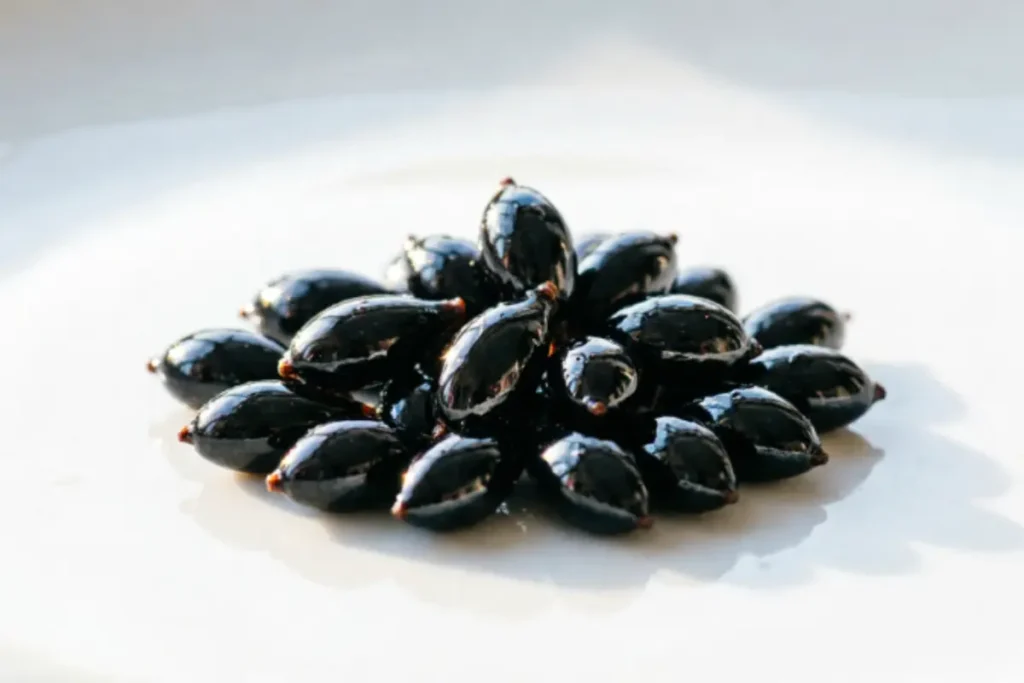
The best number also depends on seed quality, the size of your pot, and your growing conditions. Plant basil seeds shallowly in moist, well-draining soil, and give them enough warmth to germinate.
If several seedlings sprout in the same spot, you can thin them later and keep the strongest one. With the right basil seed spacing and care, growing basil from seed becomes much easier.
How Many Basil Seeds Per Hole Is Best?
Many gardeners think planting more basil seeds in one hole will lead to healthier plants, but too many seeds can cause overcrowding. The right number depends on seed quality, growing conditions, and where you plan to grow basil. Planting 2–3 basil seeds per hole can improve the chance of germination. If several seedlings sprout, you can thin them to give the strongest plant enough room to grow.
How Many Basil Seeds Should You Plant in One Hole?
Planting 2–3 basil seeds per hole is a useful starting point for most home gardeners. It gives you a better chance of getting at least one seedling if some seeds fail to sprout.
Make a small hole, sow the seeds shallowly, and cover them lightly with fine soil or seed-starting mix. Keep the soil evenly moist, but avoid soaking it.

The number of basil seeds to plant per hole can vary with seed freshness and germination quality. If you have fresh seeds with a good germination rate, planting one seed may be enough.
If you are unsure whether your seeds will sprout, using two or three can be helpful. This approach works for many containers and garden beds, as long as you leave enough room for the seedlings to grow.
Is One Basil Seed Per Hole Enough?
Yes, one basil seed per hole can be enough, especially when you are using fresh, high-quality seeds. It also reduces the need to thin extra seedlings later. However, germination is never guaranteed, so a single seed may leave an empty spot if it does not sprout. That is why some gardeners prefer sowing a few seeds in each planting hole.
If you choose to plant one seed, provide suitable warmth, gentle watering, and a well-draining growing medium. These conditions help support basil seed germination.
For seed trays or small pots, planting one seed per cell can save seeds and make seedling care easier. Just remember that the success of this method depends on the quality of the seeds and the growing conditions.
Can You Plant Too Many Basil Seeds in One Hole?
Yes, planting too many basil seeds in one hole can cause overcrowding. When several seedlings grow close together, they compete for light, water, nutrients, and space.
Their roots can become tangled, and the seedlings may struggle to develop into strong plants. Adding more seeds does not guarantee better growth, so it is better to start with a manageable number.
If you plant three or more seeds and several sprout, watch their growth and thin the extras when they are established enough to identify the strongest seedling.
Use clean scissors to snip unwanted seedlings at soil level rather than pulling them out, which may disturb nearby roots. Proper basil seed spacing gives the remaining plant more room to grow and makes ongoing basil plant care easier.
How Many Basil Seeds Per Hole for One Healthy Plant?
If your goal is to grow one healthy basil plant, starting with two or three seeds per hole can be a sensible option when you are uncertain about germination.
Once the seedlings emerge, keep the strongest one if they are growing too closely together. Look for a seedling with a sturdy stem, healthy green leaves, and steady growth rather than choosing simply by height.

The number of seeds per planting hole also depends on where you are growing basil. In a small pot or seed tray cell, one strong seedling is usually easier to manage.
In a larger container, you may grow multiple basil plants if there is enough space for their mature size. Whatever setup you choose, shallow sowing, consistent moisture, warmth, and sufficient light matter more than adding extra seeds.
How Many Basil Seeds Per Hole in a Pot or Seed Tray?
Many gardeners believe that the same number of basil seeds works for every pot, seed tray, and garden bed, but the best approach depends on your growing space.
When deciding how many basil seeds per hole to plant, consider the container size, seed quality, and how many mature plants you want. A little planning helps prevent overcrowding and makes it easier to care for young basil seedlings.
How Many Basil Seeds Per Hole in a Pot?
When growing basil in a pot, planting 2–3 seeds in one spot can be a practical choice if you are unsure about germination. If all the seeds sprout, you can thin the seedlings and keep the strongest one.
For a small pot intended for a single basil plant, avoid leaving too many seedlings together because they will compete for space, light, and nutrients.
Use a pot with drainage holes and fill it with a light, well-draining potting mix. Sow the seeds shallowly, following the instructions on the seed packet, and keep the soil moist without making it soggy.
If you want to grow several basil plants in one large container, space them according to the variety’s mature size rather than placing all the seeds in one crowded hole.
How Many Basil Seeds Per Hole in a Seed Tray?
For seed trays, you can sow 2–3 basil seeds in each cell to improve your chances of getting at least one seedling. This method is useful when starting basil indoors, especially if you are working with older seeds or do not know their germination rate.
Fill each cell with seed-starting mix, sow the seeds near the surface, and cover them lightly.
Place the tray somewhere warm with suitable light, and check the growing medium regularly so it stays evenly moist. Once the basil seedlings emerge, give them time to develop their first true leaves before choosing the strongest one to keep in each cell.
Snip extra seedlings at soil level instead of pulling them out, as pulling can disturb the roots of the plant you want to keep. This simple approach helps reduce overcrowding and makes transplanting basil seedlings easier later.
How Many Basil Seeds Should You Plant in Garden Soil?
When sowing basil seeds directly into garden soil, planting 2–3 seeds at each intended planting spot can help if you are unsure whether every seed will germinate. Choose a sunny location with fertile, well-draining soil, and wait until the weather is warm enough for basil. Cold soil can slow germination, so planting at the right time matters.
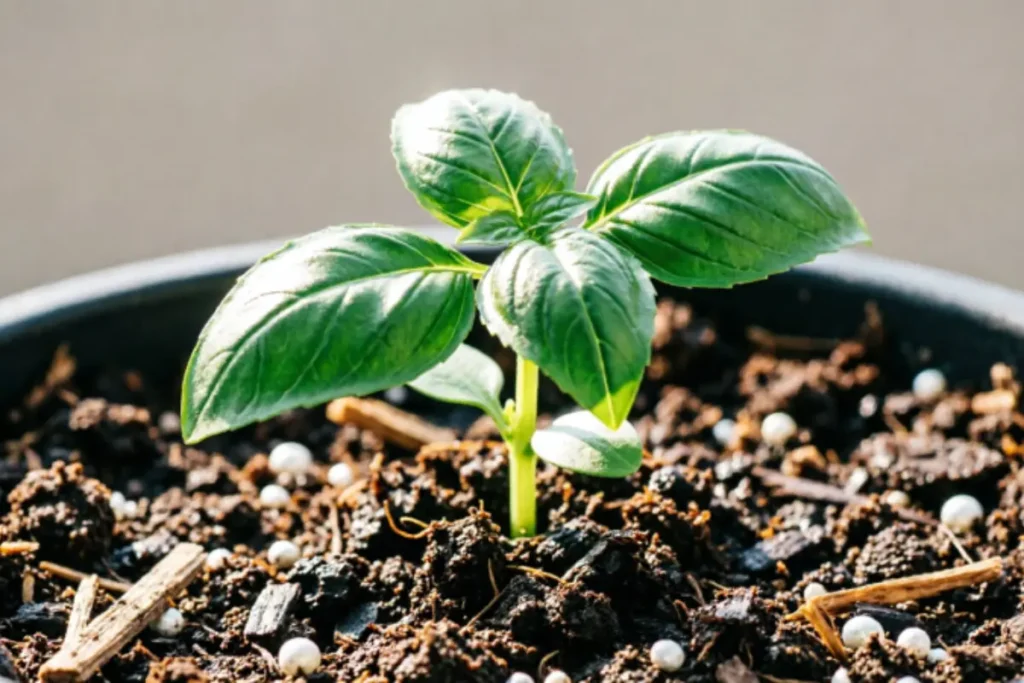
Make small, shallow planting spots and avoid dropping a large pile of seeds into one hole. Keep the soil consistently moist while the seeds germinate, but do not let water collect around them.
After the seedlings emerge, thin them as needed and follow the recommended spacing for your basil variety. This gives each plant enough room to develop healthy leaves and grow without excessive competition.
Should You Plant Basil Seeds in Separate Holes or Rows?
Both methods can work well. Planting basil seeds in separate holes makes it easier to control the number of seeds at each spot and manage seedlings as they grow. This approach is especially convenient for pots, raised beds, and small home gardens where you want to keep your plants organized.
Sowing basil seeds in rows can be useful when planting a larger garden area. It helps you keep track of where you planted the seeds and makes it easier to water and remove weeds between rows.
However, avoid sowing the seeds too thickly, as crowded seedlings may need more thinning. Whether you choose rows or separate holes, pay attention to basil seed spacing and leave enough room for the mature plants to grow.
How Deep Should You Plant Basil Seeds?
Many gardeners believe that covering basil seeds with plenty of soil will protect them and help them grow faster, but planting them too deeply can actually delay germination.
Basil seeds need the right planting depth, warmth, and moisture to sprout successfully. When growing basil from seed, sowing them near the soil surface gives young seedlings a better chance of emerging without struggling through a thick layer of soil.
The Best Planting Depth for Basil Seeds
Basil seeds should generally be planted about ¼ inch (6 mm) deep or less, depending on the seed packet’s instructions. These small seeds do not need a deep hole to grow.
Planting them too far below the surface can make it harder for the seedlings to reach the light, which may lead to slow or uneven germination.
To get the depth right, make a shallow indentation in your seed-starting mix, place the seeds inside, and cover them lightly. If you are sowing several basil seeds per hole, spread them out slightly rather than piling them on top of each other.
Keep the growing medium moist and warm while you wait for the seeds to sprout. Proper basil seed depth helps seedlings emerge more evenly and makes early plant care easier.
Should You Cover Basil Seeds With Soil?
Yes, you can lightly cover basil seeds with a thin layer of soil, but avoid burying them too deeply. A gentle covering helps keep the seeds in contact with moisture while allowing the emerging seedlings to reach the surface. You can also press the seeds gently against the moist growing medium and follow the directions on the seed packet for the variety you are growing.

After sowing, water carefully with a spray bottle or a gentle stream so the seeds do not wash away. Check the surface regularly because the top layer can dry out faster than the soil below it.
Avoid letting the growing medium become waterlogged, as excess moisture can damage seeds before they germinate. Getting this balance right supports basil seed germination and helps young plants establish themselves.
What Soil Is Best for Planting Basil Seeds?
Basil seeds grow best in a light, fine-textured seed-starting mix that holds some moisture but drains well. Heavy garden soil can become compacted in small pots or seed trays, making it harder for delicate roots to develop. A suitable growing medium gives seeds access to moisture and air while allowing new roots to spread.
Choose a clean seed-starting mix or a quality potting mix designed for starting plants. Make sure your container has drainage holes so extra water can escape.
Before planting, moisten the mix lightly rather than soaking it. Whether you are starting basil indoors or planting directly in a prepared garden bed, good soil conditions can support healthy germination and early growth.
Combined with shallow sowing, suitable warmth, and regular moisture, well-draining soil gives your basil seedlings a strong start.
How Far Apart Should Basil Seeds Be Planted?
Many gardeners assume basil seeds need plenty of space from the moment they are planted, but the most important thing is to give the seedlings enough room as they grow.
Basil seed spacing depends on whether you are growing basil in pots, seed trays, or garden beds. Planning the spacing early helps prevent overcrowding and gives your plants better access to sunlight, water, and nutrients.
How Far Apart Should Basil Seeds Be Planted?
When planting basil seeds, distinguish between the distance between seeds and the final spacing between mature plants. You can sow 2–3 seeds in one small planting spot if germination is uncertain, then thin the seedlings after they emerge.
Once established, most basil plants need around 8–12 inches (20–30 cm) between plants, although the ideal distance varies by variety and growing conditions.

If you are planting in rows, leave enough room between rows to water the plants and reach them for harvesting. Check your seed packet for variety-specific recommendations, especially if you are growing compact basil or a larger type that spreads widely.
Proper basil seed spacing gives leaves room to develop and helps air move around the plants, reducing crowded, damp conditions.
Basil Seed Spacing for Pots and Containers
Growing basil in pots is a great option when you have limited garden space. However, small containers can become crowded quickly if too many seeds grow into established plants.
If your pot is meant for one basil plant, choose the strongest seedling and remove extras once they are established. For a larger container, you can grow more than one plant if the pot provides enough room for their mature size.
When planning how many basil seeds per container to sow, consider the pot’s width, drainage, and the variety you are growing. Avoid placing several clusters of seeds close together just to fill the pot quickly.
Leave space between planting spots and thin seedlings as needed. Good spacing allows each plant to receive adequate light and water, making container-grown basil easier to maintain.
Basil Plant Spacing in Garden Beds
Basil grown in garden beds usually has more room to spread than basil grown in small pots, but it still needs proper spacing. For many common varieties, leaving about 8–12 inches between established plants is a useful starting point.
Larger varieties may need more space, so follow the growing instructions for your specific basil type.
Before sowing, mark your planting spots so you can keep them evenly spaced. Once the seedlings emerge, thin crowded groups and keep the healthiest plants.
Avoid packing basil too closely together, as crowded foliage can restrict airflow and make watering and harvesting more difficult. Whether you are planting basil in raised beds or directly in garden soil, suitable spacing helps create healthier plants and makes it easier to pick fresh leaves throughout the growing season.
FAQs About How Many Basil Seeds Per Hole
How Many Basil Seeds Per Hole Should You Plant?
Planting 2–3 basil seeds per hole is a practical option if you are unsure about their germination rate. Once the seedlings emerge, thin them if necessary and keep the strongest one.
Is One Basil Seed Per Hole Enough?
Yes, one fresh basil seed per hole can be enough if it germinates successfully. Planting a few seeds instead can improve the chance of getting at least one seedling.
Can I Put Three Basil Seeds in One Hole?
Yes, you can plant three basil seeds in one hole. If all three sprout close together, thin the extras to prevent overcrowding and give the remaining seedling enough room.
How Many Basil Seeds Per Hole in a Pot?
For a pot intended for one basil plant, sowing 2–3 seeds in one spot can be useful. Keep the strongest seedling after germination, and make sure the pot has enough room for healthy growth.
How Many Basil Seeds Per Hole in a Seed Tray?
You can sow 2–3 seeds in each seed tray cell to improve your chances of germination. Once the seedlings develop, remove the extras carefully so the strongest one can grow.
How Deep Should You Plant Basil Seeds?
Basil seeds should generally be sown about ¼ inch (6 mm) deep or less. Cover them lightly with soil and follow the instructions on your seed packet.
How Far Apart Should Basil Seeds Be Planted?
You can sow a few seeds in one spot and thin them after germination. For many common basil varieties, spacing established plants around 8–12 inches apart works well, but check the variety’s growing instructions.
When Should You Thin Basil Seedlings After Germination?
Wait until the seedlings emerge and develop their first true leaves. Then choose the strongest seedling and snip the extras at soil level to avoid disturbing its roots.
How Long Do Basil Seeds Take to Sprout?
Basil seeds commonly germinate within about 5–10 days under suitable conditions. Cool temperatures, dry soil, or poor-quality seeds may delay sprouting.
Can Basil Seeds Grow if You Do Not Cover Them With Soil?
Yes, basil seeds can germinate when pressed gently into moist growing medium. However, follow the seed packet’s instructions and keep the surface consistently moist.
Should I Plant Basil Seeds Indoors or Outdoors?
You can start basil seeds indoors in trays or sow them outdoors once the weather and soil are warm enough. Indoor sowing gives you more control over early growing conditions.
How Many Basil Seeds Should I Plant for One Healthy Plant?
Starting with 2–3 seeds can improve your chances of getting a seedling. If several sprout in the same spot, keep the strongest one when your goal is a single healthy plant.
Conclusion:
Learning how many basil seeds per hole to plant is a simple but important step toward growing healthy basil plants. For most home gardeners, planting 2–3 basil seeds in each hole is a practical option when seed germination is uncertain.
This gives you a better chance of getting at least one seedling without using too many seeds. However, planting more seeds does not automatically lead to stronger growth. If several seedlings emerge in the same spot, thin them and keep the healthiest one when you want a single plant.
Remember that successful basil seed planting depends on more than the number of seeds you use. Sow them shallowly in a light, well-draining growing medium, keep the soil evenly moist, and provide suitable warmth for germination.
Whether you start basil seeds indoors, grow them in a seed tray, or plant them directly in garden soil, make sure the seedlings have enough light and room to develop. Check your seed packet for variety-specific instructions, especially for planting depth and spacing.
With proper basil seed spacing, careful watering, and regular seedling care, you can avoid common problems such as overcrowding, poor germination, and weak growth.
As your plants mature, give them enough room to spread and develop healthy leaves. You do not need complicated gardening techniques to get started.
Choose good-quality seeds, plant them carefully, and pay attention to your seedlings as they grow. These simple steps will help you grow strong basil plants and enjoy fresh leaves for cooking, salads, sauces, and other homemade dishes.

Plant Nest Blog’s author is passionate about plants, gardening, and sustainable living. Through research and practical experience, they share helpful plant care tips, gardening guides, and easy solutions to help readers grow healthier plants and create greener spaces.