
It is widely thought that watering a plant regularly is all it takes to keep it healthy. That’s one of the biggest myths in gardening. While water is essential, plants need more than water to grow strong, produce healthy leaves, and develop flowers or fruits.
If water alone was enough, every well-watered plant would thrive but that’s simply not how nature works.
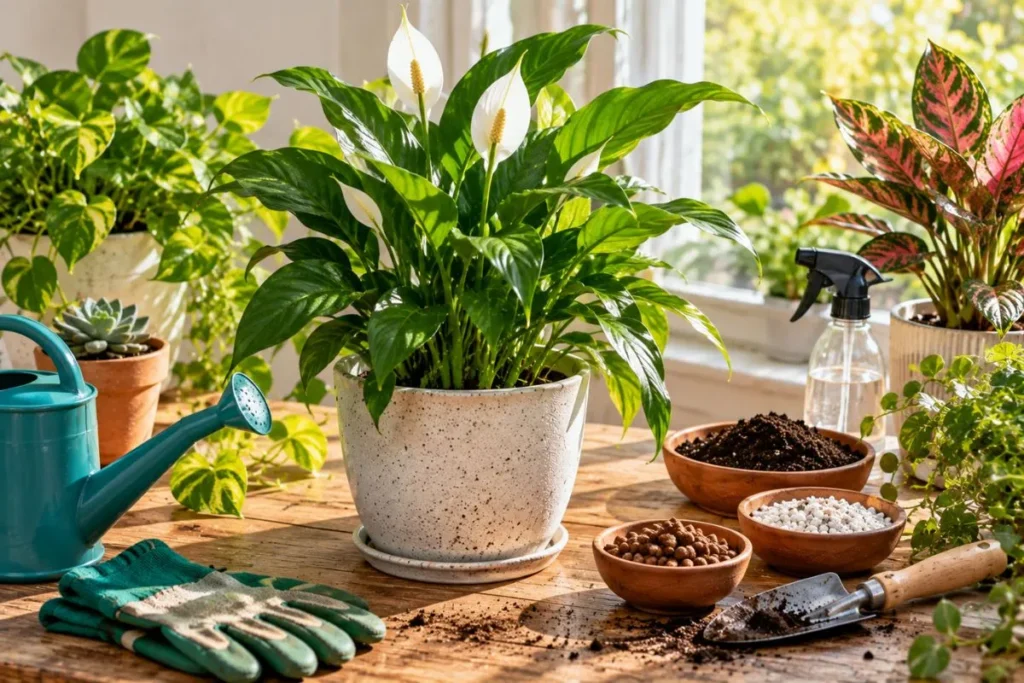
The truth is that plants need more than just water to survive and flourish. They also depend on sunlight, nutrients, healthy soil, fresh air, the right temperature, and enough space to grow.
In this guide, you’ll learn what plants need besides water, why plants need more than water, and the simple steps you can take to create the ideal conditions for healthy plant growth.
Whether you’re caring for houseplants or a backyard garden, understanding these plant growth essentials will help your plants stay greener, stronger, and healthier.
What Do Plants Need Besides Water?
Sunlight: The Energy Source for Every Plant
The first thing plants need besides water is sunlight. Without enough light, plants cannot make their own food through photosynthesis. This natural process converts sunlight, water, and carbon dioxide into energy that fuels every part of a plant’s growth.
Even if you water your plants every day, they won’t stay healthy if they don’t receive the right amount of sunlight.
Different plants have different light requirements. Some thrive in full sun, while others prefer partial shade or indirect light. Understanding your plant’s lighting needs is one of the most important plant growth essentials and plays a huge role in maintaining healthy plant growth.
Nutrients: The Plant’s Daily Food
Water keeps plants hydrated, but nutrients help them grow. Plants absorb essential minerals from the soil through their roots, including nitrogen, phosphorus, and potassium. These nutrients support leaf growth, root development, flowering, and fruit production.
If the soil lacks nutrients, plants may grow slowly, develop yellow leaves, or appear weak, even when they receive enough water. This is why gardeners often add compost or organic fertilizer to improve plant nutrition and ensure plants receive the essential nutrients plants need for healthy growth.
Healthy Soil: The Foundation of Strong Growth
Healthy soil does much more than hold a plant upright. It stores moisture, delivers nutrients, provides oxygen to the roots, and allows excess water to drain away. Poor-quality soil can lead to root damage, nutrient deficiencies, and unhealthy plants.
Choosing the best soil for plants and improving it with compost or organic matter creates a healthier growing environment. Good soil is one of the biggest reasons why plants require more than water to stay healthy over the long term.
Fresh Air: An Overlooked Essential
Air is another requirement that many people forget. Plants absorb carbon dioxide from the air to make food and release oxygen during photosynthesis. At the same time, their roots also need oxygen from the soil to stay healthy.
Poor air circulation or compacted soil can reduce oxygen levels around the roots, slowing growth and increasing the risk of disease. Fresh air supports stronger plants and is an important part of proper plant care.
Enough Space: Room to Grow Naturally
Every plant needs enough space for its roots to spread and its leaves to receive sunlight. When plants are crowded together, they compete for water, nutrients, sunlight, and air. This competition often results in weaker growth and a higher chance of pests and diseases.
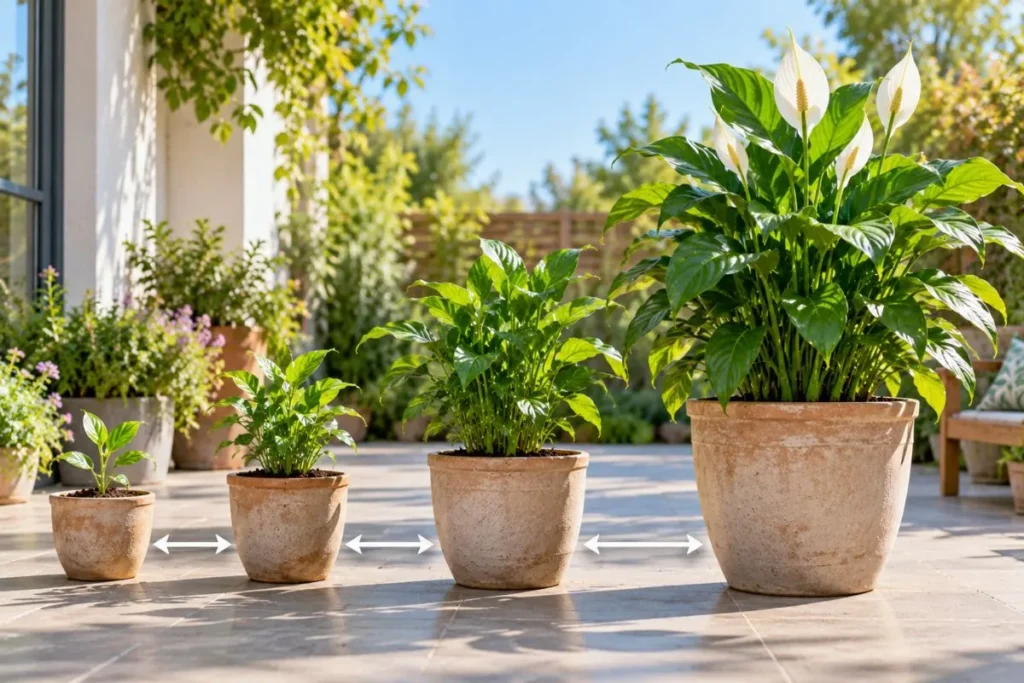
Giving plants enough room encourages better root development, healthier foliage, and stronger overall growth. Creating the right plant growing conditions is just as important as watering regularly.
The Right Temperature: Keeping Plants Comfortable
Temperature has a direct impact on how well plants grow. Extreme heat can dry out the soil and stress the plant, while freezing temperatures may damage leaves, stems, and roots. Every plant species grows best within a certain temperature range.
Providing the right environment helps plants absorb nutrients efficiently and continue growing throughout the season. Whether you’re caring for indoor or outdoor plants, maintaining suitable temperatures is one of the key plant growth requirements.
Together, sunlight, nutrients, healthy soil, fresh air, space, and the right temperature explain why plants need more than water to grow. Water is essential, but it works alongside these other factors to create healthy, thriving plants.
Understanding what plants need besides water is the first step toward giving your garden or houseplants everything they need to flourish.
Why Plants Need More Than Water to Grow
Many people assume that if a plant gets enough water, it should naturally grow bigger and healthier. Unfortunately, that’s not true. Water is only one part of the growth process.
Even a well-watered plant can become weak, stop growing, or fail to produce flowers if it doesn’t receive the other resources it needs. This is exactly why plants need more than water to develop properly.
Water Is the Carrier, Not the Complete Solution
Think of water as a delivery system rather than the plant’s only source of life. Water moves nutrients from the soil to different parts of the plant, helping every cell function properly. However, if there are no nutrients available or the growing conditions are poor, water has very little to transport.
This is one of the biggest reasons why plants need more than water to grow. Healthy development depends on several factors working together, not just regular watering. Water supports life, but it cannot replace sunlight, minerals, or healthy soil.
Plants Need Sunlight to Make Their Own Food
Unlike humans and animals, plants don’t eat food. Instead, they produce it themselves through a natural process called photosynthesis. During this process, plants use sunlight, water, and carbon dioxide to create the energy they need for growth.
Without enough sunlight, a plant cannot produce enough food, no matter how much water it receives. This is why many plants become pale, weak, or leggy when they are placed in dark areas.
Understanding this process helps explain what plants need besides water and why light is one of the most important plant growth factors.
Healthy Cells Need More Than Moisture
Every new leaf, stem, root, and flower begins as tiny plant cells. These cells require water to stay hydrated, but they also need nutrients to divide, grow, and become strong. Essential minerals like nitrogen, phosphorus, and potassium help plants build healthy tissues that water alone simply cannot provide.
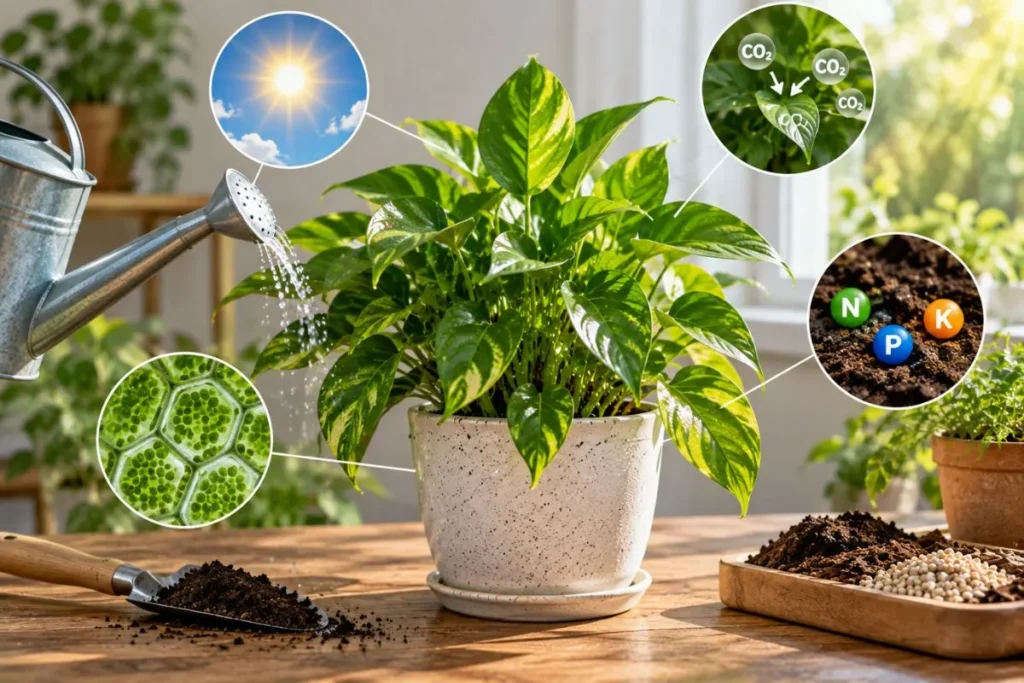
When plants receive balanced nutrition along with proper care, they develop stronger stems, greener leaves, and better resistance to stress. This combination leads to healthy plant growth and supports long-term plant health.
Strong Roots Depend on Complete Plant Care
Roots are responsible for absorbing both water and nutrients from the soil. If the soil lacks essential minerals or becomes compacted, the roots cannot perform their job efficiently. As a result, the entire plant suffers, even if watering is consistent.
Strong root systems are the foundation of healthy plants. Good soil structure, proper drainage, and adequate nutrients all contribute to healthy root development. This is another reason plants require more than water to remain healthy throughout their life cycle.
Flowers and Fruits Need Extra Energy
Producing flowers, fruits, and seeds requires much more energy than simply growing leaves. Plants must store enough nutrients and create sufficient food through photosynthesis before they can bloom successfully.
If a plant receives only water but lacks sunlight or nutrients, it may survive for a while but struggle to flower or produce fruit. Gardeners often notice this problem when plants grow leaves but never bloom. Providing balanced plant nutrition and the right growing conditions helps plants reach their full potential.
Everything Works Together for Healthy Growth
The secret to successful gardening isn’t watering more it’s creating the right environment. Water works together with sunlight, fresh air, nutrient-rich soil, and essential minerals to support every stage of plant development.
When one of these elements is missing, growth slows down, and plants become more vulnerable to pests, diseases, and environmental stress.
Understanding these plant growth essentials makes it much easier to care for your garden or houseplants. Once you know why plants need more than water, you can make smarter decisions that encourage stronger roots, healthier leaves, beautiful flowers, and long-lasting growth.
The Essential Things Every Plant Needs
Many people think watering plants more often will solve every growth problem. In reality, that’s one of the most common gardening mistakes. A plant may receive plenty of water and still struggle because it’s missing other basic needs.
If you truly want healthy, vibrant plants, you need to understand that plants need more than water. Every plant depends on several essential elements working together, and when even one is missing, growth can slow down or stop altogether.
Sunlight – The Plant’s Food Factory
Sunlight is one of the most important resources for plant life. Unlike humans, plants cannot search for food or consume it. Instead, they create their own energy by capturing sunlight. This energy powers everything from growing new leaves to producing flowers and fruits.
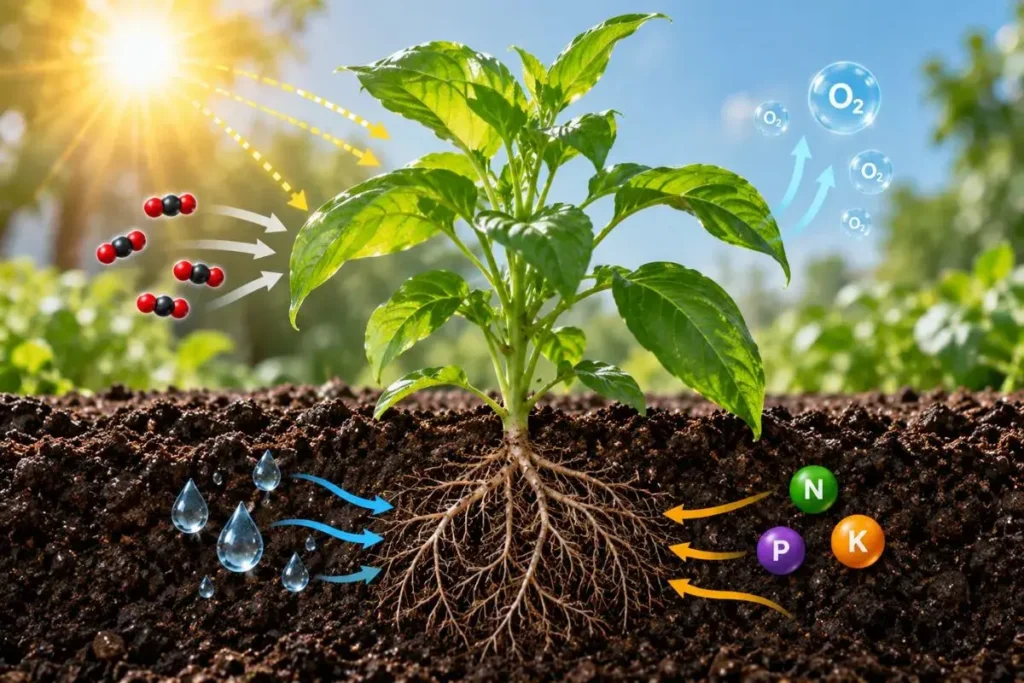
The amount of light a plant needs depends on its variety. Some plants love full sunlight throughout the day, while others perform better in bright but indirect light. Placing a plant in the wrong location often leads to slow growth, faded leaves, and weak stems, even when watering is done correctly.
Understanding why sunlight is important for plant growth helps you provide better care from the beginning. When combined with proper watering, sunlight for plants becomes one of the strongest foundations of long-term plant health.
This is another clear example of why plants need more than water to grow successfully.
Nutrients – Plant Food That Water Can’t Replace
Water keeps plants hydrated, but it doesn’t provide the nutrition needed to build new tissues. Plants absorb nutrients from the soil, and each nutrient supports a different part of their growth.
Nitrogen encourages lush green leaves and healthy stems. Phosphorus helps roots become stronger while supporting flowering and fruit development. Potassium improves overall plant strength and increases resistance to diseases and environmental stress.
Besides these major nutrients, plants also rely on several micronutrients in smaller amounts to stay healthy.
Over time, soil naturally loses nutrients as plants continue to grow. That’s why gardeners add compost, organic matter, or fertilizer to replenish the soil. Providing proper plant nutrition ensures your plants receive the essential nutrients plants need for healthy growth, something water alone can never achieve.
Healthy Soil – The Foundation of Strong Plants
Healthy soil is much more than dirt. It acts as the plant’s home by supporting the roots, storing moisture, supplying nutrients, and allowing air to move freely underground.
When soil becomes compacted or lacks organic matter, roots struggle to spread and absorb the resources they need. Poor soil can also hold too much water or drain too quickly, creating problems that affect the entire plant.
Choosing the best soil for plants and improving it with compost creates a healthier growing environment. Rich soil supports better root development and provides the minerals needed for continuous growth.
If you’re wondering how soil helps plants grow better, the answer lies in its ability to balance water, nutrients, and oxygen all at once.
Air – An Invisible Requirement
Air is something many beginner gardeners overlook, yet it plays a major role in plant health. Plants absorb carbon dioxide from the atmosphere, which they use to produce food. At the same time, roots need oxygen trapped within the soil to remain active and healthy.
Poor ventilation around indoor plants or heavily compacted soil can limit airflow, making it harder for plants to grow normally. Good air circulation also helps reduce excess moisture around leaves, lowering the risk of fungal diseases.
Fresh air may be invisible, but it’s one of the essential plant growth requirements that supports strong development. Along with water and sunlight, air for plants is another key ingredient for maintaining healthy growth.
Space – Let Roots and Leaves Grow Freely
Every plant needs enough room to grow. When plants are crowded together, they compete for sunlight, nutrients, water, and air. This competition weakens their growth and makes them more vulnerable to pests and diseases.
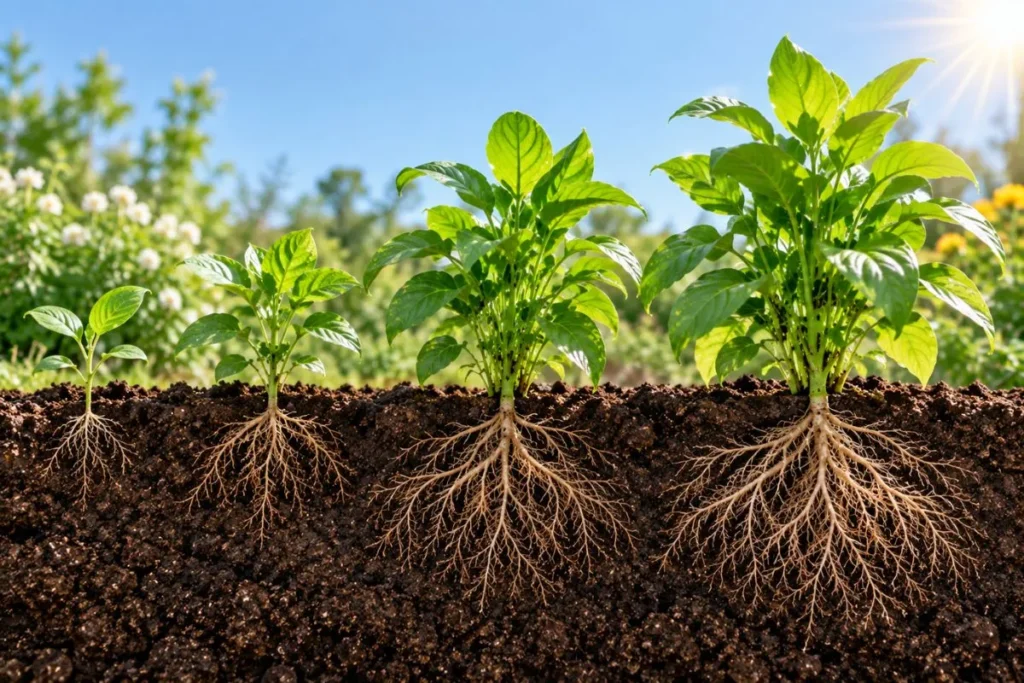
Healthy roots naturally spread through the soil in search of moisture and nutrients. Likewise, leaves need enough space to capture sunlight without being shaded by neighboring plants.
Whether you’re growing vegetables, flowers, or indoor plants, providing adequate spacing creates better plant growing conditions and encourages stronger root systems, healthier foliage, and improved overall development.
Right Temperature and Environment
Temperature affects nearly every stage of a plant’s life. If conditions become too hot or too cold, plants may slow their growth, drop leaves, or stop flowering altogether. Every species has its own preferred climate, which is why some plants thrive indoors while others perform best outside.
Humidity, seasonal changes, and weather conditions also influence plant health. Maintaining the right environment helps plants absorb nutrients efficiently and continue growing without unnecessary stress.
Understanding these environmental needs of plants allows you to create ideal conditions throughout the year. When the temperature, light, soil, nutrients, air, and water all work together, plants can reach their full potential.
Bringing Everything Together
The healthiest gardens aren’t created by watering alone. They’re built by meeting all of a plant’s basic needs consistently. Sunlight provides energy, nutrients fuel growth, healthy soil supports the roots, fresh air keeps plants functioning properly, enough space prevents competition, and the right temperature allows steady development.
Once you understand these six essentials, it becomes much easier to see what plants need besides water and how to provide everything plants need to thrive. Together, these factors create the ideal environment for strong roots, vibrant leaves, colorful blooms, and long-lasting healthy plant growth.
Frequently Asked Questions
Do plants need more than water to survive?
Yes, they do. While water is essential, it isn’t enough on its own. Plants also need sunlight, fresh air, nutrient-rich soil, essential minerals, the right temperature, and enough space to grow.
These plant growth essentials work together to keep plants healthy. Without them, even well-watered plants can become weak, stop growing, or eventually die.
What do plants need besides water?
If you’re wondering what plants need besides water, the answer is simple. Every healthy plant requires:
- Sunlight to produce energy.
- Nutrients to support growth.
- Healthy soil to anchor roots and supply minerals.
- Fresh air for photosynthesis and root respiration.
- Enough space to grow properly.
- A suitable temperature and environment.
These are the basic things plants need to survive and grow, whether they’re growing indoors or outdoors.
Why isn’t water enough for healthy plant growth?
Water helps transport nutrients throughout the plant, but it cannot provide energy or essential minerals by itself. Plants depend on sunlight to make food and nutrients to build healthy leaves, roots, stems, flowers, and fruits.
This is why plants need more than water to grow and why successful gardening focuses on complete plant care instead of watering alone.
What nutrients do plants need?
Plants mainly require three primary nutrients:
- Nitrogen (N) for green leaves and healthy stems.
- Phosphorus (P) for root growth, flowering, and fruit production.
- Potassium (K) for overall plant health and disease resistance.
They also need smaller amounts of micronutrients like calcium, magnesium, iron, zinc, and manganese. Providing balanced plant nutrition helps ensure strong and steady growth throughout the growing season.
Can plants grow without sunlight?
Most plants cannot survive without sunlight because they need it to produce food through photosynthesis. Some indoor plants can tolerate low-light conditions, but they still need some natural or artificial light to remain healthy.
Without enough light, growth becomes slow, leaves lose color, and the plant gradually weakens.
How does soil help plants grow?
Healthy soil supports plants in several ways. It stores moisture, supplies nutrients, provides oxygen to the roots, and gives the plant a stable foundation.
Rich soil also encourages healthy root development, allowing plants to absorb everything they need for continuous growth. That’s why choosing the best soil for plants is just as important as watering them correctly.
How often should I fertilize my plants?
The answer depends on the type of plant and the fertilizer you’re using. Most houseplants benefit from fertilizer every 4 to 6 weeks during their active growing season, while many outdoor plants may only need feeding a few times each year.
Always follow the instructions on the fertilizer label, as overfeeding can damage your plants.
What is the biggest mistake people make when watering plants?
One of the most common mistakes is overwatering. Many people assume that more water means healthier plants, but too much water can suffocate the roots and lead to root rot. Instead of watering on a fixed schedule, check the soil first and water only when it begins to dry.
A balanced plant care routine always works better than excessive watering.
Do indoor plants need different care than outdoor plants?
Yes. Indoor plants usually receive less natural sunlight and experience more stable temperatures. Because of this, they often require less water but need careful placement near windows or under grow lights.
Outdoor plants face changing weather conditions, rainfall, wind, and seasonal temperature changes, so their care routine may vary throughout the year.
How can I tell if my plant needs nutrients?
Plants often show clear signs when they’re lacking nutrients. Common symptoms include yellow leaves, slow growth, weak stems, poor flowering, small leaves, and faded colors.
If watering is consistent but these problems continue, your plant may benefit from compost or fertilizer to restore balanced plant nutrition and encourage healthy plant growth.
Conclusion
By now, it’s clear that plants need more than water to grow into healthy, thriving plants. While watering is an important part of plant care, it is only one piece of the puzzle.
Plants also rely on sunlight, nutrient-rich soil, fresh air, essential minerals, enough growing space, and the right environmental conditions.
When all of these plant growth essentials work together, plants become stronger, greener, and more capable of producing beautiful flowers, healthy leaves, and abundant fruits.
Whether you’re caring for indoor plants, vegetables, flowering plants, or a backyard garden, the secret to success is providing complete care instead of focusing only on watering.
Understanding what plants need besides water helps you avoid common gardening mistakes and creates the perfect conditions for long-term growth.
Small improvements, such as choosing better soil, providing enough sunlight, or feeding plants with the right nutrients, can make a remarkable difference.
Remember, healthy gardening isn’t about giving your plants more water it’s about giving them everything they need.
By following the tips shared in this guide and learning how to provide everything plants need to thrive, you’ll enjoy healthier plants, stronger root systems, vibrant foliage, and a flourishing garden throughout the year.
With the right care and consistency, your plants won’t just survive they’ll truly thrive.

Plant Nest Blog’s author is passionate about plants, gardening, and sustainable living. Through research and practical experience, they share helpful plant care tips, gardening guides, and easy solutions to help readers grow healthier plants and create greener spaces.