
One of the biggest myths about dracaena plants is that they need frequent watering to stay healthy. That’s simply not true. In fact, watering your dracaena too often is one of the fastest ways to damage it.
These popular houseplants are much more tolerant of dry soil than soggy roots, and overwatering causes far more problems than waiting an extra day or two before reaching for the watering can.
If you’ve been wondering how often to water dracaena, you’re not alone. It’s one of the most common questions new and experienced plant owners ask. The good news is that dracaena is relatively easy to care for once you understand its watering needs.
Instead of following a strict weekly schedule, the secret is learning when your plant is actually thirsty.
For most homes, the ideal dracaena watering frequency is about once every 1 to 2 weeks. However, this isn’t a fixed rule. Your plant may need water sooner during warm summer months or less often in winter when growth naturally slows down.
That’s why experienced plant owners don’t rely on the calendar they rely on the condition of the soil.
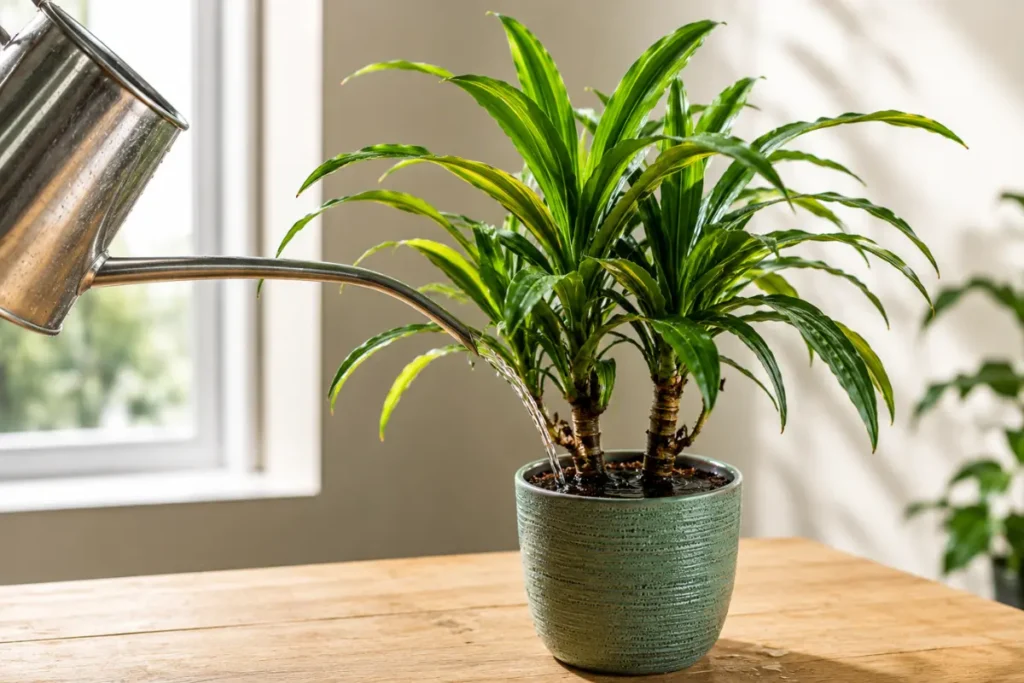
A healthy dracaena watering guide always starts with one simple habit: check the soil before watering. If the top few inches feel dry, it’s usually time to water. If the soil still feels damp, wait a few more days and check again.
This small step can prevent many common problems, including yellow leaves, root rot, and weak growth.
Several factors affect how often should you water dracaena. These include the size of the pot, the type of potting soil, the indoor temperature, humidity levels, the amount of sunlight the plant receives, and the season of the year.
Since every home has a different environment, two dracaena plants can require different watering schedules even if they are the same variety and size.
How Often Should You Water a Dracaena Plant?
The short answer is simple: water your dracaena only when the top 2 to 3 inches (5 to 7 cm) of soil feel dry. For most indoor plants, this usually means watering every 7 to 14 days, but the exact timing depends on your home’s growing conditions.
If you’re searching for the best watering schedule for dracaena plants, it’s important to understand that there isn’t a universal timetable. A plant growing in a bright, warm room will dry out much faster than one placed in a cooler area with indirect light.
This is why checking the soil is always more reliable than watering on the same day every week.
Why Dracaena Prefers Slightly Dry Soil
Dracaena is a tropical plant, but it doesn’t like constantly wet roots. In its natural habitat, the soil drains well after rainfall, allowing the roots to dry slightly before receiving more moisture.
Recreating these conditions indoors helps your plant stay healthy and reduces the risk of common watering problems.
Allowing the soil to dry slightly between waterings encourages stronger root growth, lowers the chance of root rot, prevents fungal issues, keeps the leaves healthy and green, and supports steady plant growth.
This is why experienced gardeners recommend checking the soil before watering instead of following a fixed schedule.
How to Know When It’s Time to Water
If you’re wondering when to water dracaena, there are several simple ways to find out.
The Finger Test
The finger test is one of the easiest methods for beginners. Simply insert your finger about 2 to 3 inches into the soil. If the soil feels dry at that depth, it’s time to water.
If it still feels slightly moist, wait a few more days before checking again. This quick habit takes less than a minute and helps prevent accidental overwatering.
Use a Moisture Meter
If you have several houseplants, a moisture meter can make watering much easier. Insert the probe into the soil near the root zone and check the reading.
A low moisture reading indicates that it’s time to water, while a medium or wet reading means the plant still has enough moisture. Many indoor gardeners prefer this method because it provides a more accurate picture of soil moisture below the surface.
Watch Your Plant
Your dracaena also gives clear signals when it needs water. You may notice the leaves beginning to droop slightly, the soil pulling away from the edges of the pot, the pot feeling much lighter than usual, or slower growth during the active growing season.
These natural signs are much more dependable than relying on a calendar.
Should You Water on the Same Day Every Week?
The answer is no. Many people set a weekly reminder to water their houseplants, but that method doesn’t always work for dracaena. Changes in weather, indoor heating, air conditioning, humidity, and the seasons all influence how quickly the soil dries.
Instead of asking yourself, “Is today watering day?”, it’s better to ask, “Is the soil dry enough to water?” This simple shift in mindset is one of the best ways to master watering a dracaena plant and improve your indoor dracaena care.
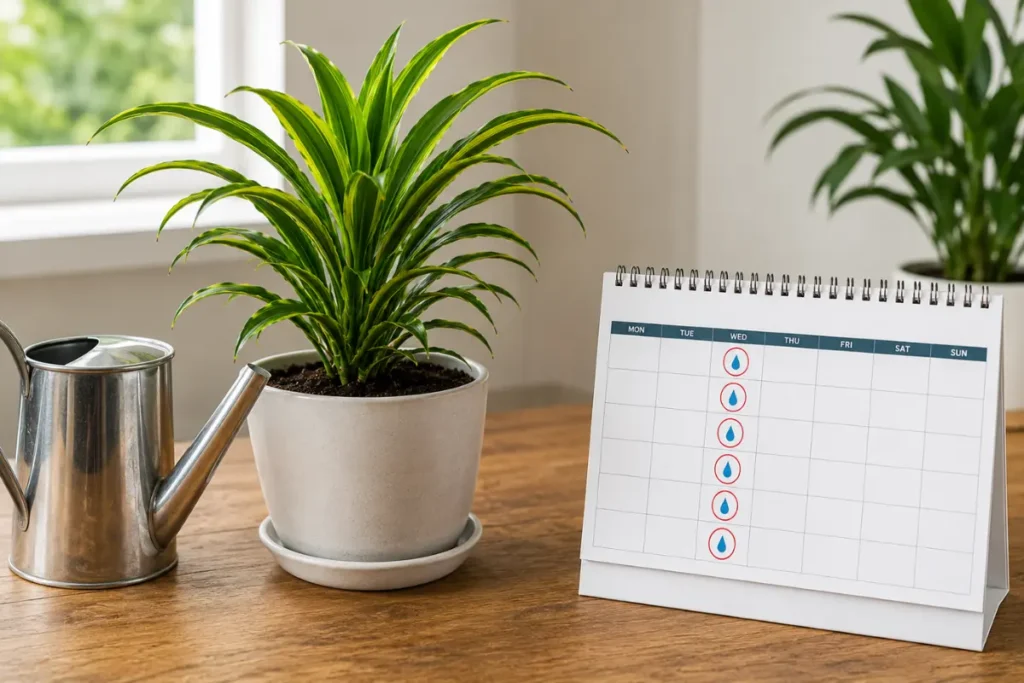
Before watering, quickly check whether the top 2 to 3 inches of soil are dry, whether the pot has proper drainage holes, whether the plant has been exposed to warm temperatures or bright light, and whether the soil is well-draining rather than heavy and soggy.
If these conditions are met, your dracaena is likely ready for watering.
The most important takeaway is that the best dracaena watering schedule is based on the soil’s moisture level rather than a fixed calendar. Once you make soil checks part of your routine, you’ll greatly reduce the risk of overwatering and help your dracaena grow into a healthy, vibrant houseplant.
How Much Water Does a Dracaena Plant Need?
Many people think giving a dracaena a large amount of water every time is the best way to keep it healthy. In reality, too much water is one of the biggest reasons these plants struggle. The goal is to water deeply, not frequently.
Water According to Your Plant’s Needs
If you’re wondering how much water does a dracaena plant need, there isn’t a fixed amount. The right quantity depends on the pot size, plant size, soil type, and your indoor environment. A small plant needs less water than a large, mature one.
Water Deeply, Not Lightly
The best way to water a dracaena plant is to pour water slowly and evenly over the soil. Keep watering until excess water drains from the holes at the bottom of the pot. This ensures the roots receive enough moisture.
Never Leave Water in the Saucer
After watering, empty the saucer beneath the pot. Leaving the plant sitting in standing water keeps the roots wet for too long and increases the risk of root rot.
The Pot Makes a Difference
The type of pot also affects how much to water dracaena. Plastic pots hold moisture longer, while terracotta pots dry out faster because they are porous. As a result, dracaenas in terracotta pots may need watering a little sooner.
Use Well-Draining Soil
Proper soil is essential for watering dracaena indoors. A loose, well-draining potting mix allows extra water to escape while keeping enough moisture around the roots. Heavy or compact soil stays wet longer and can lead to overwatering.
Don’t Measure Water by Cups
Instead of measuring water every time, focus on watering thoroughly and allowing the excess to drain away. This method works better because every dracaena grows under different conditions.
Adjust as Your Plant Grows
A dracaena’s water needs change as it matures. Larger plants with bigger root systems usually use more moisture than smaller ones. Newly repotted plants may also need a short adjustment period before returning to their regular watering routine.
Factors That Affect How Often to Water Dracaena
Many people assume every dracaena should be watered on exactly the same schedule. In reality, no two homes provide identical growing conditions. Even two dracaena plants sitting in different rooms of the same house can dry out at completely different rates. Understanding these factors will help you build a more accurate dracaena watering guide instead of relying on guesswork.
Pot Size
The size of the pot has a direct impact on dracaena watering frequency. Smaller pots hold less soil, which means they dry out more quickly. As a result, plants growing in small containers often need watering more frequently.
Larger pots contain more soil, allowing them to retain moisture for a longer period. While this reduces how often you need to water, it also means you should be extra careful not to water too soon.
Larger containers can stay damp beneath the surface even when the top layer feels slightly dry.
When choosing a pot, always make sure it has drainage holes. Proper drainage allows excess water to escape and creates a healthier environment for the roots.
Type of Soil
Soil plays a huge role in determining how often to water dracaena. The best soil for dracaena is light, loose, and well-draining. This type of potting mix holds enough moisture for the roots while allowing extra water to flow away.
Heavy garden soil or compact potting mixes tend to stay wet for too long. Excess moisture around the roots can eventually lead to poor plant health and slow growth.
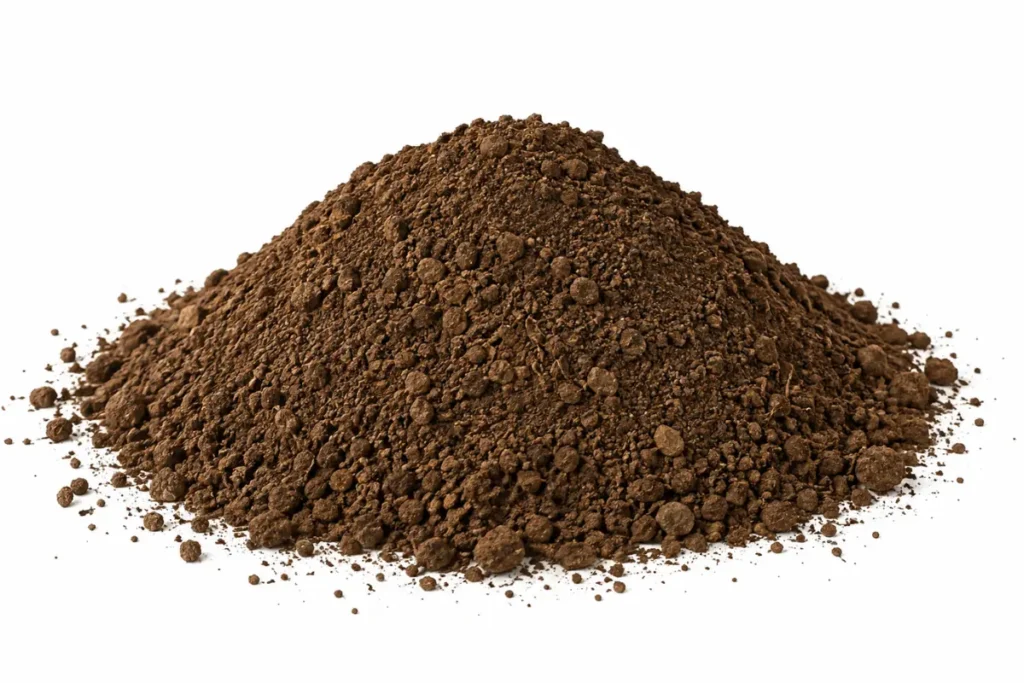
A quality indoor potting mix combined with ingredients like perlite or coarse sand improves drainage and creates ideal growing conditions. Healthy soil makes watering much easier because it balances moisture without becoming soggy.
Indoor Temperature
Temperature is another important factor that influences indoor dracaena care.
When your home is warm, especially during summer or when indoor heating is running, water evaporates faster from the soil. The plant also uses more moisture as it continues growing, so you’ll likely notice the soil drying out sooner.
During cooler months, evaporation slows down considerably. Since the plant’s growth also becomes slower, it doesn’t require as much water. This is why watering habits should change throughout the year rather than staying the same every week.
Humidity Levels
Humidity affects how quickly your dracaena loses moisture through its leaves. In homes with dry air, especially during winter when heaters are running, the plant may use water more quickly than expected.
On the other hand, homes with naturally higher humidity allow the soil to stay moist for a longer time. While dracaena enjoys moderate humidity, you should still let the soil dry slightly before watering again.
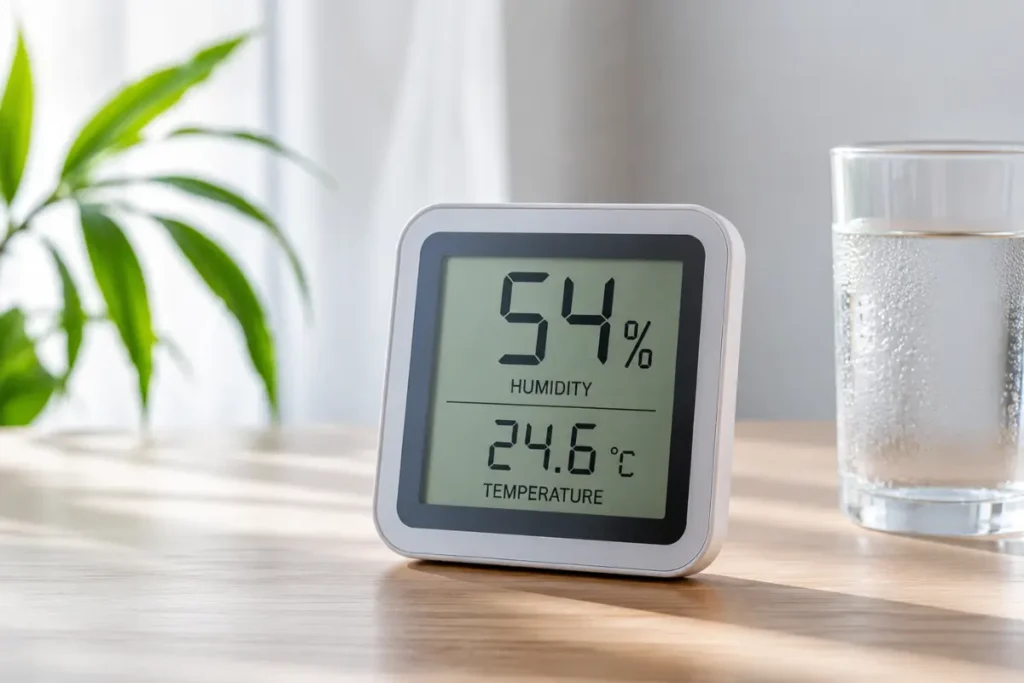
Rather than increasing watering simply because the air feels dry, continue checking the soil first. This remains the most reliable method for deciding when your plant actually needs water.
Light Conditions
The amount of light your dracaena receives has a significant effect on its watering needs.
Plants growing in bright, indirect sunlight usually grow faster and consume more water. As a result, the soil dries out more quickly.
Dracaenas placed in medium light often have balanced watering needs, making them easier to care for.
Plants kept in low-light areas grow more slowly and use less moisture. Because the soil remains wet for longer periods, watering too frequently in low light is one of the most common mistakes plant owners make.
Matching your watering routine to the amount of light your plant receives is an important part of maintaining a healthy dracaena.
Season of the Year
One of the biggest influences on how often should you water dracaena is the changing season.
During spring and summer, dracaena enters its active growing period. New leaves develop more quickly, roots become more active, and the plant naturally uses more water. You may find yourself watering slightly more often during these months, although you should still wait until the soil dries appropriately.
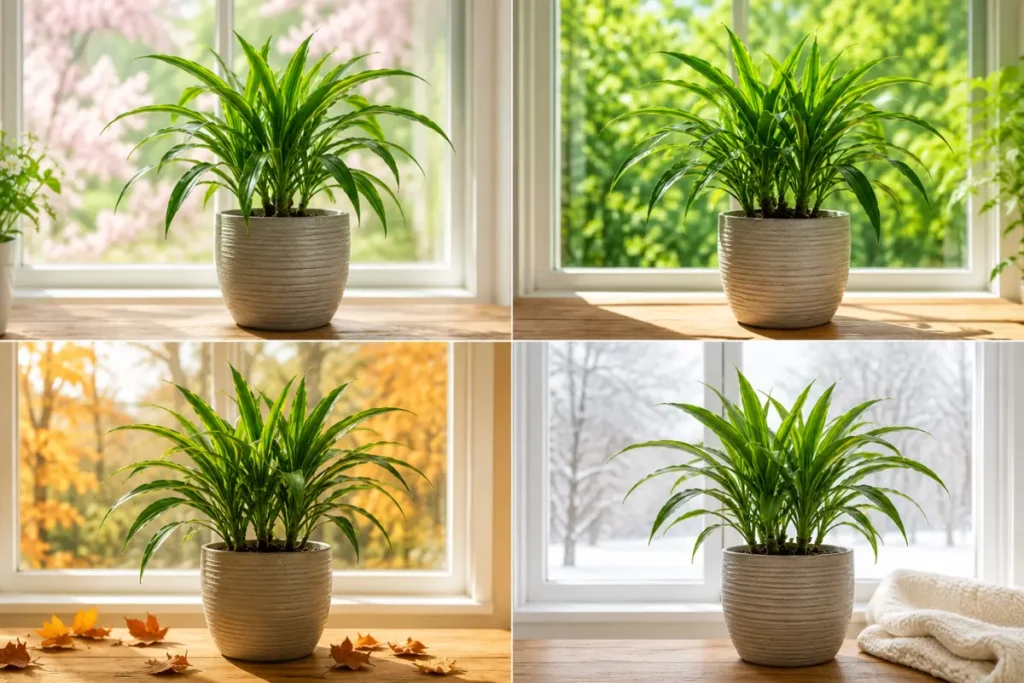
Autumn and winter tell a different story. Growth slows, daylight hours become shorter, and the plant needs less moisture. Many cases of overwatering happen during winter because owners continue using their summer watering routine even though the plant no longer needs that much water.
Learning to adjust your watering schedule with the seasons is one of the easiest ways to improve dracaena plant maintenance and avoid common watering problems.
How Often to Water Dracaena in Summer
A common misconception is that dracaena needs to be watered every day during summer because of the hot weather. While it’s true that your plant usually needs more water in warmer months, daily watering is rarely necessary.
In fact, watering too often during summer can still lead to root problems if the soil hasn’t had enough time to dry.
During summer, dracaena enters its active growing season. Longer daylight hours, warmer temperatures, and increased growth mean the plant naturally uses more moisture than it does in cooler months.
This is why many people notice that the soil dries out faster than usual.
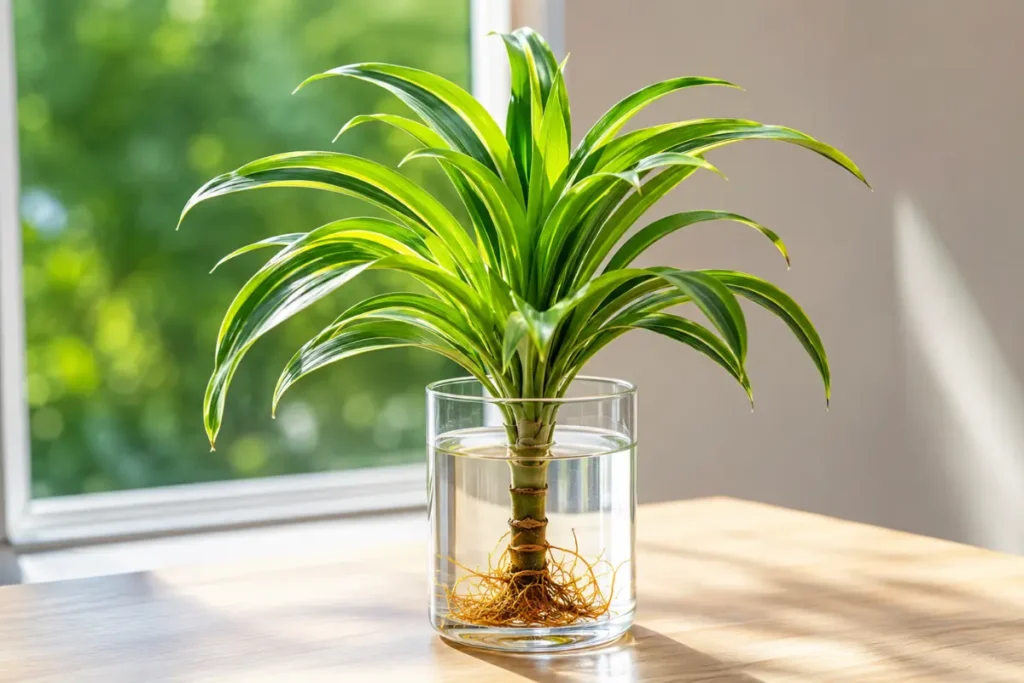
If you’re wondering how often to water dracaena in summer, the answer depends on your home’s environment. Most indoor dracaena plants need watering every 7 to 10 days during summer, but this can vary. A plant placed near a sunny window or in a warm room may require water sooner, while one growing in a cooler space may still only need watering every two weeks.
Rather than following a fixed schedule, continue checking the top 2 to 3 inches of soil before watering. If the soil is dry, it’s time to water. If it’s still slightly moist, give it another day or two before checking again.
This simple habit remains the most reliable way to decide when your dracaena needs water.
Why Dracaena Uses More Water in Summer
Several natural changes happen during summer that increase your plant’s water needs.
Warmer temperatures cause moisture to evaporate from the soil more quickly. At the same time, the plant grows faster, producing new leaves and developing stronger roots.
Longer daylight hours also encourage more photosynthesis, which increases the amount of water the plant uses throughout the day.
Air circulation from ceiling fans or open windows can also dry the soil faster than expected. Even indoor air conditioners may reduce humidity, causing moisture to evaporate more quickly from both the soil and the leaves.
These combined factors explain why dracaena watering in summer usually differs from the rest of the year.
Signs Your Dracaena May Need Water More Often in Summer
Instead of relying on the calendar, pay attention to your plant and its growing conditions.
You may need to water a little sooner if the soil becomes dry within a week, the pot feels much lighter when lifted, the leaves begin to lose their firmness, or you notice faster growth with new leaves appearing regularly. These signs simply indicate that the plant is using more moisture because of the warmer season.
However, remember that these signs should always be confirmed by checking the soil. Dry soil is a much better indicator than the number of days since the last watering.
Don’t Overwater Just Because It’s Hot
One of the biggest summer watering mistakes is assuming that higher temperatures automatically mean the plant needs water every few days.
Even during hot weather, dracaena roots still need oxygen. If the soil remains constantly wet, the roots cannot breathe properly, increasing the risk of root rot and other moisture-related problems.
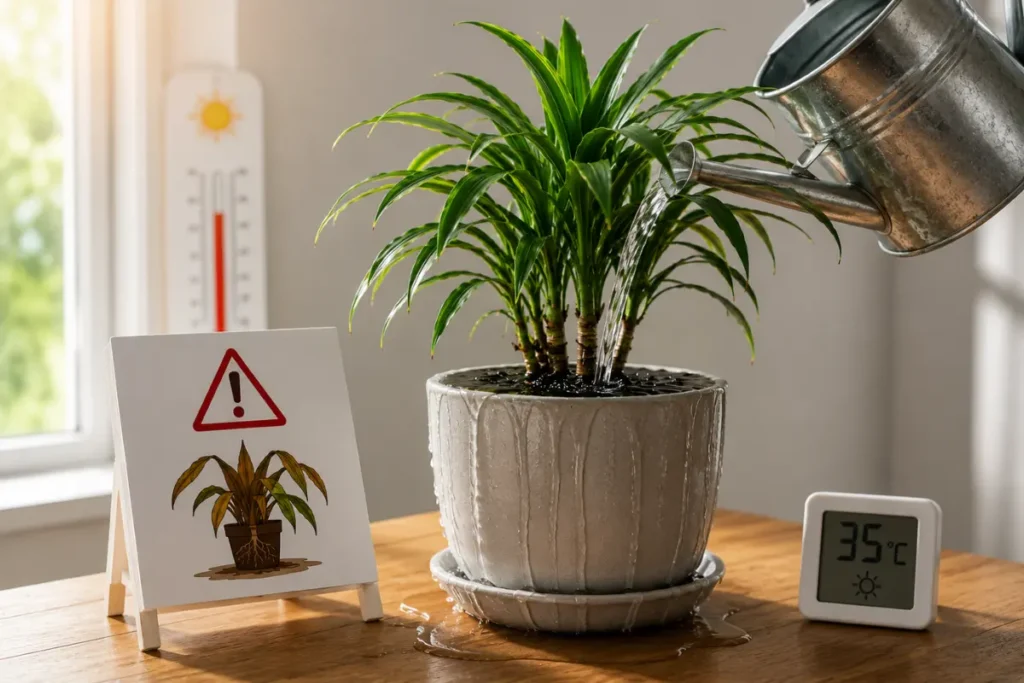
Many plant owners accidentally overwater because they see hot weather outside and assume the indoor soil has dried completely. In reality, indoor temperatures are often much more stable, especially in air-conditioned homes.
The safest approach is to trust the soil rather than the weather forecast.
Summer Watering Tips for Healthy Growth
To keep your dracaena thriving throughout the growing season, water deeply whenever the soil is dry instead of giving small amounts every day. Make sure excess water drains completely from the pot, and never allow the container to sit in standing water.
It’s also a good idea to check the soil more frequently during periods of extreme heat, especially if your plant receives bright, indirect sunlight. Regular observation helps you adjust your watering routine without putting the roots under unnecessary stress.
By following these simple watering houseplants correctly practices, your dracaena will continue producing healthy green foliage throughout the summer while avoiding the problems caused by both underwatering and overwatering.
Frequently Asked Questions (FAQ)
How often should you water dracaena indoors?
Most indoor dracaena plants need watering every 1 to 2 weeks, but the exact schedule depends on factors like light, temperature, humidity, pot size, and soil type. Instead of watering on a fixed schedule, always check the top 2 to 3 inches of soil first. If the soil feels dry, it’s time to water. This is the easiest way to develop the right dracaena watering frequency for your home.
Can you overwater a dracaena plant?
Yes, dracaena is much more likely to suffer from overwatering than underwatering. Constantly wet soil can damage the roots and eventually lead to root rot. Common signs of an overwatered dracaena include yellow leaves, soft stems, soggy soil, and a foul smell coming from the pot. Allowing the soil to dry slightly between waterings helps prevent these problems.
How much water does a dracaena plant need?
There isn’t an exact amount that works for every plant. The best method is to water slowly until excess water drains from the bottom of the pot. This ensures the entire root system receives enough moisture. Once the water has drained, empty the saucer so the roots are never left sitting in standing water.
Should I mist my dracaena?
Misting is optional. While dracaena enjoys moderate humidity, occasional misting isn’t necessary if your home’s humidity levels are already comfortable. If your indoor air becomes very dry, especially during winter, using a humidifier is generally more effective than frequent misting.
Does dracaena like dry soil?
Dracaena prefers soil that dries slightly between waterings, but it should never remain completely dry for long periods. The ideal approach is to let the top few inches of soil dry before watering again while keeping the deeper roots lightly moist. This balance encourages healthy root development and steady growth.
How do I know if my dracaena needs water?
The easiest way is to check the soil with your finger. Insert your finger about 2 to 3 inches into the potting mix. If it feels dry, it’s time to water. You may also notice slightly drooping leaves, dry soil pulling away from the edges of the pot, or a lighter pot due to reduced moisture.
Why are my dracaena leaves turning yellow?
Yellow leaves are most commonly caused by overwatering. When the roots stay wet for too long, they cannot absorb oxygen properly, causing the leaves to lose their healthy green color. However, older leaves naturally turn yellow as the plant grows, so an occasional yellow leaf isn’t always a cause for concern. If several leaves turn yellow at once, check your watering routine and soil drainage.
What is the best watering schedule for dracaena plants?
The best watering schedule for dracaena plants isn’t based on specific days of the week. Instead, water only when the top 2 to 3 inches of soil have dried out. For most indoor plants, this usually means watering every 7 to 14 days during the growing season and less frequently during winter. Adapting your watering routine to the season and your home’s conditions will produce much better results than following a rigid calendar.
Conclusion
By now, you know that there isn’t a single answer to how often to water dracaena. Every plant grows in a different environment, so the right watering schedule depends on factors like light, temperature, humidity, soil type, pot size, and the season. Instead of following a fixed calendar, focus on what your plant is telling you.
The golden rule is simple: water your dracaena only when the top 2 to 3 inches of soil feel dry. This one habit will help you avoid the most common problems, including overwatering, underwatering, yellow leaves, and root rot. It’s a small step that makes a big difference in keeping your plant healthy.
Remember that your dracaena watering frequency will naturally change throughout the year. During spring and summer, your plant grows more actively and may need water a little more often. In autumn and winter, growth slows down, so watering should become less frequent. Adjusting your routine with the seasons is one of the easiest ways to provide the best indoor dracaena care.
It’s also important to water correctly, not just regularly. Water deeply until excess moisture drains from the bottom of the pot, then empty the saucer so the roots aren’t left sitting in water. Pair this with well-draining soil and a pot that has drainage holes, and you’ll create the ideal conditions for healthy root growth.
Don’t worry if you don’t get everything perfect right away. Every plant owner learns by observing their plants over time. As you become familiar with your dracaena’s growth habits and soil moisture levels, you’ll naturally know when to water dracaena without relying on a strict schedule.
In the end, successful watering a dracaena plant isn’t about watering more or les it’s about watering at the right time. Check the soil first, respond to your plant’s needs, and make small seasonal adjustments. With this simple approach, your dracaena will reward you with strong roots, vibrant green leaves, and healthy growth for many years to come.

Plant Nest Blog’s author is passionate about plants, gardening, and sustainable living. Through research and practical experience, they share helpful plant care tips, gardening guides, and easy solutions to help readers grow healthier plants and create greener spaces.