Many people believe that white mold on plant soil means their plant is dying, but that’s simply not true in most cases. If you’ve recently noticed a fuzzy white layer on your potting mix, there’s no need to panic.
In most situations, the problem is easy to fix once you understand how to get rid of mold on plant soil. The mold itself is usually not the real issue it’s a sign that your plant’s growing conditions need a little attention.
The good news is that learning how to get rid of mold on plant soil doesn’t require expensive gardening products or years of experience. With a few simple changes to your watering routine and plant care habits, you can remove the mold, protect your plant, and prevent it from returning.
If you’re wondering why mold is growing on your plant soil, whether it can harm your houseplants, or what the best way to get rid of mold on potting soil is, you’re in the right place. This guide covers everything you need to know in simple language that anyone can follow.
By the end of this article, you’ll understand how to get rid of mold on plant soil naturally, why mold develops in the first place, and the best ways to keep your houseplant soil mold-free.
You’ll also learn practical tips to improve soil health, prevent fungal growth, and maintain healthy indoor plants throughout the year.
Whether you’re caring for a single indoor plant or a growing collection of houseplants, these easy techniques will help you create healthier growing conditions and keep your plants looking their best.
What Is Mold on Plant Soil?
Before learning how to get rid of mold on plant soil, it’s important to understand what mold actually is. In most cases, the white, gray, or light green growth you see on the surface of the soil is a harmless fungus called saprophytic fungus.
This fungus feeds on dead organic matter, such as bark, peat moss, compost, and other materials commonly found in potting mixes.
Although it may look alarming, white mold on plant soil is usually not a sign that your plant is dying. Instead, it often indicates that the growing conditions are too damp or humid.
Understanding the cause makes it much easier to learn how to get rid of mold on plant soil and prevent it from returning.
How Does Mold on Plant Soil Look?
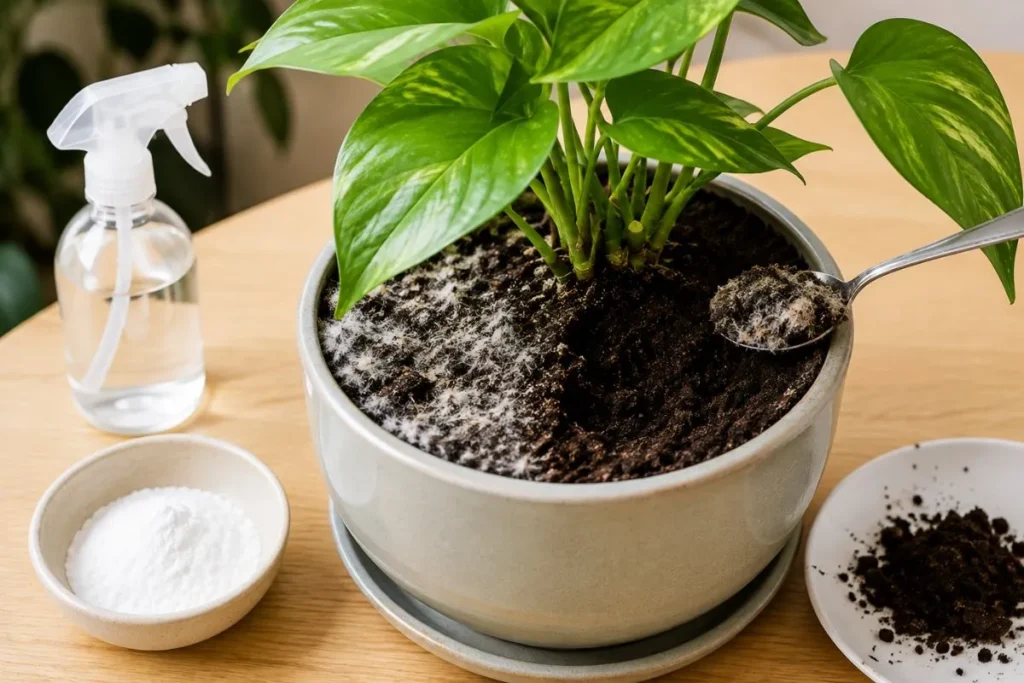
The appearance of mold can vary depending on the environment and the type of fungus present. In most homes, you’ll notice a soft white, fuzzy layer covering the top of the soil. Sometimes it may look like a thin web, while other times it appears as gray or light green patches.
These are common signs of fungus on plant soil, and they usually stay on the surface rather than spreading throughout the entire pot. If you notice white fungus on soil but your plant still looks healthy, there’s a good chance the mold is harmless and can be treated easily.
Why Does Mold Grow on Plant Soil?
Understanding why mold develops is the first step in knowing how to get rid of mold on plant soil effectively. Mold doesn’t appear without a reason. It grows when the environment provides the moisture and nutrients fungi need to survive.
Overwatering
Overwatering is the most common cause of houseplant soil mold. Soil that stays wet for long periods creates the perfect environment for mold and fungal growth.
Organic Potting Mix
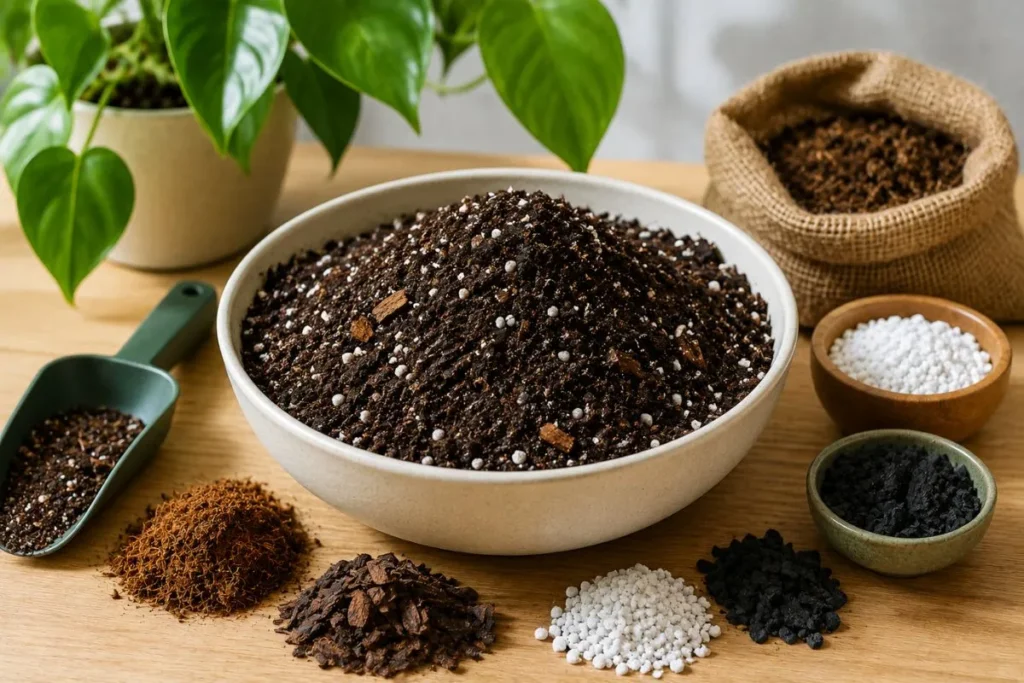
Most commercial potting soils contain compost, bark, peat moss, or coconut coir. These natural materials help plants grow, but they also provide food for harmless fungi, which is why moldy potting soil is so common.
Poor Air Circulation
Plants kept in rooms with little airflow often develop mold because moisture remains trapped in the soil. Better ventilation helps the soil dry faster and reduces fungal growth.
High Indoor Humidity
Humid indoor environments encourage fungal growth on soil. Homes with poor ventilation or naturally high humidity make it easier for mold to spread across the surface of the potting mix.
Low Sunlight
Plants that receive very little sunlight tend to have damp soil for longer periods. This creates ideal conditions for mold in potted plants to grow and multiply.
Is Mold on Plant Soil Harmful?
In most situations, white mold on plant soil is not harmful to healthy plants. The fungus feeds on dead organic material instead of attacking living roots. However, it shouldn’t be ignored because it signals that something is wrong with your plant care routine.
If excess moisture, poor drainage, or high humidity continue, your plant may eventually suffer from problems such as root rot, weak growth, or pest infestations. That’s why it’s important to understand how to get rid of mold on plant soil instead of simply wiping away the visible mold.
Harmless Mold vs. Harmful Plant Disease
Not every type of fungal growth is dangerous. Harmless surface mold usually remains on the top layer of the soil and is easy to remove. Harmful fungal diseases, however, often spread to the roots, stems, or leaves and may cause yellowing, black spots, wilting, or root damage.
Knowing the difference can save you unnecessary worry. In most cases, surface mold simply means your soil is staying too wet, and once you learn how to get rid of mold on plant soil, your plant can recover without any lasting damage.
Why You Should Remove Mold from Plant Soil
Even though surface mold is often harmless, allowing it to remain on the soil isn’t a good idea. Over time, the conditions that encourage mold can also attract fungus gnats, create unpleasant odors, reduce soil quality, and increase the risk of root problems.
The goal isn’t just to remove the white layer you can see. The real solution is to understand how to get rid of mold on plant soil by fixing the underlying causes, such as overwatering, poor drainage, and inadequate airflow.
Once these issues are corrected, your soil will stay healthier, and your indoor plants will have a much better environment to thrive.
Is Mold on Plant Soil Harmful?
Many people assume that seeing mold means their plant is infected with a serious disease and will soon die. Fortunately, that’s one of the biggest myths about how to get rid of mold on plant soil.
In reality, the mold you see on the surface of the soil is usually harmless. However, while the mold itself may not be dangerous, the conditions that allow it to grow can eventually cause problems if left unchecked.
Understanding whether mold is harmful will help you decide how quickly you need to act and whether simple changes to your plant care routine are enough to solve the problem.
Is Mold on Plant Soil Harmful to Plants?
In most cases, the answer is no. Surface mold doesn’t usually attack healthy plants. Instead, it feeds on dead organic matter in the potting mix, such as compost, bark, or peat moss. That’s why many indoor gardeners notice white mold on plant soil even though their plants continue to grow normally.
If you’ve been wondering, “Does mold on plant soil hurt plants?”, the answer is that harmless surface mold rarely damages healthy roots or leaves. Your plant can often continue growing without any visible signs of stress.
However, mold should never be ignored completely. Its presence often points to problems like excessive watering, poor drainage, or high humidity. These conditions can weaken your plant over time and increase the risk of more serious issues, including root rot and harmful fungus in houseplants.
For this reason, it’s important to learn how to get rid of mold on plant soil and fix the underlying cause instead of simply removing the visible mold.
Can Mold Slow Down Plant Growth?
Although surface mold doesn’t directly feed on your plant, the environment that encourages mold growth isn’t ideal for healthy plants.
When soil stays wet for too long, plant roots receive less oxygen. Healthy roots need both water and air to grow properly. If the soil remains constantly damp, roots become stressed and lose their ability to absorb nutrients efficiently.
As a result, your plant may begin to show signs such as slower growth, smaller leaves, pale foliage, or reduced flowering. These problems aren’t caused by the mold itself but by the unhealthy growing conditions surrounding it.
This is why the best way to get rid of mold on potting soil also involves improving watering habits, airflow, and drainage to support better root health.
Is Mold on Plant Soil Harmful to Humans?
For most healthy people, a small amount of houseplant soil mold isn’t dangerous. However, mold releases tiny spores into the air, and these spores can sometimes trigger allergic reactions or respiratory irritation.
People with asthma, allergies, weakened immune systems, or chronic breathing conditions may be more sensitive to mold spores. They might experience symptoms such as sneezing, coughing, itchy eyes, or a runny nose after being exposed to mold for long periods.
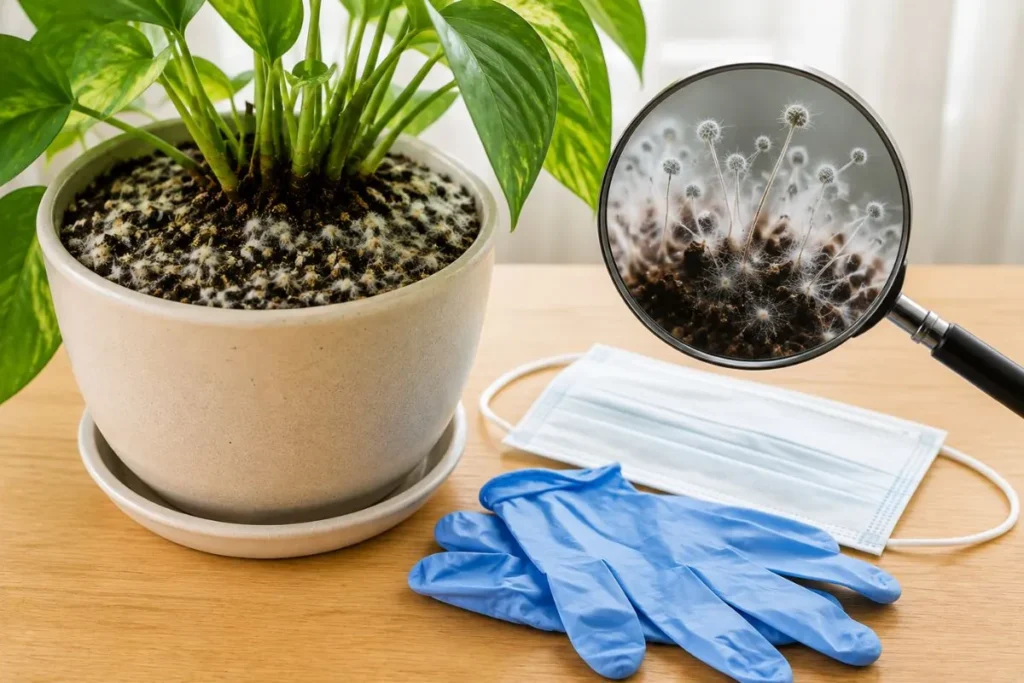
If mold keeps returning, it’s a good idea to remove it as soon as possible and improve ventilation around your indoor plants. Learning how to get rid of mold on plant soil naturally not only protects your plants but also helps create a cleaner indoor environment.
Can Mold on Plant Soil Harm Pets?
Pet owners often worry after noticing mold in their flower pots. The good news is that harmless surface mold is generally not toxic to cats or dogs.
The bigger concern is when curious pets dig into the soil or chew on moldy organic matter. Some types of fungi can cause stomach upset if eaten, and constantly damp soil may also attract bacteria or pests that you don’t want around your home.
Keeping your plant soil clean is the safest approach. If your pets frequently play in indoor pots, removing mold quickly and preventing it from returning is always the best option.
When Should You Be Concerned About Mold?
While most white fungus on soil is harmless, there are situations where mold deserves closer attention.
You should inspect your plant carefully if the mold spreads beyond the soil and starts appearing on the stems, leaves, or flowers. A strong musty smell coming from the pot can also indicate that the soil has remained wet for too long.
Other warning signs include yellow leaves, wilting, soft stems, blackened roots, or a plant that suddenly stops growing.
These symptoms may suggest a more serious fungal disease rather than harmless surface mold. In such cases, simply removing the mold won’t solve the problem. You’ll also need to improve the plant’s growing conditions and treat any underlying disease if necessary.
How to Tell If Your Plant Is Still Healthy
A healthy plant with surface mold usually continues to produce fresh leaves, strong stems, and normal growth. The mold remains on the top layer of the soil without affecting the rest of the plant.
On the other hand, if your plant begins losing leaves, develops mushy roots, or shows signs of rot, it’s time to investigate further. These symptoms often indicate excessive moisture rather than the mold itself.
Checking your plant regularly allows you to catch problems early before they become serious.
The Bottom Line
If you’re asking “Does mold on plant soil hurt plants?”, the simple answer is that surface mold is usually harmless, but it should never be ignored. It acts as an early warning that something in your plant care routine needs to change.
The key to long-term success isn’t just learning how to get rid of mold on plant soil.
It’s also understanding why the mold appeared in the first place. By correcting issues like overwatering, poor drainage, and limited airflow, you can protect your plants, improve plant root health, and prevent mold from becoming a recurring problem.
Why Is Mold Growing on My Plant Soil? (Most Common Causes)
Many people think mold appears on plant soil because the soil is old or poor quality. While old potting soil can sometimes contribute to the problem, that’s rarely the main reason. If you’re searching for how to get rid of mold on plant soil, it’s important to know that mold is usually caused by the environment you create for your plant not the soil alone.
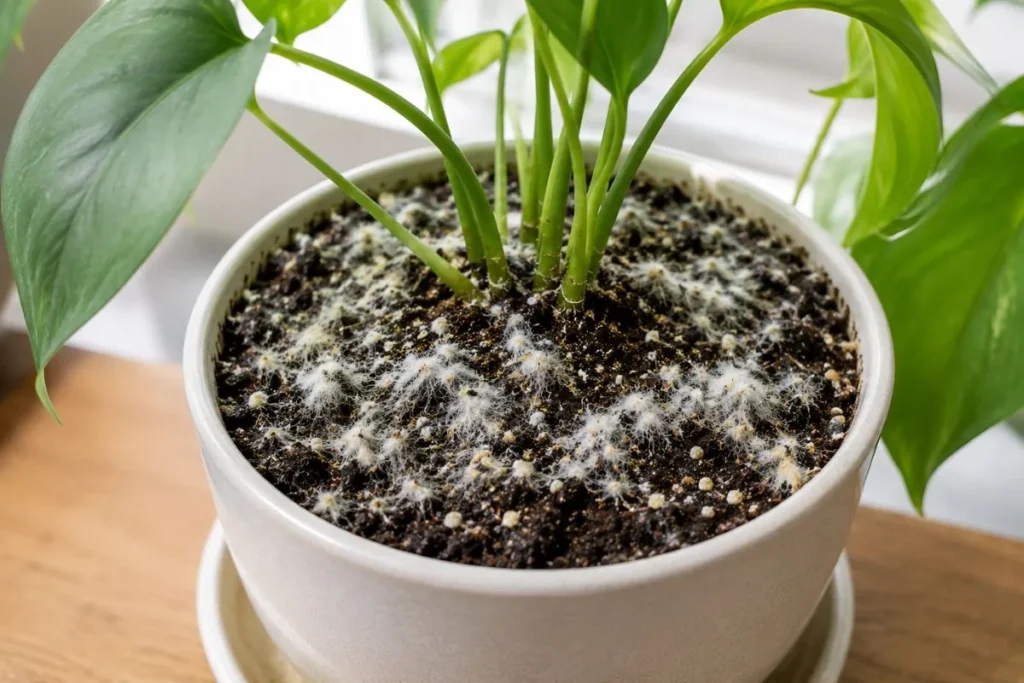
If you’ve ever asked yourself, “Why is mold growing on my plant soil?”, the answer often comes down to too much moisture, limited airflow, or improper plant care. Once you understand the root cause, you’ll not only know how to remove mold from plant soil, but you’ll also be able to stop it from coming back.
Overwatering
Overwatering is the number one reason houseplant soil mold develops.
Many plant owners water their plants on a fixed schedule without checking whether the soil actually needs moisture. When the soil stays constantly wet, it creates the perfect environment for mold and fungal growth.
Healthy roots need oxygen just as much as they need water. When the soil remains soaked, air pockets disappear, making it easier for fungus on plant soil to grow.
If the soil stays wet for several days after watering, the top layer never dries out, the pot feels unusually heavy, or the leaves start turning yellow, these are strong signs that you’re giving your plant more water than it needs.
You may also notice white mold on plant soil beginning to form.
One of the easiest ways to prevent moldy potting soil is to water only when the top one to two inches of soil feels dry. Instead of watering on a fixed schedule, check the soil first.
Improving your soil moisture management is one of the most effective ways to learn how to get rid of mold on plant soil permanently.
Poor Drainage
Even if you water your plants correctly, poor drainage can still cause mold problems.
When excess water cannot escape from the pot, the soil remains damp for much longer than it should. This creates ideal conditions for fungal growth on soil and makes it difficult for plant roots to receive enough oxygen.
Poor drainage often happens when pots don’t have drainage holes, the holes are blocked, the potting mix is too heavy, or the container is much larger than the plant requires.
In all of these situations, moisture stays trapped around the roots.
To improve soil drainage, choose pots with proper drainage holes and use a light, well-draining potting mix. Adding materials like perlite or pumice can also improve drainage and increase airflow around the roots.
Healthy drainage is one of the biggest secrets to maintaining healthy potting soil and preventing mold from returning.
Lack of Air Circulation
Fresh air is essential for healthy plants, yet it’s one of the most overlooked parts of indoor plant care.
Plants kept in crowded corners, enclosed shelves, or rooms with very little ventilation often develop mold because the soil stays damp for longer periods.
Without enough airflow, moisture becomes trapped around the pot, creating the perfect environment for white mold on plant soil.
To increase airflow for plants, place them in a well-ventilated area where fresh air can circulate freely. Opening windows regularly or using a small fan can also help dry the soil more quickly after watering.
If you have several houseplants, avoid placing them too close together because overcrowding limits airflow and encourages fungal growth.
Better ventilation not only helps prevent mold but also supports healthier plant growth.
High Indoor Humidity
High humidity is another major reason mold in potted plants develops.
When the air inside your home contains too much moisture, the potting soil takes much longer to dry. Bathrooms, kitchens, laundry rooms, and homes in humid climates often experience this problem.
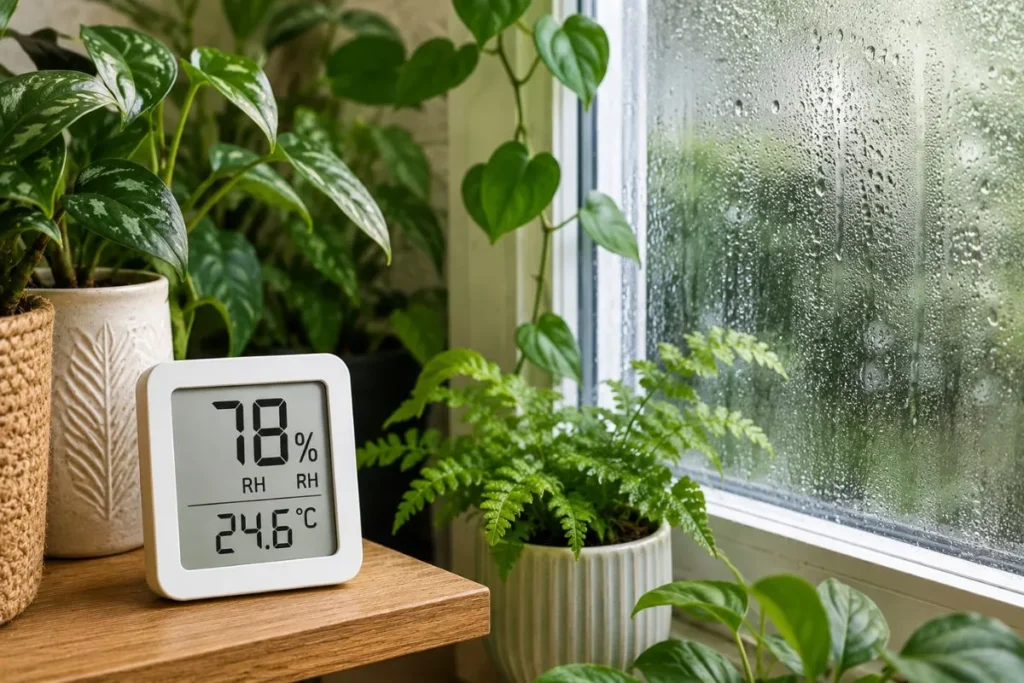
As the soil stays moist for extended periods, fungi have everything they need to grow. This is why mold often appears more frequently during rainy seasons or in homes with poor ventilation.
Reducing indoor humidity can make a noticeable difference. Moving plants to a brighter location, improving airflow, or using a dehumidifier when necessary can help maintain healthier growing conditions.
Managing humidity is an important part of proper plant soil care and helps reduce recurring mold problems.
Too Much Organic Matter
Organic materials are excellent for plant health, but they can also encourage mold growth under the right conditions.
Most commercial potting mixes contain compost, bark chips, peat moss, coconut coir, and other natural ingredients. As these materials naturally break down, harmless fungi feed on them, which can result in white fungus on soil.
This doesn’t mean organic potting soil is bad. In fact, these materials provide nutrients that help plants grow strong and healthy. The real problem occurs when organic matter combines with excessive moisture and poor ventilation.
Maintaining proper watering habits and allowing the soil to dry slightly between waterings will greatly reduce fungal growth while still providing your plants with nutrient-rich soil.
4.6 Old or Contaminated Potting Soil
Old potting soil can also contribute to mold growth.
As potting soil ages, it gradually loses its structure and becomes compacted. Compacted soil holds more water and allows less oxygen to reach the roots. This creates favorable conditions for mold and other fungal problems.
In some cases, potting soil stored in damp areas may already contain mold spores before it’s used. If the soil has a musty smell, looks contaminated, or has been sitting unused for a long time, replacing it with fresh potting mix is often the better choice.
Using fresh, healthy potting soil improves drainage, supports stronger root development, and lowers the chances of future mold growth.
Can More Than One Cause Be Responsible?
Yes. In fact, mold usually develops because several factors occur at the same time.
For example, you may be watering your plant too often while keeping it in a room with poor airflow and high humidity. If the pot also has poor drainage, these conditions work together to create the perfect environment for mold.
This is why simply removing the visible mold isn’t enough. To truly understand how to get rid of mold on plant soil, you need to identify and correct every factor contributing to the problem.
Once you improve your routine for watering indoor plants, improve soil drainage, increase airflow, and maintain proper moisture levels, mold becomes much less likely to return.
How to Get Rid of Mold on Plant Soil (Step-by-Step Guide)
Many people believe that the only way to solve mold problems is to throw away the entire plant or replace all the soil. Fortunately, that’s not true. In most cases, you don’t need to repot your plant immediately.
Once you understand how to get rid of mold on plant soil, you can remove the mold safely and fix the conditions that caused it in the first place.
The best approach is to follow a few simple steps. Each one helps eliminate mold while creating a healthier environment for your plant. Let’s go through them one by one.
Remove the Mold from the Surface
The first step in how to get rid of mold on plant soil is to remove the visible mold.
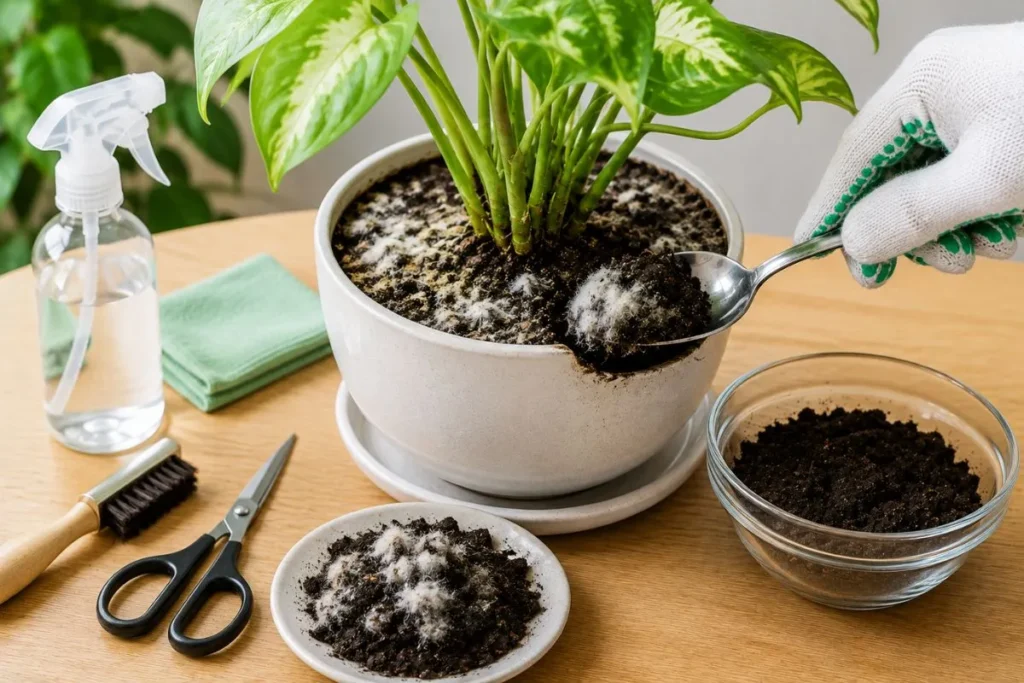
Using a clean spoon, small shovel, or gardening trowel, carefully scrape away the top one to two inches of the affected soil. This removes most of the fungal growth along with the organic material the mold is feeding on.
Avoid mixing the mold into the deeper soil because this can spread fungal spores throughout the pot. Instead, collect the contaminated soil in a bag and throw it away outside your home.
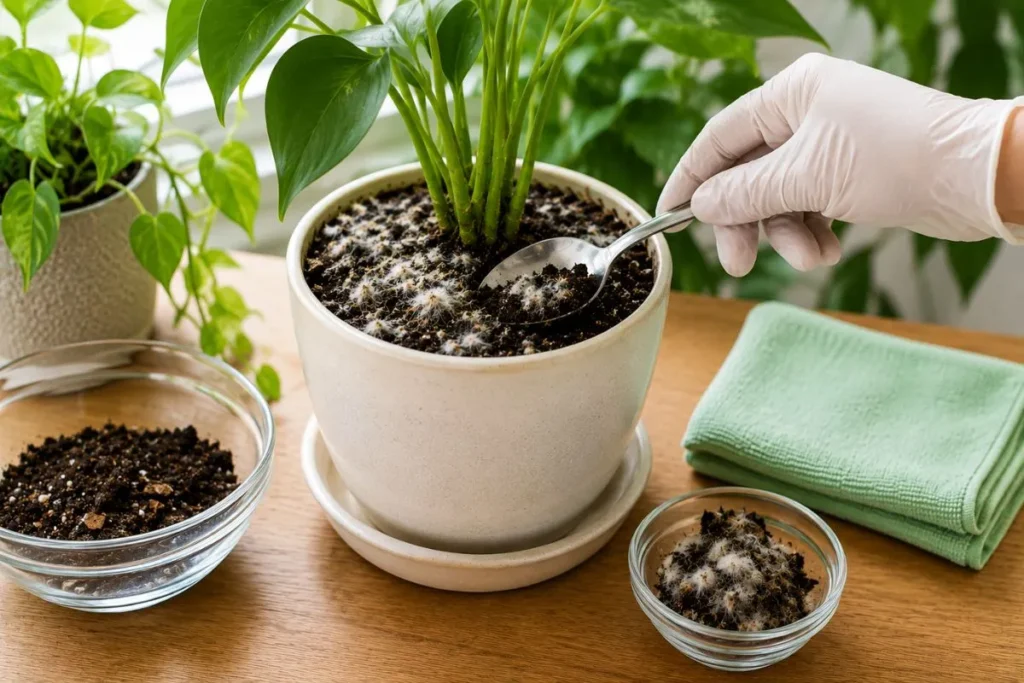
Once you’ve removed the moldy layer, replace it with fresh, clean potting mix. This simple step improves the appearance of your plant while reducing the chances of mold returning.
If you’re wondering how to remove mold from plant soil without harming your plant, this is the safest place to start.
Let the Soil Dry Out
One of the simplest and most effective ways to get rid of mold on plant soil naturally is to allow the soil to dry before watering again.
Mold thrives in constantly damp conditions. By giving the soil enough time to dry slightly, you create an environment where fungal growth becomes much more difficult.
Before watering, insert your finger about one to two inches into the soil. If it still feels moist, wait another day or two. Only water when the top layer feels dry.
This small habit improves soil moisture management and is one of the easiest ways to maintain mold-free houseplants.
Remember, most indoor plants recover much better from slightly dry soil than from soil that stays wet all the time.
Improve Airflow Around Your Plants
Good air circulation is often overlooked, but it plays a huge role in preventing mold.
If your plants are packed closely together or placed in a corner with little ventilation, moisture remains trapped around the soil. This creates ideal conditions for houseplant soil mold.
To improve airflow, move your plants to a brighter, well-ventilated room. Opening a nearby window for a few hours each day or running a small fan can help fresh air circulate around the pots.
If you own many indoor plants, leave enough space between them so air can move freely.
Improving airflow for plants helps the soil dry more evenly and greatly reduces the chance of mold returning.
Water Your Plants the Right Way
Changing your watering routine is one of the most important parts of learning how to get rid of mold on plant soil.
Instead of watering on the same day every week, water only when your plant actually needs it. Different plants, seasons, and indoor temperatures all affect how quickly the soil dries.
Water slowly until excess water drains from the bottom of the pot, then empty the drainage tray so the roots aren’t sitting in standing water.
Avoid giving your plant small amounts of water every day. Deep watering followed by allowing the soil to dry slightly is much healthier than frequent shallow watering.
Proper watering indoor plants not only prevents mold but also encourages stronger roots and healthier growth.
5.5 Replace the Top Layer of Soil
If mold keeps returning even after you’ve removed it, replacing the top layer of soil can make a big difference.
Carefully remove the top one to two inches of old soil and replace it with fresh, sterile potting mix. This removes leftover mold spores and organic debris that may still be feeding fungal growth.
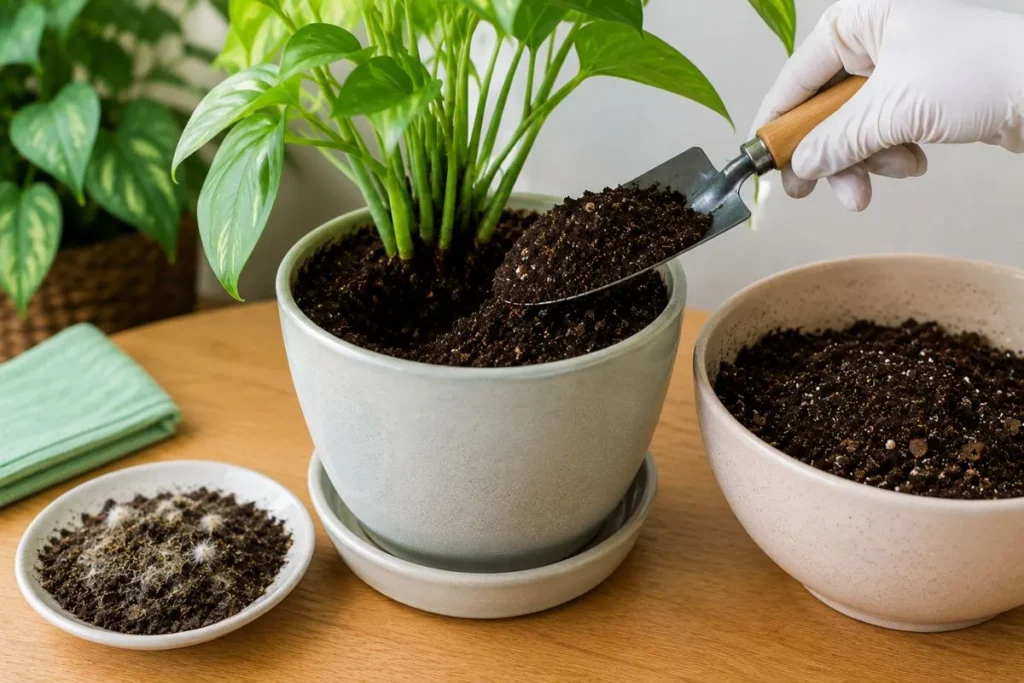
This method works especially well if you’re looking for how to clean moldy plant soil without disturbing the plant’s roots.
Fresh soil also improves the appearance of the pot while giving your plant a cleaner growing surface.
5.6 Repot the Plant if Necessary
Sometimes mold problems become too severe to solve with surface cleaning alone.
If the mold keeps returning, the soil smells sour, drainage has become poor, or the roots appear unhealthy, it’s time to repot the plant.
Choose a clean container with drainage holes and fill it with fresh, high-quality potting mix. Before repotting, gently remove as much of the old soil as possible from the roots without damaging them.
Repotting is one of the best ways to get rid of mold on potting soil when the problem has spread throughout the container.
Using a fungus-free potting mix and ensuring proper drainage will help prevent future mold problems while supporting healthier root development.
Should You Throw Away Moldy Potting Soil?
Not always.
If the mold is only on the surface, removing the affected layer and improving your plant care routine is usually enough.
However, if the soil has a strong musty odor, stays wet for unusually long periods, or contains widespread fungal growth, replacing the entire potting mix is often the better solution.
Fresh soil provides better drainage, improves oxygen flow to the roots, and reduces the likelihood of recurring mold.
How Long Does It Take to Get Rid of Mold on Plant Soil?
The time needed depends on what’s causing the problem.
If excess watering was the only issue, you may notice the mold disappearing within a few days after removing the affected soil and allowing the potting mix to dry properly.
For more persistent cases, especially those caused by poor drainage or high humidity, it may take a couple of weeks before the mold stops returning.
The important thing is to stay consistent with your plant care routine. Once you fix the underlying cause, mold usually disappears for good.
Frequently Asked Questions (FAQs)
Many people still have questions even after learning how to get rid of mold on plant soil. Below are answers to the most common questions that plant owners ask. These FAQs will help you understand mold better and keep your indoor plants healthy.
Is White Mold on Plant Soil Bad?
Not necessarily. In most cases, white mold on plant soil is harmless. It’s usually a type of saprophytic fungus that feeds on decaying organic matter in the potting mix rather than your plant itself.
However, while the mold may not directly damage your plant, it usually indicates problems such as overwatering, poor drainage, or limited airflow. Fixing these issues is the best way to get rid of mold on plant soil and prevent it from returning.
Can Mold Kill My Houseplants?
Surface mold rarely kills healthy plants. The real danger comes from the conditions that allow mold to grow.
If the soil remains wet for long periods, your plant may develop root rot or other fungus in houseplants, which can eventually damage or kill the plant. That’s why it’s important to act early and learn how to remove mold from plant soil before it leads to bigger problems.
How Often Should I Water Indoor Plants to Prevent Mold?
There isn’t a single watering schedule that works for every plant.
Instead of watering on specific days, check the soil first. Most indoor plants should only be watered when the top one to two inches of soil feels dry.
This simple habit improves soil moisture management, prevents overwatered plant soil, and reduces the chances of mold developing.
Should I Replace All the Soil If Mold Appears?
Not always.
If the mold is only on the surface, removing the affected top layer and replacing it with fresh potting mix is usually enough. However, if the mold keeps coming back, the soil smells unpleasant, or the drainage has become poor, replacing all the potting soil is often the better solution.
Using fresh, healthy potting soil can greatly reduce future mold problems.
Can I Use Cinnamon to Remove Mold from Plant Soil?
Yes. Cinnamon is one of the most popular safe home remedies for mold on plant soil.
It contains natural antifungal properties that may help slow the growth of surface mold. Sprinkle a light layer of ground cinnamon over the affected soil after removing the visible mold.
Although cinnamon can help, it won’t solve the problem unless you also improve watering habits and airflow.
Is Hydrogen Peroxide Safe for Plants?
Yes, when used correctly.
A diluted hydrogen peroxide solution can help reduce mold and kill some fungal spores in the soil. It also releases oxygen into the potting mix, which benefits healthy roots.
Always dilute hydrogen peroxide according to the product instructions and avoid overusing it, as excessive amounts may stress sensitive plants.
Why Does Mold Keep Coming Back on My Plant Soil?
If mold keeps returning, the underlying cause hasn’t been fixed.
Common reasons include watering too frequently, poor drainage, high indoor humidity, compacted soil, or limited ventilation. Simply removing the mold without correcting these issues won’t stop it from reappearing.
If you’re wondering how to stop mold from coming back on plant soil, focus on improving your overall plant care routine rather than treating only the visible mold.
What Is the Safest Home Remedy for Mold on Plant Soil?
The safest approach combines several natural methods.
First, remove the visible mold from the soil surface. Then allow the soil to dry before watering again. Improving airflow, giving your plant more light, and using a small amount of cinnamon are all effective natural solutions.
These simple methods are among the best safe home remedies for mold on plant soil because they treat both the mold and the conditions that encourage it.
How Do I Stop Mold from Coming Back on Plant Soil?
The best way to prevent mold is to create conditions where fungi cannot thrive.
Water your plants only when necessary, use pots with drainage holes, improve air circulation, choose a high-quality potting mix, and avoid allowing water to sit in the saucer beneath the pot.
Following these practices is the most reliable way to how to stop mold from coming back on plant soil and maintain mold-free houseplants throughout the year.
Can Mold Spread to Other Indoor Plants?
Surface mold itself doesn’t usually spread directly from one healthy plant to another. However, mold spores naturally travel through the air.
If several plants are kept in the same damp, humid environment, mold may begin growing in multiple pots because the growing conditions are similar.
Keeping your plants properly spaced, improving ventilation, and following good plant soil care practices will help prevent mold from affecting your entire indoor garden.
Conclusion
Many people think that once mold appears, their plant is beyond saving. The truth is that white mold on plant soil is usually easy to deal with when you take the right steps.
In most cases, it isn’t the mold that’s causing the problem it’s the growing conditions that allow it to appear in the first place.
Now that you know how to get rid of mold on plant soil, you can confidently tackle the issue before it affects your plant’s health.
Whether it’s removing the mold from the soil surface, adjusting your watering routine, improving drainage, increasing airflow, or using natural remedies like cinnamon or hydrogen peroxide, every small change helps create a healthier environment for your indoor plants.
The most important lesson is to focus on prevention rather than just treatment. Proper watering habits, well-draining potting soil, good ventilation, and regular plant care will go a long way in preventing houseplant soil mold from returning.
Healthy soil leads to healthy roots, and healthy roots lead to stronger, more vibrant plants.
If you notice white fungus on soil again in the future, don’t panic. Instead, inspect your plant, identify the cause, and apply the methods you’ve learned in this guide.
Acting early is the best way to get rid of mold on potting soil and stop the problem before it becomes more serious.
With consistent care and the right growing conditions, you can keep your indoor plants healthy, attractive, and completely mold-free throughout the year.

Plant Nest Blog’s author is passionate about plants, gardening, and sustainable living. Through research and practical experience, they share helpful plant care tips, gardening guides, and easy solutions to help readers grow healthier plants and create greener spaces.