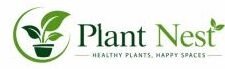
Many gardeners believe that starting plant seeds indoors as early as possible always gives them a better start. That isn’t quite true. If you start seeds too early, seedlings can become tall, weak, and overcrowded before outdoor conditions are ready.
The right timing depends on the type of plant, your local last frost date, and how long the seedlings need to grow indoors.
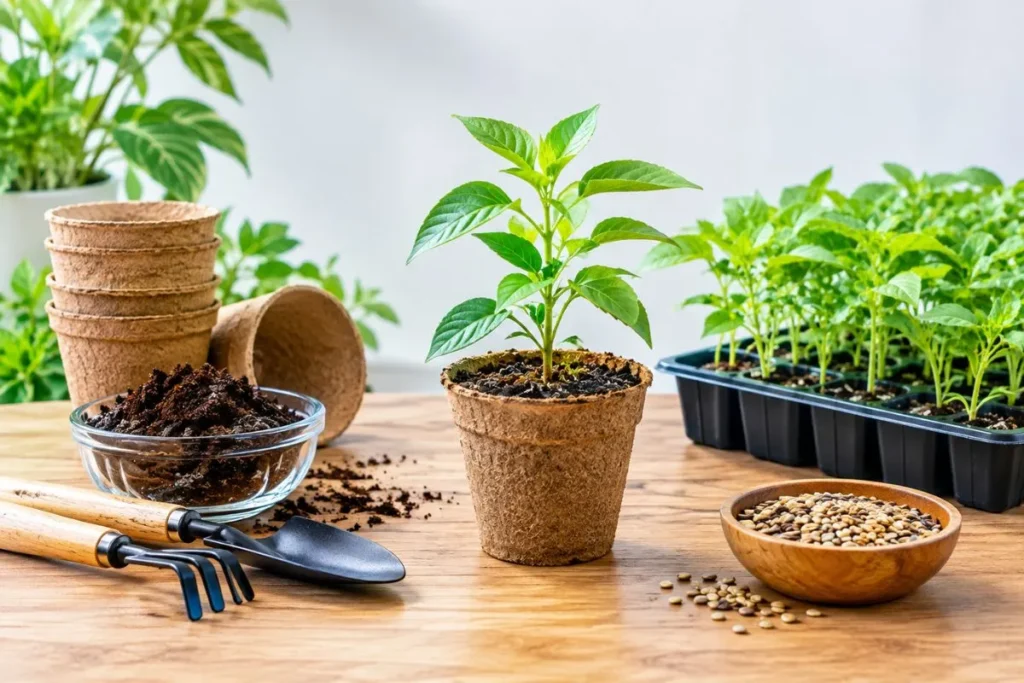
If you’re wondering when to start plant seeds indoors, think of it as planning backward from the day you expect to move your plants outside. Some plants need several weeks indoors, while others grow quickly and need only a short head start.
Understanding this simple timing can make starting seeds indoors much easier, especially if you’re new to indoor seed starting.
When to Start Plant Seeds Indoors: The Basic Rule
Many people believe that there is one fixed date for starting all plant seeds indoors. That is not true because each plant has different growing needs and timing. The right time depends on your local last frost date, the plant variety, and how long the seedlings need to grow indoors.
A simple way to plan is to count backward from the expected outdoor planting date. Check your seed packet for the recommended indoor starting time, then adjust it for your local growing conditions.
This basic rule can help you start seeds at the right time and avoid weak or overgrown seedlings.
Count Back From Your Last Frost Date
One of the easiest ways to plan indoor seed starting is to work backward from your last frost date. If a plant needs eight weeks indoors, you can count back eight weeks from the date you expect the last frost to pass. This gives your seedlings enough time to develop before they move outdoors.
Keep in mind that the last frost date is only a guide. Weather can change, and frost dates can vary from year to year. That’s why it’s smart to leave some flexibility in your seed starting schedule instead of treating one date as a strict deadline.
Consider How Fast the Plant Grows
Every plant has its own growing pace. Some seeds germinate quickly and produce transplant-ready seedlings in just a few weeks. Others need a much longer indoor period before they are strong enough to move outside.
When deciding when to start growing plants from seeds indoors, check how many weeks the plant normally needs before transplanting. A slow-growing plant may need an earlier start, while a fast-growing plant can usually wait. This small difference can make your seed starting timeline much more accurate.
Follow the Seed Packet Instructions
Your seed packet is one of the most useful tools for indoor seed starting. Look for instructions that tell you when to sow seeds indoors, how deep to plant them, and how long they usually take to germinate. These details can help you avoid starting seeds at the wrong time.
If you’re asking, how do I know when to start seeds indoors?, start with the instructions for that specific variety. General gardening calendars are helpful, but the packet may give more precise information for the plant you’re actually growing.
Think About Your Local Growing Conditions
Your local climate also matters when deciding when to start plant seeds indoors. Two gardeners growing the same tomato variety may have different planting schedules because their outdoor temperatures and frost dates are different.
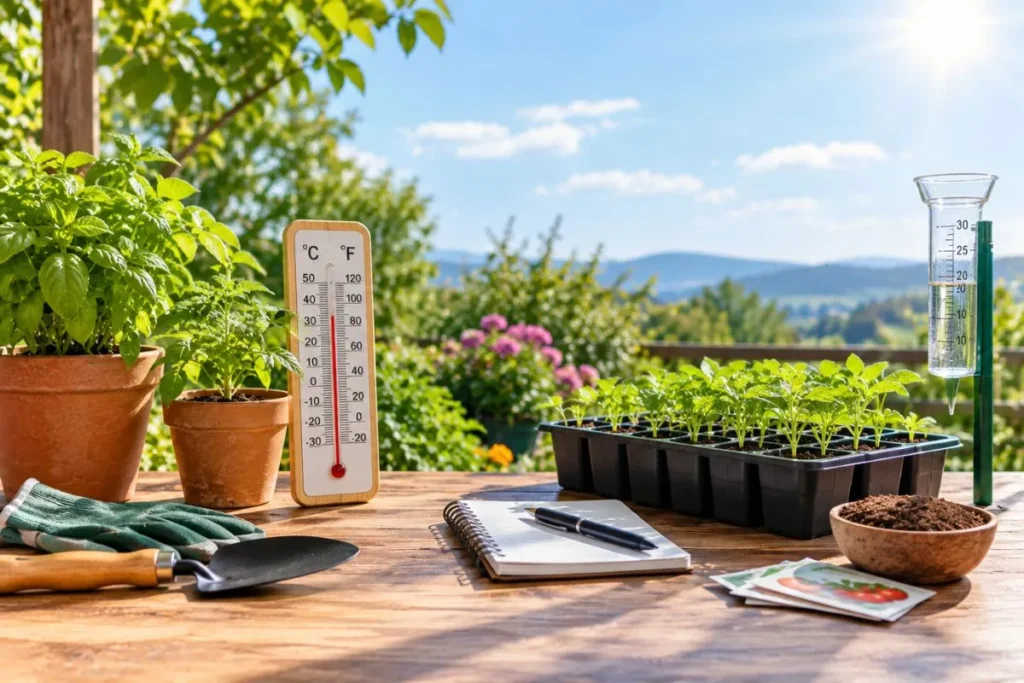
Pay attention to nighttime temperatures, expected frost, sunlight, and the length of your growing season. These factors help you decide when seedlings are likely to be ready for outdoor planting rather than relying on a fixed calendar date.
Don’t Start Seeds Too Early
Starting seeds early can sound like a good idea, but it can create problems. If seedlings stay indoors for too long, they may become root-bound, leggy, or difficult to manage. They can also outgrow their containers before the weather allows you to plant them outside.
So, how early can you start plant seeds indoors? The answer depends on the plant. Start early enough to give seedlings a healthy head start, but not so early that they spend too much time waiting indoors. A balanced seed starting calendar will help you find that sweet spot.
How to Know When to Start Seeds Indoors
Many people believe that you can choose one date and use it for every seed you want to grow indoors. That’s not how it works. Different plants have different growth rates, germination times, and transplanting needs.
Instead of guessing, look at the plant type, the local weather, and the instructions for the specific seeds you have.
If you’re asking how to know when to start seeds indoors, you don’t need a complicated gardening system. A few simple checks can help you make a better decision. Once you understand what your seeds need before they go outside, creating an indoor seed starting plan becomes much easier.
Check Your Last Frost Date
Your local last frost date is an important starting point when planning seeds. It is the approximate date when your area is expected to stop experiencing freezing temperatures in spring. Many young plants cannot handle frost, so knowing this date helps you plan their move outdoors.
Once you know the expected frost date, look at the recommended indoor-starting time for your plant. For example, if your seeds should be started several weeks before outdoor planting, use that information to build your seed starting timeline.
This approach is more useful than choosing an indoor planting date simply because it is spring.
The last frost date is not a guarantee, though. Weather can change, and an unexpected cold night can still damage young seedlings. Keep an eye on your local forecast as the outdoor planting date gets closer. This gives you a little extra protection when deciding when to move your indoor seedlings outside.
Check What Type of Plant You Are Growing
The type of plant makes a big difference in when to start vegetable seeds indoors or flower seeds. Some plants grow quickly, while others need more time to become strong enough for transplanting.
Warm-season plants such as tomatoes, peppers, and eggplants are often started indoors to give them extra growing time. Cool-season plants may follow a different schedule because they can tolerate cooler outdoor conditions.
This is why there is no single answer to when should I start plant seeds indoors. Your plan should match the plant rather than forcing every seed into the same schedule.
Check the Germination Time
Germination time tells you roughly how long a seed may take to sprout under suitable conditions. This matters because seeds that take longer to germinate can require more planning.
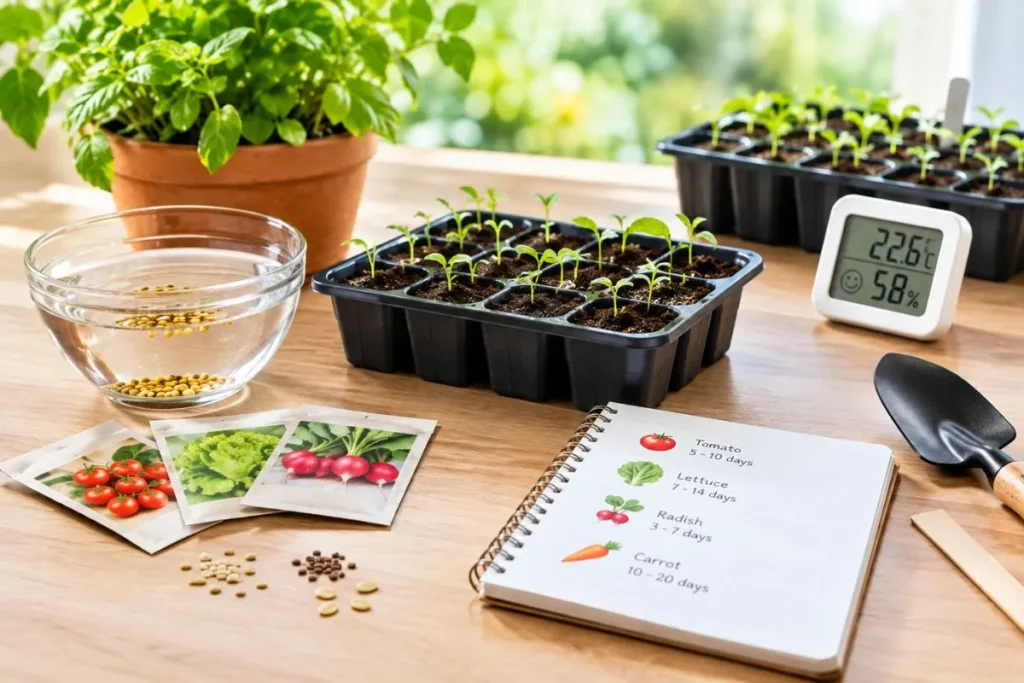
Look at the expected germination period on the seed packet before you start. A seed that sprouts within a few days will have a different seed starting schedule from one that may take several weeks.
Also remember that germination time is not the same as the total time a seedling should stay indoors. After germination, the young plant still needs time to develop leaves, roots, and a stronger stem before transplanting.
Check How Long Seedlings Need Indoors
Germination is only the beginning. After a seed sprouts, it needs enough time to develop into a healthy seedling. When deciding when to start growing plants from seeds indoors, find out how long the plant normally needs before it can be transplanted.
A seedling that grows slowly may need an earlier indoor start. A fast-growing plant may need less time. Knowing this helps you avoid having seedlings that are too small when outdoor planting time arrives or too large because they stayed inside for too long.
Read the Seed Packet Before Planting
Your seed packet can answer many of the questions that come up during starting seeds indoors. Check for phrases such as “start indoors,” “sow indoors,” or “start seeds indoors several weeks before the last frost.”
You may also find information about germination, planting depth, spacing, transplanting, and temperature. These details can help you create a practical seed starting guide for each plant instead of relying on a general calendar.
If you’re wondering how do I know when to start seeds indoors?, the seed packet is one of the first places to look. Use its instructions together with your local frost date and growing conditions for a more reliable plan.
Consider Your Indoor Growing Conditions
Your timing should also match the conditions you can provide indoors. Seeds need suitable moisture, warmth, and light to germinate and produce healthy seedlings.
If your home has limited sunlight, you may need to adjust your setup with suitable grow lights for seedlings. Poor lighting can cause young plants to become thin and stretched, even when you start them at the correct time.
Good indoor seed germination is not only about choosing the right date. The environment matters too. A suitable growing space gives your seedlings a better chance to develop before they are ready for the garden.
Watch the Weather Before Moving Seedlings Outside
Even when your indoor seedlings look ready, don’t rush them outdoors. Check the weather and make sure conditions are suitable for the particular plant.
Before transplanting, seedlings generally benefit from hardening off. This means gradually getting them used to outdoor sunlight, wind, and changing temperatures. Skipping this step can shock tender plants.
So, knowing when to start plant seeds indoors is really part of a bigger process. Good timing, proper seedling care, and a gradual transition outdoors all work together to give your plants a stronger start.
When to Start Vegetable Seeds Indoors
Many people believe that every vegetable should be started indoors so it can get a head start. That’s not always true. Some vegetables grow well when planted directly in the garden, while others benefit from extra time indoors.
The best approach is to look at each vegetable’s growth habit, transplanting needs, and the length of your growing season.
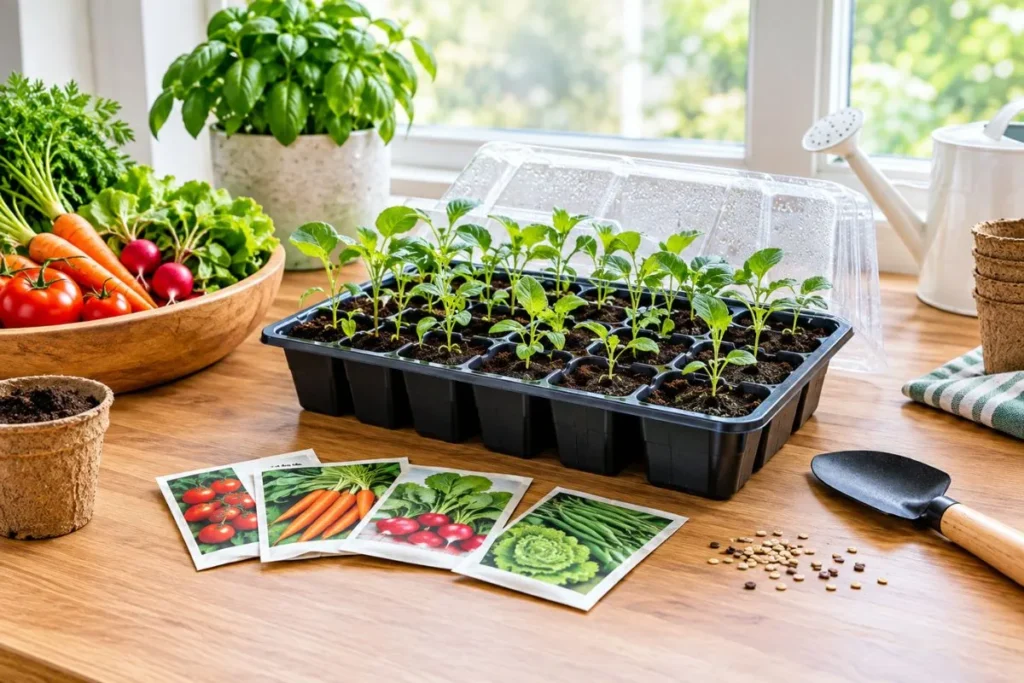
If you’re planning when to start vegetable seeds indoors, focus on the vegetables that need more time to mature or benefit from an earlier start.
Tomatoes, peppers, and eggplants are common examples. Starting these vegetable seeds indoors can help you raise healthy seedlings before outdoor conditions are ideal.
When to Start Tomato Seeds Indoors
Tomatoes are one of the most popular choices for starting vegetable seeds indoors. They love warmth and usually need a good amount of growing time before they produce mature fruit.
Starting them indoors gives the young plants time to develop before they face the challenges of the outdoor garden.
For many gardeners, tomato seeds are started several weeks before the expected outdoor planting date. The exact timing depends on your variety, local climate, and growing conditions.
When deciding when to start tomato seeds indoors, check the seed packet and work backward from your expected transplanting date.
Once tomato seeds sprout, give the seedlings plenty of light. A bright growing area or suitable grow lights for seedlings can help prevent weak, stretched growth. Keep the soil evenly moist without leaving it constantly wet, and give the plants enough room as they grow.
Tomato seedlings can become surprisingly large indoors, so don’t start them much earlier than necessary. If they become too big before outdoor conditions are ready, they may become difficult to manage and may need larger containers.
When to Start Pepper Seeds Indoors
Peppers can also benefit from an early indoor start. They generally prefer warm conditions, and some varieties take a while to develop from seed into transplant-ready plants.
When asking when to start pepper seeds indoors, consider the variety you’re growing and the length of your local growing season. Some peppers need more time than others, so the seed packet is useful for choosing an appropriate starting window.
Pepper seeds also need suitable conditions for indoor seed germination. Keep them warm and provide consistent moisture. Once seedlings appear, strong light becomes especially important for steady growth.
Avoid keeping pepper seedlings in a dark or cool location. Even if the seeds germinate successfully, poor growing conditions can leave the young plants weak. A warm, bright setup can make indoor seed starting much easier.
When to Start Eggplant Seeds Indoors
Eggplant is another warm-season vegetable that gardeners often grow from seedlings started indoors. It needs warmth to grow well and may benefit from extra time before being planted outside.
If you’re deciding when to start vegetable seeds indoors, add eggplant to your planning list if your growing season is relatively short. Starting the seeds indoors allows the young plants to develop before outdoor conditions become consistently warm.
Give eggplant seedlings plenty of light after they emerge. Avoid moving them outside while temperatures are still too cold for this warm-season crop. The goal is to have sturdy plants that are ready for the garden when suitable weather arrives.
Other Vegetable Seeds to Start Indoors
Tomatoes, peppers, and eggplants aren’t the only options. Gardeners also start vegetables such as broccoli, cabbage, cauliflower, and lettuce indoors, depending on their local conditions and gardening goals.
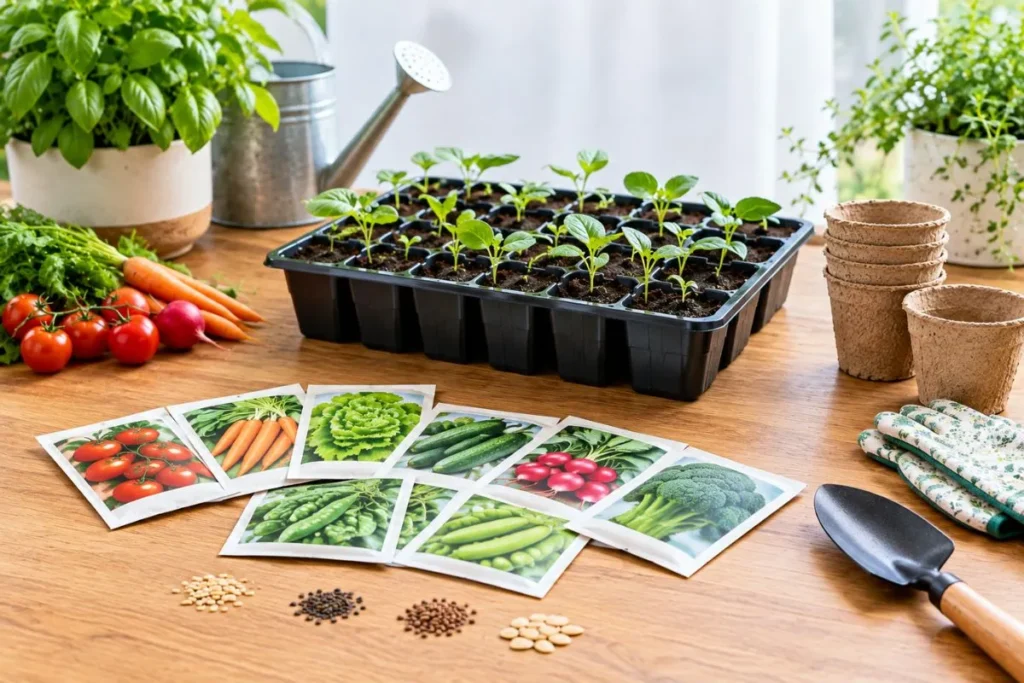
Cool-season vegetables can follow a different seed starting schedule from warm-season crops. Some handle cooler temperatures better, so they don’t always need the same indoor growing period.
Here are a few vegetables commonly considered for indoor seed starting:
Broccoli and Cabbage
These cool-season vegetables can be started indoors to produce young transplants before placing them in the garden. They often work well for gardeners who want an earlier start to the growing season.
Cauliflower
Cauliflower can also be started from seed indoors. Because it can be sensitive to stressful growing conditions, keeping the seedlings healthy and avoiding delays can be helpful.
Lettuce
Lettuce grows relatively quickly, so it doesn’t always need a long indoor period. Depending on your climate, you may choose indoor seed planting or direct sowing outdoors.
Which Vegetable Seeds Should You Start Indoors?
Not every vegetable needs to be started indoors. A useful rule is to consider whether the plant benefits from an early start and whether it handles transplanting well.
Warm-season crops that need a longer growing period are often good candidates. Fast-growing vegetables or plants that dislike having their roots disturbed may be better suited to direct sowing.
So, if you’re wondering what seeds should I start indoors first, begin with the vegetables that need the most time and warmth. Then plan the rest according to your space, climate, and seed packet instructions. This keeps your seed starting calendar simple and prevents you from filling your home with seedlings that aren’t ready to go outside.
Frequently Asked Questions
Many people believe there is one perfect indoor seed-starting date that works for every garden. In reality, timing changes with the plant, climate, and growing season. These common questions can help you make sense of your own seed starting schedule.
When Should I Start Plant Seeds Indoors?
You should start plant seeds indoors based on the plant’s recommended growing time and your expected outdoor planting date. Check the seed packet for instructions and consider your local frost dates before choosing a starting date.
What Is the Best Time to Start Seeds Indoors?
The best time to start seeds indoors depends on what you’re growing. Some plants need many weeks to develop before transplanting, while others grow quickly and need only a short indoor period. Always match the timing to the specific plant rather than using the same date for everything.
How Many Weeks Before the Last Frost Should I Start Seeds?
The number of weeks varies by plant. Some seeds may need several weeks indoors, while others need much less time. Check the seed packet for its recommended indoor-starting period, then count backward from your area’s estimated last frost date.
What Seeds Should I Start Indoors First?
Start with plants that need extra growing time or warm conditions before they can thrive outdoors. Tomatoes, peppers, and eggplants are common examples. You can then plan other vegetables and flowers around their own recommended schedules.
When Should I Start Vegetable Seeds Indoors?
The timing depends on the vegetable. Warm-season crops often need an indoor head start, while some cool-season vegetables can be planted earlier or directly outdoors. Look at the growing requirements of each vegetable before creating your vegetable seed starting plan.
When Should I Start Flower Seeds Indoors?
Flower seeds should be started according to the variety and your planned outdoor planting date. Some flowers need a longer indoor growing period, while others can be started closer to the time they will be planted outside.
Can I Start Seeds Indoors in Winter?
Yes, you can start certain seeds indoors during winter, but you need suitable growing conditions. Young plants need enough warmth, moisture, and light. Without sufficient light, seedlings can become thin and weak even if the seeds germinate successfully.
Can I Start Plant Seeds Indoors Without Grow Lights?
You can start some seeds without grow lights if you have a bright location with enough natural sunlight. However, a sunny window may not always provide sufficient light for strong seedlings. Watch your plants closely for stretched or leaning growth.
How Long Can Seedlings Stay Indoors?
Seedlings should generally stay indoors only as long as needed to reach a healthy transplanting stage. Keeping them inside too long can cause overcrowding, root-bound plants, or weak growth. Their recommended indoor growing period depends on the variety.
What Happens If I Start Seeds Indoors Too Early?
Starting seeds too early can leave you with large seedlings before outdoor weather is suitable. They may outgrow their containers, become leggy, or become harder to manage indoors. That’s why choosing the right seed starting timeline is more useful than simply starting as early as possible.
Conclusion:
Many gardeners make indoor seed starting harder than it needs to be. You don’t need to memorize dozens of dates. Start by checking the plant variety, reading the seed packet, and planning around your local growing conditions.
These simple steps can help you choose when to start plant seeds indoors with much more confidence.
Remember that good timing is only one part of growing healthy seedlings. Give your seeds suitable moisture, warmth, and light, and don’t rush young plants outside. When the time comes, gradually prepare them for outdoor conditions before transplanting.
With a simple seed starting calendar and a little patience, you can give your plants a strong start and enjoy healthier growth throughout the season.

Plant Nest Blog’s author is passionate about plants, gardening, and sustainable living. Through research and practical experience, they share helpful plant care tips, gardening guides, and easy solutions to help readers grow healthier plants and create greener spaces.