
A single cosmos flower can produce dozens of seeds, making it one of the easiest garden plants to grow year after year without buying new packets. The trick isn’t collecting the seeds it’s collecting them at the right time.
If you’ve ever wondered how to harvest cosmos seeds, you’re probably asking questions like: When are they ready? How do I know they’re mature? What’s the best way to store them?
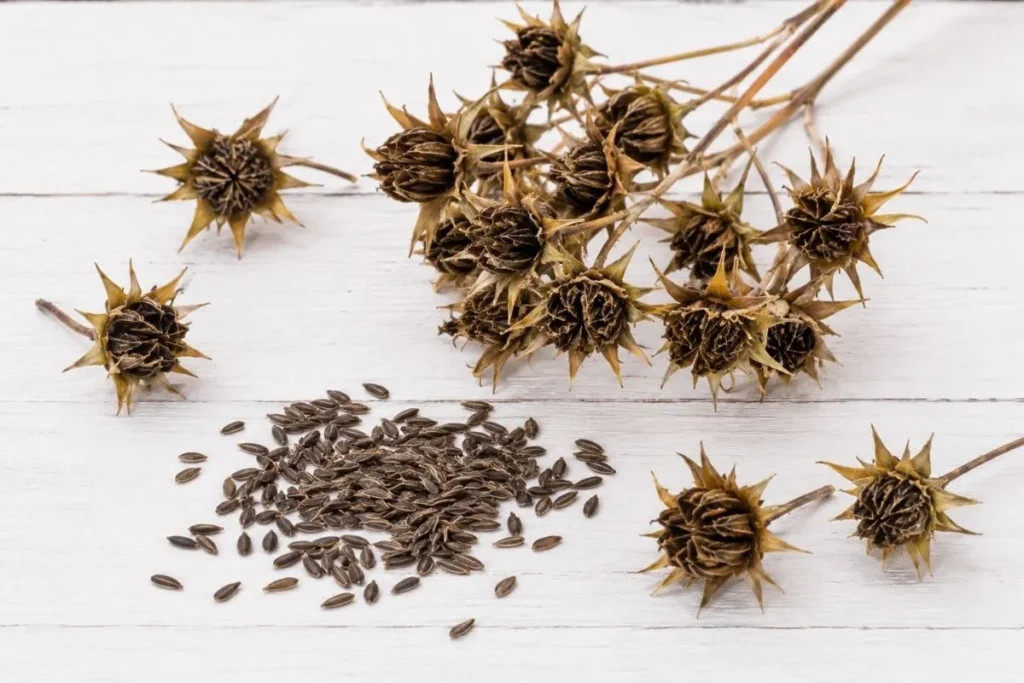
Harvesting too early often results in seeds that won’t germinate, while waiting too long may leave you with empty seed heads after birds or wind have done the harvesting first.
This guide walks you through the entire process, from recognizing ripe seed heads to drying, storing, and planting your saved seeds. You’ll also learn common mistakes to avoid, practical tips from experienced gardeners, and answers to the questions people ask most often.
Why Harvest Cosmos Seeds?
Harvesting cosmos seeds offers several benefits beyond saving money.
You’ll be able to:
- Grow beautiful flowers every year without purchasing new seeds.
- Preserve your favorite flower colors and varieties.
- Share seeds with friends and neighbors.
- Encourage a sustainable, low-waste garden.
- Build a healthy seed collection for future seasons.
Cosmos naturally produce plenty of seeds, making them one of the easiest annual flowers for beginner gardeners to save.
Understanding the Cosmos Seed Life Cycle
Before learning how to harvest cosmos seeds, it helps to understand how the plant develops.
The cycle looks like this:
Flower blooms → petals fade → seed head forms → seeds mature → seed head dries → seeds are ready for harvest.
The most common mistake gardeners make is collecting seeds immediately after the petals fall. At this stage, the seeds are usually immature and unlikely to grow.
Patience makes all the difference.
When Is the Best Time to Harvest Cosmos Seeds?
Timing determines whether your saved seeds will successfully germinate next season.
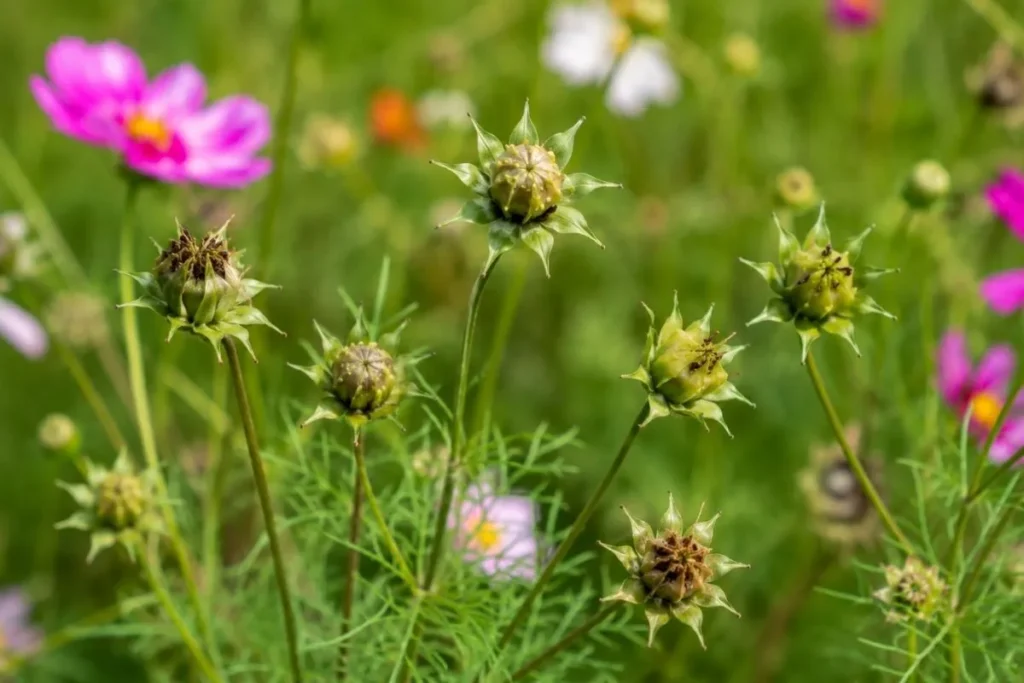
Look for these signs:
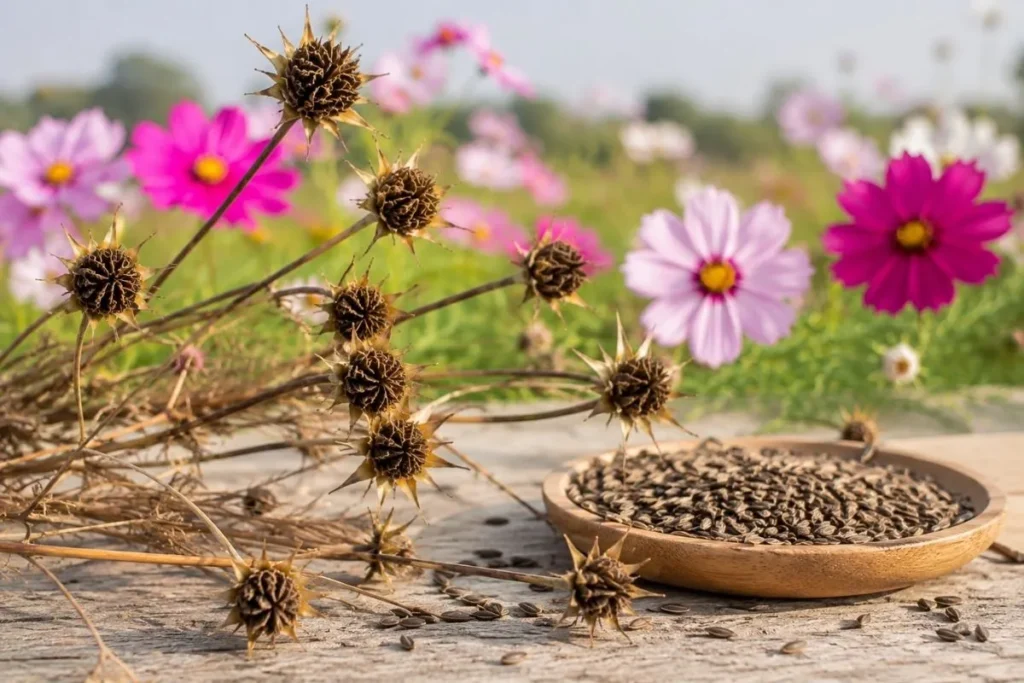
- Flowers have completely faded.
- Petals have dropped naturally.
- Seed heads have turned brown.
- Seeds are dark brown or nearly black.
- Seeds feel hard rather than soft.
- The entire seed head feels dry.
Most gardeners harvest cosmos seeds in late summer through early autumn, depending on the local climate.
Choose a dry day if possible. Wet seed heads can introduce moisture that leads to mold during storage.
What Do Mature Cosmos Seeds Look Like?
Knowing what you’re looking for helps avoid harvesting too early.
Mature cosmos seeds are:
- Long and slender
- Dark brown to black
- Firm and dry
- Slightly pointed at one end
Immature seeds are usually:
- Pale green
- Light tan
- Soft
- Flexible
If the seeds bend easily, they’re probably not ready.
Tools You’ll Need
Harvesting cosmos seeds requires very little equipment.
A few simple items are enough:
- Clean scissors or garden snips
- Paper bag
- Small bowl or tray
- Paper towels
- Labels
- Envelope or glass jar for storage
Avoid plastic bags during harvesting because they trap moisture.
How to Harvest Cosmos Seeds Step by Step
Choose Healthy Plants
Select vigorous plants with large, healthy blooms.
Avoid collecting seeds from plants showing signs of disease, severe insect damage, or poor growth.
Healthy parent plants usually produce stronger offspring.
Wait Until Seed Heads Dry
Allow the flower heads to remain on the plant until they’re completely dry.
Resist the urge to harvest immediately after blooming.
The longer seeds mature on the plant, the better their germination rate.
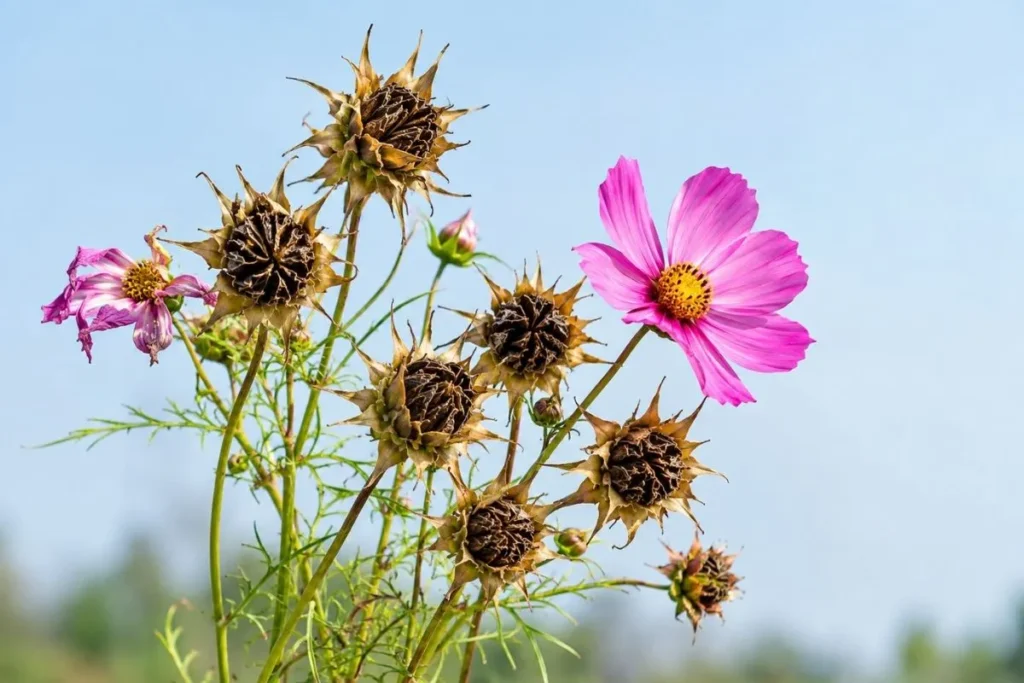
Cut the Seed Heads
Using clean scissors, snip the dried flower heads.
Place them gently into a paper bag.
Label the bag if you’re growing multiple cosmos varieties.
Separate the Seeds
Once indoors, gently rub the dried flower head between your fingers.
The seeds should fall out easily.
Remove:
- Dry petals
- Chaff
- Stems
- Broken plant material
A little debris won’t ruin the seeds, but cleaner seeds are easier to store.
Dry the Seed
Spread the seeds in a single layer on paper towels or newspaper.
Allow them to air dry for about one week in a cool, dry room with good airflow.
Avoid direct sunlight, which can reduce seed quality.
Proper drying is one of the most important parts of how to harvest cosmos seeds successfully.
How to Store Cosmos Seeds
Correct storage keeps seeds viable for years.
After drying:
Place seeds inside:
- Paper envelopes
- Glass jars with tight lids
- Airtight seed containers
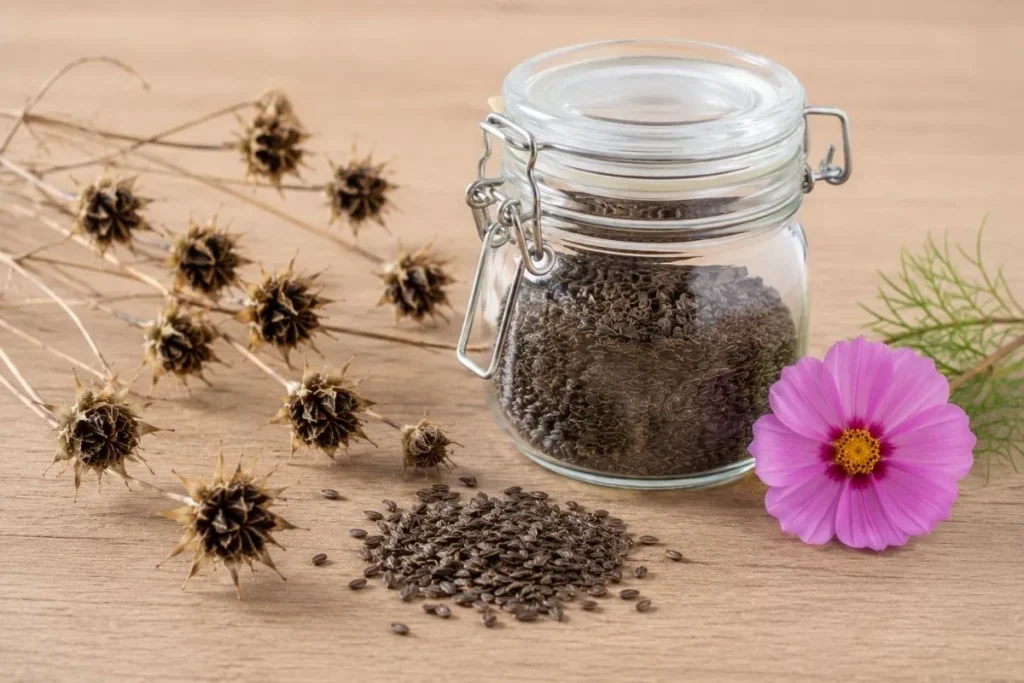
Always label them with:
- Flower variety
- Harvest date
- Color (if known)
Store them somewhere:
- Cool
- Dry
- Dark
A cupboard, closet, or basement shelf usually works well.
How Long Do Cosmos Seeds Last?
When stored correctly, cosmos seeds typically remain viable for:
2–5 years
The highest germination rates usually occur within the first two years.
Older seeds may still sprout but often produce lower germination percentages.
Can You Harvest Seeds from Hybrid Cosmos?
Yes but there’s something to keep in mind.
Hybrid cosmos don’t always grow true to the parent plant.
You might notice differences in:
- Flower color
- Petal shape
- Plant height
- Bloom size
Open-pollinated and heirloom varieties are more likely to produce plants identical to the originals.
Common Mistakes to Avoid
Many seed-saving failures come down to a handful of preventable mistakes.
Harvesting Too Early
Immature seeds rarely germinate.
Always wait until seed heads are fully dry.
Storing Damp Seeds
Even a small amount of moisture can cause mold.
Dry thoroughly before storage.
Using Plastic Bags
Plastic traps humidity.
Paper bags are much safer during harvesting.
Forgetting Labels
Months later, it’s surprisingly easy to forget which seeds are which.
Always label immediately.
Ignoring Plant Health
Seeds from weak or diseased plants may produce poor-performing flowers.
Choose your healthiest plants.
Expert Tips for Better Seed Saving
Experienced gardeners often follow a few extra practices to improve success.
Leave several flower heads on the plant longer than you think necessary. Fully mature seeds almost always perform better.
Harvest from multiple plants instead of just one. This increases genetic diversity and often leads to stronger plants.
Store seeds with a small food-safe silica gel packet if you live in a humid climate. It helps absorb excess moisture.
Check stored seeds every few months to ensure no mold or condensation has developed.
How to Plant Saved Cosmos Seeds
Once spring arrives, your saved seeds are ready to grow.
Sow them after the danger of frost has passed.
Choose a sunny location with well-drained soil.
Lightly press the seeds into the soil without burying them too deeply. Cosmos seeds need light to germinate well.
Keep the soil lightly moist until seedlings emerge, usually within 7–14 days.
Are Cosmos Likely to Self-Seed?
Yes.
Cosmos are excellent self-seeding annual flowers.
If seed heads remain on the plant, many seeds naturally fall to the ground and may sprout the following spring.
If you prefer a tidy garden, remove seed heads before they scatter.
If you’d like more flowers next year, allow a few plants to reseed naturally.
Frequently Asked Questions
How do I know when cosmos seeds are ready?
They’re ready when the flower head is completely brown and dry, and the seeds are dark, hard, and easy to remove.
Can I harvest cosmos seeds after rain?
It’s better to wait until the seed heads have dried completely. Wet seeds can develop mold during storage.
Do cosmos seeds need sunlight while drying?
No. Dry them indoors in a shaded, well-ventilated area away from direct sunlight.
Can I save seeds from potted cosmos?
Yes. The harvesting process is exactly the same for container-grown and garden-grown plants.
Why didn’t my saved cosmos seeds germinate?
Common reasons include harvesting immature seeds, storing them while damp, poor storage conditions, or planting seeds that were too old.
Should I refrigerate cosmos seeds?
Usually, no. A cool, dry cupboard is sufficient. Refrigeration is optional if humidity is high and the seeds are sealed in an airtight container.
How many seeds does one cosmos flower produce?
A single mature flower can produce dozens of seeds, making it easy to build a generous seed supply from just a few plants.
Can birds eat cosmos seeds?
Yes. Birds enjoy cosmos seeds, so harvest promptly once the seed heads are mature if you want to save them.
Conclusion
Learning how to harvest cosmos seeds is one of the simplest and most rewarding gardening skills.
By waiting until the seed heads are fully mature, drying the seeds thoroughly, and storing them in a cool, dry place, you can enjoy vibrant cosmos blooms season after season without spending money on new seed packets.
A little patience during harvest pays off with healthier plants, stronger germination, and a garden filled with colorful flowers year after year.
Saving your own cosmos seeds also allows you to preserve your favorite flower varieties, share seeds with family and friends, and create a more sustainable garden.
With proper storage, many cosmos seeds remain viable for several years, giving you plenty of opportunities to grow beautiful blooms in future seasons.
Once you’ve done it once, saving cosmos seeds quickly becomes a satisfying end-of-season tradition.
Whether you’re a beginner or an experienced gardener, this simple practice helps you enjoy a thriving, colorful garden while reducing gardening costs and making the most of every growing season.
Disclaimer
The information in this article is intended for general gardening and educational purposes. Growing conditions, climate, soil quality, and cosmos varieties may affect seed maturity and germination rates.
For the best results, observe your plants carefully and adapt harvesting and storage methods to your local environment.

Plant Nest Blog’s author is passionate about plants, gardening, and sustainable living. Through research and practical experience, they share helpful plant care tips, gardening guides, and easy solutions to help readers grow healthier plants and create greener spaces.