
Many gardeners think planting more closely together means they’ll harvest more vegetables, flowers, or fruits. Unfortunately, that’s one of the biggest gardening mistakes.
Crowded plants compete for sunlight, water, nutrients, and growing space. As a result, they become weaker, produce smaller harvests, and are more likely to suffer from pests and diseases. The good news is that this problem is easy to avoid.
Once you understand how far apart to plant different types of plants, you can create a healthier garden with stronger roots, better air circulation, and bigger, more productive harvests.
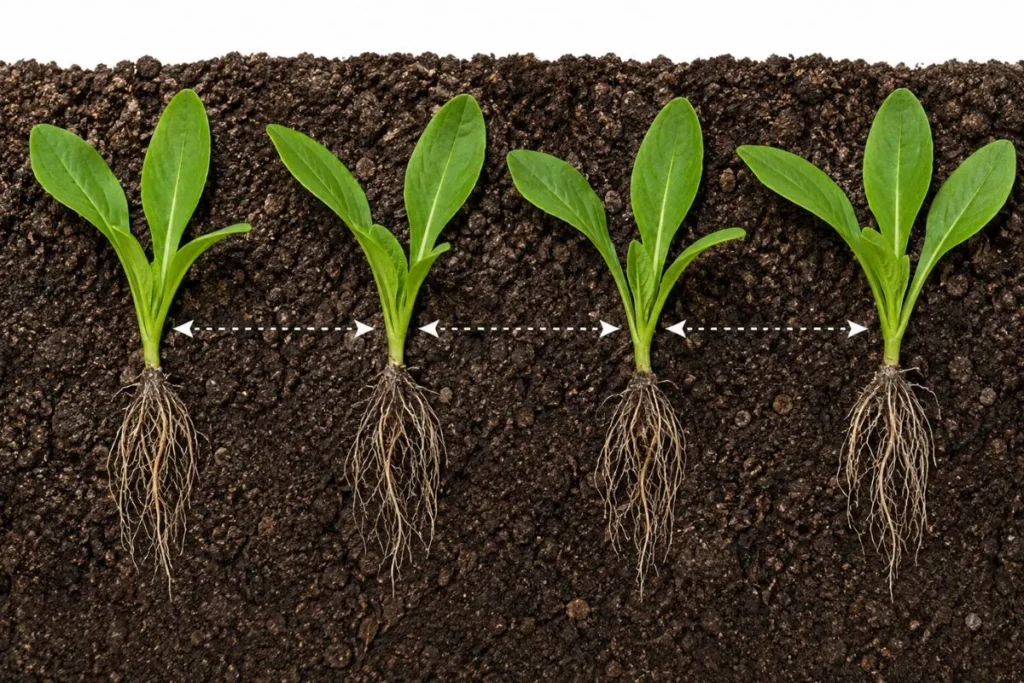
In this guide, you’ll learn everything you need to know about proper plant spacing. We’ll explain how much space between plants is ideal, why spacing plants correctly matters, and how spacing affects plant health and growth.
You’ll also discover the recommended spacing for vegetables, flowers, herbs, shrubs, and fruit trees, along with practical tips for raised beds, garden rows, and small spaces.
By the end of this article, you’ll have a clear plant spacing guide to help you plan your garden with confidence and grow healthier plants all season long.
What Happens When Plants Are Too Close Together?
Planting too closely is one of the biggest mistakes gardeners make. It’s easy to think that squeezing in a few extra plants will give you a larger harvest. Unfortunately, overcrowding usually has the opposite effect.
When plants don’t have enough room, they begin competing with each other instead of growing strong on their own. This plant overcrowding creates several problems that can affect the health of your entire garden.
Poor Air Circulation
Plants need good airflow around their leaves and stems. When they’re packed tightly together, air can’t move freely between them.
Moisture stays trapped for longer after watering or rainfall. This creates the perfect environment for fungal diseases like powdery mildew, blight, and leaf spot.
One of the easiest ways to improve spacing for healthy plants is simply by leaving enough room for air to circulate naturally. Better airflow helps leaves dry faster and keeps diseases from spreading quickly.
Plants Compete for Water and Nutrients
Every plant has a root system searching the soil for water and nutrients.
When roots become crowded, plants compete for the same limited resources. Instead of growing into strong, productive plants, they often become weak and stressed.
You may notice:
- Slower growth
- Yellow leaves
- Smaller vegetables
- Fewer flowers
- Poor fruit production
Following a reliable proper plant spacing guide gives each plant enough room to develop a healthy root system without constant competition.
Sunlight Doesn’t Reach Every Plant
Sunlight is one of the most important ingredients for healthy growth.
When plants grow too close together, taller plants quickly block sunlight from reaching smaller ones.
Without enough light, plants may become:
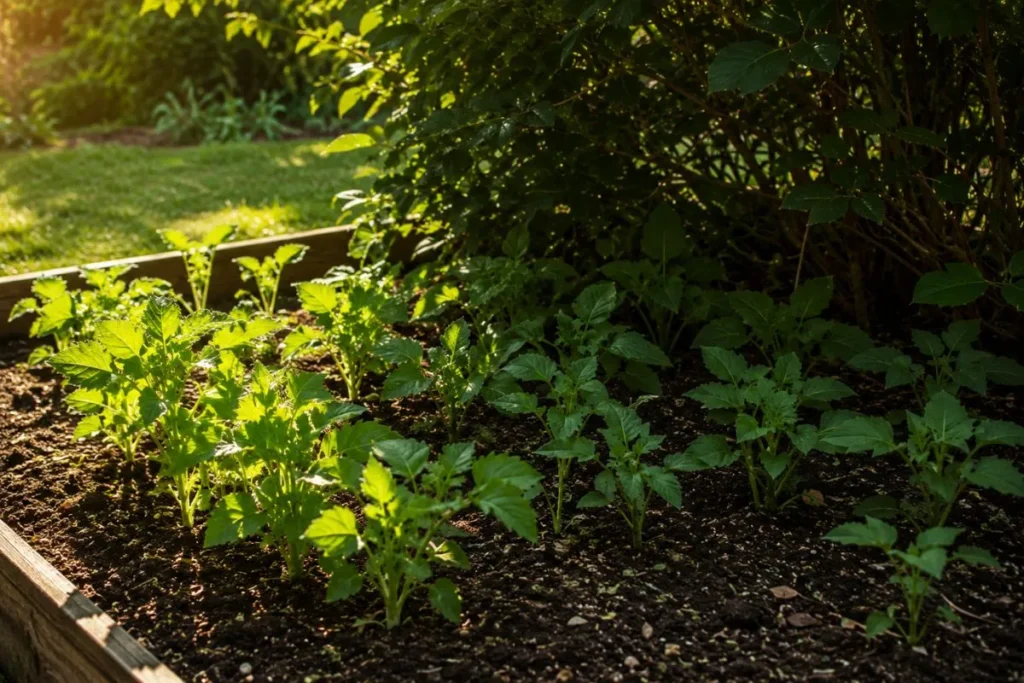
- Tall and leggy
- Weak
- Pale green
- Less productive
This is especially common when gardeners ignore recommended distance between vegetable plants or plant large vegetables too close together.
Proper spacing allows sunlight to reach every part of the garden, helping plants grow evenly from top to bottom.
Higher Risk of Plant Diseases
Many common garden diseases spread faster when plants touch each other.
Leaves rubbing together can transfer fungal spores, bacteria, and other pathogens from one plant to the next.
Wet conditions combined with poor airflow make diseases spread even faster.
That’s why experienced gardeners always recommend spacing plants correctly rather than filling every empty space.
Giving plants breathing room is one of the easiest ways to reduce disease naturally without relying on chemical treatments.
More Pests Move In
Overcrowded gardens also create excellent hiding places for insects.
Dense foliage provides shelter for pests such as:
- Aphids
- Whiteflies
- Spider mites
- Slugs
- Snails
Because plants are packed together, pests can move easily from one plant to another before you even notice they’re there.
Keeping enough space between plants makes it easier to inspect your garden and catch pest problems early.
Weak Root Development
Healthy roots need room to spread.
When plants are overcrowded, roots become tangled beneath the soil. This limits their ability to absorb water and nutrients efficiently.
Strong roots support strong plants. That’s why plant growth spacing is just as important below the ground as it is above it.
Smaller Harvests
One of the biggest surprises for beginner gardeners is that planting more doesn’t always mean harvesting more.
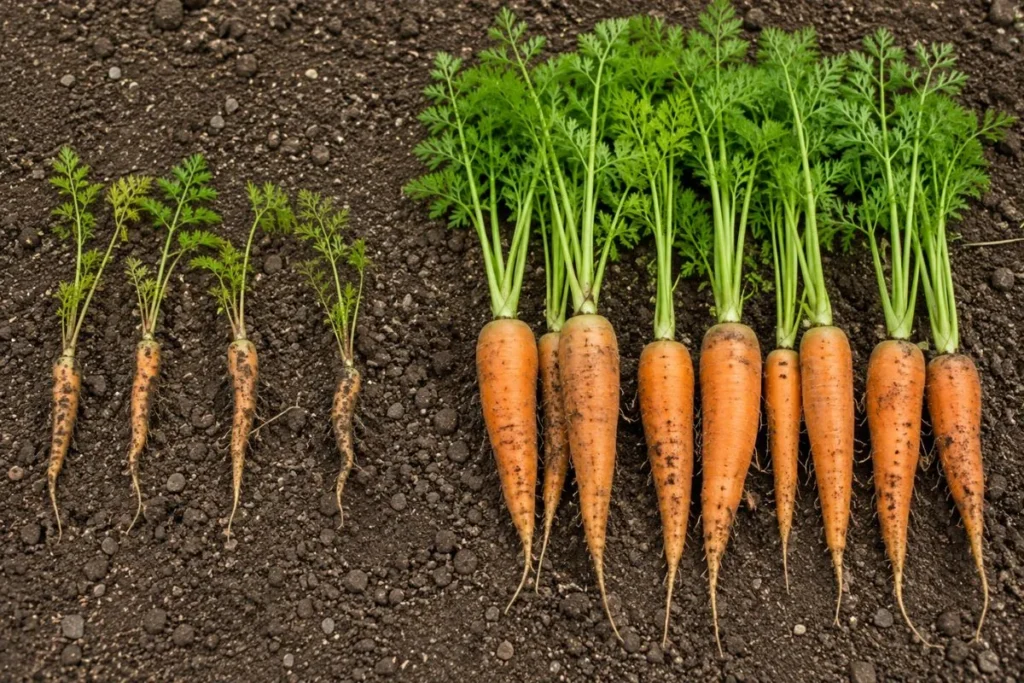
Overcrowded plants often produce:
- Smaller tomatoes
- Tiny peppers
- Thin carrots
- Small onions
- Fewer cucumbers
- Reduced flower blooms
Even though you planted more seedlings, each individual plant produces less because it never had enough room to reach its full size.
In many cases, fewer well-spaced plants produce a larger harvest than a crowded garden.
Harder Garden Maintenance
Gardens with poor spacing quickly become difficult to manage.
Simple jobs like watering, pruning, harvesting, or pulling weeds become frustrating because there’s little room to work.
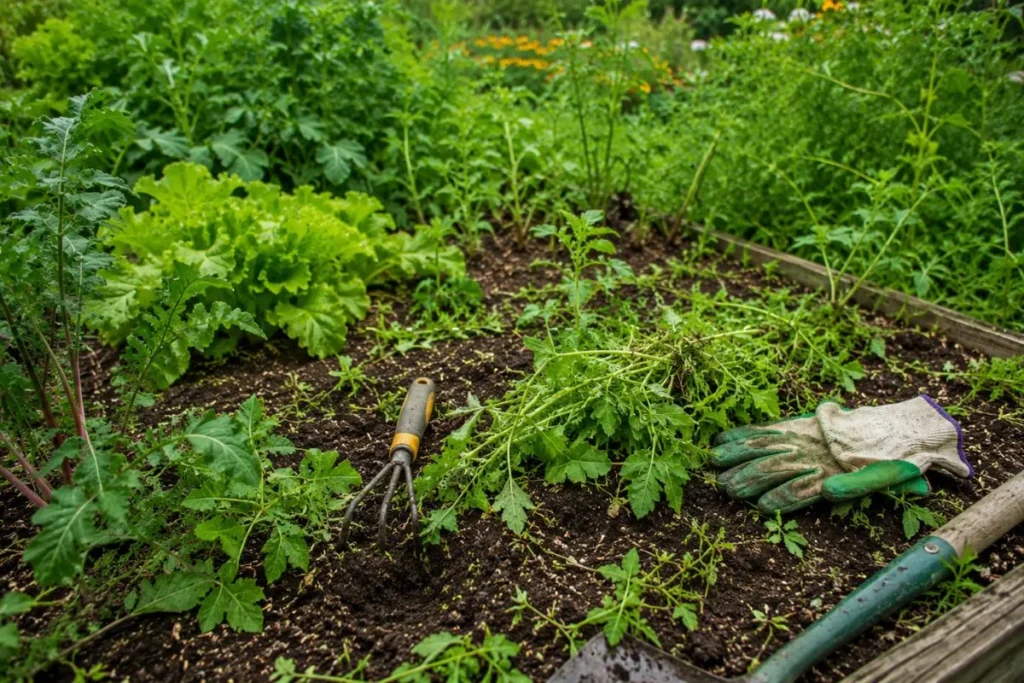
Crowded plants also make it harder to spot diseases, damaged leaves, or insect infestations before they spread.
A well-planned garden plant spacing layout keeps maintenance simple and helps your garden stay healthy throughout the growing season.
Healthy Plants Start with the Right Spacing
If you want stronger plants, bigger harvests, and fewer gardening problems, avoiding overcrowding should be one of your first priorities.
Whether you’re growing vegetables, flowers, herbs, shrubs, or trees, giving each plant enough space to mature is one of the smartest investments you can make.
Proper spacing improves airflow, encourages stronger roots, reduces disease pressure, and allows every plant to receive the sunlight, water, and nutrients it needs.
As you’ll see in the next sections, the ideal spacing varies from one plant to another. Understanding those differences is the key to building a thriving garden that stays productive year after year.
What Happens When Plants Are Too Far Apart?
Many gardeners assume that giving plants extra room is always a good thing. While it’s true that overcrowding causes problems, planting too far apart isn’t the perfect solution either.
Every plant has an ideal growing distance, and placing them much farther apart than recommended can waste valuable garden space and reduce your overall harvest.
The goal isn’t to give plants the most space possible it’s to give them the right amount of space based on a reliable plant spacing guide.
Wasted Garden Space
One of the biggest downsides of planting too far apart is that you don’t make the most of your garden.
Whether you have a large backyard, a small vegetable patch, or a raised bed, every square foot counts. If you leave unnecessary gaps between plants, you’ll end up with empty spaces that could have been used to grow more healthy crops.
For example, if tomato plants need about 24 to 36 inches of spacing, planting them 5 or 6 feet apart doesn’t improve their growth. Instead, it reduces the number of plants your garden can support.
Finding the best spacing for plants helps you balance healthy growth with efficient use of your gardening space.
Lower Overall Yields
Many people focus only on the size of individual plants, but your total harvest matters just as much.
When plants are spaced too far apart, you may grow fewer plants than your garden can actually support. Even if each plant performs well, your overall production can be much lower because there simply aren’t enough plants in the garden.
This is especially important if you’re learning how far apart to plant vegetables in a garden. Following recommended spacing allows you to maximize both plant health and total harvest without overcrowding.
The key is to maintain the right plant density instead of guessing how much space each plant needs.
More Room for Weeds to Grow
Empty soil rarely stays empty for long.
Large gaps between plants allow sunlight to reach the ground, creating ideal conditions for weeds to grow quickly. Those weeds compete with your crops for water, nutrients, and sunlight, making regular maintenance more difficult.
When plants are spaced properly, their leaves naturally spread over the soil as they mature. This shades the ground, helping suppress weed growth and reducing the amount of time you spend pulling unwanted plants.
A well-planned garden spacing chart not only supports healthy crops but also helps keep weeds under control.
Poor Moisture Retention
Another disadvantage of excessive spacing is that the soil dries out faster.
When plants grow at their recommended distance, their leaves create a natural canopy that shades the soil. This helps reduce evaporation and keeps moisture in the ground for longer.
However, when plants are spread too far apart, the soil remains exposed to direct sunlight throughout the day. As a result, water evaporates more quickly, and you’ll likely need to irrigate more often.
Maintaining the proper plant growth spacing helps conserve soil moisture, especially during hot summer months.
Less Efficient Gardening
Gardening is much easier when your layout is planned carefully.
If plants are scattered across large areas, you’ll spend more time walking between rows, watering different sections, and maintaining your garden. Harvesting can also become less efficient because crops are spread farther apart than necessary.
Whether you’re designing a traditional garden or planning a vegetable garden layout, using the recommended spacing creates a more organized and productive growing space.
Good spacing also makes it easier to install irrigation systems, apply mulch, and care for your plants throughout the season.
Why the Right Balance Matters
Healthy gardening isn’t about planting as close together as possible or as far apart as possible. It’s about finding the ideal balance.
The best spacing for plants allows each one to receive enough sunlight, water, nutrients, and airflow while still making efficient use of your available space. This balanced approach supports healthier growth, better yields, and easier garden maintenance.
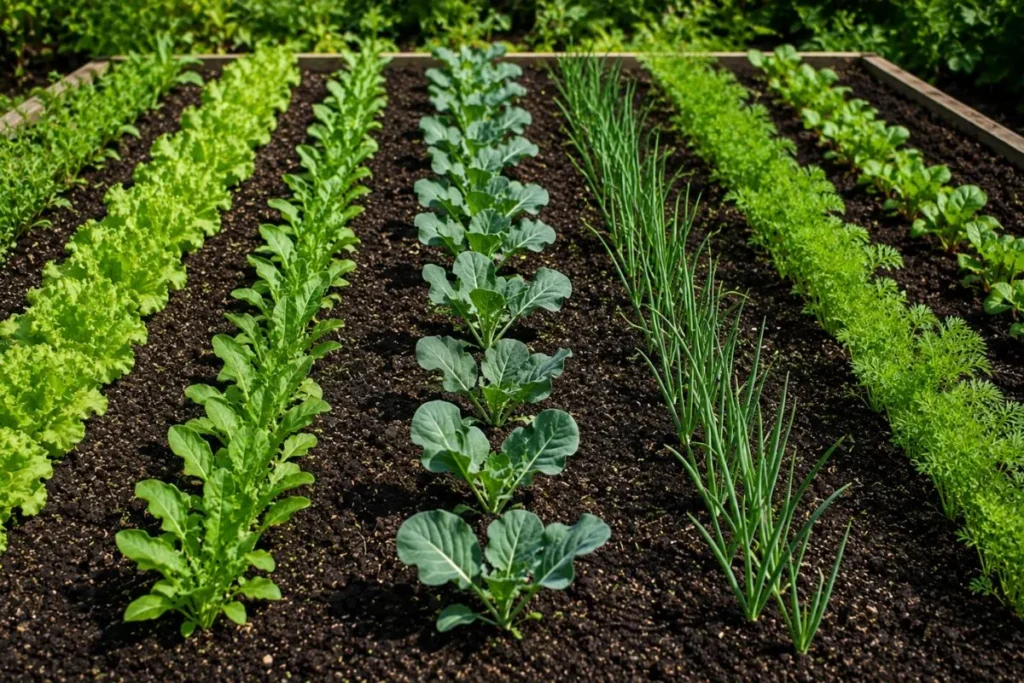
Using a trusted plant density guide or garden planning tips can help you avoid both extremes. Instead of guessing, you’ll know exactly how much room each plant needs to thrive.
As you’ll discover in the next section, several factors determine the ideal spacing for each plant, including its mature size, root system, sunlight requirements, and growing habits. Understanding these factors will help you make smarter planting decisions and build a healthier, more productive garden from the start.
How to Determine the Proper Plant Spacing
Many gardeners believe there’s one universal answer to how far apart to plant every crop. In reality, no single spacing rule works for all plants. A tomato plant, a lettuce seedling, a rose bush, and an apple tree all have different growing habits and different space requirements.
That’s why experienced gardeners don’t guess they consider several important factors before deciding where each plant should go.
The easiest way to space plants correctly is to understand what each plant needs to grow at its best. Below are the key factors that determine the ideal distance between plants and help you create a healthier, more productive garden.
Consider the Plant’s Mature Size
One of the biggest mistakes beginners make is planting based on how a plant looks today instead of how big it will become in a few weeks or months.
A tiny seedling doesn’t stay tiny for long. Some vegetables double or triple in size during the growing season, while shrubs and trees continue growing for years.
For example:
- A lettuce seedling needs only a small amount of space at first, but its mature leaves spread much wider.
- Tomato plants become large, bushy plants that need plenty of room.
- Fruit trees eventually develop broad canopies that require several feet of spacing.
Always check the mature height and width of a plant before deciding where to place it. Following a reliable plant spacing guide based on mature size helps prevent future problems without wasting valuable garden space.
If you’re wondering how far apart to plant vegetables in a garden, mature plant size should always be your starting point.
Pay Attention to Root Growth
Healthy plants don’t just grow above the soil—they also grow below it.
Every plant develops a root system that searches for water and nutrients. Some plants have shallow roots, while others send roots deep into the ground or spread widely beneath the soil.
If roots don’t have enough room to expand, plants struggle to absorb the resources they need for healthy growth.
For example:
- Carrots need loose soil to develop long, straight roots.
- Tomatoes build extensive root systems that benefit from extra growing space.
- Herbs like mint spread quickly through underground runners.
Understanding root development helps you practice proper plant spacing and encourages stronger, healthier plants from the ground up
Think About Sunlight Requirements
Sunlight plays a major role in determining how much space between plants is needed.
Plants that require full sun need enough distance so nearby plants don’t block the light they depend on. If larger plants cast shade over smaller ones, growth slows, flowering decreases, and harvests become smaller.
For example:
- Tomatoes, peppers, and cucumbers thrive in full sunlight.
- Leafy greens tolerate partial shade better than fruiting vegetables.
- Many flowering plants bloom more heavily when they receive uninterrupted sunlight.
When planning your garden, think about how plants will look at full size not just on planting day.
This simple step improves plant arrangement ideas and helps every plant receive enough sunlight throughout the season.
Allow Enough Space for Good Air Circulation
Good airflow is one of the easiest ways to keep plants healthy.
When air moves freely between plants, leaves dry faster after rain or watering. This reduces the chance of fungal diseases and keeps many common plant problems under control.
Different plants require different levels of airflow, but nearly all benefit from adequate spacing.
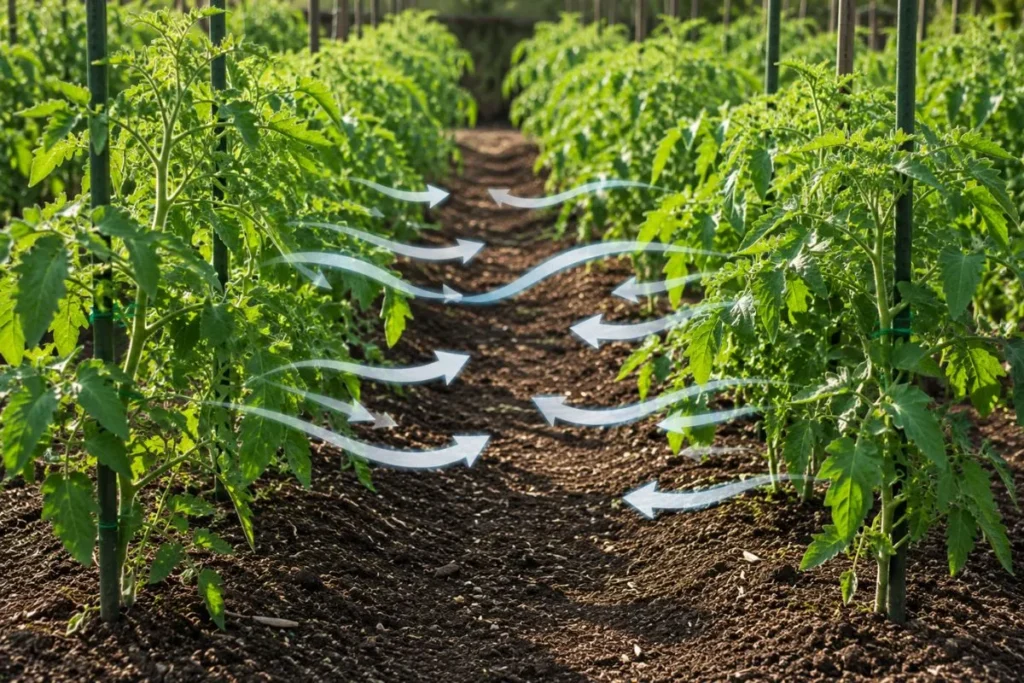
Proper spacing for healthy plants improves:
- Leaf health
- Flower production
- Fruit quality
- Overall plant vigor
Whether you’re planting flowers, vegetables, or shrubs, don’t underestimate the importance of leaving enough room for fresh air to circulate naturally.
Match the Spacing to the Plant’s Water Needs
Plants with similar watering requirements often grow well together.
However, spacing also affects how efficiently water reaches each plant.
When plants are positioned correctly:
- Water reaches the roots more evenly.
- Soil moisture stays balanced.
- Watering becomes easier.
- Plants are less likely to compete for available moisture.
This is especially helpful during hot summer months when water conservation becomes important.
A thoughtful garden plant spacing plan makes irrigation more efficient while reducing unnecessary water waste.
Consider Companion Planting
Spacing isn’t only about the size of each plant. It’s also about choosing plants that grow well together.
Companion planting spacing allows compatible plants to support one another without competing for resources.
For example:
- Basil grows well near tomatoes.
- Carrots and onions are commonly planted together.
- Marigolds are often placed around vegetables to help attract beneficial insects.
Even when practicing companion planting, avoid placing crops so close together that they compete for sunlight or airflow.
The goal is to combine the benefits of companion planting with spacing plants correctly for long-term success.
Practical Tips for Determining the Right Plant Spacing
If you’re still unsure about the ideal spacing, these simple tips can help:
- Read the spacing recommendations on seed packets or plant labels.
- Plan your garden layout before planting.
- Measure spacing with a ruler or measuring tape instead of guessing.
- Leave enough room to walk between rows if you’re planting a large garden.
- Think about how wide each plant will become at maturity.
- Adjust spacing slightly when using raised beds or intensive gardening methods, but don’t overcrowd plants.
- Use a plant spacing calculator if you’re designing a large vegetable garden.
These simple habits make it much easier to follow a proper plant spacing guide and avoid costly mistakes.
Finding the Perfect Balanc
The secret to a successful garden isn’t planting as many crops as possible or leaving excessive empty space. It’s giving every plant exactly what it needs to grow.
When you consider mature size, root development, sunlight, airflow, water needs, and companion planting spacing, you’ll make smarter planting decisions from the very beginning.
Whether you’re learning how far apart to plant vegetables in a garden, arranging flowers in a landscape, or planning an orchard, understanding these factors helps you create a healthier, more organized, and more productive growing space.
In the next section, we’ll make things even easier by looking at a quick-reference planting distance chart that shows the recommended spacing for popular vegetables, flowers, herbs, shrubs, and trees.
5. General Plant Spacing Chart (Quick Reference)
Many gardeners think they need to memorize the spacing requirements for every plant they grow. Fortunately, that’s not true. A simple planting distance chart can save you time and help you avoid common spacing mistakes.
While the exact distance may vary slightly depending on the variety, the chart below provides reliable guidelines for most home gardens.
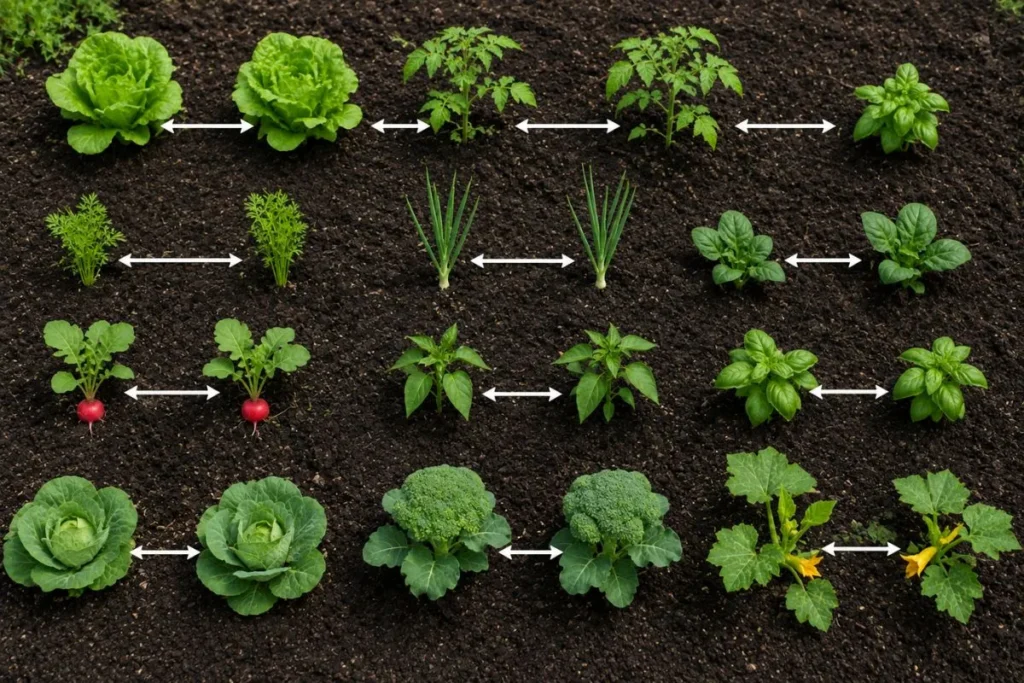
Use this garden spacing chart as a quick reference whenever you’re planning your garden. Whether you’re growing vegetables, herbs, flowers, shrubs, or trees, these recommendations will help you practice proper plant spacing and give every plant enough room to thrive.
Vegetable Plant Spacing Chart
Vegetables have different spacing needs depending on how large they grow. Leafy greens usually require less space, while fruiting vegetables need much more room for healthy growth.
| Vegetable | Space Between Plants | Space Between Rows |
| Tomatoes | 24–36 inches | 36–48 inches |
| Peppers | 18–24 inches | 24–36 inches |
| Cucumbers | 12–18 inches | 36–60 inches |
| Lettuce | 8–12 inches | 12–18 inches |
| Carrots | 2–4 inches | 12–18 inches |
| Onions | 4–6 inches | 12–18 inches |
| Beans | 4–6 inches | 18–30 inches |
| Broccoli | 18–24 inches | 24–36 inches |
| Cabbage | 18–24 inches | 24–36 inches |
| Spinach | 4–6 inches | 12–18 inches |
These recommendations are ideal if you’re wondering how far apart to plant vegetables in a garden. Always check the seed packet for your specific variety, as some compact or dwarf cultivars may require slightly different spacing.
Flower Plant Spacing Chart
Flowers also need enough room to spread without competing with neighboring plants.
| Flower Type | Space Between Plants |
| Marigolds | 8–12 inches |
| Petunias | 10–12 inches |
| Zinnias | 9–18 inches |
| Sunflowers | 12–24 inches |
| Roses | 24–36 inches |
| Lavender | 18–36 inches |
| Coneflowers | 18–24 inches |
Following the recommended flower planting distance encourages fuller blooms, better airflow, and healthier plants throughout the growing season.
Herb Spacing Chart
Most herbs stay relatively compact, but they still benefit from proper spacing to encourage healthy leaf production.
| Herb | Space Between Plants |
| Basil | 10–12 inches |
| Parsley | 8–10 inches |
| Cilantro | 6–8 inches |
| Thyme | 12–18 inches |
| Rosemary | 24–36 inches |
| Oregano | 12–18 inches |
| Mint* | 18–24 inches |
Tip: Mint spreads aggressively through underground runners, so many gardeners prefer growing it in containers.
Proper spacing makes harvesting easier and improves airflow between herbs.
Shrub Spacing Chart
Shrubs need enough room to reach their mature width without overlapping too much.
| Shrub Type | Space Between Plants |
| Boxwood | 2–3 feet |
| Hydrangea | 3–6 feet |
| Azalea | 3–5 feet |
| Holly | 4–6 feet |
| Privacy Shrubs | 5–8 feet |
If you’re planting a hedge, the ideal distance depends on how quickly you want it to fill in. Always consider the shrub’s mature size before planting.
Tree Spacing Chart
Trees require the most space because their roots and canopies continue expanding for many years.
| Tree Type | Space Between Trees |
| Dwarf Fruit Trees | 8–10 feet |
| Apple Trees | 15–20 feet |
| Peach Trees | 15–20 feet |
| Pear Trees | 15–20 feet |
| Citrus Trees | 12–20 feet |
| Shade Trees | 25–40 feet |
Following the correct tree planting spacing allows roots to grow properly and prevents branches from overcrowding as the trees mature.
Raised Bed Plant Spacing
Raised beds often allow slightly closer spacing because plants are usually arranged in blocks instead of long rows.
Here are a few general recommendations:
- Tomatoes: 18–24 inches apart
- Peppers: 15–18 inches apart
- Lettuce: 6–8 inches apart
- Carrots: 2–3 inches apart
- Spinach: 4–6 inches apart
- Basil: 8–10 inches apart
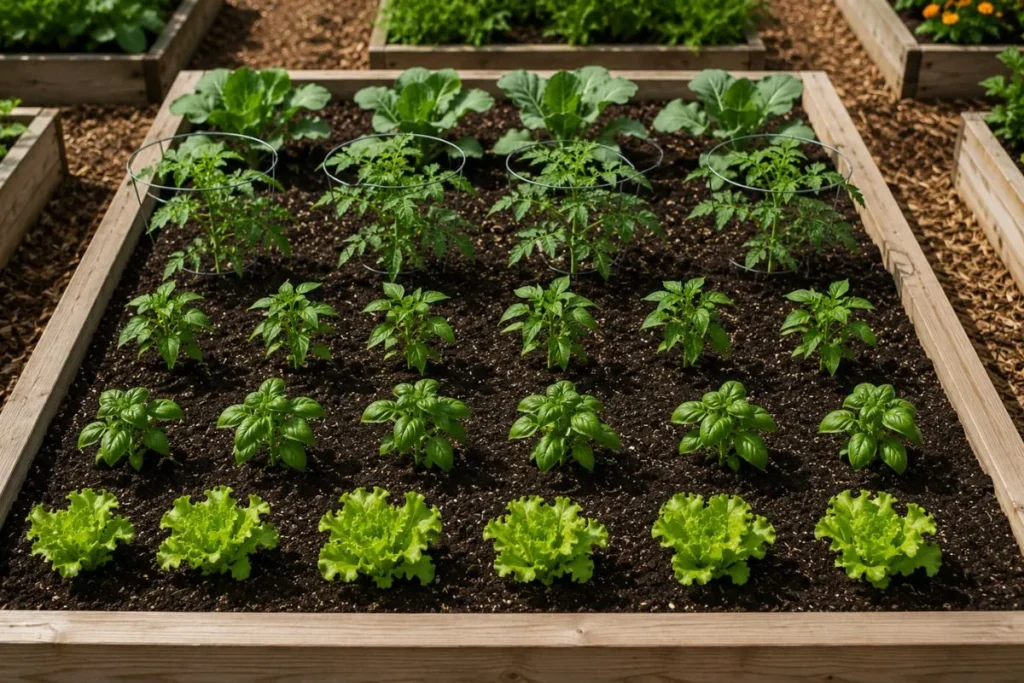
This method of raised bed plant spacing helps maximize production while still providing enough room for healthy growth. Just remember that closer spacing should never result in overcrowding.
Seed Spacing vs. Mature Plant Spacing
One mistake many beginners make is confusing seed spacing with mature plant spacing.
When sowing seeds, they’re often planted closer together because not every seed will germinate. Once the seedlings begin to grow, you’ll need to thin them to the recommended distance.
This is why many gardeners use a seed spacing chart during planting and then adjust the spacing later as the plants mature.
Why You Should Use a Plant Spacing Guide
Instead of estimating distances every time you plant, keep a plant spacing guide nearby. It helps you:
- Avoid planting too close or too far apart.
- Create a balanced vegetable garden layout.
- Improve airflow and sunlight exposure.
- Make watering and harvesting easier.
- Increase your chances of producing a healthy, productive garden.
Whether you’re planting a few herbs on your patio or designing a large backyard garden, using a reliable garden spacing chart removes the guesswork and helps every plant grow under the best possible conditions.
Frequently Asked Questions (FAQ)
How much space should I leave between plants?
There isn’t a single answer because every plant has different growing requirements. The right spacing depends on the plant’s mature size, root system, and growth habit. Leafy vegetables like spinach can grow much closer together than large plants like tomatoes or fruit trees.
If you’re unsure how much space between plants is ideal, always check the seed packet or plant label. Following a trusted plant spacing guide is the easiest way to give your plants the room they need to grow healthy and produce better harvests.
Does plant spacing really increase yield?
Yes, proper plant spacing can significantly improve your harvest.
When plants have enough room, they receive better sunlight, airflow, water, and nutrients. This allows them to grow stronger roots, healthier leaves, and produce more flowers, fruits, or vegetables.
While it may seem like planting more crops in a small space will increase production, overcrowding usually leads to smaller plants and lower yields. Spacing plants correctly helps each plant reach its full potential.
Can I plant vegetables closer together?
You can slightly reduce spacing when using methods like raised bed gardening or square foot gardening, but you should never overcrowd plants.
Compact planting works because plants are arranged more efficiently not because they have less room than they need.
If you’re growing vegetables in raised beds, follow the recommended raised bed plant spacing for each crop instead of guessing. This approach helps you maximize your harvest while still maintaining healthy plant growth.
What is the best spacing for raised beds?
Raised beds usually allow plants to be spaced a little closer than traditional garden rows because there are no walking paths between them.
For example:
- Tomatoes: 18–24 inches apart
- Peppers: 15–18 inches apart
- Lettuce: 6–8 inches apart
- Carrots: 2–3 inches apart
The goal is to make efficient use of the growing area while maintaining good airflow and healthy root development.
Should I follow the seed packet spacing?
Yes. Seed packets are one of the most reliable sources for planting distances because they’re based on the mature size of that specific variety.
Keep in mind that many seed packets include two measurements:
- Seed spacing, which tells you how far apart to sow seeds.
- Final plant spacing, which tells you how far apart the mature plants should be after thinning.
Following both recommendations helps ensure healthy growth throughout the season.
What happens if plants are overcrowded?
Overcrowded plants compete for sunlight, water, nutrients, and growing space.
As a result, you may notice:
- Slower growth
- Smaller vegetables and fruits
- Fewer flowers
- Increased pest problems
- More fungal diseases
- Poor air circulation
Avoiding plant overcrowding is one of the simplest ways to keep your garden healthy and productive.
Is row spacing different from plant spacing?
Yes, they’re two different measurements.
Plant spacing refers to the distance between individual plants within the same row.
Row spacing is the distance between one row and the next.
Both measurements are important because they provide enough room for healthy growth, proper airflow, and easy access for watering, weeding, and harvesting.
Does plant spacing reduce diseases?
Absolutely.
One of the biggest benefits of proper plant spacing is improved air circulation. When leaves dry quickly after rain or watering, fungal diseases have less opportunity to develop and spread.
Correct spacing also makes it easier to inspect plants, remove damaged leaves, and spot pest problems before they become serious.
For this reason, experienced gardeners consider proper spacing one of the simplest and most effective ways to grow healthier plants naturally.
Conclusion
Knowing how far apart to plant is one of the simplest yet most important skills every gardener can learn. While it may seem like a small detail, proper spacing has a huge impact on the health, growth, and productivity of your garden.
Giving each plant the right amount of room allows it to receive enough sunlight, water, nutrients, and fresh air, helping it grow stronger from the roots up.
Throughout this guide, you’ve learned why both overcrowding and excessive spacing can create problems. You’ve also discovered how to determine the proper plant spacing based on factors like mature plant size, root growth, sunlight needs, airflow, and watering requirements.
With the help of the plant spacing guide and spacing charts, planning your garden becomes much easier and far more effective.
Remember, there isn’t a one-size-fits-all answer to how far apart to plant vegetables in a garden, flowers, herbs, shrubs, or trees. Every plant has unique spacing needs, and following the recommended planting distance gives it the best chance to thrive.
Taking a few extra minutes to plan your garden plant spacing today can save you from many common gardening problems later.
Whether you’re starting your very first vegetable patch or improving an established landscape, spacing plants correctly will help you enjoy healthier plants, fewer pests and diseases, easier maintenance, and bigger harvests season after season.
Now it’s your turn! Before you put your next seed or seedling into the ground, use this guide as your go-to reference for how much space between plants is needed. Your plants and your future harvest will thank you for it.
If you found this guide helpful, bookmark it for future reference and share it with fellow gardeners. Having a reliable plant spacing guide on hand makes planning every new garden easier, helping you grow with confidence year after year.

Plant Nest Blog’s author is passionate about plants, gardening, and sustainable living. Through research and practical experience, they share helpful plant care tips, gardening guides, and easy solutions to help readers grow healthier plants and create greener spaces.