
A lot of gardeners think that every bee balm plant grows to the same height and spread. That’s a common misconception. In reality, bee balm plant size can vary depending on the variety you choose, the growing conditions, and how well you care for the plant.
Some types stay compact and are perfect for containers, while others grow into tall, eye-catching perennials that become the centerpiece of a pollinator garden.
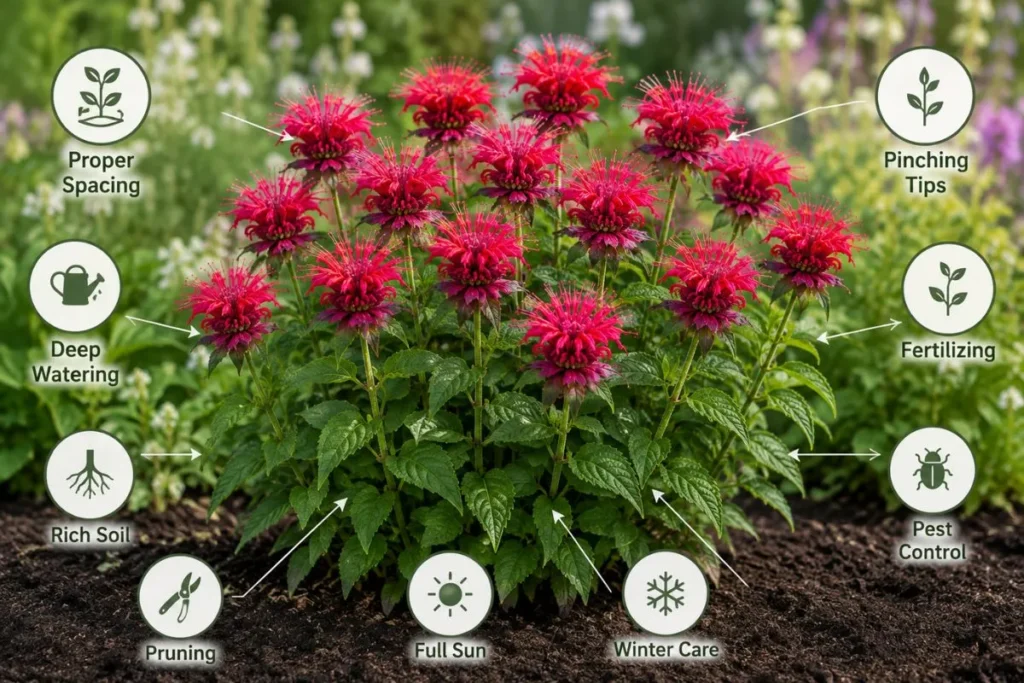
Knowing the bee balm size before planting helps you avoid overcrowding and gives your plants enough room to thrive.
Whether you’re wondering how big bee balm get , planning a garden border, or choosing the right variety for a small space, this guide will walk you through everything you need to know about bee balm plant height, spread, and the factors that influence its mature size.
What Is the Average Bee Balm Plant Size?
Bee balm (Monarda) is a fast-growing perennial that comes in many varieties, so its size isn’t the same across every plant. Understanding the average bee balm plant size helps you plan your garden layout, provide proper spacing, and choose the right variety for your available space. Let’s take a closer look at its typical height, spread, and mature growth.
Average Height of Bee Balm
The average bee balm plant height ranges from 2 to 4 feet (60-120 cm), although this depends on the variety. Dwarf cultivars usually grow between 12 and 18 inches, making them ideal for containers and small flower beds. Standard varieties typically reach around 3 feet, while taller types can grow up to 4 feet or more under the right conditions.
Healthy plants grown in full sun with fertile, well-drained soil usually reach their maximum height. Adequate watering and regular care also contribute to stronger stems and fuller growth. If you’re asking how tall bee balm grow , the answer largely depends on the variety you plant and the environment it grows in.
Average Width (Spread) of Bee Balm
Just as important as height is the plant’s width. The average bee balm spread is between 18 and 36 inches, although mature plants can spread even wider over time through underground rhizomes. This natural growth habit allows bee balm to gradually fill empty spaces, creating dense clumps of colorful blooms.
Because of this spreading habit, proper bee balm spacing is essential. Giving each plant enough room improves air circulation, reduces the risk of diseases like powdery mildew, and allows the flowers to develop fully. Understanding the plant’s mature width also makes it easier to design attractive garden borders and pollinator beds.
Mature Bee Balm Plant Size
Most bee balm plants reach their mature size within two to three growing seasons. During the first year, the plant focuses on developing strong roots. In the second year, you’ll notice faster growth and more flowers, while by the third season, the plant usually reaches its full height and spread bee balm plant.
A healthy mature bee balm size depends on several factors, including sunlight, soil quality, moisture, and routine maintenance. When grown in ideal conditions, bee balm develops into a vigorous perennial with abundant blooms that attract bees, butterflies, and hummingbirds.
Understanding the bee balm growth pattern helps you create a well-planned garden that stays healthy and colorful for years to come.
How Big Does a Bee Balm Plant Get?
Many gardeners assume that bee balm grows quickly to its full size in just one season. That’s not always the case. While bee balm is a vigorous perennial, its final plant size depends on the variety you grow and the conditions you provide.
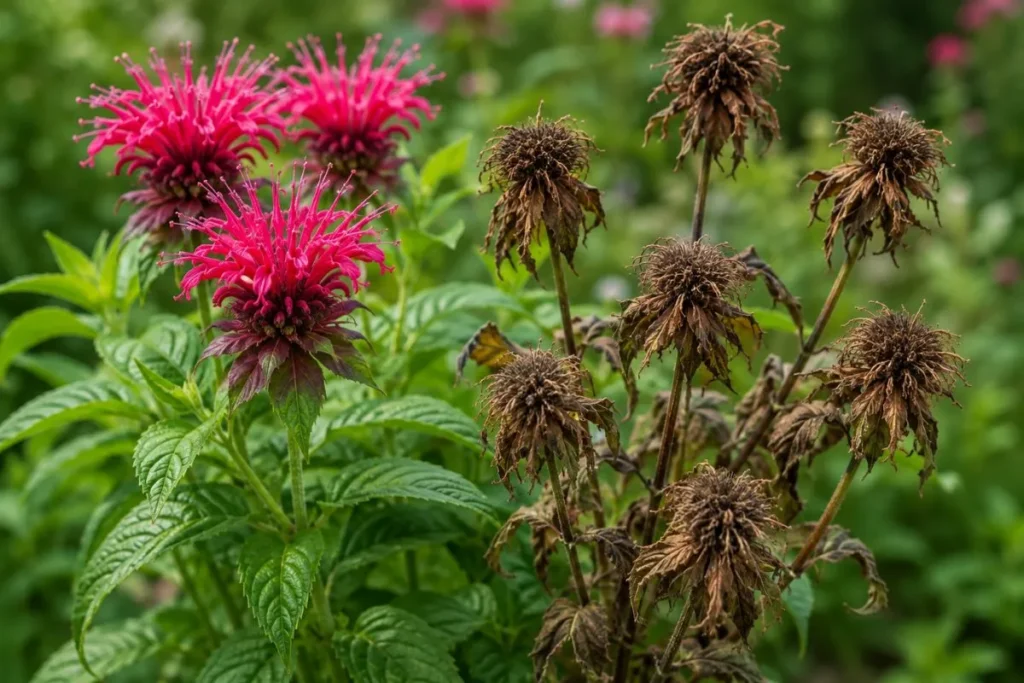
Some plants stay compact for small spaces, while others become large, colorful clumps that stand out in the garden. Understanding how big a bee balm plant get helps you choose the right variety and avoid planting mistakes.
Size by Variety
One of the biggest factors affecting bee balm plant size is the variety. Different types of Monarda grow at different heights and spreads, making it easy to find one that fits your garden.
Dwarf bee balm varieties usually grow between 12 and 18 inches tall with a spread of about 12 to 18 inches. Their compact growth makes them perfect for containers, patios, and small flower beds. If you’re looking for a dwarf bee balm, these varieties offer plenty of colorful blooms without taking up much space plant size
Standard bee balm varieties are the most common. They generally reach 2 to 4 feet in height and spread about 18 to 30 inches wide. These plants work well in mixed flower borders and pollinator gardens, offering an excellent balance of size and visual appeal.
Tall bee balm varieties can grow 4 to 5 feet tall under ideal conditions. Their upright stems and large flower clusters make them a great choice for the back of garden borders or naturalized landscapes. If you want large bee balm varieties for gardens, these taller cultivars create a bold display while attracting bees, butterflies, and hummingbirds.
Bee Balm Growth Rate
Bee balm is known for its steady and reliable growth, but it doesn’t reach its full size overnight. During the first year, the plant focuses on building a strong root system. You may see healthy leaves and a few flowers, but the overall size is usually smaller than expected.
In the second year, growth becomes much faster. The plant produces more stems, fuller foliage, and a greater number of blooms. This is when you’ll begin to see the true shape and size of the plant.
By the third growing season, most bee balm reaches its mature size. At this stage, the plant displays its full height and spread, producing dense clumps of flowers throughout the blooming season. Understanding this natural growth rate helps gardeners stay patient and provide the care needed for long-term success bee balm
Factors That Affect Bee Balm Size
Several growing conditions influence how tall bee balm grows and how wide it spreads. Providing the right environment allows the plant to reach its healthiest and most attractive size.
Sunlight
Bee balm grows best in full sun, where it receives at least six hours of direct sunlight each day. Plenty of sunlight encourages stronger stems, more flowers, and better overall growth.
Although the plant can tolerate partial shade, too little sunlight often results in smaller plants and fewer blooms. If you’re wondering about bee balm size in full sun, expect healthier, taller plants with fuller growth.
Soil Quality
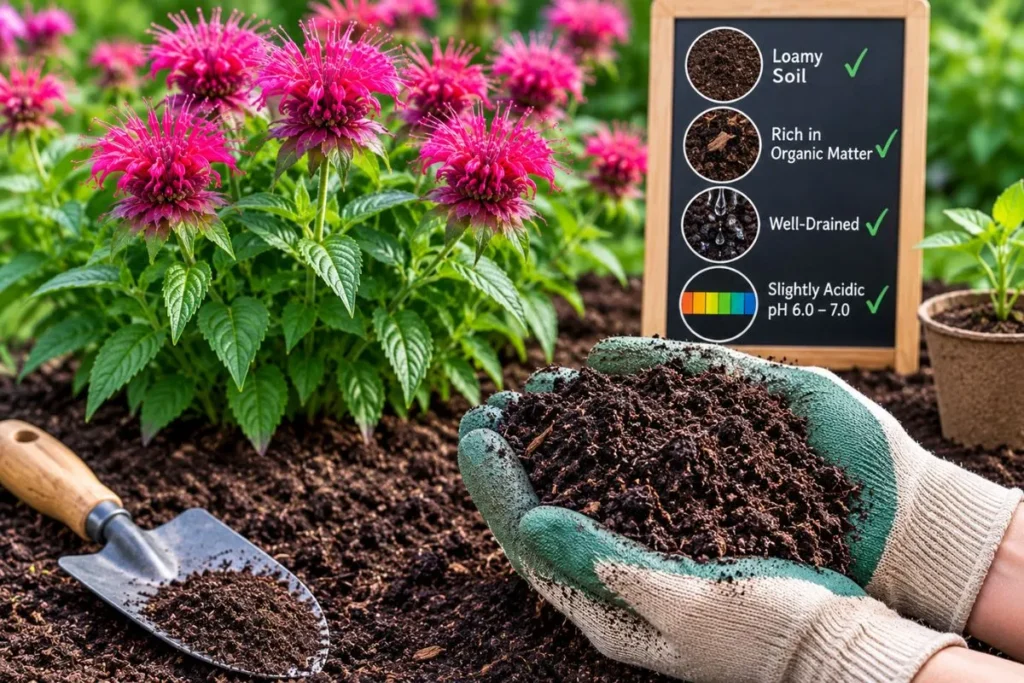
Rich, well-drained soil plays a major role in healthy plant development. Soil enriched with organic matter provides the nutrients bee balm needs to grow vigorously. Poor or compacted soil can limit root development and reduce the plant’s overall size.
Water
Bee balm prefers consistently moist soil, especially during its first growing season. Regular watering encourages strong roots and healthy stems, while prolonged dry conditions can slow growth and reduce flowering. Once established, the plant becomes more tolerant of short dry periods but still performs best with even moisture.
Fertilizer
A balanced fertilizer applied in spring supports healthy foliage and abundant blooms. However, applying too much fertilizer can produce excessive leaf growth with fewer flowers. Moderate feeding helps maintain an ideal size without sacrificing bloom production bee balm.
Climate
Climate also affects the plant’s final size. Bee balm thrives in regions with warm summers and moderate temperatures. In cooler climates, growth may be slightly slower, while areas with favorable weather often produce taller and fuller plants.
By choosing the right variety and providing full sun, fertile soil, regular watering, and proper care, your bee balm will reach its full potential. Understanding these factors makes it easier to predict how big a bee balm plant get and helps you grow healthy, vigorous plants that become a standout feature in any garden.
Bee Balm Height and Spread by Popular Varieties
Many gardeners think all bee balm varieties grow to the same height and width. That’s a common misunderstanding. Every variety has its own unique growth habit, so the bee balm plant height and spread can vary quite a bit.
Some stay compact for containers and small gardens, while others grow tall enough to become a striking focal point in a flower bed. Knowing the mature size of each variety helps you choose the best plant for your available space.
Jacob Cline
Jacob Cline is one of the most popular large bee balm varieties for gardens because of its vibrant red flowers and impressive size. A mature plant typically reaches 4 to 5 feet tall and spreads 2 to 3 feet wide. Its upright growth makes it perfect for the back of garden borders or pollinator gardens
where height adds visual interest.
This variety grows best in full sun and well-drained soil. Once established, it produces abundant blooms that attract bees, butterflies, and hummingbirds throughout the summer. If you’re looking for a bold plant with excellent pollinator value, Jacob Cline is a fantastic choice.
Raspberry Wine
Raspberry Wine is another favorite among gardeners thanks to its deep raspberry-red flowers and sturdy growth. This variety usually grows 3 to 4 feet tall with a spread of 2 to 3 feet, making it slightly more compact than Jacob Cline while still offering a full, colorful display.
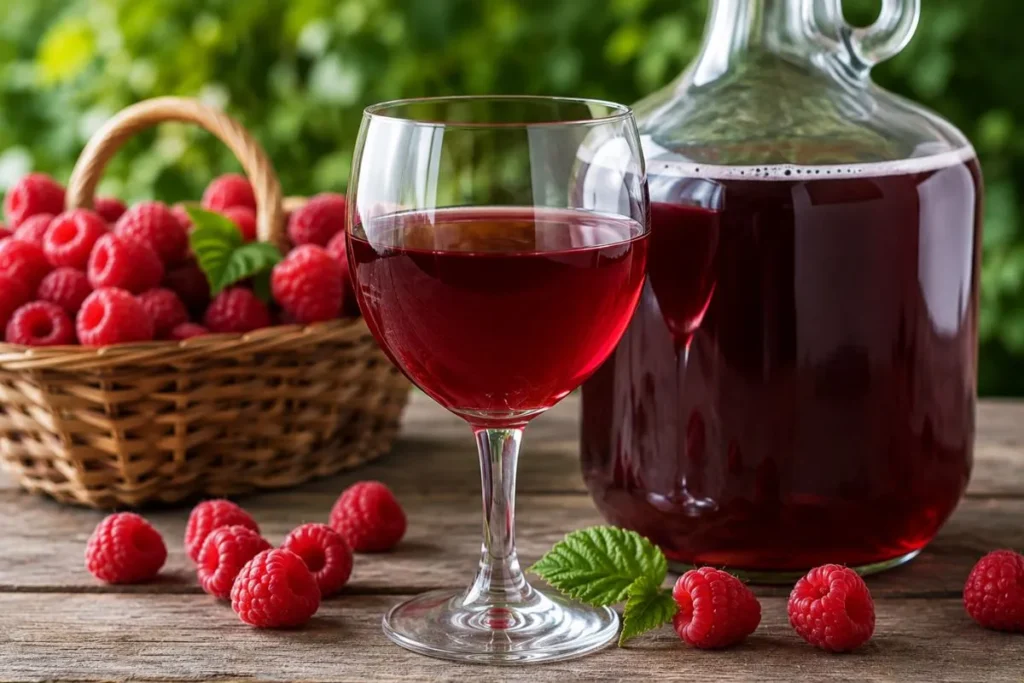
Its long-lasting blooms make it ideal for mixed flower borders and cottage gardens. With proper care and plenty of sunlight, Raspberry Wine develops into a healthy clump that adds color while supporting bees and butterflies all season long.
Petite Delight (Dwarf)
If you have limited space, Petite Delight is one of the best compact bee balm varieties available. This dwarf bee balm plant reaches only 12 to 18 inches in height and spreads around 12 to 18 inches, making it perfect for patios, balconies, and container gardens.
Despite its smaller size, Petite Delight produces beautiful lavender-pink flowers that attract pollinators just like larger varieties. Its compact growth also improves air circulation, helping reduce the risk of common fungal diseases.
Lemon Bee Balm
Lemon Bee Balm is slightly different from traditional Monarda varieties because of its citrus-scented leaves and delicate lavender flowers. It generally grows between 2 and 3 feet tall with a spread of 12 to 18 inches.
This variety has a more upright and open growth habit, making it suitable for herb gardens, wildflower meadows, and pollinator beds. Besides attracting butterflies and bees, its fragrant leaves are often used in herbal teas and homemade potpourri.
Wild Bee Balm
Wild Bee Balm, also known as native Monarda, naturally grows in prairies and woodland edges. Its height typically ranges from 2 to 4 feet, while its spread reaches 18 to 24 inches as the plant matures monarda
This hardy perennial adapts well to different growing conditions and is an excellent choice for naturalized landscapes and wildlife gardens. Its lavender-colored flowers provide a rich nectar source for bees, butterflies, and hummingbirds, while its native status makes it especially valuable for supporting local pollinators.
Choosing the Right Bee Balm Variety
The best bee balm variety depends on the space you have and the look you want to create. If you need a tall statement plant, Jacob Cline or Raspberry Wine are excellent options.
For smaller spaces or containers, Petite Delight offers all the beauty of bee balm in a compact form. Gardeners who enjoy native plants may prefer Wild Bee Balm, while Lemon Bee Balm is perfect for those who want both ornamental value and fragrant foliage.
Understanding the height and spread of each variety helps you plan your garden more effectively.
Whether you’re looking for large bee balm varieties for gardens or compact bee balm varieties for a small patio, choosing the right type ensures your plants have enough room to grow, bloom, and stay healthy for years to come bee balm plant
Bee Balm Spacing Guide
Many gardeners believe that planting bee balm close together creates a fuller and more attractive flower bed . While it may look good at first, overcrowding often causes more problems than benefits.
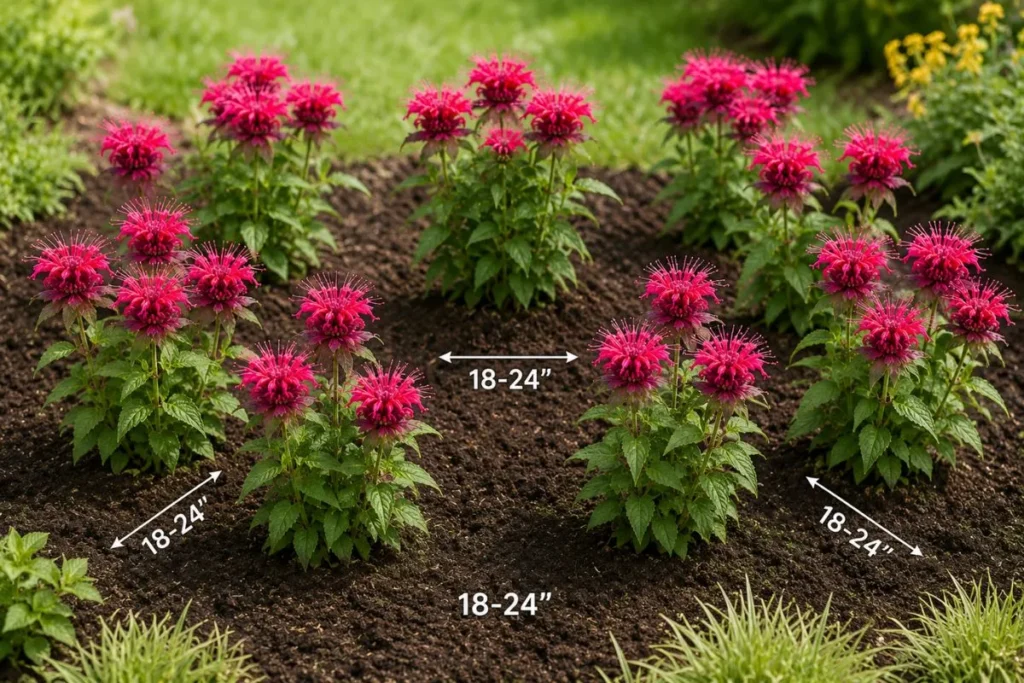
Poor air circulation, limited root space, and increased moisture around the leaves can lead to weaker plants and common diseases. Understanding the correct bee balm spacing is essential if you want healthy plants that reach their full bee balm plant size.
How Far Apart Should You Plant Bee Balm?
Most standard bee balm varieties should be planted 18 to 24 inches apart. This spacing gives each plant enough room to develop a healthy root system and achieve its natural bee balm plant height and spread. Larger varieties, such as Jacob Cline, may need 24 to 36 inches of space because they grow taller and wider.
If you’re planting dwarf bee balm varieties like Petite Delight, spacing them 12 to 18 inches apart is usually enough. Container-grown bee balm should also have sufficient room so the roots can spread comfortably without becoming crowded.
Proper spacing also makes routine maintenance much easier. Watering, pruning, and dividing mature plants become simpler when there is enough space between each plant.
Why Proper Spacing Matters
Giving bee balm enough room isn’t just about appearance-it directly affects the plant’s health and performance. Good spacing improves airflow around the foliage, helping leaves dry more quickly after rain or watering. This reduces the chances of fungal problems such as powdery mildew, one of the most common issues affecting bee balm.
Proper spacing also allows the roots to absorb water and nutrients more efficiently. Instead of competing with neighboring plants, each bee balm has enough resources to produce stronger stems, healthier foliage, and larger blooms. As a result, you’ll enjoy a fuller, healthier display while allowing the plant to reach its expected mature bee balm plant size.
Another benefit is that pollinators can move more easily between flowers. Bees, butterflies, and hummingbirds have better access to blooms, making your garden even more attractive to wildlife.
Common Spacing Mistakes
One of the biggest mistakes gardeners make is planting bee balm too close together. While young plants may seem small, they expand quickly as they mature. Overcrowded plants often compete for sunlight, moisture, and nutrients, which can slow growth and reduce flowering.
Another common mistake is forgetting that bee balm spreads through underground rhizomes. Even if plants are spaced correctly at first, they can gradually form larger clumps over time. Dividing mature plants every two to three years helps maintain healthy growth and prevents them from taking over nearby garden space.
Some gardeners also ignore the mature size listed on the plant label. Always plan for the plant’s full bee balm size, not its size at planting. This simple step helps create a balanced garden layout and reduces the need for transplanting later.
By following a proper bee balm plant spacing guide, you give your plants the best chance to grow strong, stay healthy, and produce beautiful blooms year after year.
Whether you’re growing standard varieties or choosing bee balm spacing for healthy growth in a small garden, giving each plant enough room is one of the easiest ways to ensure long-term success.
Frequently Asked Questions (FAQ)
How big does a bee balm plant get?
The size of a bee balm plant depends on the variety you grow. Most standard varieties reach 2 to 4 feet tall and spread 18 to 36 inches wide. Larger cultivars can grow up to 5 feet tall, while dwarf varieties usually stay under 18 inches. Providing the right growing conditions helps the plant reach its full bee balm size.
What is the average bee balm plant size?
The average bee balm plant size is around 3 feet tall with a spread of 2 feet. However, mature size varies depending on the variety, sunlight, soil quality, and overall plant care. Most plants achieve their full size within two to three growing seasons.
How tall does bee balm grow?
If you’re wondering how tall bee balm grow , most varieties grow between 2 and 4 feet tall. Dwarf cultivars remain much shorter, while taller varieties like Jacob Cline can reach 4 to 5 feet under ideal growing conditions.
How wide does bee balm spread?
Bee balm usually spreads 18 to 36 inches wide as it matures. Since it spreads through underground rhizomes, established plants gradually become larger over time. Dividing mature clumps every few years helps keep the plant healthy and prevents overcrowding.
Can I grow bee balm in containers?
Yes. Compact and dwarf bee balm varieties grow very well in containers. Choose a large pot with good drainage, use nutrient-rich potting soil, and place the container where it receives at least six hours of sunlight daily.
Regular watering helps container-grown bee balm stay healthy and produce plenty of blooms.
How far apart should bee balm be planted?
For healthy growth, most bee balm plants should be spaced 18 to 24 inches apart. Larger varieties may need 24 to 36 inches of spacing, while dwarf varieties can be planted 12 to 18 inches apart. Proper spacing improves airflow, reduces disease problems, and allows plants to reach their natural size.
10.7 Does bee balm spread every year?
Yes. Bee balm naturally spreads each year through underground rhizomes. As the plant matures, it forms larger clumps that can gradually expand throughout the garden. Dividing the plant every two to three years helps control its spread while encouraging vigorous new growth.
10.8 How do I keep bee balm from getting too large?
The easiest way to manage bee balm plant size is by dividing mature plants regularly. Choosing compact varieties, pruning after flowering, and providing appropriate spacing also help control growth. If you have limited garden space, growing dwarf bee balm in containers is another effective way to keep the plant at a manageable size.
Conclusion
Understanding bee balm plant size is the first step to growing healthy, attractive plants that fit perfectly into your garden. While some gardeners expect every bee balm variety to grow the same way, the truth is that its height and spread depend on the variety, growing conditions, and ongoing care. Knowing how big a bee balm plant get helps you choose the right plant for your space and avoid overcrowding in the future.
Whether you prefer compact dwarf varieties for containers or taller plants for borders and pollinator gardens, bee balm offers an option for every landscape. By providing full sun, well-drained soil, proper bee balm spacing, regular watering, and occasional division, your plants can reach their full mature bee balm size while producing vibrant blooms year after year.
If you’re planning a pollinator-friendly garden, bee balm is an excellent choice. Its colorful flowers attract bees, butterflies, and hummingbirds while adding beauty to your outdoor space. Choose the right variety, give it room to grow, and enjoy a healthy, thriving garden filled with life and long-lasting blooms.

Plant Nest Blog’s author is passionate about plants, gardening, and sustainable living. Through research and practical experience, they share helpful plant care tips, gardening guides, and easy solutions to help readers grow healthier plants and create greener spaces.