
For many plant owners, it may seem that arrowhead vine care is difficult because this tropical plant needs constant attention, but that is not true. The arrowhead vine, also known as Syngonium podophyllum, is a popular houseplant with attractive, arrow-shaped leaves and a flexible growth habit.
With a suitable indoor environment and a few simple care habits, you can keep this beautiful plant healthy and encourage fresh foliage without making plant care complicated.
The key to growing a healthy arrowhead vine is understanding its basic needs. Proper lighting, balanced watering, well-draining soil, and suitable humidity help support strong roots and steady growth.
Whether you’re growing your first houseplant or adding another variety to your collection, learning how to care for an arrowhead vine can help you prevent common problems and enjoy lush greenery in your home.
What Is an Arrowhead Vine?
An arrowhead vine is a tropical plant known for its distinctive leaf shape, attractive colors, and adaptable growth. Its botanical name is Syngonium podophyllum, and it belongs to the Araceae family.
Native to tropical regions of Central and South America, this plant can grow as a compact houseplant when young and develop longer climbing or trailing stems as it matures. Understanding its varieties and natural growth habits will help you choose the right plant for your space.
Arrowhead Vine Overview and Origin
The arrowhead vine gets its name from its pointed, arrow-shaped leaves, which may change in shape as the plant matures. Young leaves often have a simple arrow-like appearance, while older foliage can develop more distinct lobes.
The plant is also commonly called the arrowhead plant or Syngonium, making it easy to recognize when searching for an arrowhead vine plant care guide.

In its natural tropical habitat, the arrowhead vine can climb trees and other surfaces with support. Indoors, it adapts well to pots, shelves, hanging baskets, and plant stands.
Its attractive foliage and manageable care requirements make it a popular choice for people who want to bring a tropical look into their homes. Although it can adapt to indoor conditions, it still needs suitable light, moisture, and warmth to grow well.
Popular Arrowhead Vine Varieties
One reason arrowhead vines are so popular is their wide range of leaf colors and patterns. Traditional green varieties offer a fresh, natural appearance, while pink varieties add a soft splash of color to indoor spaces.
White and variegated types feature lighter patterns that can make a plant collection look more interesting. Dwarf varieties are also appealing when you want a smaller plant for a desk, shelf, or compact room.
Each variety has its own visual appeal, but most benefit from similar basic Syngonium arrowhead vine care. However, varieties with lighter or more colorful leaves may need brighter indirect light to maintain their patterns.
When choosing a plant, consider its mature growth habit, available light, and the amount of space you have. This makes it easier to select a variety that suits your home and your plant-care experience.
Arrowhead Vine Growth Habits
Arrowhead vines often begin with compact growth, making them suitable for smaller indoor spaces. As the plant matures, its stems can become longer and develop a trailing or climbing habit. This flexibility gives you several ways to display it, depending on your preferences and available space.
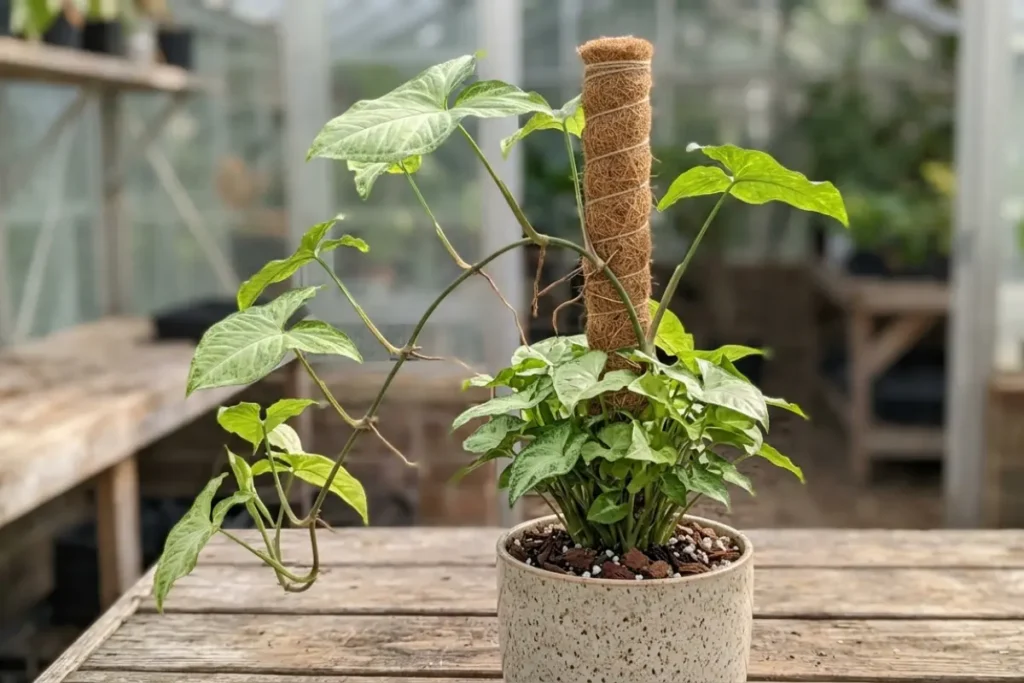
If you like cascading greenery, place the plant in a hanging basket or on a shelf where its stems can trail naturally. If you prefer upward growth, provide a suitable moss pole or other sturdy support.
Regularly observing new stems and leaves can help you decide when to prune or guide the plant. Understanding these growth habits also helps you choose the right container and maintain an attractive shape as your arrowhead vine develops.
Why Is the Arrowhead Vine Popular as a Houseplant?
The arrowhead vine is popular because it combines decorative foliage with relatively straightforward maintenance. Its different varieties offer green, pink, white, and variegated leaves, so there is an option for almost any indoor plant collection.
It can also adapt to different indoor settings when you provide appropriate growing conditions.
Another advantage is its versatile growth habit. You can keep it compact with occasional pruning, let its stems trail from a shelf, or train it to climb with suitable support.
These qualities make it a practical choice for beginners and experienced plant lovers alike. By following simple indoor arrowhead vine growing tips and adjusting care to your plant’s needs, you can enjoy its attractive foliage without an overly complicated routine.
Essential Arrowhead Vine Care Tips for Healthy Growth
Many people believe that arrowhead vines need frequent watering, constant misting, and regular fertilizer to stay healthy, but too much attention can actually harm them.
Good Arrowhead vine care is about providing the right conditions and making small adjustments when needed. From choosing the right light to keeping the roots healthy, these 11 practical tips will help your Syngonium grow stronger, maintain attractive leaves, and produce healthy new growth.
Provide the Right Amount of Indirect Sunlight
Arrowhead vines grow best in bright, indirect light. A spot near an east-facing window often works well because the plant can receive gentle morning sunlight without prolonged exposure to intense afternoon rays. You can also place it near a bright window with a sheer curtain to filter the sunlight.
Too much direct sunlight can scorch the leaves, leaving dry brown patches or faded areas. On the other hand, insufficient light may cause slow growth, smaller leaves, and long, stretched stems. If you notice these signs, move your plant gradually to a brighter location rather than exposing it to strong sunlight all at once.
Arrowhead vines can tolerate lower-light conditions, but they usually grow more slowly in darker rooms. Variegated and pink varieties may also lose some of their attractive coloring when light levels are too low.
For healthy foliage and steady growth, aim for consistent, bright indirect light rather than extreme sunlight or deep shade.
Water Your Arrowhead Vine at the Right Time
One of the most important parts of arrowhead vine care is knowing when to water. Following a strict watering calendar can lead to problems because soil dries at different rates depending on the pot, temperature, humidity, and available light.
Check the top inch or two of soil with your finger. If it feels dry, water the plant thoroughly until excess water flows through the drainage holes. Empty any water collected in the saucer so the roots do not sit in standing water. If the soil still feels damp, wait a little longer before watering again.
Overwatering can cause yellow leaves, weak growth, and root rot, while prolonged dryness may lead to drooping or curling leaves. Your plant may need water more frequently during warm weather and active growth, but less often during winter.
Learning how often to water an arrowhead vine based on soil moisture is more reliable than following a fixed schedule.
Choose the Best Soil for an Arrowhead Vine
Arrowhead vines need soil that holds some moisture while allowing excess water to drain away. A dense, compact potting mix can restrict airflow around the roots and remain wet for too long, increasing the risk of root problems.
A good starting point is a quality indoor potting mix amended with perlite or fine orchid bark. These materials help create a loose structure that allows water to drain and air to reach the roots.
You do not need an expensive specialty mix as long as the finished soil provides a healthy balance of moisture retention and drainage.
When choosing the best soil for an arrowhead vine, also consider the container. Even a suitable potting mix can stay too wet if the pot has no drainage holes.
Check that water can escape freely after watering, and avoid using heavy garden soil for indoor containers. Healthy soil gives your plant a stronger foundation for new leaves and developing stems.
Maintain Suitable Humidity and Temperature
Because arrowhead vines come from tropical regions, they generally appreciate moderate to high humidity and warm indoor temperatures. Average household humidity is often manageable, although very dry air can contribute to brown leaf tips or slower growth.

If your home becomes particularly dry, especially during winter, consider using a room humidifier near your plants. Avoid placing the vine directly beside heating vents, air conditioners, or drafty windows, as sudden temperature changes can stress the foliage.
A comfortable temperature range for many indoor arrowhead vines is around 65–85°F (18–29°C). Protect the plant from cold conditions and sudden temperature drops. Consistent warmth, suitable humidity, and good airflow help maintain healthy leaves without requiring you to create a greenhouse-like environment.
How to Care for an Arrowhead Vine Indoors
Many people believe that indoor arrowhead vines need a special greenhouse setup to thrive, but most homes can provide suitable conditions without complicated equipment.
The key is to choose a good location, pay attention to soil moisture, and keep the plant away from extreme temperatures. With a few practical adjustments, indoor arrowhead vine care can fit easily into your normal routine.
Choose the Best Indoor Location
The right location helps your arrowhead vine receive enough light without exposing its leaves to harsh sunlight. A bright room near an east- or north-facing window may work well, depending on the light available in your home.
If the window receives strong afternoon sunlight, use a sheer curtain or move the plant slightly farther away.
Avoid placing your plant directly beside heating vents, air conditioners, or frequently opened exterior doors. These areas can expose the foliage to dry air or sudden temperature changes. A stable location with suitable indirect light is usually a better choice than constantly moving the plant around.
Think about the plant’s growth habit when choosing a spot, too. A shelf or hanging basket can accommodate trailing stems, while a plant trained to climb needs enough vertical room.
Choosing the right location from the start makes it easier to maintain healthy growth without repeated rearrangement.
Balance Indoor Light and Watering
Light and watering are closely connected because a plant in brighter conditions may use water faster than one growing in a darker corner. This means the same watering routine may not work for every arrowhead vine, even if the plants are the same variety.
Check the soil before watering instead of relying on a weekly schedule. If your plant sits in a lower-light room, allow the surface soil to dry slightly before watering again, and make sure excess water drains away. Avoid keeping the root zone constantly wet just because the leaves look soft or droopy.
If natural light is limited, a suitable grow light can help support growth. Position it according to the manufacturer’s guidance and observe how your plant responds. Better light can encourage healthier foliage, but it does not remove the need to check soil moisture and drainage.
Maintain Suitable Indoor Humidity
Indoor air can become dry when heating or air conditioning runs frequently. If your arrowhead vine develops dry leaf tips despite appropriate watering, low humidity may be one factor to consider.
However, brown tips can have several causes, so check the soil, light, and fertilizer routine before blaming humidity alone.
A room humidifier is a practical option when the air is consistently dry. Grouping several houseplants together may also create a slightly more humid local environment, although the effect varies.
You do not need to mist the leaves constantly, and misting alone usually provides only a short-lived increase in humidity.

Good airflow is important as well. Avoid keeping the plant in a cramped, damp corner where air barely circulates. Suitable humidity combined with gentle airflow helps maintain healthy foliage without creating unnecessarily wet conditions around the leaves.
How to Make an Arrowhead Vine Grow Faster
Many plant owners believe that adding more fertilizer is the fastest way to make an arrowhead vine grow, but excessive feeding can damage its roots and slow development.
The best way to encourage faster growth is to provide the right balance of light, water, nutrients, and healthy growing conditions. If your Syngonium seems slow to produce new leaves, a few simple adjustments can help it develop stronger stems and fuller foliage.
Improve Light Conditions for Faster Growth
Light plays a major role in the arrowhead vine’s growth rate. Your plant needs enough light to produce energy for new leaves, stems, and roots. Place it in a bright location with indirect sunlight, such as near a window where the foliage is protected from intense direct rays.
If your arrowhead vine develops long, thin stems or produces smaller leaves than usual, it may not be receiving enough light. Move it gradually to a brighter location and observe how it responds. Avoid placing it directly under harsh sunlight, as this can scorch the leaves.
Variegated and pink arrowhead vines may also need adequate indirect light to maintain their attractive colors. If natural light is limited, a suitable grow light can help support healthy development. Consistent lighting encourages steady growth without exposing your plant to unnecessary stress.
Maintain Consistent Soil Moisture
Incorrect watering can prevent your arrowhead vine from growing well. Both prolonged dryness and constantly wet soil can stress the roots, making it harder for the plant to support healthy new growth.
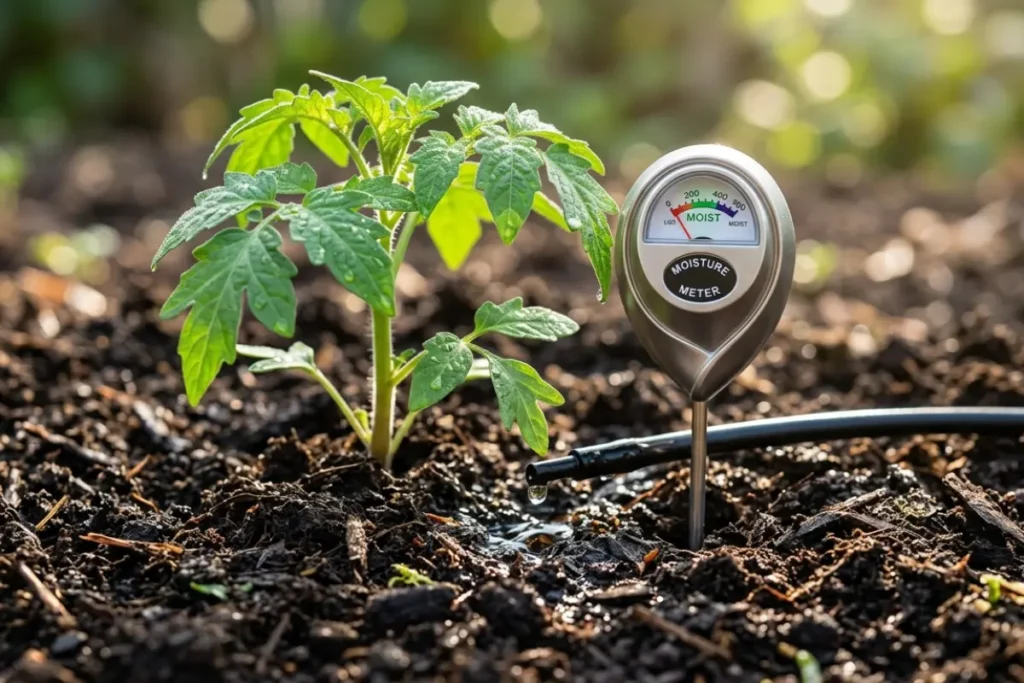
Check the top inch or two of soil before watering. When it feels dry, water thoroughly and allow the excess to drain through the bottom of the pot. If the soil is still damp, wait before watering again.
This approach helps you adjust your watering routine to the plant’s actual needs instead of following a fixed schedule.
Your plant may need more frequent watering during warm weather when it grows actively. During cooler months, soil often takes longer to dry. Paying attention to these changes helps maintain healthy roots and supports steady leaf development.
Provide Nutrients During Active Growth
Arrowhead vines benefit from suitable nutrients during their active growing season, usually spring and summer. A balanced liquid houseplant fertilizer can provide nutrients that support healthy foliage and stem development. Follow the product label and avoid applying more than recommended.
Too much fertilizer does not guarantee faster growth. Excess nutrients can accumulate in the potting mix and damage roots, sometimes causing brown leaf tips or other signs of stress. If your plant is struggling, check its light, watering, and soil conditions before assuming it needs more food.
Reduce or pause feeding when growth slows during winter. Your arrowhead vine may naturally produce fewer leaves when light levels decrease, and extra fertilizer will not necessarily change that. A sensible feeding routine supports healthy development without putting unnecessary pressure on the roots.
Encourage Fuller Growth Through Pruning
If your arrowhead vine has long, sparse stems, careful pruning can help you maintain a fuller appearance. Use clean, sharp scissors to trim selected stems just above a leaf node. Depending on the plant’s condition and growth stage, this may encourage new shoots to develop from the remaining nodes.
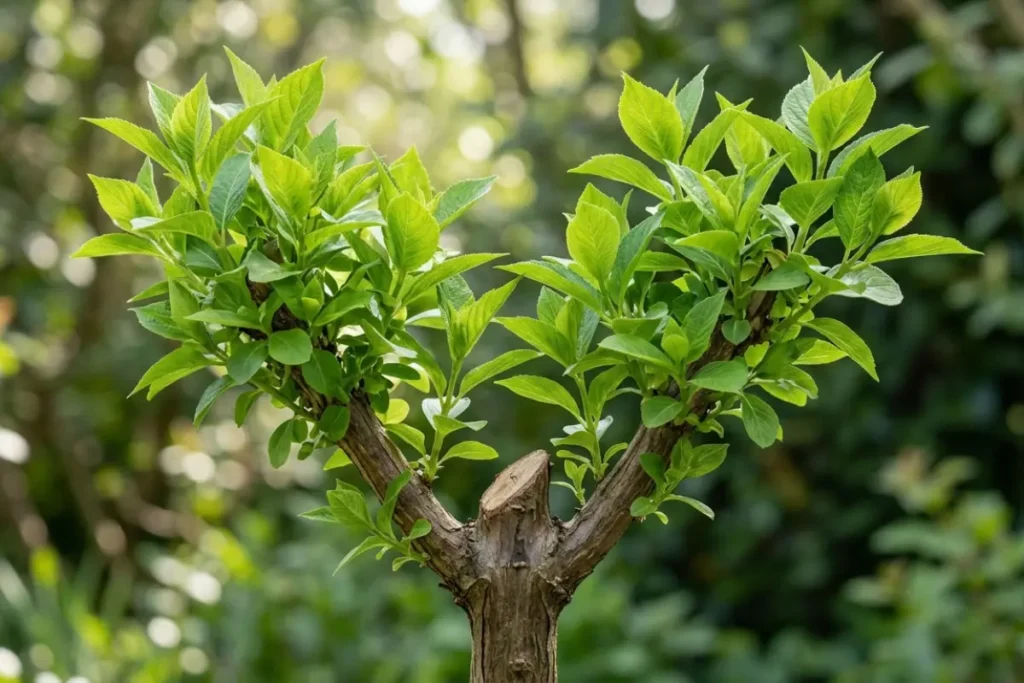
Remove dead, yellow, or damaged leaves to keep the plant tidy. Avoid cutting off large amounts of healthy foliage at once, especially if your plant already has weak growth. Healthy leaves help the plant produce the energy it needs to develop new stems.
You can also use suitable stem cuttings to propagate additional arrowhead plants. This gives you a way to create a fuller-looking display by growing several plants together when space and conditions allow. If you prefer long trailing vines, prune selectively rather than repeatedly shortening every stem.
Frequently Asked Questions About Arrowhead Vine Care
Many people believe that arrowhead vines are difficult to maintain because they are tropical plants, but they can grow well indoors with a few simple habits. These frequently asked questions cover common concerns about watering, sunlight, propagation, and other aspects of Arrowhead vine care.
How Often Should You Water an Arrowhead Vine?
Water your arrowhead vine when the top inch or two of soil feels dry. The timing depends on the temperature, humidity, light, pot size, and soil mix. Water thoroughly and let excess water drain away.
During warmer months, the plant may need water more often, while cooler weather usually slows soil drying. Avoid keeping the roots constantly wet, as this can lead to root rot.
Does an Arrowhead Vine Need Direct Sunlight?
No, an arrowhead vine generally grows best in bright, indirect sunlight. Strong direct sunlight can scorch the leaves and cause brown patches or faded areas. Place your plant near a bright window where the light is filtered or indirect.
Although arrowhead vines can tolerate lower-light conditions, they usually grow more slowly and may develop smaller leaves.
What Is the Best Soil for an Arrowhead Vine?
The best soil for an arrowhead vine is a loose, well-draining potting mix that holds some moisture without becoming waterlogged. A quality indoor potting mix combined with perlite or fine orchid bark can improve drainage and airflow around the roots.
Choose a pot with drainage holes, and avoid heavy garden soil that may compact inside the container.
How Do You Propagate an Arrowhead Vine in Water?
To propagate an arrowhead vine in water, take a healthy stem cutting with at least one node. Remove any leaves that would sit underwater, then place the node in a clean container filled with fresh water.
Keep the cutting in bright, indirect light and change the water regularly. Once the roots have developed sufficiently, transfer the cutting into a pot with well-draining soil and keep the mix lightly moist while the plant adjusts.
Why Are My Arrowhead Vine Leaves Turning Yellow?
Yellow leaves can result from overwatering, poor drainage, insufficient light, or natural leaf aging. If several leaves turn yellow while the soil stays wet, check the roots for signs of rot.
If only an older leaf turns yellow occasionally and the rest of the plant looks healthy, it may be part of the normal growth cycle. Check the growing conditions before making major changes to your care routine.
How Can I Fix Brown Tips on Arrowhead Vine Leaves?
Brown leaf tips may develop because of low humidity, inconsistent watering, fertilizer buildup, or excessive direct sunlight. Check the soil moisture and move the plant away from harsh sunlight if necessary.
If your indoor air is very dry, a humidifier may help. Trim damaged tips with clean scissors, but remember that brown tissue will not turn green again.
How Can I Make My Arrowhead Vine Grow Faster?
To encourage faster growth, provide bright, indirect light, suitable watering, well-draining soil, and balanced fertilizer during active growth. Check the roots if the plant appears root-bound, and inspect the leaves for pests.
Avoid overfertilizing or watering too frequently in an attempt to speed up growth. Consistent care is more effective than making frequent changes.
Is an Arrowhead Vine Good for Beginners?
Yes, an arrowhead vine can be a good choice for beginners because it adapts well to indoor environments and has relatively simple care requirements. Beginners should focus on providing indirect light, checking soil moisture before watering, and using a pot with drainage holes.
Learning these basic Syngonium arrowhead vine care practices can help prevent common problems.
Can an Arrowhead Vine Grow in Low Light?
An arrowhead vine can tolerate lower-light conditions, but it generally grows more slowly when light is limited. You may notice longer stems, smaller leaves, or less noticeable variegation.
A brighter location with indirect sunlight is usually better for healthy growth. If your home has very little natural light, consider using a suitable grow light.
What Is the Best Fertilizer for an Arrowhead Vine?
A balanced liquid houseplant fertilizer is generally suitable during spring and summer when the plant is actively growing. Follow the product instructions and avoid applying more than recommended.
Reduce or pause feeding when growth slows during cooler months. If the plant looks unhealthy, check its light, watering, and root conditions before assuming it needs additional nutrients.
How Often Should You Repot an Arrowhead Vine?
Repot your arrowhead vine when it becomes root-bound or when its potting mix no longer drains properly. This may be necessary every year or two, but the timing depends on the plant’s growth and conditions.
Choose a container only one size larger than the current pot and make sure it has drainage holes. Avoid repotting unnecessarily, as disturbing healthy roots can stress the plant.
Can an Arrowhead Vine Grow in Water Permanently?
An arrowhead vine can grow in water for an extended period if you maintain clean water, provide suitable light, and supply appropriate nutrients. However, growing it in water permanently requires more attention to nutrient availability and water quality than simply rooting a cutting.
If you want an easier long-term setup, growing the plant in a suitable potting mix is often more straightforward.
Is an Arrowhead Vine Toxic to Cats and Dogs?
Yes, arrowhead vines contain insoluble calcium oxalate crystals that can irritate the mouth and digestive tract if chewed. Pets may develop drooling, mouth discomfort, or difficulty swallowing. Keep the plant out of reach of cats and dogs, and contact a veterinarian if your pet chews the plant and develops symptoms.
Conclusion:
Many people believe that keeping an arrowhead vine healthy requires constant attention, but the secret is to provide the right conditions and avoid overdoing basic care.
With suitable light, proper watering, well-draining soil, and enough humidity, this tropical houseplant can grow beautifully indoors.
The best Arrowhead vine care routine starts with placing your plant in bright, indirect light and checking the soil before watering. Feed it moderately during active growth, prune long or damaged stems when needed, and repot it when its roots outgrow the container.
Watch for yellow leaves, brown tips, and pests so you can address problems early.
Whether you grow a green, pink, white, or variegated variety, consistent care can help your arrowhead vine produce healthy leaves and fuller growth.
Be patient with new growth, adjust your routine as the seasons change, and avoid making several changes at once when your plant looks unhealthy. With these simple habits, your arrowhead vine can become a beautiful and rewarding part of your indoor garden.

Plant Nest Blog’s author is passionate about plants, gardening, and sustainable living. Through research and practical experience, they share helpful plant care tips, gardening guides, and easy solutions to help readers grow healthier plants and create greener spaces.