Most people focus on watering schedules, fertilisers, or where to place their plants. While those things matter, the pot itself is often overlooked. The truth is that even the healthiest plant can struggle if it’s growing in the wrong container.
The best pots for houseplants do much more than hold soil. They help regulate moisture, give roots enough room to grow, improve airflow, and reduce the risk of diseases like root rot. In short, the right pot creates a healthy environment where your plant can thrive.
Think of it this way: your plant spends its entire life inside that container. If the pot doesn’t meet its basic needs, your plant has to work much harder just to survive.
Whether you’re growing a lush Monstera, a hardy Snake Plant, a trailing Pothos, or a collection of small succulents, choosing the best indoor plant pots can make caring for them much easier.
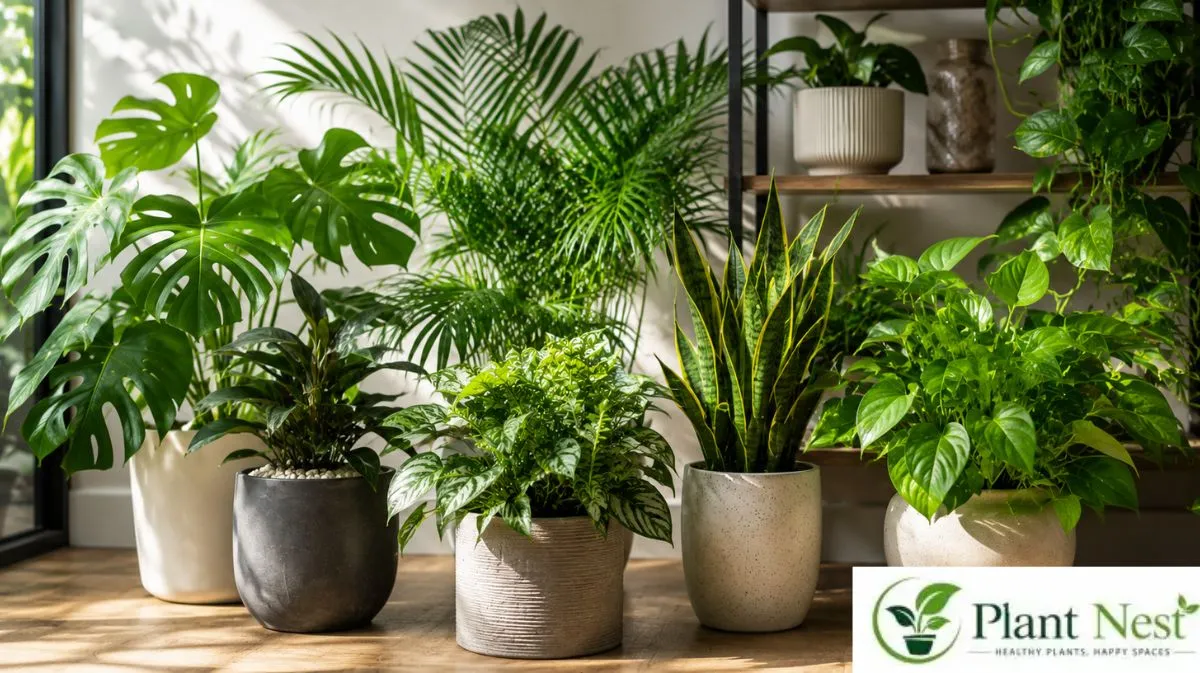
Another common mistake is assuming that one type of pot works for every houseplant. Unfortunately, that’s not how indoor gardening works. Different plants have different watering needs, root systems, and growth habits. A pot that works perfectly for a Peace Lily may not be the best choice for a cactus or succulent.
That’s exactly why this guide exists.
Instead of guessing, you’ll learn how to choose the best pots for houseplants based on your plant’s needs, your home, and even your watering habits. We’ll also explore different materials, sizes, drainage options, and decorative styles so you can confidently pick the best pots for indoor plants without wasting money.
By the end of this guide, you’ll know how to choose containers that not only look great but also keep your indoor plants healthier for years to come.
What Makes the Best Pots for Houseplants?
Not every planter is created equal.
A pot may look stunning on a coffee table, but if it traps too much water or leaves roots cramped, your plant will eventually show signs of stress. That’s why experienced gardeners look beyond appearance when shopping for the best planters for houseplants.
Here are the most important things to consider before buying your next plant pot.
Drainage Holes Are Non-Negotiable
If there’s one feature you should never compromise on, it’s drainage.
The best pots for houseplants with drainage holes allow excess water to escape instead of collecting at the bottom of the container. This simple feature prevents one of the biggest killers of indoor plants root rot.
When water has nowhere to go, the soil stays wet for too long. Roots need oxygen as much as they need water. Sitting in soggy soil cuts off that oxygen supply, causing roots to rot and making it easier for fungal diseases to develop.
Signs your pot isn’t draining properly include:
- Yellow leaves
- Mushy stems
- Soil that stays wet for several days
- Unpleasant smells coming from the pot
- Slow or stunted growth
Even drought-tolerant plants like Snake Plants and succulents can suffer if water remains trapped around their roots.
If you fall in love with a decorative pot that doesn’t have drainage holes, don’t plant directly into it. Instead, keep your plant inside a nursery pot with drainage and place that inside the decorative container. This simple trick gives you the best of both worlds beautiful style and healthy roots.
If your goal is finding the best pots for indoor plants that prevent root rot, always start by checking for proper drainage.
Choose the Right Pot Material
The material of your pot affects much more than its appearance.
Different materials hold moisture differently, vary in weight, and suit different types of plants. Understanding these differences makes it much easier to choose the right container.
Ceramic Pots
Ceramic planters are among the most popular choices for indoor gardening.
They’re attractive, durable, and available in countless colours and designs. Glazed ceramic pots hold moisture longer, making them ideal for tropical plants that enjoy consistently moist soil.
Many gardeners consider them the best ceramic pots for indoor houseplants because they combine beauty with long-lasting performance.
Best for:
- Peace Lilies
- Philodendrons
- Monstera
- Calatheas
Terracotta Pots
Terracotta is a classic choice for a reason.
Since it’s naturally porous, it allows air and moisture to move through the pot walls. The soil dries out faster, making terracotta an excellent option for plants that dislike sitting in wet soil.
Best for:
- Snake Plants
- Aloe Vera
- Cacti
- Succulents
One thing to remember is that plants in terracotta usually need watering more often than those in glazed ceramic pots.
Plastic Pots
Plastic pots are affordable, lightweight, and practical.
They’re often recommended as the best plant pots for beginners because they’re easy to move, don’t break easily, and retain moisture well.
They’re especially useful if you have lots of houseplants or regularly rearrange your indoor garden.
However, because they hold water longer, it’s important not to overwater.
Best for:
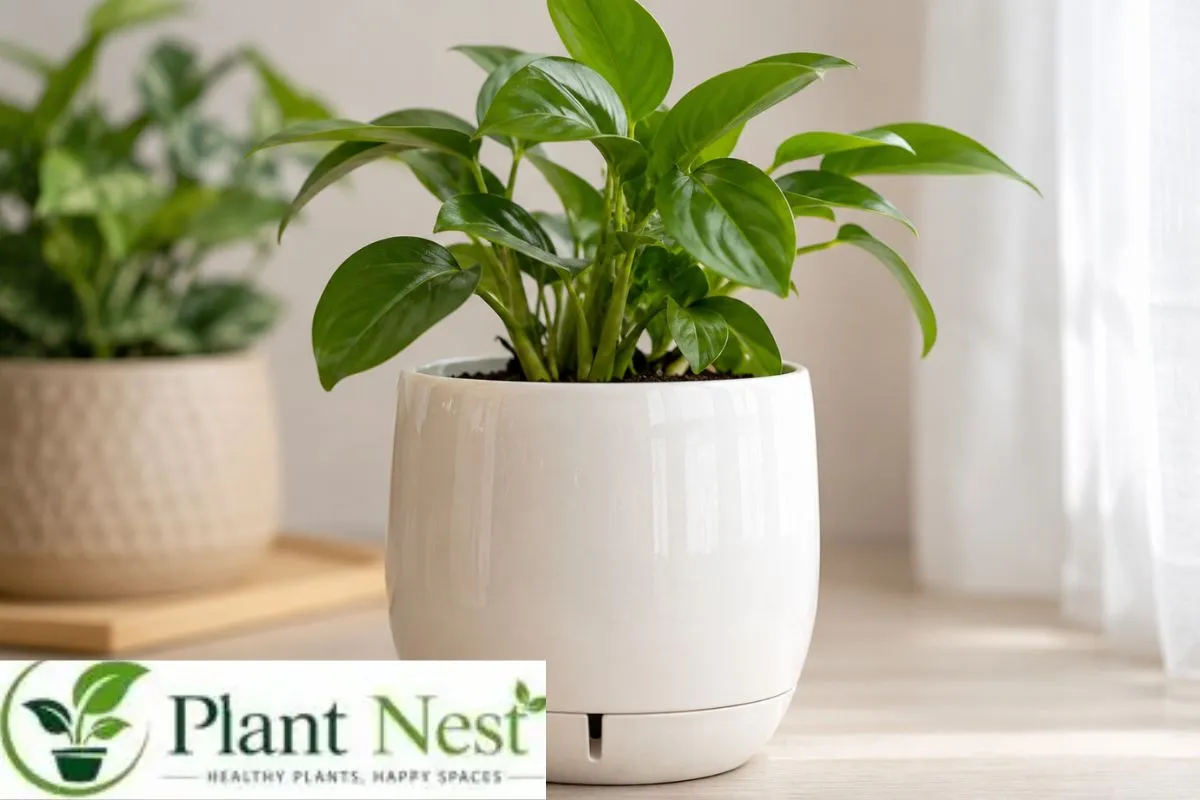
- Pothos
- Spider Plants
- ZZ Plants
- Indoor herbs
Resin Pots
Resin pots offer the appearance of stone or ceramic without the extra weight.
They’re weather-resistant, durable, and ideal for larger indoor plants that may become difficult to move.
Many modern homes use resin planters because they blend style with practicality.
Fibreglass Pots
Fibreglass planters are becoming increasingly popular.
They’re surprisingly lightweight despite their large size and are resistant to cracking and fading.
They’re a great option for statement plants placed in living rooms, offices, or entryways.
Concrete Pots
Concrete planters create a clean, modern look.
They’re extremely sturdy and help anchor tall indoor plants that might otherwise tip over.
The downside is their weight. Once filled with soil, they’re difficult to move, so it’s best to choose a permanent location before planting.
Pick the Correct Pot Size
One of the biggest myths in indoor gardening is that buying a much larger pot gives your plant more room to grow.
In reality, an oversized pot often creates more problems than it solves.
Too much extra soil holds excess moisture, which increases the chance of root rot. Small root systems simply can’t absorb all that water quickly enough.
Instead, choose a pot that’s only about 2–5 cm wider than the current root ball for most houseplants.
As your plant grows, you can gradually move it into slightly larger containers.
Choosing the correct size encourages healthier root development and makes watering much easier.
Consider Weight and Durability
The ideal pot also depends on where you plan to keep your plant.
If you frequently move plants to catch better sunlight or redecorate your home, lightweight materials like plastic, resin, or fibreglass make life much easier.
On the other hand, larger plants such as Rubber Plants, Bird of Paradise, or mature Monsteras often benefit from heavier ceramic or concrete pots that provide extra stability.
Durability matters too.
A quality planter should last for years without cracking, fading, or becoming damaged from regular watering. Spending a little more on a well-made pot often saves money in the long run because you won’t need to replace it as often.
Ultimately, the best containers for houseplants strike the right balance between function and style. They should fit your plant’s needs, suit your living space, and make everyday plant care simpler not harder.
Different Types of Pots for Houseplants
Many people believe that all plant pots do the same job, so choosing one is simply a matter of style. In reality, every type of pot affects your houseplants differently.
The material, design, and drainage all influence how much moisture the soil holds, how well the roots breathe, and how healthy your plant remains over time.
If you’re looking for the best pots for houseplants, understanding the different options available will help you make a smarter choice and avoid common indoor gardening mistakes.
Ceramic Plant Pots
Ceramic pots are among the most popular choices for indoor gardeners because they offer the perfect balance between beauty and practicality. Their elegant appearance makes them suitable for almost every home décor style, while their sturdy construction provides excellent support for growing plants.
Glazed ceramic pots are especially useful because they retain moisture longer than porous materials, making them a great choice for tropical plants that enjoy evenly moist soil.
If you’re searching for the best ceramic pots for indoor houseplants, always choose one with a drainage hole. This allows excess water to escape and reduces the risk of waterlogged roots. Ceramic pots are ideal for displaying statement plants in living rooms, offices, or bedrooms because they add a premium look without sacrificing functionality.
They work particularly well for plants like Monstera, Peace Lily, Philodendron, Chinese Evergreen, and Calathea. Although ceramic pots are heavier and more expensive than plastic alternatives, their durability and timeless appearance make them a worthwhile investment for anyone serious about indoor gardening.
Terracotta Pots
Terracotta pots have remained a favourite among gardeners for generations, and it’s easy to see why. Made from natural clay, these pots are porous, allowing both air and moisture to move through their walls. This improves airflow around the roots and helps the soil dry out more quickly between waterings.
For gardeners who occasionally overwater their plants, terracotta can be an excellent solution. The breathable material naturally reduces excess moisture, making these pots one of the best pots for indoor plants that prevent root rot.
Terracotta pots are particularly suitable for drought-tolerant houseplants such as Snake Plants, Aloe Vera, Jade Plants, cacti, and most succulents. Since the soil dries faster, you’ll need to water these plants slightly more often than those growing in glazed ceramic pots.
However, many plant enthusiasts consider this a small trade-off for healthier roots and improved air circulation.
Beyond their practical benefits, terracotta pots also bring a warm, natural look that complements both modern and rustic interiors.
Plastic Plant Pots
Plastic pots may not be the most luxurious option, but they remain one of the most practical choices for everyday indoor gardening. They’re lightweight, affordable, durable, and available in almost every size and colour imaginable. Because they retain moisture better than clay pots, they can reduce how often you need to water your plants.
For beginners, plastic pots are often considered the best plant pots for beginners because they’re easy to handle and don’t break if accidentally dropped. They’re also ideal if you frequently move your plants around your home to find the best lighting conditions.
Plants such as Pothos, Spider Plants, ZZ Plants, Rubber Plants, and indoor herbs grow very well in plastic containers. If you’re looking for the best lightweight pots for houseplants, plastic planters offer an excellent combination of convenience and affordability.
The only downside is that cheaper plastic pots may fade or become brittle after several years of use. Choosing high-quality plastic planters can help avoid these issues while still providing excellent value.
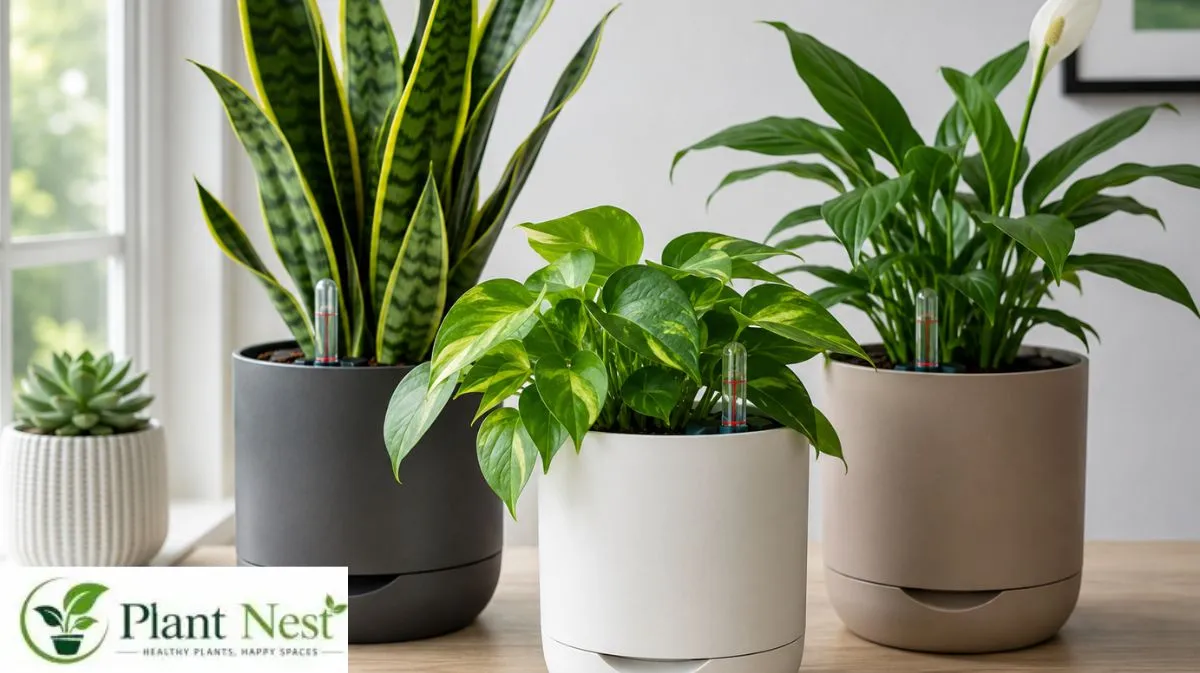
Self-Watering Pots
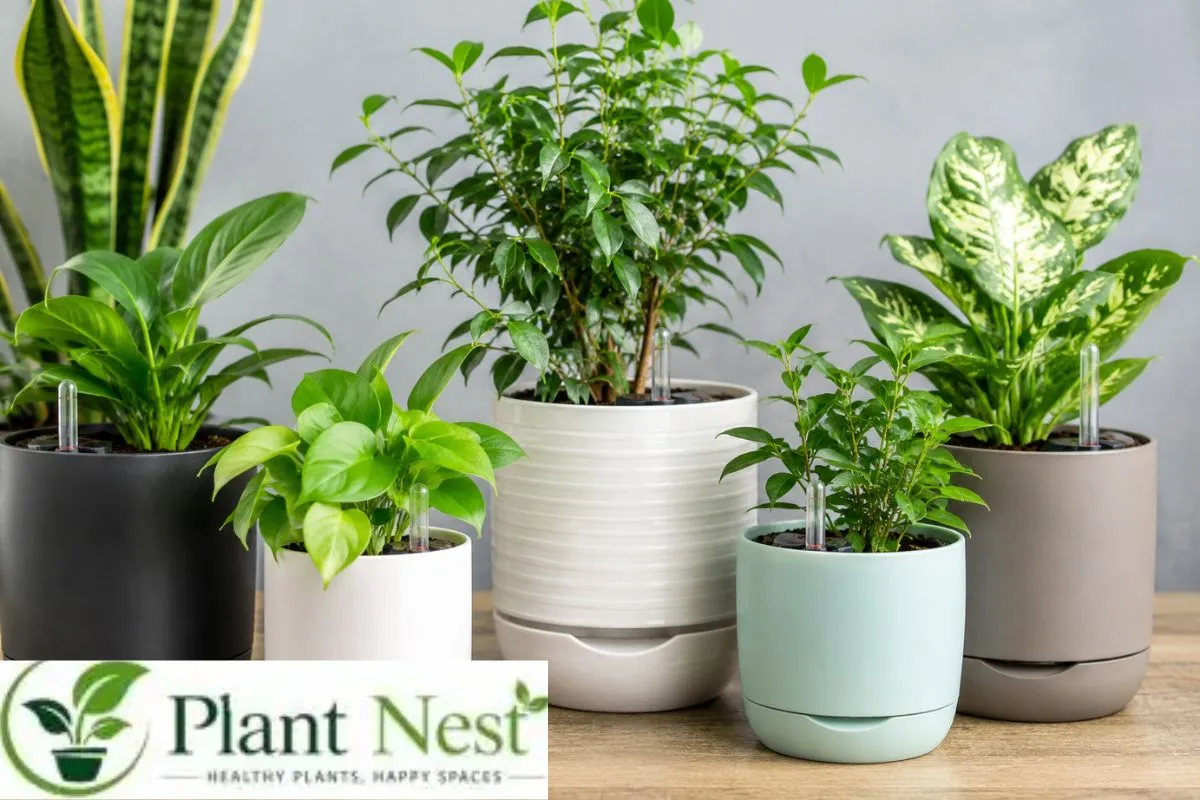
Modern indoor gardening has made plant care much easier with the introduction of self-watering pots. Despite the name, these containers don’t completely eliminate watering. Instead, they include a built-in water reservoir beneath the soil that gradually supplies moisture to the plant whenever it’s needed.
This system creates more consistent soil moisture, making self-watering planters one of the best self-watering pots for houseplants, especially for people with busy schedules or those who travel frequently.
Plants that enjoy consistently moist soil, such as Peace Lilies, Pothos, Ferns, Spider Plants, Philodendrons, and many indoor herbs, often perform exceptionally well in these containers.
By reducing sudden fluctuations between dry and wet soil, self-watering pots encourage healthier root development and more consistent growth.
However, they’re not suitable for every plant. Succulents, cacti, and other drought-loving species usually prefer soil that dries completely between waterings, so traditional pots remain a better option for those plants.
Although self-watering planters typically cost more than standard pots, many gardeners find the convenience well worth the investment.
Decorative Cachepots
Decorative cachepots are often mistaken for regular plant pots, but they serve a different purpose. Unlike standard planters, cachepots don’t usually have drainage holes. Instead, they’re designed to hold a nursery pot inside, creating a stylish outer cover without directly housing the plant.
This makes them an excellent choice for homeowners who want the best decorative pots for indoor plants without compromising proper drainage. You can easily remove the nursery pot for watering and then place it back inside the decorative container once excess water has drained away.
Cachepots come in countless colours, materials, and designs, allowing you to change the appearance of your indoor garden whenever you redecorate. They’re particularly popular in living rooms, bedrooms, offices, and dining areas where aesthetics are just as important as plant health.
The key is never to allow water to collect inside the cachepot after watering, as standing water can eventually damage your plant’s roots.
Hanging Planters
Hanging planters are an excellent solution for anyone who wants to maximise space while adding more greenery to their home. Instead of taking up valuable floor or shelf space, these planters allow plants to grow vertically, creating a lush and eye-catching display.
They’re especially suitable for trailing plants because the vines can naturally cascade over the sides, creating a beautiful indoor feature. Popular choices include Pothos, Spider Plants, String of Pearls, English Ivy, Tradescantia, and Heartleaf Philodendron.
Many modern hanging planters are made from lightweight materials, making them easier to install while reducing stress on ceiling hooks or wall brackets. They’re particularly useful in apartments, small homes, or rooms where space is limited.
Although hanging planters can be slightly more challenging to water, they reward the extra effort by transforming empty vertical spaces into vibrant indoor gardens.
Which Type of Pot Is Best?
There isn’t a single pot that’s perfect for every plant. The best pots for houseplants depend on your plant’s watering needs, root system, growing habits, and even your lifestyle.
Ceramic pots are ideal for moisture-loving tropical plants, terracotta suits drought-tolerant species, plastic offers an affordable and beginner-friendly option, self-watering pots simplify maintenance, cachepots enhance your home’s décor, and hanging planters make the most of vertical space.
Rather than choosing a pot based solely on appearance, think about what your plant actually needs to thrive. When you match the right planter to the right plant, you’ll enjoy healthier growth, fewer maintenance issues, and a more attractive indoor garden.
Best Pots for Houseplants (Expert Picks)
Many people think the best pots for houseplants are simply the ones with the highest price tag or the most attractive design. In reality, that’s rarely the case.
The best planter is one that meets your plant’s growing needs while also fitting your lifestyle and home décor. A simple pot with proper drainage can outperform an expensive decorative planter if it provides better root health and moisture control.
To help you choose with confidence, we’ve rounded up some of the best indoor plant pots for different situations. Whether you’re looking for a stylish ceramic planter, a lightweight plastic pot, or the best self-watering pots for houseplants, these expert picks offer excellent value, durability, and functionality.
Best Overall Pot
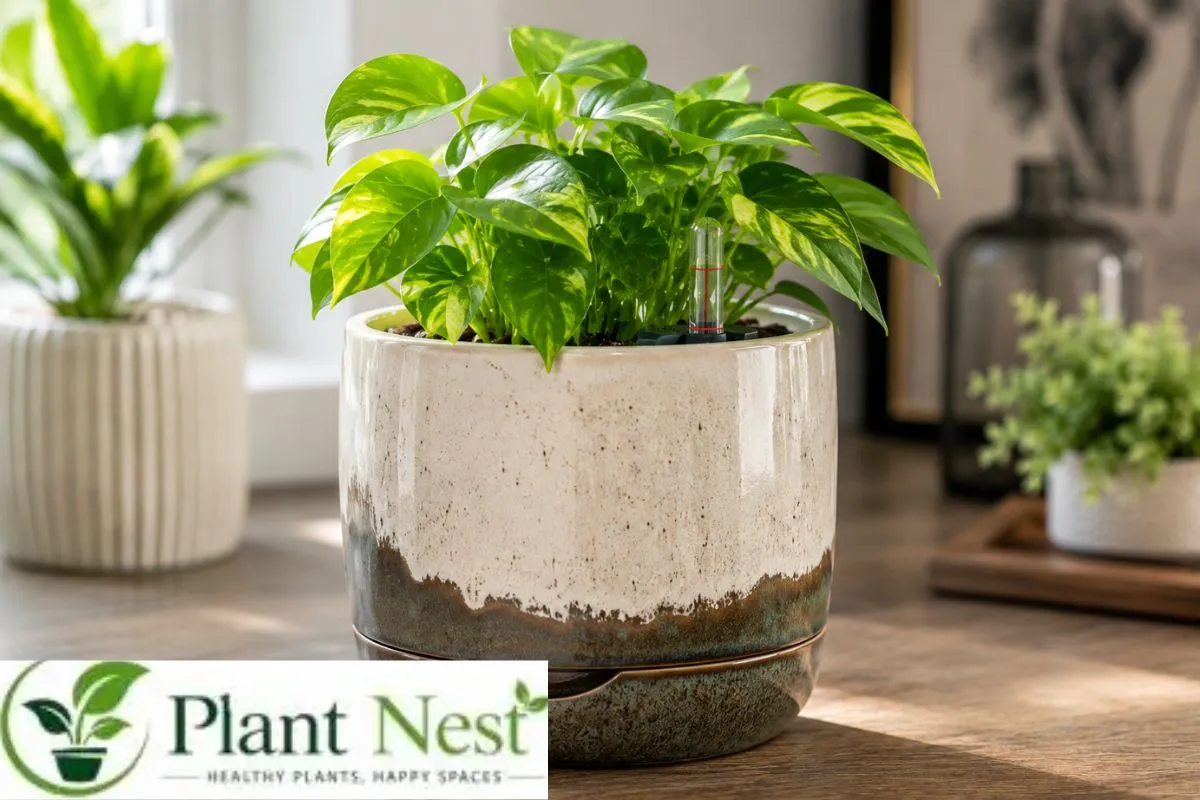
A glazed ceramic pot with a drainage hole is one of the most versatile choices you can make for indoor gardening. It provides excellent moisture retention while still allowing excess water to drain away, creating the ideal growing environment for many popular houseplants.
Its sturdy construction also makes it less likely to tip over, especially when growing medium-sized plants.
This type of planter is suitable for Peace Lilies, Monstera, Philodendrons, Pothos, and many other tropical plants. Although ceramic pots are heavier than plastic alternatives, they last for years and add an elegant touch to any room.
If you’re looking for the best pots for indoor plants, this is an excellent all-round option that combines beauty, durability, and healthy plant care.
Best Ceramic Pot
Ceramic pots continue to be a favourite among indoor gardeners because they offer both style and functionality. Their smooth glazed finish helps retain moisture, making them ideal for plants that prefer evenly moist soil.
At the same time, they are available in countless colours, shapes, and patterns, allowing you to match your indoor plants with your home décor effortlessly.
If you’re searching for the best ceramic pots for indoor houseplants, always choose one with a drainage hole and a matching saucer. This simple feature helps prevent excess water from collecting around the roots while protecting your furniture.
Ceramic planters work especially well for Monstera, Peace Lily, Calathea, and Chinese Evergreen, making them a reliable investment for long-term indoor gardening.
Best Terracotta Pot
Terracotta pots are a classic choice that never goes out of style. Because they are made from natural clay, they allow air and moisture to move through the pot walls, helping the soil dry faster between waterings. This makes them one of the best pots for indoor plants that prevent root rot, particularly if you tend to overwater your houseplants.
These breathable pots are ideal for Snake Plants, succulents, cacti, Aloe Vera, and Jade Plants. While they may require slightly more frequent watering than glazed ceramic pots, the improved airflow around the roots encourages healthier growth and reduces the likelihood of fungal diseases.
Best Plastic Pot
Plastic pots are one of the most practical choices for everyday indoor gardening. They’re lightweight, affordable, and easy to move around the house whenever your plants need better sunlight. Because plastic retains moisture longer than clay, it also reduces how often you’ll need to water your plants.
For anyone new to indoor gardening, plastic containers are often considered the best plant pots for beginners. They work particularly well for Pothos, Spider Plants, Rubber Plants, ZZ Plants, and indoor herbs. Although they may not have the premium appearance of ceramic planters, modern designs now come in attractive finishes that blend well with almost any interior.
Best Self-Watering Pot
If you often forget to water your plants or spend time away from home, a self-watering planter can make plant care much easier. These pots contain a built-in water reservoir that gradually supplies moisture to the roots, helping maintain consistent soil conditions without daily attention.
The best self-watering pots for houseplants are ideal for moisture-loving species such as Peace Lilies, Ferns, Pothos, Philodendrons, and many indoor herbs.
They reduce the risk of underwatering while encouraging steady growth throughout the year. However, they’re generally not recommended for succulents or cacti, which prefer soil that dries completely between waterings.
Best Large Indoor Planter
Large indoor plants need spacious containers that provide enough room for healthy root development while remaining stable as the plant grows. Resin and fibreglass planters are excellent choices because they offer the appearance of stone or ceramic without the extra weight, making them easier to move when necessary.
These large planters are ideal for Monstera, Bird of Paradise, Rubber Plants, and Fiddle Leaf Figs. If you’re looking for the best planters for houseplants that make a bold statement while remaining practical, a quality resin planter is hard to beat.
Best Small Pot
Small pots are perfect for compact houseplants, young cuttings, and herbs. They fit comfortably on windowsills, shelves, office desks, and kitchen counters without taking up much space. Their compact size also makes them a great option for anyone living in an apartment or smaller home.
Plants such as succulents, cacti, baby Spider Plants, and fresh herbs grow particularly well in smaller containers. Just remember that smaller pots dry out more quickly, so they usually require more frequent watering than larger planters.
Best Modern Planter
If you love clean lines and minimalist interiors, modern planters are an excellent choice. Most are made from resin, fibreglass, or matte ceramic and feature simple shapes that complement contemporary homes. These planters focus on understated elegance while still providing excellent durability.
Modern planters pair beautifully with architectural plants like Snake Plants, ZZ Plants, Monstera, and Rubber Plants. They’re among the best decorative pots for indoor plants because they create a sophisticated display without overpowering the natural beauty of the plant.
Best Budget-Friendly Pot
You don’t need to spend a fortune to grow healthy houseplants. A simple plastic nursery pot placed inside a decorative cachepot offers one of the most affordable and effective solutions. This combination provides proper drainage while allowing you to update your home décor whenever you like.
For beginner gardeners or anyone building a larger indoor plant collection, this option delivers outstanding value without compromising plant health.
Best Premium Planter
Premium planters are designed for homeowners who want their indoor plants to become part of their interior design. High-quality ceramic, handcrafted stone, and luxury resin planters feature exceptional craftsmanship and long-lasting durability.
These containers work especially well for statement plants placed in living rooms, hallways, or offices. While they cost more than standard pots, they often last for decades and elevate the overall appearance of your indoor garden.
Best Pot for Beginners
If you’re just getting started with indoor gardening, choose a medium-sized plastic planter with drainage holes. It’s lightweight, inexpensive, easy to maintain, and forgiving if you make small watering mistakes while learning.
This simple option works well for a wide range of beginner-friendly houseplants, making it one of the best indoor plant pots for anyone starting their first collection.
Best Pot for Snake Plants
Snake Plants thrive when their soil dries out completely between waterings, making terracotta the ideal choice. Its porous clay naturally removes excess moisture while allowing plenty of air to reach the roots.
If you’re looking for the best pots for houseplants specifically for Snake Plants, choose a terracotta planter with a drainage hole that’s only slightly larger than the plant’s root ball. This combination helps prevent overwatering and encourages stronger root development.
Best Pot for Monstera
Monsteras develop large, vigorous root systems and can become quite heavy as they mature. A sturdy ceramic or resin planter provides the support these plants need while offering enough room for continued growth.
Choose a planter that’s a few centimetres wider than the current root ball and includes reliable drainage. This gives your Monstera enough space to thrive without leaving excess soil that could stay wet for too long.
Best Pot for Pothos
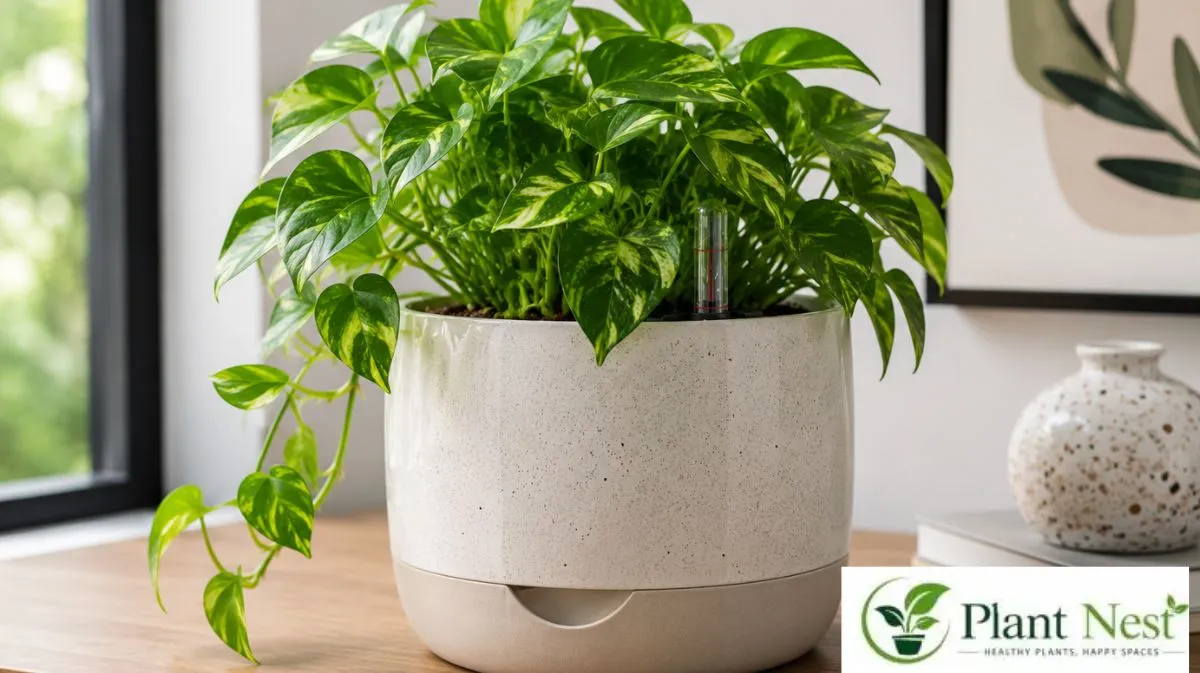
Pothos is one of the easiest houseplants to grow, but it still performs best in containers that maintain consistent moisture. Plastic planters and self-watering pots both work exceptionally well because they reduce sudden changes in soil moisture.
Whether your Pothos sits on a shelf or hangs from a basket, choosing the right container helps encourage fuller growth and healthier vines throughout the year.
Best Pot for Succulents
Succulents require fast-draining soil and containers that allow moisture to evaporate quickly. Terracotta pots remain one of the best choices because their porous surface helps prevent excess water from sitting around the roots.
When combined with a quality cactus or succulent potting mix, a terracotta planter creates ideal growing conditions for Echeveria, Haworthia, Jade Plants, and other drought-loving varieties.
Best Pot for Herbs
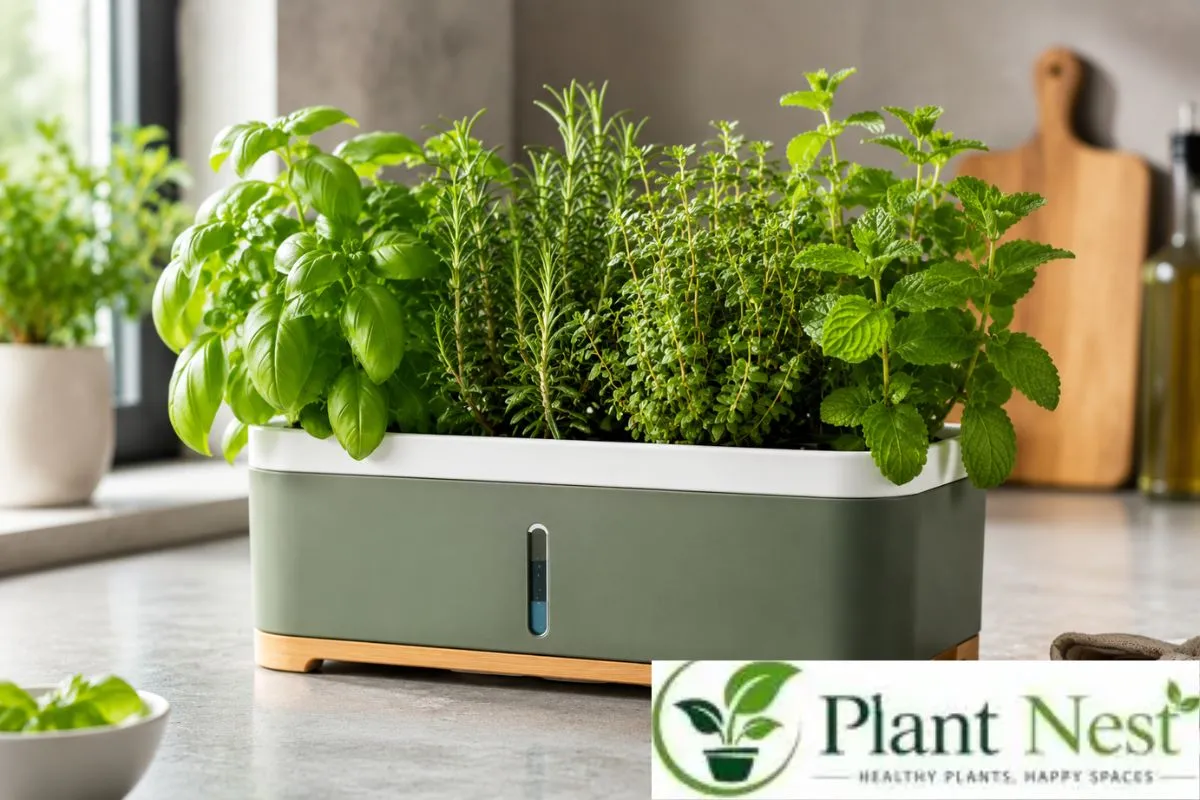
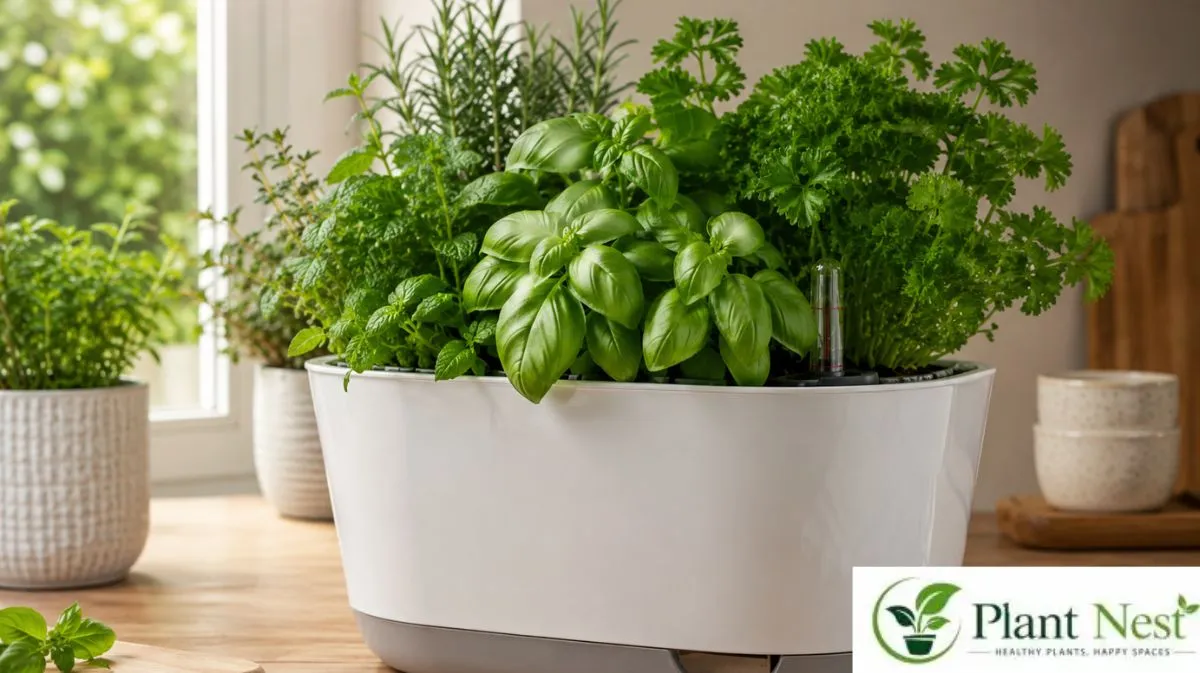
Indoor herbs such as basil, parsley, oregano, mint, and thyme grow best in pots that provide reliable drainage while retaining enough moisture to support continuous harvesting. Lightweight plastic or glazed ceramic planters are both excellent options.
Choosing the right planter keeps herbs healthy, productive, and easy to maintain, whether they’re growing on a sunny kitchen windowsill or an indoor herb shelf.
Best Decorative Indoor Planter
If appearance is just as important as functionality, decorative cachepots are an excellent investment. These stylish outer containers allow you to keep your plant inside its original nursery pot while transforming its overall look. This method provides the beauty of designer planters without sacrificing proper drainage.
Available in ceramic, woven baskets, metal finishes, and modern resin designs, decorative cachepots make it easy to refresh your indoor décor while keeping your houseplants healthy. They are among the best decorative pots for indoor plants for homeowners who want both style and practicality.
How to Choose the Best Pots for Houseplants
Many people believe that once they’ve bought a healthy houseplant, any pot will do. Unfortunately, that’s one of the biggest mistakes new plant owners make.
Even the healthiest plant can struggle if it’s placed in the wrong container. The best pots for houseplants aren’t chosen based on appearance alonethey’re selected according to the plant’s size, watering needs, growing habits, and where they’ll live in your home.
By choosing the right planter from the start, you’ll make plant care easier and give your indoor plants the best chance to thrive.
Match the Pot to Your Plant
Every houseplant has different needs, so there’s no universal planter that works for everything. Some plants love consistently moist soil, while others need their roots to dry out completely between waterings. That’s why matching the pot to your specific plant is one of the most important steps when choosing the best pots for indoor plants.
Snake Plant
Snake Plants prefer dry soil and dislike sitting in excess moisture. A terracotta pot with a drainage hole is one of the best choices because the porous clay allows water to evaporate quickly while improving airflow around the roots. If you’re looking for the best pots for indoor plants that prevent root rot, terracotta is hard to beat for Snake Plants.
Monstera
Monsteras grow quickly and develop large, strong root systems. They need a sturdy planter that can support both their size and weight. A ceramic or resin pot with excellent drainage works well because it provides stability without compromising root health.
Choosing a pot that’s only a few centimetres larger than the root ball allows your Monstera to continue growing without increasing the risk of overwatering.
Pothos
Pothos is one of the easiest houseplants to grow, but it performs best in containers that maintain consistent moisture. Plastic pots and self-watering planters are both excellent options because they reduce sudden changes in soil moisture. These are among the best planters for houseplants if you’re growing trailing plants indoors.
Spider Plant
Spider Plants appreciate evenly moist soil but still require proper drainage. Lightweight plastic or glazed ceramic planters work particularly well because they help maintain balanced moisture while remaining easy to move around the home. As Spider Plants produce baby plantlets, you’ll also find it easier to repot them using lightweight containers.
Peace Lily
Peace Lilies thrive when the soil stays slightly moist without becoming waterlogged. Glazed ceramic pots and self-watering planters provide the consistent moisture these plants enjoy while still allowing excess water to drain away. A planter with a matching saucer also helps protect indoor furniture from water spills.
Succulents
Succulents require completely different conditions from tropical plants. They need fast-draining soil and breathable containers that prevent moisture from lingering around the roots. Terracotta remains one of the best containers for houseplants in this category because it naturally allows water to evaporate more quickly.
Indoor Herbs
Kitchen herbs such as basil, parsley, oregano, mint, and thyme grow best in medium-sized pots with reliable drainage. Plastic and glazed ceramic planters are both excellent choices because they balance moisture retention with proper airflow, allowing herbs to produce healthy new growth throughout the season.
The key takeaway is simple: choose your pot based on your plant’s natural growing habits, not just its appearance. Doing so will make watering easier, reduce common problems, and encourage stronger, healthier growth.
Match the Pot to Your Home
Your home environment is just as important as the plant itself. The best indoor plant pots should fit comfortably into your living space while supporting healthy growth. A planter that’s perfect for a sunny living room may not be the best choice for a humid bathroom or a compact apartment.
Living Room
The living room is often where larger houseplants become decorative focal points. Ceramic, resin, and premium decorative planters work well here because they combine durability with an attractive appearance. Large Monsteras, Rubber Plants, and Bird of Paradise plants look especially impressive in elegant ceramic or modern resin containers.
Bedroom
Bedrooms usually benefit from softer, more calming décor. Neutral ceramic pots or woven cachepots pair beautifully with plants like Peace Lilies, Snake Plants, and Pothos. Choosing stylish yet functional best decorative pots for indoor plants helps create a relaxing atmosphere without compromising plant health.
Office
Office plants should be easy to maintain while complementing a professional workspace. Lightweight plastic or minimalist ceramic planters are ideal because they’re easy to move and don’t require constant attention. Compact plants like ZZ Plants, Snake Plants, and succulents are excellent choices for desks and shelves.
Kitchen
The kitchen is the perfect place for growing herbs. Small glazed ceramic or plastic planters fit neatly on windowsills while providing enough drainage for healthy herb growth. Since herbs are watered more frequently, choosing containers with drainage holes makes daily care much easier.
Bathroom
Bathrooms tend to have higher humidity levels, making them ideal for moisture-loving plants such as Ferns and Peace Lilies. Ceramic pots work especially well because they help maintain steady soil moisture while adding an elegant decorative touch.
Matching your planter to your home’s environment ensures both your plants and your décor work together beautifully.
Match the Pot to Your Watering Habits
One of the easiest ways to choose the best pots for houseplants is to be honest about your watering routine. Different pots suit different lifestyles, and selecting one that matches your habits will make plant care much easier.
If You Water Frequently
If you naturally water your plants often, choose breathable terracotta pots. Their porous clay allows excess moisture to escape, reducing the risk of soggy soil and root rot. This makes them an excellent option for gardeners who sometimes overwater.
If You’re Busy
Busy schedules often lead to forgotten watering days. In this situation, the best self-watering pots for houseplants are an excellent investment. Their built-in reservoirs provide plants with a steady supply of moisture, reducing the need for constant attention while keeping tropical houseplants healthy.
If You’re a Beginner
New plant owners often struggle to judge when their plants need water. Lightweight plastic pots with drainage holes are among the best plant pots for beginners because they’re affordable, forgiving, and easy to manage. They also make repotting simple as your plants continue to grow.
If You Travel Often
Frequent travellers should consider self-watering planters or larger pots that retain moisture for longer periods. These containers help reduce watering stress while you’re away, giving your houseplants a better chance of staying healthy until you return.
Frequently Asked Questions (FAQ)
Many people search for the best pots for houseplants because they want quick answers to common questions. Below are some of the most frequently asked questions from indoor gardeners. These answers will help you choose the right pot and avoid common mistakes that can affect your plants’ health.
1 What are the best pots for houseplants?
The best pots for houseplants are those that provide proper drainage, enough room for healthy root growth, and are made from a material that suits your plant’s watering needs.
For most indoor plants, glazed ceramic pots with drainage holes are an excellent all-round choice because they balance moisture retention with durability. However, terracotta is better for plants that prefer dry soil, while self-watering pots are ideal for moisture-loving varieties.
The best pot isn’t necessarily the most expensive one. Instead, choose a planter that matches your plant’s natural growing conditions.
2 Are ceramic or plastic pots better for indoor plants?
Both ceramic and plastic pots have their advantages, so the better choice depends on your plant and your gardening style.
Ceramic pots are heavier, more decorative, and help maintain stable soil temperatures. They’re ideal for tropical houseplants such as Monstera, Peace Lilies, and Philodendrons.
Plastic pots are lightweight, affordable, and retain moisture longer, making them a practical option for beginners or anyone growing multiple houseplants.
If you’re choosing between the two, consider how often you water and whether you need a decorative planter or a lightweight one.
3 Do all houseplants need pots with drainage holes?
Yes, in most cases they do.
Drainage holes allow excess water to escape, preventing water from collecting around the roots. Without proper drainage, the soil stays wet for too long, increasing the risk of root rot and fungal diseases.
If you love decorative pots without drainage holes, simply keep your plant inside a nursery pot with drainage and place it inside the decorative container. This gives you the best of both worlds—healthy plants and stylish décor.
4 What size pot is best for indoor plants?
The ideal pot should be only slightly larger than the plant’s current root ball. As a general rule, choose a planter that is around 2–5 cm wider than the existing root system.
Oversized pots hold more soil than necessary, which can trap excess moisture and lead to overwatering problems. Repot gradually as your plant grows rather than moving it into a very large container all at once.
5 Are self-watering pots good for houseplants?
Yes, self-watering pots are an excellent choice for many indoor plants, especially tropical varieties that prefer consistently moist soil.
The best self-watering pots for houseplants help reduce watering frequency by supplying water gradually from a built-in reservoir. They are particularly useful for busy homeowners or people who travel regularly.
However, they are not ideal for succulents, cacti, or other plants that prefer dry soil between waterings.
6 Which pots prevent root rot?
If preventing root rot is your priority, choose pots with drainage holes and breathable materials.
Terracotta pots are considered some of the best pots for indoor plants that prevent root rot because their porous clay allows excess moisture to evaporate naturally. Plastic, ceramic, and resin pots also work well when they include proper drainage and are paired with a well-draining potting mix.
Remember that good watering habits are just as important as the pot itself.
7 What are the best decorative pots for indoor plants?
The best decorative pots for indoor plants are those that combine style with functionality.
Glazed ceramic planters remain one of the most popular options because they look elegant while supporting healthy plant growth. Decorative cachepots are another excellent choice since they allow you to hide a simple nursery pot inside without affecting drainage.
Choose colours and finishes that complement your home’s décor while ensuring your plant still receives proper drainage..8 What are the best lightweight pots for houseplants?
8 What are the best lightweight pots for houseplants?
If you frequently move your plants around your home, lightweight containers are the most practical option.
Plastic, resin, and fibreglass planters are among the best lightweight pots for houseplants because they are easy to carry, durable, and available in a wide variety of sizes and designs. These materials are particularly useful for large indoor plants that would become difficult to move in heavy ceramic or concrete containers.
9 Can beginners use self-watering pots?
Absolutely.
Self-watering planters are often recommended for beginners because they simplify watering and help maintain consistent soil moisture. They reduce the chances of underwatering and can make caring for tropical houseplants much easier.
That said, beginners should still monitor water levels and learn each plant’s individual needs, as not every species thrives in constantly moist soil.
10 How often should I repot my houseplants?
Most houseplants benefit from repotting every one to two years, although fast-growing plants may need a new pot sooner.
Signs that it’s time to repot include roots growing through the drainage holes, water running straight through the pot without soaking the soil, slowed growth, or the plant becoming root-bound.
When repotting, always move up just one pot size rather than choosing an oversized container. This encourages healthier root development and makes watering much easier.
Conclusion
Choosing the best pots for houseplants is about much more than finding a planter that looks attractive. The right pot creates the ideal environment for healthy roots, balanced moisture, and long-term plant growth.
When you match the planter to your plant’s specific needs, you’ll spend less time dealing with problems like overwatering, root rot, and poor growth, and more time enjoying healthy, vibrant indoor plants.
Throughout this guide, we’ve explored everything you need to know from understanding why drainage matters and comparing different pot materials to discovering the best indoor plant pots for specific houseplants.
We’ve also covered how to choose the right size, the benefits of self-watering planters, and the importance of matching your planter to both your home and your watering habits. These simple decisions can make a noticeable difference in how well your plants grow.
Remember that there isn’t a single planter that’s perfect for every plant. Tropical varieties often thrive in glazed ceramic or best self-watering pots for houseplants, while succulents and cacti perform better in breathable terracotta containers.
Beginners may prefer lightweight plastic planters because they’re affordable and easy to manage, while decorative cachepots offer a stylish way to display nursery pots without sacrificing proper drainage.

Plant Nest Blog’s author is passionate about plants, gardening, and sustainable living. Through research and practical experience, they share helpful plant care tips, gardening guides, and easy solutions to help readers grow healthier plants and create greener spaces.