
Many people believe that Arrowhead Plant Care is difficult because tropical plants need constant attention, but that is not true. The arrowhead plant is a popular houseplant known for its attractive, arrow-shaped leaves and easygoing nature.
With the right growing conditions, this beautiful plant can thrive indoors and add a fresh, natural touch to your home. Whether you are a beginner or an experienced plant lover, learning how to care for an arrowhead plant can help you enjoy healthy foliage and steady growth.

The key is to understand what your plant needs instead of following a strict routine. Choose a suitable spot with bright, indirect light, use well-draining soil, and check the soil moisture before watering.
Maintaining comfortable temperatures and suitable humidity can also support healthy growth. These simple habits make indoor arrowhead plant care easier and help you avoid common problems as your plant matures.
Arrowhead Plant Care
The arrowhead plant is a popular houseplant known for its beautiful, arrow-shaped leaves and easygoing nature. Native to tropical regions, this plant comes in different colors, patterns, and varieties.
Its climbing and trailing growth habits make it a versatile choice for indoor spaces. Understanding what an arrowhead plant is will help you provide the right care for healthy, attractive growth.
Arrowhead Plant Overview and Origin
The arrowhead plant, scientifically known as Syngonium podophyllum, is a tropical plant native to Central and South America. It gets its common name from its distinctive arrow-shaped leaves, which can change in shape as the plant matures.
Also called the arrowhead vine or Syngonium, it belongs to the Araceae family and is widely grown as an indoor ornamental plant. Its attractive foliage and adaptable growth habit make it a popular choice for homes, offices, and indoor gardens.
Popular Arrowhead Plant Varieties
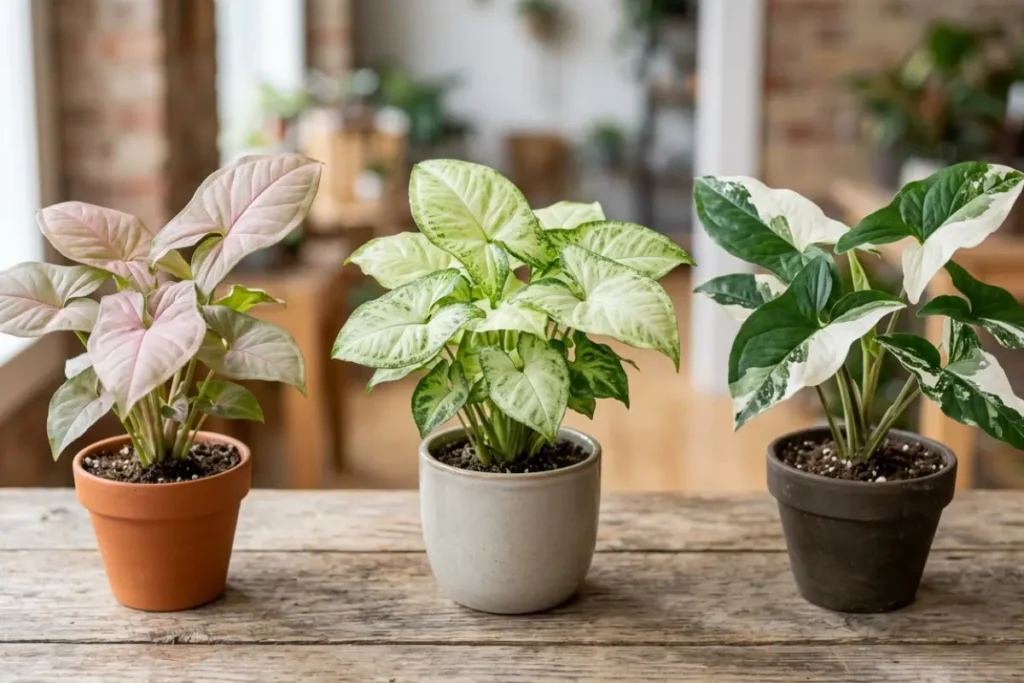
One of the best things about arrowhead plants is their variety of leaf colors and patterns. Green varieties offer a classic tropical look, while pink arrowhead plants add a soft splash of color.
White and variegated varieties feature lighter patterns that can brighten indoor spaces. Each variety has slightly different visual characteristics, but they generally benefit from similar basic growing conditions. Choosing a variety you like makes it easier to create a houseplant display that suits your space.
Arrowhead Plant Growth Habits
Arrowhead plants often grow in a compact form when young, but their stems become longer as they mature. You can let the vines trail from a hanging basket or guide them upward with a moss pole or other suitable support.
Their growth habit makes them flexible choices for shelves, plant stands, and indoor plant collections. Understanding whether you want a climbing or trailing plant will help you decide where to place it and how to manage its growth.
Why Is the Arrowhead Plant Popular as a Houseplant?
The arrowhead plant is popular because it combines attractive foliage with relatively simple care requirements. It can adapt to different indoor settings when you provide suitable light, watering, and soil conditions.
Its different varieties also give plant lovers plenty of choices, from deep green leaves to pink and variegated patterns. If you are following a Syngonium plant care guide or looking for Syngonium podophyllum growing tips, learning about the plant’s natural growth habits is a useful first step toward keeping it healthy.
Essential Arrowhead Plant Care Tips for Healthy Growth
Many people think an arrowhead plant needs frequent watering, constant misting, and regular feeding to grow well, but too much care can actually cause problems.
Successful Arrowhead Plant Care is about creating the right growing conditions and allowing the plant to grow at its own pace. From choosing suitable light to maintaining healthy roots, a few simple habits can help your Syngonium develop lush foliage and strong stems.
Provide the Right Amount of Indirect Sunlight
Light plays an important role in arrowhead plant growth. Although this tropical houseplant can tolerate some lower-light conditions, it generally grows best in bright, indirect light.
Place it near an east-facing window or a few feet away from a bright south- or west-facing window, depending on the intensity of the sunlight. A sheer curtain can help soften strong rays and protect the leaves from scorching.

If your plant receives too little light, you may notice slower growth, smaller leaves, or longer stems with more space between the leaves. On the other hand, too much direct sunlight can cause faded patches or brown, scorched areas.
Variegated varieties may need brighter indirect light to maintain their leaf patterns. Understanding your plant’s sunlight requirements will help you find a suitable location without constantly moving it around.
Water Your Arrowhead Plant at the Right Time
Knowing how often to water an arrowhead plant is one of the most important parts of its care routine. Instead of watering on a fixed schedule, check the top inch or two of soil with your finger.
If the soil feels dry at that depth, water thoroughly until excess water drains from the bottom of the pot. Empty the saucer afterward so the roots do not sit in standing water.
Your plant may need more frequent watering during warm, bright weather when it is actively growing. In winter, the soil often dries more slowly, so you may need to water less frequently.
Overwatering can leave the roots without enough oxygen and increase the risk of root rot, while underwatering can cause drooping and dry leaf edges. Learning to check soil moisture is more reliable than following a strict watering calendar.
Choose the Best Soil Mix for Healthy Roots
The best soil mix for arrowhead plant growth holds some moisture while allowing excess water to drain freely. A dense, compact potting mix can stay wet for too long and make it difficult for roots to receive enough air.
A suitable indoor potting mix amended with perlite and fine orchid bark can provide a useful balance of moisture retention, aeration, and drainage.
You do not need an expensive specialist mix to keep your plant healthy. The main goal is to avoid soil that becomes waterlogged or dries out too quickly. Choose a pot with drainage holes and check that water can escape freely after watering
Good arrowhead plant soil supports healthy root development, encourages steady growth, and helps prevent many common moisture-related problems.
Maintain the Right Humidity and Temperature
Arrowhead plants come from tropical environments, so they generally appreciate warmth and moderate to high humidity. Typical comfortable indoor temperatures around 65–85°F (18–29°C) usually work well.
Keep the plant away from cold drafts, air-conditioning vents, and direct blasts of heat from radiators because sudden temperature changes can stress its foliage.

If the air in your home is very dry, brown leaf edges may become more noticeable. You can improve humidity by grouping plants together or using a room humidifier.
Misting is not necessary and provides only a temporary increase in moisture around the leaves. Consistent warmth, suitable humidity, and good airflow are more helpful than trying to create a constantly wet environment.
How to Care for an Arrowhead Plant Indoors
Many people believe that indoor arrowhead plants need a greenhouse-like environment to stay healthy, but that is not true. Arrowhead plant indoor care is manageable when you choose a suitable location and pay attention to your plant’s surroundings.
This tropical houseplant can grow well in an ordinary home without complicated equipment. The key is to provide a comfortable balance of light, moisture, warmth, and airflow while avoiding conditions that keep the roots constantly wet.
Choose the Best Location for Your Indoor Arrowhead Plant
The location of your plant can make a noticeable difference in its growth. Choose a spot that receives plenty of natural, indirect light, such as a table near a bright window.
Avoid placing the plant where strong afternoon sunlight falls directly on its leaves for long periods, as this can cause scorching. If your room receives limited natural light, you can consider using a grow light to support healthy foliage.
Also, think about the temperature around the plant. Keep it away from frequently opened exterior doors, cold drafts, and heating or air-conditioning vents.
These areas can cause sudden temperature changes that stress the leaves. A stable indoor location makes it easier to maintain a consistent care routine and encourages your Syngonium to settle into its surroundings.
Balance Watering and Indoor Humidity
Indoor conditions can affect how quickly the soil dries. A plant near a sunny window may need water more frequently than one in a cooler room with less light. Check the top inch or two of soil before watering, and water when it has begun to dry. Do not let the pot sit in excess water, even if the plant appears thirsty.
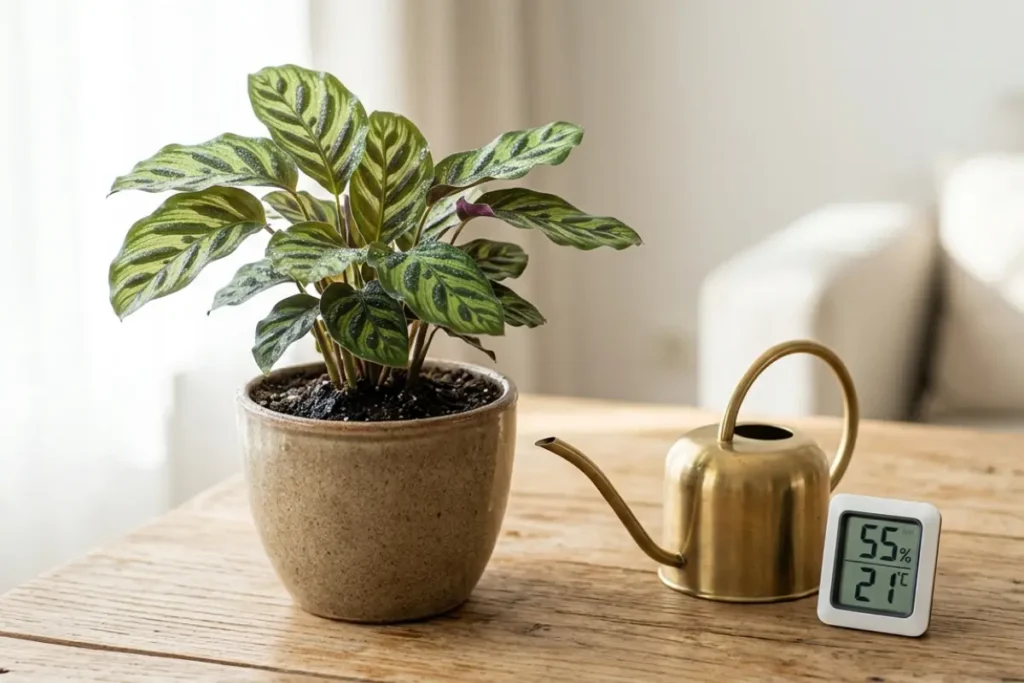
Arrowhead plants also appreciate moderate to high humidity, especially when indoor air becomes dry. If your home has low humidity, a room humidifier can help create a more comfortable environment.
Grouping several houseplants together may also help slightly increase local humidity. Avoid relying on frequent misting, as it provides only a temporary effect and does not replace proper watering or room humidity.
Use a Suitable Pot and Well-Draining Soil
Choosing the right pot is an important part of successful indoor arrowhead plant care. Select a container with drainage holes so excess water can escape instead of collecting around the roots. A pot that is too large for the root system may hold moisture for longer than necessary, increasing the risk of root problems.
Use a loose, well-draining houseplant potting mix that retains some moisture while allowing air to reach the roots. If your current soil stays soggy for several days, check whether it is too dense or the pot’s drainage is restricted. Healthy roots help the plant absorb water and nutrients, making it easier to maintain attractive leaves and steady growth.
Maintain Good Airflow and Keep the Leaves Clean
Good airflow helps maintain a healthier environment for your arrowhead plant. Place it where air can circulate naturally, but avoid strong drafts from fans, heaters, or air conditioners. You do not need a special ventilation system; simply avoid crowded, stagnant corners where the foliage stays damp for long periods.
Dust can also collect on indoor plant leaves, particularly in rooms with closed windows. Wipe the leaves gently with a soft, damp cloth whenever they look dusty. While cleaning, check for tiny pests, unusual marks, or damaged foliage.
Regular inspection makes it easier to notice changes early and deal with potential problems before they spread.
Follow a Simple Indoor Plant Maintenance Routine
You do not need to spend hours caring for your arrowhead plant every week. A quick inspection can help you decide what needs attention. Check the soil before watering, look for fresh growth, and remove dead or badly damaged leaves when necessary. During the growing season, observe whether the plant needs feeding or additional space for its roots.

Remember that indoor conditions vary from home to home, so avoid copying another plant owner’s exact schedule. Your plant’s pot size, soil type, light exposure, and room temperature all affect its needs.
By observing these factors and making small adjustments, you can keep your arrowhead plant healthy without overwatering, overfeeding, or making nnecessary changes to its environmen
How to Make an Arrowhead Plant Grow Faster
Many plant owners believe that adding more fertilizer is the quickest way to encourage faster growth, but that is not always true. An arrowhead plant grows best when its basic needs are met consistently.
If your Syngonium seems slow to produce new leaves, focus on its growing conditions before changing your care routine. The right balance of light, water, nutrients, and healthy roots can help your plant develop fuller foliage and stronger stems.
Provide Enough Light for Healthy Growth
Light is one of the biggest factors affecting arrowhead plant growth rate. Place your plant in a spot with bright, indirect sunlight so it receives enough energy to produce new leaves. If the stems become unusually long, the leaves grow smaller, or the plant leans toward a window, it may need more light.
Avoid moving your plant straight into intense direct sunlight, as this can scorch the foliage. Instead, make gradual changes and observe how the plant responds. If natural light is limited, a suitable grow light can help. Good lighting encourages steady growth and helps variegated varieties maintain their attractive leaf patterns.
Water According to Your Plant’s Needs
Inconsistent watering can slow growth and put unnecessary stress on your arrowhead plant. Let the top inch or two of soil dry slightly before watering again, then water thoroughly and allow excess moisture to drain away. Avoid keeping the soil constantly soggy, because waterlogged roots struggle to absorb oxygen.
Your plant may use more water during warm weather and active growth. During cooler months, it may need less. Instead of following a strict calendar, check the soil and consider how quickly it dries in your home. Consistent moisture without waterlogging supports healthy roots and helps new leaves develop.
Use Nutrient-Rich, Well-Draining Soil
Healthy roots give your arrowhead plant the foundation it needs to grow. Choose a loose potting mix that holds some moisture but drains well. A mix amended with perlite or fine orchid bark can improve airflow around the roots and reduce the risk of waterlogged soil.

If your plant has remained in the same potting mix for a long time, check whether the soil has become compacted or drains poorly. Fresh potting mix may help when the existing medium has deteriorated, but repotting is not necessary simply because growth seems slow.
First, rule out inadequate light, watering problems, and other common causes.
Fertilize During the Active Growing Season
Arrowhead plants can benefit from a balanced liquid houseplant fertilizer during spring and summer, when they are usually producing new growth. Follow the product label carefully and avoid applying more fertilizer than recommended.
Excess nutrients can accumulate in the soil and damage roots, potentially making growth worse instead of better.
If your plant is healthy but growing slowly during winter, it may simply be responding to shorter days and reduced light. Heavy feeding will not necessarily make it grow faster during this period. Adjust fertilizing to the plant’s actual growth rather than trying to force new leaves to appear.
Encourage Fuller Growth Through Pruning
If your arrowhead plant has long, sparse vines, careful pruning can help you maintain a fuller shape. Use clean scissors to trim selected stems just above a leaf node. This may encourage new shoots to develop from remaining nodes, depending on the plant’s condition and growth stage.
You can also remove dead or damaged leaves so the plant looks tidier. Avoid cutting off too much healthy foliage at once, especially if your plant is already stressed. If you prefer a climbing appearance, provide suitable support instead of repeatedly trimming every long stem.
Check the Roots and Repot Only When Necessary
A root-bound plant may struggle to take up water efficiently, particularly when its roots have filled most of the container. Check for roots emerging from drainage holes, a tightly packed root ball, or soil that dries unusually quickly. These signs may suggest that repotting could help.

Choose a pot only one size larger and use fresh, well-draining soil. However, do not automatically repot a slow-growing plant. A container that is too large can retain excess moisture, and disturbing healthy roots unnecessarily may set the plant back. Make changes only when the plant shows signs that it needs them.
Give Your Plant Time to Produce New Leaves
Even with excellent care, an arrowhead plant will not produce new leaves every day. Growth depends on the plant’s age, variety, season, light exposure, and overall health.
Young plants may establish their roots before showing noticeable new growth, while mature plants may grow more actively during warmer, brighter months.
Look for gradual changes, such as a new leaf emerging, healthy stem development, or fuller foliage. If your plant is not growing, review its light, soil moisture, temperature, and root condition before making several changes at once.
With consistent care and a little patience, your arrowhead plant can develop healthy new growth without unnecessary fertilizer or frequent repotting.
Frequently Asked Questions About Arrowhead Plant Care
Many people believe that arrowhead plants are difficult to maintain because they are tropical plants, but they can grow well indoors with a few simple care habits. These frequently asked questions cover common concerns about watering, sunlight, propagation, and other aspects of Arrowhead Plant Care.
How Often Should You Water an Arrowhead Plant?
Water your arrowhead plant when the top inch or two of soil feels dry. The exact timing depends on the temperature, light, humidity, pot size, and soil type. During warmer months, you may need to water more frequently, while cooler conditions usually slow soil drying. Always use a pot with drainage holes and avoid leaving the roots sitting in water.
Does an Arrowhead Plant Need Direct Sunlight?
No, an arrowhead plant generally grows best in bright, indirect light. Strong direct sunlight can scorch its leaves and cause brown patches. Place your plant near a bright window where sunlight is filtered by a sheer curtain or where the plant receives plenty of reflected light. Some varieties tolerate lower light, but growth may become slower.
What Is the Best Soil for an Arrowhead Plant?
The best soil for an arrowhead plant is a loose, well-draining potting mix that retains some moisture without becoming waterlogged. A good-quality indoor potting mix combined with perlite or fine orchid bark can improve drainage and airflow around the roots. Avoid heavy garden soil because it may compact inside the pot and increase the risk of root problems.
How Do You Propagate an Arrowhead Plant in Water?
To propagate an arrowhead plant in water, take a healthy stem cutting that includes at least one node. Remove any leaves that would sit underwater, then place the node in a clean container filled with fresh water.
Keep the cutting in bright, indirect light and change the water regularly. Once the roots have developed enough to support the cutting, transfer it into a suitable potting mix and keep the soil lightly moist while it adjusts.
Why Are My Arrowhead Plant Leaves Turning Yellow?
Yellow leaves can develop for several reasons, including overwatering, poor drainage, insufficient light, or natural leaf aging. If several leaves turn yellow and the soil remains wet for a long time, check the roots for signs of rot.
If only an older leaf turns yellow occasionally while the rest of the plant looks healthy, it may simply be part of the plant’s normal growth cycle. Check the growing conditions before changing your entire care routine.
How Can I Fix Brown Leaves on an Arrowhead Plant?
Brown leaf tips or edges may result from low humidity, inconsistent watering, fertilizer buildup, or excessive direct sunlight. Check the soil moisture first and move the plant away from harsh sunlight if necessary.
If dry indoor air is contributing to the problem, a room humidifier may help. Trim damaged leaf edges with clean scissors, but remember that existing brown tissue will not turn green again.
How Can I Make My Arrowhead Plant Grow Faster?
To encourage faster growth, provide bright, indirect light, suitable watering, well-draining soil, and balanced fertilizer during the active growing season. Check whether the roots have enough room and look for signs of pests or other stress.
Avoid overfertilizing or watering too frequently in an attempt to speed things up. Consistent conditions are usually more helpful than making frequent changes.
Is an Arrowhead Plant Good for Beginners?
Yes, an arrowhead plant can be a good choice for beginners because it adapts well to many indoor environments and does not require complicated maintenance.
Beginners should focus on checking soil moisture, providing suitable indirect light, and using a pot with drainage holes. Learning these basic Syngonium plant care practices can help prevent common problems and encourage healthy foliage.
Can an Arrowhead Plant Grow in Low Light?
An arrowhead plant can tolerate lower-light conditions, but it usually grows more slowly when light is limited. You may notice smaller leaves, longer stems, or less vibrant variegation.
A brighter spot with indirect sunlight is generally better for healthy growth. If your home has very little natural light, consider using a grow light to support the plant.
What Is the Best Fertilizer for an Arrowhead Plant?
A balanced liquid houseplant fertilizer is generally suitable for an arrowhead plant during spring and summer. Follow the product instructions and avoid applying fertilizer to very dry soil or using more than recommended.
Reduce or pause feeding when growth slows during cooler months. If the plant is struggling, check its light, watering, and root health before assuming it needs extra nutrients.
Conclusion:
Successful Arrowhead Plant Care does not require a complicated routine or expensive gardening products. The key is to understand what your plant needs and provide consistent care.
Give it bright, indirect light, water when the top layer of soil begins to dry, and use a well-draining potting mix to support healthy roots. Suitable temperatures, occasional feeding during active growth, and regular checks for pests can also help your arrowhead plant thrive indoors.
Remember that every arrowhead plant grows at its own pace. Some varieties produce new leaves quickly, while others take longer depending on their environment and growing season.
If you notice yellow leaves, brown tips, or slow growth, check the plant’s growing conditions before making major changes. Small adjustments can often solve common problems.
Whether you grow a classic green Syngonium, a pink variety, or a beautiful variegated type, the right care can keep your plant looking fresh and attractive. Follow these practical Syngonium plant care tips, be patient with new growth, and enjoy watching your arrowhead plant develop over time.

Plant Nest Blog’s author is passionate about plants, gardening, and sustainable living. Through research and practical experience, they share helpful plant care tips, gardening guides, and easy solutions to help readers grow healthier plants and create greener spaces.