
Many people believe that trees are the fastest-growing plants because they can reach impressive heights in a short time. However, some plants grow much faster than ordinary trees.
The fastest growing plant in world is widely associated with bamboo, as certain species can grow several inches in a single day under ideal conditions. This remarkable growth makes bamboo one of nature’s most fascinating plants.

So, what makes these plants grow so quickly? In this guide, we’ll explore the world’s fastest-growing plant, discover what makes bamboo special, and look at the factors that influence plant growth. You’ll also learn about other fast-growing plant species and how their growth compares with bamboo.
What Is the Fastest Growing Plant in the World?
Many people assume that trees are the fastest-growing plants because they can reach impressive heights. However, certain bamboo species grow much faster than many common trees, making bamboo one of the most remarkable examples of rapid plant growth.
Bamboo Is One of the Fastest-Growing Plants on Earth
Bamboo is widely recognized as one of the fastest-growing plants in the world. Some species can grow several inches in a single day under ideal conditions. Since bamboo belongs to the grass family, its growth pattern differs from that of ordinary trees, allowing new shoots to extend rapidly during the growing season.
Why Does Bamboo Grow So Quickly?
Bamboo grows quickly because of its unique growth pattern and underground rhizome system, which produces new shoots. Warm temperatures, adequate water, sunlight, and healthy soil can support rapid development.
However, growth rates vary between species, so not every bamboo plant reaches the same height or grows at the same speed.
How Fast Does the Fastest Growing Plant Grow?
Many people think every bamboo plant grows at the same incredible speed, but that is not true. The growth rate depends on the species, climate, water supply, and other growing conditions.
Certain bamboo species can grow around 35 inches (nearly 90 centimeters) in a single day under ideal conditions, making them famous for their extraordinary growth.
How Many Inches Can Bamboo Grow in One Day?
Some exceptionally fast-growing bamboo species can grow more than a foot in a day, with reported maximum rates reaching approximately 35 inches. However, this is an exceptional rate, not the normal daily growth of every bamboo plant.
Young shoots usually grow most rapidly during their active growing season, while cooler temperatures or limited water can slow their development.
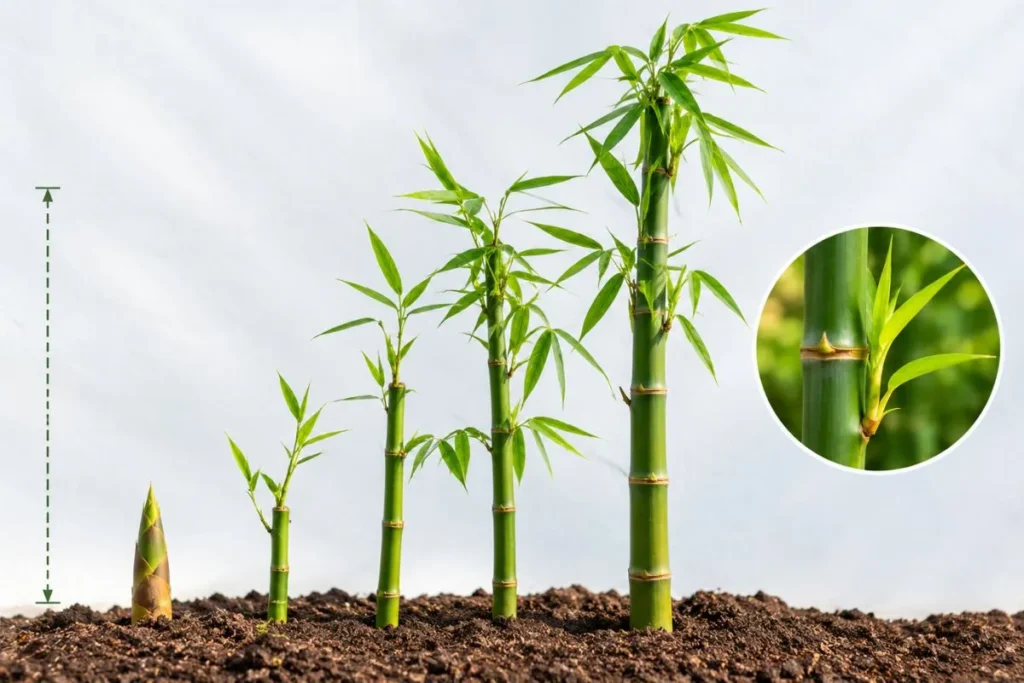
The bamboo growth rate also varies throughout the growing period. A shoot may grow rapidly for a time and then slow down as conditions change. This is why the fastest growing plant in world is best understood by looking at its potential growth under suitable conditions rather than expecting the same result in every garden.
What Factors Affect Bamboo Growth Speed?
Several environmental factors influence how quickly bamboo grows. Warm temperatures, adequate moisture, healthy soil, and suitable sunlight can help a bamboo plant reach its growth potential.
Water is particularly important because growing shoots need a steady supply of moisture. Nutrient-rich, well-drained soil supports healthy development, while extreme cold, drought, or waterlogged roots can restrict growth. The bamboo species itself also matters, as some varieties naturally grow much faster than others.
How Does Bamboo Growth Compare With Other Plants?
Bamboo stands out because some species can increase their height dramatically in a short period. However, other plants also have impressive growth rates. Sunflowers can grow quickly in warm weather, radishes develop harvestable roots in a relatively short time, and duckweed can multiply rapidly under favorable aquatic conditions.
These plants demonstrate that rapid plant development can take different forms. Some plants grow quickly in height, while others spread across an area or produce new leaves and shoots. Therefore, comparing plant growth speed requires looking at what is growing and how that growth is measured.
Why Is Bamboo Considered the Fastest Growing Plant?
Not every bamboo species grows at a record-breaking rate, and bamboo is not automatically the fastest-growing plant under every condition. Still, certain species are famous for their extraordinary shoot growth.
Their growth pattern, underground rhizomes, and ability to take advantage of favorable weather help explain why bamboo is often associated with the fastest growing plant in world.
Bamboo Has a Unique Growth Pattern
Unlike many trees, which gradually develop new branches and expand their trunks over the years, bamboo can produce shoots that grow rapidly upward during the growing season. These shoots emerge from underground rhizomes and extend as the plant develops.
This growth pattern allows certain bamboo species to gain height quickly. Once a new shoot begins growing, it can extend rapidly when it has access to enough water, warmth, and nutrients. This is one reason bamboo is often described as a plant with extraordinary growth.
Underground Rhizomes Help Bamboo Spread
Bamboo has underground stems called rhizomes. These structures produce roots and new shoots, helping the plant expand over time. Depending on the species, rhizomes may grow close together in clumps or spread outward through the soil.
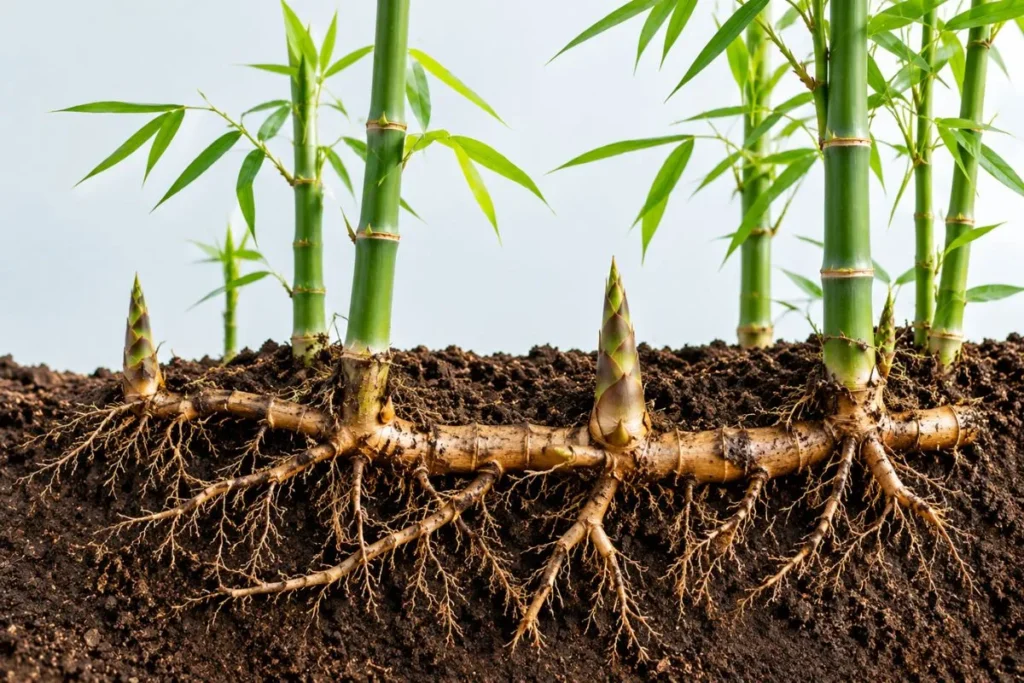
This underground system supports the development of new bamboo shoots and helps established plants spread. However, running bamboo can become invasive if it grows beyond its intended area. Choosing the right species and managing its spread are important when growing bamboo in a garden.
Growing Conditions Make a Big Difference
Even the fastest-growing bamboo species needs suitable conditions to reach its full potential. Warm weather, consistent moisture, adequate nutrients, and healthy soil all support active growth. The right balance of these factors can make a noticeable difference in how quickly new shoots develop.
Poor growing conditions can slow the process. Drought may limit shoot development, cold weather can reduce growth, and poorly drained soil may damage roots. For anyone interested in bamboo cultivation, understanding these requirements is more useful than expecting every plant to achieve a record growth rate.
Why Bamboo Grows Faster Than Many Other Plants
Some bamboo species combine rapid shoot elongation with a growth structure that supports the development of tall, woody stems. This allows them to gain height much faster than many familiar garden plants during active growth.
However, bamboo does not grow faster than every plant in every respect. Duckweed, for example, can multiply rapidly across water, while other plants may spread or produce new leaves quickly. Bamboo’s reputation comes mainly from the remarkable speed at which certain species increase in height.
Which Bamboo Species Grows the Fastest?
Not all bamboo species grow at the same speed, so choosing the right variety matters. Some types are famous for their rapid height growth, while others are better suited to small gardens or cooler climates. If you’re curious about the fastest growing bamboo, it’s important to consider the species, local weather, and available growing space before deciding which one is best.
Which Bamboo Species Grows the Fastest?
Certain species of giant bamboo are known for exceptional growth rates. Dendrocalamus asper and Phyllostachys edulis (often called Moso bamboo) are well-known examples of large bamboo species, although their growth rates vary depending on climate and growing conditions.
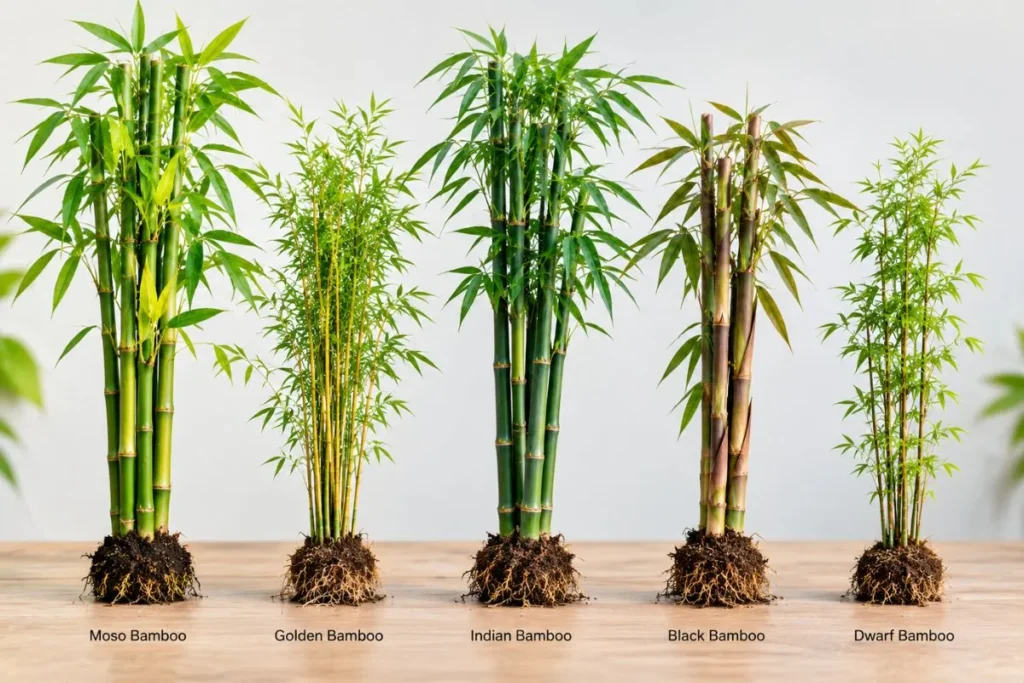
Moso bamboo is particularly notable for its tall, woody stems and importance in bamboo cultivation. In suitable conditions, young shoots can grow rapidly during the growing season. However, no single bamboo species will always grow fastest in every location because temperature, rainfall, soil quality, and plant age all influence growth.
Giant Bamboo and Its Impressive Growth
Giant bamboo varieties can develop tall stems and thick canes, making them impressive examples of fast-growing woody plants. Some tropical species thrive in warm, humid environments where moisture and nutrients are readily available.
Their size makes them useful for landscaping and certain practical applications, but giant bamboo is not suitable for every garden. Before planting it, consider the mature height, root spread, local climate, and amount of space available. A large species may grow well in a tropical garden but struggle in a colder region.
Clumping Bamboo vs. Running Bamboo
Bamboo species generally fall into two main growth types: clumping and running bamboo. Understanding the difference can help you choose a variety that fits your garden.
Clumping bamboo grows from rhizomes that generally remain close to the existing plant. This makes many clumping varieties easier to manage in smaller spaces, although they still need room to expand.
Running bamboo produces rhizomes that can travel farther underground and send up shoots away from the original plant. Some running varieties grow vigorously and can spread into lawns or neighboring areas if left unmanaged.
Neither type is automatically the fastest in every situation. Their growth depends on the species and environment, so check the plant’s mature size and spreading behavior before purchasing it.
How to Choose the Right Fast-Growing Bamboo
If you want to grow bamboo at home, focus on more than speed. Choose a species that suits your climate, soil, and available space. Tropical giant bamboo may be a good option in a warm region with plenty of room, while a compact clumping variety may work better in a smaller garden.
Also, check whether the bamboo is suitable for growing in containers or directly in the ground. Give it adequate water during active growth, use well-drained soil, and monitor its spread. The right choice will help you enjoy bamboo’s impressive growth without creating unnecessary maintenance problems.
Quick takeaway: Bamboo is among the world’s most remarkable fast-growing plants, but the best variety depends on your growing conditions. A suitable species with enough space and proper care will usually be a better choice than selecting a plant based on growth speed alone.
Frequently Asked Questions About the Fastest Growing Plant in World
What Is the Fastest Growing Plant in the World?
Bamboo is widely recognized as one of the fastest-growing plants in the world. Certain species can grow several inches in a single day under ideal conditions. Their growth speed depends on the species, climate, water supply, and soil quality.
Which Plant Grows the Fastest in the World?
Some bamboo species are famous for their extraordinary height growth. However, other plants, such as duckweed, can multiply rapidly under suitable conditions. The answer depends on whether you measure height, spread, or overall growth.
How Fast Does the Fastest Growing Plant Grow?
Certain bamboo species can grow around 35 inches in a day under exceptional conditions. This is a reported maximum rather than a typical growth rate. Most bamboo plants grow more slowly, depending on their variety and environment.
How Many Inches Can Bamboo Grow in One Day?
Some exceptionally fast-growing bamboo species can grow approximately 35 inches in one day under ideal conditions. Actual growth varies with temperature, moisture, nutrients, and the species being grown.
Why Is Bamboo Considered the Fastest Growing Plant?
Bamboo is known for its rapid shoot development. Its underground rhizomes produce new shoots, which can extend quickly during the growing season. Suitable warmth, water, and nutrients help support this remarkable growth.
Which Bamboo Species Grows the Fastest?
Several giant bamboo species are known for rapid growth, including Dendrocalamus asper and Phyllostachys edulis. However, growth rates depend on local conditions, so there is no single variety that grows fastest everywhere.
What Is the Fastest Growing Plant on Earth?
Bamboo is one of the best-known examples because certain species can gain height exceptionally quickly. Other plants may grow or reproduce faster when measured differently, so the answer depends on the type of growth being compared.
What Are the Fastest Growing Plants for a Home Garden?
Radishes, leafy greens, sunflowers, and some herbs are good options for gardeners who want quick results. Choose plants that suit your local climate, sunlight, soil, and available space. Their growth rates will vary depending on growing conditions.
What Makes Bamboo Grow Faster Than Other Plants?
Bamboo has a distinctive growth pattern that allows new shoots to extend rapidly. Its growth potential also depends on genetics, warmth, moisture, soil conditions, and nutrients. Providing suitable growing conditions helps bamboo develop healthily.
Conclusion:
The fastest growing plant in world is a fascinating topic, and bamboo stands out because certain species can grow at an extraordinary speed. Its rapid shoot development, underground rhizomes, and ability to thrive in suitable conditions make it one of nature’s most remarkable plants.
However, growth rates vary depending on the species, climate, water, and soil quality.
If you want to grow fast-growing plants in your own garden, choose varieties that suit your space and local environment. Bamboo can be an excellent option when you select the right species and manage its spread properly.
Understanding how different plants grow will help you make better gardening choices and enjoy healthier, more productive plants.

Plant Nest Blog’s author is passionate about plants, gardening, and sustainable living. Through research and practical experience, they share helpful plant care tips, gardening guides, and easy solutions to help readers grow healthier plants and create greener spaces.