
Many people assume that growing herbs from seeds is difficult and takes too much time, but it can be simple with the right approach. Learning how to plant herbs from seeds helps you grow fresh, flavorful herbs at home without spending much money.
Whether you want basil, parsley, cilantro, or dill, starting with seeds gives you plenty of choices for your indoor or outdoor herb garden.
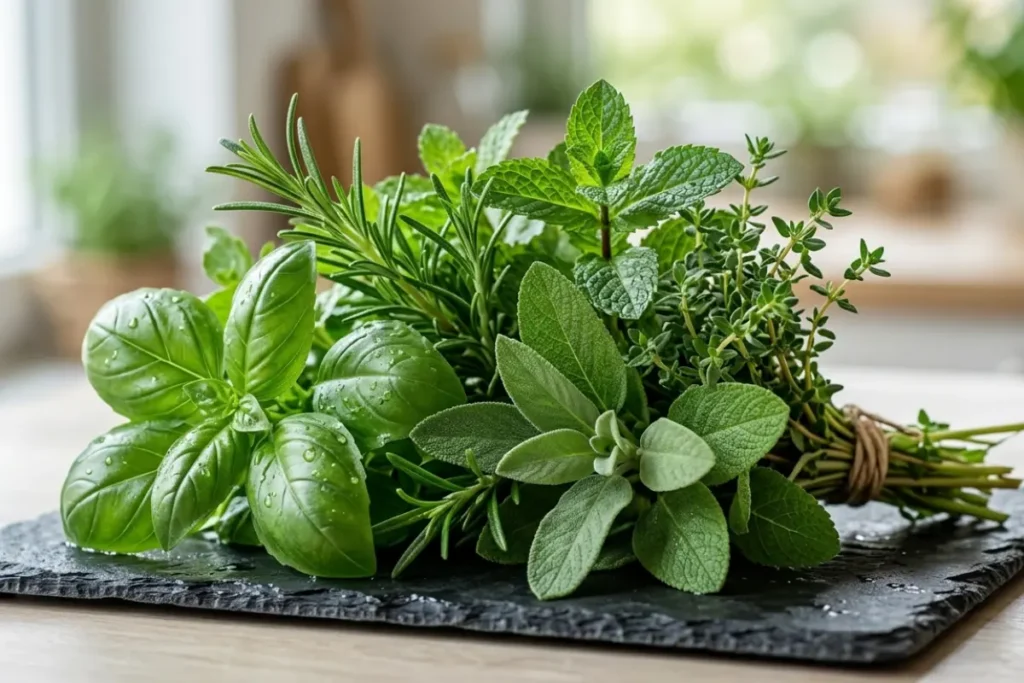
To get healthy herb plants, choose quality seeds, use well-draining soil, and provide the right amount of water, warmth, and light. Some herbs sprout quickly, while others need more patience, so check each variety’s growing requirements.
With a little care and consistency, even beginners can grow herbs from seeds and enjoy fresh leaves for cooking.
Why Grow Herbs From Seeds Instead of Buying Plants?
Benefits of Growing Herbs From Seeds
Buying mature herb plants may seem easier, but growing herbs from seeds offers several advantages. Seeds usually cost less than established plants, making them a budget-friendly choice if you want to grow several varieties.
You can also choose from a wider range of herbs instead of relying on whatever plants your local nursery has available.
Another benefit is that you can control how your herbs grow from the beginning. You choose the growing medium, watering routine, and planting location, which helps you understand what each plant needs.
Growing herbs from seeds can also be a rewarding way to learn gardening skills while producing fresh ingredients for your kitchen.
Is Growing Herbs From Seeds Cheaper Than Buying Plants?
Yes, growing herbs from seeds is often cheaper than buying individual plants, especially if you want a garden with several varieties. A single packet may contain enough seeds for multiple planting attempts, while buying separate nursery plants can cost more.
You can start with a few seeds and gradually expand your herb garden as you gain confidence.
However, seeds require time, attention, and suitable growing conditions before they produce usable leaves. Some varieties also germinate slowly or unevenly, so not every seed will necessarily become a healthy plant.
If you need fresh herbs immediately, buying established plants may be more convenient. If you enjoy growing your own food and want to save money over time, starting herbs from seeds is a practical option.
Which Herbs Are plant-herbs?
If you’re new to gardening, start with herbs that germinate reasonably well and don’t require complicated care. Basil, dill, and chives are useful choices for beginners. They can grow successfully when you provide suitable soil, enough light, and consistent moisture.
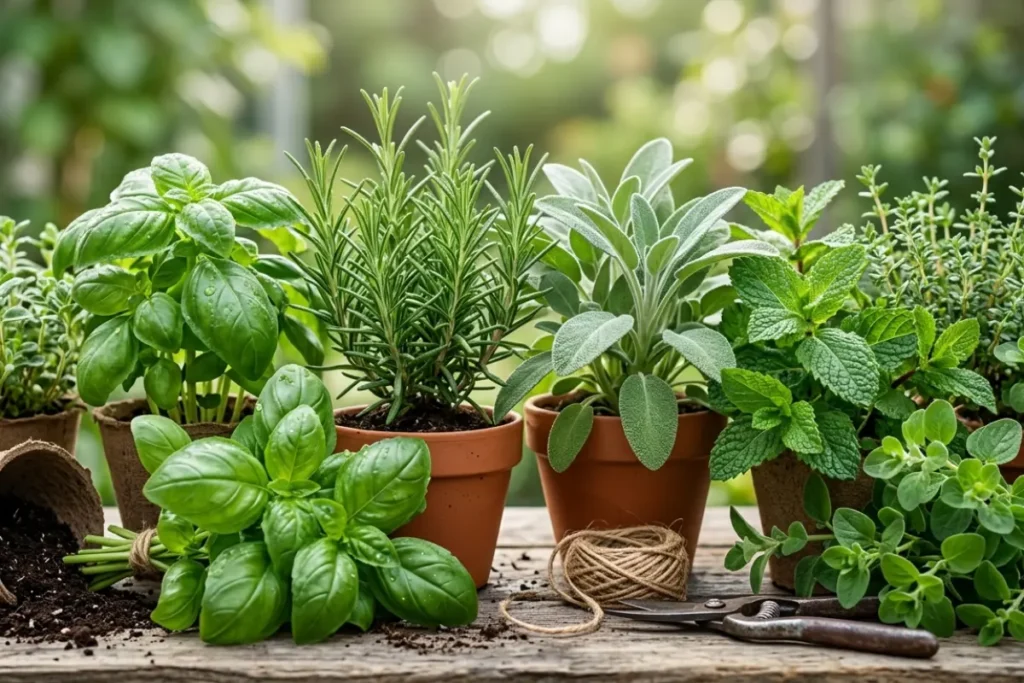
Cilantro is another popular option, especially if you enjoy using fresh leaves in meals. Parsley is also worth growing, although its seeds can take longer to sprout, so patience is important.
Choose herbs that you regularly use in cooking, and check whether their preferred temperature and sunlight conditions suit your growing space. Starting with two or three easy herbs makes it easier to learn the basics without feeling overwhelmed.
Growing Herbs From Seeds Indoors vs. Outdoors
Growing herbs indoors gives you greater control over their environment. You can start seeds on a sunny windowsill, use small pots, and protect young seedlings from heavy rain or sudden temperature changes.
Indoor herb gardening is especially useful when outdoor space is limited, although some plants may need grow lights if natural sunlight is insufficient.
Outdoor herb gardening provides access to natural sunlight and fresh air, and you can sow seeds directly into garden beds or containers. However, outdoor seeds are more exposed to changing weather, pests, and drying soil.
The best option depends on your climate, available space, and the herbs you want to grow. You can also combine both methods by starting seeds indoors and moving suitable seedlings outside when conditions are right.
Can You Grow Fresh Herbs From Seeds All Year Round?
You can grow many herbs from seeds throughout the year, but success depends on the variety and growing conditions. Indoors, herbs such as basil and chives can be started during different seasons if you provide enough light, suitable temperatures, and proper watering.
A warm indoor space can help you continue growing herbs even when outdoor conditions aren’t ideal.

Outdoor planting is more seasonal because soil temperature, frost, heat, and rainfall affect seed germination. Warm-season herbs generally need warmer conditions, while some herbs tolerate cooler weather better.
For a reliable supply of fresh herbs, check the recommended planting time for each variety and sow small batches at suitable intervals. This approach can help you enjoy fresh leaves over a longer period without planting everything at once.
What Herbs Are Easiest to Grow From Seeds?
Many beginners believe that all herbs are difficult to grow from seeds, especially if they’ve never started a garden before. In reality, several herbs grow well with basic care and don’t require expensive equipment or advanced gardening skills.
Choosing easy herbs to grow from seeds can help you build confidence, enjoy fresh ingredients, and learn which growing conditions work best in your home garden.
Basil: An Easy Herb for Warm, Sunny Conditions
Basil is one of the best herbs for beginners because its seeds often germinate quickly when they receive enough warmth and moisture. This popular culinary herb grows well in containers, raised beds, and sunny garden spaces. Its fragrant leaves are perfect for pasta, salads, sauces, and homemade pesto.
To grow basil from seeds, use a light, well-draining growing mix and sow the seeds according to the packet instructions. Keep the soil consistently moist while the seeds germinate, but avoid soaking it. Basil prefers warm conditions and plenty of sunlight once the seedlings emerge.
Protect young plants from cold temperatures because chilly weather can slow their growth.
As your basil plant develops, pinch off the growing tips when it has enough healthy leaves. This encourages branching and helps create a fuller plant. If you want a reliable herb for a sunny windowsill or outdoor container, basil is an excellent place to start.
Cilantro: A Quick-Growing Herb for Fresh Leaves
Cilantro, also called coriander when referring to its seeds, is a useful herb for anyone who enjoys fresh, flavorful leaves in cooking. It works well in salsa, curries, salads, and many other dishes. Although cilantro can be easy to grow from seeds, it prefers cooler conditions and may produce flowers quickly when the weather becomes too hot.
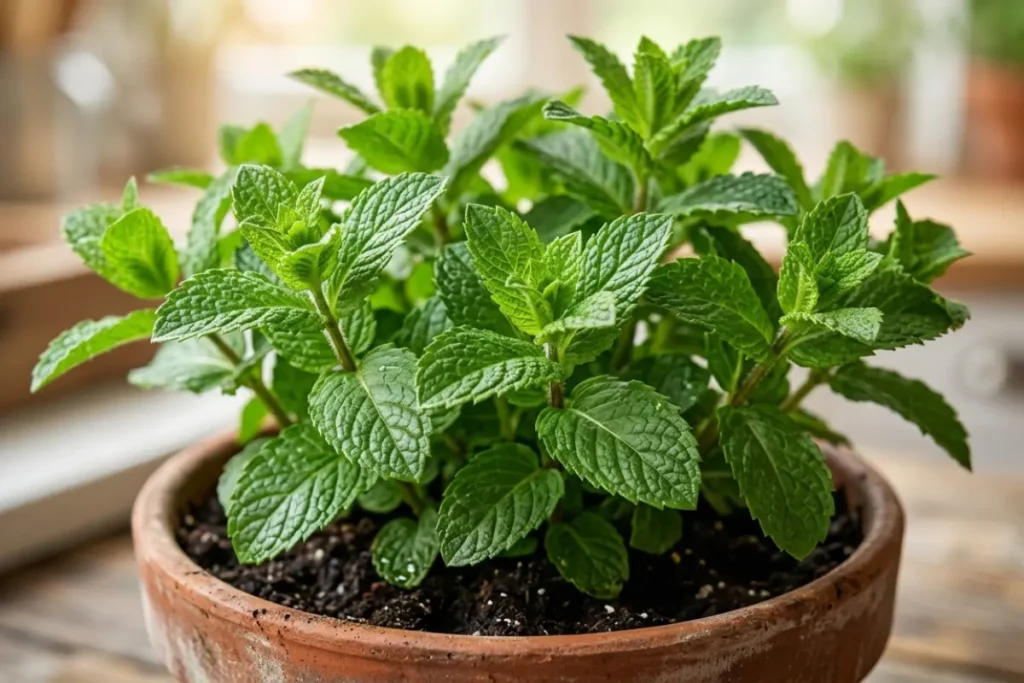
Sow cilantro seeds directly into a garden bed or a container with good drainage. Choose a location that receives sunlight but offers some afternoon shade in warmer climates. Keep the soil evenly moist while the seeds germinate, and avoid disturbing the seedlings as they establish their roots.
Cilantro has a relatively short growing cycle, so planting small batches every few weeks during suitable weather can help provide a more continuous supply of leaves.
Give the plants enough room to develop, and harvest the outer leaves once they’re large enough to use. If your cilantro begins flowering, you can allow the seeds to mature and collect coriander seeds for cooking or future planting.
Dill: A Beginner-Friendly Herb That Grows Quickly
Dill is another excellent choice for growing herbs from seeds at home. Its delicate, feathery leaves have a distinctive flavor that works well with fish, potatoes, salads, and pickles. Dill can grow relatively quickly under suitable conditions, making it a rewarding option for new gardeners.
Plant dill seeds in a sunny location with loose, well-draining soil. Because dill develops a long taproot, sowing the seeds directly into their final container or garden location is often easier than transplanting older seedlings.If you’re using a pot, choose one deep enough to accommodate the roots as the plant grows.
Water the soil regularly while the seedlings establish themselves, but don’t keep the roots constantly waterlogged. Dill generally needs plenty of sunlight to develop sturdy growth.
Since mature plants can become tall, select a spot where they won’t shade smaller herbs. You can harvest the leaves when the plant has developed enough foliage, leaving sufficient growth for continued development.
Chives: A Useful Herb for Small Gardens
Chives are a practical herb for beginners who want fresh flavor without needing a large garden. Their thin green leaves have a mild onion-like taste that works well in soups, eggs, salads, potatoes, and dips. Chives can grow in garden beds or containers, making them suitable for balconies and sunny windowsills.

To grow chives from seeds, sow them in a suitable seed-starting mix and keep the soil lightly moist during germination. Once the seedlings appear, provide plenty of light to encourage strong, upright leaves.
Avoid overcrowding the plants because too many seedlings competing in a small space can limit healthy growth.
Chives usually take longer to develop into substantial clumps than fast-growing annual herbs such as dill. Give them time to establish themselves before harvesting heavily. Once the plants have grown enough, snip a few leaves near the base with clean scissors, leaving plenty of foliage for continued growth.
Parsley: A Popular Herb That Needs Patience to Germinate
Parsley is a versatile herb used in soups, salads, sauces, and garnishes. It grows well in containers and garden beds, but its seeds can take longer to germinate than those of some other beginner-friendly herbs. Don’t assume the seeds have failed just because they haven’t sprouted after a few days.
Sow parsley seeds in moist, well-draining soil and follow the recommended planting depth on the seed packet. Keep the growing medium evenly moist while waiting for germination.
Avoid letting the soil dry out completely, but don’t overwater it either. Parsley can grow in full sun or partial shade, depending on your climate, and may benefit from some afternoon shade in hotter areas.
Once the seedlings develop their true leaves, thin them if they are crowded so each plant has enough room to grow. Parsley grows at a steady pace after establishment, and regular harvesting of the outer leaves can encourage continued production.
It’s a good choice if you want a useful kitchen herb and don’t mind waiting a little longer for the seeds to sprout.
Thyme and Oregano: Herbs for Sunny, Well-Drained Soil
Thyme and oregano are popular herbs for seasoning roasted vegetables, soups, sauces, and other meals. Both can be grown from seeds, although their tiny seeds and slower early growth may require a little extra attention. They are especially suitable for gardeners who can provide plenty of light and soil that drains well.

When planting thyme or oregano seeds, use a fine seed-starting mix and avoid burying the seeds too deeply. Some varieties germinate better when their seeds receive light, so check the instructions on the packet.
Water gently to prevent the tiny seeds from washing away, and keep the soil lightly moist until the seedlings appear.
After germination, give the young plants plenty of light to prevent weak, stretched growth. As thyme and oregano mature, avoid keeping their growing medium constantly wet. They generally prefer well-drained soil and can struggle if their roots remain waterlogged.
These herbs may take time to establish, but they can become useful long-term additions to a home herb garden.
What You Need to Start Growing Herbs From Seeds
Many beginners believe that growing herbs from seeds requires expensive gardening equipment, but that’s not true. You can start a healthy herb garden with a few basic supplies, including quality herb seeds, suitable soil, and containers with good drainage.
Choosing the right materials from the beginning helps seeds germinate successfully and gives young herb seedlings a better chance to develop strong roots.
Choosing Quality Herb Seeds
Good-quality seeds are the foundation of a successful herb garden. When buying herb seeds, check the packet for the variety name, sowing instructions, and expiration or packing date.
Fresh seeds from a reliable supplier generally offer better germination potential, although the results also depend on storage and growing conditions.
Choose varieties that suit your climate and available space. For example, basil grows best in warm conditions, while cilantro generally prefers cooler weather.
If you’re growing herbs indoors, look for varieties that can adapt to containers and the amount of sunlight you can provide. Beginners can start with basil, dill, parsley, or chives and add more varieties as they gain experience.
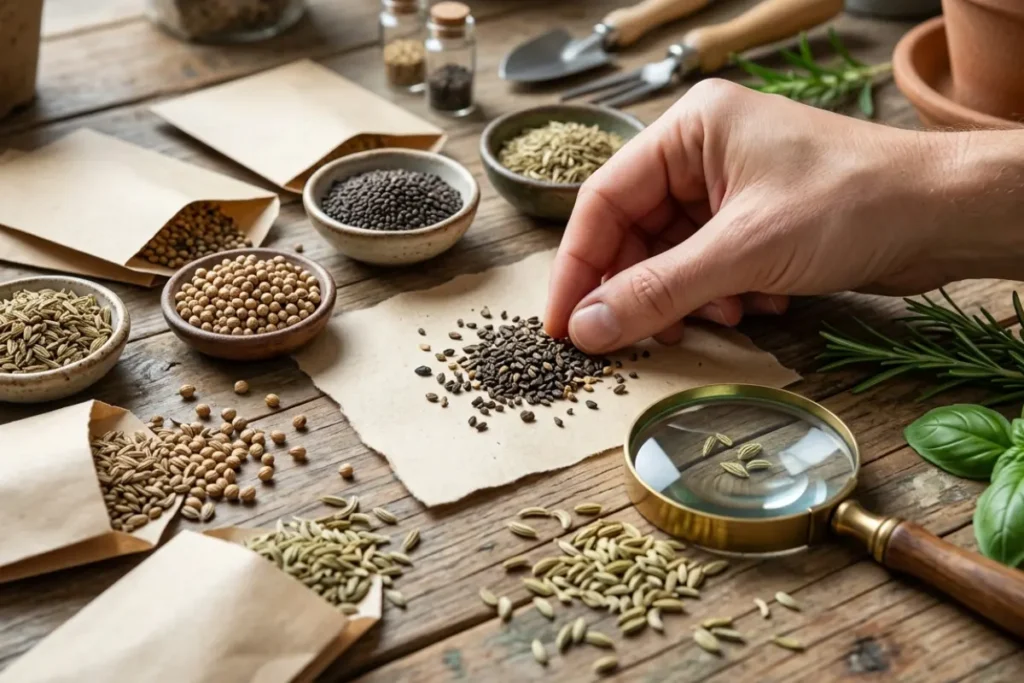
Store unused seeds in a cool, dry place away from direct sunlight and moisture. Proper storage helps protect their viability, so you can use the remaining seeds for future planting.
Selecting the Best Soil for Herb Seeds
The best soil for herb seeds should be light, fine-textured, and able to hold enough moisture without becoming waterlogged. Heavy garden soil can compact inside small pots or seed trays, making it harder for delicate roots to grow. It may also drain poorly, increasing the risk of seed rot and fungal problems.
A quality seed-starting mix is a practical choice for starting herbs indoors. These mixes are designed to provide a suitable environment for germination and early root development. Choose a clean, well-draining mix that retains some moisture but allows excess water to escape.
Avoid using dense soil straight from the garden, especially in small containers. Once your seedlings grow larger, you can move them into a suitable potting mix or prepared garden soil, depending on where you plan to grow them.
Remember that different herbs have different soil preferences, so adjust the growing medium as your plants mature.
Choosing Seed Trays, Small Pots, or Containers
You don’t need large pots to begin growing herbs from seeds. Seed trays, small nursery pots, and recycled containers can all work if they are clean and provide proper drainage. Seed trays are useful when you want to start several herb varieties at once, while individual pots make it easier to separate seedlings as they grow.
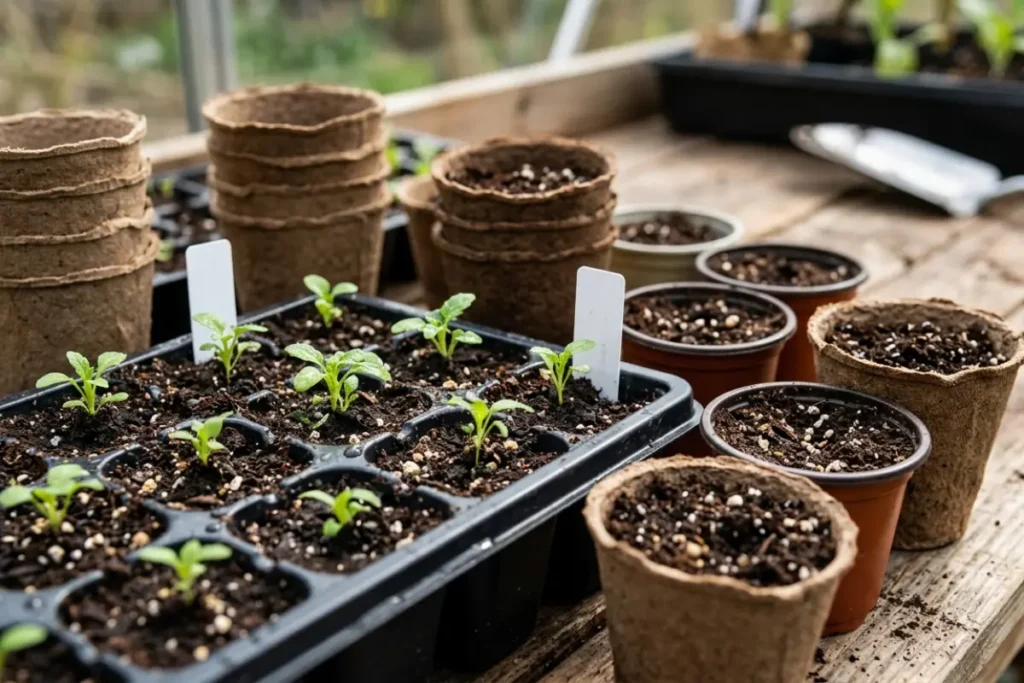
Small containers also help you organize your indoor herb garden without taking up much space. If you reuse containers, wash them thoroughly before planting and make sure water can drain from the bottom. Containers without drainage holes can trap excess moisture and increase the chance of root problems.
Consider how quickly each herb grows and how large it may become. Small containers are suitable for germination, but some seedlings will need larger pots as their roots develop. Starting with the right container makes watering and transplanting easier later.
Why Drainage Holes Matter for Growing Herbs
Drainage holes allow excess water to escape instead of collecting around the roots. Although herb seeds need consistent moisture to germinate, overly wet soil can reduce the amount of oxygen available to developing roots. This may lead to rotting seeds, weak seedlings, or fungal growth.
Before planting, check that every pot or container has working drainage holes. Place containers on a tray to catch excess water, but empty the tray when necessary so the pots don’t remain in standing water. Water gently to keep the growing medium moist without soaking it.
If you’re growing herbs in decorative pots without drainage, use a smaller nursery pot with holes inside the outer container. Remove it for watering and allow excess water to drain before putting it back. This simple method helps you maintain moisture while reducing the risk of waterlogged soil.
Do You Need Special Equipment to Grow Herbs From Seeds?
No, special equipment isn’t necessary for most home herb gardens. You can successfully start many herbs using ordinary pots, a suitable seed-starting mix, quality seeds, and a gentle watering method.
A bright windowsill may provide enough natural light for some varieties, depending on its direction and the amount of sunlight it receives.
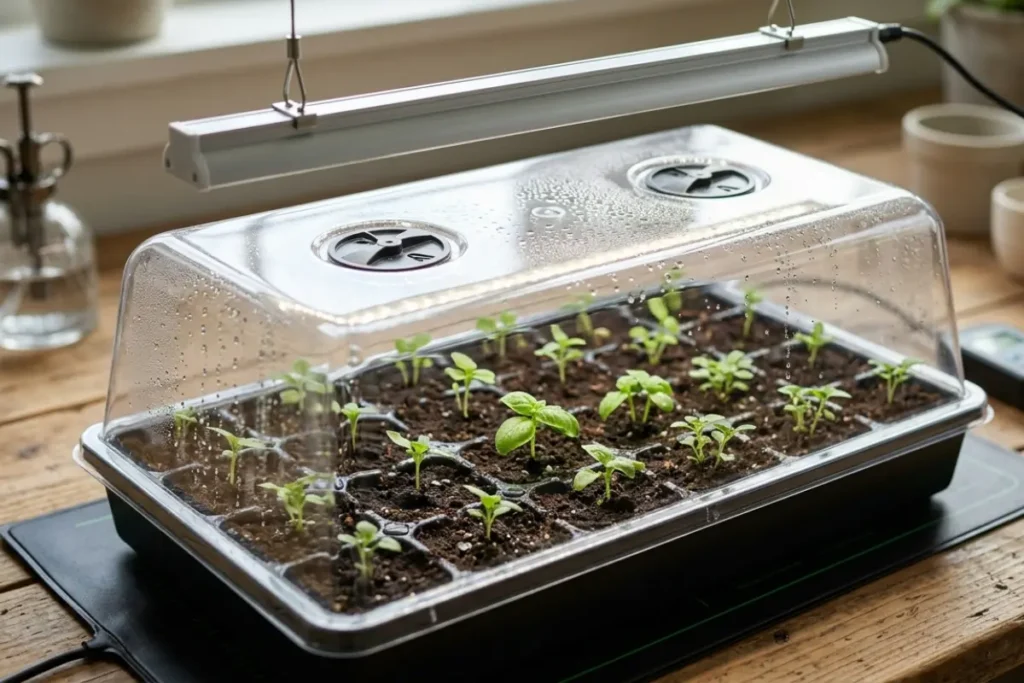
However, certain tools can make the process more reliable. Grow lights are helpful when indoor light is limited, while a heat mat may support germination for warmth-loving herbs in a cool room. These items are optional rather than essential for every gardener.
Focus first on creating the right growing conditions. Keep the soil appropriately moist, follow the seed packet’s planting instructions, and provide suitable light and temperature.
Once you understand your herbs’ needs, you can decide whether additional equipment would make your gardening routine easier.
Frequently Asked Questions About Planting Herbs From Seeds
How Do You Plant Herbs From Seeds for Beginners?
To plant herbs from seeds, fill a small pot or seed tray with a light, well-draining seed-starting mix. Sow the seeds at the depth recommended on the packet, cover them lightly if needed, and moisten the soil gently.
Place the container somewhere with suitable warmth and light, and keep the soil moist without making it waterlogged. Once the seedlings develop, follow the growing instructions for your chosen herb.
What Herbs Are Easiest to Grow From Seeds?
Basil, dill, and chives are useful choices for beginners because they can grow well with basic care. Cilantro and parsley are also popular options, although their germination times and preferred growing conditions differ.
Choose herbs you enjoy using in your kitchen, and check their sunlight, temperature, and watering needs before planting.
Can You Grow Herbs From Seeds Indoors?
Yes, many herbs grow successfully indoors when they receive enough light, suitable temperatures, and proper watering. Basil, chives, parsley, and cilantro can be started in pots near a bright window or under grow lights.
Use containers with drainage holes and rotate the pots occasionally if plants lean toward the light. Remember that some herbs need more space or stronger light as they mature.
How Do You Plant Herb Seeds in Pots?
Choose a pot with drainage holes and fill it with a suitable seed-starting mix. Plant the seeds according to the packet instructions, since some herb seeds need light to germinate while others should be covered with soil.
Water gently and place the pot in a location with the right temperature and light. Once the seedlings grow, thin them if necessary to prevent overcrowding.
How Deep Should You Plant Herb Seeds?
Planting depth depends on the type and size of the seed. As a general guide, many seeds are planted at a depth of about two times their width, but tiny seeds may need only a light covering or may need light to germinate.
Always check the seed packet for specific instructions. Planting seeds too deeply can delay germination or prevent small seedlings from reaching the surface.
How Often Should You Water Herb Seeds?
Water herb seeds often enough to keep the growing mix consistently moist, but not saturated. The exact frequency depends on temperature, container size, sunlight, and the type of growing medium.
Check the soil surface regularly and water gently when it begins to dry. Small pots and seed trays can dry out quickly, especially in warm rooms, so avoid leaving them unattended for long periods.
How Long Do Herb Seeds Take to Germinate?
Herb seed germination can take anywhere from a few days to several weeks. Basil and dill often sprout relatively quickly under suitable conditions, while parsley, thyme, and rosemary may take longer. Seed freshness, soil temperature, moisture, and planting depth all affect germination.
If your seeds haven’t sprouted within the expected time, review the packet instructions before planting more.
When Is the Best Time to Plant Herb Seeds?
The best time to plant herb seeds depends on the variety and whether you’re growing indoors or outdoors. You can start many herbs indoors throughout the year if you provide suitable light and temperature.
For outdoor planting, follow the recommended sowing season and consider local frost dates and soil conditions. Warm-season herbs generally need warmer weather, while some cool-season herbs grow better in milder temperatures.
Can You Plant Different Herb Seeds in the Same Pot?
Yes, but choose herbs with similar growing requirements. Plants that need comparable amounts of sunlight, water, and space are easier to grow together. For example, mixing herbs with very different moisture needs can make watering difficult.
Also consider how large each plant will become, as overcrowding can limit airflow and root growth. When in doubt, start each herb in its own pot.
Do Herb Seeds Need Sunlight to Germinate?
Not all herb seeds need sunlight to germinate. Some varieties germinate best when covered with a thin layer of growing mix, while certain tiny seeds need light and should remain on or close to the soil surface.
Check the instructions for each variety before sowing. After germination, most herb seedlings need adequate light to grow sturdy stems and healthy leaves.
Why Are My Herb Seeds Not Growing?
Herb seeds may fail to sprout because they’re planted too deeply, the soil is too wet or too dry, or the temperature is unsuitable. Old seeds and poor-quality growing mix can also cause problems.
Check the recommended germination time, moisture level, and temperature for your chosen herb. Keep the growing medium appropriately moist and avoid disturbing the seeds while you wait.
How Long Does It Take to Grow Herbs From Seeds?
The time needed to grow herbs from seeds varies by variety and growing conditions. Some herbs produce usable leaves within several weeks, while slower-growing herbs may need a few months.
Germination is only the first stage; seedlings still need time to develop enough foliage for harvesting. Follow the growing guidance for your particular herb and avoid removing too many leaves from young plants.
Can You Grow Herbs From Seeds All Year Round?
You can grow many herbs from seeds year-round indoors if you maintain suitable temperatures, lighting, and moisture. Outdoor growing depends more on the season and local climate.
During colder or very hot periods, germination may become less reliable for varieties that prefer moderate conditions. Choose herbs suited to your environment and adjust planting times to match their needs.
Is It Better to Grow Herbs From Seeds or Seedlings?
Both methods have advantages. Growing herbs from seeds is usually more affordable and gives you a wider choice of varieties, but it requires patience while the seeds germinate and the plants develop. Buying seedlings is convenient when you want to start harvesting sooner.
If you enjoy the growing process and want to save money, seeds are a great option. If time is limited, established seedlings may be more practical.
Final Thoughts on How to Plant Herbs From Seeds
Learning how to plant herbs from seeds is a simple way to start your own herb garden and enjoy fresh ingredients at home. Choose quality seeds, use a suitable growing mix, and follow the planting instructions for each variety.
Whether you’re growing basil, parsley, cilantro, dill, or chives, providing the right amount of water, light, and warmth will help your seeds develop into healthy plants.
Remember that every herb grows at its own pace, so don’t worry if some seeds take longer to sprout than others. Check soil moisture regularly, give seedlings enough room to grow, and move them into larger containers when necessary.
Start with a few easy herbs, learn what works best in your growing space, and expand your garden over time. With patience and consistent care, you can grow fresh herbs from seeds and enjoy the satisfaction of harvesting your own flavorful leaves.

Plant Nest Blog’s author is passionate about plants, gardening, and sustainable living. Through research and practical experience, they share helpful plant care tips, gardening guides, and easy solutions to help readers grow healthier plants and create greener spaces.