
It’s a common misconception that storing all fresh herbs in the refrigerator is the best way to keep them fresh, but that is not always true. Some herbs prefer cooler temperatures, while others, such as basil, can develop dark spots in the cold.
If you want to know how do you store herbs properly, the secret is choosing a storage method that suits each herb. The right approach helps prevent wilting, protect flavor, and reduce food waste.
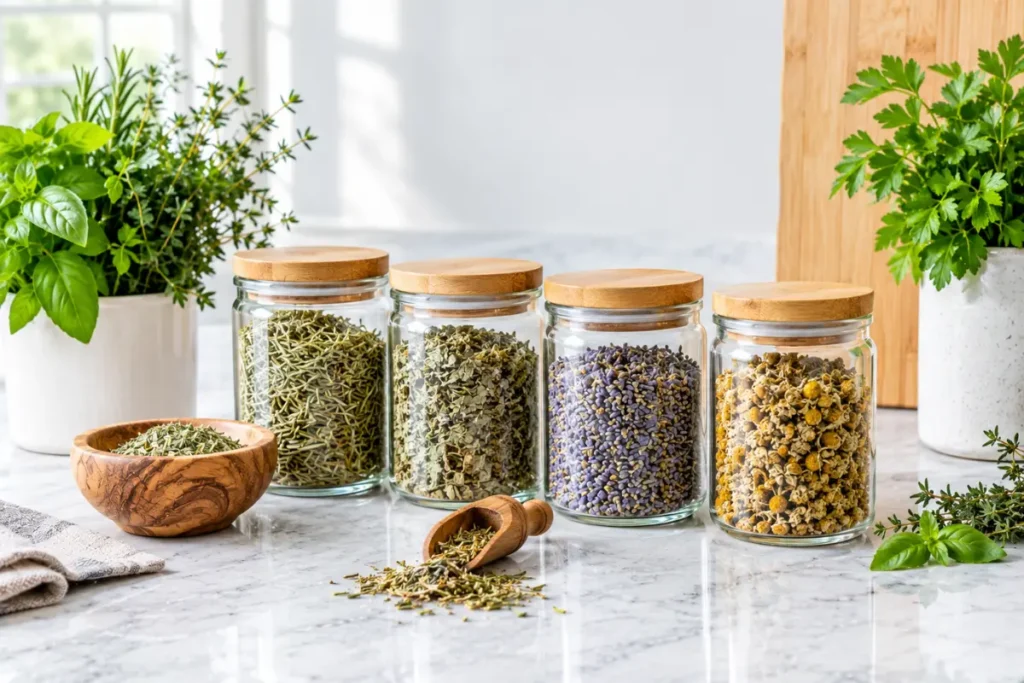
Fresh herbs can lose their aroma and texture quickly when stored incorrectly. Fortunately, you can keep them fresh longer with a few simple techniques, including refrigeration, storing stems in water, or freezing herbs for later use.
The best way to store herbs depends on the type of herb and how soon you plan to use it. Whether you grow herbs in your garden or buy them from the grocery store, these practical tips will help you preserve their freshness and enjoy better flavor in your meals.
Understand the Two Main Types of Fresh Herbs
Fresh herbs fall into two main types: tender herbs and woody herbs. Each type needs a slightly different storage method to maintain its freshness, flavor, and texture. Understanding these differences helps you choose the best way to store herbs and keep them fresh longer.
Tender Herbs That Need Extra Care
Tender herbs have soft stems and delicate leaves, so they can wilt or lose their freshness quickly. Common examples include parsley, cilantro, basil, mint, dill, and chives.
These leafy herbs need gentle handling and suitable moisture levels to maintain their texture and flavor. Learning how to store leafy herbs correctly can help you avoid limp leaves and unnecessary waste.
Some tender herbs do well in the refrigerator, while others, especially basil, are better kept at room temperature. Choosing the right method makes storing fresh herbs much easier.
Woody Herbs That Usually Last Longer
Woody herbs have firmer stems and tougher leaves, which generally help them hold their shape longer than tender herbs. Rosemary, thyme, oregano, and sage are common examples.
Although these herbs are often easier to store, they can still dry out or lose their aroma if you leave them exposed to air for too long. The best way to store herbs in this group is usually to keep them protected from excessive moisture and drying.
Understanding the difference between tender and woody herbs helps you choose suitable fresh herb storage methods and keep your herbs flavorful for everyday cooking.
How to Store Fresh Herbs in the Refrigerator
Many people think fresh herbs should be washed and sealed in an airtight container as soon as they get home, but this can actually make them spoil faster if excess moisture gets trapped inside.
The best way to store fresh herbs in the refrigerator depends on their condition and type. With a little preparation and the right storage method, you can protect their flavor, prevent wilting, and enjoy fresh herbs for longer.
Prepare Herbs Before Storing Them
Before storing fresh herbs, remove any yellow, damaged, or slimy leaves. Check the stems for signs of spoilage and discard anything that looks unhealthy.
You do not always need to wash herbs immediately if they are already clean, but rinse them when they have dirt or debris. If you wash them, dry them thoroughly with a clean towel or salad spinner before putting them away.
Excess water can encourage mold and make delicate leaves spoil quickly. Proper preparation is an important part of how to store fresh herbs properly and helps maintain their quality in the refrigerator.
Store Tender Herbs in a Glass of Water
One simple method for storing tender herbs is to place their stems in a glass or jar filled with a small amount of fresh water. First, trim the bottom of the stems, remove any leaves that would sit below the waterline, and place the herbs upright in the container.
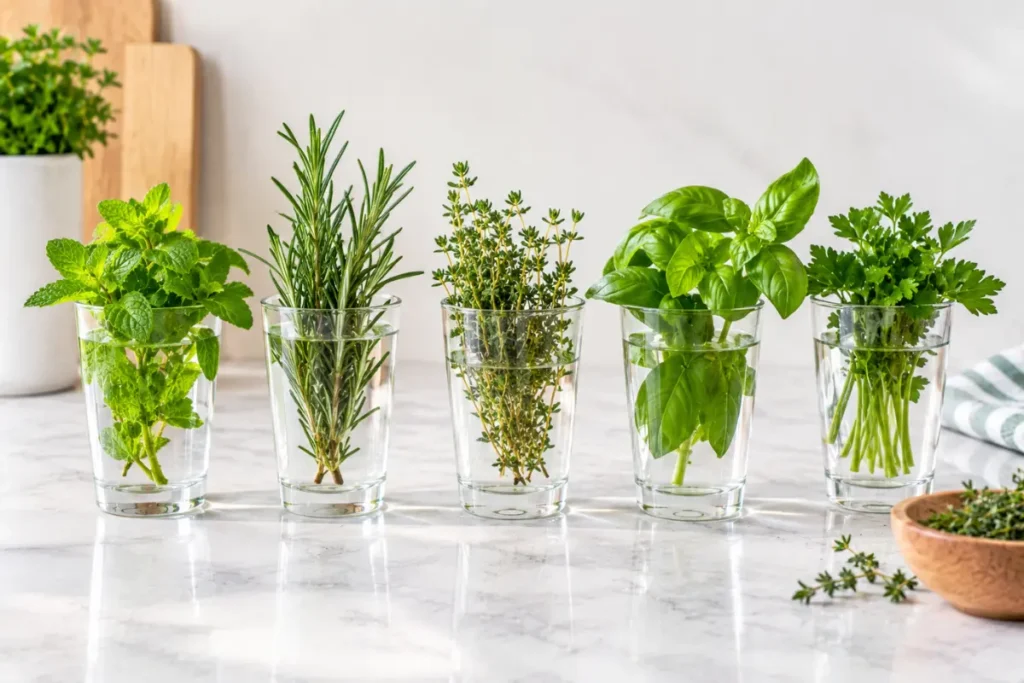
You can loosely cover suitable herbs with a clean bag to help retain moisture. Parsley and cilantro often benefit from this method when refrigerated. However, basil is sensitive to cold and is generally better kept in water at room temperature, away from direct sunlight.
Change the water regularly and check the stems for signs of spoilage. This method makes storing herbs in water easy and helps keep suitable herbs hydrated.
Wrap Herbs in a Paper Towel
The paper towel method works well for many herbs that need protection from excess moisture. After removing damaged leaves and drying the herbs, wrap them loosely in a clean paper towel.
The towel can be slightly damp for herbs that benefit from some moisture, but it should never be soaking wet. Place the wrapped herbs in a reusable storage bag or suitable container and keep them in the refrigerator.
Check the towel every few days and replace it if it becomes too wet. This simple paper towel method for herbs helps balance moisture and reduces the chance of slimy leaves. It is also a practical way of storing fresh herbs in the refrigerator without crushing their delicate leaves.
Use Airtight Containers for Suitable Herbs
Airtight containers can help protect fresh herbs from drying out, but they work best when you control moisture inside the container. Start with clean, completely dry containers and make sure the herbs are prepared according to their storage needs.
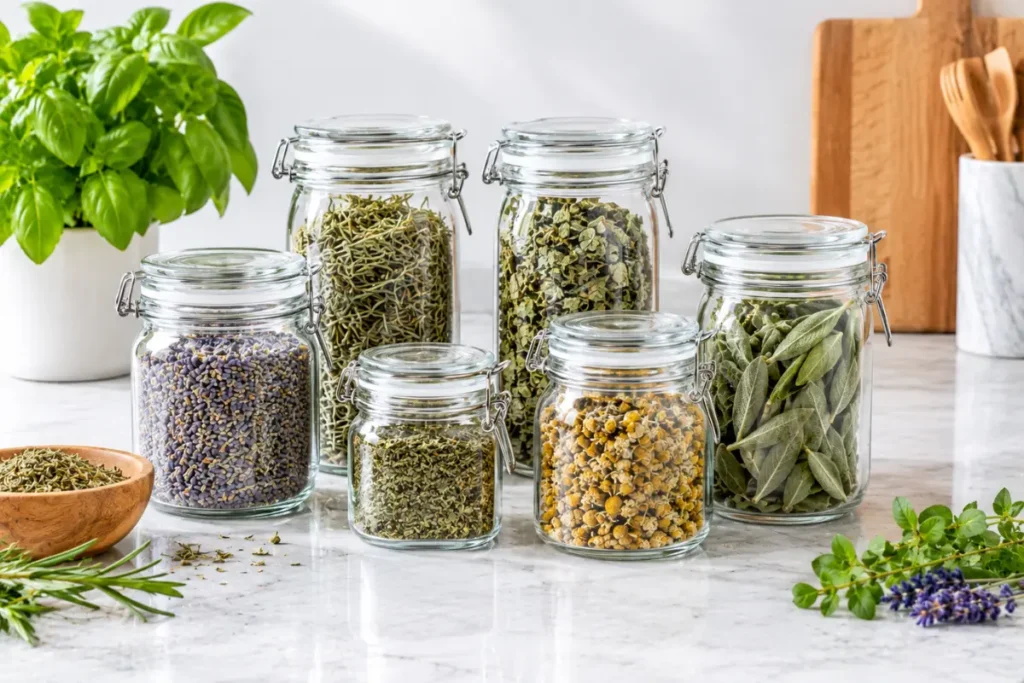
For herbs that benefit from a slightly moist environment, a clean paper towel can help absorb excess condensation. Avoid packing the herbs tightly because crushed leaves can deteriorate faster.
Check the container regularly for moisture buildup, unpleasant smells, or damaged leaves. Choosing the right herb storage containers makes it easier to maintain freshness and flavor. When used correctly, airtight containers offer a convenient option for storing herbs in airtight containers and keeping suitable herbs fresh for longer.
How to Store Different Types of Fresh Herbs
You might think that all fresh herbs need the same storage conditions, but each herb has its own needs. Some herbs stay fresh with their stems in water, while others do better when wrapped and refrigerated
. Learning how to store different types of fresh herbs helps preserve their natural aroma, texture, and flavor. Here is how to store popular kitchen herbs without making the process complicated.
How to Store Parsley and Cilantro
Parsley and cilantro have delicate green leaves that can wilt quickly when they lose moisture. To keep them fresh, remove damaged leaves and trim the bottom of their stems.
Place the stems in a glass with a little fresh water, keeping the leaves above the waterline. Store cilantro and parsley in the refrigerator, and change the water regularly.
Alternatively, wrap the herbs in a clean, slightly damp paper towel and place them in a suitable storage container. Always remove excess moisture before storing them to reduce spoilage.
These simple methods for how to store parsley and how to store cilantro can help you keep these herbs ready for salads, soups, sauces, and everyday cooking.
How to Store Fresh Basil
Basil needs different care from many other leafy herbs because it is sensitive to cold temperatures. Refrigerating basil can cause its leaves to develop dark spots and lose their fresh appearance.
Instead, trim the stem ends and place the basil upright in a glass of water at room temperature. Keep it away from direct sunlight, heat sources, and strong drafts.
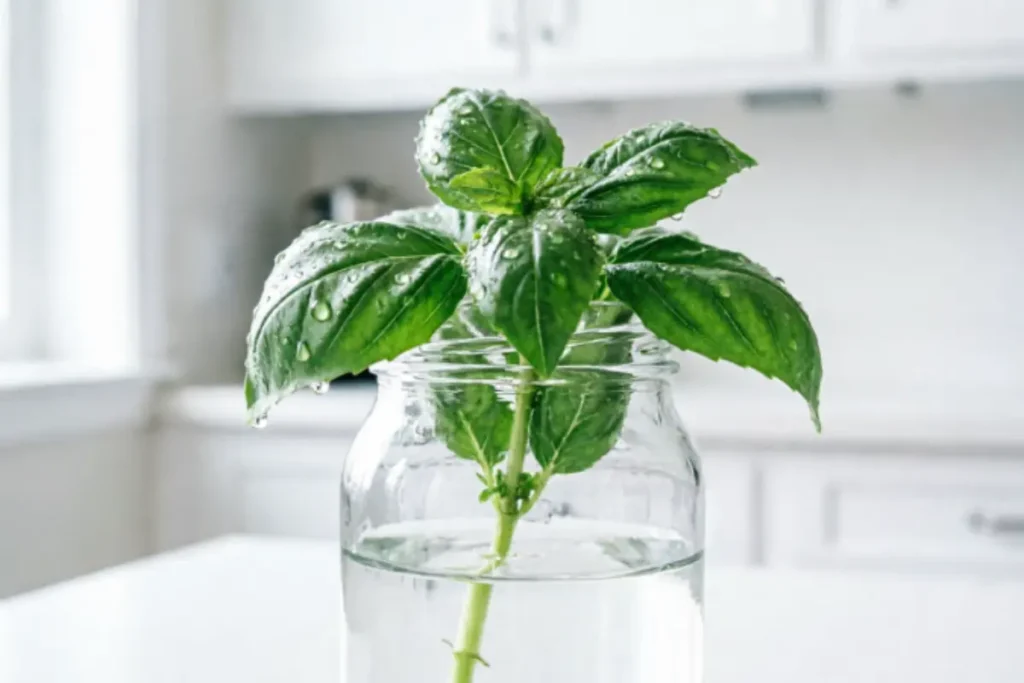
Change the water regularly and remove any leaves that begin to deteriorate. Avoid placing the leaves underwater because this can encourage spoilage.
If you want to know how to store fresh basil, remember that a clean glass of water on the kitchen counter is often a better choice than the refrigerator. This method helps preserve basil’s fragrant leaves for use in pesto, pasta, salads, and other dishes.
How to Store Fresh Mint and Dill
Fresh mint and dill can lose their crisp texture when they dry out or sit in excess moisture. For mint, trim the stems and place them in a glass of water, then refrigerate them if they respond well to the conditions in your fridge.
You can also wrap mint loosely in a slightly damp paper towel and keep it in a suitable container. Dill has delicate, feathery leaves, so handle it gently to avoid crushing the foliage.
After removing damaged parts and drying the herb properly, wrap dill in a paper towel and refrigerate it in a container or storage bag. Check both herbs regularly and remove any leaves that become slimy or discolored.
Following these tips for how to store fresh mint and how to store dill helps maintain their refreshing flavor for drinks, dips, fish, and other recipes.
How to Store Rosemary, Thyme, and Oregano
Rosemary, thyme, and oregano have firmer stems and more robust leaves than tender herbs. These woody herbs generally store well in the refrigerator when protected from excessive drying and moisture.
First, remove damaged leaves and make sure the herbs are not wet. Wrap them loosely in a clean paper towel, then place them in a suitable storage bag or container.
Avoid sealing wet herbs inside a container because trapped moisture can lead to mold and spoilage. Check the herbs occasionally and replace the wrapping if it becomes damp.
These steps explain how to store rosemary, how to store thyme, and how to store fresh oregano while preserving their aroma. Proper storage keeps these herbs convenient for seasoning roasted vegetables, soups, sauces, and meat dishes.
How to Store Sage and Chives
Sage and chives also benefit from careful handling, but their storage needs differ slightly. Sage has soft, textured leaves that can become damaged if pressed tightly together.
Remove any spoiled leaves, make sure the remaining leaves are dry, and wrap the herb loosely in a paper towel before placing it in a refrigerator-safe container. Chives have slender green stems that can lose moisture and become limp.
Store them in a suitable container in the refrigerator, using a clean paper towel to manage excess moisture. Avoid crushing or chopping the herbs until you are ready to use them, as intact herbs generally retain their quality better during storage.
These practical methods for how to store fresh sage and how to store chives help keep your herbs ready for eggs, soups, dressings, and other meals. Always inspect stored herbs before use and discard any that show mold or signs of spoilage.
How to Store Herbs at Room Temperature
Many people believe fresh herbs must always go in the refrigerator to stay fresh, but some herbs actually do better at room temperature. The right choice depends on the herb, the temperature of your kitchen, and how soon you plan to use it.
Understanding how to store herbs at room temperature can help you preserve their flavor and avoid unnecessary waste.
Which Fresh Herbs Can Stay on the Counter?
Basil is one of the best examples of an herb that can stay on the kitchen counter. Cold temperatures can damage its delicate leaves, so keeping it at room temperature is often a better option.
You can also keep freshly cut stems of suitable herbs in water for short periods, provided your kitchen is not too hot. Place them away from direct sunlight, ovens, and other heat sources because warmth can cause the leaves to wilt quickly.
Check your herbs daily and remove any damaged leaves. If you want to find the best way to store herbs without refrigeration, consider the type of herb first rather than treating every variety the same way.
How to Store Cut Herbs in Water
Storing cut herbs in water is a simple way to keep their stems hydrated and their leaves looking fresh. Start by trimming the bottom of the stems with clean scissors, then place them in a clean glass or jar containing a small amount of fresh water.
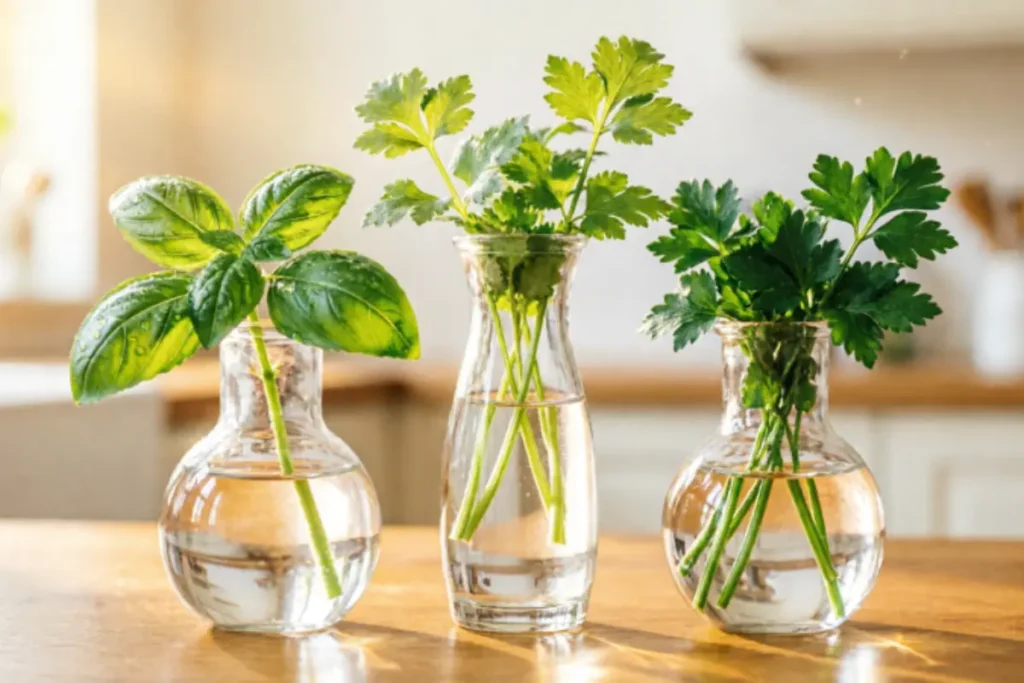
Make sure no leaves sit below the waterline, as submerged leaves can become slimy. Keep the container in a cool spot away from direct sunlight and change the water regularly.
This method works particularly well for basil, while parsley and cilantro may benefit from refrigeration depending on your kitchen conditions. For the best results, avoid overcrowding the jar and check the stems for signs of spoilage.
Storing herbs in water helps maintain freshness for short-term use, making it convenient to add fresh flavor to salads, sauces, soups, and other meals.
Frequently Asked Questions About Storing Herbs
How Do You Store Herbs to Keep Them Fresh Longer?
To keep herbs fresh longer, choose a storage method that suits the type of herb. Tender herbs may stay fresh in a glass of water or a container lined with a paper towel, while rosemary and thyme generally do well when wrapped and refrigerated.
Remove damaged leaves and manage excess moisture to reduce spoilage. If you cannot use your herbs soon, freezing or drying them can help preserve them for future meals.
What Is the Best Way to Store Fresh Herbs in the Refrigerator?
The best way to store fresh herbs in the refrigerator depends on the variety. Parsley and cilantro can often be stored upright in a glass of water, while rosemary and thyme can be wrapped loosely in a paper towel and placed in a suitable container.
Keep the leaves clean, avoid excess moisture, and check them regularly. Basil is usually better stored at room temperature because cold temperatures can damage its leaves.
How Do You Store Fresh Herbs Without Them Wilting?
To prevent fresh herbs from wilting, protect them from extreme temperatures and excessive moisture loss. Trim damaged parts, handle the leaves gently, and use a suitable container or storage method.
Some herbs benefit from having their stems placed in water, while others stay fresh when loosely wrapped in a paper towel. Check stored herbs regularly and adjust the method if the leaves become too wet or dry.
How Do You Store Herbs in the Fridge in Water?
Trim the bottom of the herb stems and place them upright in a clean glass or jar containing a small amount of water. Remove any leaves that would sit below the waterline.
Cover the leaves loosely with a clean bag if appropriate, then place the container in the refrigerator. Change the water regularly and remove damaged leaves. This method works well for herbs such as parsley and cilantro, but basil generally prefers room-temperature storage.
How Do You Store Fresh Herbs in Airtight Containers?
Start by removing damaged leaves and drying the herbs properly after washing them. Place them in a clean container with enough room to prevent crushing. For suitable herbs, a clean paper towel can help absorb excess moisture.
Close the container and keep it refrigerated when appropriate. Check regularly for condensation, mold, or slimy leaves, and replace any damp paper towel as needed.
How Do You Store Different Types of Fresh Herbs?
Different herbs need different storage conditions. Basil usually stays in a glass of water at room temperature, while parsley and cilantro can often be refrigerated with their stems in water.
Rosemary, thyme, and oregano generally benefit from refrigeration in a suitable container. Mint and dill need gentle handling and moisture control. Choosing the right method for each herb helps preserve its flavor and texture.
How Do You Preserve Fresh Herbs From Your Garden?
Start by harvesting healthy leaves and stems, then remove dirt and damaged parts. Rinse the herbs when necessary and dry them thoroughly before storage.
Refrigerate herbs you plan to use soon, freeze them for convenient use in cooked dishes, or dry suitable varieties for longer-term storage. Label frozen or dried herbs with the name and date so you can identify them easily.
Can You Freeze Fresh Herbs for Later Use?
Yes, you can freeze many fresh herbs for later use. Wash them when needed, dry them thoroughly, and freeze whole leaves or chopped herbs in freezer-safe containers. You can also freeze chopped herbs in ice cube trays with water or suitable cooking oil.
Frozen herbs may lose some of their original texture, so they work best in soups, sauces, stews, and other cooked dishes rather than as fresh garnishes.
How Do You Store Fresh Herbs Without Using Plastic?
You can store fresh herbs using clean glass jars, reusable food-safe containers, or suitable reusable wraps. Herbs with sturdy stems may be placed in a glass of water, while others can be wrapped loosely in a paper towel and stored in a reusable container.
Choose a method that manages moisture without crushing the leaves. Wash reusable containers thoroughly between uses to keep your herbs clean and fresh.
How Long Can You Keep Fresh Herbs in the Refrigerator?
The storage life of fresh herbs varies depending on the variety, their condition when purchased, and how you store them. Some herbs may stay fresh for several days, while properly stored varieties can last a week or longer.
Check the leaves and stems regularly for wilting, sliminess, mold, or unusual odors. For the best flavor, use fresh herbs while they still look healthy and smell aromatic. If you cannot use them in time, freezing or drying may be a better option.
Conclusion:
Knowing how do you store herbs properly can help you keep them fresh, flavorful, and ready for your favorite meals. The key is to choose a storage method that suits each herb.
Some herbs do well in a glass of water, while others stay fresh longer when refrigerated in a suitable container. You can also freeze or dry herbs if you want to preserve them for future use.
Remember to handle your herbs gently, control excess moisture, and check them regularly for signs of spoilage. With these simple tips, you can reduce food waste and enjoy the natural flavor of fresh herbs whenever you cook.
Try the method that works best for your herbs, and make storing them an easy part of your kitchen routine.

Plant Nest Blog’s author is passionate about plants, gardening, and sustainable living. Through research and practical experience, they share helpful plant care tips, gardening guides, and easy solutions to help readers grow healthier plants and create greener spaces.