
Many people think how to plant herb seeds is complicated and only experienced gardeners can do it well. That’s not true. With the right seeds, suitable soil, and a little regular care, even beginners can start growing fresh herbs from seeds at home.
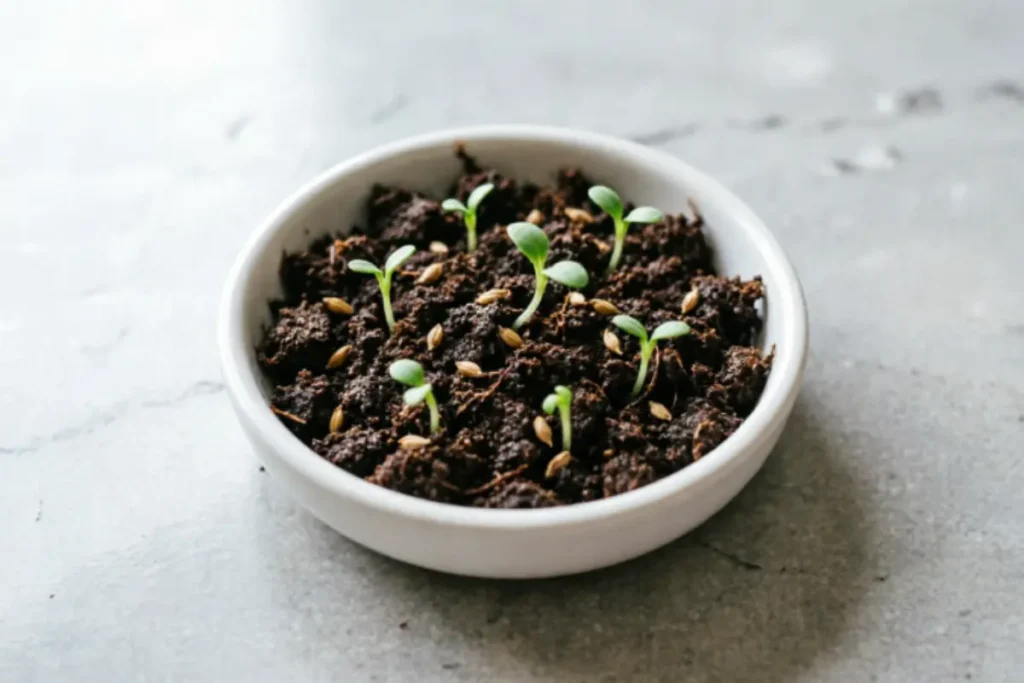
Whether you have a backyard, balcony, or small windowsill, planting herb seeds is an easy way to create your own herb garden. In this guide, you’ll learn simple steps for growing herbs from seeds, choosing the right supplies, and giving your seeds the conditions they need to grow into healthy plants.
What Do You Need Before Planting Herb Seeds?
A common mistake is thinking you need a lot of expensive gardening equipment before you can start herbs from seed. You really don’t. How to plant herb seeds successfully starts with a few basic supplies and choosing materials that suit the herbs you want to grow.
Choose the Right Herb Seeds
Start by choosing herbs that match your growing space, climate, and experience level. If you’re new to gardening, easy herbs to grow from seed such as basil, dill, chives, and cilantro can be a good starting point.
Always check the seed packet before buying. Look at the recommended planting season, sunlight requirements, germination time, and spacing. This simple step can save you from choosing seeds that don’t suit your conditions.
For beginners, herb seeds for beginners should be easy to handle and suitable for the space available. If you have limited room, look for herbs that grow well in containers or small pots. If you have a garden bed, you can explore more varieties.
Choose the Right Container
You don’t need a large container to begin growing herbs from seeds. Small pots, seed trays, recycled containers, or indoor growing containers can all work as long as they have proper drainage.
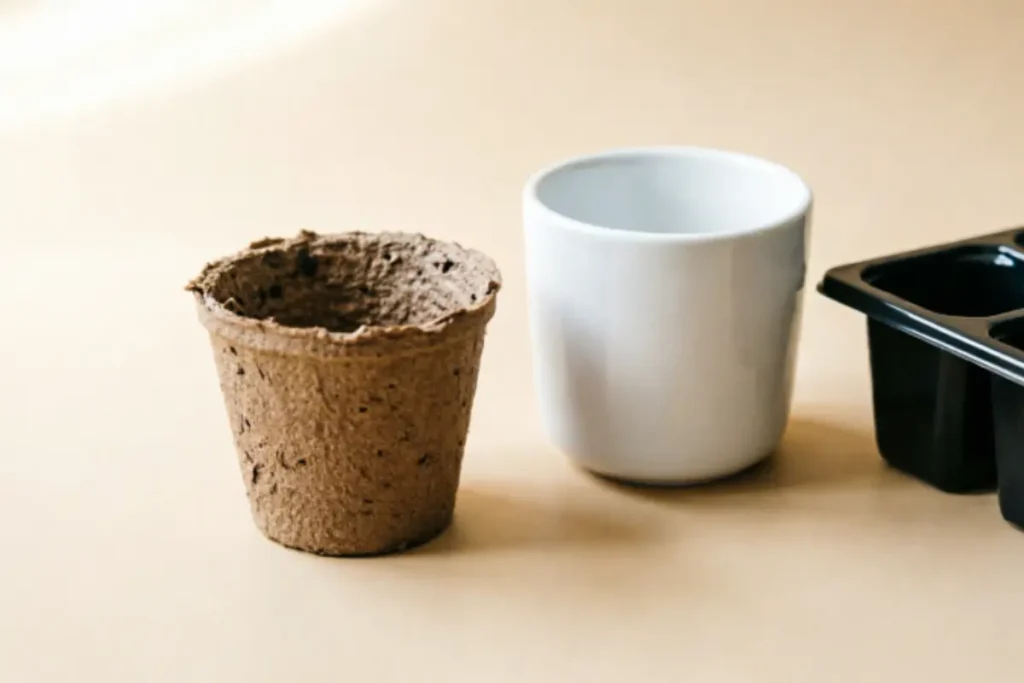
Drainage holes are important because excess water needs somewhere to escape. If water stays trapped around the seeds, the growing medium can become too wet and create problems for young seedlings.
For growing herbs in pots, choose a container that gives the roots enough room as the plant develops. You can always move the seedlings into larger pots later when they become established.
Choose a Good Growing Medium
Good soil gives herb seeds a better environment for starting strong. Instead of using heavy garden soil for small containers, consider a light, well-draining seed-starting mix.
The best soil for herb seeds should hold enough moisture to support germination while still allowing excess water to drain away. A loose growing medium also makes it easier for delicate roots to develop.
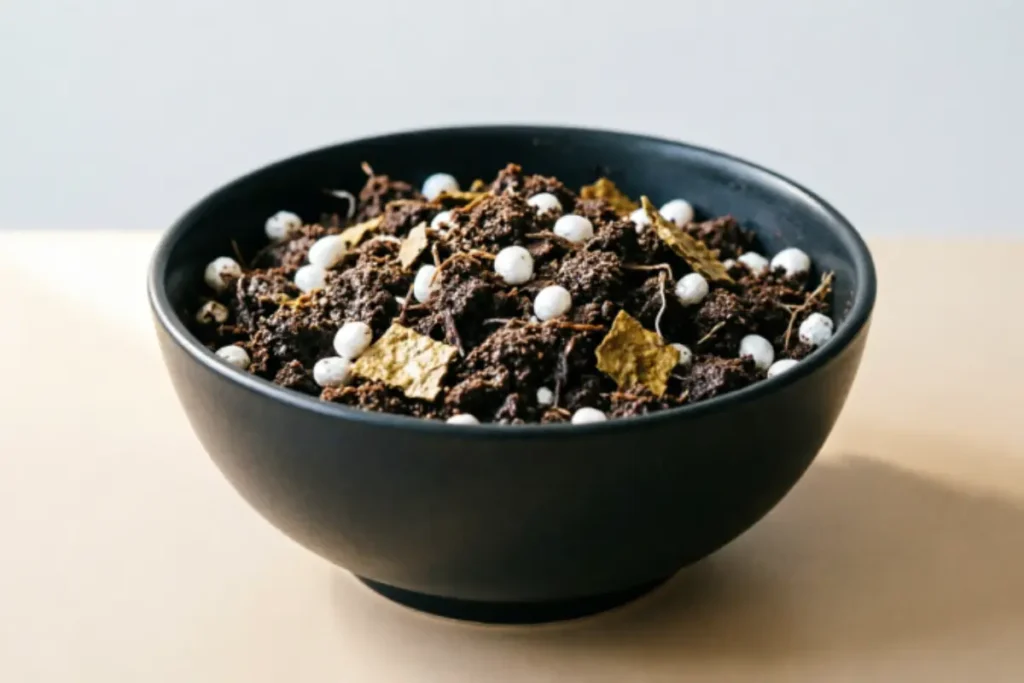
Avoid using soil that is compacted or full of large pieces. Young roots are small and need a soft growing environment. Preparing the growing medium properly is one of the simplest herb seed starting tips you can follow.
Basic Supplies Checklist
Before you begin how to grow herbs at home, gather a few simple items such as fresh herb seeds, small pots or seed trays, well-draining seed-starting mix, a small watering can or spray bottle, plant labels or markers, and a sunny growing location or suitable grow light.
You don’t need to buy everything at once. Start with the herbs you actually want to grow and build your gardening supplies as you gain experience.
How to Germinate Herb Seeds Faster
Many gardeners believe that adding more water or extra fertilizer will make herb seeds germinate faster. That usually isn’t the answer. Herb seed germination depends more on the right temperature, moisture, seed quality, and growing conditions than on giving seeds extra care.
Provide the Right Temperature
Temperature can have a big effect on how quickly seeds wake up and begin growing. Different herbs have different temperature preferences, so there isn’t one perfect temperature for every seed.
Warm-season herbs such as basil generally prefer warmer conditions, while herbs such as cilantro can perform better in cooler conditions. Always check the seed packet for the recommended temperature range.
If your growing area is too cold, herb seeds that germinate quickly may take much longer than expected. On the other hand, excessive heat can also create problems. Keeping conditions within the preferred range gives seeds a better chance of steady germination.
Keep the Soil Consistently Moist
Seeds need moisture to begin the germination process, but that doesn’t mean the soil should stay soaking wet. Too much water can reduce airflow around the seeds and create an unhealthy growing environment.
Check the surface of the growing medium regularly. If it begins to dry, add a small amount of water gently. Avoid creating puddles or keeping containers constantly saturated.
If you’re learning how to germinate herb seeds, aim for consistent moisture rather than frequent heavy watering. This simple approach can help support healthy early growth.
Use the Correct Planting Depth
Planting depth is another factor that can affect germination. Seeds that are buried too deeply may use up their stored energy before they reach the surface.
Small herb seeds often need only a light covering, while larger seeds can usually be planted deeper. Because every herb is different, follow the instructions provided for your specific variety.
Using the correct herb seed planting depth is especially important when you’re trying to get seeds to sprout evenly. Don’t assume that all herbs should be planted at the same depth.
Use Fresh, Quality Seeds
Seed quality can make a noticeable difference. Fresh seeds generally have a better chance of producing healthy seedlings than seeds that have been stored poorly or kept far beyond their recommended period.
Store unused seeds in a cool, dry place and keep them protected from moisture. Check the packet for the seed’s date and storage recommendations.
If your conditions seem right but very few seeds are sprouting, the age or storage history of the seeds could be part of the problem. Starting with good-quality seeds is one of the simplest herb seed starting tips for beginners.
Give Seeds the Light They Need
Not every herb seed has exactly the same light requirement during germination. Some varieties benefit from light exposure, while others are better covered with soil according to their planting instructions.
Once seedlings emerge, light becomes particularly important. Young plants need enough light to develop strong stems and healthy leaves.
If you’re growing herbs indoors, place containers in a bright location or use a grow light when natural light isn’t sufficient. This is especially helpful for anyone interested in growing herbs indoors from seeds.
Avoid Disturbing the Seeds
It can be tempting to dig into the soil when you don’t see sprouts after a few days. Try to avoid doing this. Germinating seeds are delicate, and disturbing them can damage tiny roots or move them deeper into the growing medium.
Instead, monitor the surface and give the seeds suitable conditions. Remember that germination times vary between herbs. Some fast growing herb seeds may sprout quickly, while others naturally need more patience.
Give Seeds Enough Airflow
Good airflow becomes increasingly important as seedlings emerge. Avoid placing containers in completely stagnant, overly humid areas.
Gentle airflow can help keep the growing environment healthier, but don’t expose newly planted seeds to strong drafts or harsh wind. The goal is a comfortable environment with adequate air movement.
Don’t Add Fertilizer Too Early
New gardeners sometimes assume fertilizer will speed up germination. Seeds already contain stored nutrients that support the initial stages of development, so fertilizer isn’t normally the key to getting them to sprout.
Instead, focus on suitable moisture, temperature, planting depth, and light. Once seedlings are established, their nutritional needs can be considered according to the herb and growing medium.
Give Slow Seeds More Time
Not every seed is supposed to sprout within a few days. Parsley, rosemary, and some other herbs can naturally take longer than quicker varieties.
If you’re wondering how to plant herb seeds and make them germinate faster, the best approach is to create suitable conditions rather than forcing the process. Check the expected germination period on the packet and give the seeds enough time.
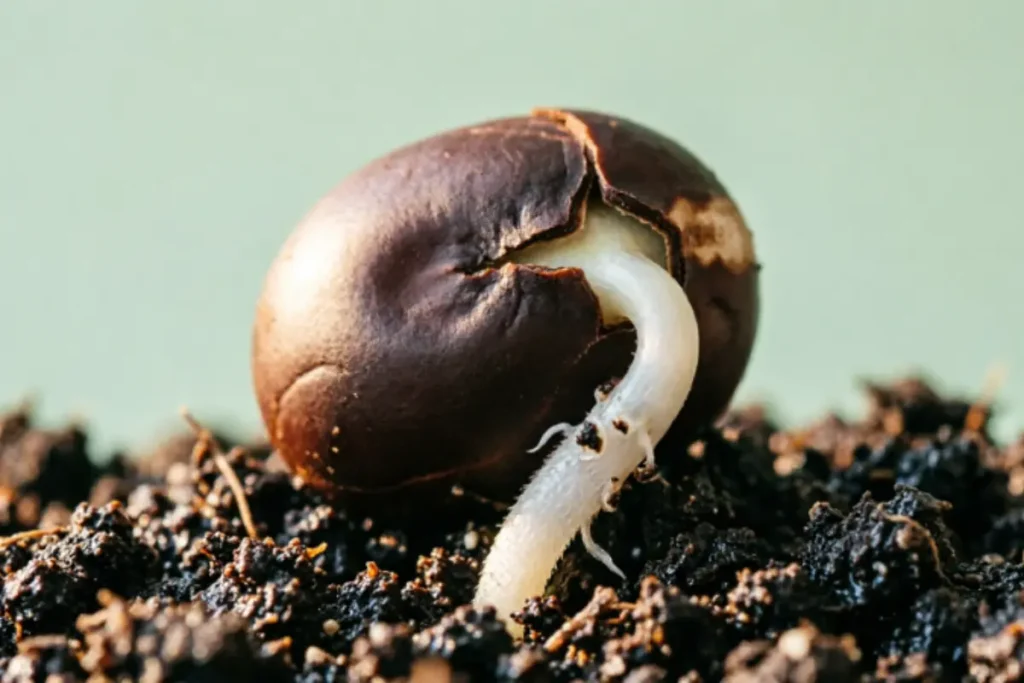
Healthy germination is more important than simply getting the first sprout as quickly as possible. With the right conditions and a little patience, your herb seeds can develop into strong seedlings ready for the next stage of growth
FAQs
Many people think how to plant herb seeds is difficult because every herb has different growing needs. In reality, most herbs can be started successfully when you understand a few basic rules about soil, water, light, and planting depth. Here are answers to some common questions beginners ask.
How deep should I plant herb seeds?
The correct depth depends on the herb and seed size. Small seeds usually need very little soil covering, while larger seeds can be planted deeper. Always check the seed packet for the recommended depth.
How often should I water herb seeds?
Keep the growing medium consistently moist but not waterlogged. Check the soil regularly and water gently when the surface starts to dry. Avoid heavy watering because it can move or bury small seeds.
Can I plant herb seeds indoors?
Yes, many herbs grow well indoors. Place the containers near a bright window or use a grow light when natural light is limited. Growing herbs indoors from seeds can be a convenient option when outdoor space is unavailable.
How long do herb seeds take to germinate?
Germination time varies by herb. Some seeds can sprout within a few days, while others may take several weeks. Temperature, moisture, seed quality, and planting depth can also affect germination.
What are the easiest herbs to grow from seeds?
Basil, dill, cilantro, chives, and some other herbs are popular choices for beginners. Choose herbs that match your available sunlight, space, and local growing conditions.
Can I plant herb seeds in pots?
Yes. Pots and containers work well for many herbs as long as they have drainage holes and suitable growing medium. Growing herbs in pots is especially useful for balconies, patios, windowsills, and small gardens.
Why are my herb seeds not germinating?
Poor germination can happen because of old seeds, incorrect planting depth, unsuitable temperature, too much or too little moisture, or insufficiently suitable growing conditions. Check the seed packet and adjust the growing conditions before giving up.
Should I fertilize herb seeds after planting?
Usually, you don’t need to fertilize seeds immediately after planting. Focus first on proper moisture, temperature, and light. Once seedlings become established, their nutritional needs can be addressed based on the herb and growing medium.
When should I transplant herb seedlings?
Transplant seedlings when they have developed enough growth to handle moving and have outgrown their starting container. Handle the roots gently and move them into a suitable larger pot or garden space.
Can beginners grow herbs successfully from seeds?
Absolutely. You don’t need advanced gardening skills to start an indoor herb garden from seeds or grow herbs outdoors. Begin with a few easy varieties, follow their specific instructions, and provide regular care.
What is the best way to plant herb seeds at home?
Start with fresh seeds, a suitable growing medium, a container with drainage, and the right amount of light. Plant each herb at the recommended depth, keep the soil evenly moist, and give the seeds enough time to germinate.
Conclusion:
Many people believe that how to plant herb seeds requires a lot of gardening experience, special equipment, or complicated techniques. It doesn’t. With the right seeds, suitable growing medium, proper moisture, enough light, and a little patience, beginners can grow healthy herbs from seeds at home.
Start with a few herbs that suit your space and growing conditions. Follow the instructions on the seed packet, avoid overwatering, and give your seeds enough time to germinate.
Whether you’re growing herbs indoors, in pots, or in a garden, consistent care can help you enjoy fresh herbs right from your own home.

Plant Nest Blog’s author is passionate about plants, gardening, and sustainable living. Through research and practical experience, they share helpful plant care tips, gardening guides, and easy solutions to help readers grow healthier plants and create greener spaces.