
Many of us tend to think that learning how to store aloe plant simply means placing it in a cool corner and watering it from time to time. However, aloe vera needs the right balance of sunlight, water, and temperature to stay healthy.
Whether you want to keep a living aloe plant growing or preserve freshly cut leaves, choosing the correct storage method makes a real difference.
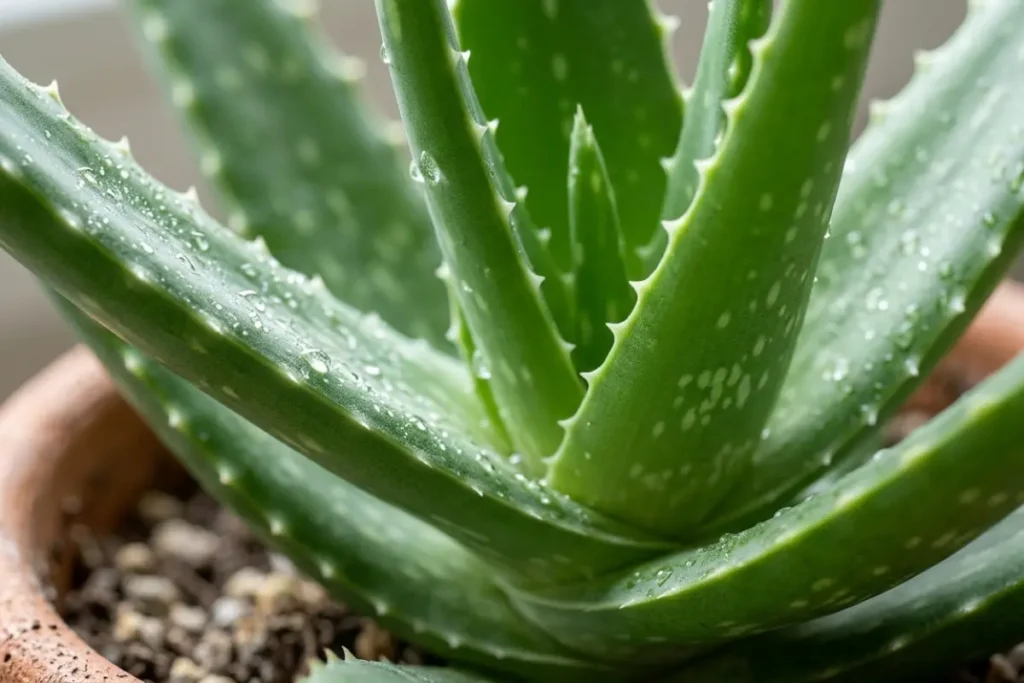
The good news is that aloe vera is relatively easy to maintain when you understand its basic needs. In this guide, you’ll learn how to keep an aloe plant fresh, protect its leaves from damage, and preserve harvested aloe vera properly. We’ll also cover indoor plant care, fresh leaf storage, and practical ways to help your aloe vera last longer.
What Does Storing an Aloe Plant Mean?
Storing an aloe plant can mean different things depending on what you want to keep. If you’re caring for a living plant, the goal is to maintain healthy roots and leaves by providing suitable light, well-draining soil, and careful watering.
If you’ve harvested a leaf, the goal changes to preserving its freshness and preventing it from drying out or spoiling. Understanding this difference helps you choose the best way to store an aloe vera plant without damaging it.
Storing a Living Aloe Vera Plant
A living aloe vera plant needs a stable environment where it can continue growing. Place it somewhere with plenty of bright light, such as a sunny windowsill, and use a pot with drainage holes to prevent water from collecting around the roots.
Let the soil dry out between waterings, as aloe vera stores moisture in its thick leaves and doesn’t need constantly damp soil. These simple aloe vera plant care habits can help you keep a potted aloe vera plant healthy indoors for years.
Storing Freshly Cut Aloe Vera Leaves
Freshly cut aloe vera leaves need a different approach because they are no longer connected to the plant’s roots. Handle them with clean hands and tools, avoid crushing the leaves, and store them promptly under suitable conditions.
If you aren’t going to use a leaf right away, refrigeration can help slow deterioration, although it won’t keep the leaf fresh indefinitely. Knowing how to store aloe vera leaves after cutting is especially useful when you harvest several leaves but only need one at a time.
Storing Fresh Aloe Vera Gel
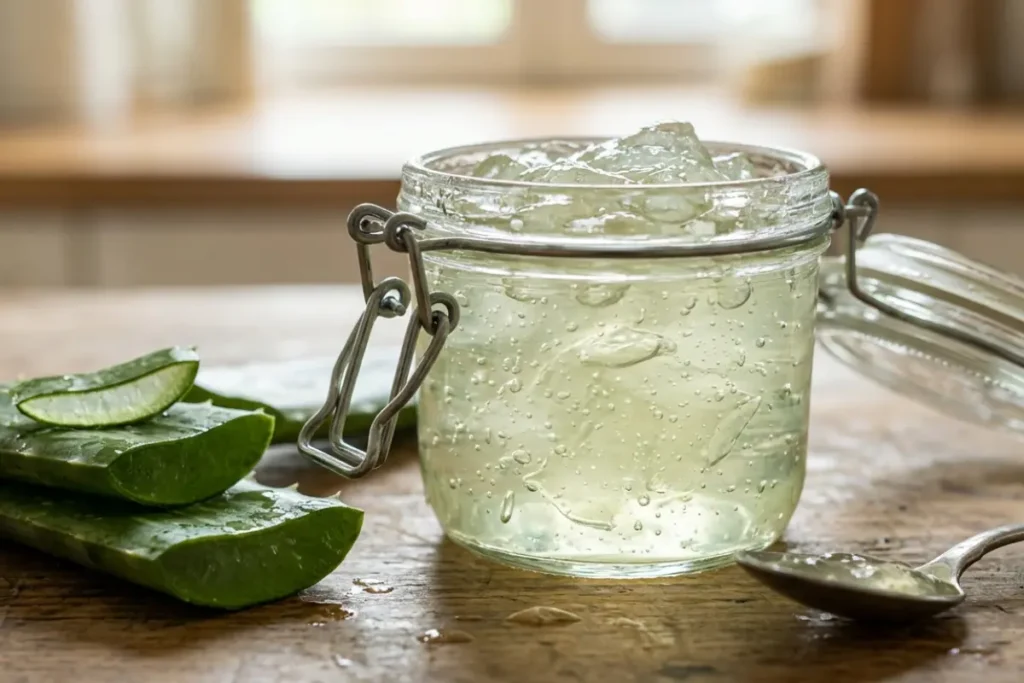
Once you remove the clear gel from an aloe vera leaf, it becomes more vulnerable to contamination and spoilage. Use clean utensils, transfer the gel to a clean, covered container, and refrigerate it promptly if you plan to use it soon.
Freezing small portions is another option when you want to preserve fresh aloe vera gel for longer. Unlike a living aloe plant, homemade gel shouldn’t be left at room temperature for extended periods or treated as a shelf-stable product.
Powerful Tips on How to Store Aloe Plant Properly
Many people believe that an aloe vera plant can survive anywhere because its thick leaves hold plenty of water. However, storing an aloe plant in the wrong conditions can lead to yellow leaves, weak growth, or root rot.
The right approach depends on the plant’s environment, the condition of its leaves, and how well you control moisture and temperature.
If you want to know how to store aloe plant properly for long-term health, a few simple adjustments can make a big difference. These practical tips will help you protect your plant, avoid common care problems, and maintain healthy aloe vera growth throughout the year.
Choose a Location With Bright, Indirect Sunlight
Aloe vera needs plenty of light to remain strong, but moving it suddenly into intense sunlight can scorch its leaves. Choose a bright spot where the plant receives several hours of natural light each day.
A sunny windowsill can work well, although a window with filtered sunlight may be better in particularly hot conditions.
If you’re keeping aloe vera indoors, rotate the pot occasionally so each side receives light evenly. This can help prevent the plant from leaning toward the window. When moving an aloe plant outdoors, introduce it to direct sunlight gradually rather than leaving it under strong midday sun immediately.
Keep the Temperature Within a Comfortable Range
Temperature plays an important role in aloe vera plant care. Aloe generally grows best in warm conditions and can struggle when exposed to cold air, frost, or sudden temperature changes. If you want to keep an aloe vera plant healthy indoors, aim for a comfortable room temperature and protect it from cold drafts.
Avoid placing your plant beside air-conditioning vents, heaters, or windows that become extremely cold at night. If temperatures drop during winter, move the pot to a warmer indoor location. Aloe vera is not frost-tolerant, so protecting it from freezing conditions is essential for preventing damaged leaves and roots.
Use a Pot With Proper Drainage
A decorative pot may look attractive, but it can cause problems if excess water has nowhere to escape. Aloe vera roots need air, and waterlogged soil can encourage root rot. Always choose a pot with drainage holes at the bottom.
Terracotta pots are a useful option because their porous material allows moisture to evaporate more easily. Make sure the pot is appropriately sized for your plant, too. An oversized container holds more soil than the roots can use, which may cause the soil to remain wet for too long.
Choosing the right container is one of the simplest ways to improve aloe vera plant maintenance and support healthy root growth.
Select a Well-Draining Soil Mix
Regular garden soil is often too dense for aloe vera, particularly when used in containers. It can retain excess moisture around the roots and increase the risk of rot. Instead, use a commercial cactus and succulent potting mix designed to drain quickly.
You can also improve drainage by mixing suitable mineral materials, such as perlite or pumice, into an appropriate potting medium. Avoid compacting the soil tightly around the roots because this reduces airflow.
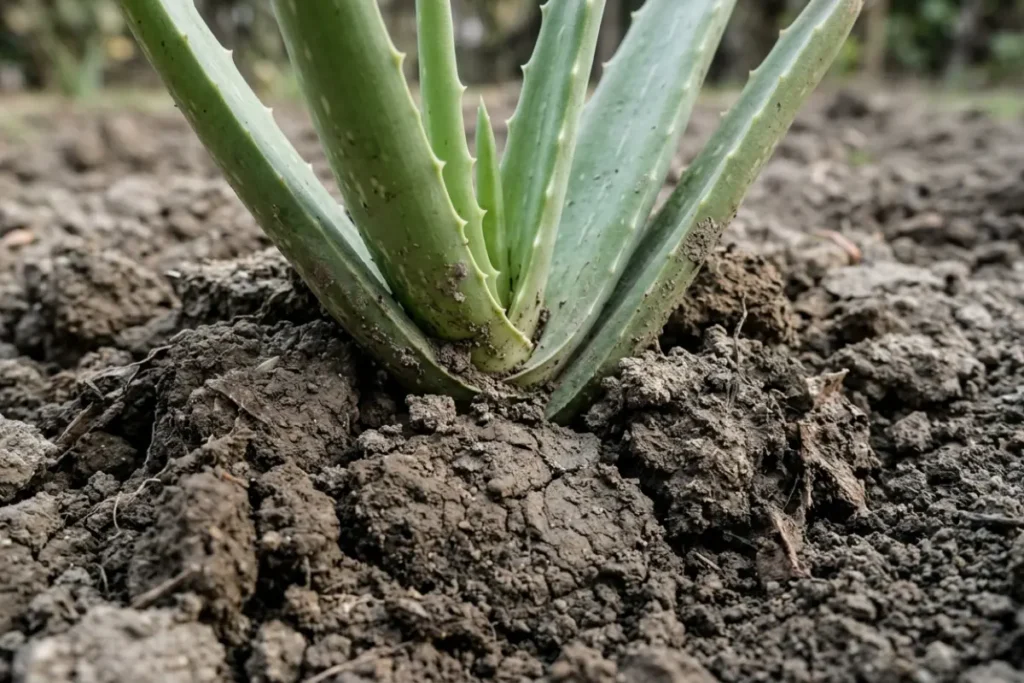
If you’re wondering how to keep an aloe plant fresh and healthy for a long time, the right soil is just as important as watering. Well-draining soil allows roots to absorb the moisture they need without staying wet for extended periods.
Water Only When the Soil Has Dried Out
One of the biggest aloe vera storage mistakes is watering the plant too frequently. Aloe stores moisture in its thick leaves, so it doesn’t need constantly damp soil. Water only when the soil has dried out completely, then allow excess water to drain through the pot.
The exact watering schedule depends on temperature, sunlight, pot size, and soil type. During warm, bright weather, your plant may need water more often than it does during cooler months. Always check the soil before watering rather than following a rigid calendar.
If the leaves become soft or yellow while the soil remains wet, overwatering could be the problem. Adjusting your watering habits can help prevent aloe vera leaf rot and keep the plant in better condition.
Avoid Excess Humidity and Poor Airflow
Aloe vera generally prefers relatively dry conditions and good airflow. Keeping it in a damp, poorly ventilated space can encourage fungal problems, especially when the soil also stays wet.
Avoid storing your potted aloe in a closed cabinet, an unventilated bathroom, or another area that remains humid for long periods. Choose a location where air can circulate naturally without exposing the plant to harsh drafts.
You don’t need special equipment to control humidity in most homes. Simply keeping the plant away from persistently damp areas and avoiding overwatering can help create a healthier environment.
Remove Dead or Damaged Leaves Carefully
Dry, completely dead leaves can usually be removed to keep the plant tidy. Use clean, sharp scissors or pruning shears and cut damaged leaves close to the base without injuring the healthy tissue.
However, don’t remove healthy leaves simply because their tips are slightly brown. Minor discoloration can result from sunlight, watering problems, or natural aging. Check the cause before pruning so you don’t remove leaves the plant can still use.
If several leaves turn yellow, become mushy, or develop dark patches, examine the roots and soil conditions as well. Pruning alone won’t fix a deeper problem such as root rot. Identifying the cause helps you maintain aloe vera properly instead of repeatedly treating the symptoms.
How to Store Fresh Aloe Vera Leaves After Cutting
Many people believe that freshly cut aloe vera leaves will stay fresh for days as long as they are left on the kitchen counter. However, cut aloe leaves gradually lose moisture and can deteriorate if you store them improperly.
If you want to preserve their quality, you need to protect them from excess heat, contamination, and unnecessary exposure to air.
Knowing how to store aloe vera leaves after cutting helps you reduce waste when you harvest more leaves than you need. Whether you use aloe vera for personal care or other purposes, proper handling and suitable storage can help maintain the leaves for a limited time. Here are the practical steps to follow.
Choose Healthy Leaves Before Harvesting
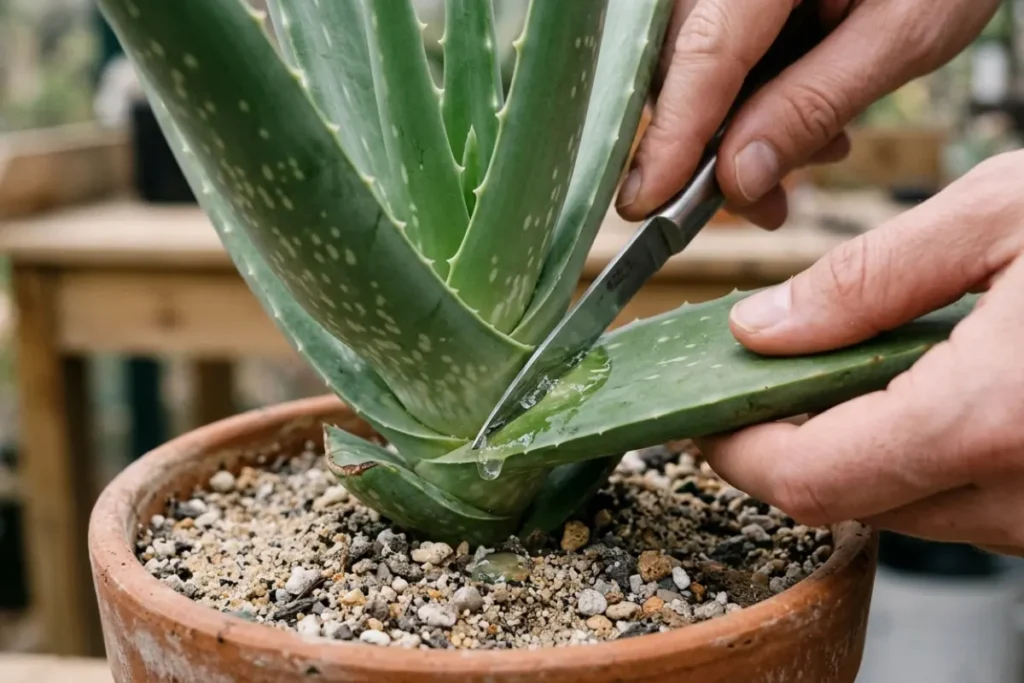
Start by selecting a mature, healthy outer leaf from your aloe vera plant. Look for a firm, thick leaf with a healthy green color and no obvious signs of pests, rot, or disease. Avoid harvesting leaves that are already soft, damaged, or discolored.
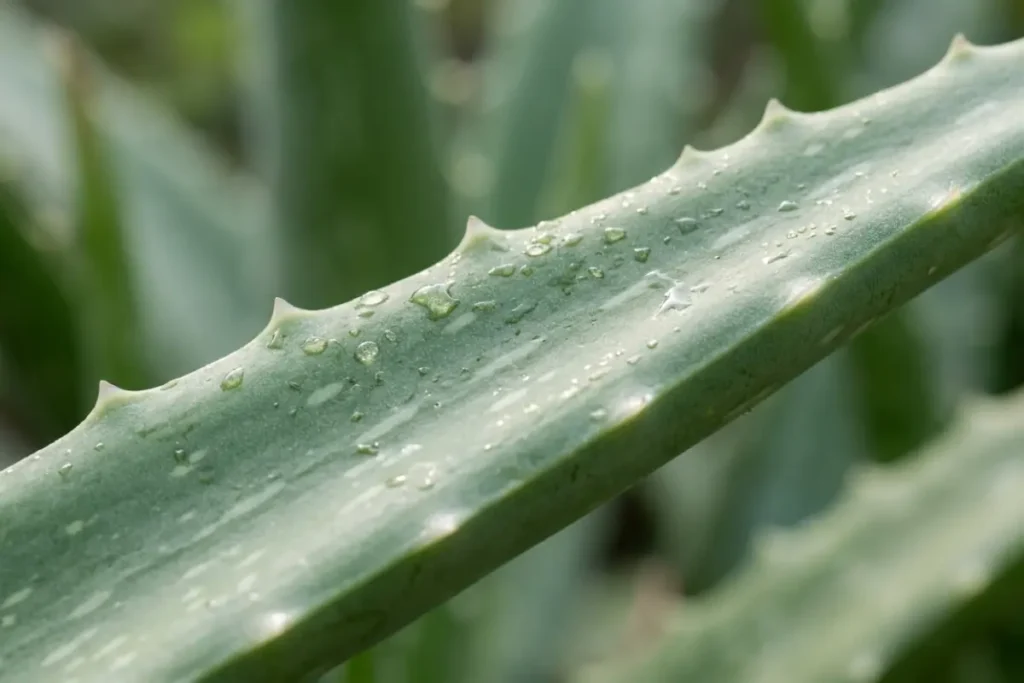
Use clean, sharp scissors or a knife to make a neat cut close to the base. Try not to damage nearby leaves or the plant’s central growing point. Harvesting carefully helps protect the living aloe plant while giving you a better-quality leaf to store.
Handle the Cut Leaf Gently
Fresh aloe vera leaves contain a clear inner gel surrounded by a thick outer skin. Rough handling can bruise the leaf, split its skin, or cause the gel to leak out.
Hold the leaf carefully and avoid squeezing it while moving it to your preparation area. If the leaf is large, support its weight with both hands instead of allowing it to bend under its own weight.
Before storing the leaf, check for cracks or damaged areas. Leaves with significant damage may deteriorate faster, so use those first if they are otherwise suitable.
Clean the Leaf and Keep It Dry on the Outside
If the leaf has dirt on its surface, gently rinse it with clean running water. Pat the outside dry with a clean paper towel or cloth before storage. Avoid putting a wet leaf into a sealed container because trapped moisture can encourage deterioration.
Use clean hands and utensils throughout the process. This is especially important if you plan to cut the leaf open and remove the gel later.
You don’t need to wash the leaf repeatedly. Gentle cleaning is enough to remove surface dirt without causing unnecessary handling or damage.
Wrap the Leaf Before Refrigerating It
Refrigeration is a practical way to slow the deterioration of a freshly cut aloe vera leaf. Once the outside is dry, wrap the leaf in clean food-safe wrapping or place it in a clean, sealed food-storage bag or container.
Store it in the refrigerator rather than leaving it on a warm countertop. Keep the leaf away from foods that could leak onto it, and avoid storing it in a container that is dirty or damp.
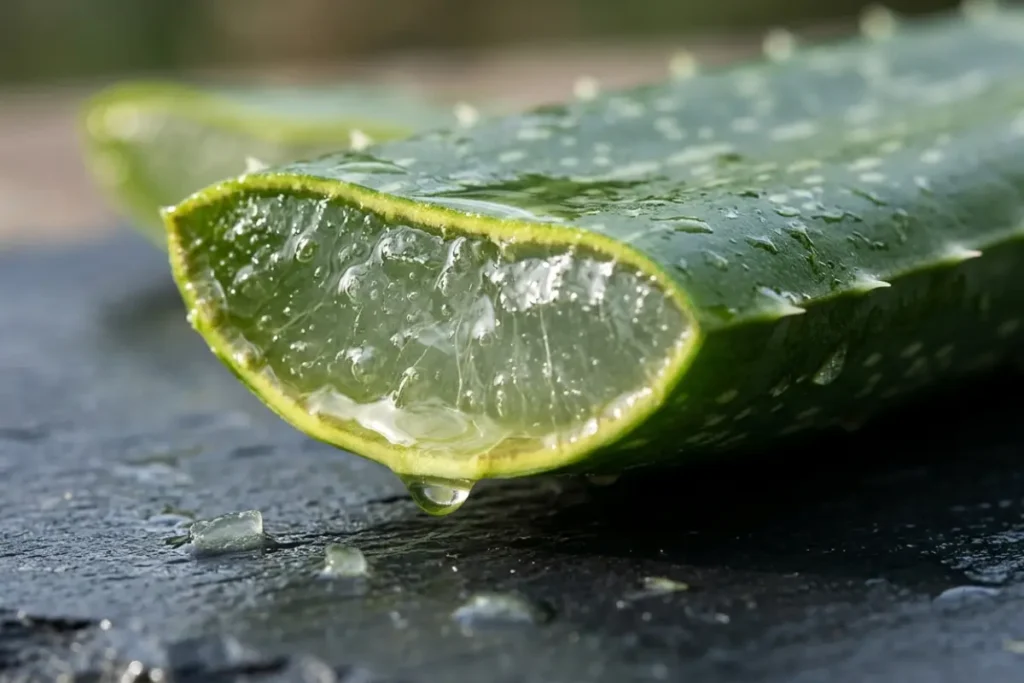
If you’re looking for the best way to store fresh aloe vera leaves, refrigeration is generally more suitable for short-term storage than leaving them at room temperature. However, it does not stop spoilage completely, so check the leaf before use.
Store Cut Aloe Vera Leaves Away From Heat and Sunlight
If you cannot refrigerate the leaf immediately, keep it in a cool, shaded place while you prepare it for storage. Direct sunlight, hot surfaces, and warm rooms can speed up moisture loss and deterioration.
Avoid leaving harvested aloe vera leaves in a car, near a stove, or beside a sunny window. These locations can become much warmer than expected, especially during hot weather.
Room-temperature storage should be temporary rather than your main preservation method. For longer-lasting freshness, move the leaf to the refrigerator as soon as practical.
Decide Whether to Store the Whole Leaf or Extract the Gel
You can refrigerate an aloe vera leaf whole or remove the gel before storing it. The better option depends on how much aloe you need and when you plan to use it.
Keeping the leaf whole reduces the amount of exposed gel and may be more convenient when you only need a small portion at a time. If you’ve already removed the gel, transfer it to a clean, covered container and refrigerate it promptly.
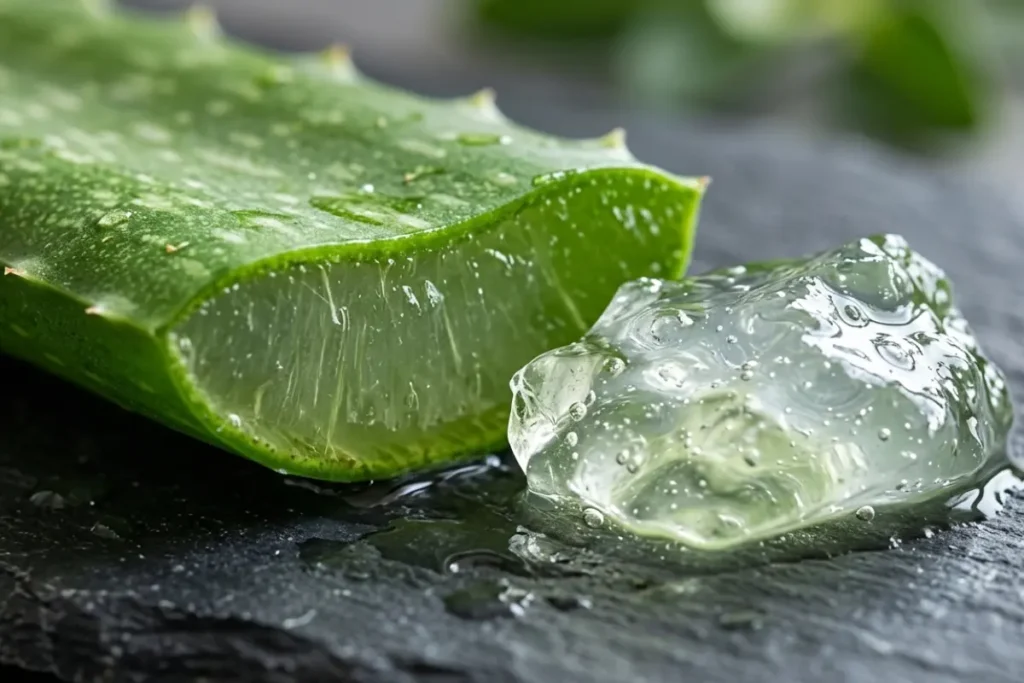
Fresh homemade aloe vera gel is perishable. Use it promptly, and don’t assume it will remain safe simply because it looks or smells normal. For longer storage, freezing small portions may be more practical than keeping extracted gel in the refrigerator for an extended period.
Check the Leaf Before Using It
Before using a stored aloe vera leaf, examine its appearance and texture. A leaf that has become unusually mushy, developed extensive dark or moldy patches, or has an unpleasant odor should be discarded.
A small amount of yellow sap may drain from a freshly cut aloe leaf. This is different from spoilage, but the yellow latex naturally present beneath the leaf’s skin can irritate the skin or cause serious digestive effects if swallowed. Avoid treating it as interchangeable with the clear inner gel.
If you plan to use aloe vera on your skin, start with a small patch test because aloe can cause irritation or an allergic reaction in some people. Do not use a questionable or spoiled leaf.
Can You Freeze Fresh Aloe Vera Leaves?
Freezing is an option if you want to preserve aloe vera for longer than short-term refrigeration allows, but freezing a whole leaf may change its texture when it thaws. The leaf can become softer, making it less convenient to handle.
For many people, extracting the clear gel and freezing it in small portions is more practical. Use clean utensils, place the gel in a suitable freezer-safe container or ice cube tray, and label it with the date.
Frozen gel may be useful for later personal-care use, but freezing does not guarantee that contamination or all quality problems will be eliminated. Thaw only the portion you need and avoid repeatedly thawing and refreezing the same batch.
How Long Can You Store Fresh Aloe Vera Leaves?
The storage time depends on the leaf’s condition, how cleanly it was handled, and the temperature at which you keep it. Refrigeration can help preserve a freshly cut leaf for a limited period, but there is no single guaranteed shelf life for every home-stored leaf.
For best quality, plan to use refrigerated leaves within a few days and inspect them before use. If you need to keep aloe for longer, consider extracting the gel and freezing it in individual portions rather than relying on extended refrigeration.
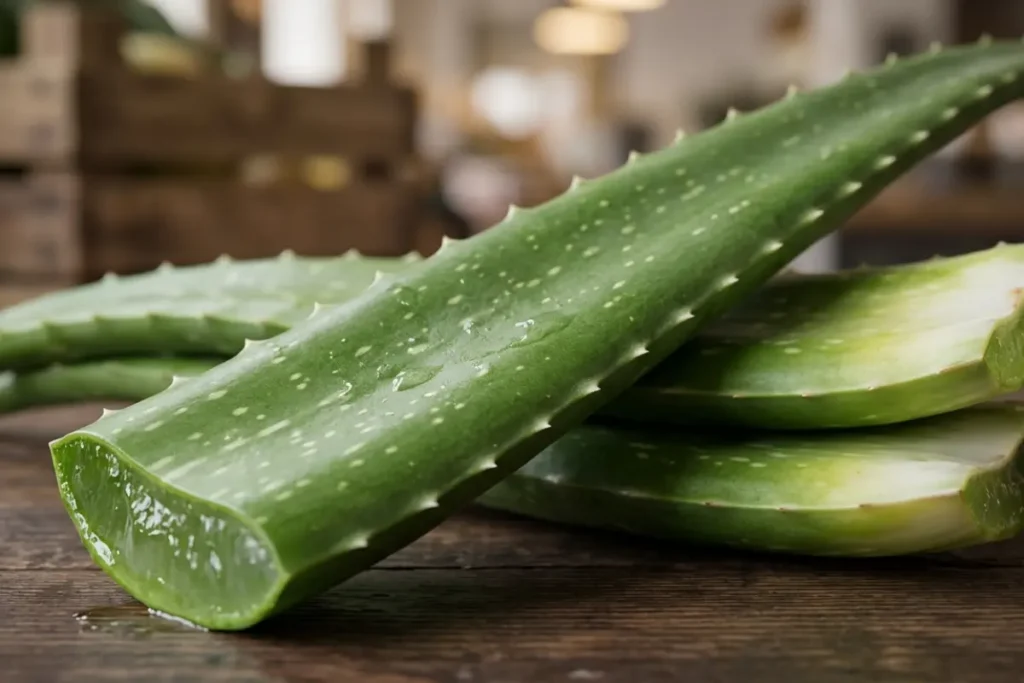
Remember that appearance alone cannot confirm safety. Discard leaves that show signs of spoilage, and avoid using aloe that has been stored under uncertain conditions.
Proper handling makes it easier to store fresh aloe vera leaves without unnecessary waste. Choose healthy leaves, keep them clean and dry on the outside, refrigerate them promptly, and use them while they remain in good condition.
Frequently Asked Questions About How to Store Aloe Plant
How do you store an aloe vera plant at home?
Keep your potted aloe vera plant in a bright location with suitable temperatures and well-draining soil. Choose a pot with drainage holes and water only when the soil has dried out completely. Avoid leaving the plant in cold, damp areas, as excess moisture can damage its roots.
Should I keep my aloe vera plant in the refrigerator?
No, you should not keep a living aloe vera plant in the refrigerator. Cold temperatures can damage its leaves and roots. Keep the plant in a suitable indoor or outdoor location instead. Refrigeration is more appropriate for short-term storage of freshly cut aloe vera leaves or extracted gel.
How do you store aloe vera leaves after cutting?
Gently clean the leaf if necessary and dry its outer surface. Wrap it in clean food-safe wrapping or place it in a clean, sealed container before refrigerating it. Use the leaf within a few days for better quality, and discard it if you notice mold, unusual softness, or an unpleasant smell.
Can I store fresh aloe vera gel in the refrigerator?
Yes, you can refrigerate freshly extracted aloe vera gel in a clean, covered container. Use clean utensils during preparation and refrigerate the gel promptly. Homemade gel has no preservatives, so avoid assuming it will remain safe for a long time. Freeze small portions if you need longer storage.
How can I keep an aloe vera plant alive during winter?
Move your aloe vera plant indoors before temperatures become too cold. Place it near a bright window, protect it from frost and cold drafts, and reduce watering as the soil dries more slowly. Never leave the plant outside in freezing conditions because aloe vera is sensitive to frost.
Why are my aloe vera leaves turning yellow after storage?
Yellow leaves can result from overwatering, poor drainage, insufficient light, or temperature stress. Check whether the soil stays wet for too long and make sure the pot has drainage holes. If the leaves are soft and the roots smell unpleasant, root rot may be developing.
If only a stored, cut leaf is turning yellow or becoming mushy, it may be deteriorating. Discard it if it shows signs of spoilage.
Can I store aloe vera without a refrigerator?
You can keep a living aloe vera plant at room temperature in a suitable environment. However, freshly cut leaves and extracted gel are different because they can deteriorate more quickly without refrigeration. Avoid leaving cut aloe in warm conditions for extended periods. If you cannot refrigerate freshly harvested aloe, prepare only the amount you can use promptly.
How long do freshly cut aloe vera leaves last?
Freshly cut aloe vera leaves may remain usable for a limited time when refrigerated properly, but their shelf life varies depending on freshness, handling, and storage conditions. For better quality, use them within a few days and inspect them before use. Discard leaves with mold, an unpleasant odor, or significant softening.
Is it better to store a whole aloe leaf or extracted gel?
Keeping the leaf whole can be convenient if you plan to use small amounts over time because less of the inner gel is exposed. Extracted gel is easier to portion and freeze, but it requires clean handling and prompt refrigeration. Choose the method that best fits how soon you plan to use the aloe.
Can I freeze aloe vera to make it last longer?
Yes, freezing extracted aloe vera gel in small portions is a practical option for longer storage. Use a clean freezer-safe container or ice cube tray, label it with the date, and thaw only what you need. Freezing may change the gel’s texture, and it does not guarantee that contaminated gel will become safe.
What is the best way to store an aloe vera plant for long-term growth?
For long-term growth, keep the plant in bright light, use a well-draining potting mix, and avoid overwatering. Protect it from frost and inspect it regularly for pests or damaged leaves. A stable environment and adjustments for seasonal changes will help your aloe vera remain healthy for years.
Conclusion:
Learning how to store aloe plant properly helps you keep a living aloe vera plant healthy and preserve freshly cut leaves for later use. The key is to understand that a potted plant, a harvested leaf, and freshly extracted aloe vera gel each need different care and storage conditions.
Choose a bright location for your plant, use well-draining soil, and avoid overwatering. When harvesting aloe leaves, handle them carefully and refrigerate them promptly if you won’t use them right away. You can also freeze fresh aloe vera gel in small portions for longer storage.
With these simple habits, you can reduce waste, protect your aloe vera plant, and enjoy its natural beauty for longer. Pay attention to changes in the leaves and adjust your care routine whenever necessary.

Plant Nest Blog’s author is passionate about plants, gardening, and sustainable living. Through research and practical experience, they share helpful plant care tips, gardening guides, and easy solutions to help readers grow healthier plants and create greener spaces.