
Many people believe yellow squash plants are difficult to grow and only thrive in large vegetable gardens. That simply isn’t true. In reality, these fast-growing yellow summer squash plants are one of the easiest vegetables to grow, making them perfect for beginners and experienced gardeners alike. Whether you have a spacious backyard or a small patio with containers, you can successfully enjoy a steady harvest with just a little care.
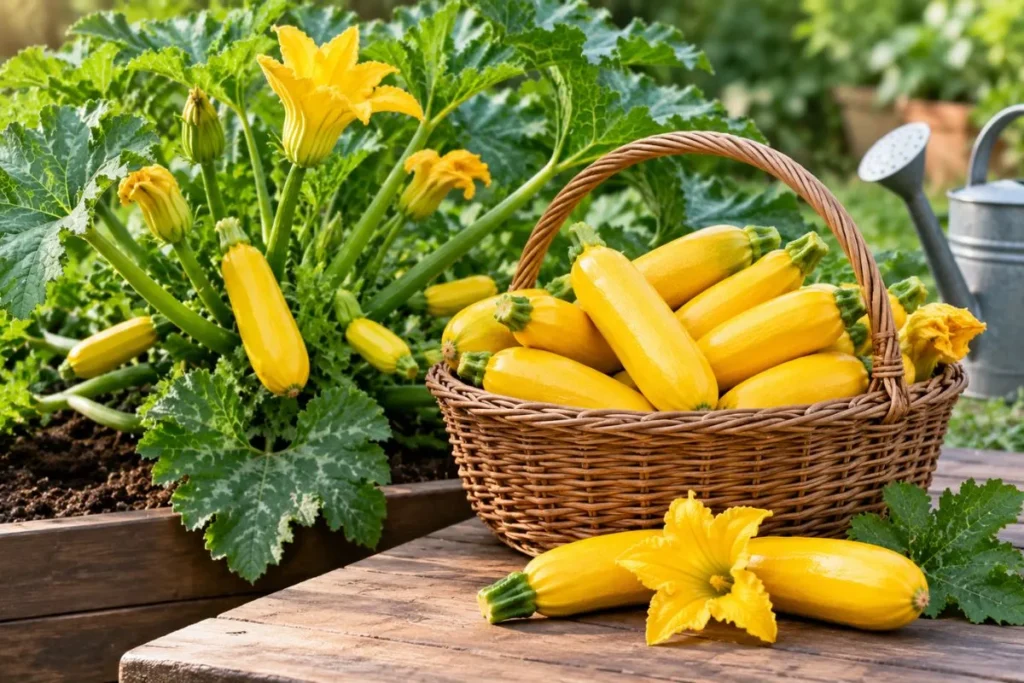
If you’ve been thinking about growing yellow squash plants, this guide will walk you through everything you need to know. From choosing the right yellow squash plant variety to planting, watering, fertilizing, solving common problems, and harvesting fresh squash, you’ll learn practical tips that help you grow healthy, productive plants all season long.
What Are Yellow Squash Plants?
Understanding Yellow Squash Plants
Yellow squash plants are warm-season vegetables that belong to the squash family (Cucurbita pepo). They are known for producing tender, flavorful fruits with bright yellow skin that can be harvested throughout the growing season.
Since they grow quickly and produce heavily, they’re a favorite choice for home gardeners looking for an easy and rewarding crop.
Unlike many vegetables that produce only once, healthy yellow summer squash plants continue to grow new flowers and fruits for weeks when harvested regularly. That’s one of the biggest reasons gardeners love growing them they offer a long harvest season with very little effort.
Besides being productive, yellow squash is also packed with nutrients like vitamin C, vitamin A, potassium, and fiber. Whether grilled, roasted, sautéed, or added to soups and casseroles, fresh homegrown yellow squash is both healthy and delicious.
Difference Between Summer Squash and Winter Squash
Although they belong to the same family, summer squash and winter squash are quite different.
Summer squash, including yellow squash plants, is harvested while the fruit is still young, tender, and edible with soft skin. The plant grows quickly and keeps producing new squash throughout the season.
Winter squash, on the other hand, stays on the vine much longer. It develops a thick, hard skin that helps it store for months after harvest. Popular winter squash varieties include butternut, acorn, and spaghetti squash.
If you’re looking for a vegetable that’s easy to grow and ready to harvest in just a few weeks, growing yellow squash plants is an excellent choice.
Popular Types of Yellow Squash Plants
There are several varieties of yellow squash plants, but these are the most common ones you’ll find in home gardens.
Yellow Crookneck Squash Plants
This traditional variety has a curved neck and slightly bumpy skin. Yellow crookneck squash plants are known for their rich flavor and continuous production throughout summer. They’re ideal for roasting, grilling, frying, or baking.
Yellow Straightneck Squash Plants
As the name suggests, yellow straightneck squash plants produce smooth, straight fruits with a mild, slightly sweet taste. Their uniform shape makes them easy to slice, cook, and preserve.
Hybrid Yellow Squash Varieties
Many gardeners choose hybrid yellow squash varieties because they’re bred for stronger disease resistance, higher yields, and better tolerance to changing weather conditions. These varieties are often a great option if you want reliable production with fewer growing problems.
Growth Habit and Plant Characteristics
Most yellow squash plants grow in a compact, bush-like form rather than spreading long vines. This makes them suitable for raised beds, traditional gardens, and even large containers.
Healthy plants develop large green leaves, bright yellow blossoms, and sturdy stems. The flowers play an important role in squash pollination, which is necessary for fruit production. Once pollinated, small squash begin forming near the base of the female flowers and grow rapidly within just a few days.
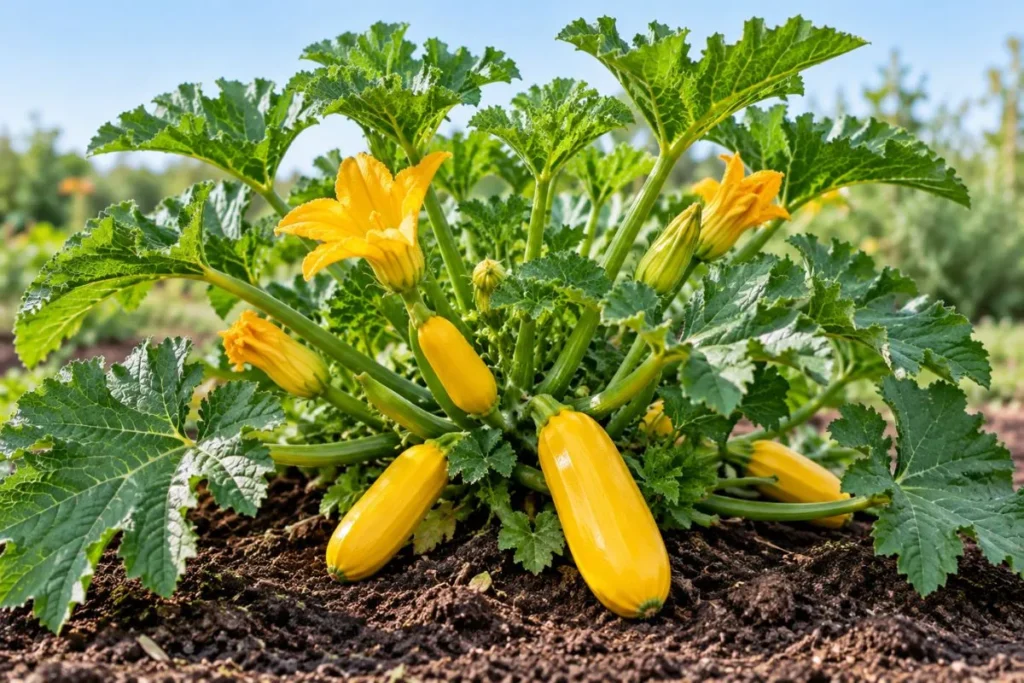
With the right amount of sunlight, fertile soil, and regular watering, a single yellow squash plant can produce dozens of delicious squash over the course of one growing season.
This impressive productivity is exactly why yellow squash plants remain one of the most rewarding vegetables for gardeners of all skill levels.
How to Grow Yellow Squash Plants at Home
Many people think growing yellow squash plants requires years of gardening experience or expensive equipment. The truth is much simpler. If you provide the right location, healthy soil, regular watering, and basic care, yellow squash plants are among the easiest vegetables to grow.
Even first-time gardeners can enjoy a generous harvest by following a few simple steps.
Step-by-Step Guide to Growing Yellow Squash Plants
Whether you’re planting in a backyard, raised bed, or large container, following the right process from the beginning helps your plants grow faster and produce more squash. Here’s how to grow yellow squash plants at home successfully.
Choose the Best Location
Location plays a huge role in the success of your yellow squash plant. These plants thrive in warm weather and need plenty of direct sunlight to grow healthy leaves, flowers, and fruit.
Choose a spot that receives at least 6 to 8 hours of direct sunlight every day. The more sunlight your plants get, the stronger they become and the more squash they produce. Try to avoid shady areas because they can slow down growth and reduce the number of flowers and fruits.
Good air circulation is also important. Give your yellow summer squash plants enough space so fresh air can move around them. This helps keep the leaves dry and lowers the risk of common plant diseases.
If you have limited garden space, don’t worry. Growing yellow squash plants in containers is also a great option, as long as you use a large pot and place it in a sunny location.
Prepare the Soil
Healthy plants always begin with healthy soil. One of the most important steps in how to grow yellow squash plants at home is preparing nutrient-rich soil before planting.
The best soil for yellow squash plants is loose, fertile, and drains well after watering. It should also contain plenty of organic matter, such as compost or well-rotted manure, which improves soil structure and provides essential nutrients.
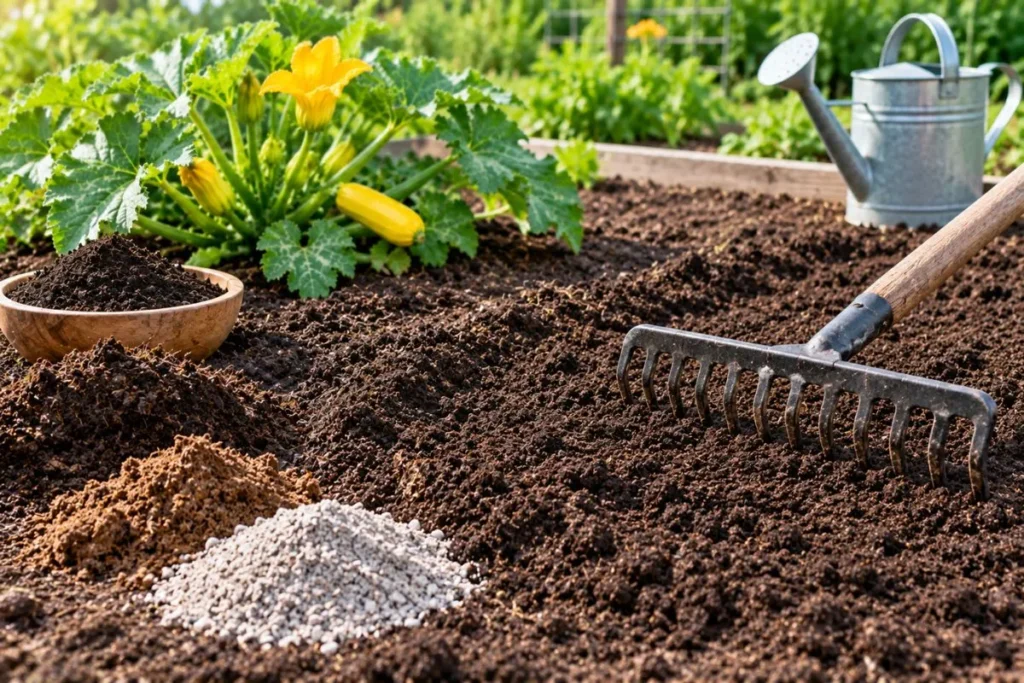
A soil pH between 6.0 and 7.0 creates the ideal environment for strong root development and healthy plant growth.
If your garden has heavy clay soil, mix in compost to improve drainage and prevent water from collecting around the roots. Healthy roots allow summer squash plants to absorb water and nutrients more efficiently, resulting in faster growth and better yields.
Plant Seeds or Seedlings
Once the danger of frost has passed and the soil has warmed up, it’s time for planting yellow squash.
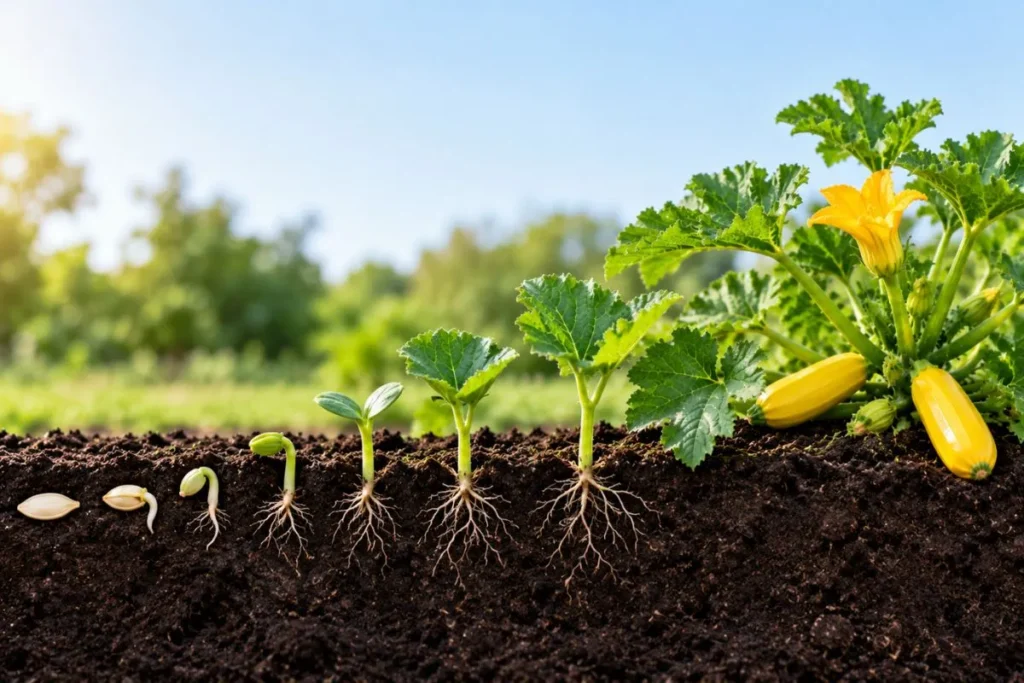
If you’re starting with yellow squash seeds, plant them about one inch deep in moist soil. Place two or three seeds together in each planting spot. After the seeds sprout, remove the weaker seedlings and leave the healthiest one to continue growing.
This gives the remaining plant enough room to develop a strong root system.
If you’re using nursery-grown seedlings, dig a hole slightly larger than the root ball and gently place the plant into the soil. Fill the hole, press the soil lightly around the base, and water thoroughly.
Seedlings often establish more quickly and can produce squash a little earlier than plants started from seed.
Proper Plant Spacing
Proper yellow squash spacing is essential if you want healthy plants and a larger harvest. Crowded plants compete for sunlight, water, and nutrients, making them weaker and more likely to develop diseases.
Leave about 18 to 24 inches of space between each plant and keep rows approximately 3 to 4 feet apart. This spacing improves airflow, makes watering easier, and gives the plants plenty of room to spread their large leaves.
Following a proper squash planting guide also makes it easier to remove weeds, inspect plants for pests, and harvest fresh squash throughout the growing season.
Germination Timeline
One reason many gardeners enjoy growing yellow squash plants is that they grow very quickly.
Under warm conditions, yellow squash seeds usually germinate within 5 to 10 days. Soon after, the first true leaves begin to appear, followed by rapid stem and leaf growth. Most plants start producing flowers within 4 to 6 weeks, and the first squash is usually ready to harvest in about 45 to 60 days, depending on the variety.
Keeping the soil consistently moist during germination helps seeds sprout faster, while cold or overly wet soil may delay growth.
Early Plant Care Tips
The first few weeks after planting are the most important for building healthy squash plants that can produce a heavy harvest later in the season.
Water your plants deeply whenever the top inch of soil begins to dry out. Keep the area around the plants free from weeds so they don’t compete for nutrients and moisture.
Applying a thin layer of mulch helps the soil stay moist while reducing weed growth. It’s also a good idea to avoid stepping around the base of the plants because compacted soil can slow root development.
Take a few minutes every week to inspect your plants for damaged leaves or early signs of insects. Catching small problems early makes them much easier to manage.
As your yellow squash plant matures, it will produce large green leaves and bright yellow flowers. Healthy early growth encourages better squash pollination, stronger plants, and a much higher yield of fresh, delicious squash.
By choosing a sunny location, preparing fertile soil, planting correctly, giving each plant enough space, and providing consistent early care, you’ll create the perfect conditions for yellow squash plants to thrive.
These simple steps set the foundation for vigorous growth and a rewarding harvest throughout the growing season.
Best Soil, Sunlight, and Temperature for Healthy Growth
Many people believe that yellow squash plants can grow well in any type of soil or weather as long as they are watered regularly. That’s a common misconception.
While these plants are easy to grow, they still need the right growing conditions to stay healthy and produce a large harvest. Giving them fertile soil, plenty of sunshine, and the right temperature makes a noticeable difference in both plant health and squash production.
Give Your Yellow Squash Plants the Perfect Growing Conditions
Creating the ideal environment is one of the simplest ways to grow strong and productive yellow squash plants.
When the soil is rich in nutrients, the plants receive enough sunlight, and the weather stays warm, they reward you with vigorous growth and a continuous supply of fresh squash throughout the season.
Best Soil Type
The foundation of healthy yellow squash plants starts below the surface. The roots need loose, fertile soil that allows them to spread easily while absorbing water and nutrients without becoming waterlogged.
The best soil for squash is well-draining and rich in organic matter. Mixing compost, aged manure, or other natural organic materials into the soil improves its texture and fertility. This creates the perfect environment for strong root development and encourages steady plant growth.
Avoid heavy, compacted soil because it can hold too much water and restrict root growth. On the other hand, sandy soil may drain too quickly, causing the plants to dry out faster. Improving your soil before planting helps ensure healthier summer squash plants and better harvests.
Soil pH Requirements
Soil pH is another factor that many gardeners overlook, but it plays an important role in helping yellow squash plants absorb nutrients efficiently.
A slightly acidic to neutral pH, between 6.0 and 7.0, is considered ideal. Within this range, the roots can easily take in essential nutrients like nitrogen, phosphorus, and potassium, which support healthy leaves, flowers, and fruit development.
If your soil is too acidic or too alkaline, nutrient absorption becomes less effective even if fertilizer is added. Testing your garden soil before planting can help you make small adjustments that lead to healthier plants and improved yellow squash production.
Sunlight Needs
Sunlight is one of the biggest factors behind successful growing yellow squash plants. Without enough direct sunlight, plants often become weak, produce fewer flowers, and develop smaller fruits.
For the best results, plant your squash where it receives at least six to eight hours of direct sunlight every day. Morning sunlight is especially beneficial because it dries moisture from the leaves early in the day, reducing the chances of fungal diseases.
If your garden receives sunlight for most of the day, your healthy squash plants will usually grow faster, bloom earlier, and continue producing squash over a longer period.
Ideal Temperature Range
As warm-season vegetables, yellow squash plants perform best when temperatures remain consistently warm.
The ideal daytime temperature falls between 70°F and 85°F (21°C to 29°C). These conditions encourage rapid growth, healthy flowering, and successful fruit development. Night temperatures should generally stay above 55°F (13°C) to avoid slowing plant growth.
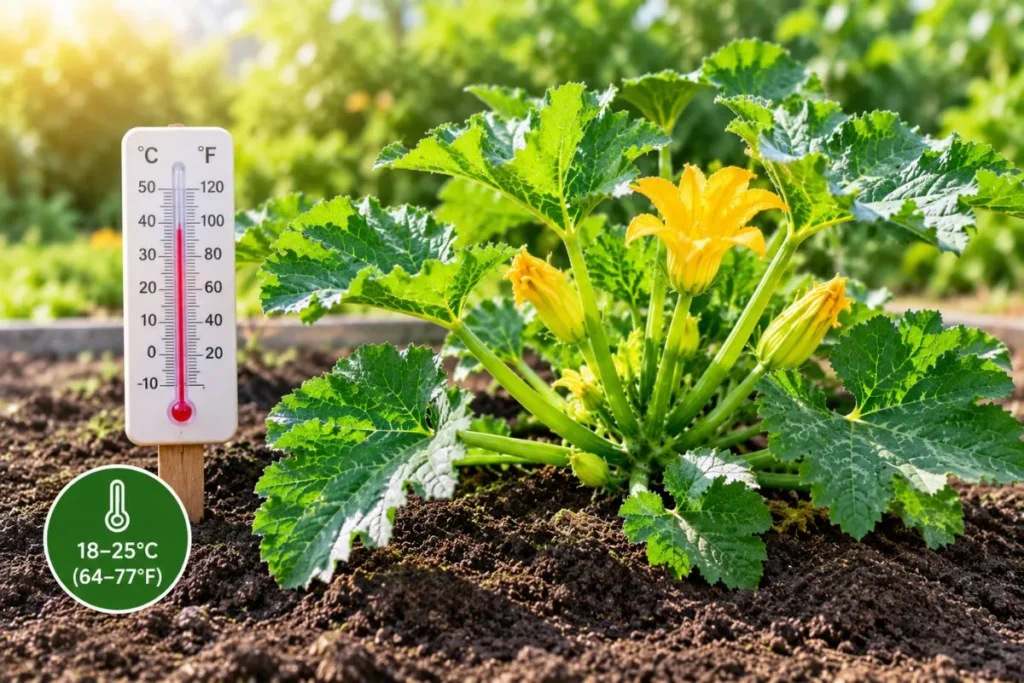
Cold weather and late spring frosts can damage young plants, while extremely high temperatures may reduce pollination and fruit production. If a heatwave occurs, maintaining even soil moisture helps reduce plant stress and supports continued growth.
Understanding the preferred temperature range allows gardeners to plan their planting time more effectively and enjoy a longer harvest season.
Improving Soil Naturally
Healthy soil doesn’t happen by accident. It improves over time with regular care and the addition of natural organic materials.
Adding compost every growing season increases soil fertility and improves its ability to hold moisture while still draining excess water. Organic matter also encourages beneficial microorganisms that naturally support root health and overall plant growth.
Applying mulch around the base of yellow squash plants helps regulate soil temperature, reduces water evaporation, and prevents weeds from competing for nutrients. As the mulch slowly breaks down, it adds even more organic matter back into the soil.
Another effective practice is rotating crops each season instead of planting squash in the same location year after year. Crop rotation reduces the buildup of soil-borne diseases and helps maintain long-term soil health, creating better conditions for future yellow squash production.
By providing fertile soil, the proper soil pH, plenty of direct sunlight, warm temperatures, and regular organic matter, you’ll give your yellow squash plants everything they need to grow vigorously. These simple growing conditions lay the foundation for stronger plants, healthier leaves, abundant flowers, and a generous harvest of fresh, flavorful squash.
Frequently Asked Questions
How long do yellow squash plants take to grow?
Most yellow squash plants grow quickly and are ready for harvest within 45 to 60 days after planting. The exact time depends on the variety, weather conditions, and how well you care for the plants. Warm temperatures, fertile soil, and regular watering help speed up growth.
How much sun do yellow squash plants need?
Yellow squash plants need 6 to 8 hours of direct sunlight every day. Plenty of sunshine encourages healthy leaves, strong flowering, and continuous fruit production. Plants grown in partial shade often produce fewer squash and may become weak over time.
Can yellow squash plants grow in pots?
Yes, growing yellow squash plants in containers is a great option if you have limited garden space. Choose a container that holds at least 15 to 20 gallons of soil and has good drainage holes. Place it in a sunny location and water it consistently to keep the soil evenly moist.
Why are my yellow squash flowers falling off?
It’s normal for some flowers to fall naturally, especially the first male flowers. However, if female flowers are dropping before producing fruit, poor squash pollination is often the main reason. Encouraging bees into your garden or hand-pollinating the flowers can improve fruit production.
How often should I water yellow squash plants?
If you’re wondering how often should you water yellow squash plants, the answer depends on the weather and soil conditions. In general, they need about 1 to 2 inches of water each week.
During hot, dry weather, you may need to water more frequently. Deep watering is better than frequent light watering because it encourages stronger root growth.
What is the best fertilizer for yellow squash plants?
The best fertilizer for yellow squash plants is one that provides balanced nutrients, especially nitrogen, phosphorus, and potassium. Compost, well-rotted manure, or a balanced vegetable fertilizer works well.
Applying fertilizer during the growing season supports healthy leaves, more flowers, and a larger harvest.
How do I prevent squash bugs naturally?
Natural pest control starts with keeping your garden clean and checking plants regularly. Remove damaged leaves, hand-pick squash bugs when you see them, and use row covers while the plants are young. Planting companion flowers that attract beneficial insects can also help reduce pest problems without using harsh chemicals.
When should I harvest yellow squash?
The best time to harvest yellow squash is when the fruits are about 6 to 8 inches long. At this stage, the skin is tender, the seeds are small, and the flavor is at its best. Harvesting regularly also encourages yellow squash plants to continue producing new fruit throughout the season.
Can yellow squash plants survive hot weather?
Yes, yellow squash plants enjoy warm temperatures, but extreme heat can reduce flowering and pollination. During heatwaves, water deeply, apply mulch around the base of the plants, and avoid letting the soil dry out completely. These simple steps help reduce stress and keep plants productive.
How many squash can one plant produce?
A healthy yellow squash plant can produce 10 to 20 squash or more during one growing season, depending on the variety and growing conditions. Consistent watering, proper fertilization, regular harvesting, and effective pest management all contribute to higher yellow squash production.
Conclusion
Growing yellow squash plants is much easier than many people think. With the right care, even beginners can enjoy a healthy, productive garden filled with fresh, flavorful squash.
The key is to start with healthy soil, give your plants plenty of sunlight, water them consistently, and keep an eye out for pests and diseases before they become serious problems. Small, regular efforts throughout the growing season often lead to the biggest rewards.
Whether you’re planting a single yellow squash plant in a container or filling an entire garden with yellow summer squash plants, following the tips in this guide will help you grow stronger plants and harvest more squash.
Remember that regular harvesting encourages continuous fruit production, while proper fertilizing and good squash plant care keep your plants healthy from the first flower to the final harvest.
Every garden is a learning experience, and growing yellow squash plants becomes easier with each season. Don’t worry if everything isn’t perfect the first time. Pay attention to your plants, adjust your care when needed, and you’ll quickly gain the confidence to grow an abundant crop year after year.
If you found this guide helpful, share it with fellow gardeners who want to grow healthy yellow squash plants. And if you have your own growing tips, questions, or success stories, leave a comment below. We’d love to hear about your gardening journey and help you enjoy an even better harvest next season.

Plant Nest Blog’s author is passionate about plants, gardening, and sustainable living. Through research and practical experience, they share helpful plant care tips, gardening guides, and easy solutions to help readers grow healthier plants and create greener spaces.