
A common misconception is that plant sprouting potatoes are useless and should always be thrown away. However, that is not necessarily true. Firm, healthy potatoes with strong sprouts can often grow into new potato plants when planted in suitable soil.
If you have found sprouting potatoes in your kitchen or garden shed, you may be able to turn them into a useful crop instead of wasting them.
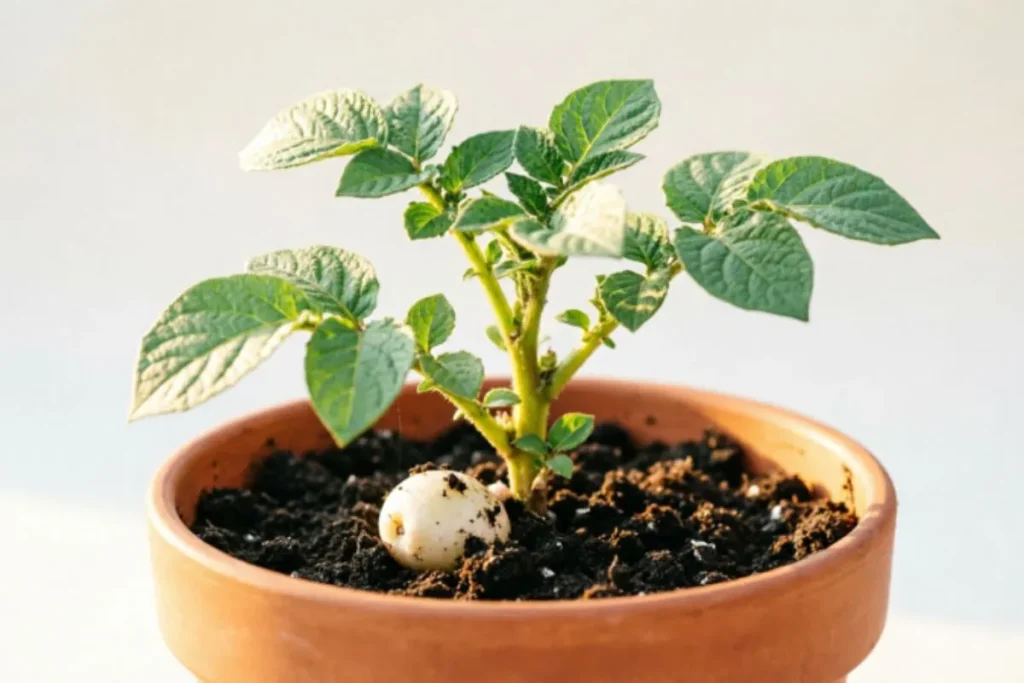
Learning how to plant sprouting potatoes starts with choosing healthy potatoes and understanding what their sprouts need to grow. In this guide, you will discover how to prepare sprouted potatoes, handle long sprouts, and create the right conditions for healthy growth.
Whether you are planning a garden bed or growing potatoes at home in containers, a few simple steps can help you get started.
What Does It Mean When Potatoes Start Sprouting?
Why Do Potatoes Develop Sprouts?
Potatoes develop sprouts when their eyes begin producing new shoots under suitable conditions. Warm temperatures, light exposure, and extended storage can influence this process.
These small shoots are the beginning of new growth, which is why sprouting potatoes can sometimes be used as seed potatoes for planting. However, not every sprouting potato is suitable for growing, so its overall condition matters.
Are Sprouting Potatoes Still Good for Planting?
Yes, many sprouting potatoes can be planted if they remain firm and show no signs of rot or serious damage. Look for healthy eyes and sturdy sprouts rather than potatoes that feel mushy, smell unpleasant, or have shriveled badly. I
f you want to grow potatoes from sprouts, choosing healthy tubers gives your plants a better starting point. Certified seed potatoes are generally the more reliable choice because they are produced for planting.
What Is the Difference Between Sprouting and Chitting Potatoes?
Sprouting happens naturally when potato eyes begin producing shoots during storage. Chitting, on the other hand, is a gardening technique in which seed potatoes are deliberately encouraged to develop short, sturdy sprouts before planting.
Gardeners usually place them in a bright, cool location away from harsh direct sunlight. This preparation can make seed potatoes easier to handle and help gardeners identify healthy shoots before planting, although it does not guarantee a bigger harvest.
Can You Grow Potatoes That Have Already Sprouted?
Many gardeners believe that potatoes must be fresh and free from sprouts before planting, but that is not true. In fact, sprouted potatoes can often grow into healthy plants if the tubers remain firm and the sprouts are in good condition.
Before planting, though, it is important to understand which potatoes are suitable, how supermarket potatoes differ from seed potatoes, and when a sprouted potato is better left unused.
Can Sprouted Potatoes Grow Into Healthy Potato Plants?
Yes, you can grow potatoes that have already sprouted. Those small shoots can develop into stems, while the potato provides stored energy to support early growth.
With suitable soil, enough sunlight, proper watering, and the right planting time, a healthy sprouted potato can establish a new plant and eventually produce fresh tubers.
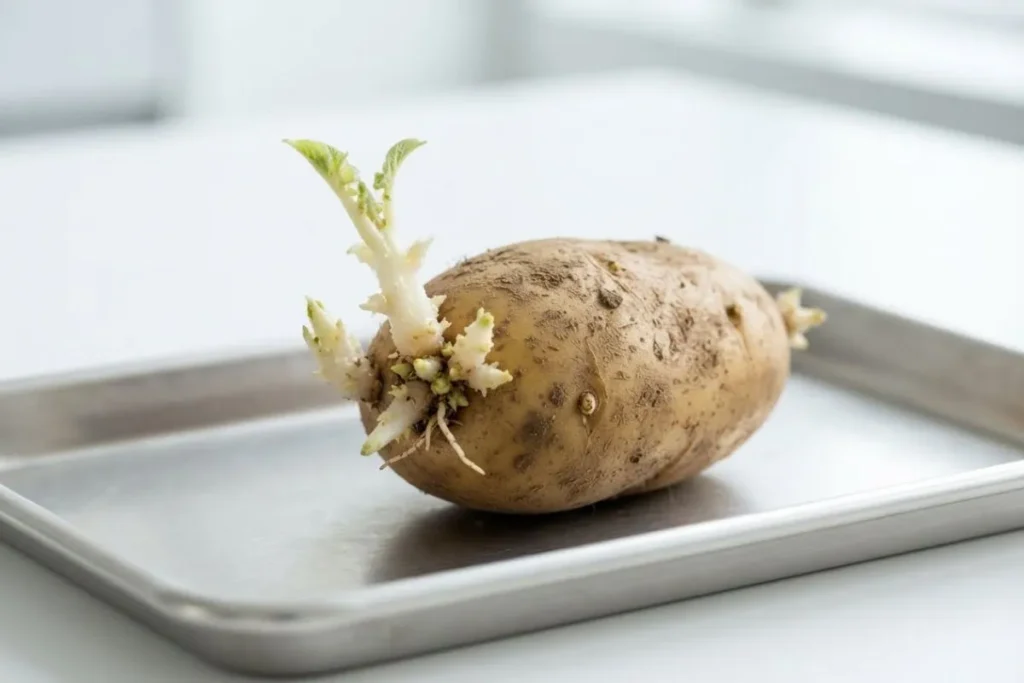
For the best results, choose potatoes that feel firm and have sturdy, healthy sprouts. Avoid handling the shoots roughly because they can break during planting.
If you are wondering how to plant sprouted potatoes, start by checking the condition of each tuber and preparing a garden bed or container with loose, well-drained soil. Remember that sprouting alone does not guarantee a successful crop; variety, weather, and growing conditions also affect the harvest.
Can You Plant Supermarket Potatoes?
You can sometimes grow potatoes from supermarket potatoes, but the results may be less predictable than using certified seed potatoes. Some shop-bought potatoes sprout readily, while others may have been treated with sprout inhibitors or may carry diseases that affect plant growth.
Their variety and suitability for your local climate may also be unknown.
If you want to try growing potatoes from supermarket potatoes, select firm tubers with healthy eyes and no signs of rot. Plant them in suitable soil and monitor their growth.
However, certified seed potatoes are generally a better option because they are specifically produced for planting and offer greater confidence in their health and identity. This is especially useful if you want a more reliable potato harvest rather than simply experimenting in a home garden.
When Should You Avoid Planting Sprouted Potatoes?
Not every sprouted potato is suitable for planting. If a tuber is mushy, leaking, badly shriveled, or shows signs of serious decay, it is better to discard it.
Rotten potatoes may fail to establish healthy plants, and decaying material can create problems in the growing area. Very weak or badly damaged sprouts may also struggle to develop, particularly when the potato itself has lost much of its firmness.
Pay attention to green coloration, too. Green skin can indicate increased levels of glycoalkaloids, which can be harmful if the potato is eaten. Green potatoes should not be treated as safe food simply because the sprouts can be planted.
If a potato is intended for growing, keep it separate from potatoes intended for eating and choose healthy planting material. When in doubt about a tuber’s condition, use a fresh, healthy seed potato instead.
How to Prepare Sprouted Potatoes for Planting
Many people think that sprouted potatoes need to be cut, stripped of their shoots, or specially treated before they can grow. In reality, healthy sprouted potatoes often need very little preparation. The key is to choose suitable seed potatoes, protect their sprouts, and prepare them properly so they can establish themselves in the soil.
Choose Firm, Healthy Seed Potatoes
Start by selecting potatoes that feel firm and have healthy eyes with strong, sturdy sprouts. Avoid tubers with soft spots, mold, unpleasant odors, or serious damage. A healthy potato provides stored energy that supports early shoot and root development while the plant begins growing.
Certified seed potatoes are usually the best choice because they are produced specifically for planting and help reduce the risk of introducing certain diseases into your garden.
When choosing seed potatoes for planting, consider the variety, too. Some varieties mature earlier than others, so selecting one suited to your climate and growing season can make potato gardening easier.
Should You Remove Long Sprouts Before Planting Potatoes?
You do not always need to remove long sprouts before planting potatoes. If the shoots are healthy, handle them gently and try to keep them intact. Long, pale sprouts can be fragile and may break during transport or planting, so avoid pulling or twisting them unnecessarily.
If your potatoes have very long, weak shoots, you can place them in a bright location with cool conditions for a short period to encourage sturdier growth, provided the potatoes remain healthy.
Avoid harsh direct sunlight and excessive warmth. When learning how to prepare sprouted potatoes for planting, remember that strong, manageable sprouts are generally easier to work with than thin, damaged ones.
Should You Cut Sprouted Potatoes Into Pieces?
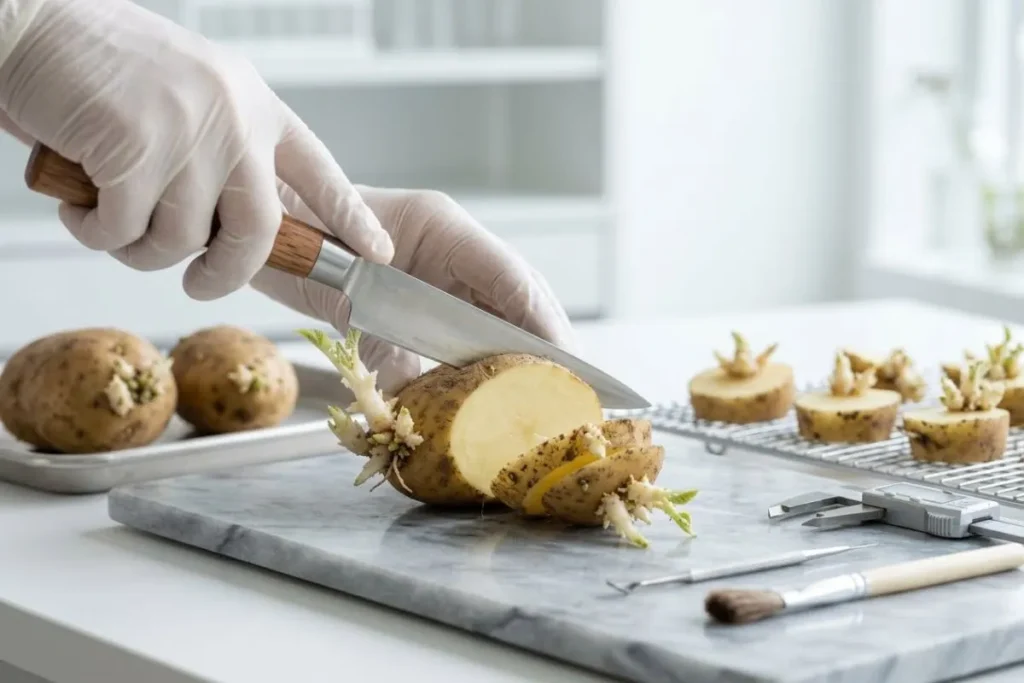
Cutting sprouted potatoes is sometimes useful when a large potato has several healthy eyes. Each seed piece should contain at least one healthy eye, preferably with a sturdy sprout, so it has a suitable starting point for new growth. Small potatoes can often be planted whole, which avoids the need to cut them.
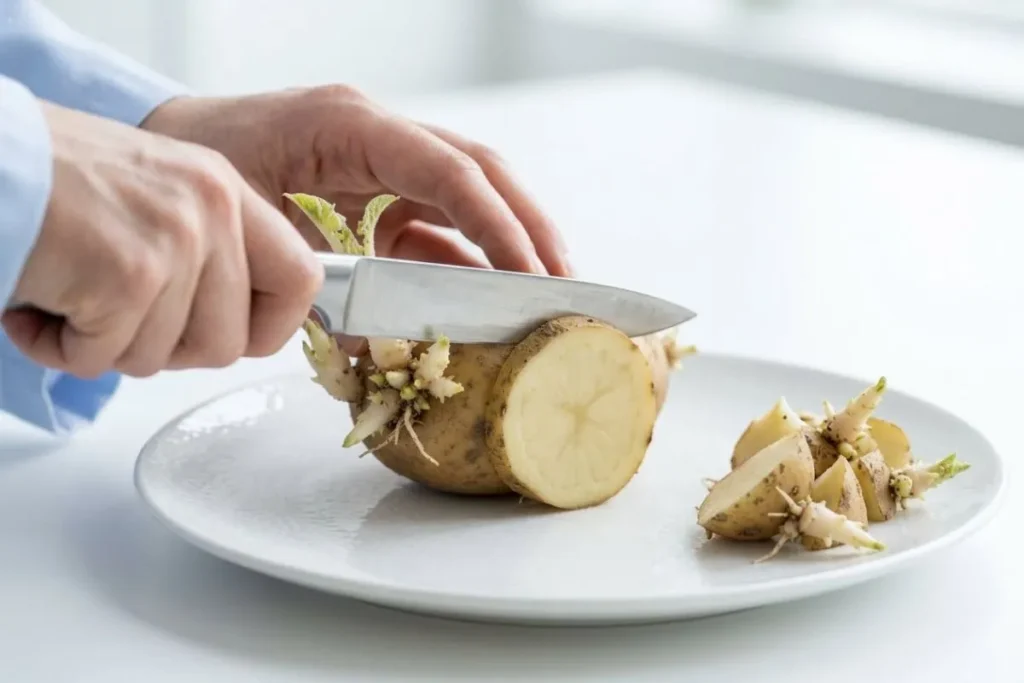
If you decide to cut a potato, use a clean knife and avoid damaging the sprouts. Allow the cut surfaces to dry and form a protective layer before planting, following suitable seed-potato preparation guidance.
Do not plant pieces that are rotting or badly damaged. Also, remember that cutting a potato into more pieces does not automatically produce more healthy plants; each piece needs enough stored energy to establish itself.
How to Prepare Sprouted Potatoes Step by Step
Preparing sprouted potatoes for planting is straightforward when you follow a few basic steps. First, inspect every potato and set aside any tubers that show signs of decay or serious damage.
Next, check the sprouts and handle them carefully to avoid breaking healthy shoots. Remove loose dirt gently, but do not scrub the potatoes aggressively or damage their eyes.
If a potato is large enough to divide, cut it into suitable seed pieces with clean equipment and allow the cut surfaces to dry before planting. Otherwise, keep the potato whole.
Finally, prepare your planting area with loose, well-drained soil and plant the potatoes when local conditions are suitable. With careful handling and proper preparation, your sprouted potatoes will have a better chance of establishing healthy plants.
Frequently Asked Questions About Plant Sprouting Potatoes
Can You Grow Potatoes That Have Already Sprouted?
Yes, you can grow potatoes that have already sprouted if they are firm and healthy. Their sprouts can develop into shoots, and the plant can produce new potatoes under suitable growing conditions. For better results, use healthy seed potatoes and plant them in loose, well-drained soil with enough sunlight.
How Do You Plant Sprouting Potatoes?
Choose firm potatoes with healthy sprouts and prepare a sunny garden bed with well-drained soil. Plant the potatoes carefully, cover them with soil, and leave enough space between plants. Water when needed to maintain even soil moisture, and add soil around the growing stems as the plants develop to protect the new tubers.
Should You Remove Long Sprouts Before Planting Potatoes?
No, you do not need to remove healthy sprouts automatically. Long shoots can be fragile, so handle them gently during preparation and planting. If they are pale and weak, suitable cool, bright conditions may help encourage sturdier growth before planting.
Can You Plant Potatoes With Long Sprouts?
Yes, potatoes with long sprouts may still grow successfully. The main challenge is preventing the shoots from breaking during handling. Plant them carefully in suitable soil and remember that the condition of the potato itself also affects how well the plant establishes.
How Deep Should You Plant Sprouted Potatoes?
A common starting point is to plant seed potatoes about 4 inches deep in prepared garden soil. The ideal depth depends on the soil, planting method, and local conditions. Cover the potatoes gently and add more soil around the stems as the plants grow.
Can You Grow Sprouted Potatoes in Containers?
Yes, you can grow sprouted potatoes in containers or grow bags. Choose a sufficiently deep container with drainage holes and fill it with a loose, well-draining growing mix. Provide adequate sunlight, water when needed, and gradually add more growing medium around the stems as the plants develop.
Are Supermarket Potatoes Suitable for Planting?
Some supermarket potatoes can grow when planted, but their results may be unpredictable. Certain potatoes may have been treated to slow sprouting, and their disease status or variety may be unknown. Certified seed potatoes are generally a more reliable choice for home gardening.
How Can You Stop Potatoes From Sprouting in Storage?
Store potatoes intended for eating in a cool, dark, dry, well-ventilated place. Protect them from direct sunlight and excessive warmth, and check them regularly for signs of spoilage. Keep potatoes intended for planting separate and follow suitable seed-potato storage recommendations.
Conclusion:
Plant sprouting potatoes can be a simple and rewarding way to grow your own food at home. Start with healthy tubers, handle their sprouts carefully, and plant them in suitable soil at the right time.
With enough sunlight, proper spacing, and consistent moisture, your potato plants have a good chance of developing and producing a useful harvest.
Whether you are growing potatoes in a garden bed or a container, paying attention to these basic steps can help you avoid common gardening mistakes.
Choose suitable seed potatoes, monitor their growth, and protect developing tubers from sunlight by adding soil around the stems when needed. With patience and proper care, those sprouting potatoes can become the beginning of your next homegrown crop.

Plant Nest Blog’s author is passionate about plants, gardening, and sustainable living. Through research and practical experience, they share helpful plant care tips, gardening guides, and easy solutions to help readers grow healthier plants and create greener spaces.