
It is generally believed that peeled carrots lose their freshness quickly, so it is better to peel them only when needed. However, how to store peeled carrots properly is easy to learn, and the right method can help keep them fresh, firm, and crunchy for longer.
Whether you have peeled a few carrots for dinner or prepared a batch for the week, proper storage helps reduce food waste and keeps your vegetables ready to use.
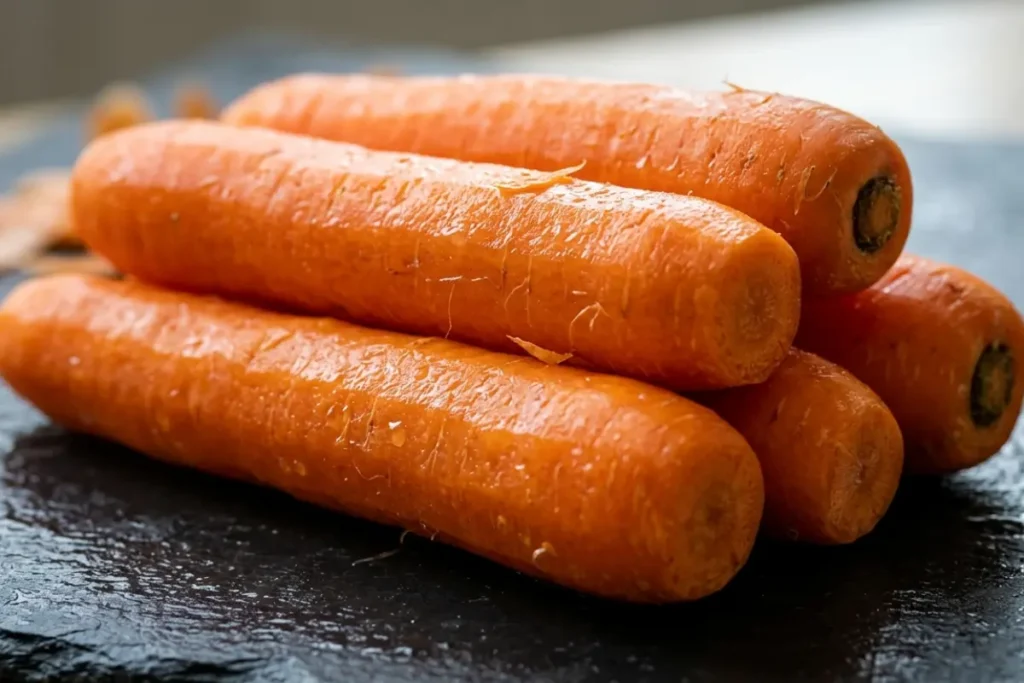
The key is to start with fresh carrots, use a clean container, and refrigerate them promptly. You can also use cold drinking water when appropriate to help maintain their crisp texture.
In this guide, you’ll discover practical carrot storage tips, how to preserve peeled carrots, and the best ways to keep them fresh for snacks, salads, and everyday meals.
What Is the Best Way to Store Peeled Carrots?
Storing peeled carrots properly helps keep them fresh, firm, and crunchy for longer. The best method depends on how soon you plan to use them and how you want to serve them. A clean, airtight container and proper refrigeration can help maintain their quality.
Let’s explore the easiest ways to store peeled carrots and keep them ready for your next meal.
Use a Clean, Airtight Container
The best way to store peeled carrots is to place them in a clean, airtight container and keep it in the refrigerator. This helps protect the carrots from contamination and slows moisture loss, so they stay firm and fresh. Choose a food-safe container with a secure lid that fits the carrots without crushing them.
Should You Store Peeled Carrots in Water?
Storing peeled carrots in cold drinking water is a useful option when you want to keep them crisp. Place the carrots in a clean container, cover them with water, close the lid, and refrigerate them. If you’re storing them for more than a short period, change the water regularly and check the carrots for signs of spoilage.
Can You Store Peeled Carrots Without Water?
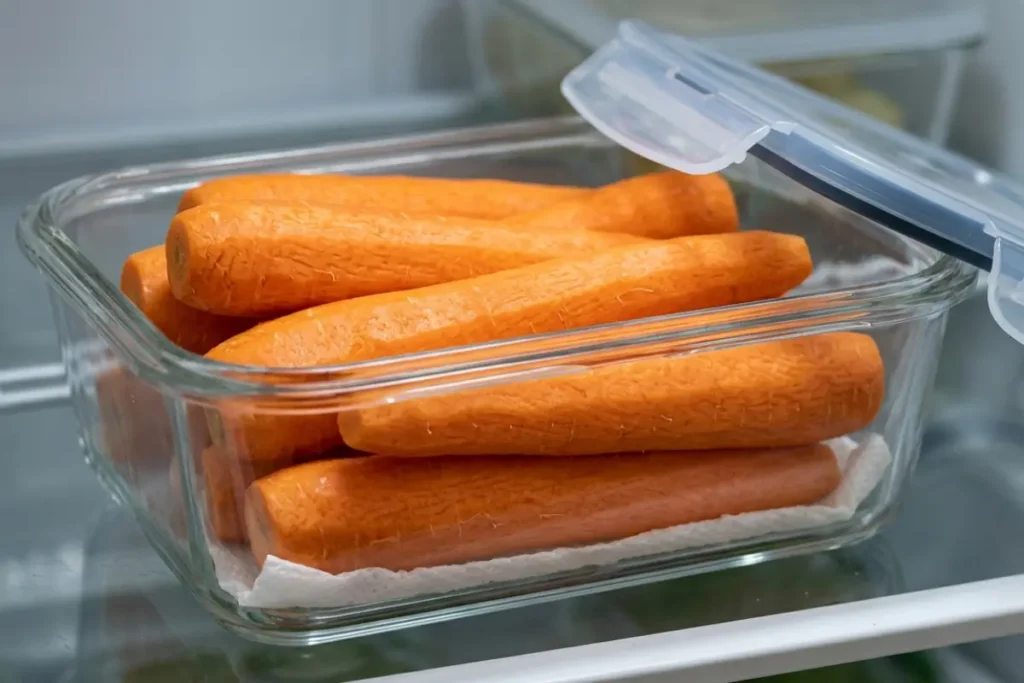
Yes! You can store peeled carrots without water in a clean, sealed container in the refrigerator. This method is convenient when you plan to use the carrots for cooking, roasting, or meal preparation.
Make sure the carrots are not left exposed to air for long, as they can dry out and lose their crunchy texture.
Which Storage Method Is Best for You?
The right method depends on how you plan to use your carrots. If you want crisp carrots for snacks or lunchboxes, storing them in cold water may be helpful.
If you’re preparing carrots for a cooked meal, an airtight container without water may be more convenient. Either way, refrigerate peeled carrots promptly and keep the storage container clean to maintain their quality.
How to Store Peeled Carrots in the Refrigerator
You might think that putting peeled carrots anywhere in the refrigerator will keep them fresh, but that isn’t always true. Poor storage can leave carrots dry, limp, or less appealing to eat.
If you want to know how to store peeled carrots in the refrigerator, focus on keeping them properly covered, maintaining a safe temperature, and protecting them from contamination. These simple steps help preserve their texture and make meal preparation easier.
Keep Your Refrigerator at the Right Temperature
Temperature plays an important role in fresh peeled carrot storage. Keep your refrigerator at 4°C (40°F) or below to slow bacterial growth and help your vegetables stay fresh. Place the carrots inside the refrigerator soon after peeling instead of leaving them on the kitchen counter.
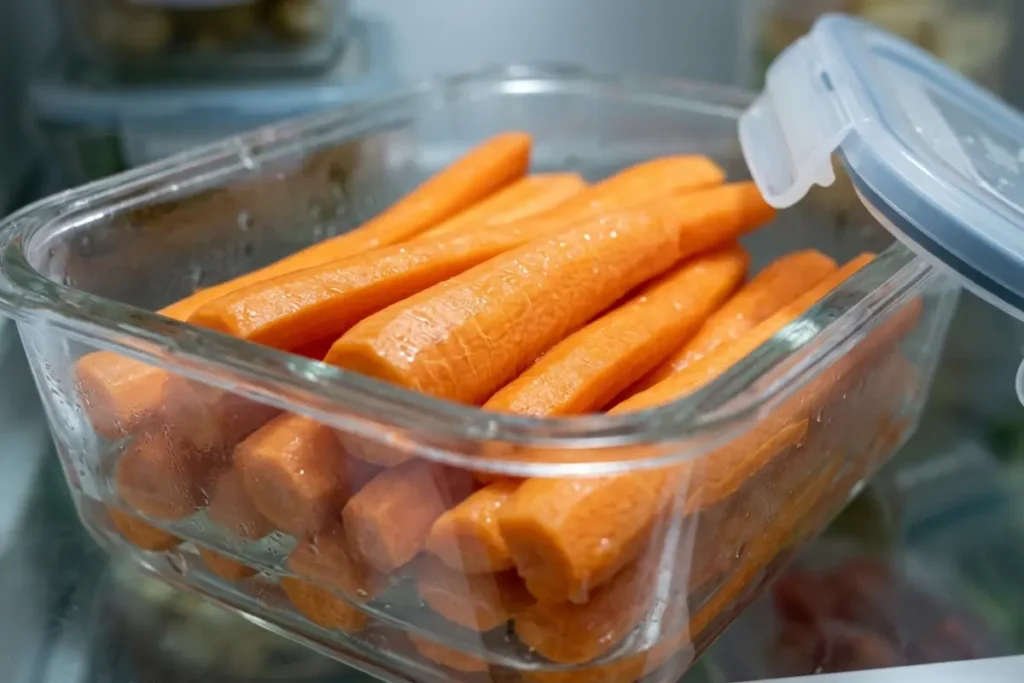
Avoid storing peeled carrots in the refrigerator door because the temperature can fluctuate whenever you open it. An interior shelf is generally a better choice because it helps keep the carrots consistently cold. Proper refrigeration is one of the most important parts of safe vegetable storage.
Choose the Right Refrigerator Container
A clean, food-safe container with a tight-fitting lid works well for storing peeled carrots. It helps protect them from odors, accidental spills, and contact with other foods. Choose a container that fits the carrots comfortably without bending or crushing them.
If you prefer storing carrots without water, make sure the container closes securely to reduce moisture loss. You can use this method for carrots prepared for cooking, salads, or quick snacks.
For the best results, avoid placing peeled carrots in an open bowl where cold air can dry out their surface.
Keep Peeled Carrots Away From Contamination
Clean storage is just as important as temperature. Before handling carrots, wash your hands and use clean utensils and containers. Keep the peeled carrots separate from raw meat, poultry, seafood, and any foods that could contaminate them.
If you notice a spoiled carrot in the container, remove it and inspect the remaining pieces carefully. Mold, a slimy surface, or an unpleasant smell can indicate spoilage. Good food hygiene helps protect the quality of your stored vegetables and makes them safer to prepare.
Avoid Excess Moisture and Dryness
Peeled carrots need suitable storage conditions to maintain their crisp texture. If you leave them uncovered, the refrigerator’s circulating air can cause moisture loss, making them feel dry or limp. A covered container helps reduce this problem.
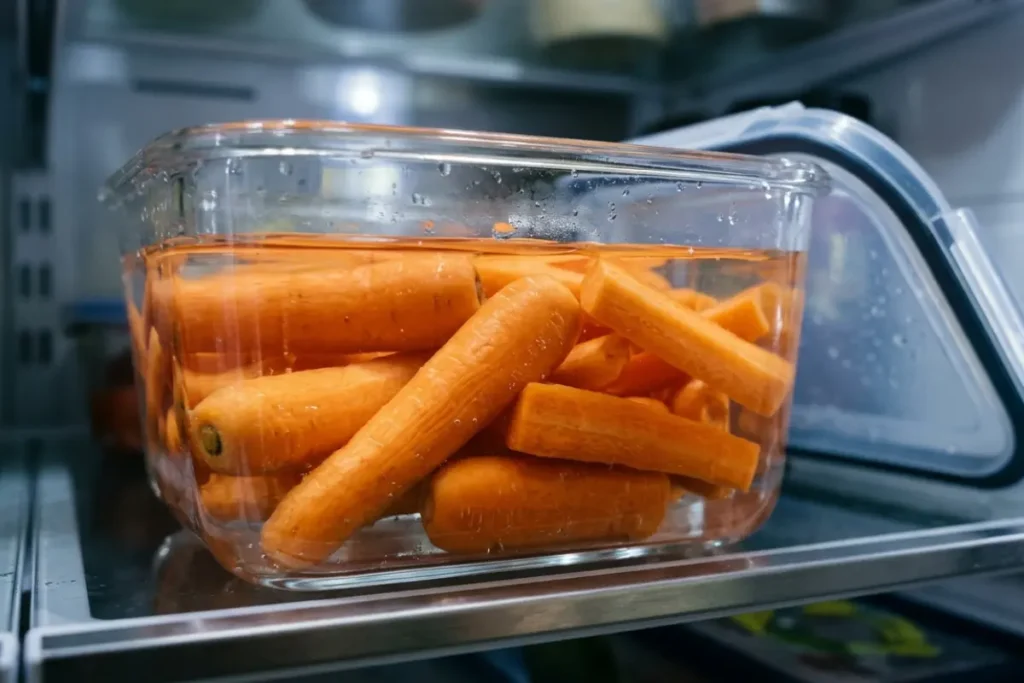
On the other hand, excess moisture around dirty or damaged carrots can encourage spoilage. Start with fresh, clean carrots and use a suitable storage method for your needs. If you store them in water, use clean drinking water and keep the container refrigerated.
These small steps can help maintain carrot freshness without making storage complicated.
Check Your Carrots Before Using Them
Even when you follow the right refrigerator storage methods, peeled carrots won’t stay fresh forever. Check their appearance, texture, and smell before adding them to a meal. Fresh carrots should generally feel firm and have a clean, mild smell.
If the carrots have become slightly limp, that alone doesn’t always mean they are spoiled. However, discard carrots that develop mold, slime, or an unusual odor. Regular checks help you spot changes early and avoid using vegetables that may no longer be safe to eat.
How to Store Peeled Carrots in Water Overnight
You might think peeled carrots will turn soggy if you leave them in water overnight, but storing them properly in cold water can actually help them stay crisp.
The key is to use clean drinking water, a suitable container, and a refrigerator. If you want to prepare carrots ahead of time for salads, snacks, or tomorrow’s dinner, this simple storage method can save time while helping maintain their fresh texture.
Prepare the Carrots and Container
Start by choosing fresh, firm carrots without soft spots or signs of spoilage. Rinse them under running water before peeling, then use a clean vegetable peeler to remove the skin. You can leave the carrots whole or cut them into sticks, depending on how you plan to use them.
Next, choose a clean, food-safe container with a lid. Make sure it is large enough to hold the carrots without forcing them inside. Using a clean container and fresh drinking water helps reduce the risk of contamination during storage.
Cover the Carrots With Cold Water
Place the peeled carrots in the container and add enough cold drinking water to cover them completely. Close the lid and place the container in the refrigerator. This method can help prevent moisture loss and keep the carrots firm and crunchy overnight.
If you are preparing carrot sticks for lunchboxes or snacks, water storage is especially convenient. You can take out the amount you need when you’re ready to serve them. Always keep the carrots refrigerated rather than leaving the container on the kitchen counter.
Keep the Carrots Refrigerated Overnight
When storing carrots in water overnight, keep the refrigerator at 4°C (40°F) or below. A consistently cold temperature helps slow bacterial growth and maintain food quality.
Avoid leaving the carrots at room temperature for extended periods, even if they are fully covered with water. Water does not prevent bacteria from growing when storage conditions are unsafe. Refrigeration is essential for keeping peeled carrots fresh and suitable for later use.
Change the Water When Needed
If you plan to keep peeled carrots in water beyond overnight storage, replace the water regularly with fresh, cold drinking water. A practical approach is to change it daily and use a clean container when needed.
Check the carrots whenever you change the water. If the water becomes cloudy, the carrots develop a slimy coating, or you notice an unpleasant smell or mold, discard the affected carrots. Changing the water helps maintain cleanliness, but it cannot make spoiled carrots safe to eat.
Drain and Dry the Carrots Before Serving
When you’re ready to use the carrots, remove them from the refrigerator and drain the water. If you’re adding them to a salad, sandwich, or lunchbox, gently pat them dry with a clean paper towel. This removes excess moisture and helps prevent your other ingredients from becoming watery.
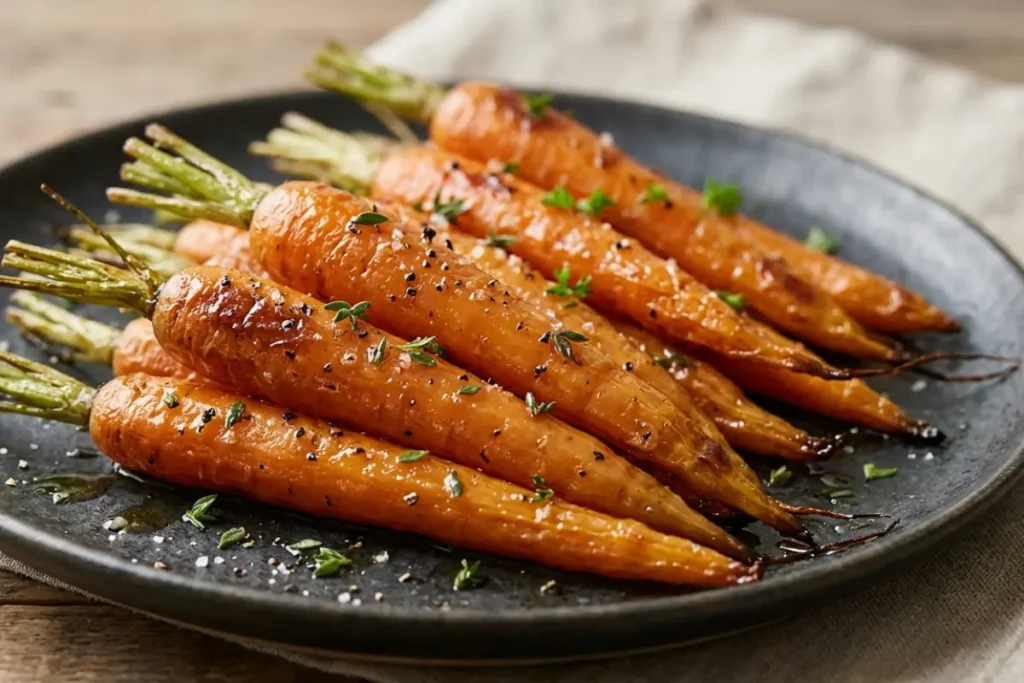
For cooked dishes, drain the carrots before adding them to the pan or pot. Extra water can affect roasting and sautéing because it may prevent the carrots from browning properly. With this simple step, your overnight-prepared carrots will be ready for snacks, salads, or cooking.
Should You Store Peeled Carrots in Water or Dry?
Some people believe peeled carrots must always be stored in water to stay fresh, but that’s not necessarily true. Both water storage and dry storage can work well when you keep the carrots refrigerated in a clean container.
The best choice depends on how you plan to use them, how long you need to store them, and whether you want them ready for snacking or cooking.
Storing Peeled Carrots in Water
Storing carrots in cold drinking water is a useful way to help them stay firm and crunchy. Water helps prevent the exposed surface from drying out, making this method handy for carrot sticks, lunchboxes, and fresh vegetable snacks.

To use this method, place the peeled carrots in a clean container, cover them with cold drinking water, and close the lid. Keep the container refrigerated at 4°C (40°F) or below. If you store the carrots for longer than overnight, replace the water daily and check the carrots for any signs of spoilage.
This method works particularly well when you want crisp carrots ready to eat. However, always drain them before adding them to dishes where extra moisture could affect the texture.
Storing Peeled Carrots Without Water
You don’t need water to keep peeled carrots fresh. A clean, airtight container can help reduce moisture loss and protect the carrots from odors and contact with other foods in the refrigerator.
This option is convenient when you’re preparing carrots for soups, stews, roasting, or other cooked meals. Simply place the peeled carrots in the container, secure the lid, and refrigerate them promptly. Make sure the carrots are fresh before storage, and check them regularly.
Dry storage is also useful when you want to avoid dealing with water changes. However, exposed carrots may dry out more quickly, so keeping the container properly sealed is important.
Which Method Keeps Carrots Crunchier?
Both methods can help preserve carrot quality, but storing carrots in cold water can be particularly useful for maintaining a crisp texture. The water helps prevent moisture loss from the peeled surface, especially when you’ve cut the carrots into sticks.
Dry storage can also work well for short-term refrigeration, especially when the carrots are kept in a sealed container. The main goal is to prevent excessive drying while maintaining clean, cold storage conditions.
Here is a simple comparison:
| Storage method | Best for | Main benefit |
| In cold water | Snacks, carrot sticks, lunchboxes | Helps maintain crispness |
| Without water | Cooking, roasting, meal prep | Convenient and easy to manage |
| In an airtight container | General short-term storage | Helps reduce moisture loss |
How to Choose the Right Storage Method
Think about when you’ll use your carrots. If you’re preparing crunchy carrot sticks for tomorrow’s lunch, storing them in cold water may be a good choice. If you’re cutting carrots for a recipe, a sealed container without water may be more convenient.
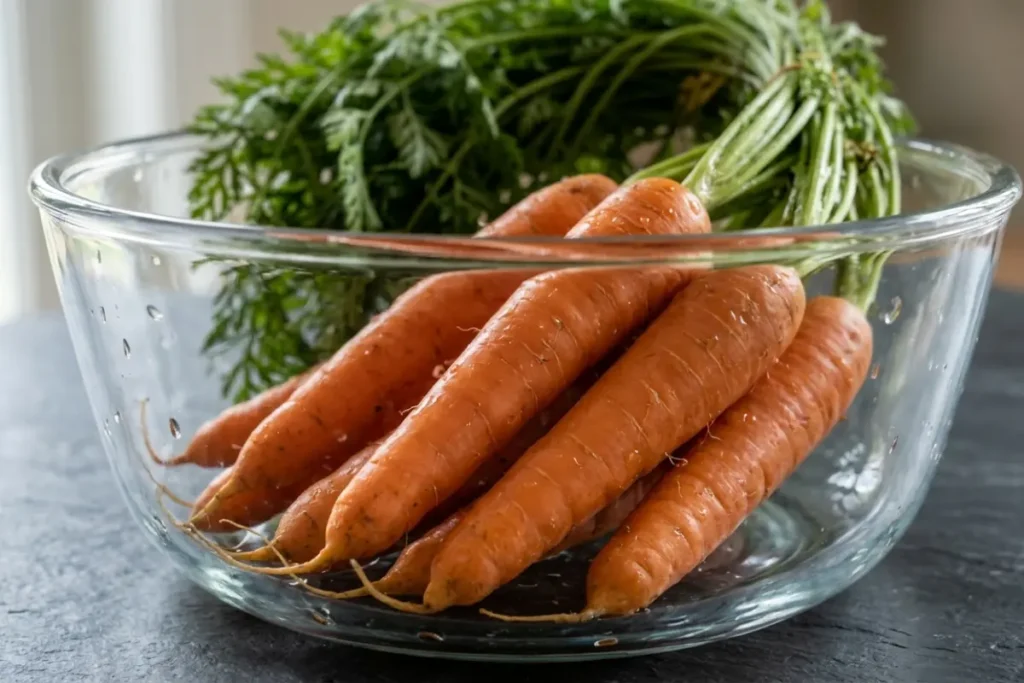
Whichever method you choose, use a clean container, refrigerate the carrots promptly, and keep your refrigerator at 4°C (40°F) or below. Avoid storing carrots that already show signs of spoilage, and discard any that develop mold, slime, or an unusual smell.
Frequently Asked Questions About Storing Peeled Carrots
How Long Do Peeled Carrots Last in the Fridge?
Peeled carrots can often stay in good condition for several days when stored correctly in the refrigerator. Their freshness depends on their condition before peeling, the cleanliness of the container, and how well you maintain cold storage.
Keep them refrigerated at 4°C (40°F) or below, and check them regularly for mold, slime, or an unusual smell. Don’t rely on storage time alone to determine whether they’re safe to eat.
Is It Better to Store Peeled Carrots in Water?
Storing peeled carrots in cold water can help them retain moisture and stay crisp, especially when you’ve cut them into sticks for snacks. However, water isn’t essential.
You can also keep peeled carrots in a clean, airtight container in the refrigerator. Choose the method that best suits your plans, and always use clean drinking water if you decide to store carrots submerged.
Can I Peel Carrots the Night Before Cooking?
Yes, you can peel carrots the night before cooking. Place them in a clean, covered container and refrigerate them promptly. You can store them in cold drinking water if you want to help maintain their crispness, or keep them in a sealed container without water.
Preparing carrots ahead of time makes cooking easier, especially when you’re planning meals for a busy day.
How Do I Keep Peeled Carrots Crunchy?
To keep peeled carrots crunchy, start with fresh, firm carrots and store them in the refrigerator. A sealed container helps prevent moisture loss, while cold water can help maintain crispness when appropriate.
Keep the carrots away from contamination, maintain a refrigerator temperature of 4°C (40°F) or below, and avoid leaving them uncovered for long periods.
Can I Store Peeled Carrots Without Water?
Yes, peeled carrots can be stored without water. Put them in a clean, airtight container and refrigerate them as soon as possible. This method is convenient when you’re preparing carrots for soups, stews, roasting, or other recipes.
Check the carrots before using them, as proper storage can slow deterioration but cannot prevent spoilage indefinitely.
Can I Store Peeled Carrots With Chopped Vegetables?
You can store peeled carrots alongside other prepared vegetables if each ingredient is clean and handled safely. However, using separate containers is often more convenient because different vegetables have different moisture needs and may transfer odors or spoilage to one another.
Keep raw vegetables away from raw meat, poultry, and seafood to prevent cross-contamination.
Should I Change the Water When Storing Peeled Carrots?
Yes, if you’re keeping peeled carrots submerged for longer than overnight, replacing the water daily is a sensible practice. Use fresh, cold drinking water and a clean container when needed. Check the carrots for changes in smell, appearance, or texture each time you replace the water. Discard carrots showing signs of spoilage rather than trying to make them safe by changing the water.
Can Peeled Carrots Be Frozen?
Yes, peeled carrots can be frozen if you want to store them for longer than refrigeration allows. For better quality, cut them into your preferred size, blanch them briefly in boiling water, and cool them quickly in ice water.
Drain and dry them thoroughly before packing them into freezer-safe bags or containers. Freezing can change their texture, so frozen carrots are generally best suited to cooked dishes such as soups, stews, and casseroles.
Conclusion:
Knowing how to store peeled carrots properly can save you time in the kitchen and help reduce food waste. You don’t need complicated storage methods or special equipment to keep your carrots fresh.
A clean, food-safe container, proper refrigeration, and a little attention to moisture can make a real difference. Whether you’ve peeled carrots for tonight’s dinner or prepared them in advance for tomorrow’s lunch, the right storage method helps maintain their quality and makes meal preparation easier.
For the best results, choose fresh, firm carrots and refrigerate them promptly at 4°C (40°F) or below. You can store peeled carrots in a sealed container without water, especially when you’re preparing them for cooking.
If you want crisp carrot sticks for snacks, salads, or lunchboxes, covering them with clean drinking water in a refrigerated container is another useful option. When storing carrots in water for longer than overnight, replace the water daily and check their condition regularly.
Remember that proper storage helps preserve freshness, but it doesn’t keep carrots good forever. Before using stored carrots, check for mold, a slimy surface, or an unpleasant smell, and discard any that show signs of spoilage.
With these simple carrot storage tips, you can keep peeled carrots ready for everyday meals, spend less time preparing ingredients, and make better use of the vegetables you already have at home.

Plant Nest Blog’s author is passionate about plants, gardening, and sustainable living. Through research and practical experience, they share helpful plant care tips, gardening guides, and easy solutions to help readers grow healthier plants and create greener spaces.