
Many gardeners believe that leaving string beans on the plant longer will give them bigger, tastier pods. Unfortunately, that’s one of the most common mistakes.
Overripe beans become tough, stringy, and less flavorful. Even worse, keeping mature pods on the plant tells it to stop producing new beans, which means a smaller harvest over time. The good news is that learning how to harvest string beans at the right stage is simple.
With the right timing and a few easy harvesting techniques, you can enjoy tender, crisp beans while encouraging your plants to produce fresh pods throughout the growing season.
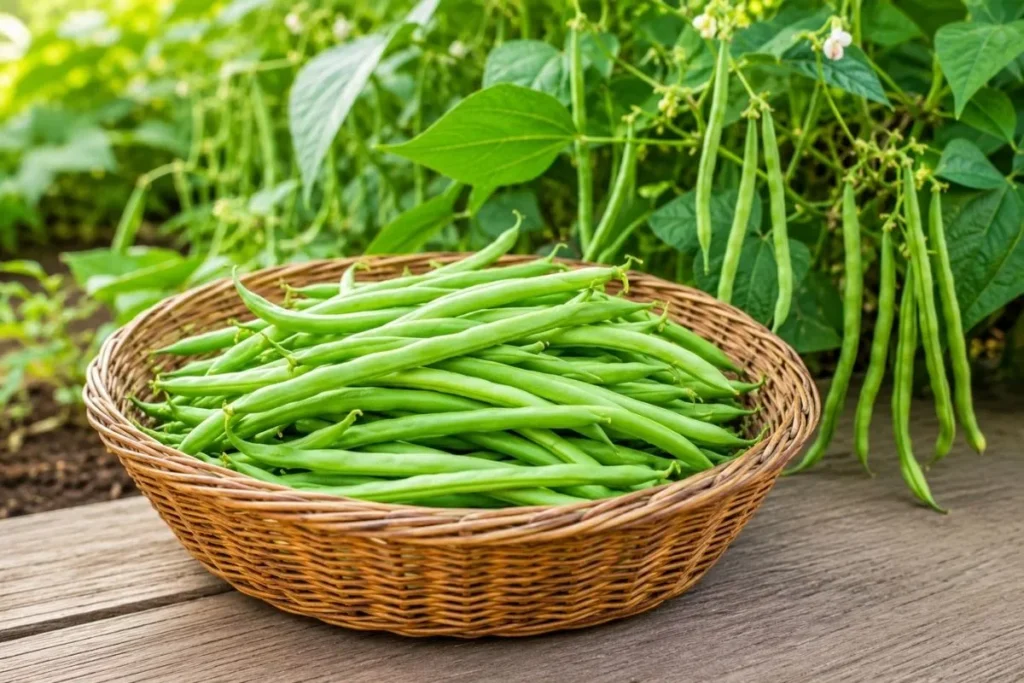
In this guide, you’ll learn how to harvest string beans the right way from start to finish. We’ll cover when to harvest string beans, how to tell when string beans are ready to pick, and how to harvest green beans without damaging the plant.
You’ll also discover the differences between harvesting bush beans and pole beans, how often you should pick beans for continuous production, common harvesting mistakes to avoid, and the best ways to store your freshly picked string beans so they stay crisp and delicious for longer.
Why Harvesting String Beans at the Right Time Matters
Harvesting isn’t just the final step in growing beans it’s one of the most important. Picking your beans at the right stage keeps them tender, encourages new growth, and helps your plants stay productive for weeks.
Many beginner gardeners focus on watering and fertilizing but overlook proper harvesting. However, even the healthiest plants can produce disappointing results if the beans are picked too early or left on the plant for too long.
Let’s look at why timing matters so much.
Better Flavor and Texture
Freshly picked string beans are at their best when they’re young, firm, and bright green. At this stage, they have a crisp texture and a naturally sweet flavor that makes them perfect for steaming, roasting, stir-frying, or eating fresh.
If you wait too long, the pods become thicker and tougher. Inside, the seeds continue to grow, making the beans fibrous and less enjoyable to eat. This is one of the main reasons experienced gardeners recommend picking fresh green beans while they’re still tender.
A good rule of thumb is to harvest beans before the seeds inside become large and easy to see through the pod. Tender pods deliver the best eating experience and are much easier to cook.
When learning how to tell when string beans are ready to pick, remember that appearance matters just as much as size. Smooth, slender pods usually offer the best flavor and texture.
Higher Yields Throughout the Season
One of the biggest secrets to a successful green bean harvest is simple: harvest often.
Every time you remove mature pods, the plant responds by producing more flowers and new bean pods. This means regular harvesting can significantly increase your overall green bean yield during the growing season.
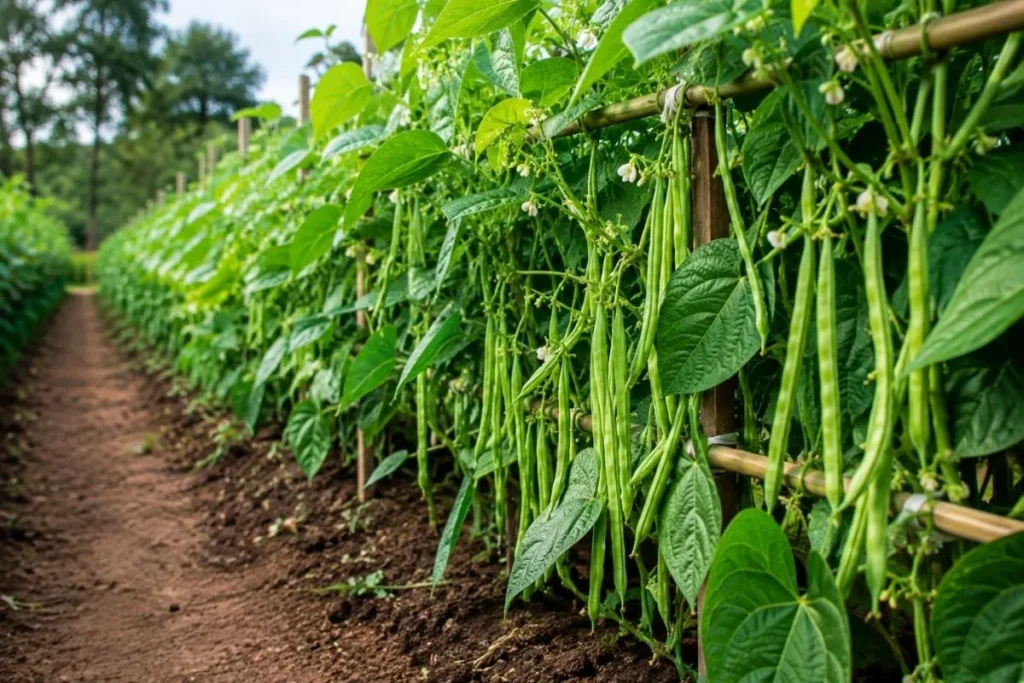
On the other hand, allowing mature beans to remain on the plant sends a different message. The plant assumes its job is complete because the seeds are maturing. As a result, it slows down flower production and eventually stops producing new pods.
That’s why gardeners aiming for a steady supply of homegrown string beans usually harvest every couple of days instead of waiting until all the beans are ready at once.
Frequent harvesting is one of the easiest ways to maximize your string bean crop without spending extra time or money.
Healthier Plants
Harvesting on time doesn’t just benefit the beans it also benefits the entire plant.
Large, overripe pods require more energy from the plant because they continue developing seeds. That extra effort takes valuable nutrients away from producing fresh flowers and new bean pods.
By removing mature beans regularly, you allow the plant to focus its energy where it matters most: growing new vegetables.
Regular harvesting also gives you the chance to inspect your plants closely. While picking beans, you can quickly spot:
- Yellowing leaves
- Damaged stems
- Insect activity
- Early signs of disease
- Broken branches that may need support
This simple habit helps you solve small problems before they become serious ones, keeping your bean plants healthy throughout the season.
Healthy plants naturally produce more beans, making harvesting an important part of overall bean plant maintenance, not just the final step before eating.
A Simple Habit That Makes a Big Difference
If there’s one lesson every gardener should remember, it’s this: don’t wait for every pod to grow as large as possible.
Instead, make harvesting part of your regular gardening routine. A quick walk through your garden every two or three days is usually enough to collect tender beans while encouraging the next wave of growth.
This small habit leads to:
- Better-tasting beans
- More consistent harvests
- Healthier bean plants
- Increased vegetable production throughout the season
In other words, learning how to harvest string beans properly isn’t just about picking vegetables—it’s one of the easiest ways to enjoy a longer, more productive gardening season.
How to Tell When String Beans Are Ready to Pick
Many people think the biggest bean pods are always the best ones to harvest. That’s not true. Larger doesn’t always mean better. In fact, oversized pods are often tough, fibrous, and filled with fully developed seeds.
If you’re wondering how to tell when string beans are ready to pick, the secret is to focus on their appearance and texture instead of waiting for them to grow as large as possible.
Knowing when string beans are ready to harvest helps you enjoy better-tasting vegetables and keeps your plants producing fresh pods for weeks. Fortunately, you don’t need any special gardening skills.
A quick look and a gentle touch are usually enough to know if your beans are ready.
Check the Pod Size
The first thing to look at is the size of the bean pod.
Most string beans are ready to harvest when they are about 4 to 7 inches long, although the exact size depends on the variety you’re growing. Bush beans and pole beans can vary slightly, so it’s always a good idea to know what variety you planted.
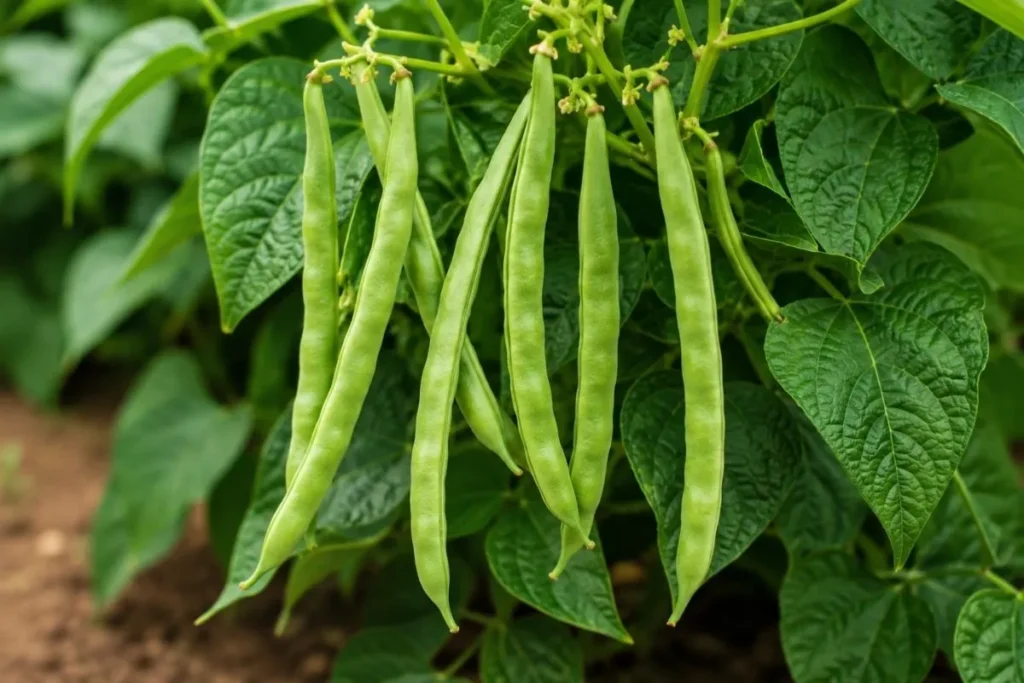
A ready-to-pick pod should be long enough to eat but still slim and tender. If the pod continues growing and becomes thick or swollen, it’s usually past its best stage.
When learning how to harvest green beans, don’t make the mistake of waiting for every pod to become as large as possible. Picking them while they’re still young gives you the best flavor and encourages the plant to produce even more beans.
Signs the pod is the right size:
- Around 4–7 inches long (depending on the variety)
- Slender and evenly shaped
- Firm but still flexible
- Not swollen with large seeds
This is the ideal stage for picking fresh green beans that are crisp and delicious.
Look at the Color
Color is another easy way to know whether your beans are ready.
Healthy, harvest-ready beans should have a bright, vibrant green color. The pods should look fresh and smooth without dull spots or discoloration.
If you notice pods turning yellow, pale green, or developing brown patches, they’ve likely stayed on the plant too long. Older pods often lose moisture, become stringy, and won’t have the same sweet flavor as freshly harvested beans.
While harvesting your homegrown string beans, choose pods that have a rich green color and leave smaller pods a little longer if they haven’t fully developed yet.
A healthy-looking bean almost always tastes better than one that’s beginning to age.
Feel the Texture
Your hands can tell you just as much as your eyes.
A bean that’s ready to harvest should feel smooth, firm, and crisp. The pod should bend slightly without feeling soft or rubbery.
Many gardeners perform a simple “snap test.” Gently bend the bean in half. If it breaks cleanly with a crisp snap, it’s at the perfect stage for harvesting. If it bends without snapping or feels tough, it may be overripe.
Texture is one of the easiest ways to answer the question, “How do I know when string beans are ready to harvest?”
Look for pods that feel:
- Firm but not hard
- Smooth without wrinkles
- Crisp when bent
- Tender instead of woody
These characteristics are good indicators that your beans are ready to be picked.
Watch for Overripe Beans
One of the easiest mistakes beginner gardeners make is leaving beans on the plant for too long.
Overripe beans are easy to recognize once you know what to look for. The pods become thicker, the seeds inside start bulging, and the outer skin feels tougher than younger pods.
Common signs of overripe beans include:
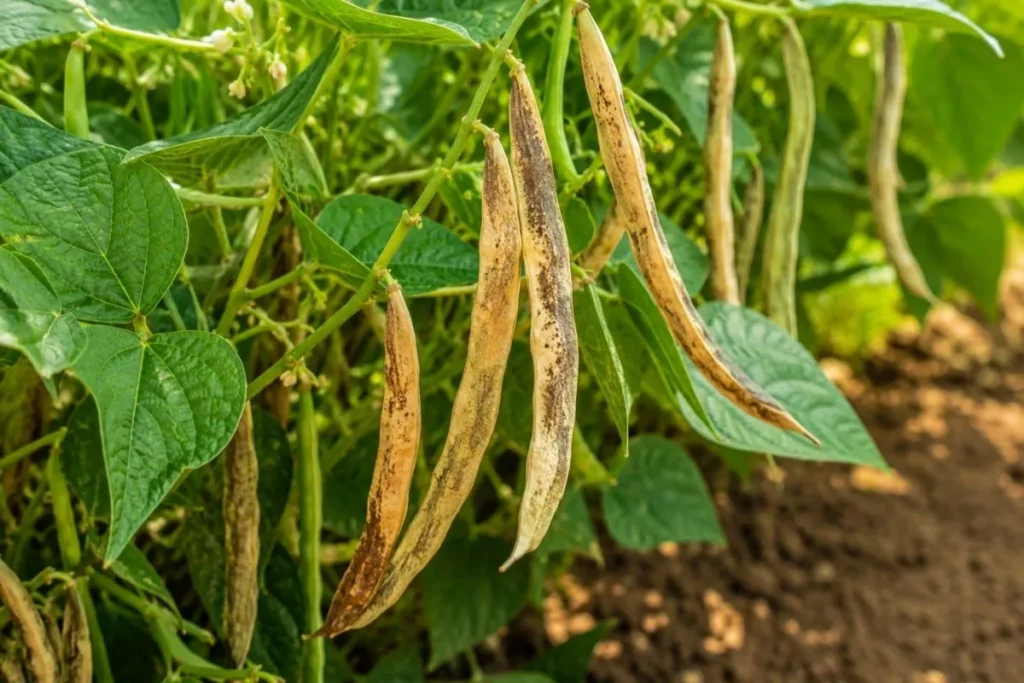
- Bulging seeds visible through the pod
- Thick, oversized beans
- Tough or stringy texture
- Dull green or yellow color
- Dry or leathery pods
Although these beans are still edible, they won’t have the tender bite most people expect from fresh string beans. More importantly, mature pods tell the plant that its growing cycle is nearly complete, which reduces the production of new flowers and bean pods.
If your goal is a continuous garden bean harvest, it’s much better to remove mature beans as soon as they’re ready rather than letting them stay on the plant.
When Is the Best Time to Harvest String Beans?
Many gardeners believe that you can harvest string beans at any time of the day and get the same results. While your plants will still produce beans, the time you choose to harvest can affect their freshness, texture, and how well they store.
If you’ve been asking, “When is the best time to harvest string beans?”, the answer depends on the time of day, the weather, and the growing season.
Choosing the right harvesting time helps you collect crisp, flavorful beans while reducing stress on the plants. Here are the key factors to keep in mind.
Morning vs. Afternoon Harvesting
For most home gardeners, early morning is the best time to harvest green beans.
During the morning hours, the weather is cooler, and the bean pods are naturally full of moisture after the night. This keeps them firm, crisp, and fresh. Harvesting before the heat of the day also helps reduce moisture loss, so your beans stay in better condition after picking.
If you harvest in the afternoon, especially during hot summer days, the pods may be warmer and lose some of their crispness more quickly. While afternoon harvesting isn’t harmful, it’s generally not the best option if you want the freshest possible beans.
If mornings aren’t convenient, wait until the evening when temperatures begin to cool. This is usually a better alternative than picking during the hottest part of the day.
Best times to harvest string beans:
- Early morning after the dew has dried
- Late evening when temperatures are cooler
- Avoid harvesting during intense midday heat whenever possible
Following this simple schedule can improve the quality of your fresh string beans and make your green bean harvesting guide much more successful.
Harvesting During Different Weather Conditions
Weather also plays an important role in a successful bean harvesting season.
One of the best conditions for harvesting is a dry, mild day. Dry bean pods are easier to handle, cleaner to store, and less likely to develop fungal diseases.
Try to avoid harvesting immediately after heavy rain or while the plants are still wet with dew. Wet leaves and pods can spread diseases from one plant to another, especially if you’re moving through several rows in your vegetable garden.
On very hot days, it’s better to harvest early before temperatures rise. Extreme heat can cause bean pods to lose moisture quickly after they’re picked.
Here are a few simple weather tips:
- Harvest on dry days whenever possible.
- Wait until morning dew has evaporated.
- Avoid picking beans during heavy rain.
- Choose cooler hours during hot summer weather.
- Skip harvesting during storms or strong winds that could damage plants.
These small habits help protect your healthy bean plants and improve the quality of your garden bean harvest.
How the Season Affects Harvest Time
The growing season also influences when to harvest string beans.
During the peak of summer, bean plants grow quickly. New pods can appear almost every day, so you’ll likely need to check your plants every two to three days. Regular harvesting during this active growth period keeps the plants producing new flowers and fresh pods.
As temperatures begin to cool toward the end of the season, plant growth naturally slows down. You may notice that new beans take longer to mature, which means you won’t need to harvest as frequently.
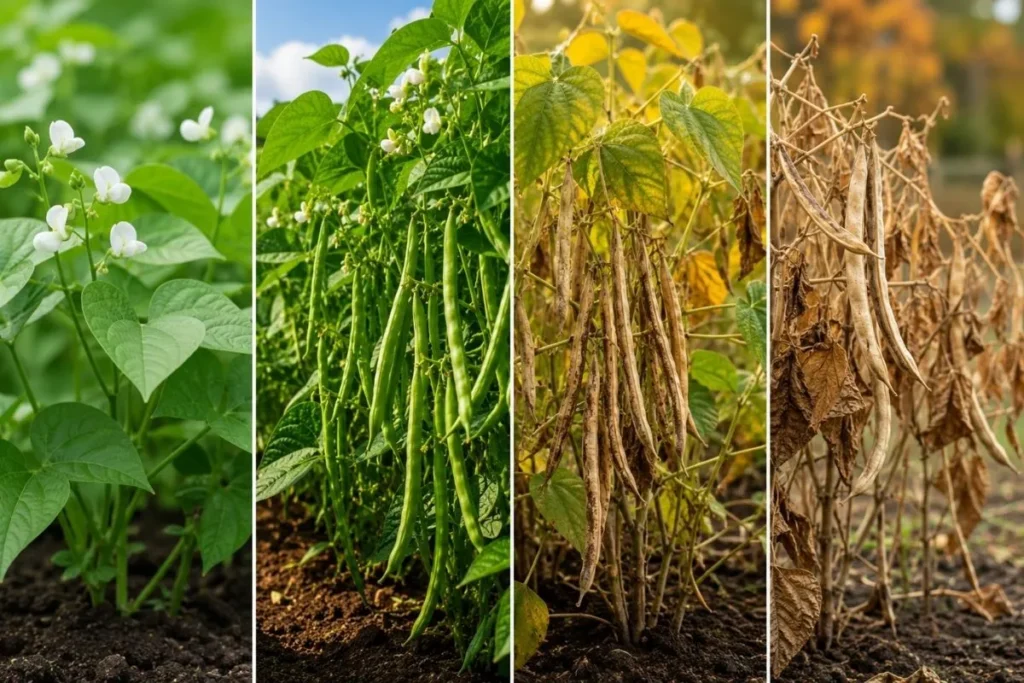
Keep an eye on your plants instead of relying on a fixed calendar. Every garden is different, and factors such as temperature, sunlight, rainfall, and the bean variety all affect how quickly pods develop.
If you’re growing both bush beans and pole beans, you’ll also notice a difference in their harvesting patterns. Bush beans usually produce a large crop over a shorter period, while pole beans continue producing smaller harvests over several weeks or even months with proper care.
Understanding how the season affects growth makes it much easier to plan your harvesting green beans routine and enjoy a steady supply of fresh vegetables.
Quick Tips for Choosing the Best Harvest Time
To get the highest-quality beans throughout the season, remember these simple tips:
- Harvest early in the morning whenever possible.
- Wait until the plants are dry before picking.
- Avoid harvesting during the hottest part of the day.
- Check your plants every few days during peak growing season.
- Adjust your harvesting schedule as plant growth slows later in the season.
Learning when is the best time to harvest string beans isn’t complicated. By paying attention to the time of day, weather conditions, and seasonal changes, you’ll enjoy fresher beans, healthier plants, and a more productive harvest from your vegetable garden.
Tools You Need Before Harvesting String Beans
Many people think you need expensive gardening equipment to harvest beans properly. That’s simply not true. In fact, harvesting string beans requires very few tools.
For most home gardens, your hands are all you need. However, having a few basic items ready can make the job easier, faster, and safer for both you and your plants.
The right tools also help you avoid damaging stems, bruising fresh pods, and wasting part of your garden bean harvest. Whether you’re growing a few plants in containers or rows of beans in your backyard, these simple tools will help you harvest like a pro.
Harvesting by Hand
The easiest and most common way to harvest green beans is by hand.
Young, tender bean pods usually separate from the plant with very little effort. Instead of pulling hard, gently hold the vine or stem with one hand and remove the bean with the other. This prevents unnecessary stress on the plant and protects nearby flowers and developing pods.
Hand harvesting also allows you to inspect each plant closely. While picking your fresh string beans, you can easily spot insect damage, yellow leaves, or diseased pods before the problem spreads.
Hand harvesting is ideal because it:
- Reduces the risk of breaking stems.
- Protects young flowers and new bean pods.
- Lets you choose only mature beans.
- Keeps your homegrown string beans in excellent condition.
If you’re learning how to harvest string beans for the first time, harvesting by hand is the safest and simplest method.
Using Garden Scissors or Pruners
Although many bean pods can be picked by hand, some may be attached more firmly, especially on mature plants or vigorous pole beans.
A small pair of clean garden scissors or hand pruners can make harvesting much easier. Instead of pulling on the pod, simply snip the stem just above the bean. This reduces the chance of damaging the vine and helps keep the plant healthy.
Before you begin harvesting, make sure your cutting tools are clean and sharp. Dirty blades can spread diseases from one plant to another, while dull blades may crush stems instead of making clean cuts.
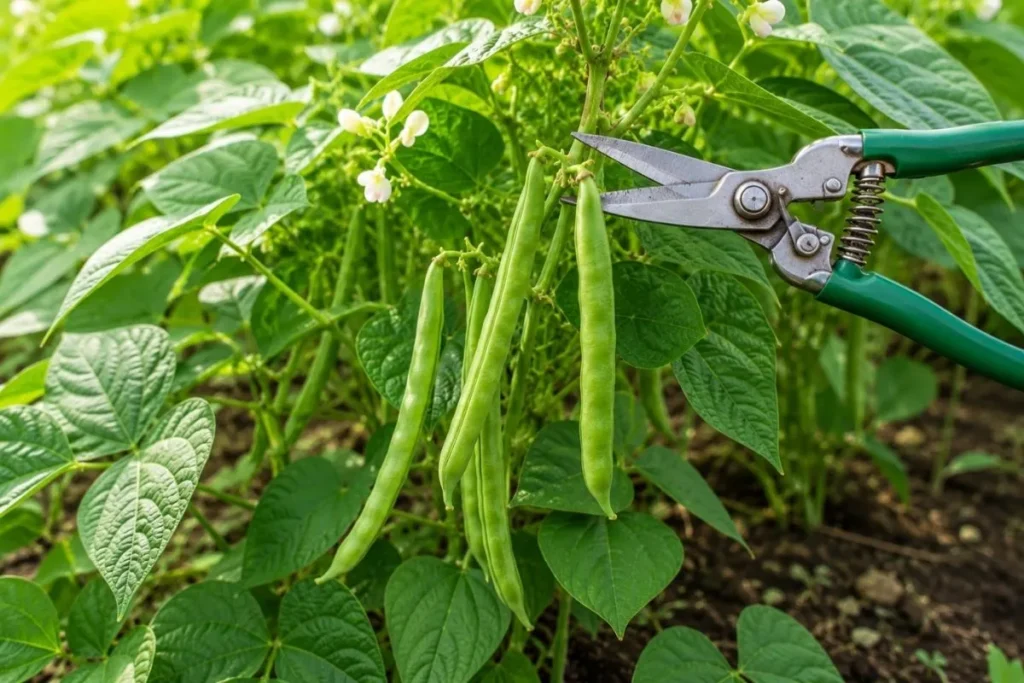
When using pruners:
- Clean the blades before harvesting.
- Make small, clean cuts.
- Avoid cutting nearby flowers or young pods.
- Handle vines gently to prevent unnecessary damage.
Using scissors or pruners is especially helpful when you’re harvesting a large string bean crop or working with thick, tangled plants.
Clean Containers for Fresh Beans
Once you’ve picked your beans, you’ll need a suitable container to keep them fresh.
A lightweight basket, bucket, bowl, or harvesting bag works well. Choose a clean container with enough space so the beans aren’t packed too tightly. Overfilling a container can bruise the pods, reducing their freshness and shelf life.
If you’re harvesting a large amount of beans, it’s better to use several smaller containers instead of one heavy bucket. This keeps the beans in better condition and makes carrying them much easier.
For the best results:
- Use clean baskets or buckets.
- Avoid throwing beans into the container.
- Place pods gently to prevent bruising.
- Keep harvested beans in the shade while you continue picking.
- Move them indoors or refrigerate them soon after harvesting.
Taking these small steps helps preserve the quality of your fresh bean pods and makes storing them much easier later.
Simple Harvesting Checklist
Before heading into your vegetable garden, make sure you have:
- Clean hands or gardening gloves if needed.
- Small garden scissors or hand pruners.
- A clean basket, bucket, or harvesting bag.
- Comfortable clothing for easy movement.
- A little extra time to inspect your plants while harvesting.
The good news is that you don’t need a shed full of equipment to enjoy a successful green bean harvest. With just a few simple tools and careful handling, you can harvest your beans efficiently while keeping your plants healthy and productive for the rest of the growing season.
Frequently Asked Questions (FAQs)
Many gardeners have questions even after learning the basics of how to harvest string beans. That’s completely normal. Below are answers to some of the most common questions people ask about harvesting green beans and keeping their plants productive throughout the growing season.
How do I know when string beans are ready to harvest?
String beans are usually ready to harvest when the pods are firm, smooth, bright green, and about 4 to 7 inches long, depending on the variety. The seeds inside should still be small and not bulging through the pod.
If the beans snap easily when bent and feel crisp, they’re at the perfect stage for picking. Harvesting at this point gives you the best flavor and texture.
How often should I pick green beans?
During the peak growing season, it’s best to harvest every 2 to 3 days. Regular picking encourages the plant to keep producing flowers and fresh bean pods.
If you wait too long between harvests, mature pods can slow down new production. Checking your plants several times a week helps you enjoy a continuous supply of fresh string beans.
Can you harvest string beans every day?
Yes, you can harvest string beans every day if new pods are ready.
Fast-growing plants, especially pole beans, may produce harvest-ready pods daily during warm weather. Daily harvesting won’t harm healthy plants. Instead, it helps keep the plants productive and prevents beans from becoming overripe.
What happens if you leave beans on the plant too long?
Beans left on the plant for too long become larger, tougher, and more fibrous. The seeds inside continue to develop, reducing the tenderness of the pods.
In addition, mature beans signal the plant to focus on seed production rather than producing new flowers. This can reduce your overall green bean yield and shorten the harvesting season.
Should I wash string beans before storing them?
It’s better not to wash string beans immediately after harvesting.
Extra moisture can shorten their storage life and encourage mold growth. Instead, gently brush off any dirt and store the beans dry in the refrigerator. Wash them only when you’re ready to cook or eat them.
Is it better to pick string beans in the morning?
Yes. Early morning is generally considered the best time to harvest green beans.
The cooler temperatures help the pods stay crisp and full of moisture. For the best quality, wait until the morning dew has dried before harvesting. This also helps reduce the risk of spreading plant diseases.
Can I freeze freshly harvested string beans?
Absolutely. Freshly harvested string beans freeze very well.
For the best results, blanch the beans in boiling water for a few minutes, cool them quickly in ice water, drain them thoroughly, and store them in freezer-safe bags or containers. Properly frozen beans can maintain their quality for several months.
Do string beans keep producing after harvesting?
Yes. Healthy bean plants continue producing new pods as long as mature beans are harvested regularly.
Frequent harvesting encourages continuous flowering and pod development, especially for pole beans. Combined with proper watering and plant care, regular harvesting helps you enjoy a longer and more productive bean harvesting season.
Conclusion
Learning how to harvest string beans isn’t difficult, but doing it the right way can make a huge difference in both the quality of your beans and the amount your plants produce.
By harvesting at the right stage, picking during the best time of day, using simple harvesting techniques, and checking your plants regularly, you can enjoy tender, flavorful beans throughout the growing season.
Remember that successful harvesting string beans isn’t about waiting for the biggest pods. Instead, focus on picking beans while they’re young, crisp, and bright green. Regular harvesting encourages your plants to produce more flowers and fresh pods, giving you a larger and longer-lasting harvest.
Whether you’re growing bush beans or pole beans, following the tips in this guide will help you harvest with confidence while keeping your plants healthy and productive. Even if you’re a beginner, these simple practices can lead to better results year after year.
Now that you know how to harvest green beans the right way, it’s time to head into your garden and put these tips into practice. With a little consistency and care, you’ll enjoy fresh, homegrown string beans that taste better than anything you’ll find at the grocery store. Happy gardening!
Disclaimer
The information provided in this article is for general educational and informational purposes only. While every effort has been made to ensure the accuracy of the content, gardening results may vary depending on factors such as climate, soil conditions, bean variety, weather, and individual growing practices.
The tips and recommendations shared in this guide are based on general gardening knowledge and best practices. They are not intended to replace professional agricultural or horticultural advice.
Always follow the care instructions specific to the string bean variety you are growing and adapt gardening techniques to your local conditions.
We are not responsible for any loss, damage, or unsatisfactory results that may occur from using the information provided in this article. Readers are encouraged to use their own judgment and consult local gardening experts or agricultural extension services when needed.
By using this website and reading this content, you agree that you are responsible for how you apply the information shared in this guide.

Plant Nest Blog’s author is passionate about plants, gardening, and sustainable living. Through research and practical experience, they share helpful plant care tips, gardening guides, and easy solutions to help readers grow healthier plants and create greener spaces.