
Most gardeners feel that leaving potatoes in the ground longer will always produce a bigger harvest, but that’s not true. Harvesting too early can give you small, immature potatoes, while waiting too long can lead to rot, pests, or frost damage.
The key isn’t guessing it’s knowing how to harvest potatoes at the right time using the proper method. With the right approach, you can harvest cleaner, healthier potatoes that taste better and store much longer.
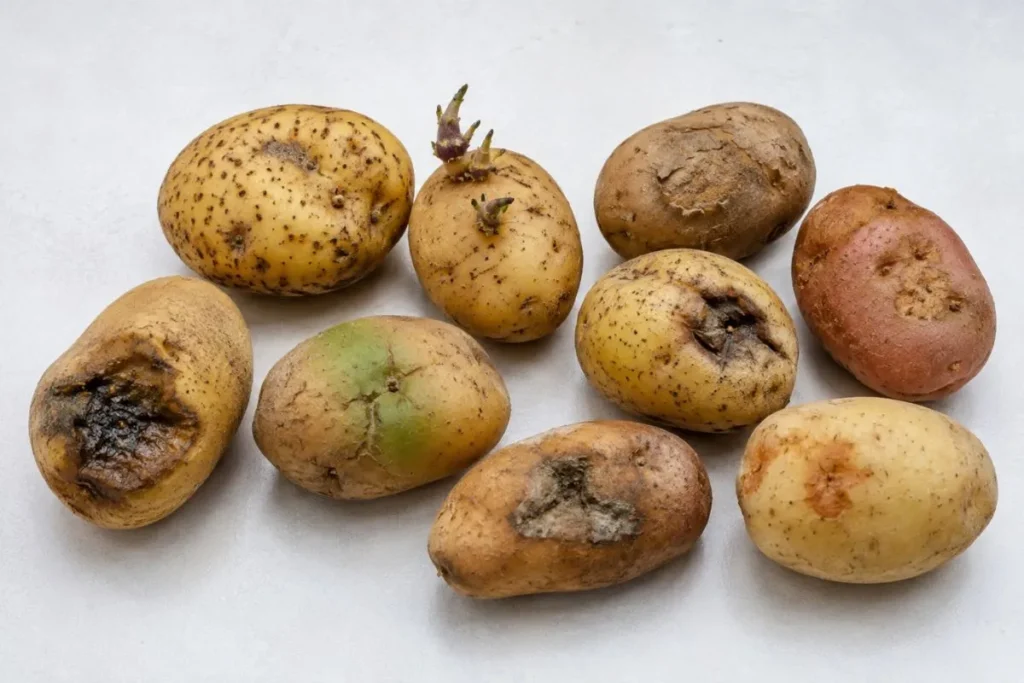
In this complete potato harvesting guide, you’ll learn how to know when potatoes are ready to harvest, when is the best time to harvest potatoes, and the safest way to dig them up without damaging them.
You’ll also discover expert potato harvest tips, the difference between harvesting new and mature potatoes, common mistakes to avoid, and how to cure and store your potatoes to keep them fresh for months.
Understanding When Potatoes Are Ready to Harvest
One of the biggest questions gardeners ask is, “How do I know when my potatoes are ready?” The answer isn’t based on a specific date. Instead, you need to watch your potato plants for a few natural signs.
Learning how to know when potatoes are ready to harvest helps you pick the perfect time, giving you a better yield, better flavor, and potatoes that store much longer.
Every potato variety grows at a slightly different pace, but all potatoes go through the same basic potato plant growth stages. As the plant matures, it begins sending more energy underground to develop the tubers.
Knowing what happens during this stage makes it much easier to decide when to harvest potatoes.
New Potatoes vs. Mature Potatoes
Before harvesting, it’s important to know which type of potato you want.
New potatoes are harvested early while the plants are still green and actively growing. They’re smaller, have thin and delicate skins, and are known for their sweet, creamy texture
. Because their skins haven’t fully developed, they don’t store well and are best enjoyed within a few days or weeks.
Mature potatoes, on the other hand, are left in the ground until the plants finish growing. They develop thicker skins that protect them during storage, making them the best choice if you want potatoes that will last for several months.
Understanding the difference between harvesting new potatoes and harvesting mature potatoes helps you choose the right harvest time based on how you plan to use your crop.
Signs That Potatoes Are Ready to Harvest
Instead of guessing, let your plants tell you when it’s time.
Here are the most reliable potato harvest signs to look for:
- The leaves begin turning yellow.
- The stems start drying out.
- The vines gradually die back.
- Plant growth slows or completely stops.
- Potato skins become firm and don’t rub off easily.
These natural changes usually indicate that your potatoes have reached full size and are ready to be harvested.
If you’re unsure, dig up one plant as a test. Check the size of the potatoes and gently rub the skin with your thumb. If the skin stays firm, your crop is likely ready.
Does Flowering Mean It’s Time to Harvest?
Many gardeners believe potato flowers mean it’s time to dig up the entire crop. That’s not always the case.
Flowering simply shows that the plant is actively growing and producing tubers underground. It doesn’t necessarily mean the potatoes have fully matured.
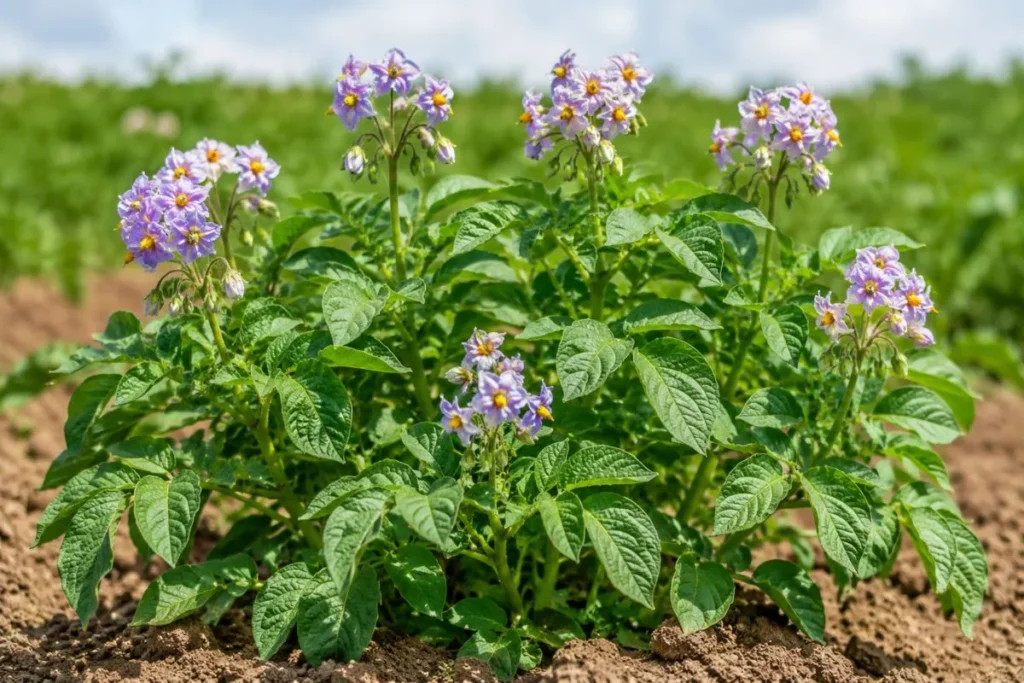
If you’re growing new potatoes, you can often begin harvesting a few weeks after flowering starts.
However, if you’re growing potatoes for long-term storage, wait until the foliage begins to yellow and die back before harvesting.
This simple distinction helps you avoid harvesting too early.
Why Harvest Timing Matters
Choosing the right potato harvest time affects much more than the size of your potatoes.
Harvesting at the proper time helps you:
- Get a larger and healthier harvest.
- Produce potatoes with stronger skins.
- Improve storage life.
- Reduce the risk of damaged or immature potatoes.
- Enjoy better flavor and texture.
Harvesting too early often results in small potatoes with delicate skins, while harvesting too late may expose the crop to pests, diseases, excessive moisture, or freezing temperatures.
Timing truly makes a difference.
How Weather Affects Harvest Time
Weather plays a major role in deciding when is the best time to harvest potatoes.
The ideal time to harvest is after several dry days when the soil is slightly dry but still easy to dig.
Avoid harvesting during or immediately after heavy rain because wet soil sticks to the potatoes and increases the risk of bruising and fungal diseases.
If frost is expected, it’s best to harvest mature potatoes beforehand. Freezing temperatures can damage potatoes left underground for too long.
Warm, dry weather makes harvesting easier and helps keep freshly dug potatoes in better condition.
Every Garden Is Different
No two gardens grow exactly the same. Soil type, climate, potato variety, and planting date all influence your potato growing season.
Instead of relying only on the calendar, observe your plants carefully. Yellowing leaves, dying vines, firm potato skins, and favorable weather are much better indicators than counting the number of weeks since planting.
By learning these simple signs, you’ll know exactly when to harvest potatoes and enjoy a healthier, more successful crop every season.
How to Harvest Potatoes (Step-by-Step Guide)
A lot of gardeners think that harvesting potatoes is as simple as pulling the plant out of the ground. While that may work in some cases, it’s not the best method.
Pulling plants forcefully can bruise, cut, or leave potatoes buried in the soil. The safest way to harvest potatoes is to follow a few simple steps that protect your crop and help you collect every potato with minimal damage.
Stop Watering Before Harvest
A few days before harvesting, stop watering your potato plants.
Allowing the soil to dry slightly makes it easier to dig and helps reduce the amount of mud sticking to the potatoes. Slightly dry soil also lowers the risk of fungal diseases during storage.
As a general rule, stop watering about 7–10 days before harvest, especially if you’re harvesting mature potatoes for long-term storage.
If the soil is extremely dry and hard, wait for a day when it’s easier to work, but avoid harvesting immediately after heavy rain.
This simple step is often overlooked, but it’s an important part of every successful potato harvesting guide.
Choose the Right Day for Harvesting
Weather plays a big role in a successful potato harvest.
The ideal day is:
- Dry and mild.
- Cool rather than extremely hot.
- Free from heavy rain.
- Easy to work without muddy soil.
Harvesting in wet conditions makes potatoes dirty and increases the chance of damaging their skins.
A dry day allows freshly harvested potatoes to dry naturally before curing or storing.
Choosing the right weather is one of the easiest potato harvest tips you can follow.
Use the Proper Gardening Tools
Using the right tool makes potato harvesting much easier and helps prevent accidental cuts.
The best tools include:
- A garden fork.
- A digging fork.
- A small garden spade.
- Gardening gloves.
- A bucket or basket for collecting potatoes.
A garden fork is usually the safest option because it loosens the soil without slicing through as many potatoes as a sharp shovel might.
Always start digging several inches away from the base of the plant. This gives you enough space to lift the soil without damaging the tubers.
Dig Carefully to Avoid Damaging Potatoes
If you’re wondering how to harvest potatoes without damaging them, this is the most important step.
Insert your garden fork about 8–12 inches (20–30 cm) away from the stem.
Push the fork deep into the soil and gently lift it upward to loosen the earth.
Never stab directly under the plant, as potatoes often spread farther underground than many people expect.
Once the soil loosens, carefully move it aside with your hands and collect the potatoes one by one.
Taking your time reduces bruising and prevents cuts that can shorten storage life.
Collect Potatoes Gently
After lifting the soil, gather each potato carefully.
Avoid throwing them into buckets or piling them roughly together.
Even though potatoes seem tough, freshly harvested potatoes bruise easily. Bruised potatoes are more likely to spoil during storage.
As you collect them:
- Handle each potato gently.
- Keep them out of direct sunlight.
- Place them in a basket, bucket, or crate instead of plastic bags.
This careful handling helps maintain a healthy potato harvest.
Brush Off Excess Soil Without Washing
Once you’ve collected your potatoes, resist the urge to wash them.
Instead, gently brush away loose soil with your hands or a soft brush.
Washing potatoes immediately after harvesting adds extra moisture, which increases the chance of rot during storage.
If you plan to eat them within a day or two, washing is perfectly fine. However, potatoes intended for storage should remain dry until you’re ready to use them.
This is one of the most important potato storage tips many beginners overlook.
Inspect for Damaged Potatoes
Before storing your harvest, sort through all the potatoes carefully.
Separate any potatoes that are:
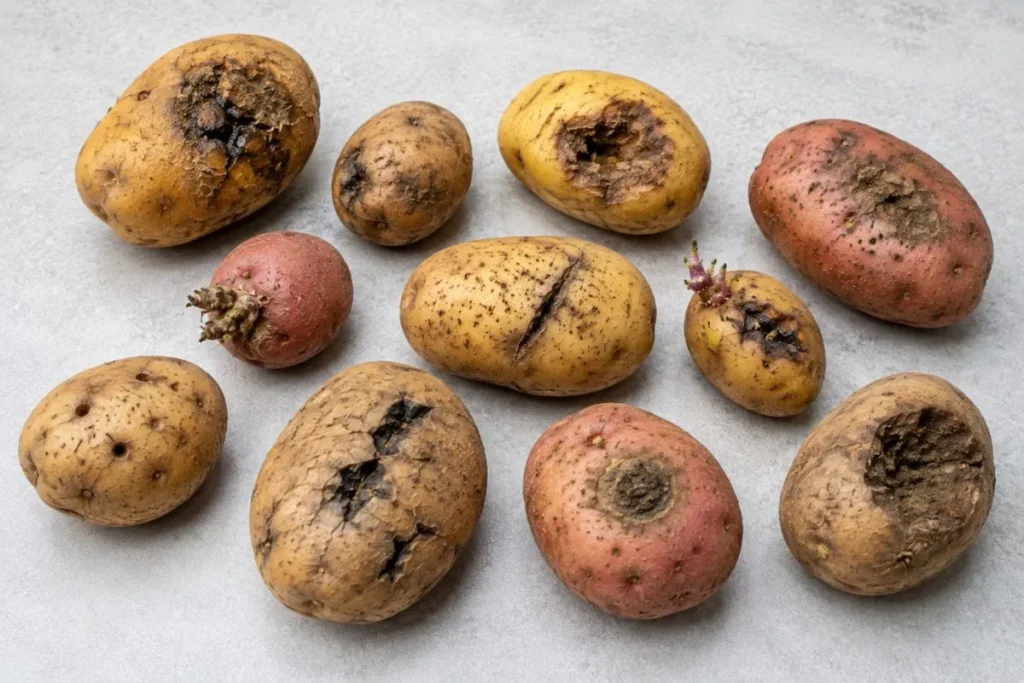
- Cut or punctured.
- Bruised.
- Diseased.
- Soft.
- Green.
- Cracked.
Damaged potatoes should be used first because they won’t store as long as healthy ones.
Only firm, undamaged potatoes should be cured and stored for long-term use.
Inspecting your harvest now prevents one spoiled potato from affecting the rest of your crop.
Quick Harvesting Tips for Better Results
Follow these simple tips every time you harvest potatoes:
- Harvest only after the potatoes are fully ready.
- Work slowly to avoid damaging the tubers.
- Keep harvested potatoes out of direct sunlight.
- Never wash potatoes before storing them.
- Use damaged potatoes first.
- Handle every potato gently to reduce bruising.
These small habits can make a big difference in the quality and storage life of your harvest.
Best Time to Harvest Potatoes
Many gardeners believe there’s one perfect date to harvest every potato crop. In reality, there isn’t. The best time to harvest potatoes depends on the variety you’re growing, whether you want new or mature potatoes, and the condition of the plants.
Instead of relying on the calendar alone, it’s better to watch your potato plants and harvest them when they reach the right stage of growth.
Harvesting Early Potatoes
Early potatoes, often called new potatoes, are harvested before they reach full maturity.
These potatoes are usually ready 2–3 weeks after the plants finish flowering, although some varieties can be harvested even earlier if the tubers have reached a usable size.
New potatoes are:
- Small and tender.
- Thin-skinned.
- Moist and creamy.
- Perfect for boiling, roasting, or salads.
Since their skins are delicate, they don’t store well. It’s best to harvest only what you plan to eat within a short time.
If you enjoy fresh potatoes throughout the season, you can gently dig around the plant and remove a few larger tubers while allowing the smaller ones to continue growing.
This is one of the easiest ways to enjoy a continuous supply of homegrown potatoes.
Harvesting Maincrop Potatoes
Maincrop potatoes are grown for long-term storage and larger yields.
Unlike new potatoes, they should remain in the ground until the plants have finished growing.
The best signs that harvesting mature potatoes can begin include:
- Leaves turning yellow.
- Vines drying out and dying back.
- Plant growth coming to an end.
- Potato skins becoming firm and difficult to rub off.
Once these signs appear, many gardeners wait another 1–2 weeks before harvesting. This extra time allows the skins to harden, making the potatoes more resistant to bruising during digging and storage.
If you’re growing potatoes for winter storage, waiting for full maturity is well worth it.
Morning vs. Afternoon Harvesting
The time of day can also make harvesting easier.
For most gardeners, late morning or early afternoon is the ideal time to harvest potatoes.
By then:
- Morning dew has dried.
- The soil is easier to work with.
- Potatoes are less likely to stay damp.
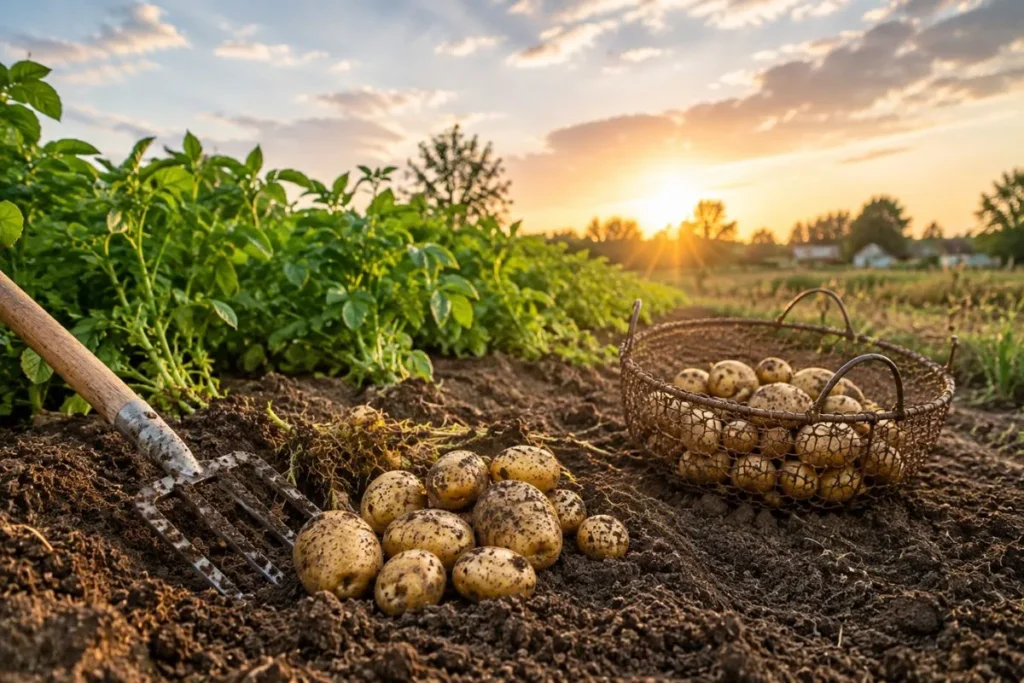
Avoid harvesting very early in the morning if the ground is still wet from dew, as extra moisture can make cleaning and curing more difficult.
Similarly, harvesting during the hottest part of the afternoon may expose freshly dug potatoes to excessive heat and direct sunlight.
If you harvest on a warm day, move the potatoes into a shaded area as soon as possible.
Weather Conditions for Harvesting
Weather has a major impact on the quality of your potato harvest.
The ideal harvesting conditions include:
- Dry soil.
- Mild temperatures.
- Little or no rainfall.
- Cloudy or lightly sunny weather.
Avoid harvesting during heavy rain or immediately afterward.
Wet soil sticks to the potatoes, making them harder to clean and increasing the risk of fungal diseases during storage.
Likewise, if extremely hot weather is expected, try to harvest earlier in the day and keep the potatoes out of direct sunlight.
Exposure to sunlight for extended periods can cause potatoes to turn green, making them unsuitable for eating.
Checking the weather forecast before potato harvest time can save you a lot of trouble later.
Seasonal Harvesting Tips
Although harvest times vary depending on where you live, most gardeners follow a general seasonal pattern.
Spring-Planted Potatoes
Potatoes planted in early spring are often ready from mid to late summer, depending on the variety.
Early varieties usually mature first, while maincrop potatoes take several more weeks.
Summer-Planted Potatoes
In regions with mild climates, potatoes planted in summer are often harvested during fall.
These crops benefit from cooler temperatures as they mature.
Fall Harvesting
Fall is one of the best seasons for harvesting storage potatoes.
The cooler weather helps reduce heat stress during harvesting and creates ideal conditions for curing and storing the crop.
Frost Considerations
If frost is expected, harvest your mature potatoes before the ground freezes.
Frozen soil can damage the potatoes and make digging much more difficult.
Protecting your crop from frost is an important part of planning your potato harvest time.
Quick Signs It’s the Right Time to Harvest
If you’re still unsure when is the best time to harvest potatoes, look for these signs:
- The leaves have turned yellow.
- The vines have died back.
- Potato skins are firm.
- The soil is relatively dry.
- The weather forecast shows several dry days ahead.
- You’re growing either new potatoes or mature potatoes based on your intended use.
When several of these signs appear together, your potatoes are likely ready to harvest.
How to Know When Potatoes Are Ready to Harvest
Many gardeners think they have to dig up a few potatoes every week to see if they’re ready. While checking one plant can help, your potato plants usually give you clear signs when it’s time to harvest.
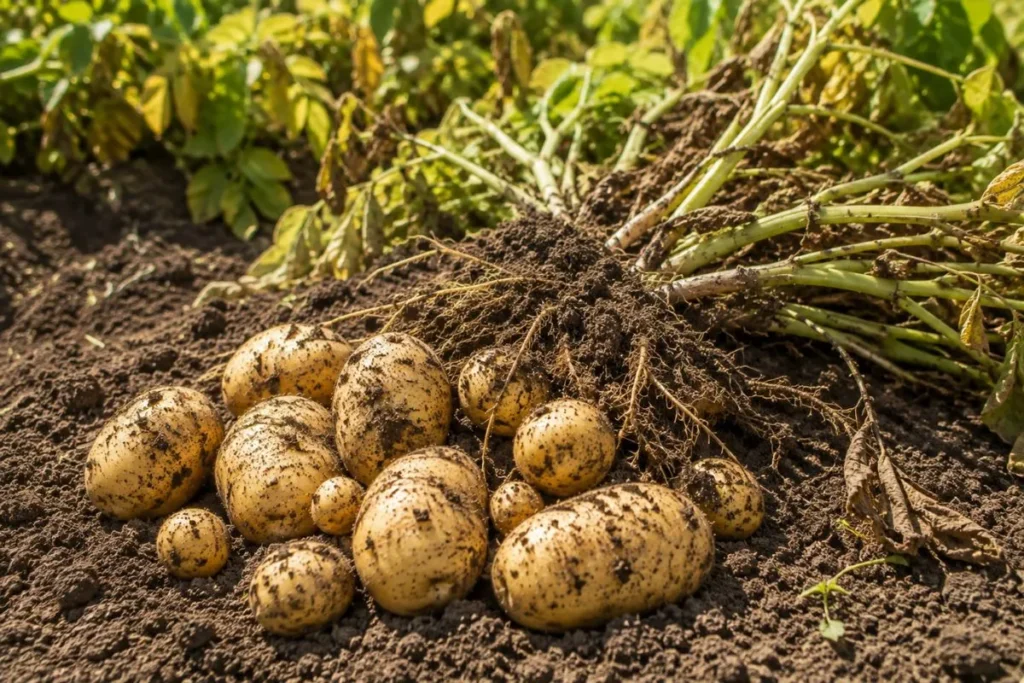
By learning these natural potato harvest signs, you’ll know how to know when potatoes are ready to harvest without guessing or harvesting too early.
Look for Yellowing Leaves
One of the first signs that potatoes are reaching maturity is potato leaves turning yellow.
As the plant finishes its growing cycle, it sends its remaining energy into the tubers underground instead of producing new leaves. The foliage gradually changes from bright green to yellow before it starts drying out.
Yellow leaves don’t always mean your potatoes are ready that same day, but they are a clear signal that harvest time is getting closer.
If most of the plant has turned yellow, begin checking for the other signs below.
Wait Until the Vines Die Back
After the leaves turn yellow, the stems and vines will slowly dry out and die back.
This is one of the most reliable indicators that your mature potatoes have finished growing.
Once the vines have completely died, the potatoes stop increasing in size and begin developing thicker skins. These stronger skins help protect the potatoes during harvesting and improve their storage life.
Many gardeners wait about 1–2 weeks after the vines die back before harvesting storage potatoes. This extra time allows the skins to harden even more.
Check the Potato Skin
Another easy way to tell if your potatoes are ready is by testing the skin.
Carefully dig up one potato and gently rub the skin with your thumb.
- If the skin rubs off easily, the potatoes need more time in the ground.
- If the skin stays firm and doesn’t peel away, the potatoes are ready to harvest.
This simple test is especially useful if you’re planning to store your potatoes for several months.
Firm skin is one of the clearest potato harvest signs that the crop has reached full maturity.
Don’t Rely Only on Flowering
Many people believe potato plants are ready to harvest as soon as they flower, but that’s a common misunderstanding.
Flowering simply means the plant is actively producing tubers beneath the soil.
If you’re growing new potatoes, you can usually begin harvesting a few weeks after flowering starts.
However, if you’re waiting for mature potatoes, flowering is only one stage of the plant’s life cycle. You’ll still need to wait for the leaves and vines to die back before harvesting.
Watching the entire growth cycle gives you much better results than relying on flowers alone.
Do a Test Dig
If you’re still unsure, try harvesting one plant before digging up the entire crop.
A test dig is one of the easiest ways to check whether your potatoes are ready.
Choose a healthy plant and carefully dig around it using a garden fork.
Then check:
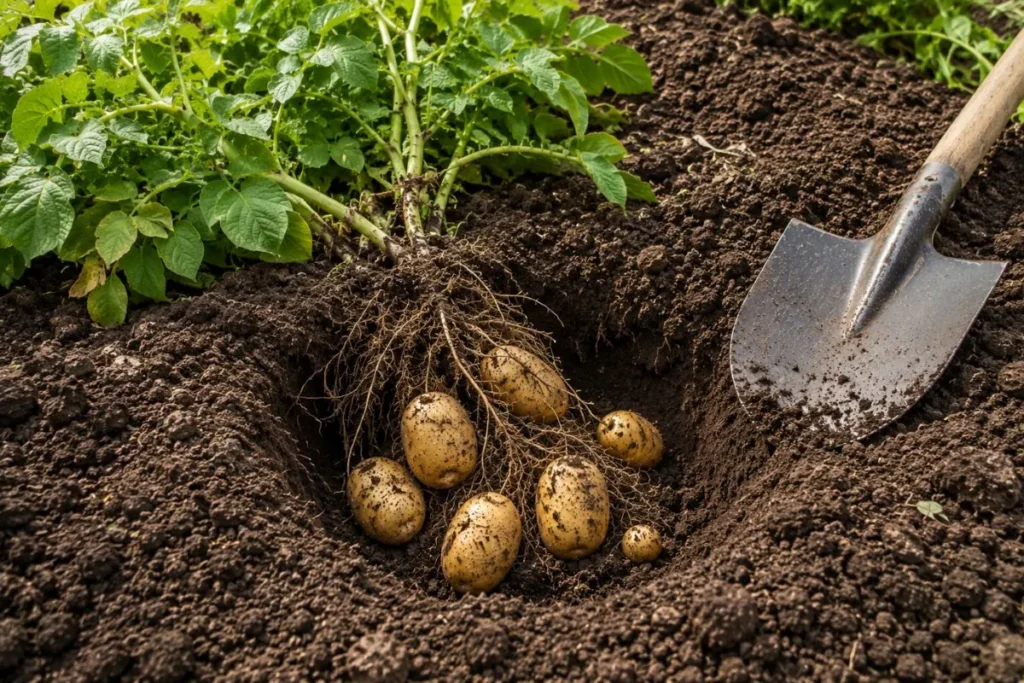
- The size of the potatoes.
- The firmness of the skin.
- The overall condition of the crop.
If the potatoes are still small or their skins are thin, leave the rest of the crop in the ground for another week or two before checking again.
This simple method helps you avoid harvesting your entire crop too early.
Other Factors That Affect Harvest Readiness
Besides the condition of the plant, a few other factors influence when to harvest potatoes.
Potato Variety
Different varieties mature at different speeds.
- Early varieties are usually ready in 70–90 days.
- Mid-season varieties often take 90–110 days.
- Late or maincrop varieties may require 110–135 days or more.
Always check the estimated growing time for the variety you’re planting.
Weather Conditions
Weather can speed up or slow down potato growth.
Warm temperatures and favorable growing conditions often help potatoes mature on schedule.
However, long periods of cool weather or excessive rainfall may delay maturity slightly.
Instead of relying only on the number of days since planting, always look at the condition of the plants.
Growing Conditions
Healthy plants growing in fertile soil with enough sunlight and water usually produce potatoes that mature evenly.
Poor soil, pests, or disease may slow growth and affect the size of the harvest.
Keeping your potato plants healthy throughout the potato growing season makes it much easier to recognize when they’re ready to harvest.
Common Potato Harvesting Mistakes to Avoid
Many gardeners believe that once potatoes are ready, there’s no wrong way to harvest them. Unfortunately, that’s not true. Even healthy potato plants can produce a disappointing harvest if they’re dug up carelessly or handled incorrectly.
Avoiding a few common potato harvesting mistakes can help you protect your crop, improve storage life, and enjoy a healthy potato harvest.
Harvesting Too Early
One of the most common mistakes is digging up potatoes before they’ve fully matured.
While it’s fine to harvest new potatoes early, storage potatoes need enough time to develop firm skins.
Harvesting too early can result in:
- Small potatoes.
- Thin, delicate skins.
- Poor storage life.
- Lower overall yield.
If you’re growing potatoes for long-term storage, wait until the leaves have turned yellow and the vines have completely died back before harvesting.
Patience often leads to a much better harvest.
Waiting Too Long to Harvest
Leaving potatoes in the ground for too long can be just as harmful as harvesting them too early.
Although mature potatoes can stay in the soil for a short period after the vines die back, waiting several extra weeks increases the risk of:
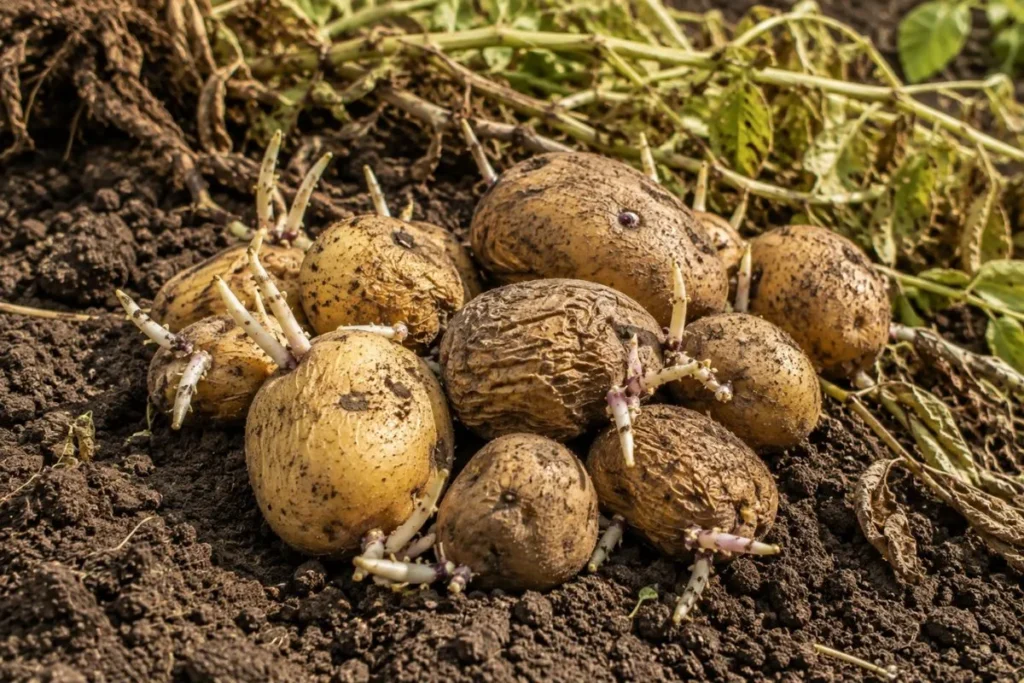
- Rot.
- Pest damage.
- Rodent attacks.
- Slug damage.
- Frost injury in colder climates.
Once your potatoes show clear potato harvest signs, plan to harvest them during the next period of dry weather.
Digging Carelessly
Many damaged potatoes happen because gardeners dig too close to the plant.
Using a shovel or fork without enough space can accidentally cut, stab, or bruise the tubers.
To avoid this mistake:
- Start digging 8–12 inches (20–30 cm) away from the stem.
- Loosen the soil slowly.
- Lift the soil gently instead of forcing it upward.
Following proper potato harvesting methods helps protect the potatoes from unnecessary damage.
Washing Potatoes Immediately
Freshly harvested potatoes often look dirty, so it’s tempting to wash them right away.
However, washing potatoes before storage adds moisture, which encourages mold and rot.
Instead:
- Gently brush off loose soil.
- Allow the potatoes to dry naturally.
- Wash them only when you’re ready to cook them.
Keeping potatoes dry is one of the easiest ways to extend their storage life.
Storing Damaged Potatoes
Not every potato should go into storage.
Potatoes that are cut, bruised, cracked, or affected by disease spoil much faster than healthy ones.
Before storing your harvest:
- Separate damaged potatoes.
- Use them first in your kitchen.
- Store only firm, healthy potatoes for long-term use.
One damaged potato can quickly affect others stored nearby, so sorting your crop is always worth the effort.
Harvesting in Wet Soil
Harvesting after heavy rain is another mistake many beginners make.
Wet soil sticks to the potatoes, making them difficult to clean and increasing the risk of fungal diseases.
Whenever possible:
- Wait until the soil has dried slightly.
- Choose a dry day for harvesting.
- Avoid digging in muddy conditions.
Dry soil not only makes harvesting easier but also helps keep your potatoes in better condition for curing and storage.
Bonus Tips for a Healthy Potato Harvest
Avoiding mistakes is only part of successful harvesting. These simple habits will help improve the quality of your crop even further.
- Handle potatoes gently to prevent bruising.
- Keep harvested potatoes out of direct sunlight to avoid greening.
- Use the right gardening tools, such as a garden fork.
- Cure mature potatoes before storing them.
- Store potatoes in a cool, dark, and well-ventilated place.
- Check stored potatoes regularly and remove any that begin to spoil.
These small steps can make a noticeable difference in maintaining a healthy potato harvest.
Frequently Asked Questions (FAQ)
How do you know when potatoes are ready to harvest?
The easiest way to tell is by looking at your potato plants. When the leaves turn yellow, the vines die back, and the potato skins become firm, your crop is usually ready to harvest. If you’re unsure, dig up one plant and check the size and skin of the potatoes before harvesting the rest.
When is the best time to harvest potatoes?
The best time to harvest potatoes depends on the type you’re growing. New potatoes can be harvested a few weeks after flowering, while mature potatoes should be harvested after the vines have completely died back. Choose a dry day with mild weather for the best results.
Can you harvest potatoes too early?
Yes. Harvesting too early often results in smaller potatoes with thin skins. While early harvesting is fine for new potatoes that you’ll eat right away, storage potatoes should be left in the ground until they reach full maturity.
How do you harvest potatoes without damaging them?
If you’re wondering how to harvest potatoes without damaging them, use a garden fork instead of a shovel and start digging about 8–12 inches away from the plant. Loosen the soil carefully and lift the potatoes gently by hand to avoid cuts and bruises.
Should you wash potatoes after harvesting?
No, not if you plan to store them. Simply brush off loose soil and keep the potatoes dry. Washing adds moisture, which can increase the risk of mold and rot. Wash potatoes only when you’re ready to cook them.
How long should potatoes cure?
Most mature potatoes should cure for 7 to 14 days in a cool, dark, and well-ventilated place. Curing helps toughen the skin, heal small scratches, and improve storage life. New potatoes don’t need curing because they’re meant to be eaten soon after harvesting.
How do you store freshly harvested potatoes?
After curing, store potatoes in a cool, dark place with good air circulation. A temperature of 45–50°F (7–10°C) is ideal for long-term storage. Use breathable containers such as mesh bags, baskets, or cardboard boxes, and avoid plastic bags, which trap moisture.
Can potatoes stay in the ground too long?
Yes. Leaving potatoes in the ground long after they’re mature can expose them to pests, rot, excessive moisture, and frost damage. Once the vines have died back and the weather is suitable, it’s best to harvest them without unnecessary delay.
How do you harvest potatoes from containers?
To harvest potatoes from containers, tip the container onto a tarp or directly onto the ground. Gently remove the soil with your hands and collect all the potatoes. This method helps you find even the smallest tubers without damaging them.
How long do harvested potatoes last?
The storage life depends on the type of potato and how it’s stored.
- New potatoes: About 1–2 weeks.
- Properly cured mature potatoes: 3–6 months or even longer under ideal storage conditions.
Regularly inspect stored potatoes and remove any that become soft, sprout heavily, or show signs of rot.
Can you harvest potatoes before the flowers appear?
Yes. If you’re growing baby or new potatoes, you can carefully dig around the plant before flowering and harvest a few small tubers. However, if you want larger potatoes for storage, it’s better to wait until the plant reaches full maturity.
What tools are best for harvesting potatoes?
A garden fork is usually the safest tool because it loosens the soil with less risk of cutting the potatoes. A digging fork or small garden spade also works well. Avoid using sharp shovels too close to the plant, as they can damage the tubers.
Why are my harvested potatoes green?
Green potatoes have been exposed to sunlight before or after harvesting. This causes them to produce chlorophyll and a natural toxin called solanine. Avoid eating green potatoes, and always keep freshly harvested potatoes out of direct sunlight.
Can you eat potatoes right after harvesting?
Yes. Freshly harvested potatoes are perfectly safe to eat. New potatoes are especially delicious because of their thin skins and tender texture. If you’re harvesting mature potatoes for storage, cure them first before placing them in storage.
What is the biggest mistake when harvesting potatoes?
The biggest mistake is harvesting at the wrong time. Digging too early reduces yield and storage quality, while waiting too long increases the risk of pests, rot, and frost damage
. Watching your plants for natural potato harvest signs is the best way to know exactly when to harvest.
Conclusion
Learning how to harvest potatoes isn’t difficult once you know what signs to look for. The key is to let your potato plants guide you instead of relying only on the calendar.
By harvesting at the right time, digging carefully, and handling your potatoes gently, you’ll enjoy a bigger harvest with less waste and better-quality potatoes.
Remember, successful potato harvesting starts long before you pick up a garden fork. Watching for yellowing leaves, dying vines, and firm potato skins helps you choose the perfect potato harvest time.
Taking a little extra care during harvesting also prevents bruising and keeps your potatoes in excellent condition for cooking or long-term storage.
Following the potato harvest guide in this article will help you avoid common mistakes like harvesting too early, digging carelessly, washing potatoes before storage, or leaving them in the ground for too long.
These simple steps can make a big difference in the size, flavor, and shelf life of your crop.
Whether you’re growing potatoes in a backyard garden, raised bed, or containers, the same basic principles apply. Harvest on a dry day, use the right tools, cure mature potatoes properly, and store them in a cool, dark place.
With these practical potato harvest tips, you’ll enjoy fresh, homegrown potatoes for weeks or even months after harvest.
In the end, mastering how to harvest potatoes is about patience, timing, and careful handling. Observe your plants, trust the natural harvest signs, and enjoy the reward of a healthy, productive potato crop.
Once you’ve harvested your own potatoes the right way, you’ll see just how satisfying and rewarding home gardening can be.

Plant Nest Blog’s author is passionate about plants, gardening, and sustainable living. Through research and practical experience, they share helpful plant care tips, gardening guides, and easy solutions to help readers grow healthier plants and create greener spaces.