
Many gardeners believe that you can get carrot seeds simply by cutting open a mature carrot, but that is not how it works. If you want to learn how to get carrot seed, you need to let a healthy carrot plant grow until it produces flowers and develops seeds.
Carrots usually produce seeds during their second year, so a little patience is essential for successful carrot seed harvesting.
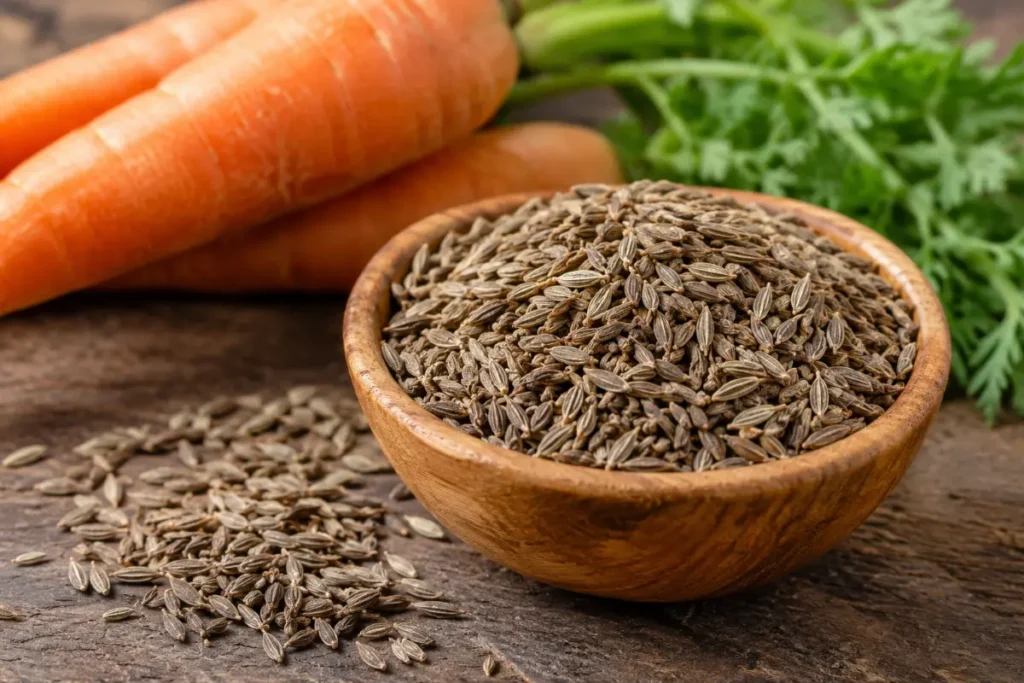
Saving your own carrot seeds is a practical way to prepare for future planting seasons and reduce the need to buy new seeds. Choose healthy carrot plants, give them suitable growing conditions, and allow their seed heads to mature before collecting them. With the right approach, you can harvest, dry, and store homegrown carrot seeds for your next vegetable garden.
Can You Get Seeds From a Regular Carrot?
Yes, you can grow a carrot plant from a regular carrot and eventually collect seeds, but the process takes time. A carrot root can sometimes regrow leaves when you place its top in water, but new leaves alone do not mean the carrot will produce seeds.
For successful carrot seed production, the plant must develop a flowering stalk, get properly pollinated, and form mature seed heads. The best results usually come from healthy carrots grown specifically for seed saving.
Can You Get Seeds From Carrots Bought at the Store?
Grocery store carrots are usually grown for eating, not for seed production. However, you may be able to use a fresh carrot with its crown intact to encourage new growth.
Place the crown in shallow water or plant the upper portion in moist soil, keeping the growing point above the surface. If it develops healthy roots and shoots, it may continue growing under suitable conditions.

Keep in mind that this method does not guarantee seed production. A cut carrot crown may lack enough stored energy or healthy tissue to develop into a strong flowering plant. For better results, grow a complete, healthy carrot plant and allow it to complete its natural life cycle.
If your main goal is saving carrot seeds for planting, starting with a suitable carrot variety is usually more reliable than depending on a leftover grocery store carrot.
Do Carrots Produce Seeds Every Year?
Carrots are biennial plants, which means they usually complete their life cycle over two growing seasons. During the first year, the plant develops its leafy top and stores energy in its root. This is the stage when most gardeners harvest carrots for eating.
If you leave a healthy carrot in the ground through winter, where the climate allows, it may resume growing the following spring. The plant can then develop tall flowering stalks with clusters of small white flowers.
After pollination, these flowers form seed heads containing the carrot seeds. In colder areas, gardeners may need to lift and store selected roots safely before replanting them in spring.
Understanding this two-year cycle helps you plan when to grow carrots, when to expect flowers, and when to harvest mature carrot seeds.
Which Carrot Varieties Are Best for Saving Seeds?
Not all carrots are equally suitable for seed saving. Open-pollinated and heirloom carrot varieties are generally the best choices because their seeds are more likely to produce plants with characteristics similar to the parent, provided they are properly isolated from other compatible varieties.
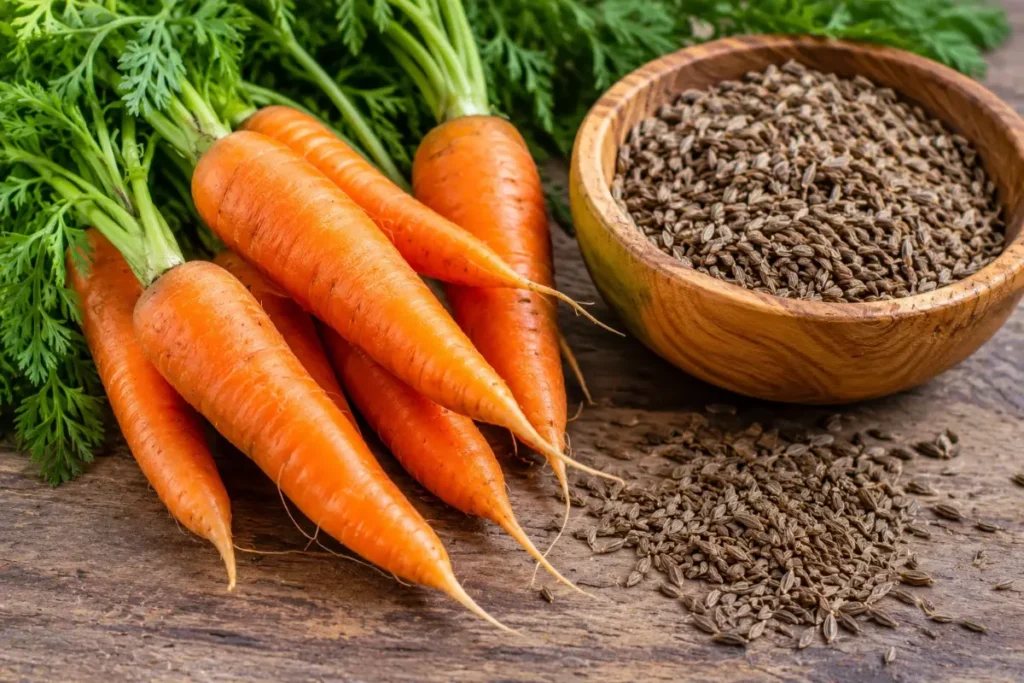
Hybrid carrots can also produce seeds, but the next generation may show different root shapes, colors, sizes, or growing habits. If you want to preserve a particular carrot variety, choose healthy plants with the qualities you like, such as good root development, strong growth, and suitable flavor.
Cross-pollination is another important factor. Carrots can cross with other compatible carrot varieties and certain related plants, including wild carrot. If you grow several varieties close together, the seeds may not produce the type of carrot you expect.
Choosing an appropriate variety and managing pollination carefully will help you save better-quality seeds for future planting.
How to Get Carrot Seed From a Carrot Plant
Many gardeners think that collecting carrot seeds is as simple as waiting for a carrot to grow bigger, but healthy roots alone will not produce seeds. If you want to learn how to get carrot seed from a carrot plant, you need to encourage the plant to flower and allow its seeds to develop fully.
Once the plant reaches its flowering stage, you can prepare to harvest carrot seeds and save them for future planting.
Choose Healthy Carrot Plants
The first step in carrot seed production is selecting the right plants. Choose carrots that have healthy leaves, strong growth, and no obvious signs of disease or pest damage. If you are growing several carrots, select plants with the root shape, size, color, and flavor you want to preserve.
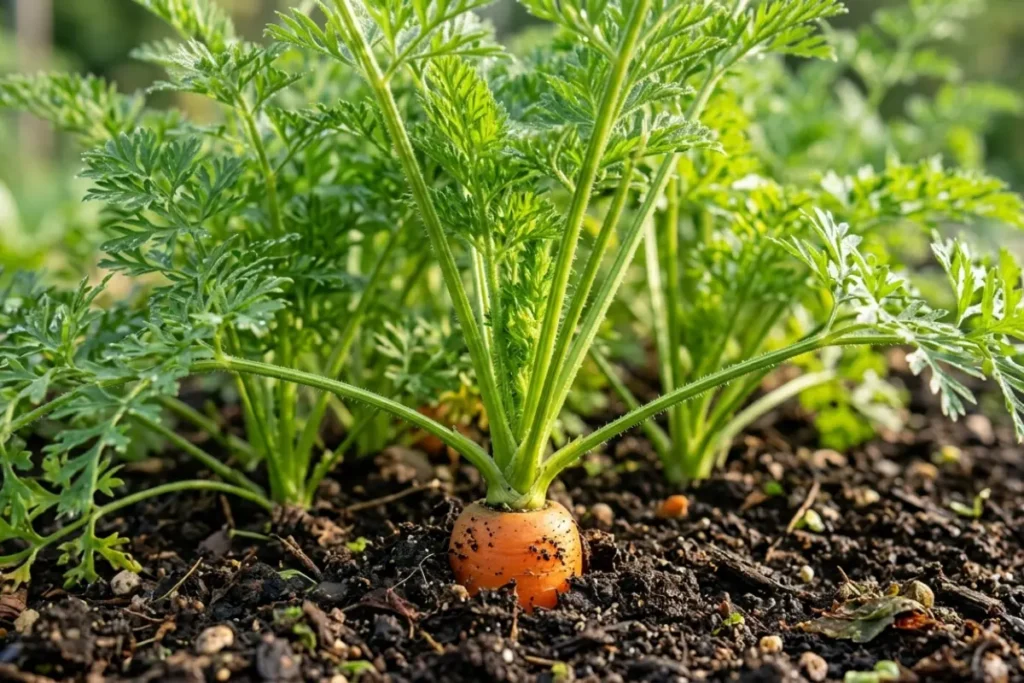
Healthy parent plants usually have a better chance of producing strong flowering stalks and well-developed seeds. Avoid saving seeds from plants that show signs of serious disease, weak growth, or unwanted characteristics.
If you want to save seeds from a particular variety, keep records of its name so you can identify the seeds when you plant them again.
It is also helpful to select more than one healthy plant when possible. Carrots rely on cross-pollination, so growing several compatible plants can improve the chances of successful pollination and help maintain genetic diversity. However, take care to prevent unwanted crossing with other carrot varieties.
Leave Selected Carrots in the Ground
Once you have selected your healthiest carrots, allow them to remain in the ground through their first growing season. Unlike carrots grown for eating, these plants need time to complete their natural life cycle and produce flowers.
In climates with mild winters, you may be able to leave selected carrots in the soil. Add a layer of mulch if needed to protect them from cold temperatures and sudden changes in soil moisture. Make sure the soil drains well because waterlogged conditions can cause roots to rot.
If your winters are too harsh, carefully lift the roots before severe freezing occurs. Store healthy carrots in a cool, humid but not waterlogged environment, and check them regularly for rot or damage.
Replant them when conditions become suitable in spring. This approach can help you keep selected carrots alive until they are ready to produce seeds.
Replant Carrots for Their Second Year
When spring arrives and the weather becomes suitable, replant any healthy carrot roots that you stored over winter. Choose a sunny location with loose, well-drained soil. Place the roots carefully into the ground, leaving the crown at the correct level rather than burying the growing point too deeply.
Give each plant enough room to develop its leafy growth and tall flowering stalks. Water regularly when the soil begins to dry, but avoid keeping the ground constantly wet. Carrots grown for seed production may become much taller than carrots grown for their roots, so make sure they have enough space.
As the plants resume growing, watch for new leaves and flowering stems. This stage marks the beginning of the next phase of the carrot plant life cycle. With suitable growing conditions, your plants can move from root development to flowering and eventually produce mature carrot seeds.
Allow the Carrot Plants to Flower
Once the plants enter their second year, they usually send up tall stems that develop clusters of small white flowers. These flower clusters have an umbrella-like shape and are often called umbels. They are an important sign that your carrot plants are moving toward seed production.
During flowering, bees, flies, and other insects can carry pollen between flowers. Because carrots depend mainly on insect pollination, healthy flowering plants and suitable growing conditions help support seed development.
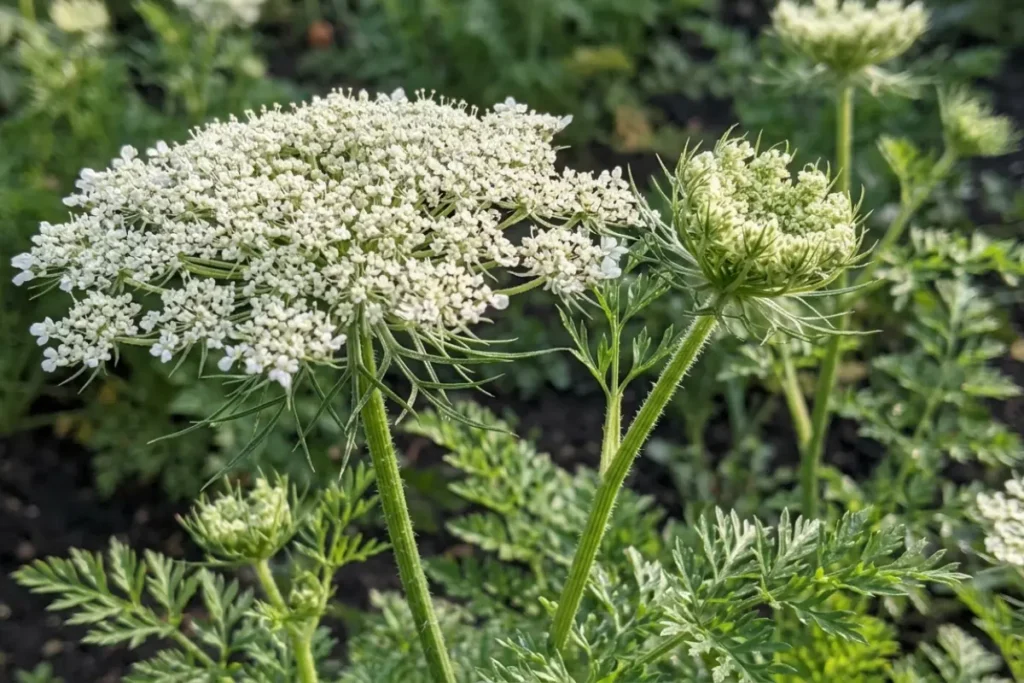
Avoid cutting off the flowering stems if your goal is to collect seeds. Instead, allow the flowers to open naturally and give pollinators access to them. Keep the plants watered during dry periods and support tall stems if strong winds threaten to bend or break them.
Remember that flowering does not mean the seeds are ready to collect. After pollination, the flowers need additional time to develop seeds. Watch the seed heads closely as they begin to mature.
Let the Carrot Seed Heads Mature
After successful pollination, the flowers gradually develop into seed heads containing small carrot seeds. At first, these heads may appear green and soft. As they mature, they become drier and begin turning brown.
Allow the seed heads to mature as much as possible on the plant before harvesting. Seeds collected too early may be poorly developed and have a lower chance of germinating. Mature seed heads generally feel dry, and the seeds should no longer look green or soft.
Keep an eye on the plants as the seed heads dry. If you wait too long, wind or movement may cause some seeds to fall before you collect them. You can harvest the seed heads in stages as they mature rather than waiting for every head on the plant to turn brown.
Once the seed heads are ready, cut them carefully and place them in a clean paper bag or container. You can then separate the seeds, remove plant debris, and dry them further before storage. This careful process helps you collect carrot seeds that are suitable for future planting.
Proven Tips for Collecting Fresh Carrot Seeds
Getting good carrot seeds takes more than simply cutting down a flowering plant. The timing of harvest, health of the parent plants, pollination, and storage conditions all affect the final result. These practical carrot seed harvesting tips will help you collect mature seeds, reduce waste, and prepare them for your next gardening season.
Select the Best Plants for Seed Saving
Start with carrot plants that have grown well throughout the season. Look for healthy foliage, strong stems, and roots with the characteristics you want in future crops. Avoid plants that have serious pest damage, disease symptoms, or unusually weak growth.
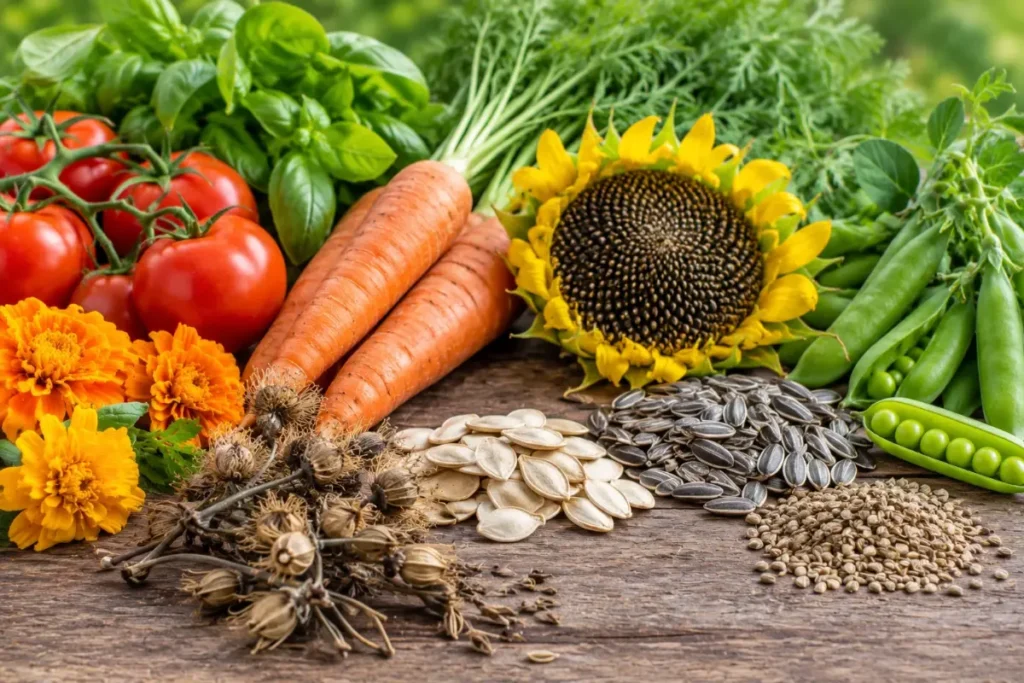
If you are saving seeds from heirloom carrots, selecting suitable parent plants is especially important. The seeds may carry characteristics from their parents, so choosing plants carefully can help you maintain the qualities you enjoy.
For example, if you prefer carrots with straight roots and strong growth, select healthy plants from a variety known for those traits. Keep in mind that the environment and cross-pollination can also influence the next generation.
Keep Different Carrot Varieties Apart
One of the most important parts of carrot seed saving is controlling unwanted cross-pollination. Carrot flowers can receive pollen from other compatible carrot varieties, even when those plants grow in a nearby garden.
If you grow several varieties close together, the resulting seeds may produce carrots with different characteristics from the original plants. Wild carrot relatives can also create a risk of cross-pollination.
For the best results, grow only one variety for seed production in a suitable area or use appropriate isolation methods. Larger-scale seed growers may rely on substantial separation distances or physical barriers, depending on local conditions and pollination needs. If preserving a specific variety matters to you, research suitable isolation requirements before flowering begins.
Give Carrot Plants Enough Sunlight
Sunlight helps carrot plants produce the energy they need for healthy growth, flowering, and seed development. Choose a location that receives plenty of direct sunlight during the day.
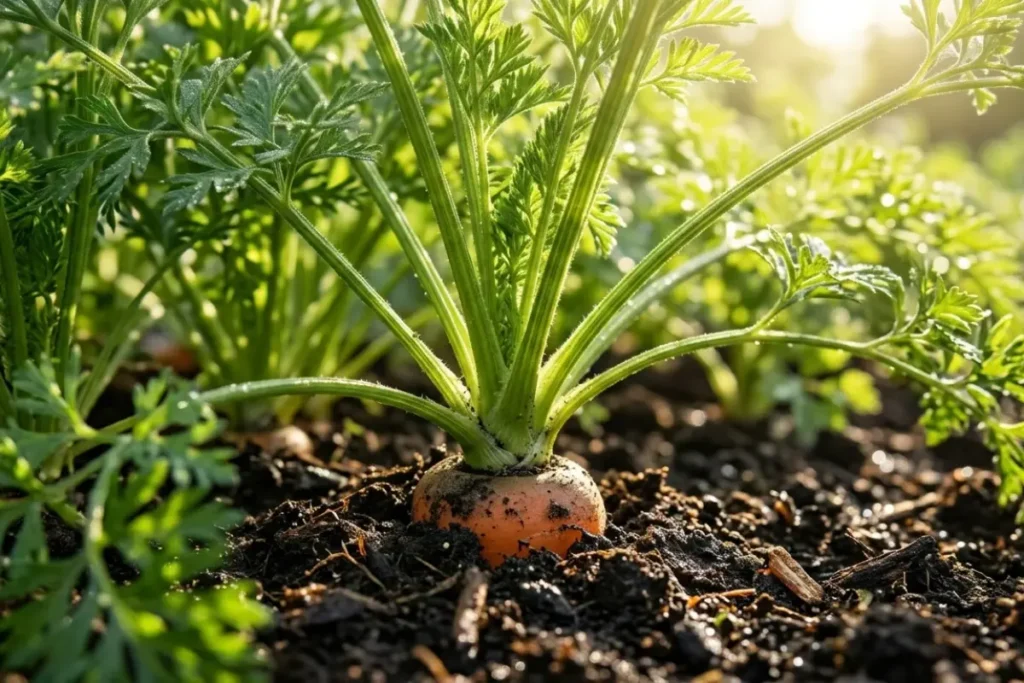
Plants growing in deep shade may become weak or produce fewer flowers. This can reduce the number of seed heads available for harvesting. If you are growing carrots in a small garden, choose an open spot away from structures or larger plants that block most of the light.
Also, make sure the soil drains well and supports healthy root growth. Good sunlight combined with suitable soil conditions gives your carrot plants a better chance of producing well-developed seeds.
Water Plants Consistently
Carrot plants need adequate moisture while growing, flowering, and developing seeds. If the soil dries out severely, the plants may become stressed. However, too much water can create problems, especially when the roots sit in poorly drained soil.
Check the soil regularly and water when the upper layer begins to dry. During hot or windy weather, plants may need more frequent watering. A layer of organic mulch around the plants can help maintain more even soil moisture, but keep it from smothering the crown.
As the seed heads mature, avoid unnecessary overhead watering that leaves them wet for long periods. Consistent moisture during growth and drier conditions near harvest can help you manage the plants more effectively.
Protect Flowering Plants From Strong Winds
Carrot plants grown for seeds can develop tall flowering stalks that become heavy as their seed heads mature. Strong winds or heavy rain may bend or break these stems, causing seed heads to fall before you can collect them.
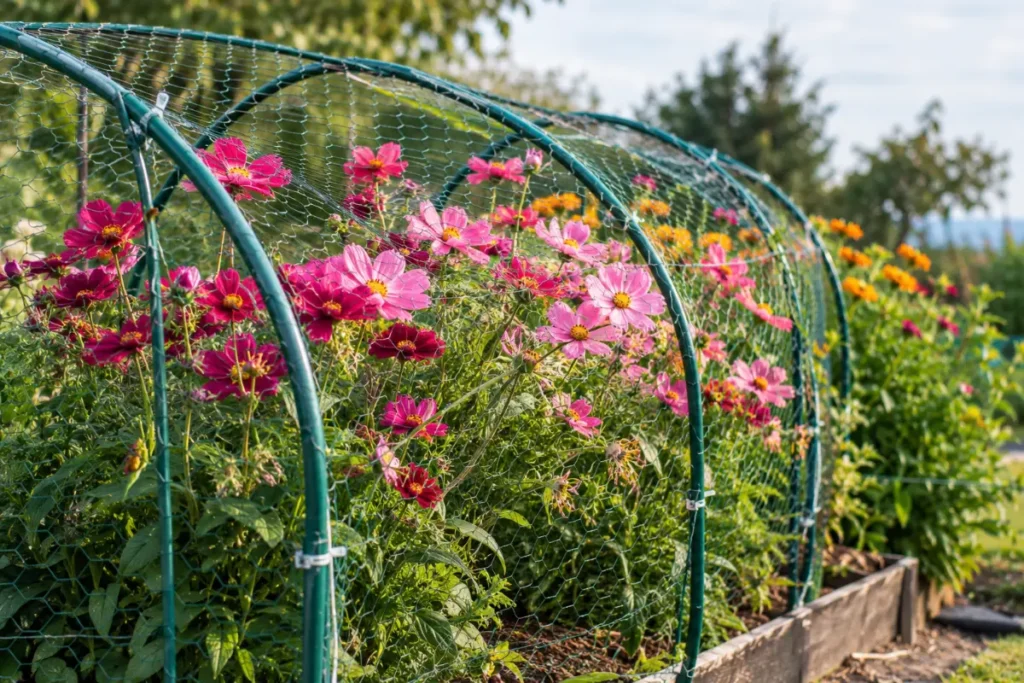
Check the plants regularly as they grow taller. If the stems begin leaning, use garden stakes and soft ties to provide support. Place the stakes carefully so you do not damage the roots.
Supporting flowering plants is particularly useful in exposed gardens and areas that experience frequent storms. It helps keep the seed heads accessible and reduces the risk of losing your harvest before the seeds are mature.
Watch for Mature Seed Heads
Knowing when carrot seeds are ready to collect is essential for successful seed saving. Immature seed heads are often green, while mature heads gradually become brown and dry.
Check the seed heads regularly as they change color. Mature seeds should look developed rather than soft and green. You can gently inspect a small section of a seed head to see whether the seeds separate easily.
Do not rely on color alone if the seed heads are still damp after rain or heavy dew. Allow them to dry naturally on the plant whenever possible. Paying attention to these maturity signs will help you avoid harvesting seeds too early.
Harvest Seeds in Dry Weather
Whenever possible, collect carrot seed heads during a dry period. Wet seed heads are harder to handle and may require additional drying before the seeds can be stored safely.
Choose a dry day after the morning dew has evaporated. Use clean scissors or pruning shears to cut the mature seed heads, and place them directly into a paper bag or clean container.
If rain is expected and the seed heads are already mature, you can cut them and finish drying them indoors in a dry, well-ventilated place. Keep them away from damp surfaces and avoid sealing moist seed heads inside airtight containers.
Collect Seeds Before They Fall
Waiting too long to harvest mature carrot seed heads can lead to seed loss. As the heads dry, seeds may loosen and fall to the ground, especially during windy weather.
Check your plants every few days as the seed heads approach maturity. If some heads are dry while others remain green, harvest only the mature ones. This staged approach helps you collect more seeds without sacrificing their quality.
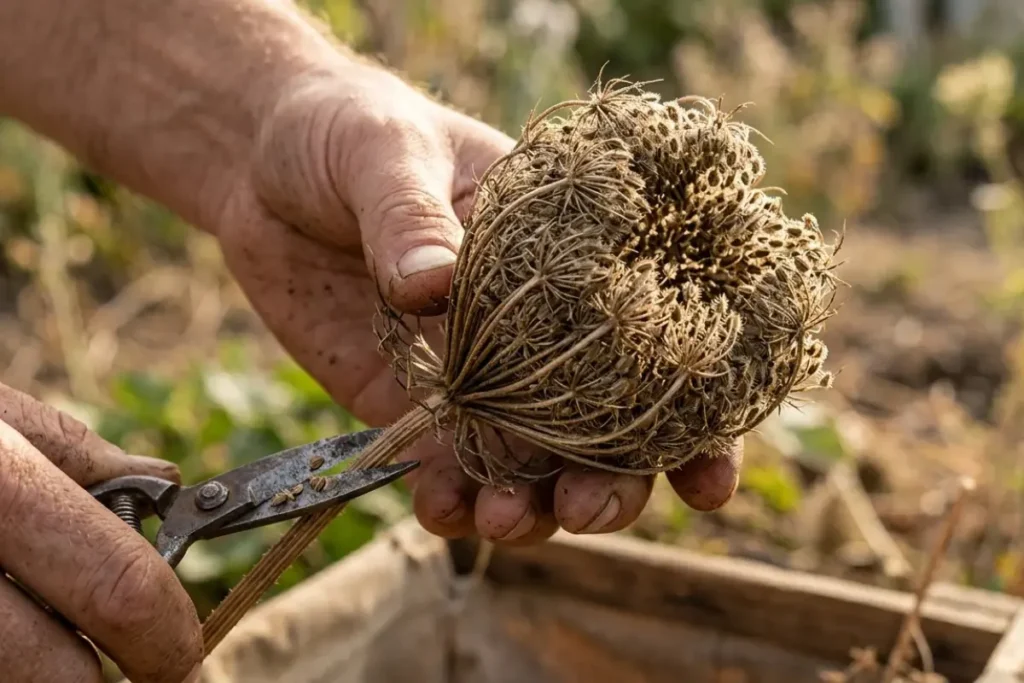
Cut the heads carefully and place them in a paper bag with enough space to keep the material from spilling. Label the bag with the carrot variety and collection date if you are saving seeds from several plants.
After harvesting, gently shake or rub the dried heads over a clean tray to release the seeds. This simple method makes collecting carrot seeds at home easier and reduces the chance of losing them.
Frequently Asked Questions About How to Get Carrot Seed
How Do You Get Carrot Seed From a Carrot Plant?
To get carrot seed from a carrot plant, allow a healthy carrot to grow through its first season and continue growing into its second year. The plant will develop flowering stalks with small white flowers. After pollination, these flowers form seed heads. Wait until the seed heads turn brown and dry, then cut them carefully and collect the seeds. Dry the seeds thoroughly before storing them in a cool, dry place for future planting.
How Do You Collect Carrot Seeds at Home for Planting?
You can collect carrot seeds at home using clean scissors, a paper bag, and a tray. First, identify mature, dry seed heads on your carrot plants. Cut the heads and place them in the paper bag to catch loose seeds. Gently rub or shake the dried heads over a tray to release the seeds, then remove bits of stems and other plant debris. Let the seeds dry completely before placing them in a labeled storage container.
Can You Get Seeds From a Single Carrot?
Yes, a single healthy carrot plant can produce many seeds if it flowers successfully and receives adequate pollination. However, carrots are mainly insect-pollinated, so successful seed production depends on pollen reaching the flowers.
Growing several compatible carrot plants can support better pollination and help maintain genetic diversity. If you are saving seeds to preserve a particular variety, remember that pollen from other compatible varieties can affect the characteristics of future plants.
Do Carrots Need to Flower Before Producing Seeds?
Yes, carrots must flower before they can produce seeds. During their second growing year, carrot plants typically develop tall flowering stalks covered with clusters of small white flowers.
Insects such as bees and flies transfer pollen between flowers, allowing seeds to develop. Once the seed heads mature and turn brown, you can collect the seeds for your next planting season.
When Should You Harvest Carrot Seeds?
Harvest carrot seeds when the seed heads have turned brown and become dry. The seeds should look fully developed rather than green and soft. Whenever possible, collect them during dry weather to make handling and drying easier.
If different seed heads mature at different times, harvest them in stages. This helps prevent mature seeds from falling to the ground while you wait for the remaining heads to ripen.
Can You Save Carrot Seeds for Next Year’s Garden?
Yes, you can save carrot seeds for next year’s garden if you harvest, dry, and store them properly. After collecting the mature seed heads, separate the seeds from the plant material and allow them to dry thoroughly in a shaded, well-ventilated area.
Place the dry seeds in a labeled paper envelope or suitable airtight container and store them in a cool, dry location away from sunlight and moisture. Proper storage helps preserve seed viability, although germination rates may decline over time.
How Do You Know If Carrot Seeds Are Good?
Good carrot seeds are generally well-developed, reasonably uniform, and free from obvious damage or signs of mold. However, appearance alone cannot confirm whether a seed will germinate.
To check seed quality, place a small sample between moist paper towels, keep it warm, and check regularly for sprouting. Count how many seeds germinate to estimate the germination rate. This simple test helps you decide whether your saved carrot seeds are suitable for planting.
Can You Grow Carrots From Seeds You Collected Yourself?
Yes, you can grow carrots from seeds collected from your own plants, provided the seeds are mature, viable, and stored correctly. Prepare loose, well-drained soil and sow the seeds shallowly according to the requirements of your carrot variety.
Keep the soil consistently moist while the seeds germinate, but avoid waterlogging. Carrot seeds often take around one to three weeks to sprout, depending on temperature, moisture, and seed quality.
If you saved seeds from hybrid carrots or plants that cross-pollinated with other varieties, the new carrots may differ from the original plants.
Conclusion:
Learning how to get carrot seed is a useful skill for any gardener who wants to save seeds and grow carrots in future seasons. Although collecting carrot seeds takes time and patience, the process is quite simple once you understand how carrot plants grow.
Unlike some vegetables that produce seeds during their first growing season, carrots usually need two years to complete their life cycle. During the first year, the plant develops its edible root. In the second year, it produces tall flower stems, small white flowers, and seed heads that eventually mature.
To get the best results, start by choosing healthy carrot plants with strong roots and desirable characteristics. If you want to preserve a particular carrot variety, select open-pollinated or heirloom carrots rather than relying on hybrid varieties.
Keep in mind that carrots can cross-pollinate with other compatible carrot varieties and wild carrot relatives, which may affect the characteristics of the next generation. Taking steps to prevent unwanted cross-pollination can help you maintain more consistent results when saving seeds for your garden.
Another important part of carrot seed harvesting is knowing when the seeds are ready to collect. Avoid cutting the flower heads while they are still green because the seeds may not have developed fully.
Instead, allow the seed heads to turn brown and dry naturally on the plant. When they are mature, carefully cut the flower heads and place them in a paper bag or container. You can then gently rub the dried heads to release the seeds and remove as much plant debris as possible. Harvesting in dry weather also helps reduce excess moisture and makes the drying process easier.
Once you have collected your carrot seeds, give them enough time to dry completely before storing them. Any remaining moisture can encourage mold and damage the seeds during storage.
Spread the seeds in a thin layer in a dry, well-ventilated place away from direct sunlight. After they are fully dry, transfer them to a labeled paper envelope or a suitable airtight container.
Write down the carrot variety and harvest date so you can identify the seeds later. Store them in a cool, dry, dark location to help preserve their quality for the next planting season.

Plant Nest Blog’s author is passionate about plants, gardening, and sustainable living. Through research and practical experience, they share helpful plant care tips, gardening guides, and easy solutions to help readers grow healthier plants and create greener spaces.