
There’s nothing quite like picking a fresh tomato from the garden, only to discover that it’s still hard, bland, or not quite ready to eat. On the other hand, waiting too long can leave you with an overripe tomato that’s soft, split, or starting to spoil.How do you know when tomatoes are ripe
The easiest way is to check its color, firmness, and overall appearance. A ripe tomato usually develops the characteristic color of its variety, feels slightly soft when gently squeezed, and has a fresh, sweet, earthy smell near the stem.
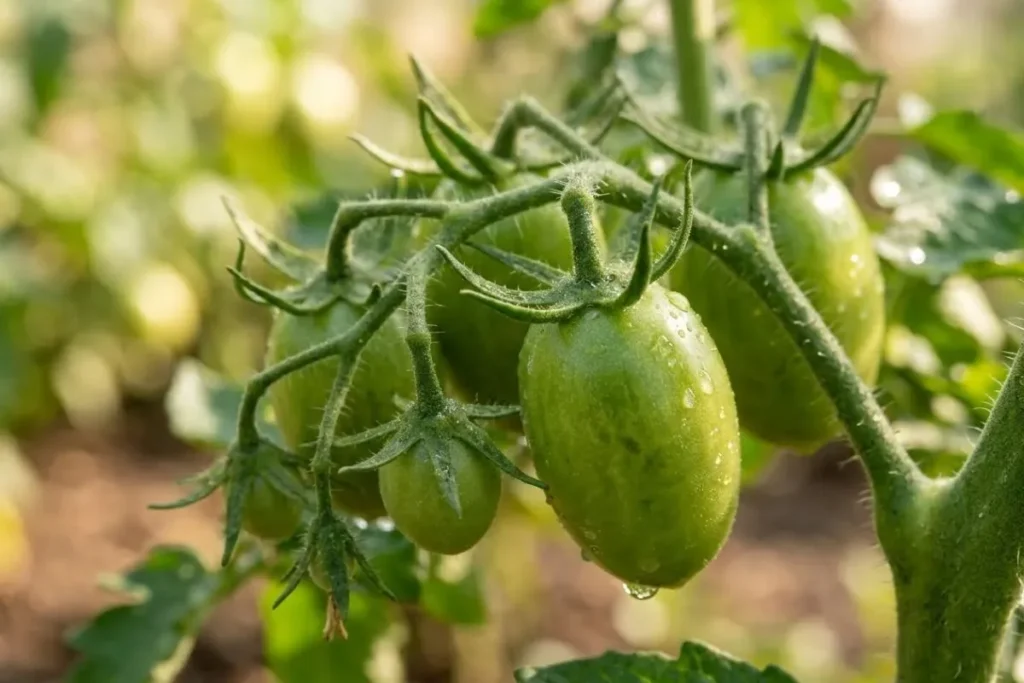
However, color alone doesn’t always tell the whole story. Some tomatoes turn yellow, orange, purple, or even remain green when fully ripe.
Knowing what to look for can help you pick tomatoes at their best, whether you’re growing them in your backyard, harvesting them from containers, or choosing fresh tomatoes at the grocery store.
Here are seven reliable signs that a tomato is ready to eat, along with tips for harvesting, ripening, and storing your tomatoes properly.
Signs how do you know when tomatoes are ripe
You don’t need special equipment to check tomato ripeness. A few simple observations can help you determine whether a tomato is ready to pick.
The Tomato Has Developed Its Full Color
Color is usually the first thing people notice when checking whether a tomato is ripe.
Most familiar red tomatoes gradually change from green to pale green, then yellowish or orange, and finally their characteristic red color.
However, tomatoes come in many varieties, and their ripe colors can be quite different.
Red tomatoes develop a rich red color when ripe, while yellow varieties turn golden or bright yellow. Orange tomatoes develop a deeper orange shade, and purple varieties often develop dark purple or reddish-purple skin. Pink tomatoes become a softer, full pink color. Some green-when-ripe varieties remain green even when completely mature.
The important thing is to know the expected color of your particular variety.
If you’re growing tomatoes, check the seed packet or plant label. It should give you an idea of the color to expect at maturity.
Helpful tip: Look at the entire tomato rather than just one side. A ripe tomato should generally have developed its characteristic color across most of the fruit, although some varieties naturally have uneven coloring.
It Feels Slightly Soft When You Gently Squeeze It
Firmness is another useful way to tell whether a tomato is ready to eat.
An unripe tomato usually feels quite hard. As it ripens, the flesh gradually softens and develops a little give.
Place the tomato gently between your fingers and apply light pressure.
A ripe tomato should feel slightly soft rather than rock-hard, but it should remain firm enough to hold its shape. Its surface should feel reasonably smooth and the fruit should look plump rather than shriveled.
Avoid squeezing too hard. Tomatoes bruise easily, especially when fully ripe.
If the fruit feels very soft or has areas that collapse under gentle pressure, it may be overripe or damaged.
The Tomato Has a Sweet, Fresh Smell
Have you ever noticed the pleasant smell of a fresh tomato when you pick it from the vine?
That aroma can be a useful sign of ripeness.
A ripe tomato often has a noticeable sweet, earthy, slightly fruity smell, particularly around the stem end.
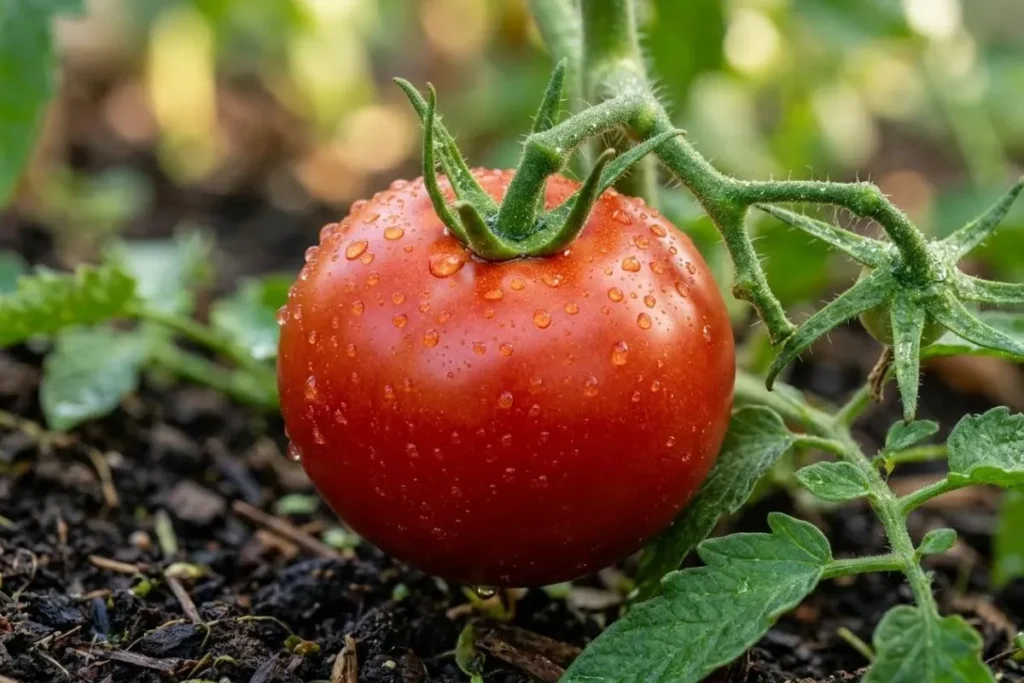
An unripe tomato may have little aroma or a faint green, grassy smell.
To check, bring the tomato close to your nose and smell the area near the stem.
Keep in mind that smell varies between tomato varieties. Some naturally have a stronger fragrance than others.
A pleasant aroma supports other signs of ripeness, but it shouldn’t be your only test.
The Tomato Comes Away From the Vine Easily
If you’re growing tomatoes at home, pay attention to how easily the fruit separates from the plant.
A ripe tomato often comes away with a gentle twist or lift, depending on the variety.
If you have to pull hard or tug repeatedly, the tomato may not be fully ripe.
However, some tomato varieties remain firmly attached even when mature. Others have a natural joint near the stem that makes harvesting easier.
Don’t force the fruit off the plant. If you’re unsure, use clean garden scissors or pruning shears to cut the stem just above the tomato.
This helps prevent damage to the fruit and the plant.
The Skin Looks Smooth and Healthy
A ripe tomato should generally have healthy-looking skin.
Depending on the variety, the surface may be shiny, matte, or slightly textured.
Look for a full, developed shape and reasonably smooth skin without excessive wrinkling. The fruit should have no major soft or sunken spots, leaking juice, or signs of decay.
A few small imperfections don’t necessarily mean a tomato is bad. Minor cracks, scratches, and natural color variations can occur during growth.
However, large cracks, leaking juice, fuzzy mold, or spreading soft spots are warning signs.
The Tomato Has Reached Its Expected Size
Size can also help you judge whether a tomato is mature.
A cherry tomato, for example, will naturally be much smaller than a beefsteak tomato. Likewise, Roma tomatoes have a different shape and size from round slicing tomatoes.
Check the expected mature size of your variety. If the tomato has reached that size and is developing its characteristic color, it may be close to harvesting.
Remember that size alone doesn’t prove ripeness. A tomato can reach its full size while remaining green and firm.
The Tomato Has Reached the Mature-Green Stage or Later
This sign is particularly useful if you’re growing tomatoes and want to harvest them before they become fully red.
Tomatoes pass through several stages of development.
One important stage is called the mature-green stage. At this point, the tomato has reached its full size and its seeds have developed enough for the fruit to continue ripening after harvest.
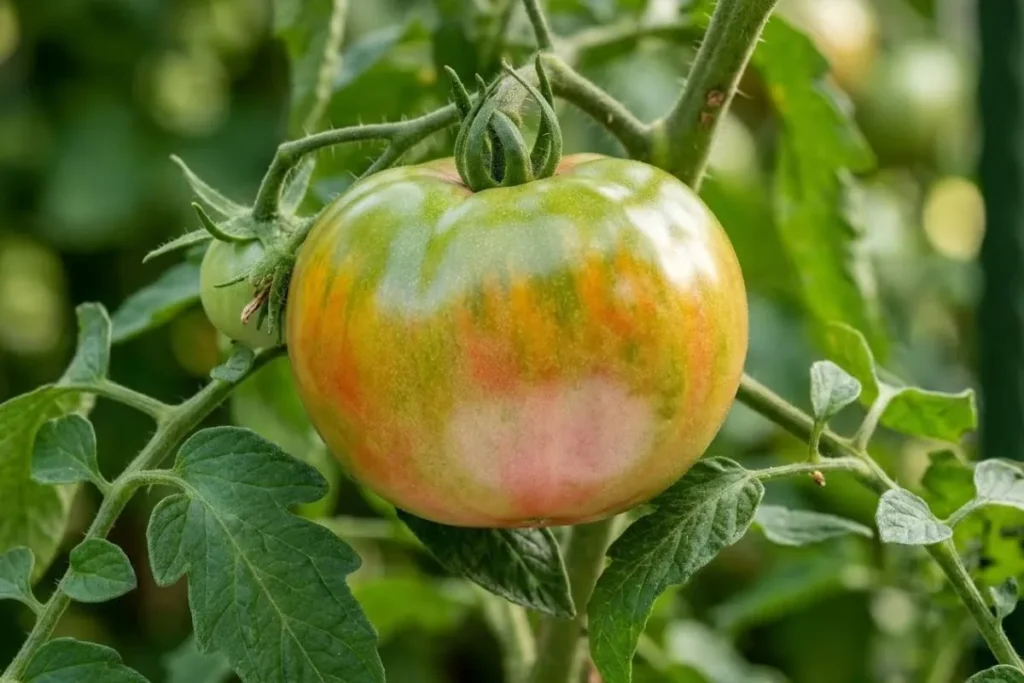
A mature-green tomato may still look green, but it is different from a young, immature tomato.
You can sometimes recognize mature-green fruit by its full size, lighter green color, and a slight change in surface appearance.
This matters because mature-green tomatoes can ripen indoors under suitable conditions, while very immature green tomatoes may not ripen properly.
When Are Tomatoes Fully Ripe?
Tomatoes are fully ripe when they’ve developed their characteristic color, softened slightly, and reached the flavor and texture expected of their variety.
For many common red tomatoes, this means a rich red color with a little give when gently touched.
However, tomatoes don’t all ripen at the same speed.
Several factors influence how long it takes. Variety plays an important role because cherry tomatoes often mature earlier than large beefsteak varieties.
Warm conditions generally encourage ripening, while excessive heat can interfere with normal fruit development. Healthy plants also need adequate sunlight, consistent watering, and suitable growing conditions for good fruit production.
If you’re growing tomatoes, use the estimated days to maturity on the seed packet as a general guide.
Most importantly, check the fruit itself rather than relying entirely on the calendar.
How Long Does It Take for Tomatoes to Ripen?
The time required for tomatoes to ripen depends on the variety and growing conditions.
After a tomato reaches the mature-green stage, it may take approximately 20–30 days to develop full color on the plant, although the timing can vary considerably.
Some cherry varieties ripen relatively quickly, while large tomatoes may take longer.
Once harvested at the mature-green stage, tomatoes can also continue ripening indoors.
Generally, tomatoes ripen best at moderate room temperatures, away from direct sunlight.
If your tomatoes seem to be taking a long time to turn red, check the temperature and growing conditions before assuming something is wrong.
Can Tomatoes Ripen After Being Picked?
Yes! Tomatoes can ripen after being picked, provided they’ve reached the appropriate stage of maturity.
This is useful when you’re expecting heavy rain, cold weather, or other conditions that might damage tomatoes still growing on the vine.
The key is to harvest mature-green or partially colored tomatoes rather than very small, immature fruit.
How to Ripen Tomatoes Indoors
If you have tomatoes that are almost ripe but still green, start by choosing mature, healthy tomatoes without major cracks or damaged areas. Remove excess dirt gently with a dry cloth, then place the tomatoes in a single layer in a shallow tray or cardboard box.
Keep them at normal room temperature, ideally around 18–22°C (65–72°F). Check them regularly for changes in color and firmness, and remove any tomatoes that develop mold or decay.
Avoid placing unripe tomatoes in direct sunlight to speed up ripening. Sunlight isn’t necessary for the ripening process, and excessive heat can damage the fruit.
Should You Put Green Tomatoes in a Paper Bag?
You can.
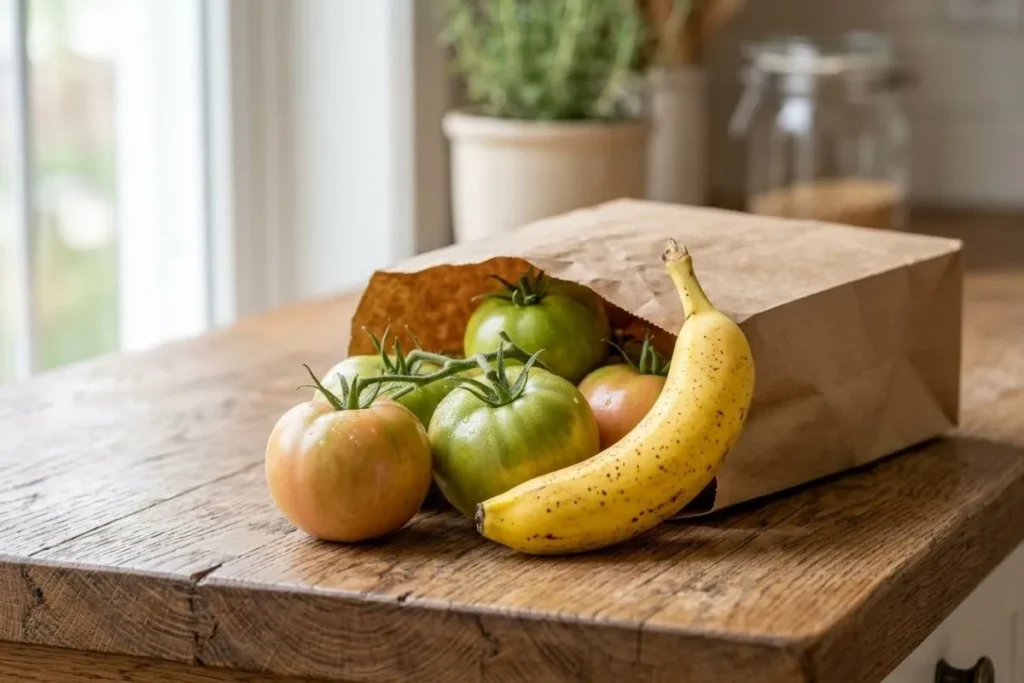
Placing mature-green tomatoes in a paper bag can help concentrate ethylene, a natural plant hormone involved in ripening.
You can also place a ripe banana in the bag because bananas release ethylene as they ripen.
However, check the tomatoes regularly. Too much trapped moisture and poor airflow can encourage mold and spoilage.
A paper bag should not be tightly sealed.
Why Are My Tomatoes Not Turning Red?
It’s frustrating to watch healthy tomatoes grow large but remain green for weeks.
Several things can explain why tomatoes aren’t turning red.
Temperatures Are Too High
Tomatoes generally ripen best at moderate temperatures.
When temperatures become excessively hot, particularly above approximately 30°C (86°F), the development of red pigment can slow down or become uneven.
The fruit may remain orange or greenish rather than turning a deep red.
If you’re growing tomatoes in a hot climate, consider providing afternoon shade during extreme heat while maintaining adequate sunlight for the plant.
The Tomatoes Aren’t Fully Mature
Sometimes a tomato simply needs more time.
Large varieties can take longer to ripen than smaller ones.
Check whether the fruit has reached its expected size and whether its color is beginning to change.
If it’s still small and hard, give it more time.
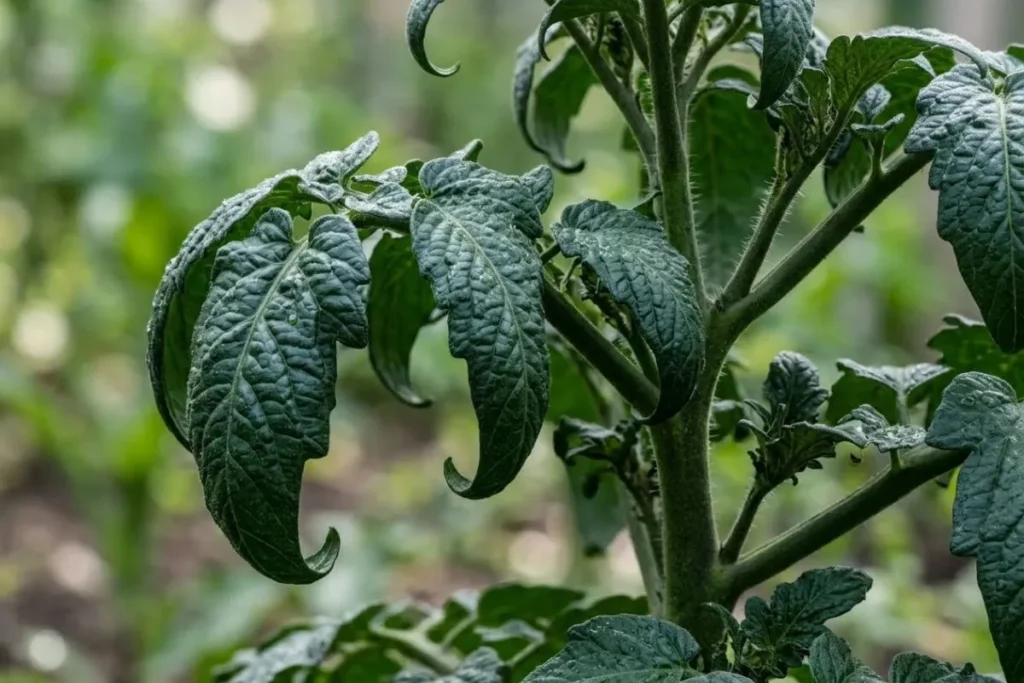
The Plant Has Too Much Nitrogen
Nitrogen encourages leafy growth.
When plants receive excessive nitrogen, they may produce lots of foliage at the expense of fruit development.
Use a balanced fertilizer suitable for tomatoes and avoid adding unnecessary nitrogen once the plants are producing fruit.
The Plant Isn’t Getting Enough Sunlight
Tomato plants need adequate sunlight for healthy growth and fruit development.
Although tomatoes don’t need direct sunlight shining on every fruit to ripen, plants growing in deep shade may struggle to produce healthy crops.
Aim for a sunny growing location with good airflow.
The Weather Is Too Cold
Cold temperatures can slow the natural ripening process.
If autumn temperatures are dropping, mature-green tomatoes may take longer to ripen on the plant.
In this situation, harvesting mature fruit and allowing it to ripen indoors can be a practical option.
How to Harvest Tomatoes Without Damaging the Plant
Once your tomatoes are ripe, picking them correctly helps protect both the fruit and the plant.
Choose the Best Time to Harvest Tomatoes
Early morning is a convenient time to harvest because tomatoes are usually cool and fresh. Avoid leaving harvested tomatoes in direct sunlight to prevent them from overheating.
Check Tomato Color and Firmness
Look for the characteristic color of your tomato variety and gently check whether the fruit has a little give. Ripe tomatoes should feel slightly soft but not mushy.
Handle Tomatoes With Care
Support each tomato with your hand rather than squeezing it. Gentle handling helps prevent bruising and keeps the fruit fresh.
Gently Twist or Cut the Tomatoes From the Vine
Some tomatoes detach easily with a gentle twist. For others, use clean pruning scissors to cut the stem without damaging the fruit or plant.
Inspect and Sort Your Harvested Tomatoes
Separate damaged, cracked, or overripe tomatoes from healthy fruit. This helps keep your harvest organized and makes it easier to store fresh tomatoes properly.
Store Freshly Harvested Tomatoes Properly
Keep ripe tomatoes at room temperature if you plan to eat them soon. Refrigerate them when necessary to slow further ripening, particularly if they are already very ripe.
How to Store Ripe Tomatoes So They Stay Fresh
Freshly picked tomatoes taste best when stored properly.
Many people automatically put tomatoes in the refrigerator, but that isn’t always the best choice.
If your tomatoes are fully ripe and you plan to eat them within a short period, room-temperature storage is generally preferable for maintaining their flavor and texture.

Keep ripe tomatoes away from direct sunlight and store them in a cool, dry place with good airflow. Avoid stacking heavy tomatoes on top of one another, and keep damaged or split tomatoes separate from healthy fruit.
Use very ripe tomatoes first.
If tomatoes are already very ripe and you need to extend their storage time, refrigeration can help slow spoilage. Allow refrigerated tomatoes to return toward room temperature before serving for better flavor.
Common Mistakes People Make When Checking Tomato Ripeness
Even experienced gardeners sometimes pick tomatoes too early or leave them on the vine too long.
Here are a few mistakes worth avoiding.
| Mistake | Better approach |
| Judging ripeness by color alone | Check firmness, aroma, and variety-specific color. |
| Squeezing tomatoes too hard | Apply gentle pressure to avoid bruising. |
| Waiting for every tomato to turn red | Check the expected ripe color of your variety. |
| Assuming large tomatoes are ripe | Check their color and texture. |
| Leaving tomatoes in excessive heat | Harvest mature fruit when necessary and ripen indoors. |
| Storing ripe tomatoes in direct sunlight | Keep them in a cool, shaded place. |
| Picking very immature green tomatoes | Wait until they reach the mature-green stage. |
A particularly common mistake is assuming that every tomato should turn red. Yellow, orange, purple, pink, and green-when-ripe varieties all have their own signs of maturity.
Frequently Asked Questions About Tomato Ripeness
How can you tell if a tomato is ripe without cutting it?
Check its color, firmness, and smell. A ripe tomato usually has its characteristic mature color, feels slightly soft under gentle pressure, and has a pleasant tomato aroma near the stem.
Should tomatoes be soft or firm when ripe?
Ripe tomatoes should be slightly soft but still firm enough to hold their shape. Very hard tomatoes are usually unripe, while mushy tomatoes may be overripe or spoiled.
Can you eat a tomato that is still green?
Yes, some green tomatoes are perfectly edible, particularly varieties that remain green when ripe. Immature green tomatoes can also be used in certain cooked recipes, although they have a different flavor and texture from fully ripe tomatoes.
Do tomatoes need sunlight to ripen?
No. Tomatoes don’t need direct sunlight on their fruit to ripen. The ripening process is controlled largely by natural hormones, particularly ethylene. However, the plant still needs adequate sunlight for healthy growth and fruit production.
How do you know when cherry tomatoes are ripe?
Cherry tomatoes are usually ready when they’ve developed their variety’s characteristic color and feel slightly soft when gently touched. They should also come away from the plant relatively easily.
Can tomatoes ripen on the windowsill?
Yes. A windowsill can be suitable if it provides a moderate room temperature. However, avoid placing tomatoes in intense direct sunlight because excessive heat can damage them.
Will tomatoes ripen faster in a paper bag?
A paper bag can help trap some of the ethylene released by ripening fruit, which may encourage ripening. Keep the bag loosely closed and inspect the tomatoes regularly to prevent moisture buildup and spoilage.
Why are my tomatoes red on one side and green on the other?
Uneven ripening can result from temperature fluctuations, excessive heat, shading, or variety-specific characteristics. If the fruit is otherwise healthy, give it a little more time and check whether the remaining green areas begin changing color.
Can you pick tomatoes before they turn red?
Yes. You can harvest tomatoes once they reach the mature-green stage. They can continue ripening indoors at room temperature.
How do you know if a tomato is overripe?
An overripe tomato often feels excessively soft, has wrinkled or splitting skin, and may show leaking juice or dark, damaged areas. If it has mold, an unpleasant smell, or signs of decay, discard it.
Conclusion:
Knowing when a tomato is ripe doesn’t have to be complicated.
Start by checking its natural color, then gently feel the fruit for a little softness. A pleasant aroma, healthy skin, and the expected size of the variety provide additional clues.
If you’re growing tomatoes, remember that not every variety turns red, and not every tomato needs to stay on the vine until it’s completely colored.
You can also harvest mature-green tomatoes and let them ripen indoors when weather conditions make waiting risky.
The real trick is learning what a ripe tomato should look, feel, and smell like for its particular variety. Once you recognize those signs, you’ll have a much easier time picking tomatoes at their freshest, juiciest, and most flavorful.

Plant Nest Blog’s author is passionate about plants, gardening, and sustainable living. Through research and practical experience, they share helpful plant care tips, gardening guides, and easy solutions to help readers grow healthier plants and create greener spaces.