
ucumber plants may look delicate above the ground, but their roots need plenty of room to grow, absorb water, and support healthy vines. If you’re wondering how deep do cucumber roots go, the answer depends on the soil type, watering habits, growing conditions, and available space.
Understanding cucumber root depth can help you choose the right container, prepare your garden bed, and avoid common growing mistakes. Let’s look at how deep cucumber roots grow, how far they spread, and how much soil depth your plants need to produce healthy cucumbers.
How Deep Do Cucumber Roots Go?
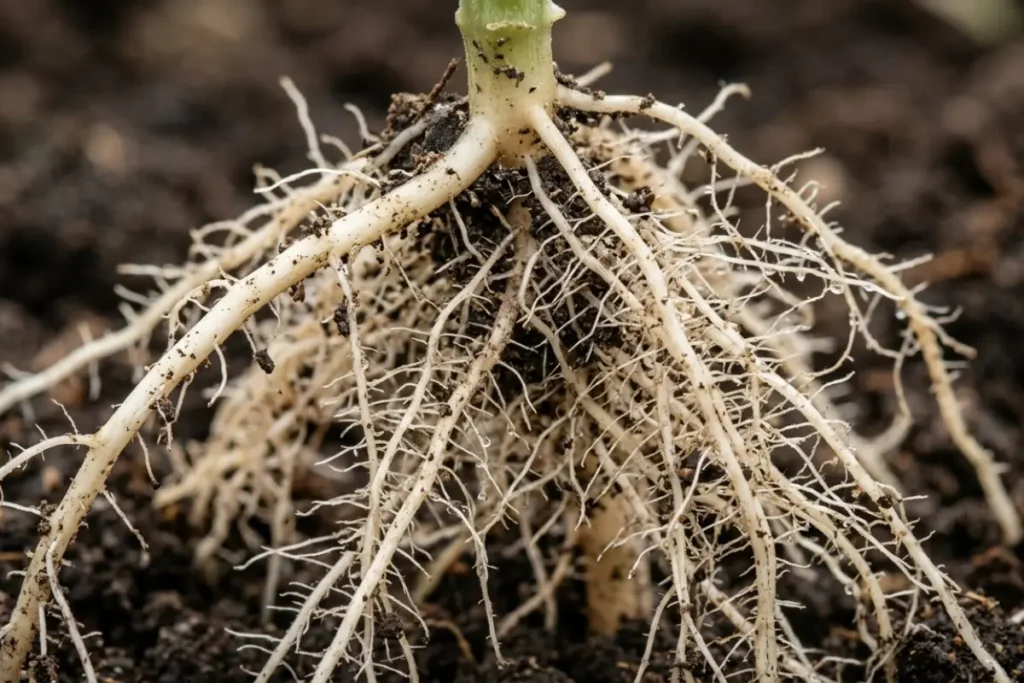
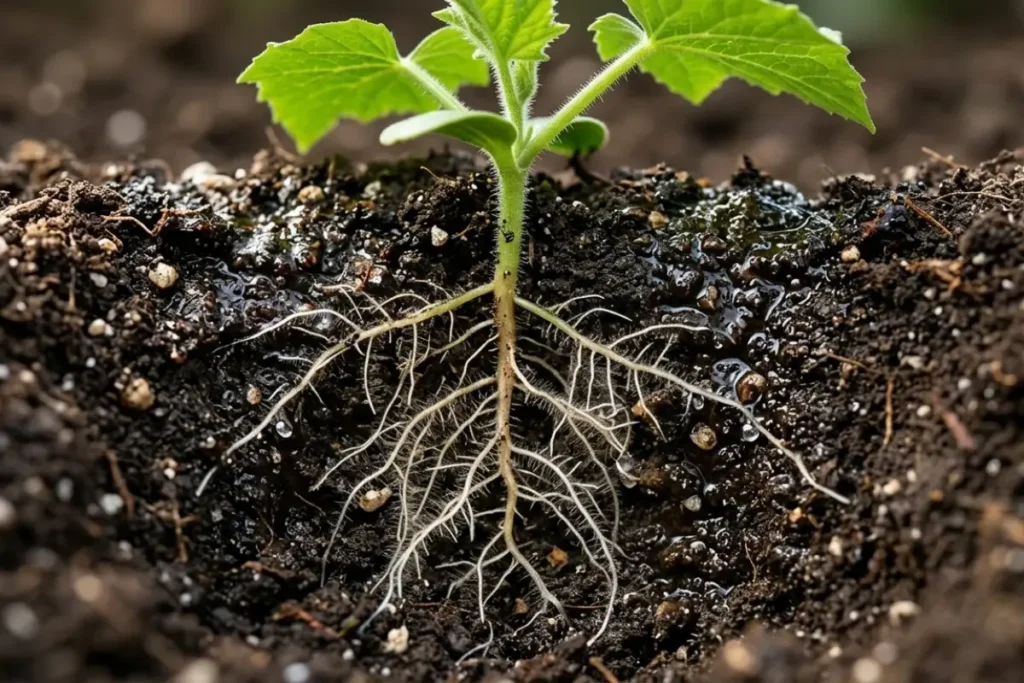
Cucumber plants (Cucumis sativus) generally develop a relatively shallow root system. Most of their active feeder roots grow within the top 6 to 12 inches of soil, where moisture and nutrients are readily available.
However, cucumber plants can develop deeper roots when soil conditions allow. In loose, well-draining garden soil, some roots may reach approximately 24 to 36 inches deep. The actual depth varies depending on the cucumber variety, soil structure, moisture availability, and growing environment.
The main root system includes a primary root, smaller lateral roots, and many fine feeder roots. These smaller roots absorb most of the water and nutrients the plant needs.
This is why cucumber plants benefit from loose, fertile soil rather than compacted ground. Even if deeper roots develop, the upper soil layer remains especially important for healthy growth.
How Far Down Do Cucumber Roots Grow?
Cucumber roots don’t all grow to the same depth. Their growth depends heavily on the conditions beneath the soil surface.
Here’s a general breakdown of how cucumber roots develop:
| Soil depth | Root activity |
| 0–6 inches | Many fine feeder roots absorb water and nutrients. |
| 6–12 inches | A large portion of the active root system develops here. |
| 12–24 inches | Deeper roots explore additional moisture and nutrients. |
| 24–36 inches | Some roots may reach this depth in favorable soil conditions. |
These measurements are general growing estimates, not fixed limits. Heavy clay, compacted soil, or poor drainage can restrict root development.
For example, cucumbers growing in a raised bed filled with loose soil may develop deeper roots than plants growing in hard, compacted ground.
Gardening tip: Don’t assume that watering only the soil surface is enough. Water slowly and deeply so moisture can reach the root zone without leaving the soil waterlogged.
How Far Do Cucumber Roots Spread?
Cucumber roots don’t just grow downward. They also spread sideways beneath the soil surface.
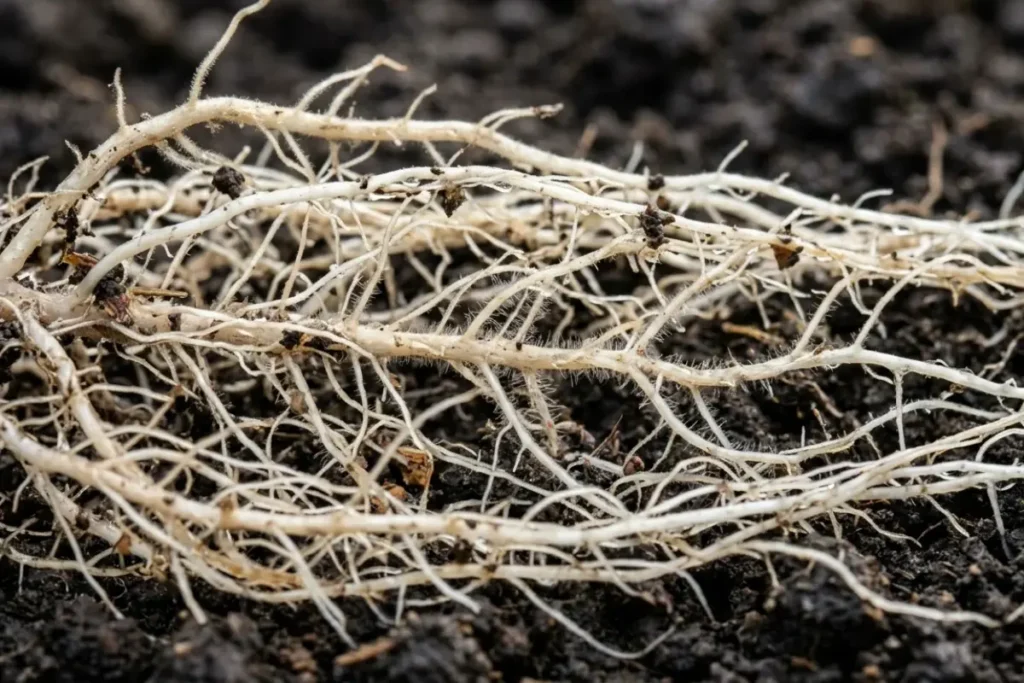
A healthy cucumber plant can develop lateral roots that extend outward from the main stem. In favorable garden soil, roots may spread approximately 12 to 24 inches or more from the plant, depending on available space and growing conditions.
This sideways growth helps the plant collect water and nutrients from a wider area.
Root spread becomes especially important when planting cucumbers close together. If plants grow too close, their root systems may compete for moisture, nutrients, and growing space.
For better results, give cucumber plants enough space according to their growth habit. Avoid placing several plants in a small container, keep soil evenly moist throughout the root zone, and add compost before planting to improve soil structure.
If you’re growing cucumbers in a small garden, a trellis can help you save above-ground space. However, remember that climbing vines still need enough room for their roots.
How Much Soil Depth Do Cucumber Plants Need?
Cucumber plants need enough soil depth to develop a healthy root system. Although many feeder roots stay near the surface, providing deeper soil gives the plant more room to access moisture and nutrients.
For container gardening, a pot or grow bag with approximately 12 inches of soil depth is a practical starting point. A depth of 16 to 18 inches or more provides additional room for root development.
For garden beds, aim for at least 12 inches of loose, workable soil. Deeper soil is beneficial when the ground underneath is also suitable for root growth.
Recommended Container Depth for Cucumbers
| Growing setup | Suggested soil depth |
| Small container | At least 12 inches |
| Medium container | 12–16 inches |
| Large container | 16–18 inches or more |
| Raised garden bed | 12–18 inches or more |
| In-ground garden | 18–24 inches of loose soil is beneficial |
These are practical recommendations rather than strict biological requirements. A container’s width and overall soil volume matter too.
A narrow, deep pot may not provide as much useful growing space as a wider container with a similar soil volume.
Choosing the Right Container Size
Cucumbers need more than a deep container. They also need enough soil volume to support their growing vines and frequent watering needs.
A container holding around 5 gallons can work for one cucumber plant, although larger containers may make moisture management easier.
Choose a container with drainage holes. Without proper drainage, excess water can collect around the roots and create conditions that encourage root rot.
Do Cucumber Roots Grow Better in Raised Beds or Garden Soil?
Both raised beds and in-ground gardens can support healthy cucumber roots. The better option depends on your existing soil quality.
Raised beds offer greater control over soil texture, drainage, and organic matter. They’re particularly useful if your garden has heavy clay or compacted ground.
In-ground planting can also work very well because cucumber roots can explore deeper soil layers when the ground is loose and healthy.
Here’s how the two growing methods compare.
| Feature | Raised beds | In-ground gardens |
| Soil control | Easier to manage | Depends on existing soil |
| Drainage | Usually easier to improve | Varies by location |
| Root development | Good with sufficient depth | Can extend deeper |
| Soil temperature | Often warms faster | Usually changes more slowly |
| Maintenance | May need more frequent watering | Depends on soil moisture |
One thing gardeners sometimes overlook is the soil underneath a raised bed.
If your raised bed sits directly on compacted ground, cucumber roots may struggle to move beyond the bed’s original soil depth. Loosening the ground underneath before filling the bed can improve root access.
What Type of Soil Helps Cucumber Roots Grow Deeper?
Soil texture plays a major role in cucumber root development. Roots need a balance of moisture, oxygen, nutrients, and physical space.
The best growing medium is loose, fertile, and well-draining.
Loamy Soil
Loamy soil is an excellent choice for cucumbers because it holds enough moisture while allowing excess water to drain.
It also provides a suitable structure for roots to spread in different directions.
Sandy Soil
Sandy soil drains quickly and allows roots to move through it easily. However, it doesn’t hold water and nutrients as effectively as loamy soil.
If your garden has sandy soil, mix in mature compost to improve moisture retention.
Clay Soil
Heavy clay soil can make root development difficult. It often becomes dense when wet and hard when dry.
Adding organic matter and improving drainage can make clay soil more suitable for cucumbers.
Avoid working with very wet clay because doing so can increase compaction.
The Ideal Soil pH
Cucumbers generally grow well in slightly acidic to neutral soil, with a preferred pH around 6.0 to 6.8.
A simple soil test can help you determine whether your garden soil needs adjustment before planting.
How Does Watering Affect Cucumber Root Growth?
Watering habits directly influence how cucumber roots develop and function.
When you water lightly and frequently, most available moisture may remain close to the soil surface. This encourages roots to concentrate in that area.
Deep watering helps moisture move farther down into the soil, making deeper soil layers available to the root system.
However, this doesn’t mean you should water your cucumbers excessively. Roots also need oxygen, and constantly saturated soil can damage them.
For healthier root development, apply water slowly around the base of the plant so it can soak into the root zone. Check soil moisture by pushing your finger into the soil before watering again.
Morning watering gives plants time to absorb moisture before the hottest part of the day. A layer of straw or shredded leaves can also help reduce evaporation and maintain more consistent soil moisture.
Make sure your garden bed or container drains properly after watering. During hot summers, cucumber plants may need more frequent watering, especially when growing in containers.
Do Cucumber Roots Need More Space When Growing on a Trellis?
Growing cucumbers vertically on a trellis is an excellent way to save garden space. However, training vines upward doesn’t eliminate the plant’s underground space requirements.
Trellised cucumber plants still need a healthy root system to absorb water and support vigorous vine growth.
In fact, vertical plants may need consistent watering because their leaves and vines can be exposed to more sunlight and airflow.
When growing cucumbers on a trellis, provide sufficient soil depth and width around each plant. Install the trellis before planting or while plants are still small. Avoid driving stakes through the established root zone, and water near the plant’s base rather than relying on rainfall alone.
A trellis can help you grow more cucumbers in a limited garden area, but don’t overcrowd the roots to save space above ground.
Can Cucumber Roots Be Damaged During Transplanting?
Yes. Cucumber plants have relatively delicate roots, and transplanting can disturb their developing root systems.
Unlike some vegetables that tolerate root disturbance well, cucumbers can experience transplant shock when their roots are damaged.
You may notice temporary wilting, slower growth, or yellowing leaves after transplanting.

To reduce the risk, start cucumber seeds in biodegradable pots or containers that allow you to transplant the plant with minimal root disturbance.
If you’re using plastic seed-starting pots, gently remove the entire root ball rather than pulling the plant out by its stem.
Transplant seedlings when they have developed a few true leaves. Water them before removing them from their containers, handle the root ball gently, and plant at approximately the same depth as before. Water immediately after transplanting.
Avoid breaking apart the root ball or unnecessarily loosening the roots.
Common Mistakes That Limit Cucumber Root Growth
Even when cucumber plants receive enough sunlight and fertilizer, poor soil conditions can restrict their roots.
Planting in Compacted Soil
Hard soil makes it difficult for roots to spread and access oxygen. Loosen the planting area and mix in organic matter before sowing seeds.
Using Shallow Containers
Very shallow pots can limit root development and dry out quickly. Choose a container with adequate depth and enough overall soil volume.
Overwatering the Plants
Too much water pushes air out of the soil and can cause root problems. Always check drainage and soil moisture before watering again.
Planting Too Close Together
Crowded plants compete for moisture, nutrients, and sunlight. Follow the spacing recommendations for your cucumber variety.
Digging Too Close to Established Plants
Cucumber roots can spread beyond the immediate base of the plant. Deep digging or frequent cultivation can damage these roots.
Instead, remove weeds carefully by hand and apply mulch to reduce weed growth.
Frequently Asked Questions
Do cucumbers have deep or shallow roots?
Cucumbers generally have a shallow, spreading root system. Most active feeder roots grow within the top 6 to 12 inches of soil, although some roots can reach much deeper in favorable conditions.
How deep should a raised bed be for cucumbers?
A raised bed with 12 to 18 inches of loose soil is a practical choice. Deeper beds can provide additional growing space, especially when the underlying ground is compacted.
Can cucumber roots grow 3 feet deep?
Yes, some cucumber roots may reach approximately 3 feet deep in favorable soil conditions. However, most active feeder roots remain closer to the soil surface.
How wide do cucumber roots spread?
Cucumber roots can spread approximately 12 to 24 inches or more from the main stem. The actual spread depends on soil conditions, plant size, and available space.
Can I grow cucumbers in a 5-gallon bucket?
Yes. A 5-gallon bucket can support one cucumber plant if it has drainage holes, adequate soil depth, and a suitable growing environment. Larger containers can make watering and root development easier.
Do cucumber roots grow sideways?
Yes. Cucumber roots develop lateral branches that spread horizontally through the soil. These roots help collect water and nutrients from a wider growing area.
Do cucumber plants need deep watering?
Cucumbers benefit from thorough watering that moistens the root zone. Deep watering helps maintain consistent moisture, but the soil should never remain waterlogged.
Can cucumber roots damage nearby plants?
Cucumber roots aren’t generally aggressive, but they can compete with nearby plants for water, nutrients, and growing space. Proper spacing helps reduce competition.
Conclusion:
Cucumber plants don’t need extremely deep soil to grow successfully, but they do need enough room for their roots to spread and access water and nutrients.
Most of their active feeder roots develop within the upper 6 to 12 inches of soil, while some roots can reach 24 to 36 inches deep under favorable conditions. Providing loose soil, good drainage, consistent moisture, and enough growing space will help your plants establish a healthy root system.
If you’re growing cucumbers in containers, raised beds, or directly in your backyard garden, focus on creating healthy soil rather than simply digging deeper. Healthy roots are the foundation of strong vines and a productive cucumber harvest.

Plant Nest Blog’s author is passionate about plants, gardening, and sustainable living. Through research and practical experience, they share helpful plant care tips, gardening guides, and easy solutions to help readers grow healthier plants and create greener spaces.