Many people believe that the best plants for self watering pots are only tough, drought-resistant plants like succulents or cacti. That isn’t entirely true. In fact, many popular indoor plants grow even better in self-watering planters because they enjoy steady moisture instead of constantly drying out. The real secret isn’t just choosing a hardy plant it’s matching the right plant with the right watering system.
If you’ve ever forgotten to water your plants, you’re not alone. Life gets busy, and it’s easy to miss a watering day. The good news is that self-watering pots make plant care much easier. They help keep the soil at a more consistent moisture level, which means less guesswork and healthier plants.
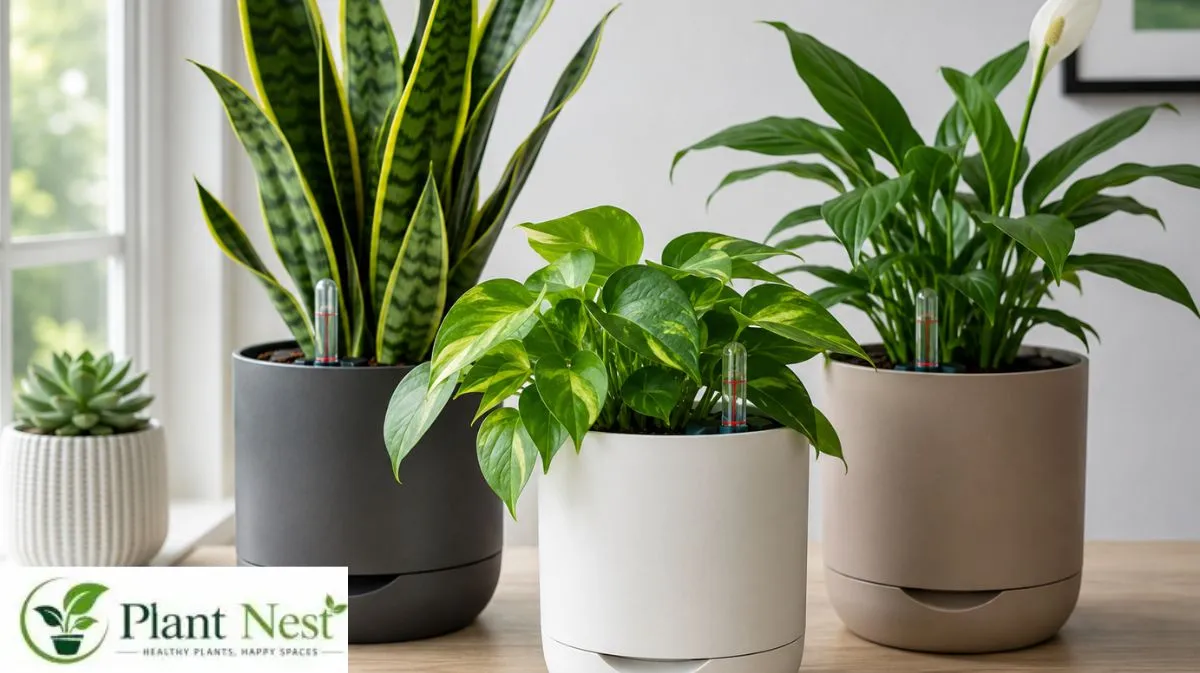
Whether you’re decorating your living room, setting up a home office, or starting your very first indoor garden, choosing the best plants for self watering pots can save you time while helping your plants thrive.
Self-watering pots have become a favourite among beginners and experienced gardeners alike. Instead of watering every few days, the planter stores water in a small reservoir beneath the soil. Your plant then absorbs only what it needs. This simple design reduces stress for both you and your plants.
What Is a Self-Watering Pot and How Does It Work?
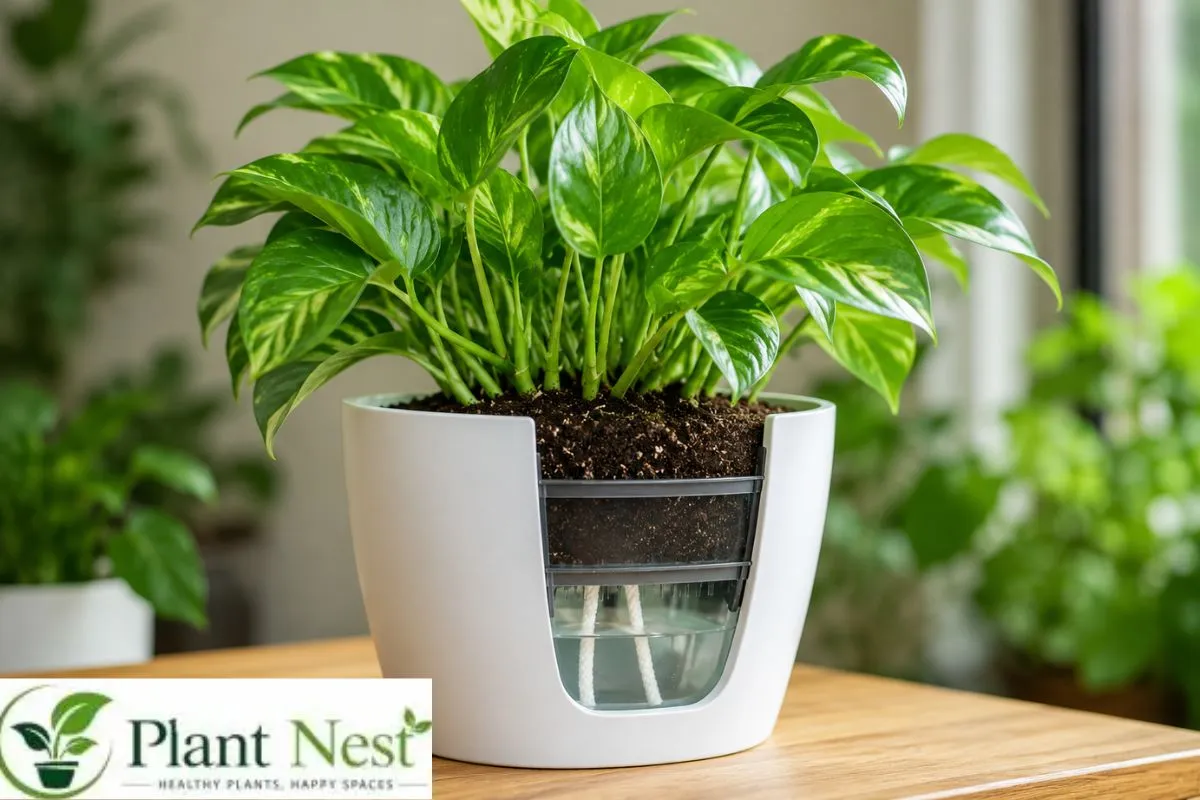
If you’re new to indoor gardening, the name can sound a little misleading. A self-watering pot doesn’t magically water your plants forever. Instead, it stores water in a built-in reservoir and allows the plant to absorb moisture gradually whenever it needs it.
Think of it as giving your plant access to a small water tank rather than pouring water directly onto the soil every few days.
This simple system creates a healthier growing environment for many Read more indoor
plants for self watering pots, especially those that prefer evenly moist soil.
A Simple Breakdown of How a Self Watering Pot Works
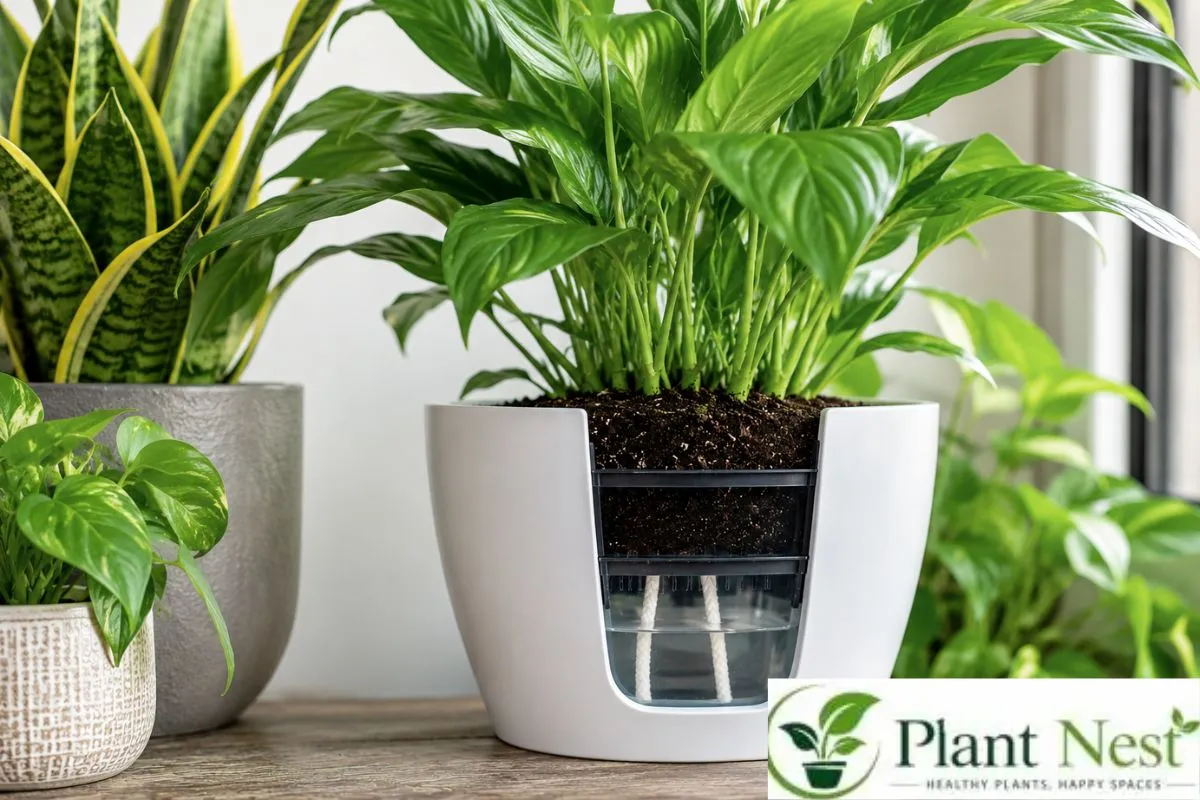
Most self watering pots have two main sections:
- The upper section holds the plant and potting mix.
- The lower section stores water in a reservoir.
Between these sections, there’s usually a wick, a fabric strip, or a specially designed column of soil that transfers water upward. As the soil begins to dry, it naturally pulls moisture from the reservoir through a process called capillary action.
The result is a steady supply of water instead of sudden soaking followed by dry periods.
This gentle watering method helps create a stable environment where roots can develop more naturally.
Why Consistent Moisture Matters
One of the biggest problems with traditional watering is inconsistency.
Many people accidentally let their plants dry out completely before giving them a large amount of water. This cycle of underwatering and overwatering stresses the plant and can slow its growth.
Plants that naturally enjoy evenly moist soil usually perform much better in self watering planters because they receive water as needed rather than all at once.
Examples include:
- Peace Lily
- Pothos
- Spider Plant
- Philodendron
- Boston Fern
- Prayer Plant
These are some of the ideal plants for self watering containers because they appreciate consistent moisture without sitting in waterlogged soil.
The Main Benefits of Self-Watering Planters
One reason self watering planter ideas have become so popular is that they solve several common gardening problems at once.
Less Frequent Watering
Instead of watering every few days, you may only need to refill the reservoir every one to three weeks, depending on the size of the planter, the plant, and the weather.
This makes self-watering pots perfect for:
- Busy professionals
- Frequent travellers
- Students
- Beginners
- Families with hectic schedules
Healthier Root Development
Healthy roots need both moisture and oxygen.
Because the soil draws up water gradually, roots often grow deeper in search of moisture instead of remaining near the surface. This can encourage stronger, more stable plants over time.
Fewer Watering Mistakes
One of the biggest reasons houseplants fail is incorrect watering.
Many people either water too often or forget about their plants until the leaves begin to droop.
A self-watering system reduces these extremes by providing a more balanced supply of moisture.
For anyone looking for easy indoor gardening, this is one of the biggest advantages.
Better Moisture Control
Plants don’t all drink water at the same speed.
On hot, sunny days they may absorb more. During cooler months they may use much less.
A self-watering planter naturally adjusts because the soil only draws water when it starts becoming dry. This creates better moisture control than fixed watering schedules.
Are Self-Watering Pots Suitable for Every Plant?
Not always.
Although many plants that need less watering can survive in self-watering pots, that doesn’t mean they’ll always thrive in them.
Plants that prefer constantly dry soil such as many succulents, cacti, jade plants, and some varieties of aloe can struggle if the potting mix stays damp for too long.
On the other hand, moisture-loving tropical plants usually benefit from this steady watering method.
That’s why understanding your plant’s natural growing conditions is more important than simply choosing a stylish planter.
Tips for Getting the Best Results
If you want your best indoor plants for self watering pots to stay healthy, keep these simple tips in mind:
- Use a light, well-draining potting mix instead of heavy garden soil.
- Check the water reservoir regularly rather than assuming it’s always full.
- Don’t overfill the reservoir.
- Clean the reservoir every few weeks to prevent algae and mineral build-up.
- Reduce watering during winter when many indoor plants grow more slowly.
- Match the planter size to the plant’s root system.
Following these simple habits will help you enjoy healthier foliage, stronger roots, and fewer watering problems throughout the year.
The good news is that once you understand how a self-watering pot works, choosing the right plants becomes much easier. In the next section, we’ll look at whether self-watering pots are good for indoor plants, explore their biggest advantages and limitations, and help you decide if they’re the right choice for your home.
Are Self-Watering Pots Good for Indoor Plants?
Many people believe that self-watering pots are suitable for every type of houseplant. This is one of the biggest myths about indoor gardening. The truth is that while self-watering planters can make plant care much easier, they are not the perfect solution for every plant.
Some plants love consistent moisture, while others prefer the soil to dry out before receiving more water. Choosing the best plants for self watering pots is far more important than simply buying a self-watering planter.
Why Self-Watering Pots Are a Great Choice for Many Indoor Plants
If you’re wondering, are self watering pots good for indoor plants? the answer is yes for most indoor plants that enjoy evenly moist soil. These planters provide water gradually through a built-in reservoir, allowing the roots to absorb moisture whenever they need it.
Unlike traditional watering, where the soil repeatedly goes from dry to soaking wet, self-watering pots maintain a more stable moisture level. This creates a healthier growing environment and reduces stress on the plant.
Many popular indoor plants for self watering pots, such as pothos, peace lilies, spider plants, philodendrons, Boston ferns, and prayer plants, naturally thrive with consistent moisture.
Because they receive water steadily, these plants often produce greener leaves, stronger stems, and healthier root systems. This is why they are often recommended as some of the best indoor plants for self watering pots for beginners and experienced gardeners alike.
The Biggest Advantages of Self-Watering Pots
One of the main reasons self-watering planters have become so popular is that they simplify indoor plant care. Forgetting to water your plants for several days is a common problem, especially if you have a busy schedule. A self-watering planter stores water in its reservoir, giving the plant access to moisture even when you’re away.
This makes it an excellent choice for busy professionals, students, frequent travellers, or anyone who wants a low maintenance indoor garden.
Another major benefit is healthier plant growth. Plants grow best when they receive a steady supply of water instead of experiencing repeated cycles of underwatering and overwatering.
Consistent moisture helps roots develop naturally, allowing the plant to absorb nutrients more efficiently. As a result, many plants that grow well in self watering pots become stronger and healthier over time.
Self-watering planters also reduce one of the most common gardening mistakes overwatering. Instead of pouring large amounts of water directly onto the soil, the plant draws only the moisture it needs.
This natural watering process helps create better moisture balance and makes easy houseplant care much more achievable for beginners.
Which Indoor Plants Benefit the Most?
Not every houseplant has the same watering requirements. Moisture-loving plants are usually the biggest winners when grown in self-watering containers. Tropical plants, foliage plants, and many flowering houseplants naturally enjoy evenly moist soil, making them ideal candidates for this watering system.
Some of the ideal plants for self watering containers include pothos, peace lilies, spider plants, philodendrons, Chinese evergreens, calatheas, prayer plants, fittonias, and Boston ferns.
These plants generally respond well to the steady moisture provided by self-watering planters and often require less attention than they would in traditional pots.
Which Plants May Not Be Suitable?
Although self-watering pots offer many benefits, they are not suitable for every plant. Species that naturally grow in dry climates often prefer their soil to dry out completely before being watered again. Succulents, cacti, jade plants, and aloe vera are good examples.
Keeping these plants in constantly moist soil may increase the risk of root rot and other moisture-related problems.
Many gardeners also ask, can snake plants grow in self watering pots? The answer is yes, but they require extra care. Snake plants are naturally drought tolerant and don’t like sitting in damp soil for long periods.
If you choose to grow one in a self-watering planter, use a fast-draining potting mix and allow the reservoir to empty before refilling it. The same approach works well for ZZ plants and other drought-tolerant varieties.
How to Tell If Your Plant Likes a Self-Watering Pot
Most plants quickly show whether they’re happy in their new environment. If your plant starts producing fresh leaves, maintains vibrant green foliage, and continues growing steadily, it’s a good sign that the watering system is working well. Healthy roots, firm stems, and evenly moist soil are also strong indicators that your best plants for self watering pots are thriving.
On the other hand, yellow leaves, soft stems, slow growth, foul-smelling soil, fungus gnats, or constantly wet compost may suggest that the plant is receiving too much moisture. These signs often indicate that the plant may not be well suited to a self-watering system or that the reservoir is being kept too full.
Tips for Getting the Best Results
To get the most from your self-watering planter, always use a high-quality, well-draining potting mix instead of ordinary garden soil. Check the water reservoir regularly rather than automatically topping it up, and adjust watering during winter when most indoor plants grow more slowly.
Cleaning the reservoir every few weeks also helps prevent algae, mineral deposits, and unpleasant odours. Combining these simple habits with the best plants for self watering planters will give your indoor garden the greatest chance of long-term success.
So, are self watering pots good for indoor plants? Absolutely but only when you match the planter with the right plant. Moisture-loving houseplants such as pothos, peace lilies, philodendrons, spider plants, and ferns usually thrive because they enjoy a consistent supply of water. Meanwhile, drought-tolerant plants like succulents, cacti, and snake plants require more careful watering management.
By selecting the best plants for self watering pots and understanding each plant’s natural needs, you can enjoy healthier plants, simpler maintenance, and a more successful indoor garden all year round.
How to Choose the Best Plants for Self-Watering Pots
Many people think that any plant can be placed in a self-watering pot and it will automatically grow better. Unfortunately, that’s not how it works. A self-watering planter is only as effective as the plant growing in it.
Some plants naturally enjoy constant moisture, while others need their soil to dry out before the next watering. That’s why knowing how to choose the best plants for self watering pots is the key to creating a healthy, low-maintenance indoor garden.
Instead of choosing plants based only on their appearance, focus on their natural growing habits. When you understand what a plant needs, it’s much easier to decide whether it’s one of the best plants for self watering planters or if it would perform better in a traditional pot.
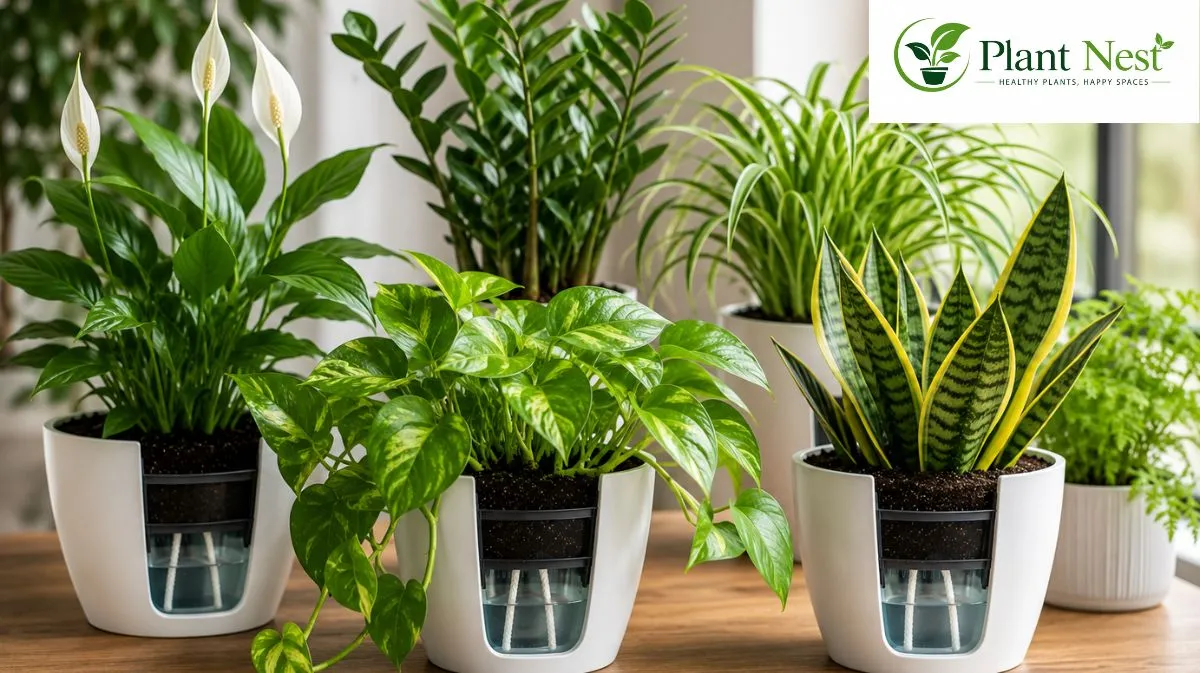
Consider the Plant’s Water Needs
The first and most important factor is how much water the plant naturally requires. This is where many people make mistakes. Some houseplants prefer evenly moist soil throughout the year, while others like their roots to dry out between waterings.
Plants that enjoy consistent moisture are usually the ideal plants for self watering containers because they can take advantage of the steady water supply. Popular examples include pothos, peace lilies, philodendrons, spider plants, prayer plants, calatheas, fittonias, and Boston ferns.
These moisture-loving plants often grow healthier leaves and stronger roots when the soil doesn’t swing between extremely dry and overly wet conditions.
On the other hand, drought-tolerant plants such as succulents, cacti, jade plants, and aloe vera are generally not the best plants for self watering pots.
Their roots are designed to survive dry periods, so constantly moist soil may lead to root problems over time. Before buying any plant, it’s always worth checking whether it prefers consistently moist soil or occasional drying.
Look at the Plant’s Root System
A plant’s root system plays a big role in how well it adapts to a self-watering planter. Healthy roots absorb water and nutrients, but different plants have different root structures.
Plants with well-developed, fibrous root systems usually adapt very well because they can easily draw moisture from the potting mix as needed. Many tropical foliage plants fall into this category, making them excellent choices for plants that grow well in self watering pots.
Plants with thick, fleshy roots are a little different. These roots naturally store water, allowing the plant to survive dry periods. Since they already hold plenty of moisture, they usually don’t need a constant water supply.
This is another reason why many succulents and drought-tolerant species perform better in traditional containers rather than self-watering planters.
When choosing a planter, it’s also important to match the pot size to the plant’s root system. A pot that is too large can keep the soil wet for longer than necessary, while a pot that is too small may limit healthy root growth.
Think About the Plant’s Growth Habit
Not all houseplants grow in the same way. Some trail beautifully from shelves, others grow upright, while some are grown mainly for their colourful flowers or fresh herbs. Understanding a plant’s growth habit helps you choose one that will thrive in a self-watering planter and suit the space where you plan to keep it.
Trailing plants such as pothos, philodendrons, and English ivy are excellent choices because they grow steadily and appreciate consistent moisture. Their cascading vines also make them perfect for hanging baskets or high shelves.
Upright foliage plants like Chinese evergreen, peace lily, and calathea are also among the best indoor plants for self watering pots. They produce lush, attractive leaves and generally prefer evenly moist soil, making them well suited to self-watering systems.
If you enjoy colourful blooms, flowering plants such as African violets, begonias, and peace lilies can also benefit from steady moisture. Consistent watering often helps support healthier flowers and longer blooming periods.
Herbs are another great option. Basil, mint, parsley, and chives all prefer regular watering and often perform very well in self-watering containers. If you’re planning an indoor herb garden, choosing the right planter can reduce the risk of herbs drying out during warm weather.
Match the Plant to Your Indoor Environment
Even the best plants for self watering pots won’t thrive if they’re placed in the wrong location. Water is only one part of successful indoor gardening. Light, temperature, and humidity all play equally important roles.
Start by considering how much natural light your room receives. Bright rooms with indirect sunlight are ideal for many tropical plants, while lower-light spaces are better suited to plants such as pothos, Chinese evergreen, snake plants, and ZZ plants. Choosing the right plant for the available light will make it much easier to keep it healthy.
Humidity is another important factor. Tropical plants like calatheas, prayer plants, and Boston ferns naturally grow in humid environments, so they often thrive in bathrooms, kitchens, or other areas where the air contains more moisture. Pairing these plants with self-watering planters creates conditions that closely resemble their natural habitat.
Temperature should also be considered. Most indoor plants prefer stable temperatures and dislike sudden changes caused by heaters, air conditioners, or cold draughts. Placing your plants in a comfortable, consistent environment will help them make the most of their watering system.
Finally, think about your own lifestyle. If you’re new to gardening or have a busy schedule, choose low maintenance houseplants that don’t demand constant attention.
Plants like pothos, spider plants, philodendrons, and Chinese evergreen are excellent options because they’re forgiving, adaptable, and easy to care for. These are some of the best low maintenance plants for self watering pots, making them ideal for beginners.
Best Plants for Self-Watering Pots
Many people believe that only a handful of houseplants can survive in self-watering planters. That’s simply not true. In reality, there are dozens of beautiful plants that grow exceptionally well in these containers.
The key is choosing plants that naturally enjoy consistent moisture rather than those that prefer dry soil. Once you pair the right plant with the right planter, you’ll spend less time watering and more time enjoying healthy, thriving greenery.
If you’re looking for the best plants for self watering pots, this list includes some of the easiest and most rewarding options. Whether you’re a beginner or an experienced plant lover, these plants can thrive in self-watering systems with very little maintenance.
Pothos
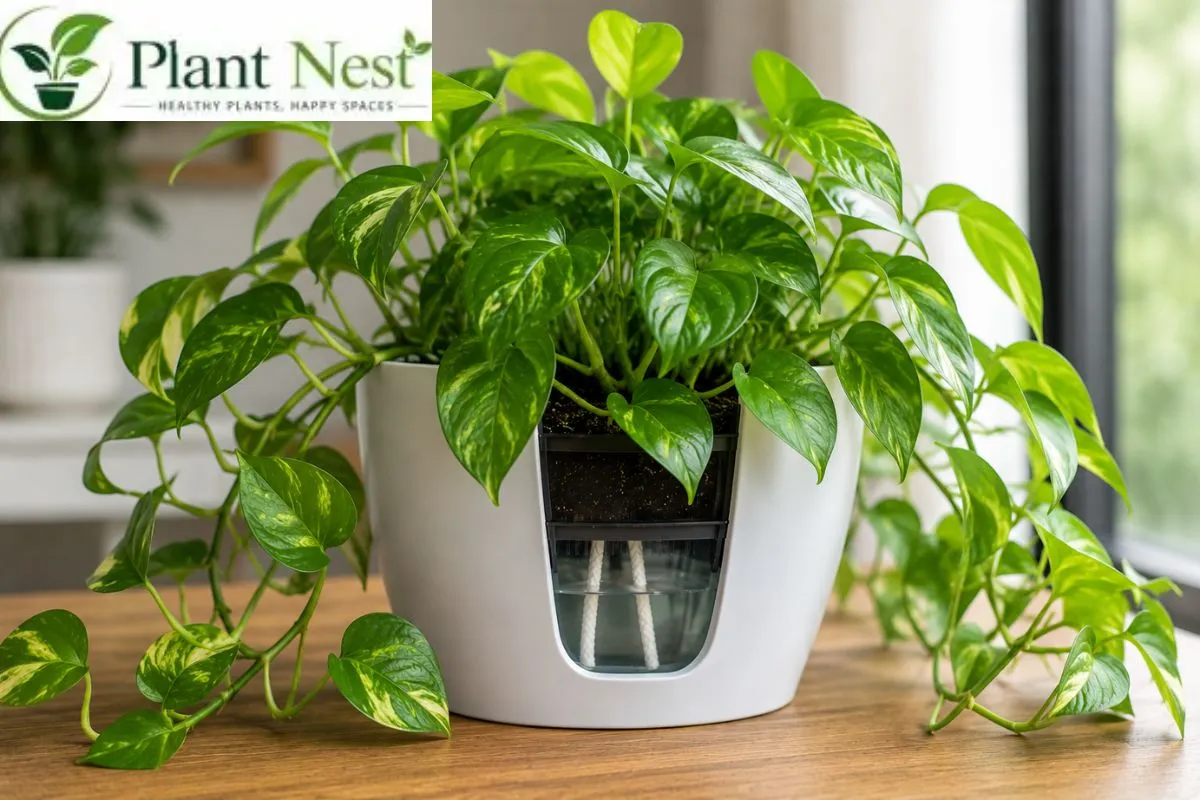
Pothos is often considered one of the easiest houseplants to grow, making it one of the best plants for self watering pots. Its trailing vines and heart-shaped leaves add greenery to almost any room, and it adapts well to different lighting conditions.
Because pothos enjoys evenly moist soil without becoming waterlogged, a self-watering planter helps maintain the ideal moisture level.
Pothos grows well in bright, indirect light but can also tolerate lower-light areas. Regular pruning encourages fuller growth, while occasional feeding during the growing season keeps the foliage lush and vibrant. If you’re new to indoor gardening, pothos is one of the safest choices for easy houseplant care.
Peace Lily
Peace lilies are famous for their elegant white flowers and glossy green leaves. They naturally prefer consistently moist soil, which makes them an excellent choice for self watering planters. Instead of wilting due to missed watering, they can draw moisture gradually from the reservoir.
These plants grow best in medium to bright indirect light and appreciate slightly humid conditions. Besides their attractive appearance, peace lilies are also popular as low maintenance houseplants because they don’t require constant attention when grown in the right environment.
Spider Plant
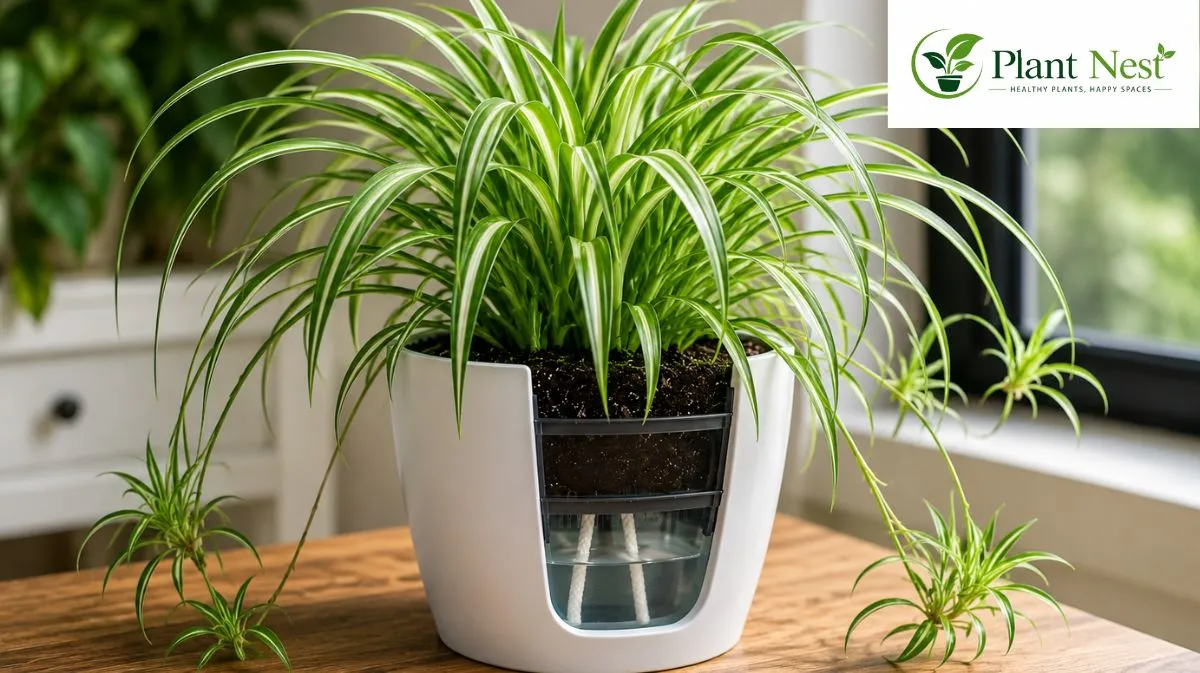
Spider plants are one of the most forgiving houseplants you can own. They tolerate occasional neglect but perform even better when they receive a consistent water supply. This makes them one of the best indoor plants for self watering pots.
Their long, arching leaves create a beautiful display on shelves, tables, or hanging baskets. Spider plants also produce baby plantlets that can easily be propagated into new plants, making them a favourite among beginners.
Philodendron
Philodendrons are loved for their beautiful foliage and fast-growing nature. They prefer lightly moist soil, making them another excellent candidate for plants that grow well in self watering pots. A steady supply of water encourages healthy leaf production and reduces the risk of dry, crispy edges.
These tropical plants thrive in bright, indirect sunlight and are available in both climbing and upright varieties, giving you plenty of options for decorating your home.
Boston Fern
Boston ferns can be challenging to care for because they dislike dry soil. Fortunately, self-watering planters solve one of their biggest problems by keeping moisture levels more stable. As a result, Boston ferns often produce fuller, healthier fronds with less effort.
They prefer humid rooms with indirect light, making them perfect for bathrooms, kitchens, or shaded living spaces. If you’re looking for moisture-loving plants, Boston fern deserves a place on your list.
Prayer Plant
Prayer plants are admired for their striking patterned leaves that fold upward at night. These tropical plants naturally grow in humid forests where the soil remains evenly moist, making them one of the ideal plants for self watering containers.
A self-watering planter helps prevent the soil from drying out too quickly, which reduces leaf curling and brown edges. Place your prayer plant in bright, indirect light for the best results.
African Violet
African violets are beautiful flowering houseplants that prefer consistent moisture around their roots. Traditional watering methods often damage their fuzzy leaves if water splashes onto them. A self-watering pot solves this problem by supplying moisture from below.
These compact plants bloom repeatedly throughout the year when given enough light, making them one of the best flowering plants for self watering containers.
Chinese Evergreen
Chinese evergreen is one of the toughest indoor plants available. It tolerates low light, adapts to different indoor conditions, and grows well with moderate, consistent moisture. This makes it one of the best low maintenance plants for self watering pots.
Its colourful foliage comes in various shades of green, silver, pink, and red, adding beauty to almost any room while requiring very little care.
Fittonia (Nerve Plant)
Fittonia, also called the nerve plant, is known for its colourful veins and compact growth. It thrives in humid environments and quickly wilts if the soil dries out too much. Because of this, it is perfectly suited to self-watering containers.
With regular moisture and bright, indirect light, Fittonia rewards you with vibrant foliage that makes an eye-catching addition to desks, shelves, and terrariums.
Lucky Bamboo
Lucky bamboo is an attractive indoor plant that symbolizes prosperity and good fortune. Although it’s commonly grown in water, it also grows successfully in potting mix with consistent moisture.
A self-watering planter helps maintain balanced moisture levels without overwatering, making lucky bamboo another excellent option for busy homeowners.
English Ivy
English ivy is a fast-growing trailing plant that looks stunning in hanging baskets and elevated planters. It prefers evenly moist soil and responds well to the gradual watering provided by self-watering pots.
With proper pruning and bright indirect light, English ivy creates lush green cascades that enhance any indoor space.
Baby Tears Plant
Baby Tears is a delicate-looking plant with tiny green leaves that form a dense carpet of foliage. Because it dries out quickly in traditional pots, it performs much better when grown in a self-watering planter.
Consistent moisture allows this attractive plant to maintain its soft, fresh appearance without frequent watering.
Basil
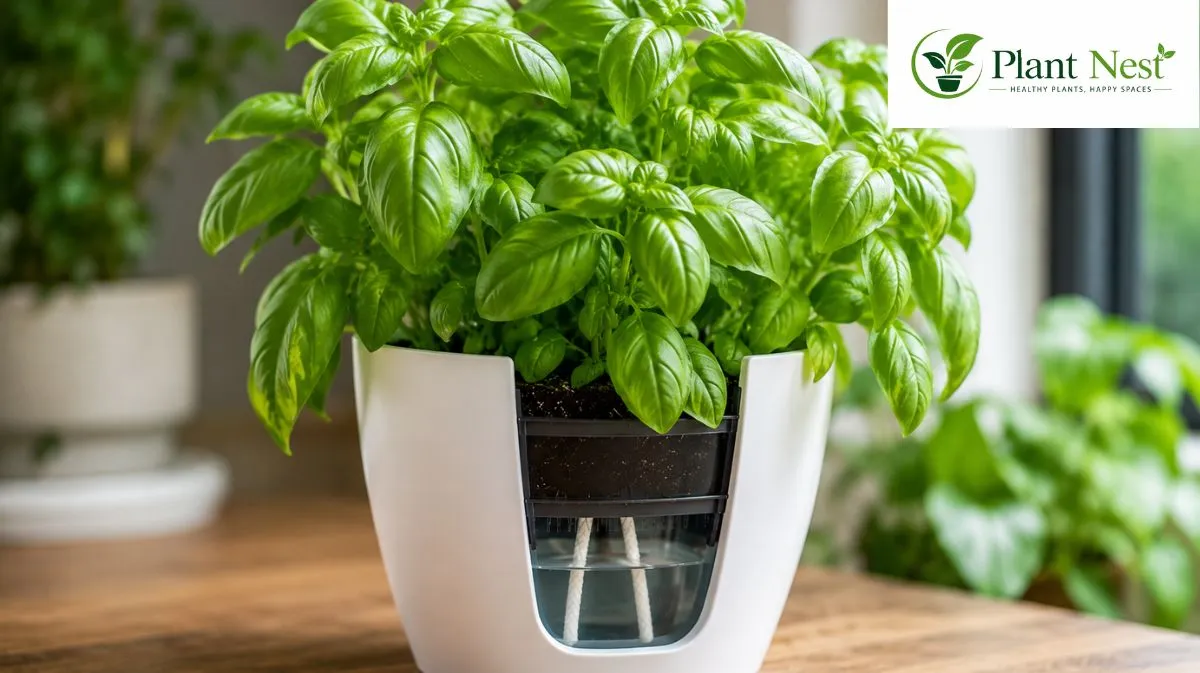
If you enjoy cooking, basil is one of the best herbs for self watering pots. Fresh basil grows quickly when it receives regular moisture, and a self-watering planter helps prevent the soil from drying out during warm weather.
Place basil in a sunny window where it receives at least six hours of sunlight each day. Frequent harvesting also encourages new growth, giving you a continuous supply of fresh leaves.
Mint
Mint is another herb that benefits greatly from steady watering. In traditional pots, it often dries out quickly, especially during summer. Growing mint in self watering pots helps maintain consistent moisture, resulting in healthier leaves and stronger growth.
Mint spreads rapidly, so growing it in its own container is usually the best option for controlling its growth.
Parsley
Parsley is a favourite herb for home cooks and grows exceptionally well in self-watering planters. It prefers evenly moist soil and produces healthier foliage when watering remains consistent.
Whether you’re creating an indoor herb garden or growing herbs on a sunny windowsill, parsley is an easy and rewarding choice.
Coleus
Coleus is grown for its colourful foliage rather than its flowers. Its bright leaves come in shades of red, green, yellow, orange, and purple, making it one of the most decorative plants for indoor containers.
Since coleus prefers consistently moist soil, it adapts very well to self-watering planters and can brighten any room with its vibrant colours.
Calathea
Calatheas are among the most beautiful tropical houseplants thanks to their unique leaf patterns. However, they can be sensitive to inconsistent watering. A self-watering planter helps provide the steady moisture they need while reducing the risk of dry leaf edges.
These elegant plants thrive in warm, humid environments with indirect sunlight, making them one of the best tropical plants for self watering pots and an excellent addition to modern indoor spaces.
Why These Plants Thrive in Self-Watering Pots
The common feature shared by all these plants is their preference for consistent moisture rather than frequent drying. Unlike drought-tolerant plants, they naturally grow in environments where the soil stays evenly moist.
A self-watering planter mimics these natural conditions, helping roots absorb water gradually while reducing common watering mistakes.
Whether you’re looking for best indoor plants for self watering pots, best herbs for self watering pots, or low maintenance houseplants, these 17 plants offer something for every home and every level of gardening experience.
By choosing the right plant for your growing conditions, you’ll enjoy healthier foliage, stronger growth, and a beautiful indoor garden with far less maintenance.
Frequently Asked Questions (FAQs) About the Best Plants for Self-Watering Pots
1. What are the best plants for self watering pots?
The best plants for self watering pots are those that enjoy consistently moist soil rather than dry conditions. Some of the top choices include pothos, peace lily, spider plant, philodendron, Boston fern, prayer plant, Chinese evergreen, calathea, fittonia, English ivy, and herbs like basil, mint, and parsley. These plants naturally thrive when they receive a steady supply of moisture.
Are self-watering pots good for indoor plants?
Yes, self-watering pots are excellent for many indoor plants. They help maintain consistent soil moisture, reduce watering mistakes, and make plant care much easier. However, they work best with moisture-loving plants rather than plants that prefer dry soil.
Can all indoor plants grow in self-watering pots?
No. Not every indoor plant is suitable for a self-watering planter. Plants that naturally prefer dry soil, such as many succulents and cacti, may struggle if the soil stays moist for too long. Always check a plant’s watering needs before placing it in a self-watering container.
Can snake plants grow in self-watering pots?
Yes, snake plants can grow in self-watering pots, but they require extra care. Since they prefer the soil to dry out between waterings, avoid keeping the reservoir constantly full. Using a well-draining potting mix also helps prevent root rot.
Which plants should not be grown in self-watering pots?
Plants that dislike constantly moist soil are usually not the best choice. These include:
- Most cacti
- Succulents
- Aloe vera
- Jade plant
- String of pearls
These plants prefer drier conditions and may develop root problems if overwatered.
How often should I refill a self-watering pot?
There isn’t a fixed schedule because it depends on the plant, pot size, temperature, humidity, and season. Most indoor plants need the reservoir refilled every one to three weeks. Always check the water level before adding more water.
Do self-watering pots cause root rot?
Not if they’re used correctly. Root rot usually happens when the soil stays waterlogged or the plant isn’t suited to constant moisture. Using a quality potting mix and choosing the right plant greatly reduces the risk.
What is the best soil for self-watering pots?
A lightweight, well-draining potting mix works best. The soil should retain enough moisture for the roots while allowing good airflow. Avoid using heavy garden soil because it can become compacted and hold too much water.
Are self-watering pots good for beginners?
Absolutely. They’re one of the easiest ways to start indoor gardening because they reduce the chances of forgetting to water your plants. Beginners often find that self-watering planters make plant care much less stressful.
Do self-watering pots need drainage holes?
Many self-watering pots have a separate water reservoir instead of traditional drainage holes. This design allows excess water to stay below the soil while the roots absorb moisture as needed.
Can herbs grow in self-watering pots?
Yes. Many herbs love consistent moisture and grow very well in self-watering containers. Basil, mint, parsley, chives, and coriander are excellent choices for an indoor herb garden.
Do self-watering pots attract fungus gnats?
They can if the soil remains constantly wet. To prevent fungus gnats, avoid overfilling the reservoir, use a well-draining potting mix, and allow the top layer of soil to dry slightly whenever appropriate for your plant.
How do I know if my plant likes a self-watering pot?
A healthy plant will usually show:
- Bright green leaves
- New growth
- Strong stems
- Healthy roots
- Evenly moist soil
- Fewer wilted leaves
These are good signs that your plant is happy in its new container.
How do I know if my plant is getting too much water?
Watch for warning signs such as yellow leaves, soft stems, mushy roots, slow growth, bad smells from the soil, or fungus gnats. These usually indicate that the soil is staying too wet.
Can I use fertiliser in a self-watering planter?
Yes, but use it sparingly. A diluted liquid fertiliser during the growing season works well for most houseplants. It’s also a good idea to flush the potting mix with fresh water occasionally to prevent mineral build-up.
Do self-watering pots save water?
Yes. Since water is stored in a reservoir and absorbed only when needed, there is usually less water waste compared to traditional top watering. This makes self-watering planters an eco-friendly option for indoor gardening.
Are self-watering pots worth buying?
For most indoor gardeners, yes. They save time, reduce watering mistakes, and help many plants grow more consistently. If you have a busy lifestyle or often forget to water your plants, they are definitely worth considering.
Where should I place plants in self-watering pots?
Place your plants where they’ll receive the right amount of light for their specific needs. Some plants, like pothos and Chinese evergreen, tolerate lower light, while herbs such as basil need several hours of bright sunlight each day.
Can I leave my plants alone while I’m on holiday?
Yes, that’s one of the biggest benefits of self-watering pots. Depending on the size of the reservoir and the plant’s water needs, many plants can stay healthy for several days or even a couple of weeks without additional watering.
What are the easiest houseplants for self-watering planters?
If you’re just starting out, these are some of the easiest houseplants to grow:
- Pothos
- Spider plant
- Philodendron
- Peace lily
- Chinese evergreen
- Lucky bamboo
- English ivy
These plants are forgiving, attractive, and adapt very well to self-watering systems.
What are the best flowering plants for self-watering pots?
Several flowering plants perform exceptionally well in self-watering containers because they enjoy consistent moisture. Popular options include peace lilies, African violets, begonias, anthuriums, and coleus. These plants often produce healthier blooms when their watering remains steady.
How do I choose the best plants for self-watering pots?
The easiest way is to choose plants that naturally like evenly moist soil. Consider the plant’s water needs, root system, light requirements, humidity preferences, and growth habit. Matching these factors with the right self-watering planter will give you the best results and healthier plants.
Conclusion
Choosing the best plants for self watering pots doesn’t have to be complicated. The key is understanding that not every plant has the same watering needs. While moisture-loving plants thrive in self-watering planters, drought-tolerant varieties usually need a different approach. By matching the right plant with the right planter, you can create a healthier and more attractive indoor garden with far less effort.
Throughout this guide, we’ve explored how self-watering pots work, their benefits, how to choose the right plants, and the 17 best plants for self watering pots that grow beautifully in these containers. From easy-care favourites like pothos, spider plants, and philodendrons to flowering plants such as peace lilies and African violets, there are plenty of options to suit every home and experience level. If you enjoy growing fresh herbs, basil, mint, and parsley also perform exceptionally well in self-watering planters.
Remember that a self-watering pot is a helpful tool, not a replacement for proper plant care. Your plants still need the right amount of light, a quality potting mix, occasional feeding, and regular checks to ensure they’re growing well. Paying attention to these basics will help your plants stay healthy and vibrant throughout the year.
Now it’s your turn! Which of these best indoor plants for self watering pots is your favourite? Share your experience or your top plant pick in the comments below we’d love to hear from you

Plant Nest Blog’s author is passionate about plants, gardening, and sustainable living. Through research and practical experience, they share helpful plant care tips, gardening guides, and easy solutions to help readers grow healthier plants and create greener spaces.