
Many gardeners believe that plants naturally survive winter without any help, but that is not always true. Some plants can handle freezing temperatures, while others suffer from frost, cold winds, and frozen soil.
Winter protection for plants helps reduce cold-weather damage and gives vulnerable plants a better chance of staying healthy until spring.
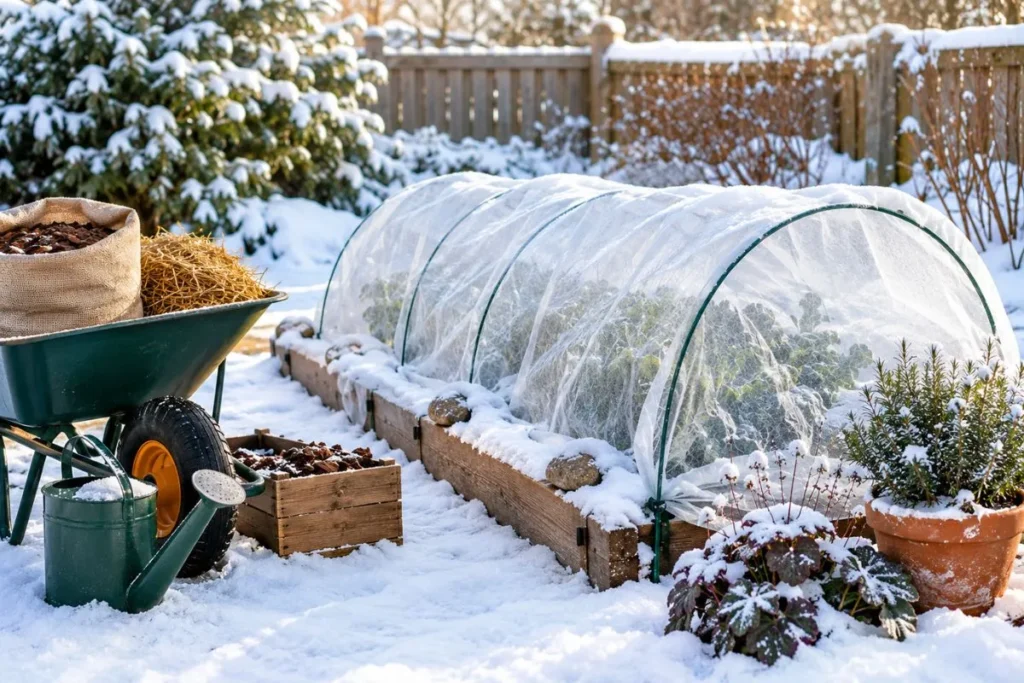
The good news is that protecting your garden does not have to be complicated. Simple steps like covering sensitive plants, adding mulch around roots, and moving pots to sheltered places can make a real difference.
With the right winter plant care, you can protect your garden from frost, maintain healthier roots, and prepare your plants for new growth when warmer weather returns.
Why Do Plants Need Protection During Winter?
Plants need winter protection because cold temperatures, frost, strong winds, and frozen soil can affect their growth and survival. Some plants naturally tolerate cold weather, but tender plants and young seedlings may need extra care.
Understanding how winter conditions damage plants helps you choose the right protection before problems become serious.
How Freezing Temperatures Damage Plants
Freezing temperatures can damage plant cells, leaves, stems, and roots. When temperatures drop below what a plant can tolerate, water inside its tissues may freeze and harm delicate cells. You might notice blackened leaves, soft stems, wilting, or damaged new growth after a cold night.
The best way to protect plants from freezing temperatures is to understand their cold tolerance and prepare before a freeze arrives. Cover vulnerable plants with suitable frost cloth, add mulch around the root zone, and move sensitive potted plants to a sheltered location when possible.
These simple steps can reduce cold damage and improve plant survival.
How Frost Affects Leaves, Flowers, and New Growth
Frost can damage delicate leaves, flowers, buds, and young shoots, even when the temperature does not remain below freezing for long. Tender plants are often more vulnerable because their tissues cannot tolerate sudden temperature drops.
After a frosty night, leaves may look water-soaked, turn brown or black, or become limp as the damaged tissue dries out.
Frost damage prevention starts with checking the weather forecast and identifying plants that need extra care. Use breathable plant covers before temperatures fall, and remove or adjust them when conditions improve.
Choosing cold-hardy varieties for your climate can also reduce the risk of damage and make winter gardening easier.
The Effects of Cold Winds and Heavy Snow
Winter winds can dry out leaves and stems by pulling moisture from exposed plant surfaces. This is especially challenging for evergreen plants, which continue to lose moisture even during colder months.
When the ground freezes, roots may struggle to replace the lost water, leaving plants vulnerable to winter drying.
Heavy snow can also bend stems, break branches, and flatten delicate plants. To protect plants from winter winds and snow, choose sheltered planting locations, use suitable windbreaks, and gently remove heavy snow from vulnerable branches when it is safe to do so. Avoid shaking frozen branches because they can break more easily.
Why Plant Roots Need Winter Protection
Plant roots are often more sensitive to extreme temperature changes than gardeners realize. In garden beds, surrounding soil provides some natural insulation, but prolonged freezing can still harm vulnerable roots.
Potted plants face an additional risk because cold air reaches the sides of their containers, allowing the root zone to freeze more quickly.
Winter root protection is particularly important for young plants, delicate perennials, and container-grown plants. Adding a layer of mulch over the soil can help stabilize temperatures and reduce moisture loss.
For potted plants, use suitable insulation around containers, keep drainage holes clear, and move sensitive pots to a sheltered area. These methods help protect plant roots from frost and give plants a better chance of recovering when warmer weather returns.
Powerful Ways to Protect Plants During Winter
Protecting your garden during winter doesn’t have to be difficult or expensive. With the right winter protection for plants, you can reduce frost damage, protect delicate roots, and help your plants survive cold weather.
From using frost covers to adding mulch, these 15 practical methods will help keep your garden healthier throughout winter.
Cover Plants Before Frost Arrives
Waiting until frost appears can leave sensitive plants exposed to damage. One of the easiest ways to protect outdoor plants in winter is to cover vulnerable plants before temperatures fall below their tolerance level. Breathable frost cloth, garden fabric, and lightweight sheets can help trap warmth around plants while reducing exposure to cold air.
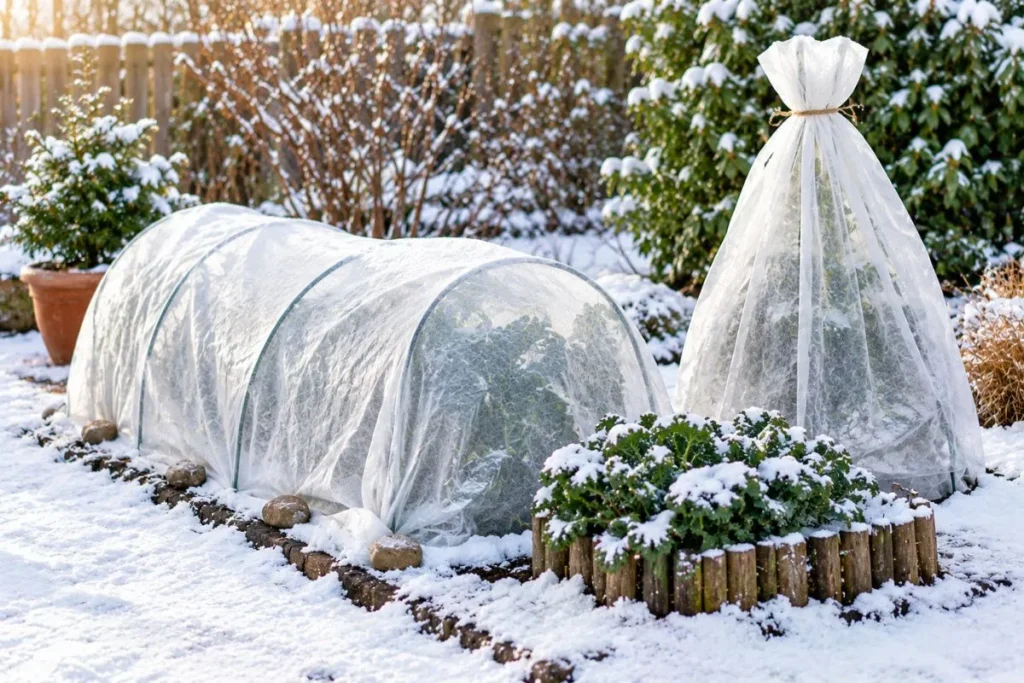
Drape the cover over the plant and secure the edges near the ground to help retain warmth. Use supports for taller plants so the material does not crush stems or rest heavily on leaves. Remove or lift the cover when temperatures rise to prevent overheating and allow airflow.
This simple method is one of the best ways to protect plants from frost in winter, especially when cold nights arrive unexpectedly.
Add a Layer of Mulch Around Plant Roots
Mulching is an effective way to protect plant roots from freezing weather. Materials such as straw, shredded leaves, pine bark, and other suitable organic mulches create an insulating layer over the soil. This helps reduce sudden temperature changes and keeps the root zone more stable during cold spells.
Spread mulch around the base of plants after the soil has cooled, but avoid piling it directly against stems or tree trunks. A layer of approximately 2–4 inches is suitable for many garden plants, although the ideal depth depends on the plant and mulch material.
Good winter mulching also helps retain soil moisture and limit erosion. Choosing the best mulch for winter protection can make your garden more resilient without requiring expensive equipment.
Move Potted Plants to a Sheltered Location
Potted plants often need more winter protection than plants growing directly in the ground. Their roots have less surrounding soil to insulate them, so container temperatures can change quickly. Even a plant that tolerates cool weather in a garden bed may struggle when its pot becomes exposed to freezing conditions.
Move sensitive containers to a sheltered porch, an unheated but frost-free space, or another suitable location based on the plant’s temperature requirements.
If you cannot move a large pot, wrap the container with insulating material and place it somewhere protected from strong winds. Make sure the drainage holes remain open. These steps help protect potted plants during winter while reducing the risk of frozen roots and damaged containers.
Wrap Vulnerable Shrubs and Small Trees
Young trees and delicate shrubs may need protection from harsh winds, frost, and sudden temperature changes. Burlap can serve as a wind barrier around vulnerable plants, while suitable tree guards can protect young trunks from certain types of winter damage.
Wrap plants loosely rather than tightly binding their branches. Leave enough room for airflow, and avoid using coverings that trap moisture against the bark for long periods.
For shrubs exposed to strong winds, a temporary screen can offer protection without enclosing the plant completely. Winter protection for shrubs works best when the wrapping method matches the plant’s needs instead of covering every branch unnecessarily.
Water Plants Properly Before a Freeze
Winter watering can be confusing because plants generally grow more slowly in cold weather. However, that does not mean every plant should be left completely dry. Soil that is too dry can increase stress for some plants, while waterlogged soil can damage roots and create other problems.
Check the soil before watering and consider recent rainfall, drainage, and the plant’s growing conditions. If the soil is dry and the ground is not frozen, watering earlier in the day may allow excess moisture to drain before nighttime temperatures fall.
Avoid watering frozen soil or leaving pots sitting in water. Following sensible winter plant watering tips helps maintain healthier roots without creating unnecessary moisture problems.
Cover Plants Before Frost Arrives
Vegetable gardeners can extend the growing season by using row covers to protect crops from light frost and cold winds. These lightweight fabrics are placed over plants or supported by hoops to create a protective layer.
They are especially useful for certain leafy greens and other crops that tolerate cool weather but may suffer during sudden temperature drops.
Secure the edges so cold air cannot easily blow underneath. Check the product’s frost-protection rating, since lightweight insect netting does not necessarily provide meaningful insulation.
Ventilate or remove covers when needed, especially during sunny weather. Row covers are a practical option for winter protection for vegetable gardens, but they cannot guarantee survival during every hard freeze.
How to Protect Garden Plants From Freezing Temperatures
Protecting plants from freezing temperatures works best when you prepare before the cold arrives. Instead of relying on a single method, consider the plant’s cold tolerance, the expected temperature, and how long the freeze may last.
Combining appropriate covers, root insulation, and sheltered placement can provide more reliable protection.

Check the Weather Forecast Before Temperatures Drop
A weather forecast gives you time to prepare plants before frost or a sudden cold snap. Pay attention to expected overnight lows, frost warnings, and the duration of freezing conditions. A brief light frost may require less protection than several hours of severe freezing weather.
Identify your most vulnerable plants first, including tender seedlings, tropical species, and plants growing in small containers. Gather covers and insulation materials before they are needed.
If your garden has different sheltered and exposed areas, prioritize plants in locations where cold air and wind can cause the most damage. Planning ahead makes winter protection for plants easier and helps you avoid last-minute decisions.
Choose the Right Cover for Each Plant
The right cover depends on the plant’s size, sensitivity, and exposure to cold. Breathable frost cloth is useful for many garden plants because it provides a protective layer while allowing some airflow. Burlap can help reduce wind exposure around shrubs, while row covers work well for suitable vegetable crops.
Plastic sheeting may be useful as a temporary barrier against rain or wind when supported properly, but it should not rest directly on foliage. Leaves touching cold plastic may suffer damage, and trapped moisture can create additional problems.
Secure the covering against wind, and remove or ventilate it when conditions allow. When deciding what to cover plants with during a winter frost, choose a material suited to the plant and the expected weather rather than assuming one product works for every situation.
Protect the Soil and Root Zone
Healthy roots help plants absorb water and nutrients, so protecting the root zone is an important part of winter gardening. Sudden changes in soil temperature can stress roots, especially in shallow garden beds and exposed containers.
Apply an appropriate layer of organic mulch around the root zone to help moderate temperature changes. Keep mulch away from direct contact with stems and tree trunks.
For container plants, insulate the sides of the pot and move sensitive specimens away from exposed areas. These methods support winter root protection and help prevent frozen plant roots during cold spells, although they cannot stop every severe freeze.
Combine Different Frost Protection Methods
For better results, combine methods according to your garden’s needs. A tender plant may benefit from a breathable cover, mulch over the root zone, and a sheltered position. A potted plant may need container insulation and relocation, while a winter vegetable bed may benefit from row covers.
These DIY plant frost protection methods work together by reducing exposure to cold air, stabilizing soil temperatures, and limiting the effects of wind. Continue checking plants as weather conditions change, and adjust protection when temperatures rise.
The goal is to give each plant the support it needs without creating problems such as poor airflow, excessive moisture, or overheating.
Remember that no single technique can protect every plant from every temperature. Match your approach to the plant’s cold tolerance and local conditions, and your garden will be better prepared to handle winter weather.
How to Protect Different Types of Plants in Winter
Not every plant needs the same winter care. Some varieties can handle cold temperatures, while others need extra shelter to survive frost and freezing weather.
The best winter protection for plants depends on the plant type, where it grows, and how much cold it can tolerate. Here is how to protect different plants and keep them healthy during winter.
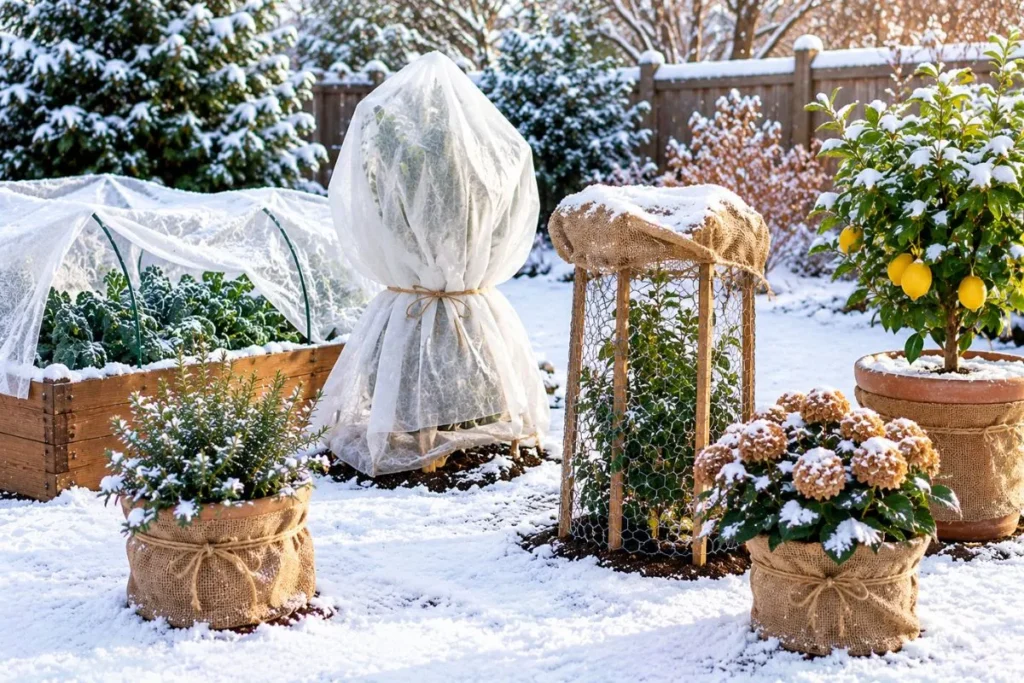
Winter Protection for Outdoor Plants
Outdoor plants face changing temperatures, cold winds, and occasional frost throughout winter. Start by identifying plants that are sensitive to cold and checking whether they need extra protection.
Add a suitable layer of mulch around their roots, remove damaged plant debris when appropriate, and use breathable covers when frost is expected.
Choose sheltered locations for vulnerable plants whenever possible. Avoid covering plants unnecessarily during mild weather, as good airflow helps prevent excess moisture from building up.
These simple winter plant care practices can help protect garden plants from cold and support healthy growth when spring arrives.
Winter Protection for Potted Plants
Potted plants are often more exposed to freezing temperatures because their roots have less soil around them for insulation. Even plants that tolerate cool weather may struggle when their containers become extremely cold.
Move sensitive pots to a sheltered porch, greenhouse, or suitable frost-free space. For containers that must remain outdoors, wrap the pots with insulating material and keep drainage holes clear. Grouping containers together in a protected location can also reduce exposure to cold winds. Check the soil before watering, since plants usually need less water when temperatures drop and growth slows.
These steps provide practical winter frost protection for plants growing in containers without creating unnecessary moisture problems.
Winter Protection for Tropical Plants
Tropical plants generally prefer warm conditions and may suffer when exposed to cold temperatures. Some can develop damaged leaves, weakened stems, or root problems after a sudden drop in temperature.
Bring sensitive tropical plants indoors before temperatures fall below their individual tolerance levels. Choose a location with suitable light and keep plants away from cold drafts and direct heat from radiators. Before moving them inside, inspect the leaves and soil for pests.
If a tropical plant must remain outdoors temporarily, use appropriate frost protection and place it in a sheltered area. However, a cover may not provide enough warmth during a severe freeze. For these plants, maintaining a suitable temperature is often more important than simply wrapping them.
Winter Protection for Perennials
Perennials return year after year, but their winter needs vary depending on the species and climate. Some become dormant and survive cold weather naturally, while others need help protecting their roots from repeated freezing and thawing.

Apply mulch around the root zone after the soil has cooled, particularly for plants that benefit from insulation. Avoid cutting back all stems automatically because some perennials benefit from leaving their foliage in place until spring. Follow the care requirements of each variety.
For newly planted perennials, pay extra attention to soil moisture and root protection. Established, cold-hardy plants may need little intervention, while less hardy varieties may require additional shelter. Proper winter care helps perennials return with healthy growth when the weather warms.
Winter Protection for Annual Plants
Annual plants typically complete their life cycle in one growing season, so not all of them need to be saved through winter. Some tolerate cool weather, while frost-sensitive annuals may wilt or die when temperatures fall too low.
Check whether your annuals are cold-tolerant before deciding how to protect them. Use breathable covers during light frost, and move container-grown plants to a sheltered location if they can tolerate the indoor conditions. You can also collect seeds from suitable varieties before the plants finish their life cycle.
If an annual cannot survive your local winter, replacing it with a cold-tolerant variety may be more practical than providing continuous protection. Choosing plants suited to your climate makes seasonal gardening easier and reduces unnecessary effort.
Winter Protection for Trees and Shrubs
Trees and shrubs may experience winter damage from freezing temperatures, strong winds, and heavy snow. Young trees are often more vulnerable because their trunks and root systems are still developing.
Spread mulch over the root zone, keeping it away from direct contact with the trunk. Protect vulnerable young trunks with suitable tree guards when necessary, and check them regularly to ensure they are not restricting growth. Shrubs exposed to strong winds may benefit from burlap screens or other breathable wind barriers.
Avoid pruning heavily without checking the plant’s requirements, as poorly timed pruning can expose sensitive growth to damage. Protecting trees in winter also means watching for broken branches and carefully managing heavy snow when it is safe to do so.
FAQs About Winter Protection for Plants
How do I protect plants from frost in winter?
Cover frost-sensitive plants with breathable frost cloth or garden fabric before temperatures drop. Add mulch around the roots, move potted plants to sheltered areas, and check the weather forecast regularly. Remove or adjust covers during warmer daytime conditions when needed.
What is the best material to cover plants in winter?
Breathable frost cloth is one of the best options because it helps trap warmth while allowing airflow. Burlap can protect plants from cold winds, while mulch insulates roots. Avoid letting plastic sheeting rest directly on leaves, as it can increase cold damage where it touches the plant.
Should I water plants during winter?
Yes, plants may still need water during winter, but usually less than during warmer months. Check the soil before watering and avoid keeping it waterlogged. Water when the soil is dry and conditions allow moisture to drain properly, preferably before a hard freeze if the soil is not already saturated.
Does mulch protect plant roots from freezing?
Yes, mulch helps insulate the soil and reduces sudden temperature changes around plant roots. Apply a suitable layer of organic mulch around the root zone, but keep it a few inches away from tree trunks and plant stems to reduce moisture-related problems.
Should I bring potted plants indoors during winter?
Bring tender potted plants indoors before temperatures fall below their cold tolerance. Tropical plants and other frost-sensitive varieties often need a protected indoor space. Cold-hardy plants may remain outdoors if their containers and roots receive suitable protection.
Can plants recover from frost damage?
Many plants can recover from light frost damage, especially if their roots and growing points remain healthy. Wait until the risk of severe frost has passed before removing damaged growth. Avoid pruning too early because some damaged-looking stems may still protect healthy tissue underneath.
How do I protect vegetable plants from winter frost?
Use supported row covers or frost cloth, add mulch around suitable crops, and grow cold-tolerant vegetables when possible. Check the expected temperature and each crop’s frost tolerance. During severe freezes, additional protection or a greenhouse may be necessary.
When should I cover plants for winter?
Cover vulnerable plants when frost is forecast or temperatures are expected to fall below their tolerance level. Put covers in place before temperatures drop in the evening, and secure them so cold air cannot easily enter underneath. Remove or open covers when appropriate during warmer weather.
Do all outdoor plants need winter protection?
No. Many plants are naturally adapted to local winter conditions and need little extra care once established. Tropical plants, newly planted specimens, tender perennials, and plants in exposed containers may need additional protection. Check the specific needs of each variety before deciding.
What is the easiest way to protect plants during winter?
Start with three simple steps: add mulch around vulnerable roots, cover frost-sensitive plants when freezing weather is expected, and move delicate potted plants to sheltered locations. These basic winter protection methods can reduce cold damage without requiring expensive equipment.
Conclusion: Keep Your Garden Healthy With Winter Protection for Plants
Winter can be challenging for many plants, but the right care can make a big difference in helping your garden survive cold weather. From covering plants before frost arrives to adding mulch around roots, protecting potted plants, and using row covers for vegetables, there are many simple ways to reduce winter damage.
These winter protection for plants methods help protect delicate roots, leaves, stems, and young growth from freezing temperatures, cold winds, and sudden weather changes.
Remember that not every plant needs the same level of protection. Cold-hardy varieties may survive winter outdoors with minimal care, while tropical plants, tender perennials, and container-grown plants often need extra attention.
Choose suitable covering materials, water carefully, protect vulnerable plants from harsh winds, and check the weather forecast before temperatures drop. Avoid common mistakes such as overwatering, pruning at the wrong time, or piling mulch directly against plant stems.
With proper planning and regular checks, you can protect your garden throughout winter without spending a lot of money. Start with the plants that need the most help, use the protection methods that suit your garden, and adjust your care as conditions change.
A little effort during the colder months can help your plants stay healthier and prepare them for fresh growth when spring returns.

Plant Nest Blog’s author is passionate about plants, gardening, and sustainable living. Through research and practical experience, they share helpful plant care tips, gardening guides, and easy solutions to help readers grow healthier plants and create greener spaces.