
Many gardeners believe that simply planting any herbs together will make them good tarragon companion plants. That is not always true. Companion planting works best when plants have similar needs for sunlight, soil, water, and space.
Choosing the right neighbors can help you create a more organized and productive herb or vegetable garden.
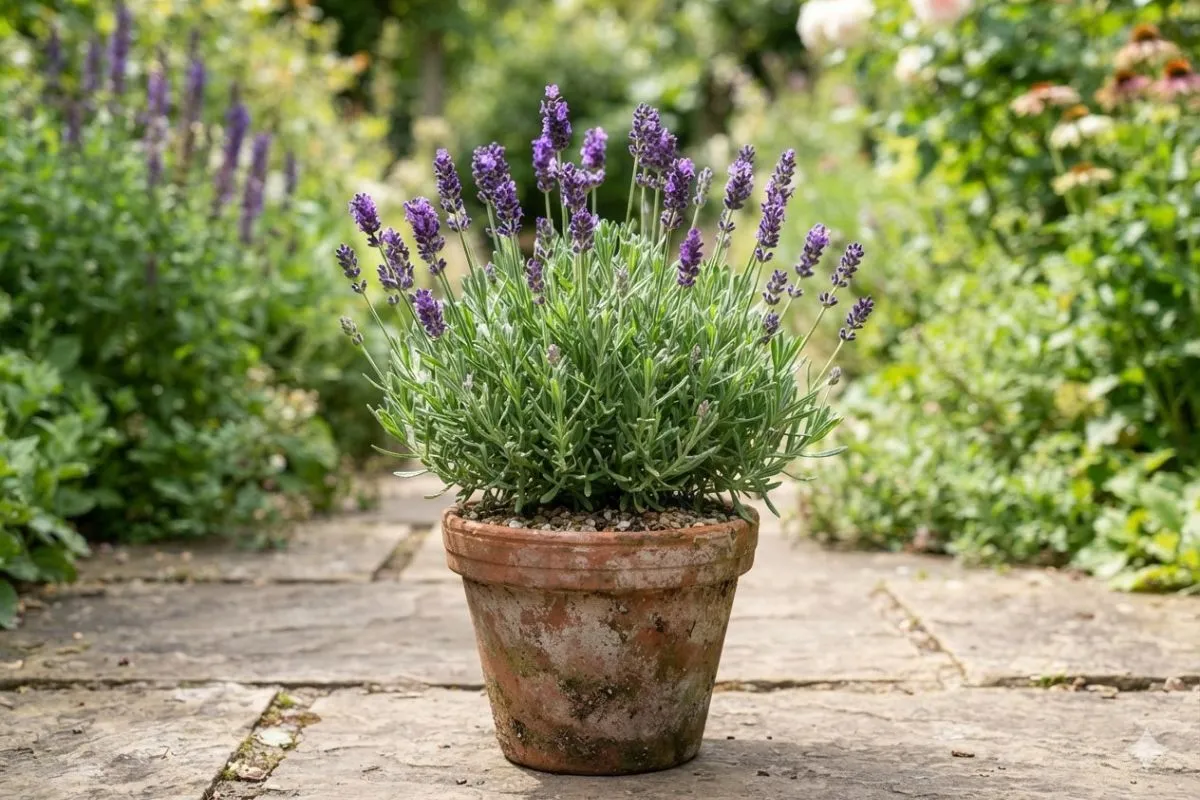
So, what can you plant next to tarragon? Tarragon fits nicely into a sunny garden alongside compatible herbs, vegetables, and flowers. The key is to avoid overcrowding and give each plant enough room to grow.
In this guide, we’ll look at plants that grow well with tarragon and the simple growing conditions that can make tarragon companion planting easier.
What Are Tarragon Companion Plants?
Tarragon companion plants are herbs, vegetables, or flowers that can grow near tarragon without competing too heavily for sunlight, water, nutrients, or space. Companion planting is not about putting random plants together. It is about choosing plants with growing needs that fit well in the same garden area.
For example, plants that grow with tarragon should generally be comfortable with similar light and soil conditions. This makes the garden easier to manage and helps prevent one plant from becoming crowded or shaded by another.
How Does Companion Planting Work?
Companion planting simply means growing different plants close to each other instead of giving every plant its own isolated space. In an herb garden companion planting setup, you can combine herbs with vegetables or flowers while considering how each plant grows.
The goal is to create useful herb garden planting combinations. A good combination considers plant height, root space, water requirements, sunlight, and growth habits. This is especially important when growing tarragon because overcrowding can make routine care more difficult.
Why Choose Companion Plants for Tarragon?
Choosing suitable companion plants for tarragon can help you make better use of your garden space. You can grow culinary herbs and vegetables nearby instead of leaving large areas unused.
It can also make harvesting more convenient. Imagine having tarragon growing close to other kitchen herbs or vegetables that you regularly use. With thoughtful tarragon companion planting, your garden can become both practical and attractive.
What Makes a Good Tarragon Plant Companion?
A good tarragon plant companion should have growing requirements that fit reasonably well with tarragon. Start by looking at four basic factors:
Sunlight
Tarragon generally prefers a sunny growing location. Avoid placing it where a tall companion plant will block most of the available light.
Soil and Drainage
Well-drained soil is important for tarragon. Choose companions that can also handle similar soil conditions rather than pairing it with plants that need constantly wet soil.
Water Requirements
Different plants can have very different watering needs. When possible, group plants that can follow a similar watering routine. This makes caring for your garden much simpler.
Growing Space
Even compatible plants need room. Give tarragon enough space for healthy growth and avoid planting aggressive or spreading plants directly against it.
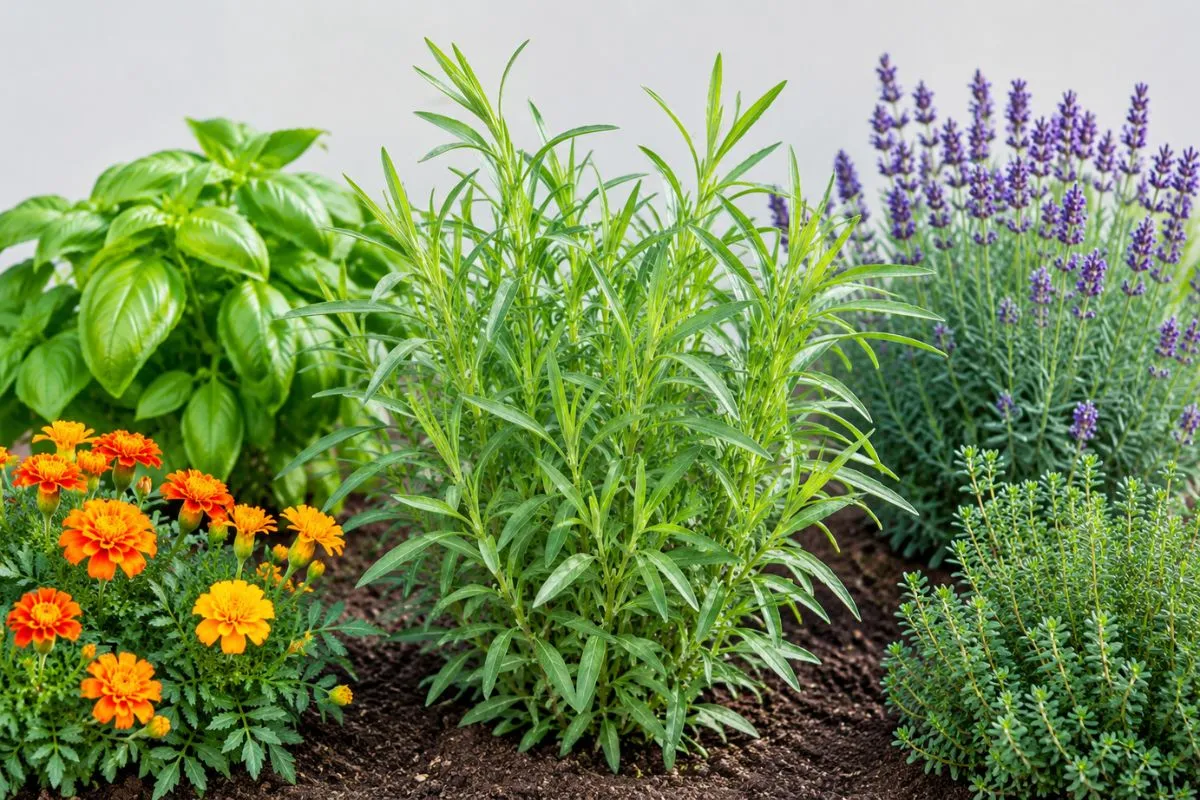
Companion Planting Herbs With Tarragon
Many gardeners use companion planting herbs to create a productive kitchen garden. Herbs such as basil, rosemary, thyme, sage, oregano, parsley, and chives can be considered when planning an herb garden around tarragon, provided their individual growing needs are suitable for your conditions.
The important point is not to assume that every herb automatically makes a perfect neighbor. Check sunlight, soil, moisture, and mature size before planting. This simple approach gives you more reliable herbs that grow well together.
Is Companion Planting a Guarantee of Better Growth?
No. Companion planting should not be treated as a guaranteed way to make tarragon grow faster or prevent every garden problem. Results can vary depending on soil, climate, spacing, watering, pests, and overall garden care.
Think of tarragon companion planting as a smart way to organize your garden. Start with plants that have compatible growing requirements, give them enough space, and observe how they perform throughout the growing season.
Best Tarragon Companion Plants
Many gardeners assume that the best tarragon companion plants are simply other herbs. That’s not necessarily true. Tarragon can also fit into a mixed garden with certain vegetables and flowers, as long as you consider each plant’s space, sunlight, water, and growth habits.
The best approach is to choose practical neighbors rather than expecting companion planting to magically improve every plant.
So, what can you plant next to tarragon? The following options can work well in a thoughtfully planned herb or vegetable garden. Use the list as a starting point, then adjust your planting based on your local climate and garden conditions.
Basil
Basil is one of the easiest herbs to consider when planning plants that grow well with tarragon. Both are useful kitchen herbs, so keeping them in the same garden can make harvesting convenient.
Give basil and tarragon plenty of sunlight and enough room to develop. Avoid planting them so close that their leaves touch constantly or one plant shades the other.
Related keywords: tarragon and basil, herbs to plant with tarragon
Rosemary
Rosemary can be a practical choice for gardeners who want a Mediterranean-style herb garden. It prefers plenty of sun and well-drained soil, which can make it a reasonable neighbor for tarragon.
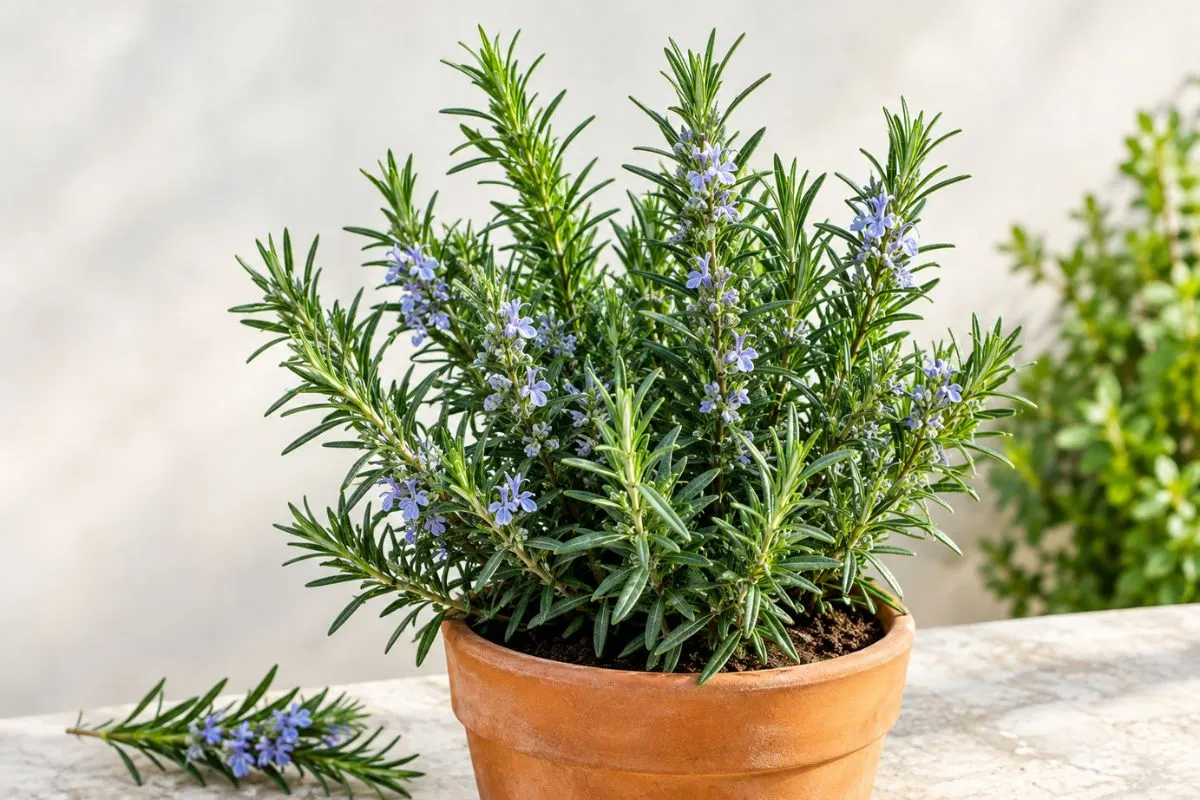
Can tarragon and rosemary grow together? Yes, they can share a garden area when their spacing and watering needs are managed properly. Rosemary can become quite large, though, so leave enough room between the plants.
Related keywords: tarragon and rosemary, can tarragon and rosemary grow together
Thyme
Thyme is another compact herb worth considering. It generally prefers sunny conditions and soil that does not stay soggy.
When planning herb garden planting combinations, thyme can help fill smaller spaces around a larger herb without taking up too much room. Just avoid packing the plants tightly together.
Related keyword: tarragon and thyme
Sage
Sage works well in many sunny herb gardens and can be considered among the best herbs for companion planting with tarragon.
Because sage can develop into a fairly substantial plant, spacing matters. Give both herbs enough room for air circulation and new growth instead of creating a crowded bed.
Related keyword: tarragon and sage
Oregano
Oregano is a useful culinary herb that can fit into a mixed herb garden with tarragon. It generally enjoys sunny conditions and does not need constantly wet soil.
If you are creating companion herbs for a kitchen garden, oregano can be a useful addition. Keep its spreading growth under control so it does not compete for space.
Related keyword: tarragon and oregano
Parsley
Parsley can also be included in a diverse herb garden. Its growth habit differs from tarragon, so thoughtful spacing can help both plants develop without crowding each other.
For gardeners looking for herbs that grow well with tarragon, parsley is worth considering when the garden provides suitable light, soil, and moisture.
Related keyword: tarragon and parsley
Chives
Chives are compact and easy to harvest, making them a convenient choice for a small herb garden. They can be planted near tarragon as long as both plants have enough room.
Chives can also add a different texture to an herb garden companion planting arrangement without taking up a large amount of space.
Related keyword: tarragon and chives
Mint
Mint needs a little more caution. It can grow aggressively and spread beyond the area where you originally planted it.
You can grow tarragon and mint in the same general garden area, but keeping mint in a container is often a practical way to control its spread. This prevents it from taking over valuable growing space.
Related keyword: tarragon and mint
Tomatoes
Tomatoes are a popular choice for a kitchen garden, and tarragon can be planted nearby when their basic growing requirements can be managed together.
Can you plant tarragon with tomatoes? You can, provided you give both plants adequate sunlight, airflow, and space. Avoid placing tarragon directly underneath a large tomato plant where it could become heavily shaded.
Related keywords: tarragon and tomatoes, can you plant tarragon with tomatoes
Peppers
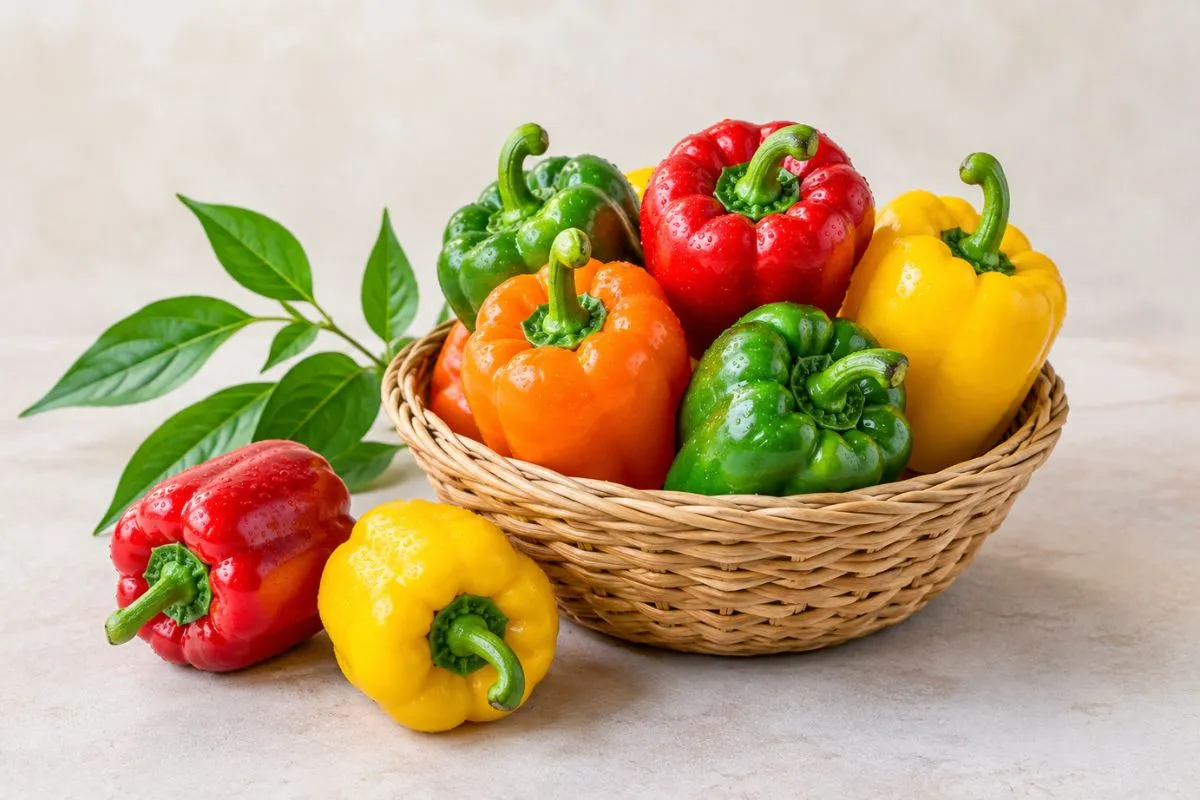
Peppers enjoy warm, sunny growing conditions, making them another vegetable to consider when planning vegetables to plant with tarragon.
Keep enough distance between the plants so the pepper foliage does not crowd the tarragon. Also pay attention to watering because garden conditions can vary considerably depending on soil and climate.
Related keyword: tarragon and peppers
Carrots
Carrots can make good use of garden space because their roots develop below the soil while their foliage grows above it. This can make them an interesting option for a mixed vegetable and herb garden.
When growing carrots near tarragon, focus on loose soil, good drainage, and adequate spacing. Avoid disturbing the tarragon’s root area while harvesting.
Related keyword: tarragon and carrots
Beans
Beans can be included in a diverse kitchen garden where there is enough room for each crop. Their growth habit depends on the variety, so check whether you are growing bush beans or climbing types.
If using climbing beans, make sure their vines do not shade the tarragon. This simple spacing decision can make a big difference in a crowded garden.
Related keyword: tarragon and beans
Cucumbers
Cucumbers can work in a mixed garden, but they need careful planning because their vines can spread quickly.
If you are growing cucumbers near tarragon, use a trellis where practical. Growing the vines upward can save ground space and reduce the chance of the tarragon becoming buried under cucumber foliage.
Related keyword: tarragon and cucumbers
Lettuce
Lettuce can be useful for gardeners who want to make the most of available garden space. It has a much smaller growth habit than many vegetables, so it can fit into carefully planned areas.
When growing lettuce with tarragon, pay attention to moisture. Lettuce may appreciate more consistent moisture than tarragon, so avoid creating a watering routine that leaves the tarragon’s soil excessively wet.
Related keyword: tarragon and lettuce
Eggplant
Eggplant is another warm-season vegetable that can be considered for a sunny garden. Its mature size means you should plan the planting arrangement before placing it near tarragon.
Leave enough space for the eggplant to develop without casting excessive shade over the herb. Good airflow is also helpful when several plants are growing in the same bed.
Related keyword: tarragon and eggplant
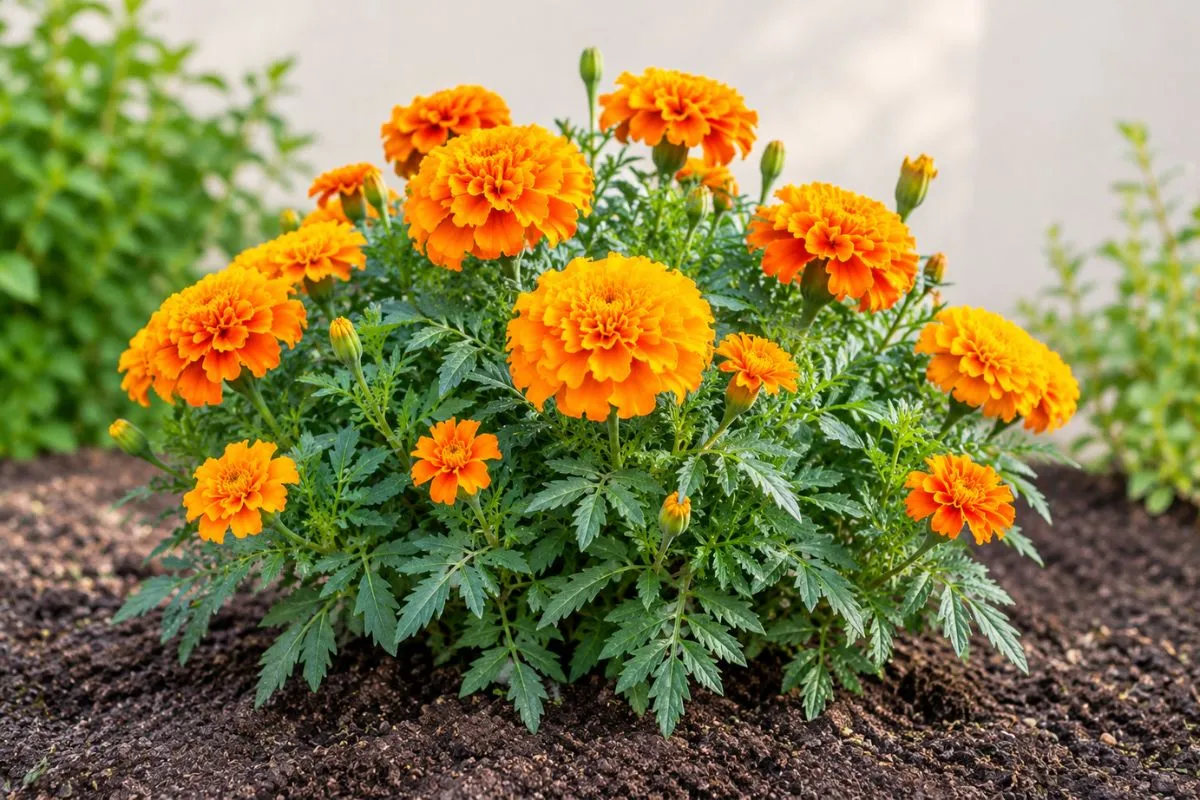
Marigolds
Marigolds are popular in mixed vegetable gardens because their flowers add color and variety. They can also make a kitchen garden more attractive.
Rather than treating marigolds as guaranteed pest control, think of them as one part of a diverse garden. Good spacing and overall plant health still matter when growing them alongside tarragon.
Related keyword: flowers to plant with tarragon
Nasturtiums
Nasturtiums can add a colorful touch to an herb and vegetable garden. Depending on the variety, they may trail along the ground or spread outward, so give them enough room.
They can be useful when creating a more diverse tarragon garden, but avoid letting their growth overwhelm nearby herbs.
Related keyword: flowers to plant with tarragon
Other Suitable Garden Herbs
You do not have to limit your garden to only the plants listed above. Other herbs may work with tarragon when their basic growing requirements match your garden conditions.
The best tarragon plant companions are usually those that can share suitable sunlight, soil, moisture, and space without becoming overly competitive. Start with a few plants, observe how they grow, and adjust your arrangement as the season progresses.
What Herbs Grow Well With Tarragon?
Many gardeners believe that every herb belongs together simply because they are all herbs. That’s not quite how it works. Herbs that grow well with tarragon should have reasonably compatible growing conditions, and you still need to consider space, sunlight, drainage, and watering before planting them side by side.
If you are building a kitchen garden, what herbs grow well with tarragon is a useful question to ask before filling the garden bed. Several popular culinary herbs can fit nicely into a tarragon planting area, especially when you group plants according to their growing habits instead of planting them too closely.
Basil and Tarragon
Basil can be a practical choice for gardeners creating companion herbs around tarragon. Both are popular culinary herbs, so growing them in the same general area can make harvesting simple.
Keep enough space between the plants for good airflow and new growth. Basil also appreciates consistent moisture, so pay attention to the soil rather than using the same watering routine automatically for every herb.
Rosemary and Tarragon
Rosemary is another herb commonly considered for companion planting herbs. It prefers sunny conditions and well-drained soil, making it a reasonable option for a garden bed that also contains tarragon.
The main thing to watch is size. Rosemary can become a substantial plant, so avoid placing it directly against tarragon. Give both plants room to develop without competing for the same small patch of soil.
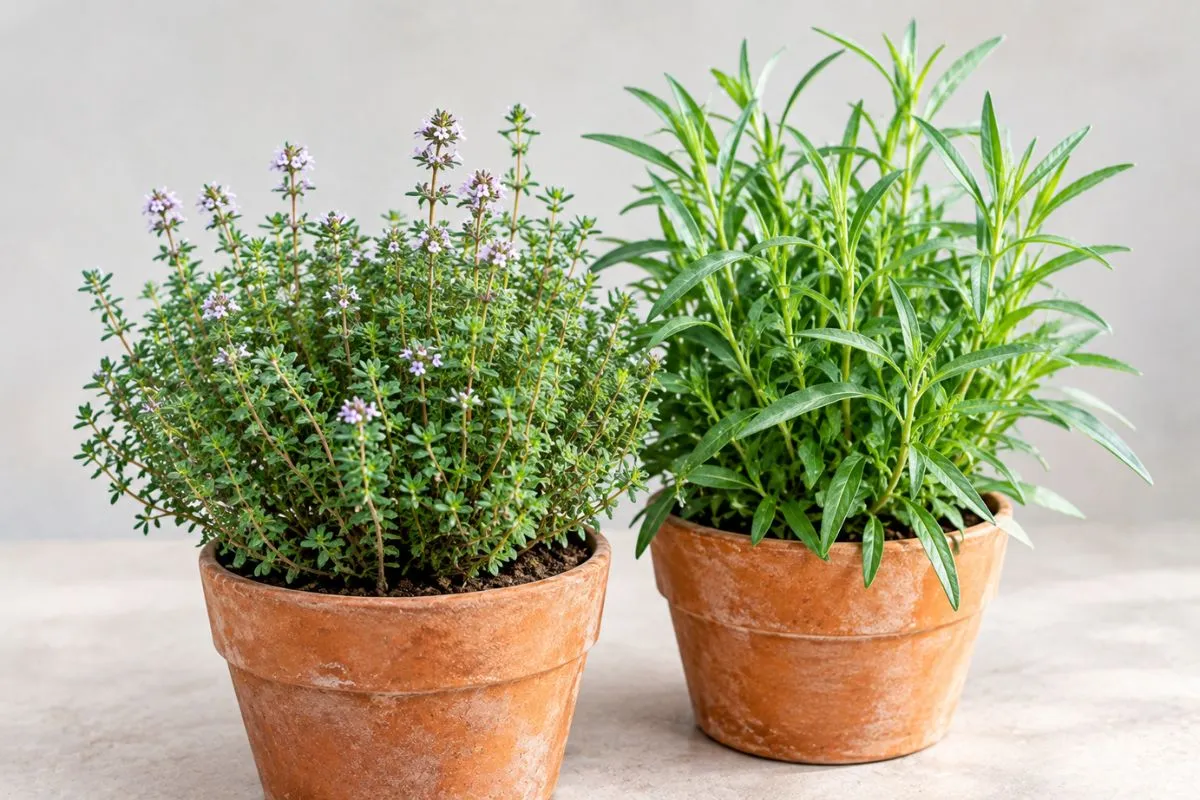
Thyme and Tarragon
Thyme has a compact growth habit and can fit into smaller herb gardens. It generally prefers sunny conditions and well-drained soil.
This makes thyme useful when planning herb garden planting combinations. Its smaller size can also help you use available space efficiently, provided you do not overcrowd the planting area.
Sage and Tarragon
Sage can also be included in a mixed herb garden. It enjoys plenty of sunlight and generally prefers soil that drains well.
When growing sage near tarragon, consider the mature size of both plants. Leaving a comfortable gap between them can make watering, pruning, harvesting, and general maintenance much easier.
Oregano and Tarragon
Oregano is a popular culinary herb that can work well in a sunny herb garden. It can be considered among the best herbs for companion planting when its growing conditions fit the same garden space.
Keep an eye on its growth because oregano can spread. A little planning can prevent it from competing with nearby tarragon for room.
Parsley and Tarragon
Parsley offers another option for gardeners looking to grow several useful herbs together. It has a different growth pattern from tarragon, which can help you make better use of vertical and ground-level garden space.
If you are wondering what herbs grow well with tarragon, parsley is worth considering. Just make sure the soil stays suitable for both plants and avoid excessive crowding.
Chives and Tarragon
Chives are compact, easy to harvest, and useful in many recipes. Their smaller size can make them convenient for an herb garden where space is limited.
When planning tarragon companion plants, chives can be placed nearby without taking up as much room as larger herbs. Still, leave enough space for each plant to spread naturally.
Creating a Balanced Herb Garden
Instead of planting every herb in one crowded row, think about the garden as a collection of small growing zones. Place herbs with similar sunlight and drainage preferences together, then give larger plants more room.
For example, you can combine tarragon with smaller herbs such as thyme and chives while giving larger herbs such as rosemary and sage additional space. This creates a more practical herb garden companion planting arrangement.
The goal is not to force every herb to grow together. It is to create plants that grow well with tarragon based on their actual growing requirements. With sensible spacing and regular observation, you can build a productive herb garden that is easier to care for and convenient to harvest.
Frequently Asked Questions
What are the best companion plants for tarragon?
Some useful options include basil, rosemary, thyme, sage, oregano, parsley, chives, tomatoes, peppers, carrots, beans, lettuce, and eggplant. Flowers such as marigolds and nasturtiums can also be included in a mixed garden. The best choice depends on your soil, sunlight, watering routine, and available space.
What can you plant next to tarragon?
You can plant tarragon near compatible herbs, vegetables, and flowers. Basil, thyme, chives, rosemary, tomatoes, peppers, carrots, and lettuce are examples worth considering. Always leave enough room between plants to prevent overcrowding.
What herbs grow well with tarragon?
Several culinary herbs can work well near tarragon, including basil, rosemary, thyme, sage, oregano, parsley, and chives. When choosing companion herbs, focus on similar sunlight and soil requirements rather than simply grouping herbs together.
What vegetables grow well with tarragon?
Tomatoes, peppers, carrots, beans, cucumbers, lettuce, and eggplant can be considered for a mixed vegetable and herb garden. Their different growth habits mean you should plan spacing carefully, especially with large or climbing vegetables.
Can you plant tarragon with tomatoes?
Yes, tarragon and tomatoes can share a garden area when they have enough sunlight and growing space. Avoid allowing a large tomato plant to shade the tarragon. Good airflow and sensible spacing are also important.
Can tarragon and rosemary grow together?
Yes, tarragon and rosemary can grow in the same garden when their basic requirements are compatible. Both can appreciate sunny conditions and well-drained soil. However, rosemary can become quite large, so give it enough room to prevent competition.
What should not be planted with tarragon?
There is no universal list of plants that must never be grown near tarragon. Instead, avoid combinations where one plant needs dramatically different moisture levels, creates heavy shade, spreads aggressively, or crowds the tarragon.
Can French tarragon grow with other herbs?
Yes. French tarragon companion plants can include herbs such as thyme, basil, chives, oregano, parsley, sage, and rosemary when their growing conditions and spacing work together. French tarragon generally benefits from a well-planned, uncrowded growing area.
Can tarragon grow in a vegetable garden?
Yes. Tarragon can be incorporated into a vegetable garden alongside suitable crops. Keeping it near culinary vegetables can make harvesting convenient, but avoid placing it where large plants will block its sunlight.
Does tarragon need full sun?
Tarragon generally grows best in a sunny location. When choosing tarragon plant companions, avoid plants that will eventually become tall enough to block most of its available light.
Does tarragon need well-drained soil?
Yes, good drainage is important. Avoid keeping the soil constantly soggy. When planning tarragon companion planting, choose a location where excess water can drain away and avoid combining it with plants that require permanently wet soil.
Can tarragon and mint grow together?
They can be grown in the same general garden area, but mint needs careful management because it can spread aggressively. Growing mint in a container is often a simple way to prevent it from taking over the space around your tarragon.
Conclusion:
Choosing the right tarragon companion plants does not have to be complicated. You can grow tarragon alongside herbs such as basil, rosemary, thyme, sage, oregano, parsley, and chives, while vegetables such as tomatoes, peppers, carrots, and lettuce can also fit into a well-planned garden.
The key is to focus on the basics. Give each plant enough sunlight, use well-drained soil, manage watering carefully, and leave enough room for mature growth. Tarragon companion planting works best when you choose plants that can comfortably share the same growing environment rather than simply following a fixed list.
If you’re planning your garden now, start with a few plants that grow with tarragon and see how they perform in your conditions. A little spacing and thoughtful planning can turn a simple herb bed into a productive, easy-to-manage kitchen garden.

Plant Nest Blog’s author is passionate about plants, gardening, and sustainable living. Through research and practical experience, they share helpful plant care tips, gardening guides, and easy solutions to help readers grow healthier plants and create greener spaces.