
It’s easy to assume that simply growing a few mosquito avoid plants will completely eliminate mosquitoes from their home or garden. That’s not true.
While mosquito repellent plants can help reduce mosquito activity by releasing natural scents that these insects dislike, they aren’t a magic solution. The best results come when you combine natural mosquito repellent plants with other simple mosquito control methods.
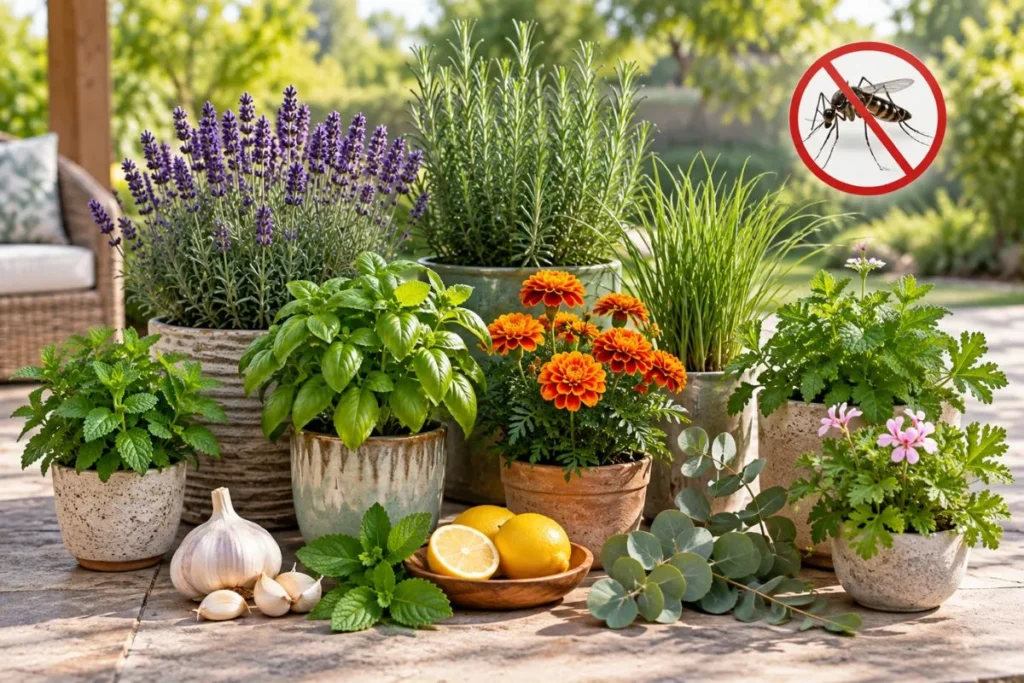
If you’re looking for a safer and more eco-friendly way to enjoy your outdoor space, plants that keep mosquitoes away are a great place to start. From balconies and patios to backyards and gardens, the right plants can make your space more comfortable while adding beauty and fragrance.
In this guide, you’ll discover the best plants to keep mosquitoes away naturally, learn how they work, and find out which options are best for your home.
Do Mosquito Avoid Plants Really Work?
The simple answer is yes mosquito avoid plants can help reduce mosquito activity, but they won’t completely eliminate mosquitoes on their own. Many people expect a single plant to keep every mosquito away, but that’s one of the biggest myths.
These mosquito repellent plants work best when they’re part of a complete mosquito prevention plan.
Plants like citronella, lavender, basil, and rosemary release natural scents that mosquitoes dislike. That’s why they’re also known as mosquito deterrent plants, mosquito resistant plants, and natural insect repellent plants
How Do Mosquito Repellent Plants Work?
These plants contain natural essential oils that produce strong fragrances. While people often enjoy these fresh scents, mosquitoes find them unpleasant and tend to avoid areas where they’re strongest.
However, the scent released by a growing plant is usually mild. In many cases, the aroma becomes stronger when the leaves are touched, crushed, or warmed by the sun. This is why gardeners often grow several mosquito control plants together instead of relying on just one.
What Makes Them More Effective?
For the best results, place plants that keep mosquitoes away in areas where you spend the most time, such as patios, balconies, porches, windows, and garden seating areas. Using a variety of natural mosquito repellent plants creates a stronger barrier than growing a single type.
These plants become even more effective when combined with other simple practices like removing standing water, trimming overgrown bushes, and keeping your yard clean. Together, these methods create a more comfortable outdoor space with fewer mosquitoes.
Myths vs. Facts About Mosquito Avoid Plants
| Myth | Fact |
| One mosquito repellent plant will eliminate all mosquitoes. | These plants help reduce mosquito activity but don’t completely remove them. |
| Every fragrant plant repels mosquitoes. | Only certain plants contain oils that mosquitoes naturally dislike. |
| Mosquito avoid plants require special care avoid. | Many are low-maintenance and easy to grow at home. |
| They only work outdoors. | Several varieties grow well indoors and can help around windows and entryways. |
Why More Homeowners Choose Natural Mosquito Repellent Plants
One of the biggest advantages of bug repellent plants is that they offer more than mosquito protection. Many varieties produce beautiful flowers, pleasant fragrances, and fresh herbs that you can use in cooking. They’re also an eco-friendly choice for anyone looking to reduce the use of chemical repellents.
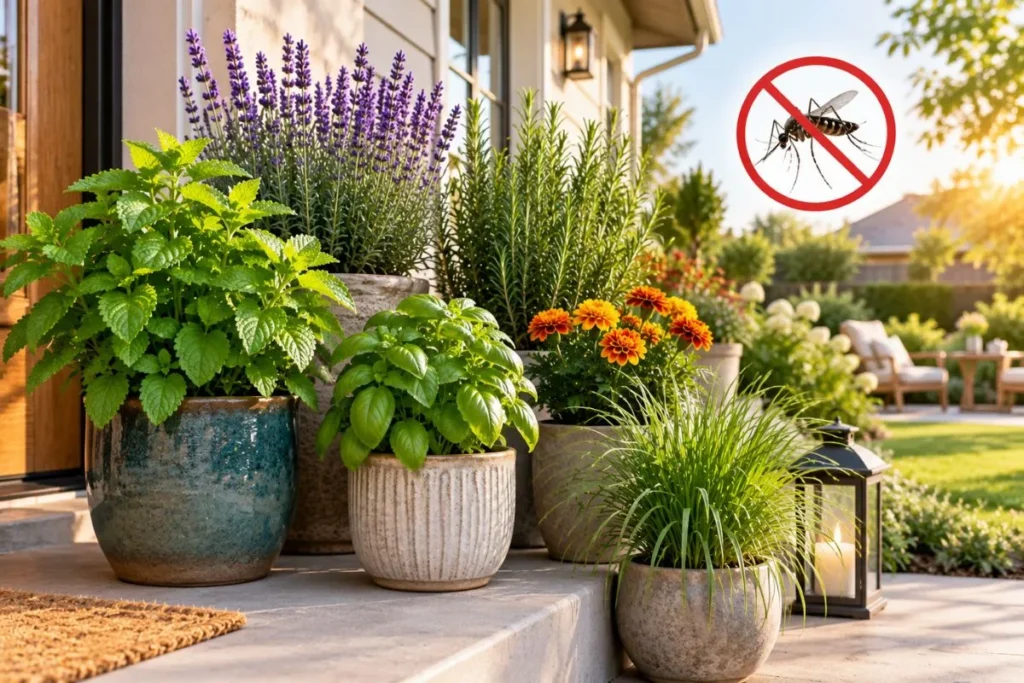
While mosquito avoid plants won’t make your home completely mosquito-free, they can play an important role in a natural mosquito control strategy. When paired with good outdoor maintenance, they help create a healthier, more enjoyable garden, patio, or backyard avoid.
How Mosquito Repellent Plants Keep Mosquitoes Away Naturally
Many people believe that mosquito avoid plants kill mosquitoes as soon as they are planted. That’s not how they work. These plants don’t destroy mosquitoes or create an invisible protective barrier around your home. Instead, they naturally make the area less attractive by releasing scents and compounds that mosquitoes prefer to avoid.
Essential Oils Are the Secret Behind These Plants
The effectiveness of mosquito repellent plants comes from the natural essential oils found in their leaves, stems, and flowers. Popular plants like citronella, lemongrass, lavender, basil, peppermint, and rosemary all produce oils with strong fragrances.
These natural oils are what make these plants useful for anyone looking for plants that keep mosquitoes away without relying heavily on chemical products.
Why Mosquitoes Dislike Certain Plant Scents
Mosquitoes have an excellent sense of smell. They use it to locate people by detecting carbon dioxide, body heat, and body odor. Strong-smelling plants interfere with this process by masking the scents that mosquitoes rely on. As a result, the surrounding area becomes less appealing to them.
Different mosquito prevention plants contain different natural compounds that contribute to this effect. Citronella contains citronellal, lavender is rich in linalool, basil produces eugenol, while peppermint releases menthol.
Each of these compounds has a scent that mosquitoes generally dislike, making a combination of mosquito fighting plants even more effective than growing a single variety.
Why Crushing the Leaves Increases Their Effectiveness
A healthy plant naturally releases its fragrance, but the aroma becomes much stronger when the leaves are gently rubbed or crushed. This happens because more essential oils are released into the air.
For example, lightly brushing against a basil or peppermint plant before spending time on your patio can temporarily increase its scent. While you shouldn’t constantly damage your plants, occasional handling can enhance their natural mosquito-repelling properties.
Why Plants Work Best Alongside Other Mosquito Prevention Methods
Even the best mosquito avoid plants for home gardens cannot solve a mosquito problem on their own. They perform much better when used together with other natural mosquito control practices.
A clean outdoor space with no standing water, properly maintained plants, and good garden care creates an environment where mosquitoes are less likely to breed or gather avoid.
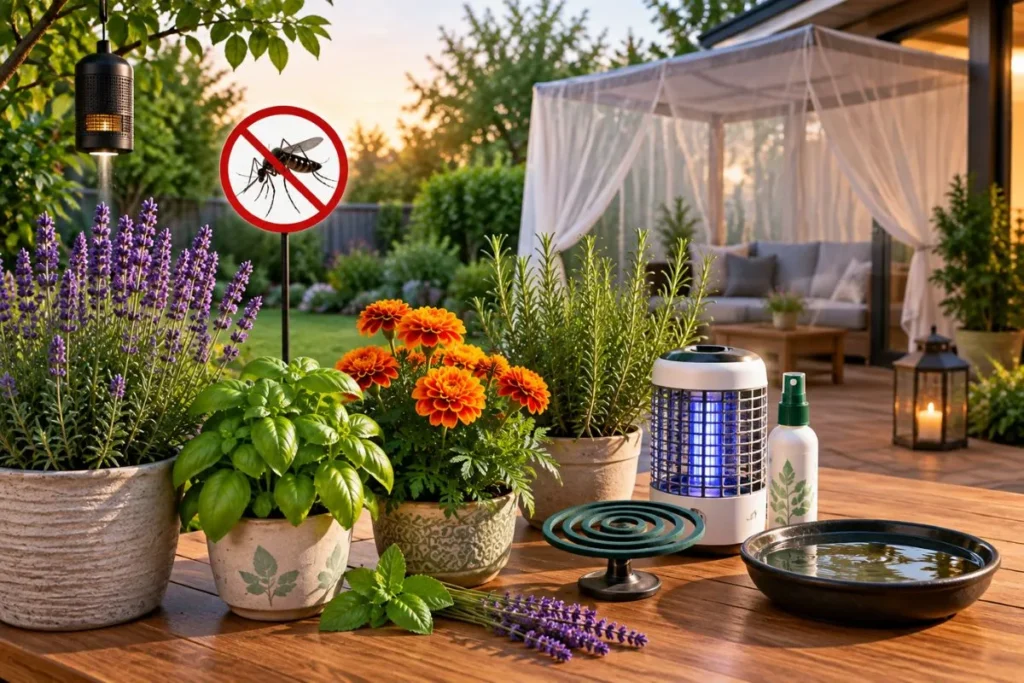
This combination of natural mosquito repellent plants for backyards and chemical free mosquito control provides a practical and environmentally friendly approach.
Instead of depending entirely on sprays or harsh chemicals, you create a healthier outdoor space while allowing the plants to do what they do best naturally discourage mosquitoes from settling nearby.
A Smart and Eco-Friendly Way to Reduce Mosquitoes
One of the biggest advantages of growing mosquito avoid plants is that they offer more than just mosquito control. They add beauty, fragrance, and greenery to your home while supporting eco-friendly mosquito control.
Many varieties also provide fresh herbs for cooking, attract helpful pollinators, and enhance the overall appearance of your landscape avoid.
Whether you’re building a mosquito repellent garden, searching for low maintenance plants that repel mosquitoes, or simply looking for a natural way to enjoy your outdoor space, these plants are a practical addition to any home.
They may not eliminate every mosquito, but they can significantly improve your comfort when combined with good gardening and mosquito prevention habits.
Best Mosquito Avoid Plants You Should Grow
Many people believe that only one “miracle plant” can keep mosquitoes away forever. Unfortunately, that’s not true. There isn’t a single mosquito avoid plant that can completely stop mosquitoes on its own.
The best approach is to grow a variety of mosquito repellent plants that release different natural scents. This creates a more effective and attractive mosquito repellent garden while making your outdoor space less welcoming to mosquitoes.
Citronella Plant
The citronella plant is one of the most well-known mosquito repellent plants because of its fresh lemon-like fragrance. It contains citronellal, a natural compound commonly used in mosquito-repellent products.
This plant grows best in full sunlight with well-drained soil and regular watering. It thrives outdoors in warm climates but can also be grown in large containers. Besides helping with mosquito control, citronella adds a refreshing scent to patios and gardens.
Lavender
Lavender is loved for its beautiful purple flowers and calming fragrance, but mosquitoes dislike its scent. It is one of the best natural mosquito repellent plants for gardens and walkways.
Lavender prefers full sun and soil that drains well. Once established, it requires very little maintenance. Along with repelling mosquitoes, it attracts bees and butterflies while making your garden look colorful.
Basil
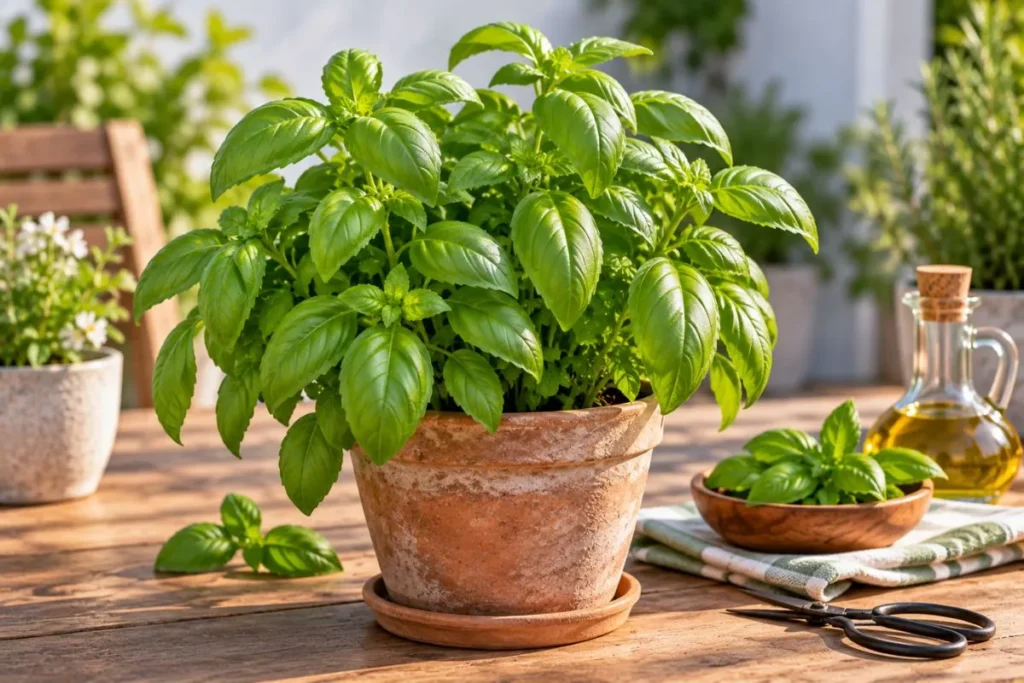
Basil is more than just a kitchen herb. It is also one of the best mosquito repelling herbs you can grow around your home.
It grows well in sunny locations with consistently moist soil. Basil is perfect for pots placed near windows, patios, or outdoor dining areas. Fresh basil leaves can also be used in cooking, making it a practical addition to any home.
Marigold
Marigolds are bright flowering plants that naturally help discourage mosquitoes and other garden pests. Their strong aroma makes them a popular choice for anyone looking for mosquito repellent flowers.
They grow easily in full sun and need moderate watering. Marigolds are excellent for flower beds, vegetable gardens, and garden borders where they add vibrant color.
Lemongrass
Lemongrass contains citronella oil naturally, making it one of the best plants to keep mosquitoes away naturally.
It enjoys warm weather, full sunlight, and well-drained soil. This fast-growing grass works well in outdoor gardens and large containers while also serving as a flavorful herb for cooking.
Peppermint
Peppermint produces a cool, refreshing scent that mosquitoes find unpleasant. It is one of the easiest plants that keep mosquitoes away while also being useful in teas and desserts.
Peppermint grows quickly in partial to full sunlight with moist soil. Since it spreads rapidly, many gardeners prefer growing it in containers.
Lemon Balm
Lemon balm belongs to the mint family and releases a fresh citrus fragrance. It is one of the most popular mosquito control plants for home gardens.
It grows well in full or partial sunlight and requires regular watering. Lemon balm is easy to maintain and can also be used to prepare herbal tea.
Rosemary
Rosemary is another excellent herb that naturally helps repel mosquitoes. Its woody aroma is pleasant for people but less attractive to insects.
Rosemary prefers full sunlight and slightly dry, well-drained soil. Besides acting as a bug repellent plant, it is widely used in cooking and landscaping.
Catnip
Catnip is famous for attracting cats, but mosquitoes usually stay away from it. Research has shown that its natural compounds can be highly effective at discouraging mosquitoes.
This plant grows well in sunny locations with moderate watering. It is easy to maintain and works well in garden beds or containers.
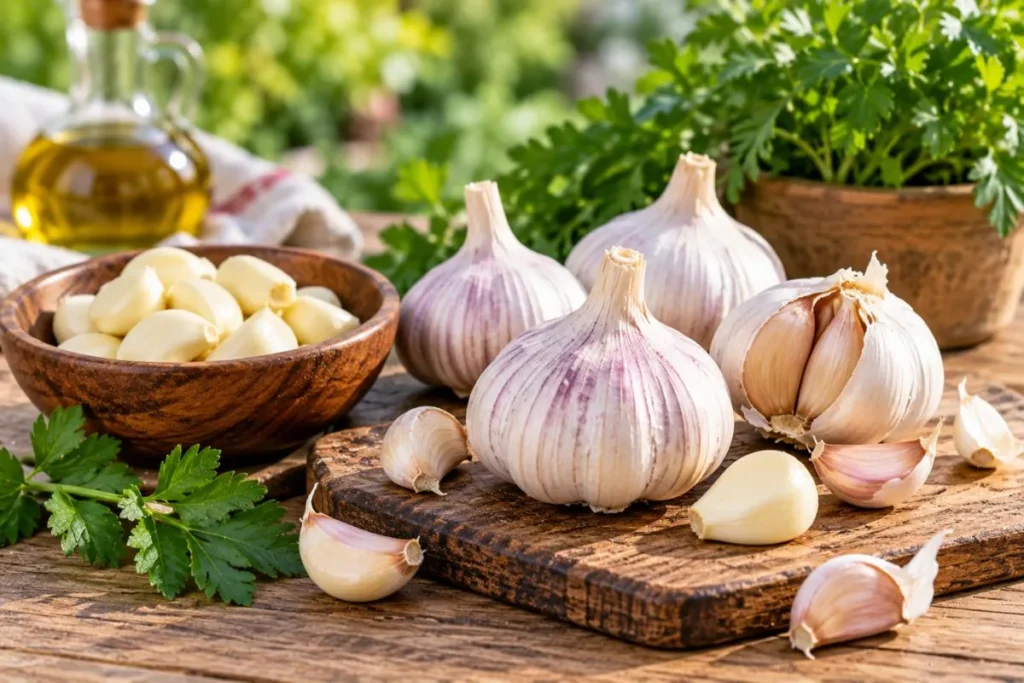
Garlic
Garlic isn’t only grown for cooking. It also helps reduce mosquito activity because of the sulfur compounds released by the plant.
Garlic grows best in full sunlight with fertile, well-drained soil. As an added benefit, you’ll harvest fresh garlic bulbs for your kitchen.
Bee Balm
Bee balm produces colorful flowers while releasing a minty fragrance that mosquitoes dislike. It is one of the best choices for gardeners who want beauty and functionality.
It grows best in sunny or partially shaded areas with consistently moist soil. Bee balm also attracts hummingbirds, butterflies, and bees.
Mint
Mint is one of the easiest low maintenance plants that repel mosquitoes. Its refreshing aroma makes outdoor seating areas more enjoyable while helping discourage mosquitoes.
Mint prefers moist soil and grows well in partial or full sunlight. Because it spreads quickly, containers are often the best option.
Eucalyptus
Eucalyptus leaves contain aromatic oils that naturally help repel mosquitoes. The plant also gives gardens a clean, refreshing scent.
It requires full sunlight and well-drained soil. In cooler climates, eucalyptus is commonly grown in large pots that can be moved indoors during winter.
Scented Geranium
Scented geranium, especially the citronella variety, is often recommended for anyone creating a mosquito repellent garden.
It grows well in sunny areas with moderate watering and performs beautifully in hanging baskets, patios, and balconies. Its attractive foliage adds ornamental value throughout the growing season.
Sage
Sage is another aromatic herb that naturally helps repel mosquitoes. Burning dried sage outdoors is also a traditional way to discourage insects during evening gatherings.
The plant thrives in full sunlight with dry, well-drained soil. Fresh sage leaves are also commonly used in cooking.
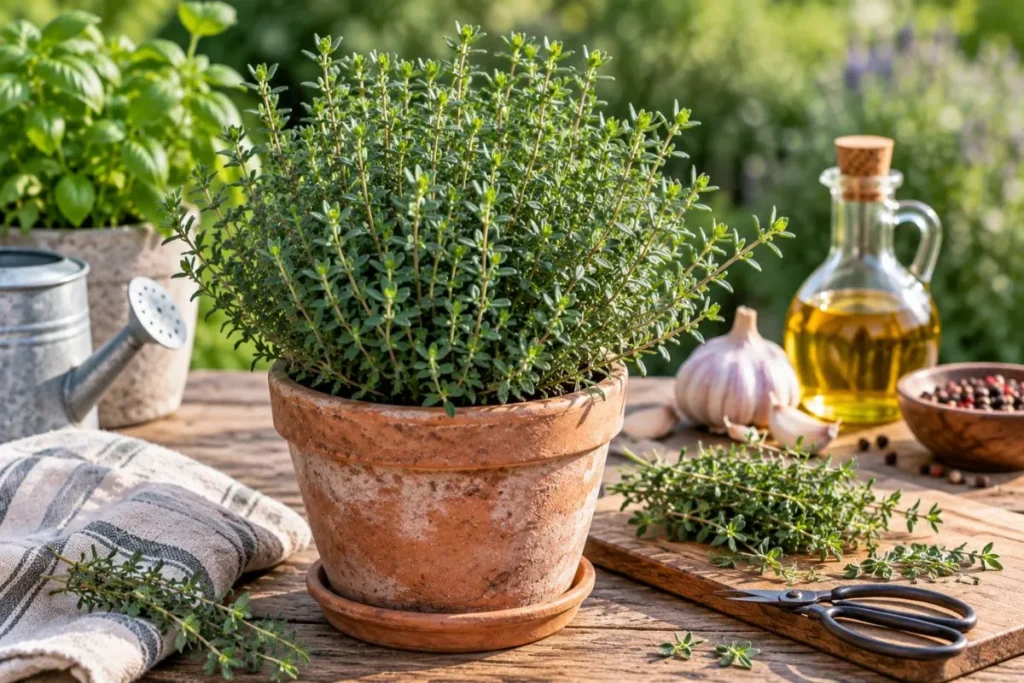
Thyme
Thyme is a compact herb with a pleasant fragrance that mosquitoes generally avoid. It is ideal for small gardens, rock gardens, and container planting.
Thyme enjoys full sun, requires little water once established, and offers fresh herbs for everyday recipes.
Allium
Allium plants, including ornamental onions, produce globe-shaped flowers and release a scent that naturally discourages mosquitoes and other garden pests.
They grow best in full sunlight with well-drained soil and require very little maintenance. Their striking blooms make them a beautiful addition to landscapes while supporting mosquito repellent landscaping.
Which Mosquito Avoid Plants Should You Choose?
If you’re creating the best mosquito avoid plants for home gardens, it’s smart to grow a combination rather than relying on just one plant. Mixing fragrant herbs, flowering plants, and ornamental greenery provides a wider range of natural scents that help reduce mosquito activity.
Whether you’re looking for natural mosquito repellent plants for backyards, mosquito repellent greenery for your patio, or herbs that repel mosquitoes for your kitchen garden, these 17 plants offer an attractive and practical solution for creating a more comfortable outdoor space.
Best Indoor Mosquito Avoid Plants That Really Work
Many people assume that mosquito avoid plants only work outdoors. That’s a myth. Several indoor mosquito repellent plants grow well inside your home and can help make living spaces less attractive to mosquitoes.
While they won’t completely eliminate insects, they can be a helpful part of a natural mosquito prevention plan while also making your home look greener and smell fresher.
Why Choose Indoor Mosquito Repellent Plants?
Growing indoor mosquito avoid plants that really work offers several benefits beyond mosquito control. These plants naturally freshen indoor air, add beauty to your rooms, and require very little maintenance.
They are an excellent choice for apartments, small homes, and anyone who prefers chemical free mosquito control.
Many indoor plants release pleasant fragrances that people enjoy but mosquitoes dislike. When placed in the right locations, they become a simple and eco-friendly way to support a healthier home environment.
Best Indoor Mosquito Avoid Plants
Some plants perform especially well indoors while also helping discourage mosquitoes. Lavender is an excellent choice because it grows well in sunny windows and fills the room with a pleasant fragrance.
Basil is another favorite since it serves as both a cooking herb and one of the most effective mosquito repellent plants for indoor spaces.
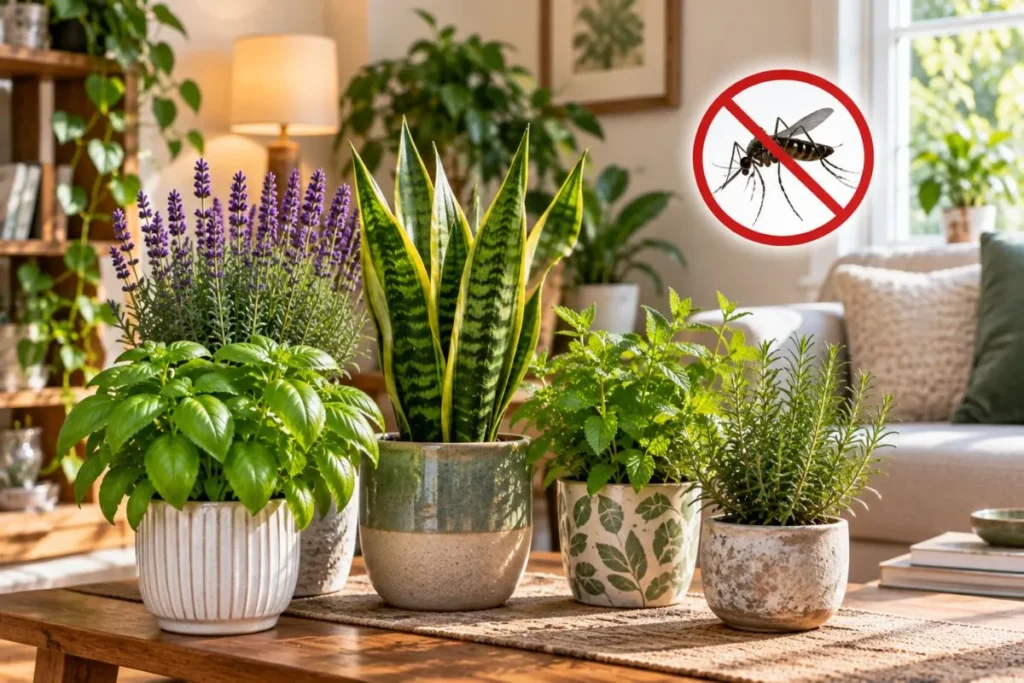
Peppermint and lemon balm are also popular options. Their fresh scents make kitchens and living rooms smell clean while naturally helping reduce mosquito activity. Scented geranium is another attractive choice that thrives in containers and adds colorful foliage to your home.
These mosquito reducing plants are easy to care for and fit perfectly on windowsills, shelves, or balconies.
Where Should You Place Indoor Mosquito Repellent Plants?
The location of your plants plays an important role in how useful they are. Place them near windows where mosquitoes are most likely to enter. They also work well beside doors, on balconies, near kitchen windows, and around indoor seating areas where you spend the most time.
If you have a home office or reading corner near a window, adding a few plants that keep mosquitoes away can make the area more comfortable while enhancing your indoor décor.
How to Care for Indoor Mosquito Avoid Plants
Most indoor mosquito repellent plants need bright sunlight for several hours each day. They also prefer well-drained soil and moderate watering. Avoid overwatering, as constantly wet soil can attract unwanted pests and damage the roots.
Regular pruning helps plants stay healthy and encourages fresh growth. Healthy plants produce stronger natural fragrances, making them more effective as part of your mosquito repellent for home strategy.
Which Indoor Plant Is the Best Choice?
If you’re just starting, basil, lavender, peppermint, and scented geranium are among the easiest indoor mosquito avoid plants that really work. They require minimal care, grow well in containers, and offer multiple benefits beyond mosquito control.
Choosing several natural mosquito repellent plants instead of relying on a single variety creates a more attractive indoor garden while supporting a natural and eco-friendly approach to keeping mosquitoes away.
Frequently Asked Questions
Do mosquito avoid plants really work?
Yes, mosquito avoid plants can help reduce mosquito activity by releasing natural scents that mosquitoes dislike. However, they are not a complete solution.
They work best when combined with simple mosquito prevention methods like removing standing water and keeping your garden clean. Using several mosquito repellent plants together is usually more effective than relying on a single plant.
Which plant keeps mosquitoes away the most?
Citronella is often considered one of the most effective natural mosquito repellent plants because it contains citronellal, a natural compound known for repelling mosquitoes.
Other excellent options include lavender, basil, lemongrass, peppermint, rosemary, and catnip. Growing a variety of these plants that keep mosquitoes away can provide better overall results.
Can I grow mosquito repellent plants indoors?
Absolutely. Several indoor mosquito avoid plants that really work can be grown in containers inside your home. Basil, lavender, peppermint, lemon balm, and scented geranium are all excellent choices.
Placing them near windows, doors, or balconies can help make your home less attractive to mosquitoes while adding greenery and fragrance.
What is the best mosquito repellent plant for patios and balconies?
If you’re looking for mosquito repellent plants for patios and balconies, citronella, lavender, basil, rosemary, and scented geranium are among the best choices.
These plants grow well in pots and containers, making them ideal for smaller outdoor spaces where you spend time relaxing.
Are mosquito avoid plants safe for pets?
Many mosquito repellent plants are safe, but not all are pet-friendly. Plants like basil and rosemary are generally considered safe for most pets, while others, such as lavender, citronella, and certain varieties of eucalyptus, may cause mild irritation or digestive problems if eaten by cats or dogs.
If you have pets, always check whether a plant is safe before bringing it home.
Which herbs naturally repel mosquitoes?
Several herbs are known for their mosquito-repelling properties. Basil, peppermint, rosemary, thyme, lemon balm, sage, and mint are among the most popular mosquito repelling herbs for kitchen gardens. Besides helping reduce mosquito activity, these herbs are also useful for cooking and are easy to grow at home.
Do mosquito repellent plants need full sunlight?
Most natural mosquito repellent plants grow best in full sunlight because it helps them stay healthy and produce stronger natural fragrances. However, some plants, such as peppermint and lemon balm, can also grow well in partial shade. Always check the growing requirements of each plant before planting.
Can I use mosquito avoid plants all year round?
Yes, many mosquito avoid plants can be enjoyed throughout the year, especially when grown indoors or in warm climates. In colder regions, container-grown plants can be moved indoors during winter to protect them from frost and continue enjoying their benefits.
How many mosquito avoid plants do I need?
There is no exact number, but growing several mosquito control plants in different parts of your garden, patio, or balcony usually provides better results than using just one. A combination of herbs, flowering plants, and fragrant greenery creates a stronger natural defense against mosquitoes.
Which plant has the strongest mosquito-repelling scent?
Citronella is widely known for having one of the strongest mosquito-repelling scents. Lemongrass, peppermint, lavender, eucalyptus, and basil also produce powerful natural aromas that mosquitoes generally avoid.
Combining these best plants to keep mosquitoes away naturally creates a more effective and attractive mosquito repellent garden.
Conclusion:
If you’re searching for a natural way to reduce mosquitoes around your home, mosquito avoid plants are definitely worth growing. While they won’t completely eliminate mosquitoes, they can make your garden, patio, balcony, or indoor space much less inviting to these unwanted pests
. When paired with simple mosquito prevention habits, they become an effective and eco-friendly solution that helps you spend more time outdoors comfortably.
One of the biggest advantages of using natural mosquito repellent plants is that they offer much more than mosquito control. They add color to your garden, fill your home with pleasant fragrances, attract beneficial pollinators, and in many cases, provide fresh herbs for cooking.
Instead of depending only on chemical repellents, you can enjoy a greener and healthier environment with plants that keep mosquitoes away.
If you’re a beginner, start with a few easy-to-grow options like citronella, basil, lavender, peppermint, or rosemary. These are some of the best mosquito avoid plants for home gardens because they’re simple to maintain and provide multiple benefits throughout the year.
As you become more comfortable with gardening, you can expand your collection by adding other mosquito repellent plants to create a beautiful and functional landscape.
The secret isn’t finding one perfect plant it’s choosing a variety of low maintenance plants that repel mosquitoes and placing them in the right locations around your home.
Whether you’re creating a mosquito repellent garden, decorating your patio, or looking for indoor greenery, these plants can help you build a more enjoyable outdoor and indoor living space naturally.
By choosing the right mosquito avoid plants today, you’ll not only make your surroundings more attractive but also take a simple step toward a more comfortable, eco-friendly, and mosquito-friendly lifestyle with fewer mosquito problems.

Plant Nest Blog’s author is passionate about plants, gardening, and sustainable living. Through research and practical experience, they share helpful plant care tips, gardening guides, and easy solutions to help readers grow healthier plants and create greener spaces.