
Some people have the idea that orchids are too difficult for beginners to grow, but that isn’t always true. Learning how to raise an orchid becomes much easier when you understand what the plant needs to thrive.
With suitable light, careful watering, and the right growing medium, you can grow a healthy orchid at home and enjoy its beautiful flowers.
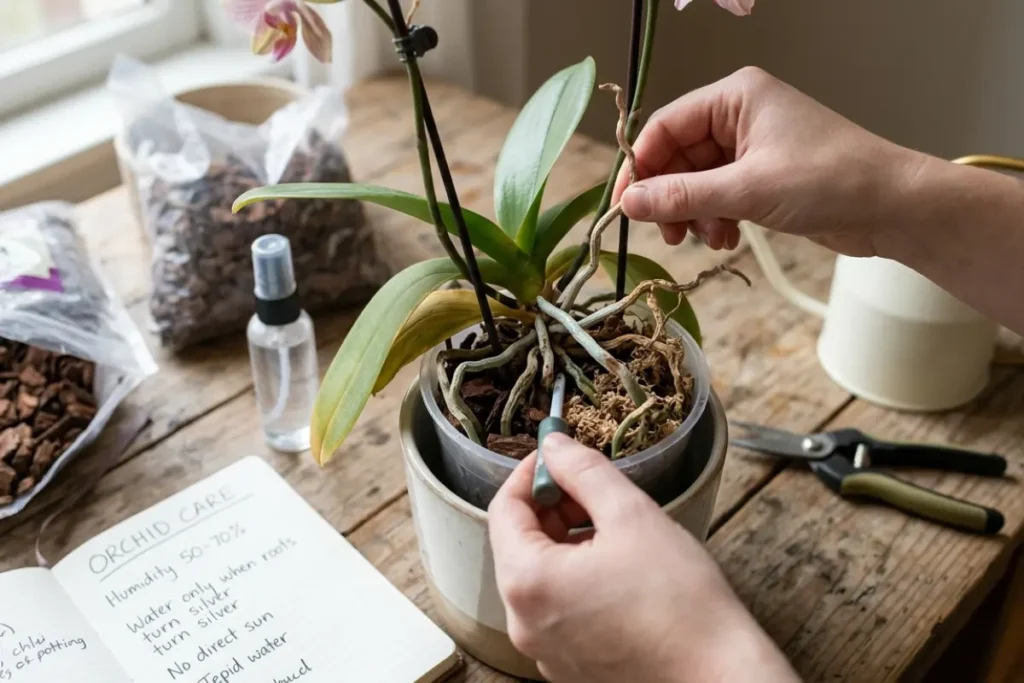
You don’t need expensive equipment or years of gardening experience to get started. The key is to choose a suitable orchid, pay attention to its roots and leaves, and avoid common care mistakes.
This guide explains practical orchid growing tips to help you build a simple routine and encourage healthy growth and stunning blooms.
Understanding What an Orchid Needs to Grow
Before you start growing orchids at home, it helps to understand how these plants grow naturally. Many popular indoor orchids have different needs from ordinary houseplants, especially when it comes to their roots, potting medium, moisture, and airflow.
Once you understand these basics, choosing the right orchid and caring for it becomes much simpler.
What Makes Orchids Different From Other Houseplants?
Orchids are different from many common houseplants because numerous popular varieties grow on trees in their natural habitats. These orchids are called epiphytes. They attach themselves to tree bark rather than growing in ordinary garden soil.
Their roots absorb moisture and nutrients from their surroundings and need good airflow to stay healthy.
This is why regular potting soil is usually unsuitable for orchids such as Phalaenopsis. A specialized orchid potting mix containing materials like bark, sometimes combined with sphagnum moss or other suitable components, allows water to drain while leaving air around the roots.
Choosing the right orchid growing medium helps reduce the risk of root rot and supports healthy growth.
Orchid roots can also look different from the roots of other houseplants. Some have a silvery appearance when dry and turn greener when wet. Clear pots can make it easier to check their condition, although they aren’t essential for every orchid.
Understanding orchid root care helps you make better watering decisions and recognize potential problems early.
Which Orchid Is Best for Beginners?
If you’re new to orchid plant care, the Phalaenopsis orchid, also known as the moth orchid, is often an excellent starting point. It is widely available, grows well indoors under suitable conditions, and can produce long-lasting flowers. Its basic care routine is manageable once you learn how to assess its moisture and light needs.
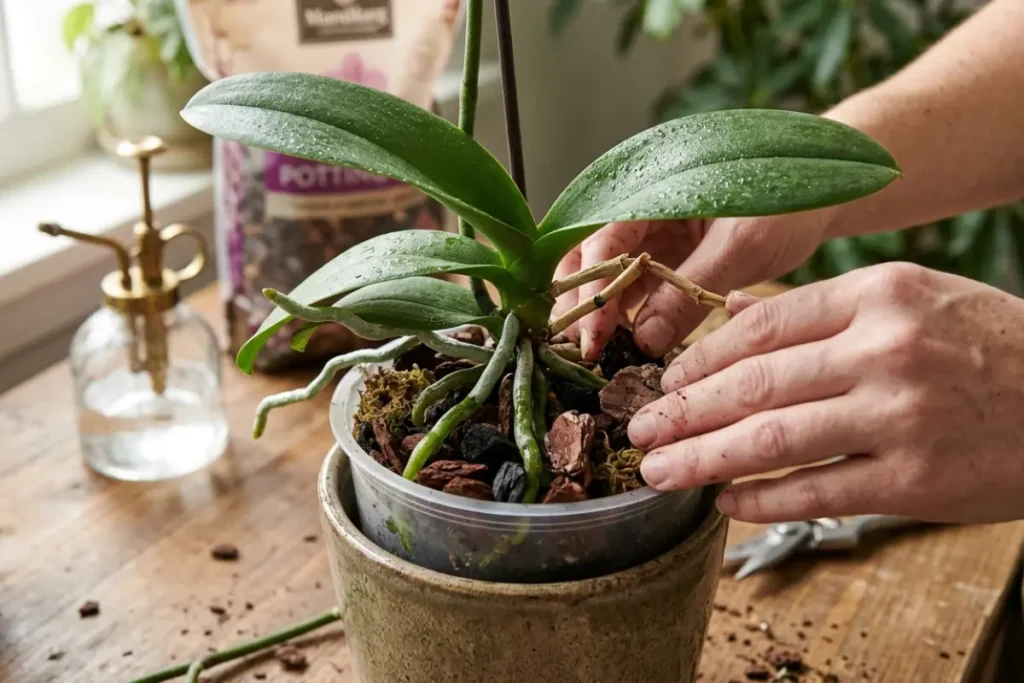
When choosing an orchid, look beyond the flowers. Select a plant with firm leaves, healthy-looking roots, and no obvious signs of pests or disease. Avoid plants with extensive black, mushy roots or widespread leaf damage. A healthy plant gives you a better chance of success as you learn how to raise an orchid without killing it.
Other orchid varieties may suit your home, too, but their needs can differ. Some prefer cooler conditions, while others need warmer temperatures or different humidity levels.
For beginners, starting with a moth orchid is a practical way to learn the basics before trying varieties with more specific growing requirements.
Can You Grow Orchids Successfully Indoors?
Yes, many orchids can thrive indoors when their growing conditions suit their variety. The most important factors are appropriate light, temperature, humidity, watering, and airflow. You don’t need to recreate a tropical rainforest in your home; you simply need to provide a reasonably stable environment.
Place your orchid where it receives bright, indirect light, such as near a suitable east-facing window. Strong direct sunlight can scorch its leaves, while insufficient light may prevent flowering.
Maintain comfortable temperatures for your orchid type, and avoid sudden changes caused by cold drafts or hot air from heating vents.
Watering also deserves attention. Rather than following a strict daily schedule, check the potting medium and roots to decide when watering is needed.
Make sure excess water drains freely, and never leave the pot standing in water. If your home is dry, a humidifier may help, but good airflow remains important.
Powerful Tips on How to Raise an Orchid Successfully
Many people believe that orchids need constant attention and complicated care to survive, but that isn’t true for every variety. Learning how to raise an orchid is mainly about building the right habits and understanding what your plant needs at each stage of growth.
With the right approach to light, watering, feeding, and root care, you can help your orchid grow stronger and produce beautiful flowers.
Choose the Right Orchid for Your Home
Not every orchid grows well under the same conditions, so choosing a variety that suits your home is an important first step. If you’re a beginner, a Phalaenopsis orchid, commonly called a moth orchid, is usually a good choice.
It adapts well to typical indoor conditions and can produce flowers that last for weeks or even months.
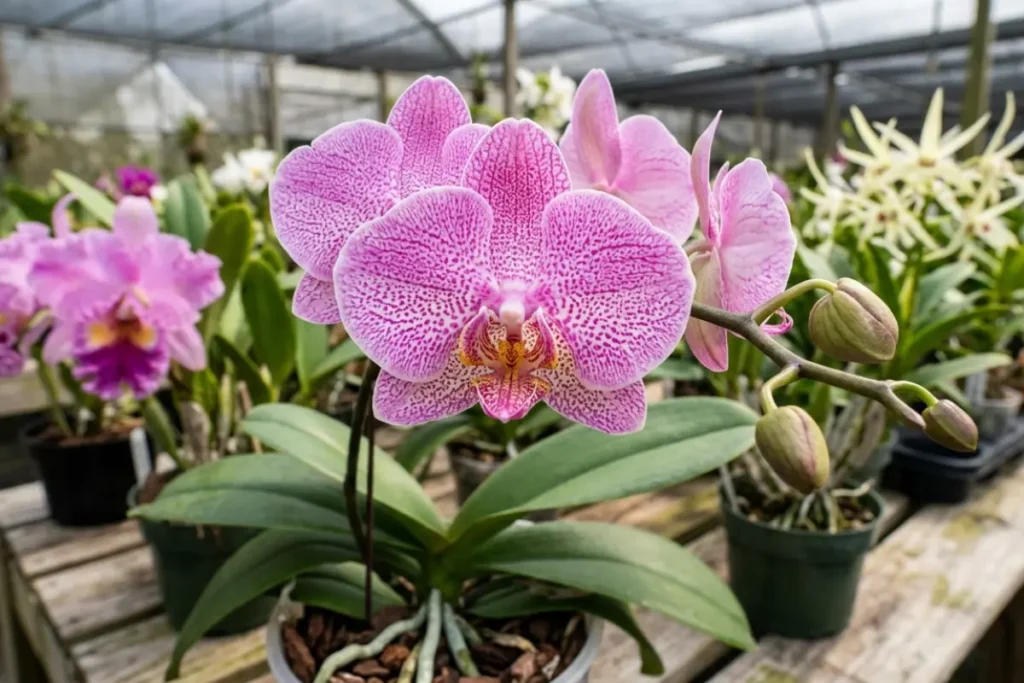
Before buying an orchid, check its leaves, roots, and flower spikes. Healthy leaves should look firm rather than badly wrinkled or mushy. The roots should feel firm, not soft or rotten.
Some healthy orchid roots appear silvery when dry and green when wet, so their color can help you judge their moisture level.
Avoid choosing a plant simply because it has the most flowers. A healthy orchid with strong roots and firm leaves may be a better long-term choice than one covered in blooms but showing signs of stress.
Also, consider where you’ll keep the plant. If your room receives bright, indirect light, many popular indoor orchids can do well there. However, if you have a very dark room or extreme temperature changes, you may need to choose a more suitable location before bringing an orchid home.
Provide the Right Amount of Sunlight
One of the most important orchid growing tips is to provide enough light without exposing the plant to harsh sunlight. Orchids need light to grow new leaves, develop strong roots, and produce flower spikes. However, too much direct sunlight can burn their leaves.
For many indoor varieties, especially Phalaenopsis orchids, bright, indirect light works well. An east-facing window can be a good location because it often provides gentle morning sunlight. A bright south- or west-facing window may also work if you filter the stronger rays with a sheer curtain.
Pay attention to your orchid’s leaves. Medium-green leaves often indicate suitable light conditions, although natural leaf color varies by variety. Very dark green leaves may suggest that the plant isn’t receiving enough light, while yellowish or scorched patches can indicate excessive sun exposure.
If your orchid receives too little light, it may continue growing leaves but struggle to bloom. Move it gradually to a brighter location and observe how it responds. Avoid moving it suddenly into strong direct sunlight, as the change can damage its leaves.
Artificial grow lights can help if your home doesn’t receive enough natural light. Choose a suitable plant light and follow its recommended distance and timing. You don’t need expensive equipment if a bright window already provides the light your orchid needs.
Learn When and How to Water an Orchid
Watering mistakes are among the most common reasons orchids develop problems. Some people water their plants too frequently because they assume orchids need constantly wet roots. Others let the growing medium become too dry for too long. The right approach depends on the orchid variety, potting mix, temperature, humidity, and growing conditions.
If you’re wondering how often you should water an indoor orchid, there isn’t one schedule that works for every plant. Many Phalaenopsis orchids need watering roughly every one to two weeks under typical indoor conditions, but this is only a general guide. Your plant may need water sooner in warm, dry weather or less often in cool, humid conditions.
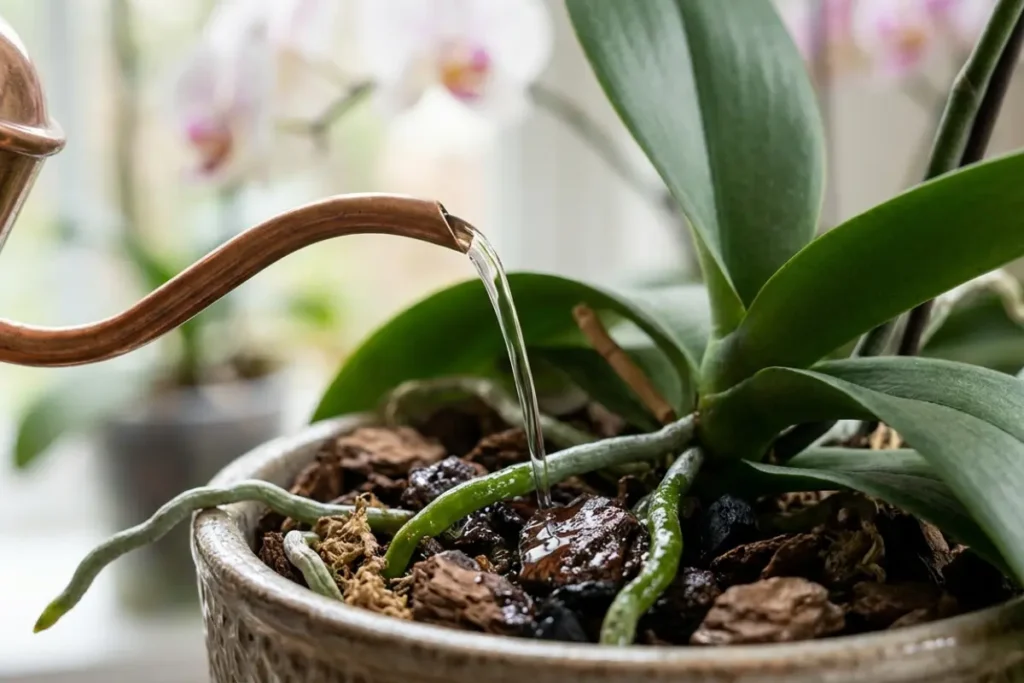
Check the potting medium before watering. If the bark is still damp and the roots look green, you may be able to wait. If the medium has dried considerably and the roots look silvery, it may be time to water. Don’t rely on the surface alone because the material inside the pot may hold more moisture.
When watering, thoroughly moisten the potting mix and allow all excess water to drain away. You can water over a sink to make this easier. Avoid leaving the orchid sitting in a decorative pot filled with water, as this can encourage root problems.
Try to keep water from collecting in the crown, where the leaves meet in the center. If water gets trapped there, gently remove it with a clean paper towel. This simple habit can help reduce the risk of crown rot.
Use room-temperature water when possible, and adjust your routine according to the plant’s condition. Learning to recognize moisture levels is more reliable than watering automatically on the same day every week.
How to Make an Orchid Bloom Again
Many people believe that an orchid will never flower again once its first blooms fall off, but that’s not true. Most healthy orchids can bloom again when they receive the right care and growing conditions.
If you’re learning how to raise an orchid and make it bloom, focus on giving your plant time to recover, providing suitable light, and understanding what encourages new flower spikes. With patience and a consistent routine, you may enjoy another beautiful display of flowers.
Provide Enough Suitable Light
Insufficient light is one of the common reasons an orchid grows leaves but fails to produce flowers. Your plant may look healthy, yet it might not receive enough energy to develop a new flower spike. That’s why checking its light conditions is an important step when learning how to make orchids bloom.
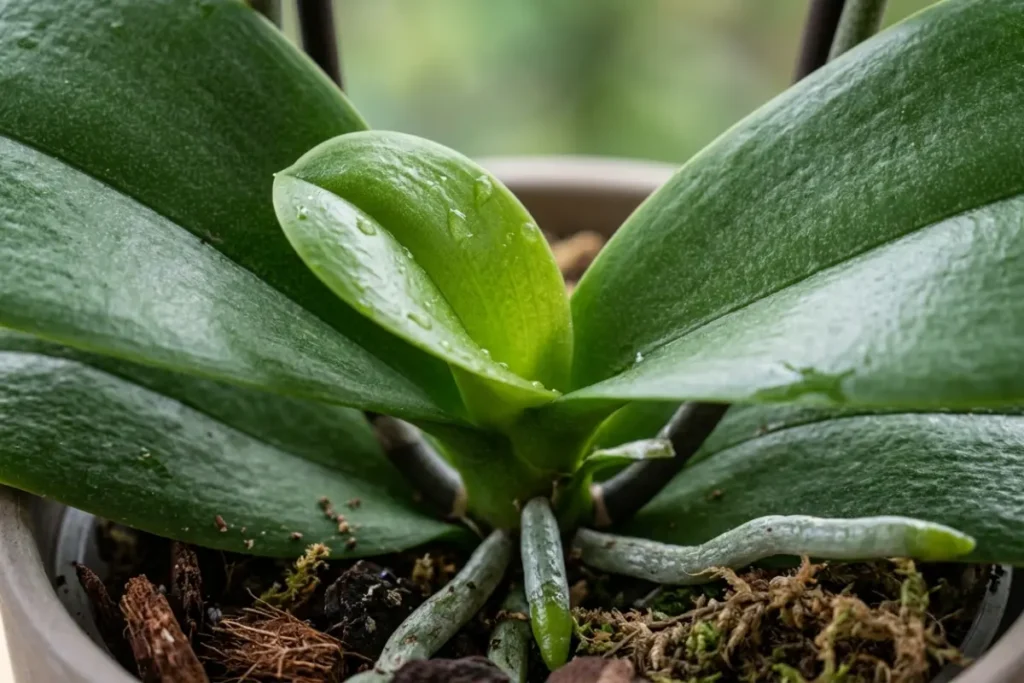
Most Phalaenopsis orchids prefer bright, indirect light. A suitable east-facing window often works well because it provides gentle morning sunlight. If your orchid sits in a darker corner, consider moving it closer to a bright window where the leaves won’t receive harsh direct sun.
Watch how your plant responds after changing its location. Healthy green leaves and steady root growth are encouraging signs, although leaf color varies between orchid varieties. If the leaves become scorched or develop pale, damaged patches, the light may be too intense.
You can also use a grow light if natural sunlight is limited. Follow the manufacturer’s guidance for distance and daily lighting time, and give your orchid a consistent light schedule.
Remember that more light isn’t always better. Strong direct sunlight can damage the leaves, while too little light may delay flowering. The goal is to provide suitable light for your orchid variety so it has enough energy to develop healthy flower spikes.
Maintain the Right Temperature Conditions
Temperature changes can play an important role in orchid flowering. Some varieties respond to a modest difference between daytime and nighttime temperatures, which can help signal that conditions are suitable for developing flower spikes.
For many Phalaenopsis orchids, comfortable daytime temperatures and slightly cooler nights can support healthy growth. A nighttime temperature drop of around 5–10°F (3–6°C) may help encourage flowering in some plants, although results vary with the variety and its overall growing conditions.
You don’t need to expose your orchid to cold weather to make it bloom. Sudden temperature drops, chilly drafts, and extreme heat can stress the plant. Keep it away from air-conditioning vents, heaters, and windows that become very cold at night.
If your orchid has produced healthy leaves but hasn’t flowered for a long time, consider whether its environment stays warm around the clock. A gentle, natural nighttime temperature change may help if it’s appropriate for your orchid type.
Avoid making several major changes at once. Keep the plant in a stable location, monitor its response, and give it time. Flower spikes don’t appear overnight, so patience is an important part of orchid care.
Follow a Suitable Watering and Feeding Routine
Watering and feeding support orchid growth, but they won’t automatically trigger flowers if other conditions are unsuitable. An orchid needs healthy roots and leaves to gather and use the resources required for flowering.
Rather than watering more often in the hope of encouraging blooms, check the growing medium and root condition. Water when the orchid needs it, then let excess water drain completely. Constantly wet roots can become damaged, leaving the plant less able to support new growth.
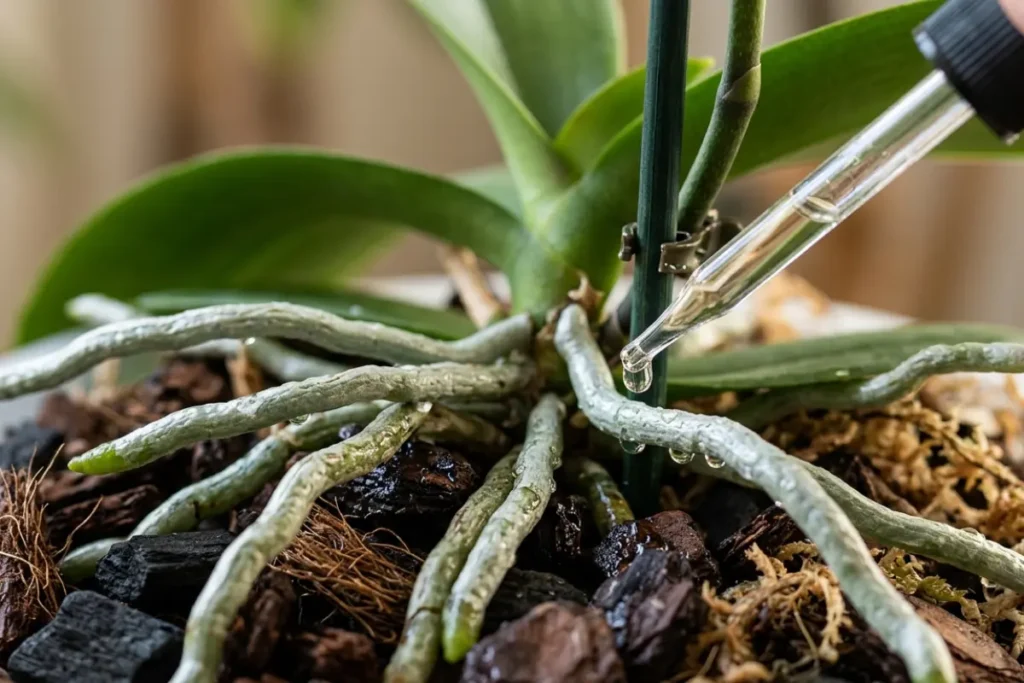
Fertilizer can also help when used correctly. During active growth, apply a suitable orchid fertilizer according to the label directions. Many growers use a diluted feed at regular intervals, but the best routine depends on the product, growing medium, and plant condition.
Avoid using extra fertilizer to force a flower spike. Too much fertilizer can harm the roots and cause salt buildup in the potting mix. A balanced routine is safer than frequent heavy feeding.
If your orchid hasn’t bloomed again, look at the bigger picture. Does it receive enough suitable light? Are the roots firm and healthy? Is the growing medium in good condition? Are temperature conditions appropriate for its variety? Addressing these factors is more helpful than changing the fertilizer alone.
When watering, feeding, light, and temperature work together, your orchid has a better chance of producing new growth and flowers.
Frequently Asked Questions About How to Raise an Orchid
Many people believe that orchids are difficult to maintain and only experienced gardeners can keep them alive, but that’s not true. Once you understand their basic needs, orchid care becomes much easier. Here are answers to common questions about watering, sunlight, flowering, and growing healthy orchids at home.
How Do You Raise an Orchid for Beginners?
To raise an orchid as a beginner, choose a Phalaenopsis orchid, place it in bright, indirect light, and use a suitable orchid potting mix. Water when the growing medium has dried sufficiently for your conditions, and always let excess water drain away.
Check the roots and leaves regularly for signs of stress. With consistent care and a little patience, beginners can grow healthy orchids indoors.
How Often Should You Water an Indoor Orchid?
Many indoor Phalaenopsis orchids need watering approximately every one to two weeks, but the timing depends on temperature, humidity, pot size, and potting medium.
Check the roots and growing mix before watering rather than following a strict schedule. Water thoroughly and allow excess water to drain completely. Avoid keeping the roots constantly wet, as this can lead to root rot.
How Much Sunlight Does an Orchid Need?
Most popular indoor orchids grow well in bright, indirect light. An east-facing window is often a suitable choice, while strong afternoon sunlight may scorch the leaves.
If your orchid receives too little light, it may grow leaves without producing flowers. Observe the plant’s response and adjust its location gradually to provide suitable lighting conditions.
What Is the Best Potting Mix for Growing Orchids?
A specialized orchid potting mix is usually best for popular epiphytic orchids, such as Phalaenopsis. These mixes commonly contain bark and may include sphagnum moss or other materials that support drainage and airflow.
Avoid ordinary garden soil because it can hold too much moisture around the roots. Choose a mix that suits your orchid variety and the conditions in your home.
How Do You Make an Orchid Bloom Again?
To encourage an orchid to bloom again, provide suitable light, maintain appropriate temperatures, and keep the roots healthy. Feed it with a suitable orchid fertilizer during active growth, following the product instructions.
Some orchids respond to modest nighttime temperature changes. Remember that flowering takes time, and a healthy plant may need several months to produce another flower spike.
How Do You Keep an Orchid Alive After Flowering?
After flowering, continue providing suitable light, careful watering, and appropriate feeding. Don’t throw away the plant when its flowers fall off. Check the flower spike: a healthy green spike may produce more flowers, while a completely brown, dry spike can be trimmed with clean scissors. Healthy leaves and roots indicate that your orchid may be preparing for another growth and flowering cycle.
Why Are My Orchid Leaves Turning Yellow?
Yellow orchid leaves can have several causes, including natural aging, excessive direct sunlight, overwatering, or root damage. If only one older leaf turns yellow while the rest of the plant looks healthy, it may be part of the normal growth cycle.
If several leaves turn yellow or the roots feel mushy, check the watering routine and growing medium. Identify the likely cause before making major changes to your care routine.
How Long Does It Take an Orchid to Bloom?
The time an orchid takes to bloom depends on its variety, maturity, and growing conditions. A mature Phalaenopsis orchid may develop a flower spike after receiving suitable light and temperature conditions, but the timing can vary by season and plant.
Once a spike develops, flowers may take several weeks to open. Some blooms can last for weeks or months when the plant is healthy and conditions are suitable.
Can You Grow Orchids in Regular Potting Soil?
Most popular epiphytic orchids should not be grown in ordinary potting soil. Their roots need airflow, and dense soil can retain too much water. A specialized orchid mix containing bark or other suitable materials is generally a better choice.
However, some terrestrial orchid species grow in different conditions, so always check the requirements of your particular variety.
How Do You Grow Healthy Orchids in Pots Indoors?
To grow healthy orchids in pots indoors, select a suitable container with drainage holes and use an appropriate orchid growing medium. Place the plant in bright, indirect light and maintain suitable temperature and humidity levels.
Check the roots before watering, and avoid leaving water in the bottom of the pot. Regularly inspect the leaves and growing medium so you can address problems early.
How Do You Care for an Orchid Plant After Flowering?
After flowering, allow your orchid to continue its normal growth cycle. Keep its leaves and roots healthy by providing suitable light, watering when needed, and feeding appropriately during active growth.
Trim the flower spike only when necessary or if you prefer to encourage a possible new branch on a healthy green spike. Avoid repotting unless the growing medium has deteriorated or the roots need attention.
How Do You Maintain a Healthy Orchid Throughout the Year?
Maintaining a healthy orchid throughout the year means adjusting your care routine to changing conditions. Your plant may need more frequent moisture checks during warm weather and closer attention to light during darker months.
Keep it away from extreme temperatures, maintain good airflow, and inspect its roots and leaves regularly. Follow the needs of your orchid variety instead of relying on one fixed watering or feeding schedule.
Conclusion:
Learning how to raise an orchid doesn’t have to be complicated. You don’t need expensive tools or advanced gardening skills to grow a healthy plant. The key is to understand its needs and build a simple care routine that works for your home.
Start with the basics: provide suitable light, water when needed, use the right orchid potting mix, and choose a pot with good drainage. Keep an eye on the roots and leaves because they can help you recognize problems before they become serious.
Adjust your care routine as the seasons change, and avoid making too many changes at once.
Remember that orchids don’t always bloom on your schedule. After the flowers fade, your plant may need time to recover and grow before producing another flower spike. Healthy roots and leaves are just as important as beautiful blooms.
With patience, regular observation, and the right growing conditions, you can keep your orchid healthy and enjoy its flowers for years to come. Start with small steps, learn from your plant, and give it time to thrive.

Plant Nest Blog’s author is passionate about plants, gardening, and sustainable living. Through research and practical experience, they share helpful plant care tips, gardening guides, and easy solutions to help readers grow healthier plants and create greener spaces.