
It’s natural to think that an orchid is dying once its flowers fall off, but that’s one of the biggest misconceptions about orchid care. In reality, the end of the blooming season is a natural part of an orchid’s life cycle, not a sign that the plant is dead.
If you’re wondering how to care for an orchid after it blooms, the good news is that a few simple care habits can keep your orchid healthy and encourage it to produce beautiful flowers again. With the right post-bloom orchid care, your orchid can continue growing strong and thrive for many years.

In this complete orchid care after blooming guide, you’ll discover everything you need to know, from watering and lighting to pruning, fertilizing, repotting, and helping your orchid bloom again.
You’ll also learn how to keep an orchid healthy after blooming, avoid the most common care mistakes, and follow the best way to care for an orchid after it blooms, whether you grow it indoors or in a pot.
By the end of this guide, you’ll have the confidence to care for your orchid like an expert and enjoy healthy, long-lasting blooms year after year.
Why Proper Post-Bloom Orchid Care Matters
Understanding the Orchid Bloom Cycle
To understand how to care for an orchid after it blooms, you first need to know how an orchid naturally grows. Orchids don’t produce flowers all year long. Instead, they follow a natural bloom cycle that includes growing, flowering, resting, and blooming again.
Once the flowers fade and fall off, the plant begins storing energy to produce new roots, leaves, and eventually another flower spike. Understanding this orchid bloom cycle helps you provide the right care at the right time and is the foundation of successful orchid care after blooming.
Why Flowers Naturally Fall Off
When learning how to care for an orchid after it blooms, it’s important to know that flowers are not meant to last forever. After blooming for several weeks or even months, orchid flowers naturally fade and drop as part of the plant’s life cycle.
This is completely normal and simply means your orchid is moving into its next growth stage. As long as the leaves remain healthy and the roots are firm, your orchid is in good condition and ready for proper post-bloom orchid care.
What Happens After Blooming?
After the flowers fall off, how to care for an orchid after it blooms becomes even more important. During this stage, the orchid shifts its energy toward developing stronger roots and healthier leaves instead of producing flowers.
You may notice new root growth, fresh leaves, or a pause in flower production. These are all positive signs that the plant is preparing for its next blooming season. Following a consistent care routine during this period supports healthy growth and improves the chances of future blooms.
Why Orchids Need a Resting Period
A natural resting period is an important part of how to care for an orchid after it blooms. During this time, the plant recovers the energy it used while flowering and prepares for new growth.
Instead of trying to encourage immediate blooms, focus on maintaining proper watering, lighting, humidity, and temperature. Giving your orchid this natural break is one of the best ways to care for an orchid after it blooms and helps it produce healthier flowers in the future.
Average Lifespan of an Orchid
One of the biggest advantages of learning how to care for an orchid after it blooms is that orchids can live for many years. With proper care, most indoor orchids have an average lifespan of 15 to 20 years, and many continue growing well beyond that.
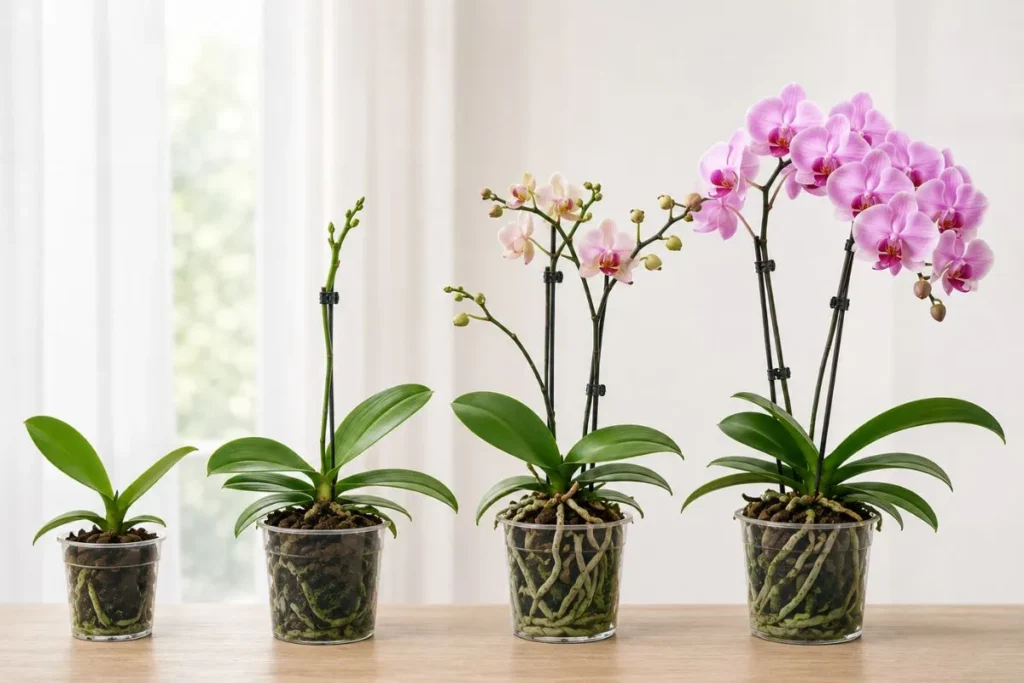
Consistent orchid plant maintenance, proper watering, and suitable growing conditions help the plant stay healthy and continue blooming season after season.
Benefits of Proper Orchid Care
Knowing how to care for an orchid after it blooms offers many long-term benefits. A healthy orchid develops stronger roots, greener leaves, and sturdy flower spikes that support beautiful blooms.
Proper orchid care after blooming also encourages regular flowering, improves overall plant health, and helps prevent common issues such as root rot, pests, and diseases. By following the right care routine throughout the year, you’ll enjoy a healthier orchid that continues to bloom beautifully for many seasons to come.
Should You Cut the Orchid Flower Spike?
Many people believe they should cut the orchid flower spike as soon as the last flower drops. However, this isn’t always the right approach. When learning how to care for an orchid after it blooms, one of the most common mistakes is trimming the flower spike too early.
The correct decision depends on the condition of the spike. A healthy green spike and a dry brown spike should be treated differently. Knowing when and how to prune is an essential part of how to care for an orchid after it blooms and can improve your chances of seeing your orchid bloom again.
Green Flower Spike vs. Brown Flower Spike
The first step in how to care for an orchid after it blooms is checking the condition of the flower spike. The color of the spike tells you whether it is still active or has finished its blooming cycle. A green flower spike still has the potential to grow, while a brown spike has completed its job.
Green Flower Spike
If the flower spike is green, firm, and healthy, don’t cut it right away. As part of how to care for an orchid after it blooms, leaving a healthy green spike in place gives your orchid the chance to produce a secondary branch or even another round of flowers.
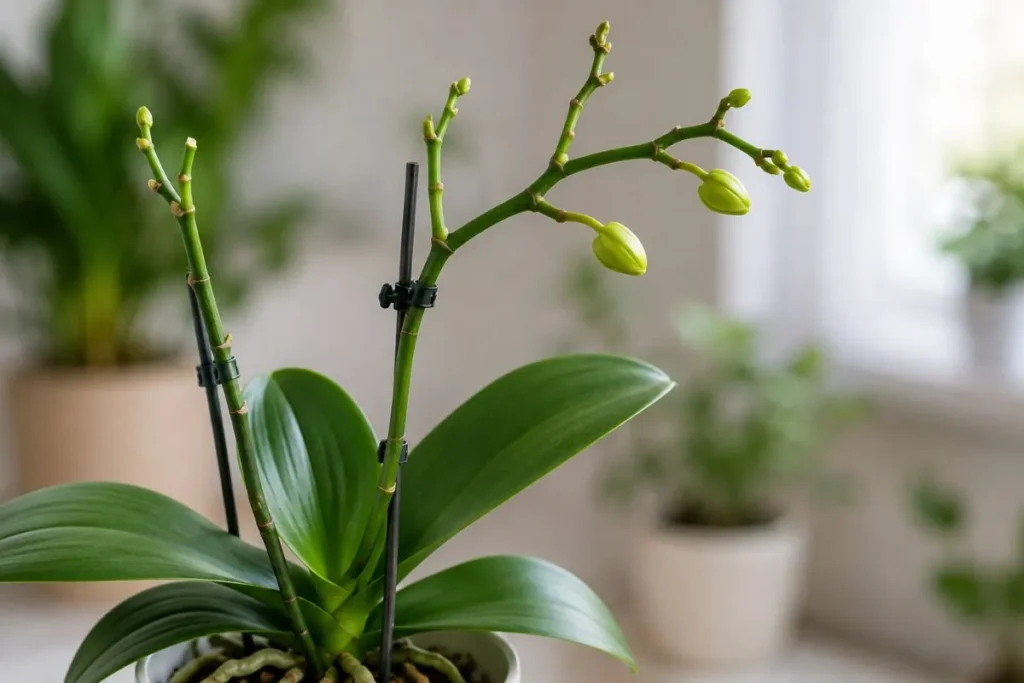
This is especially common with Phalaenopsis orchids. Continue your regular orchid care after blooming routine by providing proper light, watering, and humidity while watching for signs of new growth.
Brown Flower Spike
If the flower spike has turned completely brown, yellow, or dry, it will not bloom again. In how to care for an orchid after it blooms, removing a dead spike is the right choice because it allows the plant to redirect its energy toward growing stronger roots and healthier leaves.
This simple step is an important part of orchid care after flowers fall off and supports healthy future blooms.
When to Trim the Orchid Flower Spike
Knowing the right time to prune is another important part of how to care for an orchid after it blooms. Never cut the flower spike immediately after the last bloom falls unless it has already dried out completely.
If the spike is still green, wait a few weeks and continue observing it. It may develop a new side branch or another flower spike. If it has turned completely brown and dry, trim it near the base because it has completed its life cycle. Understanding the right timing is one of the best ways to care for an orchid after it blooms and encourages healthy future flowering.
How to Prune an Orchid Safely
A proper pruning technique plays an important role in how to care for an orchid after it blooms. Before making any cuts, inspect the flower spike carefully.
For a completely brown spike, cut it about one inch above the base of the plant.
This removes dead growth while protecting the healthy crown. If the spike is still green and you want to encourage reblooming, trim it about half an inch above a healthy node, usually above the second or third node from the base.
Learning how to prune an orchid after it blooms correctly helps reduce stress on the plant and supports stronger future growth.
Best Tools to Use
Using clean tools is another important step in how to care for an orchid after it blooms. Always use sharp pruning shears, clean scissors, or a sterilized garden knife. Sharp tools make smooth cuts that heal quickly and reduce the risk of disease.
Before and after pruning, disinfect your tools with rubbing alcohol to prevent bacteria or fungal infections from spreading. This simple habit is recommended in every professional orchid care guide and helps keep your orchid healthy.
Common Mistakes to Avoid
When practicing how to care for an orchid after it blooms, many beginners accidentally make pruning mistakes that delay future blooms. One common mistake is cutting a healthy green flower spike too early.
Another is using dirty or dull tools that damage the stem. Some gardeners also cut too close to the crown, while others leave a completely dead spike attached for too long.
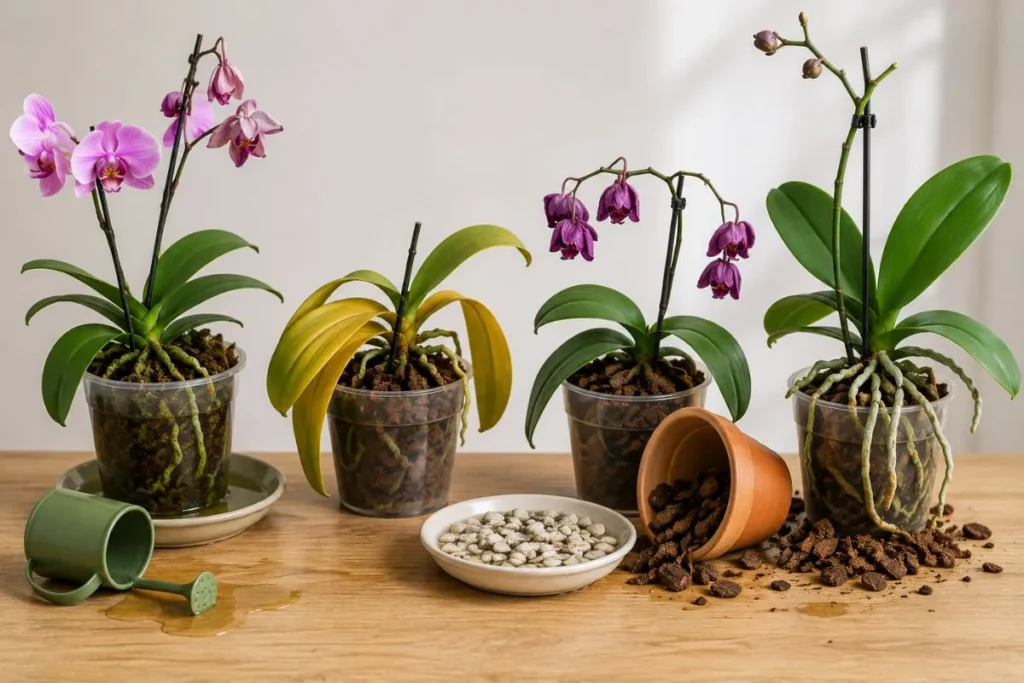
Avoiding these mistakes improves orchid flower spike care, supports healthier growth, and gives your orchid the best chance of producing beautiful flowers again.
Water Your Orchid the Right Way After Blooming
Many people think an orchid needs more water after its flowers fall off to help it recover faster. In reality, overwatering is one of the biggest mistakes people make when learning how to care for an orchid after it blooms.
Once the blooming season ends, your orchid enters a resting stage and usually requires less water than before.
Following the right watering routine is an essential part of orchid care after blooming and helps your plant develop healthy roots, strong leaves, and beautiful blooms in the future.
How Often Should You Water an Orchid After It Blooms?
One of the most common questions about how to care for an orchid after it blooms is how often it should be watered. The answer depends on your home’s temperature, humidity, the type of orchid, and the potting medium you’re using.
Instead of watering on a fixed schedule, always check the potting mix first. If it feels almost dry, it’s usually time to water. In most homes, orchids need watering about once every 7 to 10 days, but this can vary depending on the environment.
This simple habit is one of the best orchid watering after blooming practices and helps maintain healthy roots.
If you’re looking for how often to water an orchid after it blooms, let the condition of the potting mix guide you rather than the calendar.
Watering During the Resting Stage
An important part of how to care for an orchid after it blooms is adjusting your watering routine during the resting period. Since the plant isn’t producing flowers, it uses less water than it did during the blooming stage.
Continue watering thoroughly, but allow the potting mix to become slightly dry before watering again. Never let the roots sit in standing water, as excess moisture can damage them.
A balanced watering routine supports healthy root development and prepares the orchid for its next blooming cycle.
Proper watering during this stage is one of the easiest ways to keep an orchid healthy after blooming.
Best Watering Methods for Orchids
Choosing the correct watering method is just as important as knowing when to water. One of the best techniques in how to care for an orchid after it blooms is to water the orchid slowly until water flows freely through the drainage holes.
This ensures all the roots receive enough moisture while allowing excess water to drain away.
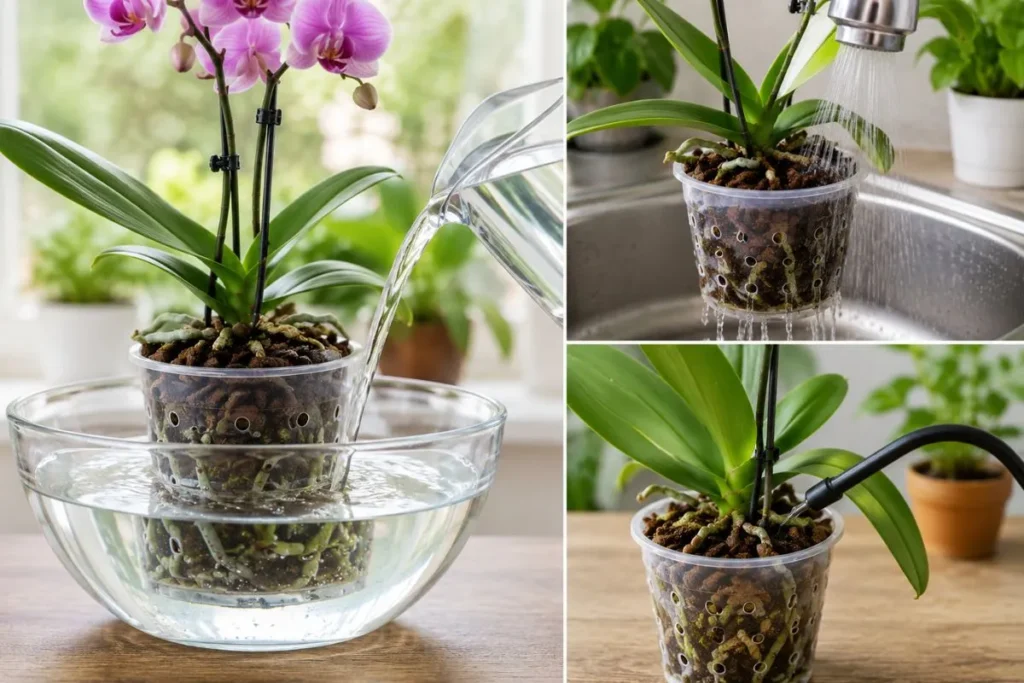
If possible, use room-temperature rainwater, filtered water, or distilled water because these contain fewer minerals than hard tap water. After watering, always empty the saucer beneath the pot so the roots never remain in standing water.
Following these simple orchid watering schedule practices helps create healthy growing conditions and encourages stronger root development.
Signs Your Orchid Needs Water
Learning to recognize when your orchid needs water is another important part of how to care for an orchid after it blooms. Instead of guessing, observe the plant and its roots.
Healthy orchid roots are usually green after watering and gradually become silvery-gray as they dry. When most of the roots have turned silvery and the potting mix feels almost dry, it’s time to water again.
You may also notice slightly softer leaves or a lighter pot as signs that the plant is ready for water. Paying attention to these natural indicators helps you avoid unnecessary watering and supports healthy orchid roots.
Signs of an Overwatered Orchid
Overwatering is one of the most common problems people face while learning how to care for an orchid after it blooms. Too much water prevents the roots from receiving enough oxygen and creates conditions that encourage root rot.
Some common signs of an overwatered orchid include yellow leaves, soft or mushy roots, black or brown roots, a musty smell from the potting mix, and slow plant growth. If you notice these symptoms, reduce watering immediately and allow the growing medium to dry before watering again.
Maintaining the proper orchid watering schedule is the best way to prevent these problems.
Signs of an Underwatered Orchid
Although orchids dislike sitting in wet conditions, they still need regular moisture to stay healthy. An underwatered orchid may develop wrinkled or limp leaves, dry aerial roots, and slower overall growth.
If your orchid shows these signs, water it thoroughly and then return to a consistent watering routine. Finding the right balance between too much and too little water is the key to successful how to care for an orchid after it blooms and long-term plant health.
How to Prevent Root Rot
One of the most valuable lessons in how to care for an orchid after it blooms is learning how to prevent root rot. Healthy roots are the foundation of a healthy orchid, so protecting them should always be a priority.
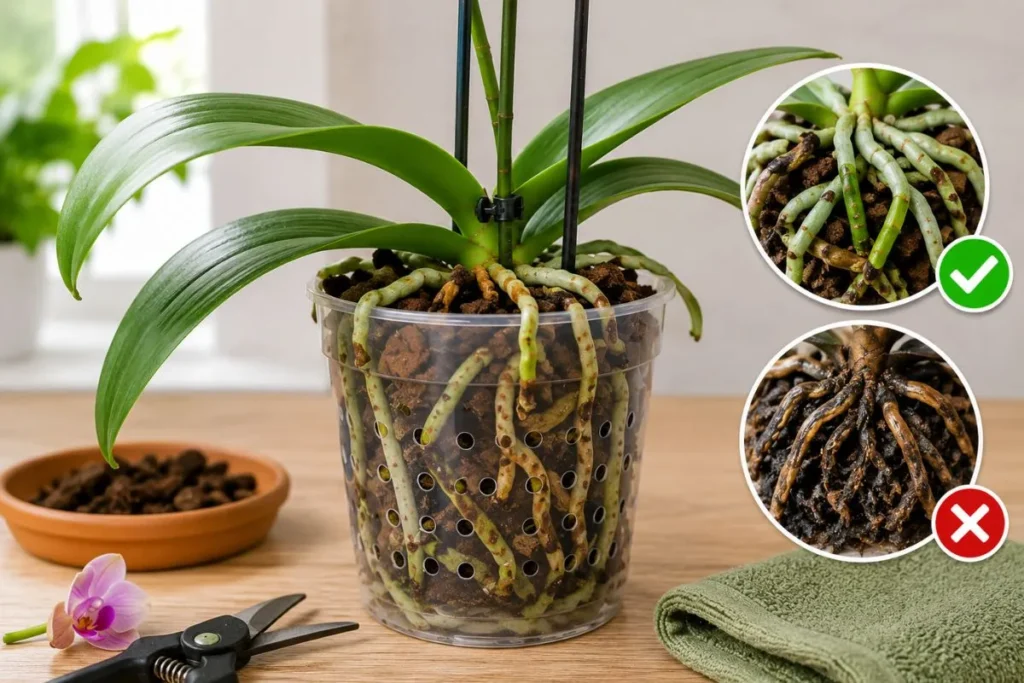
Use a well-draining orchid potting mix, choose a pot with drainage holes, water only when the growing medium is nearly dry, and never allow water to collect around the roots. Good air circulation around the roots also helps them stay healthy.
Following these simple orchid root rot prevention practices greatly reduces the risk of root problems and supports stronger future blooms.
Give Your Orchid the Right Amount of Light
One of the most common misunderstandings is that that placing an orchid in direct sunlight all day will help it bloom faster. In reality, too much direct sunlight can damage the leaves and reduce the plant’s overall health.
If you’re learning how to care for an orchid after it blooms, providing the right amount of light is one of the most important factors for encouraging healthy growth and future flowers. The goal isn’t the brightest location—it’s the right balance of light.
Bright Indirect Sunlight Is Best
A key part of how to care for an orchid after it blooms is giving your orchid bright, indirect sunlight. Most indoor orchids, especially Phalaenopsis orchids, grow naturally under the canopy of trees, where they receive filtered light instead of harsh direct sun.
Place your orchid where it can receive 6 to 8 hours of bright, indirect light each day. This amount of light supports healthy leaf growth, strengthens the roots, and prepares the plant for another blooming cycle.
Following this simple step is one of the easiest ways to improve orchid care after blooming and maintain a healthy plant.
Choose the Best Window Location
Finding the right location is another important part of how to care for an orchid after it blooms. An east-facing window is usually the best choice because it provides gentle morning sunlight that orchids love.
A south-facing or west-facing window can also work if you filter the light with a sheer curtain to protect the leaves from strong afternoon sun.
If your orchid sits in a north-facing window, it may not receive enough light to grow properly or bloom again. Choosing the right window helps maintain healthy growth and supports successful post-bloom orchid care.
Indoor Light Requirements
If you’re wondering how to care for an orchid after it blooms indoors, consistent lighting should be a top priority. Indoor orchids need bright natural light throughout the day but should be protected from direct midday sunlight.
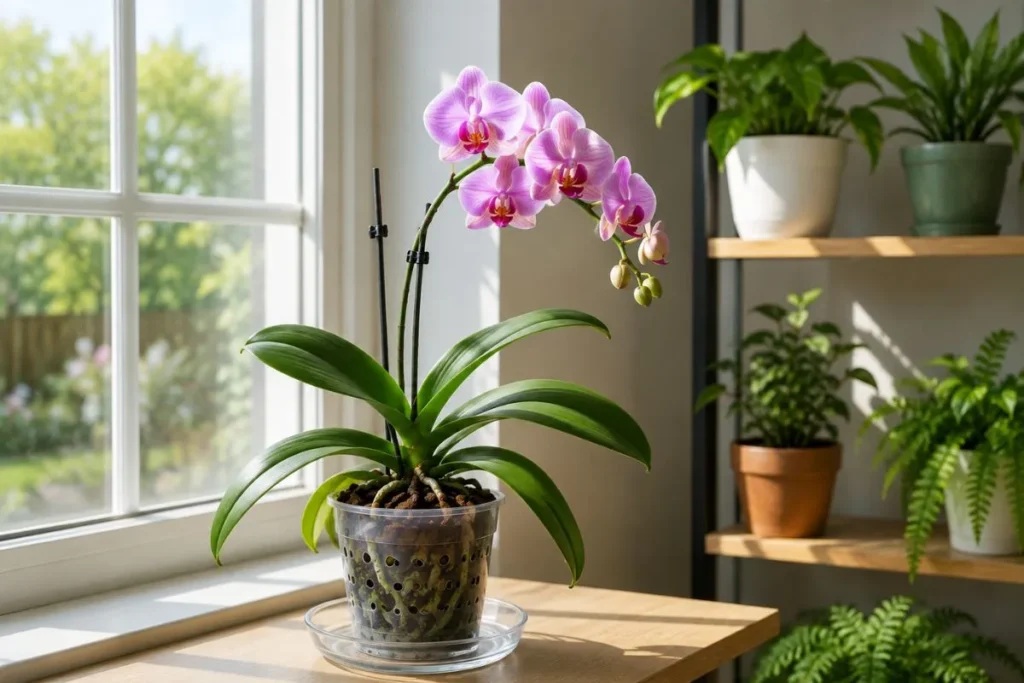
A simple way to keep your orchid growing evenly is to rotate the pot every week. This allows every side of the plant to receive equal light and prevents it from leaning toward the window.
Providing the proper indoor lighting is one of the best ways to care for an orchid after it blooms and encourages balanced growth throughout the year.
Can Grow Lights Help?
Yes. If your home doesn’t receive enough natural sunlight, grow lights are an excellent solution. Using a full-spectrum LED grow light can provide the light orchids need to continue growing after the blooming season.
Place the grow light about 12 to 18 inches above the plant and keep it on for 10 to 12 hours each day. This closely mimics natural daylight and helps support healthy leaves, roots, and future flower spikes.
For anyone learning how to care for an orchid after it blooms indoors, grow lights are a reliable option during winter or in rooms with limited sunlight.
Signs Your Orchid Needs More Light
Recognizing light-related problems is an important part of how to care for an orchid after it blooms. When an orchid doesn’t receive enough light, it often produces dark green leaves, slow growth, and very few or no flowers during the next blooming season.
The plant may also become weak and lean toward the nearest light source. If you notice these signs, move your orchid to a brighter location or use a grow light to improve its growing conditions.
Healthy lighting is one of the biggest factors in helping an orchid bloom again.
Signs Your Orchid Is Getting Too Much Light
Too much sunlight can be just as harmful as too little. If your orchid receives excessive direct sunlight, the leaves may develop yellow patches, faded areas, brown burn marks, or dry edges.
If this happens, move the plant away from direct afternoon sunlight or filter the light with a thin curtain. Making small adjustments early helps protect the leaves and supports healthier orchid care after blooming.
Fertilize Your Orchid Correctly
It’s not uncommon to hear that that feeding an orchid with lots of fertilizer after it blooms will make it flower again quickly. In reality, too much fertilizer can weaken the plant and even damage its roots.
If you’re learning how to care for an orchid after it blooms, using the right fertilizer in the right amount is much more important than fertilizing often. A simple feeding routine helps your orchid grow stronger leaves, healthier roots, and better flower spikes for the next blooming season.
Does an Orchid Need Fertilizer After Blooming?
Yes, but only in moderation. An important part of how to care for an orchid after it blooms is providing nutrients while the plant is growing new roots and leaves. After flowering, orchids begin storing energy for their next bloom cycle, and a small amount of fertilizer helps support this natural process.
Instead of feeding the plant every week with a strong fertilizer, use a balanced approach. Proper orchid care after blooming focuses on steady growth rather than forcing new flowers too soon.
Choose the Best Fertilizer for Orchids
Selecting the right fertilizer is another key step in how to care for an orchid after it blooms. A balanced, water-soluble orchid fertilizer such as 20-20-20 or a fertilizer specially made for orchids works well for most varieties.
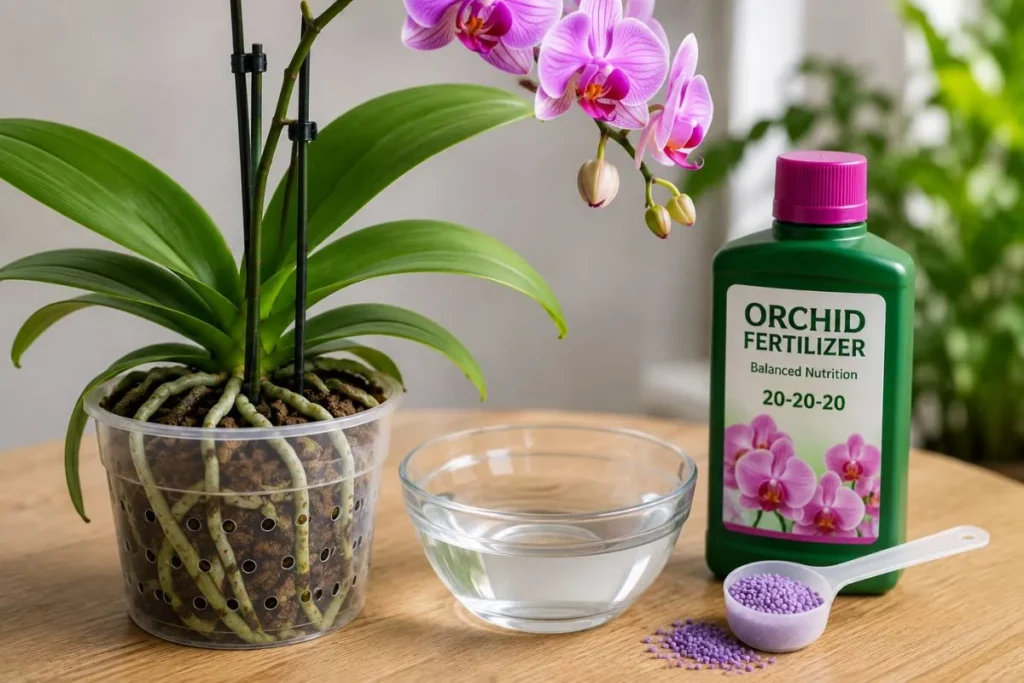
Always dilute the fertilizer to half or quarter strength before applying it. Orchids are light feeders, and weaker solutions provide enough nutrients without damaging the roots. Following this method is considered one of the best fertilizer for orchids practices recommended by experienced growers.
Follow the Right Fertilizing Schedule
A consistent feeding schedule is essential for how to care for an orchid after it blooms. During spring and summer, when the orchid is actively growing, fertilize every two to four weeks using a diluted fertilizer solution.
As growth slows during autumn and winter, reduce fertilizing or stop completely if the plant enters a resting period. This simple orchid fertilizer schedule allows the plant to absorb nutrients when it needs them most without encouraging weak growth.
If you’re searching for how to fertilize an orchid after it blooms, remember that light, regular feeding is far better than heavy applications.
How to Apply Fertilizer Properly
Applying fertilizer correctly is just as important as choosing the right product. When practicing how to care for an orchid after it blooms, always water the orchid lightly before fertilizing. Moist roots absorb nutrients more safely and reduce the chance of fertilizer burn.
Pour the diluted fertilizer evenly through the potting mix until it drains from the bottom of the pot. Never allow fertilizer to collect around the roots, and avoid spraying concentrated fertilizer directly onto the leaves.
This simple routine supports healthy orchid growth tips and keeps the root system strong.
Common Fertilizing Mistakes to Avoid
Avoiding common mistakes is an important part of how to care for an orchid after it blooms. One of the biggest errors is using too much fertilizer. Excess nutrients can build up in the potting mix, burn the roots, and slow healthy growth.
Another mistake is fertilizing a completely dry orchid. Dry roots are more sensitive and can be damaged by concentrated nutrients. Applying fertilizer during the orchid’s dormant period is another common error because the plant is not actively using those nutrients.
Using regular garden plant fertilizer instead of an orchid-specific product can also create nutrient imbalances. Choosing the correct fertilizer and following the proper schedule helps maintain healthy growth throughout the year.
Signs of Too Much Fertilizer
Knowing the warning signs is another useful part of how to care for an orchid after it blooms. An overfertilized orchid may develop brown leaf tips, yellow leaves, white salt deposits on the potting mix, or damaged roots. Growth may also slow even though the plant is receiving regular care.
If you notice these symptoms, stop fertilizing for several weeks and flush the potting mix with clean water to remove excess fertilizer salts. This gives the roots time to recover before you restart a light feeding schedule.
Frequently Asked Questions (FAQ)
How do you care for an orchid after it blooms?
The best way to how to care for an orchid after it blooms is to continue caring for the plant even after the flowers have fallen off.
Water only when the potting mix begins to dry, provide bright indirect sunlight, maintain good humidity, fertilize lightly during the growing season, and prune the flower spike only when necessary.
Consistent orchid care after blooming helps the plant stay healthy and prepares it for another blooming cycle.
Should I Cut the Orchid Stem After Flowering?
When learning how to care for an orchid after it blooms, many people wonder whether they should cut the flower stem immediately. The answer depends on its condition.
If the flower spike is still green, leave it because it may produce another branch or bloom. If it has turned completely brown and dry, trim it near the base using clean, sterilized pruning shears. Proper orchid stem care helps direct the plant’s energy toward healthy new growth.
How Often Should I Water an Orchid After It Blooms?
A common part of how to care for an orchid after it blooms is knowing the correct watering schedule. Instead of watering on fixed days, check the potting mix first.
Most indoor orchids need water about once every 7 to 10 days, but this varies depending on temperature and humidity. Always allow excess water to drain completely to help prevent orchid root rot and maintain healthy roots.
How Do I Make My Orchid Bloom Again?
If you’re wondering how to make an orchid bloom again after flowering, focus on providing the right growing conditions. Give your orchid bright indirect light, water it properly, fertilize every two to four weeks during active growth, and allow it to complete its natural resting period. Healthy roots, strong leaves, and consistent care greatly improve the chances of another beautiful bloom.
Can Orchids Bloom More Than Once a Year?
Yes. With proper how to care for an orchid after it blooms, many Phalaenopsis orchids can bloom once or even twice each year. Some healthy orchids may also produce a secondary flower spike from an existing green stem.
While blooming frequency depends on the orchid variety and growing conditions, proper care significantly increases the likelihood of repeat flowering.
Should I Fertilize an Orchid After Blooming?
Yes, but only in moderation. An important part of how to care for an orchid after it blooms is feeding the plant with a balanced orchid fertilizer during its active growing season.
Use a diluted fertilizer every two to four weeks and avoid overfeeding. This supports healthy leaf and root development without damaging the plant.
When Should I Repot an Orchid?
Repotting is another important step in how to care for an orchid after it blooms. The best time to repot is after flowering has finished and new root growth begins.
Most orchids benefit from repotting every one to two years or whenever the potting mix starts breaking down. Fresh orchid bark improves drainage and supports healthy root growth.
Why Are My Orchid Leaves Turning Yellow?
Yellow leaves can have several causes, including overwatering, too much direct sunlight, poor drainage, or natural aging of older leaves. If you’re practicing how to care for an orchid after it blooms, inspect the roots, watering routine, and light conditions before making changes.
Correcting the underlying issue usually helps restore healthy growth.
Can I Keep My Orchid Indoors After It Blooms?
Absolutely. In fact, indoor growing is one of the easiest ways to practice how to care for an orchid after it blooms indoors. Place your orchid near a bright window with indirect sunlight, maintain moderate humidity, and avoid cold drafts or heating vents.
With proper indoor care, orchids can remain healthy and bloom again year after year.
How Long Does It Take an Orchid to Bloom Again?
The time required for reblooming depends on the orchid variety and how well it is cared for. Most Phalaenopsis orchids bloom again within 6 to 12 months after their previous flowers fade.
Following the correct how to care for an orchid after it blooms routine including proper watering, lighting, fertilizing, and temperature gives your orchid the best chance of producing healthy new flowers during the next blooming season.
Conclusion
Learning how to care for an orchid after it blooms is easier than most people think. Once the flowers fade, your orchid simply enters a new stage of its natural growth cycle.
With proper watering, bright indirect sunlight, balanced fertilizing, timely pruning, and occasional repotting, you can keep your orchid healthy and encourage it to bloom again.
Following a consistent orchid care after blooming routine is the key to long-lasting growth and beautiful flowers.
The best way to care for an orchid after it blooms is to focus on its everyday needs rather than trying to force quick results. Allow the potting mix to dry slightly before watering, provide the right amount of light, maintain good humidity, and inspect the roots and leaves regularly.
These simple habits help keep an orchid healthy after blooming and reduce the risk of common problems like root rot, yellow leaves, and poor flowering.
Remember that every orchid grows at its own pace. Some may bloom again within a few months, while others need a longer resting period. Be patient and continue providing proper post-bloom orchid care throughout the year.
Healthy roots, strong leaves, and the right growing conditions are the foundation for future blooms.
Now that you know how to care for an orchid after it blooms, you can confidently give your plant the care it deserves. By following the practical tips shared in this guide, you’ll enjoy healthier orchids, stronger flower spikes, and more beautiful blooms season after season.
With a little consistency and the right care routine, your orchid can thrive for many years and continue adding beauty to your home.

Plant Nest Blog’s author is passionate about plants, gardening, and sustainable living. Through research and practical experience, they share helpful plant care tips, gardening guides, and easy solutions to help readers grow healthier plants and create greener spaces.