
Many people believe the only way to keep rabbits from eating plants naturally is to use harsh chemicals, traps, or expensive commercial repellents. That’s simply not true. In fact, some of the most effective ways to protect your garden are completely natural, safe, and affordable.
With the right combination of simple techniques, you can keep rabbits away while creating a healthier garden for your family, pets, and local wildlife.
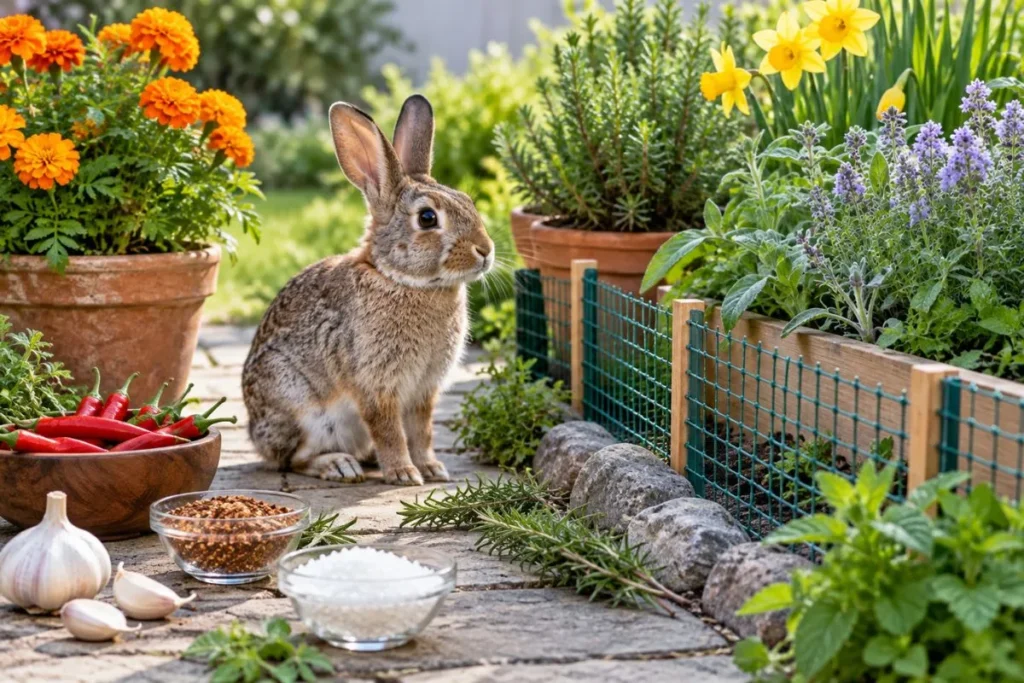
If you’ve been wondering how to keep rabbits from eating plants naturally, you’re in the right place. Whether you’re growing vegetables, colorful flowers, or ornamental shrubs, rabbits can quickly turn your hard work into their next meal.
The good news is that you don’t have to harm them to protect your garden. In this guide, you’ll learn practical, eco-friendly methods that actually work, from using a natural rabbit repellent for plants to choosing rabbit-resistant plants and creating a rabbit-proof garden that naturally keeps these hungry visitors away.
Why Are Rabbits Eating Your Plants?
Before you can stop rabbits, it helps to understand why they’re visiting your garden in the first place. Many gardeners immediately look for a natural rabbit repellent, but understanding what attracts rabbits is the first step toward finding a long-term solution.
Once you know why they’re coming, it’s much easier to keep rabbits away naturally and reduce future damage.
Gardens Are an Easy Food Source
Your garden is like an all-you-can-eat buffet for rabbits. Fresh vegetables, tender flowers, herbs, and young seedlings are full of moisture and nutrients, making them much more attractive than many wild plants.
That’s why rabbit garden damage often appears overnight, especially during the growing season. Leafy vegetables such as lettuce, spinach, peas, beans, and carrots are among their favorite foods.
Many flowering plants are also tempting because of their soft leaves and delicate blooms. If your yard provides an easy meal, rabbits will likely return again and again.
Rabbits Prefer Tender New Growth
Young plants are especially vulnerable because they’re soft, fresh, and easy to chew. Seedlings, newly planted vegetables, and fresh flower shoots are much more appealing than mature plants with tougher stems.
This is one reason many gardeners notice the worst damage in spring. Protecting young plants early is one of the easiest ways to prevent rabbits from eating garden plants before they become a regular problem.
Seasonal Feeding Habits Matter
Rabbit behavior changes throughout the year, and understanding these rabbit feeding habits can help you protect your garden more effectively. During spring, rabbits actively search for fresh shoots, seedlings, and young vegetables.
In summer, they continue feeding on vegetables, herbs, and flowers while plenty of fresh growth is available. As fall arrives and natural food sources become scarce, gardens become even more attractive.
During winter, rabbits often switch to chewing bark, twigs, and woody stems because green plants are harder to find. Knowing these seasonal patterns allows you to prepare your garden before rabbits start causing serious damage.
Shelter Is Just as Important as Food
Food isn’t the only reason rabbits visit your yard. They also look for safe places where they can hide from predators. Tall grass, thick shrubs, brush piles, wood stacks, and overgrown corners provide perfect shelter.
When your garden offers both food and protection, rabbits are much more likely to stay nearby. Cleaning up these hiding spots is a simple but effective part of backyard rabbit control, especially when combined with other natural ways to stop rabbits from eating plants.
Young Rabbits vs. Adult Rabbits
Young rabbits usually stay close to their nests and feed on whatever plants are nearby. Adult rabbits, however, travel farther and quickly learn where they can find reliable food.
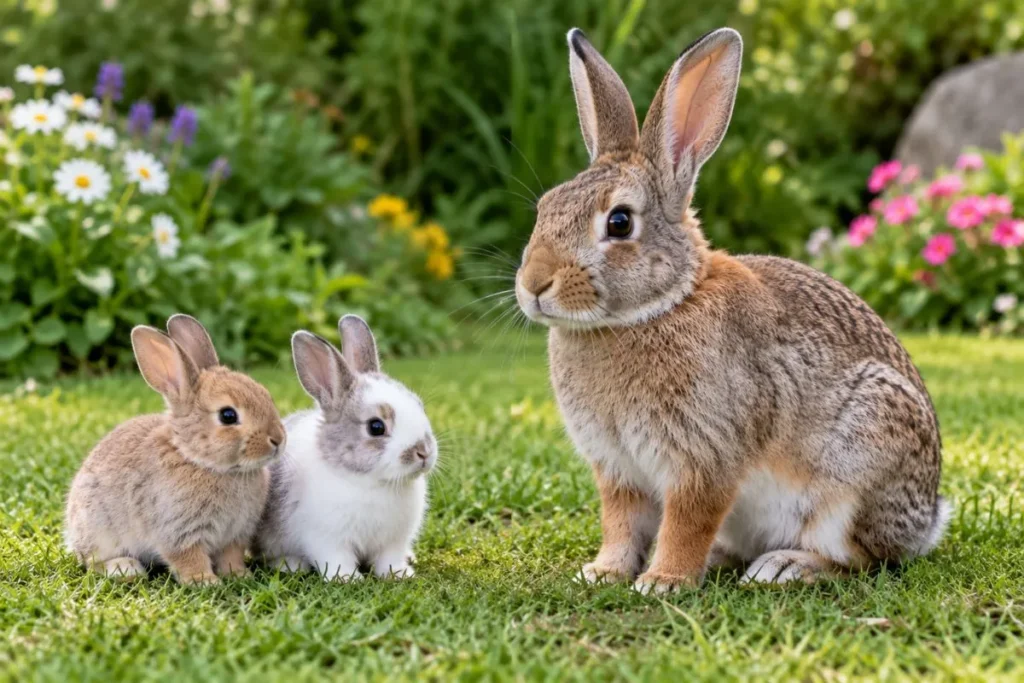
Once they discover your garden, they often return repeatedly if nothing discourages them. This is why relying on only one rabbit deterrent for gardens rarely works for long.
Combining several natural methods such as planting rabbit-resistant plants, removing shelter, and using a safe natural rabbit repellent for plants offers the best protection and helps keep your garden healthy throughout the year.
How to Identify Rabbit Damage in Your Garden
Many people assume that any damaged plant is the result of rabbits. That’s not always the case. Deer, squirrels, slugs, insects, and even birds can leave similar signs behind.
Before you start looking for how to keep rabbits from eating plants naturally, it’s important to make sure rabbits are actually the ones causing the damage. Correctly identifying the problem helps you choose the right rabbit damage prevention method and avoid wasting time on solutions that won’t work.
Look for Clean, Angled Cuts on Stems
One of the easiest ways to identify rabbit damage is by checking the stems of your plants. Rabbits have sharp front teeth that leave neat, clean cuts, usually at a 45-degree angle. Unlike deer, which tear and shred plants because they don’t have upper front teeth, rabbits make smooth, precise bites.
You’ll often notice this type of damage on young vegetables, flowers, and newly planted shrubs. If you see cleanly clipped stems close to the ground, there’s a good chance rabbits are responsible.
Watch for Missing Leaves and Tender Shoots
Rabbits love fresh, soft growth. They often eat leaves, flower buds, and tender shoots before moving on to tougher parts of the plant. In many cases, you’ll wake up to find healthy-looking plants with large sections of leaves completely gone.
This kind of feeding is common in vegetable gardens, flower beds, and newly planted landscapes. Spotting these early signs allows you to start using a natural rabbit repellent for plants before the damage spreads.
Check Your Seedlings Carefully
Young seedlings are one of a rabbit’s favorite meals. Since they’re small, soft, and easy to chew, rabbits can destroy them in just one night. Sometimes entire seedlings disappear, leaving little evidence behind except short stems or freshly disturbed soil.
If your newly planted vegetables or flowers keep disappearing, it’s a strong sign that you should start thinking about how to protect plants from rabbits naturally before replanting.
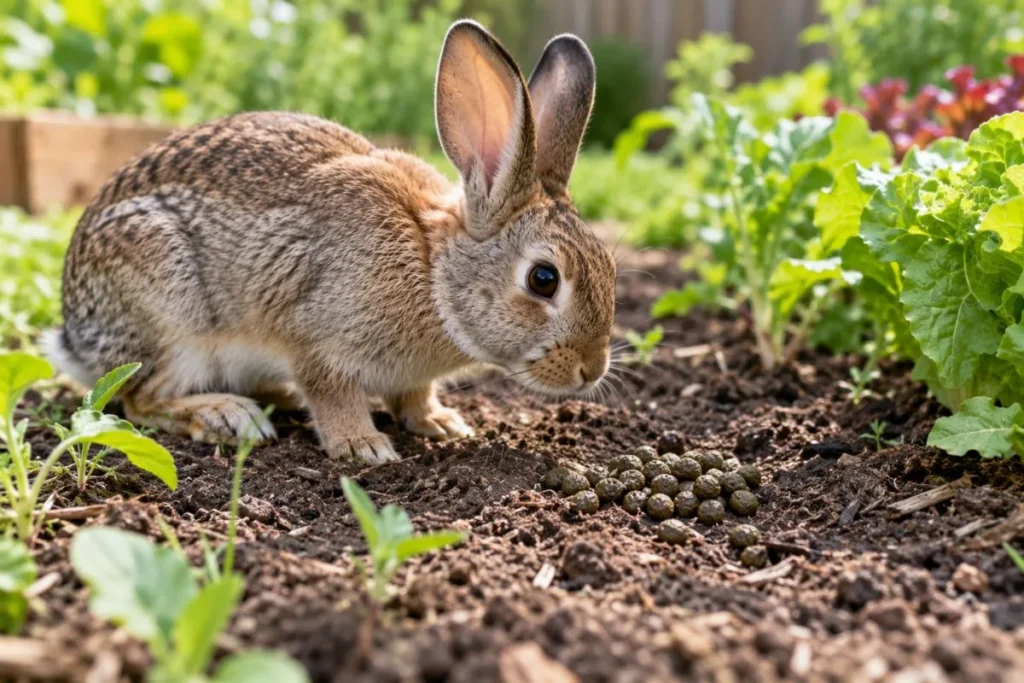
Look for Rabbit Droppings
Rabbit droppings are another clear clue. They are small, round, dry pellets that are usually light brown or dark green. You’ll often find them near damaged plants, along garden paths, or in areas where rabbits regularly feed.
Seeing droppings together with chewed plants is one of the strongest signs that rabbits have made your garden part of their daily routine.
Notice Tracks Around Your Garden
If the soil is soft after rain or watering, rabbit tracks can be easy to spot. Their back feet are much larger than their front feet, creating a distinct hopping pattern. You may also notice worn paths leading into flower beds or vegetable patches where rabbits frequently travel.
Following these trails can help you identify where rabbits are entering your yard, making it easier to improve your rabbit-proof landscaping and place natural deterrents in the most effective locations.
Why Correct Identification Matters
Correctly identifying rabbit damage saves both time and money. Many gardeners mistakenly treat insect problems, deer damage, or plant diseases as rabbit issues. As a result, they use repellents that don’t solve the real problem.
Once you’re certain rabbits are responsible, you can confidently use the right rabbit deterrent for gardens, install protective barriers where needed, and apply the most effective natural ways to repel rabbits.
Taking a few minutes to identify the signs before choosing a solution will help you protect your garden more successfully in the long run.
How to Keep Rabbits From Eating Plants Naturally
Many gardeners believe there’s one miracle product that will completely solve a rabbit problem overnight. Unfortunately, that’s one of the biggest myths about how to keep rabbits from eating plants naturally.
Rabbits are smart and adaptable. They can quickly become familiar with a single repellent or deterrent if it’s used alone. The most successful approach is to combine several natural methods that make your garden less attractive while keeping it safe for children, pets, beneficial insects, and wildlife.
If you’re looking for a long-term solution instead of a temporary fix, the following proven methods will help you build a rabbit-proof garden and significantly reduce rabbit garden damage without using harmful chemicals.
Install a Rabbit-Proof Fence
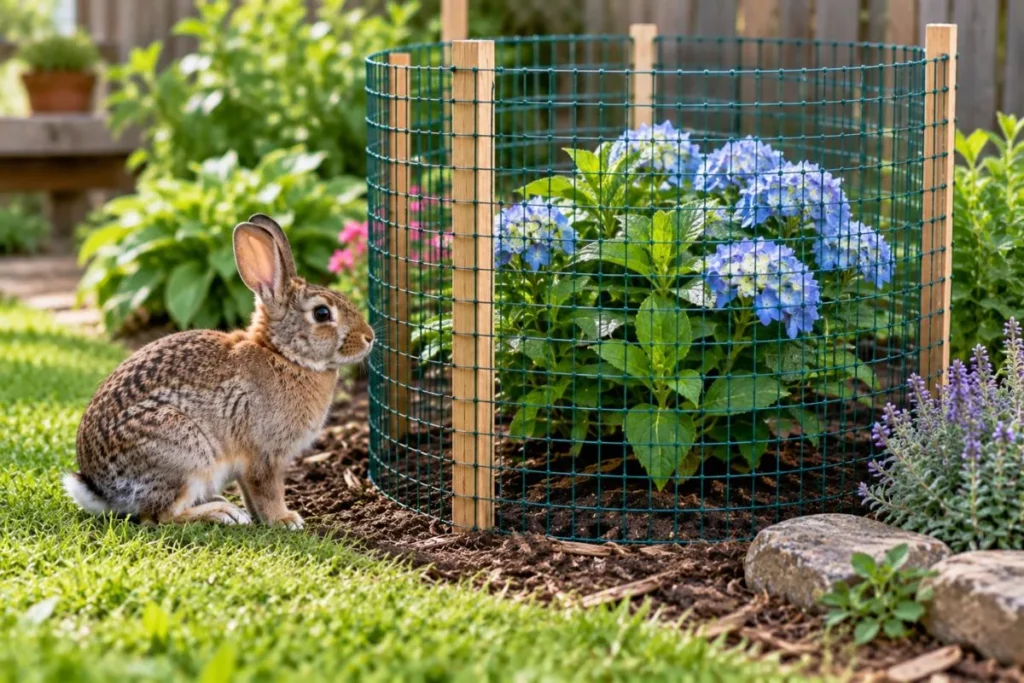
A well-built fence is one of the most dependable ways to protect your garden. Since rabbits are excellent at squeezing through small gaps, use galvanized wire mesh with openings no larger than one inch.
The fence should stand about two to three feet high, as rabbits rarely jump higher than that.
Just as important, bury the bottom of the fence at least six inches underground and bend the buried section outward. This prevents rabbits from digging underneath the barrier.
If you have a vegetable garden, surrounding the entire growing area with fencing is usually more effective than protecting individual plants.
Although installing a fence requires some effort, it offers one of the best long-term solutions for anyone wondering how to keep rabbits away from plants naturally.
Related Keywords: rabbit-proof garden, rabbit barrier fence, garden fencing for rabbits, rabbit exclusion methods
Grow Rabbit-Resistant Plants
One of the easiest natural strategies is choosing plants that rabbits don’t enjoy eating. While no plant is completely rabbit-proof, many varieties have strong fragrances, fuzzy leaves, or bitter flavors that naturally discourage feeding.
Herbs like lavender, rosemary, sage, thyme, oregano, and mint are excellent choices because their strong scent confuses rabbits and makes nearby plants less noticeable. Flowers such as marigolds, yarrow, salvia, and alliums also help reduce browsing while adding color to your landscape.
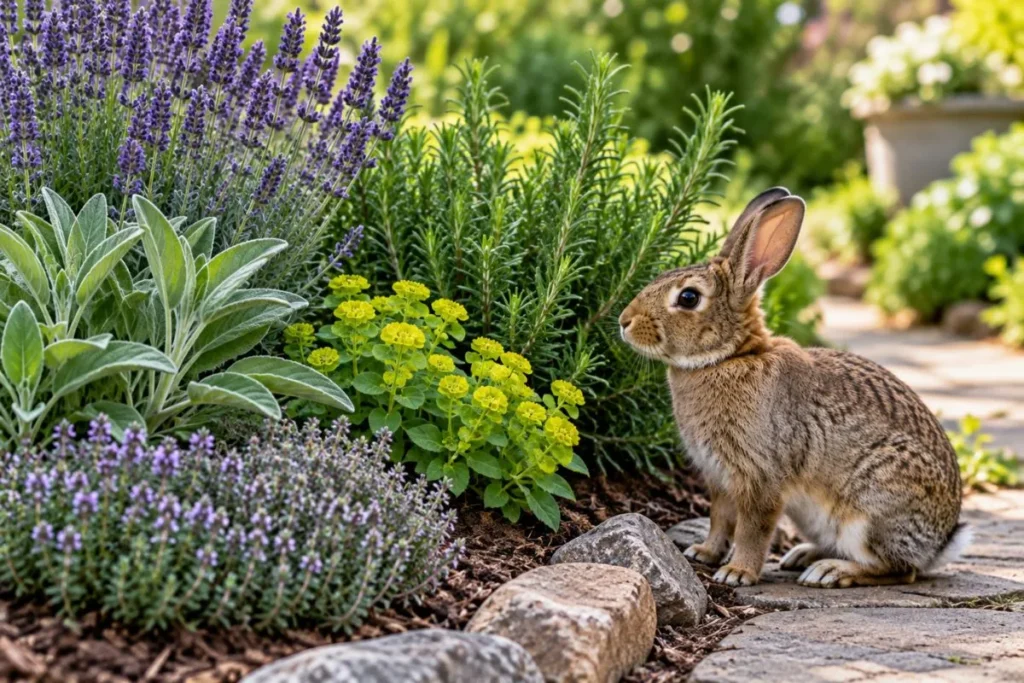
Planting these rabbit-resistant plants around vegetables creates a natural border that makes your garden less inviting. This technique works especially well when combined with fencing or homemade repellents.
Related Keywords: plants rabbits avoid, rabbit deterrent plants, herbs that repel rabbits, rabbit-resistant flowers
Make a Homemade Rabbit Repellent
If you prefer a budget-friendly solution, making your own homemade rabbit repellent for vegetable gardens is a great option. Natural ingredients with strong smells and spicy flavors can discourage rabbits from feeding without harming your plants.
A popular homemade spray combines water, crushed garlic, cayenne pepper, and a few drops of mild dish soap to help the mixture stick to leaves. Lightly spray around the plants instead of soaking edible portions, and always reapply after heavy rain or watering because natural ingredients break down quickly outdoors.
Remember that homemade repellents work best as a preventive measure. Once rabbits have already developed a habit of feeding in your garden, combining sprays with other natural rabbit control methods will yield much better results.
Related Keywords: homemade rabbit repellent, DIY rabbit repellent, garlic rabbit repellent, cayenne pepper rabbit repellent
Use Strong Natural Scents Rabbits Dislike
Rabbits depend heavily on their sense of smell when searching for food. Strong scents can confuse them and encourage them to move elsewhere.
Garlic, onions, white vinegar, peppermint oil, and certain essential oils are commonly used as natural scent deterrents. Instead of spraying these directly onto delicate plants, apply them around garden borders, fence posts, or cotton balls placed near vulnerable areas.
This creates a scent barrier without damaging foliage.
If you’ve ever asked what smells keep rabbits away from plants, rotating several natural scents is usually more effective than relying on only one. Rabbits can gradually become accustomed to familiar odors if they’re never changed.
Related Keywords: scent repellents for rabbits, vinegar rabbit repellent
Sprinkle Coffee Grounds Around Plants
Coffee grounds are another popular home remedy used by many gardeners. Their strong aroma may discourage rabbits while also adding small amounts of organic matter to the soil as they decompose.
Although scientific evidence is mixed, many gardeners report better results when coffee grounds are used alongside other natural repellents instead of as a standalone solution. Fresh grounds generally produce a stronger scent, so replacing them every few days improves effectiveness.
Coffee grounds should be applied in moderation because excessive amounts can affect soil acidity around sensitive plants.
Related Keyword: coffee grounds for rabbits
Plant Natural Rabbit Deterrents Around Your Garden
Creating a protective border using fragrant plants is an attractive and eco-friendly solution. Instead of relying entirely on sprays, surround flower beds and vegetable gardens with plants that naturally discourage rabbits.
Marigolds, lavender, oregano, rosemary, salvia, and alliums release aromas that rabbits generally dislike. This method also attracts beneficial pollinators like bees and butterflies, making your garden healthier overall.
Using these natural deterrent plants as companion borders is one of the easiest ways to support long-term organic rabbit control.
Related Keywords: marigolds to repel rabbits, herbs that repel rabbits, rabbit deterrent plants
Use Predator Scents Carefully
In nature, rabbits constantly avoid areas where predators are present. Products made from fox or coyote scent can temporarily create that same feeling of danger.
Apply predator scents around the outer edges of your garden rather than directly on edible crops. Since rainfall and sunlight reduce their strength, regular reapplication is necessary to maintain effectiveness.
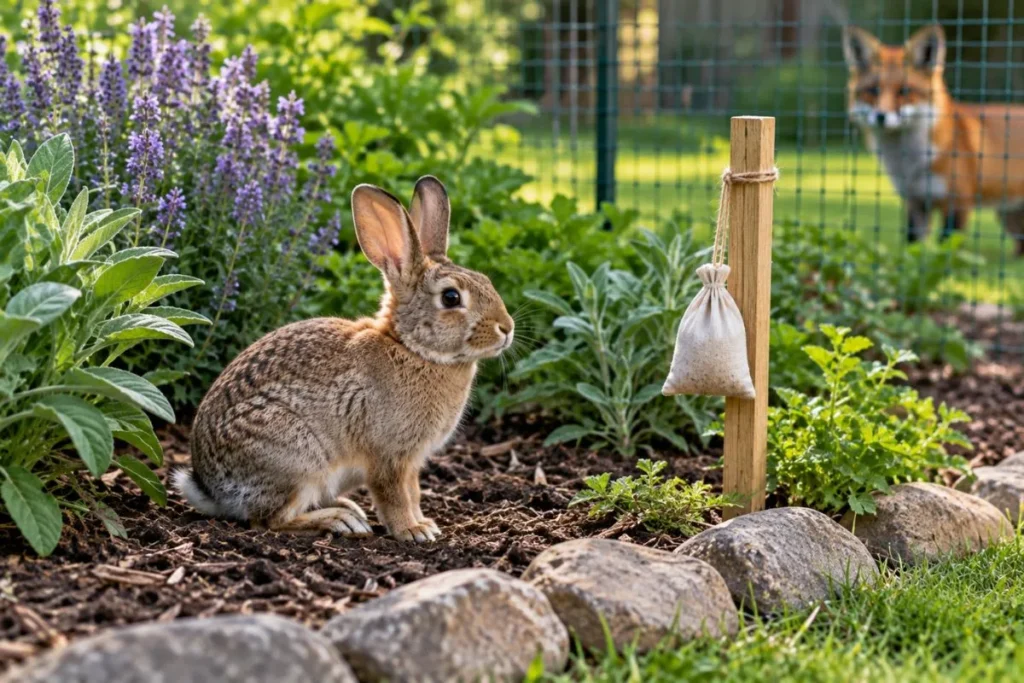
Predator scents are most useful in rural areas where rabbits naturally recognize these animals as threats.
Related Keyword: predator scent for rabbits
Cover Young Plants with Garden Netting
Young seedlings and newly transplanted vegetables are especially vulnerable because they are tender and easy to eat. Covering them with lightweight garden netting or floating row covers creates a physical barrier while still allowing sunlight, rain, and airflow to reach the plants.
Small wire cages can also protect individual plants until they become mature enough to withstand occasional nibbling. This method is particularly effective for gardeners searching for how to protect plants from rabbits naturally without affecting plant growth.
Protect Raised Garden Beds
Raised garden beds provide an extra level of protection because rabbits must climb before reaching the plants. However, raised beds alone won’t stop determined rabbits.
For the best results, attach wire mesh around the sides or install a removable protective cover. This combination creates an excellent defense for leafy greens, herbs, and other crops that rabbits commonly target.
Related Keyword: rabbit-proof raised beds
Remove Rabbit Hiding Places
A garden with plenty of shelter naturally attracts rabbits. Thick shrubs, tall weeds, brush piles, stacked firewood, and dense ground cover provide ideal places for rabbits to hide during the day.
Regularly trimming vegetation and removing unnecessary debris makes your yard feel less secure to rabbits. Without nearby shelter,they are much less likely to remain in the area, even if food is available.
Keep Your Garden Clean
Good garden maintenance is one of the simplest forms of rabbit damage prevention. Harvest vegetables as soon as they ripen, remove fallen fruit, clean up plant debris, and avoid leaving overgrown areas around garden beds.
A tidy garden reduces food sources and eliminates places where rabbits feel comfortable feeding unnoticed.
Rotate Natural Repellents
Using the same repellent continuously allows rabbits to become familiar with it over time. Rotating different natural deterrents every few weeks keeps the environment unpredictable and increases their effectiveness.
For example, alternate between garlic spray, vinegar, coffee grounds, fragrant herbs, and predator scents. This simple strategy is often overlooked but plays an important role in long-term natural rabbit control.
Add Motion or Noise Deterrents
Rabbits prefer quiet, predictable environments. Sudden movement or unexpected sounds can make them uncomfortable enough to leave.
Motion-activated sprinklers, reflective garden tape, spinning pinwheels, hanging aluminum strips, and wind chimes all create movement that startles rabbits without harming them. Changing their location occasionally prevents rabbits from getting used to them.
How to Protect Specific Plants From Rabbits
Many gardeners believe every plant needs the same type of protection from rabbits. In reality, different plants attract rabbits for different reasons. Tender vegetables, colorful flowers, and young seedlings all require slightly different protection strategies.
Knowing what works best for each type of plant makes it much easier to keep rabbits from eating plants naturally and reduce damage throughout the growing season.
How to Stop Rabbits From Eating Vegetable Plants Naturally
Vegetable gardens are one of the first places rabbits visit because they provide fresh, nutrient-rich food. Crops such as lettuce, spinach, peas, beans, carrots, and beet greens are especially attractive due to their soft leaves and tender stems.
If left unprotected, rabbits can destroy an entire row of vegetables in just a few nights.
One of the most effective ways to stop rabbits from eating vegetable plants naturally is to combine physical barriers with natural deterrents. Installing wire mesh around garden beds, covering young crops with row covers, and planting fragrant herbs like rosemary, sage, thyme, and oregano between vegetables can make the area much less inviting.
Rotating homemade repellents made with garlic or cayenne pepper also helps prevent rabbits from becoming comfortable in your garden.
Harvest vegetables as soon as they mature instead of leaving them outdoors longer than necessary. Removing overripe produce reduces food sources and supports better rabbit damage prevention throughout the season.
Related Keywords: protect vegetables from rabbits, keep rabbits out of vegetable garden, rabbit-resistant vegetables
How to Keep Rabbits Away From Flowers Naturally
Flower beds often suffer just as much damage as vegetable gardens. Rabbits particularly enjoy tulips, pansies, petunias, daisies, and young rose buds because they’re soft and easy to chew.
Repeated feeding can prevent flowering plants from blooming properly and weaken them over time.
The best natural ways to keep rabbits away from flowers include surrounding flower beds with rabbit-resistant flowers such as lavender, marigolds, salvia, yarrow, and alliums.
These plants release strong scents that rabbits usually avoid while adding beauty and variety to your landscape.
Applying natural repellents around the edges of flower beds instead of directly on blooms helps protect delicate petals. Adding decorative fencing or garden netting during peak rabbit activity in spring provides another layer of protection without affecting the appearance of your garden.
Related Keywords: stop rabbits from eating flowers, rabbit-resistant flowers
How to Protect Seedlings
Seedlings need extra care because they are at their most vulnerable stage. Their soft stems and fresh leaves make them easy target, and even a single rabbit can wipe out newly planted vegetables or flowers overnight.
Replacing lost seedlings not only costs money but also delays your growing season.
The simplest way to protect plants from rabbits naturally is to cover seedlings immediately after planting. Lightweight row covers, fine mesh netting, or small wire cages allow sunlight, air, and water to reach the plants while preventing rabbits from feeding on them.
Once seedlings become stronger and develop thicker stems, they’re generally less attractive and better able to recover from minor nibbling.
Checking young plants every morning during the first few weeks also helps you spot damage early. Quick action allows you to strengthen your protection before rabbits develop a habit of returning to the same area.
Frequently Asked Questions
How do you keep rabbits away from plants naturally?
The best way to keep rabbits away from plants naturally is to combine several safe methods instead of relying on just one.
Installing a rabbit-proof fence, planting rabbit-resistant herbs and flowers, using homemade repellents, covering young plants with netting, and removing hiding spots all work together to discourage rabbits.
This layered approach provides better long-term protection than using a single deterrent.
What is the best natural rabbit repellent for plants?
There isn’t one perfect repellent that works in every garden. However, homemade sprays made with garlic and cayenne pepper, fragrant herbs like rosemary and lavender, and physical barriers such as wire mesh are among the most effective natural rabbit repellents for plants.
Rotating different repellents every few weeks can improve results because rabbits are less likely to become accustomed to one scent.
What smells keep rabbits away from plants?
Rabbits generally dislike strong odors. Garlic, onions, white vinegar, peppermint, rosemary, lavender, and cayenne pepper are commonly used to discourage them.
If you’re wondering what smells keep rabbits away from plants, these natural scents are a good place to start. Applying them around the garden rather than directly on edible crops helps protect your plants while avoiding damage to leaves and flowers.
How do I protect plants from rabbits without chemicals?
You can protect plants from rabbits without chemicals by using fine mesh fencing, floating row covers, garden netting, companion planting, and natural homemade repellents.
Keeping your garden clean and removing brush piles or other hiding places also reduces rabbit activity. These methods are safe for children, pets, and beneficial wildlife.
9.5 Can coffee grounds keep rabbits away?
Coffee grounds may help discourage rabbits because of their strong smell, but they should not be your only defense. Some gardeners find them useful when combined with fencing, companion planting, or homemade sprays.
Replacing coffee grounds regularly after rain helps maintain their effectiveness.
Are rabbits afraid of vinegar?
The strong smell of white vinegar can make rabbits avoid certain areas for a short time. However, vinegar loses its scent quickly outdoors, especially after rain or watering.
Using vinegar together with other natural ways to stop rabbits from eating plants provides more reliable protection than using it alone.
What plants do rabbits avoid?
Although no plant is completely rabbit-proof, many have strong fragrances or textures that rabbits usually avoid. Lavender, rosemary, sage, thyme, oregano, mint, yarrow, salvia, marigolds, and alliums are excellent choices.
Including these rabbit-resistant plants around vegetables and flower beds can naturally reduce browsing.
Do marigolds really repel rabbits?
Marigolds can help discourage rabbits because of their distinctive scent, but they are not guaranteed to keep every rabbit away. They work best as part of a broader strategy that includes fencing, companion planting, and other natural deterrents.
Planting marigolds around the edges of garden beds can add an extra layer of protection while brightening your landscape.
How do I rabbit-proof a garden naturally?
If you want to rabbit-proof a garden naturally, start by installing a wire mesh fence with the bottom buried below ground. Add rabbit-resistant plants around the perimeter, protect seedlings with garden netting, rotate natural repellents, and remove areas where rabbits can hide.
Combining these methods creates a strong, long-lasting defense without using harmful chemicals.
How can I keep wild rabbits away from outdoor plants naturally?
To keep wild rabbits away from outdoor plants naturally, make your garden less attractive by removing food sources and hiding places. Protect valuable plants with fencing or mesh covers, grow fragrant herbs that rabbits dislike, and apply natural repellents regularly.
Staying consistent with these methods throughout the year is the most effective way to prevent rabbits from returning.
Conclusion:
Many gardeners assume that protecting plants from rabbits is difficult or requires expensive products. In reality, learning how to keep rabbits from eating plants naturally is all about using the right combination of simple, safe, and consistent methods.
Instead of depending on harmful chemicals or temporary fixes, you can create a garden that naturally discourages rabbits while remaining healthy for your family, pets, and beneficial wildlife.
The most effective approach is to combine several proven techniques. Installing a rabbit-proof fence, growing rabbit-resistant plants, using a natural rabbit repellent for plants, protecting seedlings with garden netting, and removing hiding spots all work together to provide lasting results.
Each method strengthens the others, making it much harder for rabbits to access your vegetables, flowers, and ornamental plants.
It’s also important to stay proactive. Check your garden regularly for signs of rabbit activity, refresh homemade repellents after rain, and protect young plants before damage begins.
Small, consistent efforts throughout the season are far more effective than waiting until rabbits have already made your garden their favorite feeding spot.
Whether you’re trying to keep rabbits away from plants naturally, prevent rabbits from eating garden plants, or simply enjoy a thriving vegetable patch and colorful flower beds, these natural solutions offer a practical and eco-friendly way to protect your hard work.
With patience and the right strategy, you can enjoy a beautiful, productive garden without harming the wildlife around it.

Plant Nest Blog’s author is passionate about plants, gardening, and sustainable living. Through research and practical experience, they share helpful plant care tips, gardening guides, and easy solutions to help readers grow healthier plants and create greener spaces.