
People frequently believe tha growing beautiful flowers requires expert gardening skills, but marigolds are much easier to grow than you might think.
If you want to learn how to grow marigold, start with a few simple steps: choose healthy seeds, prepare suitable soil, provide enough sunlight, and water your plants properly.
These cheerful flowers come in bright shades of yellow, orange, and gold, making them a lovely choice for garden beds, pots, and small home gardens.
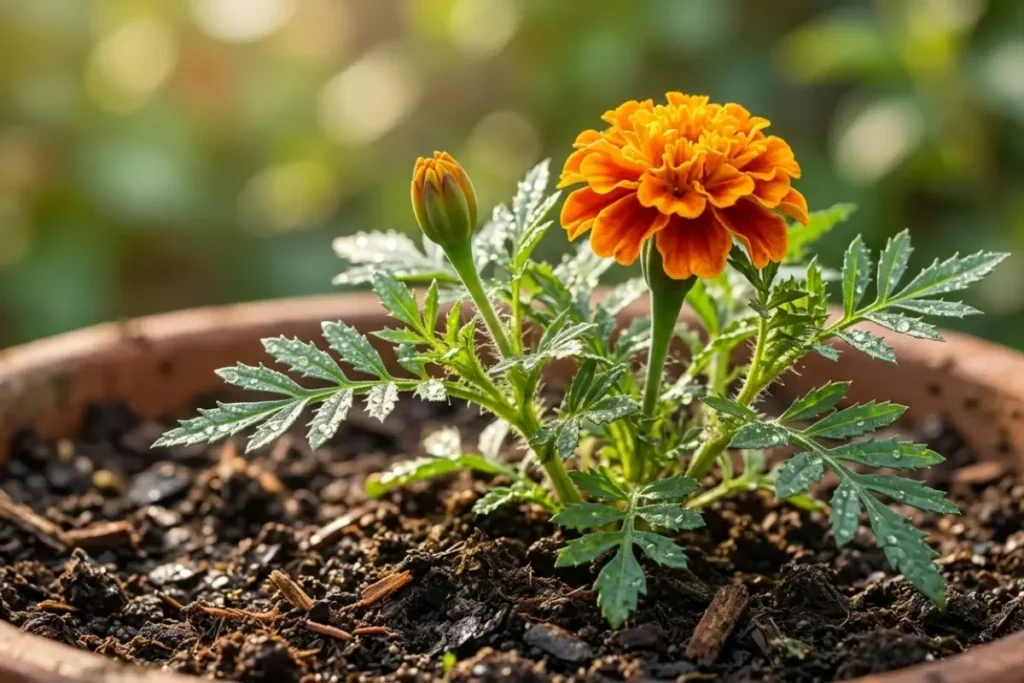
The best part is that marigolds can thrive with basic care, even if you’re new to gardening. Give your plants a sunny spot, use well-draining soil, and remove faded flowers to encourage fresh blooms.
Whether you’re growing marigolds from seeds at home or adding color to your outdoor space, understanding their basic needs will help you grow healthier plants and enjoy more flowers throughout the growing season.
Why Should You Grow Marigold Flowers at Home?
Growing marigolds at home is a simple way to add bright colors and natural beauty to your garden. These cheerful flowers are easy to care for and can grow well in garden beds, pots, and containers.
Whether you’re a beginner or an experienced gardener, marigolds offer plenty of benefits beyond their beautiful blooms. Let’s explore why growing marigolds is a great choice for your home and garden.
Benefits of Growing Marigolds in Your Garden
Marigolds are a great choice for anyone who wants a colorful garden without spending too much time on plant care. They grow relatively quickly, produce bright flowers, and adapt well to many garden settings.
Once established, these plants are fairly easy to maintain, making them suitable for beginners and experienced gardeners alike.
Another benefit of growing marigolds is their long flowering season in suitable conditions. With enough sunlight, proper watering, and occasional deadheading, many varieties continue producing flowers for months.
You can plant them along walkways, around garden borders, or near other ornamental plants to create a lively outdoor space. Marigolds also produce seeds that you can collect and save for future planting, helping you grow more flowers without buying new seeds every season.
Why Marigolds Are Great Flowers for Beginners
If you’re just starting your gardening journey, marigolds are an excellent plant to try. Their seeds are generally easy to germinate in warm conditions, and the seedlings usually develop without complicated care.
You don’t need expensive equipment or advanced gardening knowledge to get started. A suitable pot or garden bed, quality soil, water, and a sunny location are often enough.
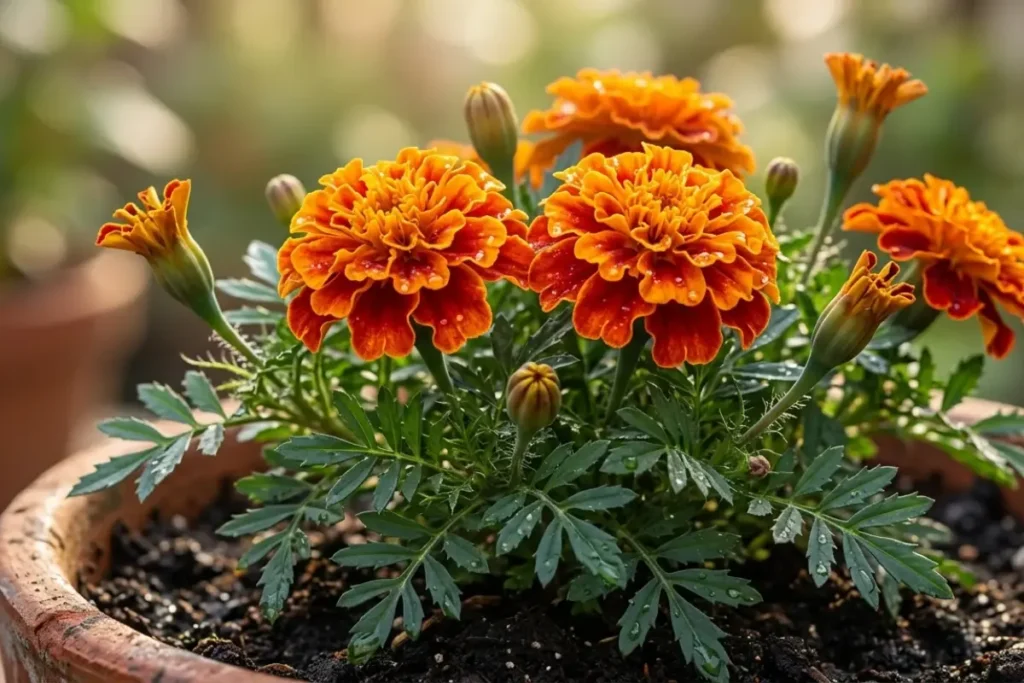
Marigolds also help beginners learn essential gardening skills, such as checking soil moisture, recognizing healthy growth, and removing faded blooms. You can start with a small number of seeds and observe how the plants respond to different conditions.
For the best results, avoid keeping the soil constantly wet, and make sure your containers have drainage holes. These simple habits can make growing marigold plants at home more enjoyable and successful.
How Marigolds Add Color to Garden Beds and Containers
Marigolds can brighten almost any outdoor space because their flowers come in several warm, eye-catching colors. Depending on the variety, you can find compact plants with small blooms or taller varieties with large, full flowers. Their colors look especially attractive alongside green foliage and other flowering plants.
You can grow marigolds in pots on balconies, place them along garden paths, or use them to create colorful borders around flower beds. Compact French marigolds are often suitable for smaller containers, while taller African marigolds can make a bold statement in larger garden spaces.
When choosing a variety, consider its mature height and width so the plants have enough room to grow. A little planning helps you create a neat, colorful display without overcrowding your garden.
Can Marigolds Help Attract Beneficial Insects?
Yes, marigold flowers can attract pollinators and other beneficial insects, depending on the variety and local conditions. Their flowers may provide nectar or pollen for insects such as bees and hoverflies. Adding marigolds to a mixed garden can support a more diverse outdoor environment while bringing extra color to your planting area.
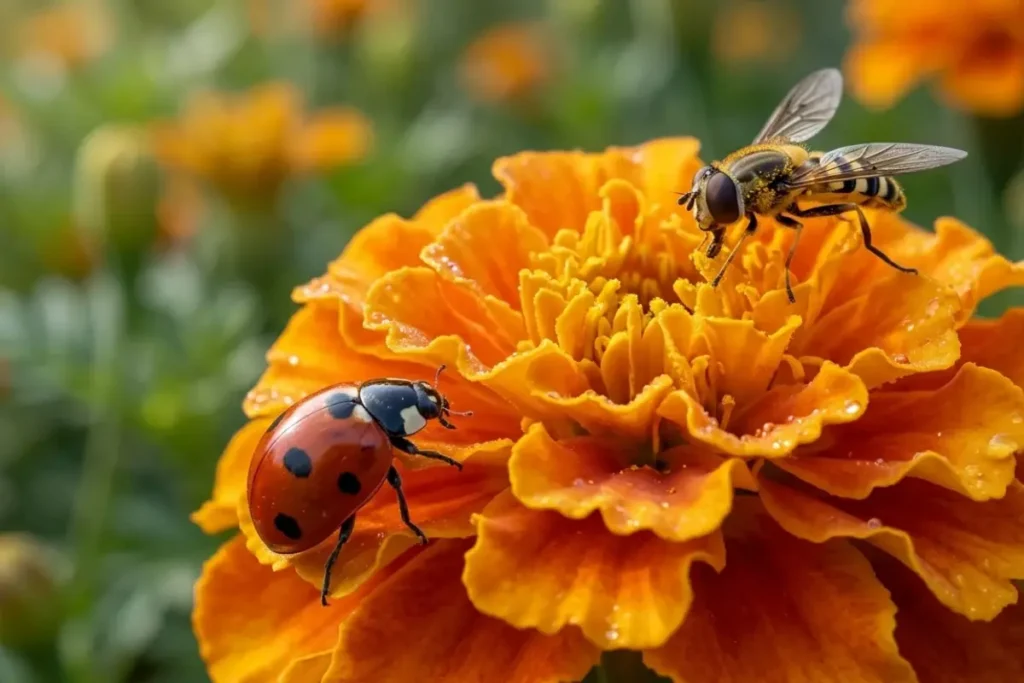
Marigolds are also popular companion plants in vegetable gardens, but they aren’t a guaranteed solution for every garden pest. Their ability to deter pests depends on the marigold variety, the pest involved, and how the plants are grown.
For example, certain marigold species can help suppress some soil-dwelling nematodes when planted appropriately, but simply placing marigolds beside vegetables will not eliminate all insects. For healthier results, combine companion planting with good garden hygiene, suitable watering, and regular checks for pests.
Different Types of Marigolds You Can Grow
Many gardeners believe that all marigold flowers look alike and grow in the same way, but there are several varieties with different flower sizes, colors, and growth habits.
Some marigolds stay small and fit perfectly in pots, while others grow taller and produce large, showy blooms. Understanding the different types of marigolds will help you choose the right variety for your garden, balcony, or outdoor containers.
French Marigolds and Their Growing Requirements
French marigolds (Tagetes patula) are popular among home gardeners because they usually grow into compact plants and produce plenty of colorful flowers.
Their blooms come in shades of orange, yellow, red, and mixed colors. Some varieties also have beautiful patterns that make them stand out in flower beds and garden borders.
These plants are an excellent choice if you want to grow marigold flowers in pots or fill small spaces with bright color. French marigolds generally grow well in full sun and well-draining soil.
Water them when the soil begins to dry, and avoid keeping their roots constantly wet. Removing faded flowers can also encourage the plants to produce more blooms.
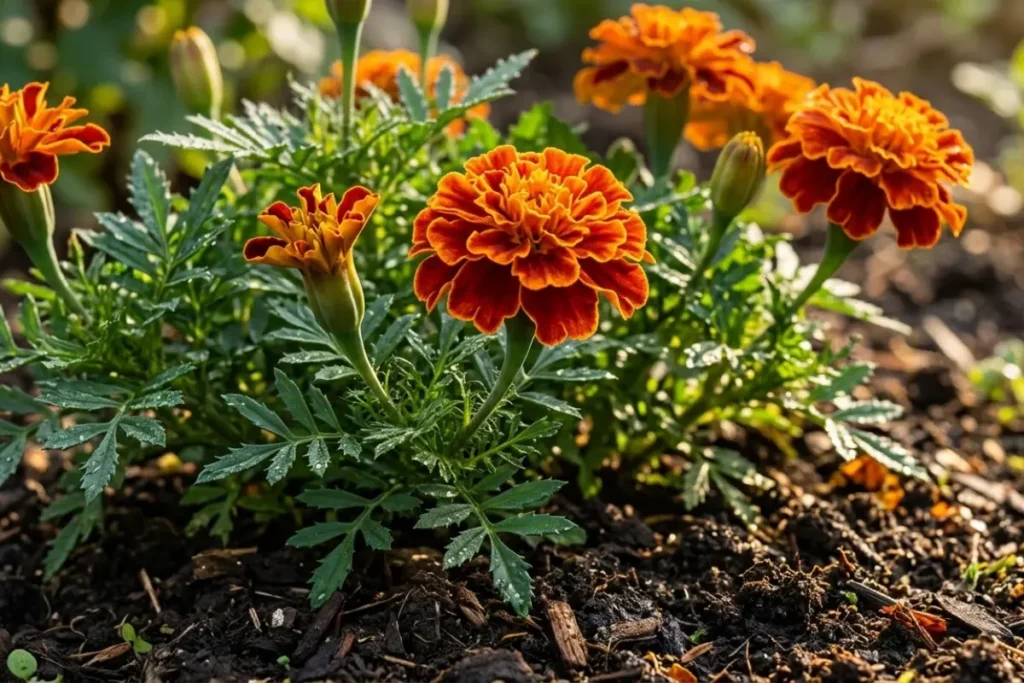
French marigolds usually handle warm weather well, although extreme heat can stress them, especially in small containers. During hot periods, check the soil regularly and water when necessary.
If you’re learning how to grow marigold plants at home, French varieties are a practical starting point because they’re versatile and relatively easy to maintain.
African Marigolds for Large, Colorful Blooms
African marigolds (Tagetes erecta) are known for their large, rounded flower heads and taller growth. Despite their common name, these marigolds originated in the Americas.
Their full blooms often appear in bright yellow, golden, and orange shades, making them a striking addition to garden beds.
If you want impressive flowers that stand out from a distance, African marigolds are worth considering. Depending on the variety, these plants can grow much taller than French marigolds, so give them enough room to develop.
Taller varieties may also need protection from strong winds to prevent their stems from bending or breaking.
For healthy growth, plant African marigolds in a sunny location with fertile, well-draining soil. Water regularly while young plants establish their roots, but allow excess water to drain away.
Avoid using too much nitrogen-rich fertilizer because it can encourage leafy growth instead of flowers. With suitable care, African marigolds can produce beautiful blooms for seasonal displays and larger gardens.
Signet Marigolds for Small Flowers and Edible-Garden Interest
Signet marigolds (Tagetes tenuifolia) look different from the larger French and African varieties. They usually produce small, single flowers and fine, fern-like leaves. Their delicate appearance makes them a lovely option for garden edges, containers, and spaces where you want a lighter, less crowded look.
These plants generally prefer full sun and soil that drains well. Their compact growth makes them useful for smaller gardens, and their numerous little flowers add color without taking up too much space.
Many signet marigold varieties also have aromatic foliage, which gives them another interesting feature.
Some signet marigolds are grown for their edible petals, which may have a citrus-like flavor. However, only eat flowers that have been positively identified as edible and grown without pesticides unsuitable for food crops.
Don’t assume that every ornamental marigold is safe to eat simply because it belongs to the same plant genus.
If you want something different from traditional marigolds, signet varieties are worth trying. They can be an attractive addition to a kitchen garden, especially when you want ornamental flowers alongside herbs and other edible plants.
Which Marigold Variety Is Best for Beginners?
The best marigold variety for beginners depends on your available space and the kind of flowers you prefer. French marigolds are often an excellent starting point because they stay relatively compact and suit pots, borders, and small gardens. Their manageable size also makes it easier to arrange several plants in a limited area.
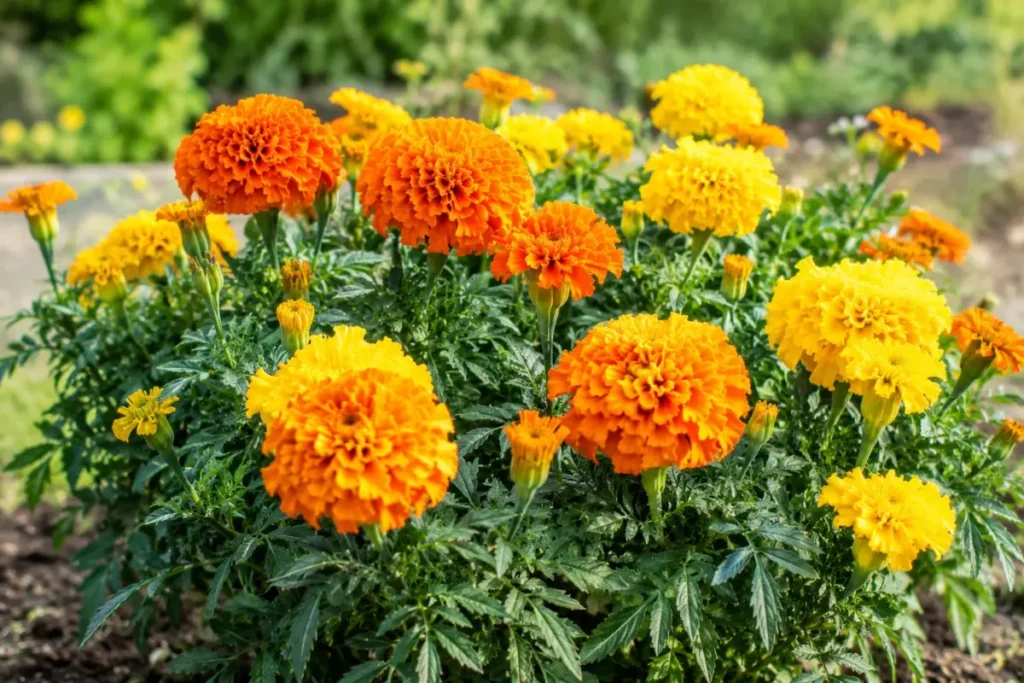
African marigolds are a better choice if you prefer large, bold blooms and have enough room for taller plants. Signet marigolds are ideal if you like delicate foliage and smaller flowers. All three types can be suitable for beginners when you provide the right growing conditions.
Before buying seeds, check the expected plant height, spread, and flowering characteristics on the seed packet. This helps you avoid choosing a variety that grows too large for your container or garden bed.
If you’re growing marigolds from seeds for the first time, try one or two varieties and compare how they perform in your local climate.
What Is the Best Time to Plant Marigold Seeds?
Many gardeners believe that marigold seeds can be planted successfully at any time of the year, but the planting season makes a real difference. Marigolds grow best in warm conditions and can struggle when the soil is too cold or frost threatens young seedlings.
If you want to know how to grow marigold plants successfully, choose a planting time that matches your local climate. The right timing helps seeds germinate, seedlings develop strong roots, and plants produce healthy flowers.
When to Plant Marigold Seeds Outdoors
The best time to plant marigold seeds outdoors is usually in spring, after the danger of frost has passed and the soil has warmed up. These warm-season flowers prefer mild to warm conditions for germination and early growth.
Planting too early in cold, wet soil can slow germination or cause seeds to rot before they sprout.
In warmer regions without frost, you may be able to grow marigolds during several parts of the year. However, extremely hot weather can also affect seedling growth, especially when the soil dries out quickly.
Choose a period when temperatures are suitable for your variety and young plants can establish themselves without severe heat stress.
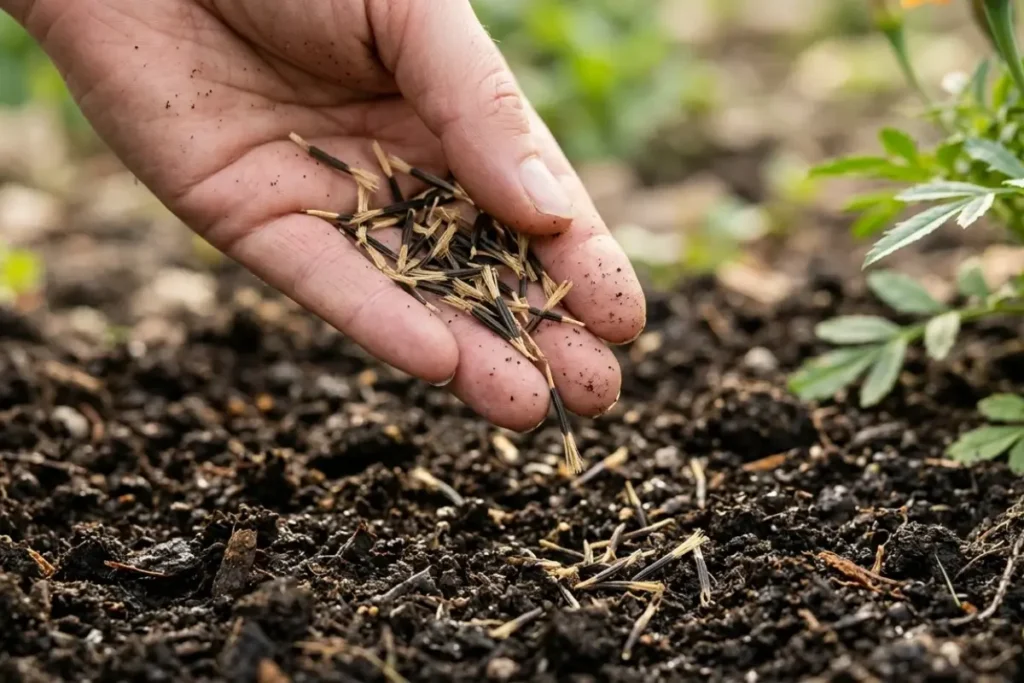
Before sowing, check your local weather forecast and the recommended planting information on the seed packet. Loosen the soil, remove weeds, and make sure water can drain freely. Sow the seeds at the recommended depth and keep the soil lightly moist until germination begins.
If you live in a hot climate, avoid assuming that the hottest part of summer is always the best planting time. Starting during a milder period can give young marigolds a better chance to develop before intense heat arrives.
How to Start Marigold Seeds Indoors
Starting marigold seeds indoors is a useful option if you want to get a head start on the growing season or protect young seedlings from unpredictable weather.
It also gives you more control over moisture, temperature, and early plant growth. You don’t need a large greenhouse; a clean seed tray or small pot can work well.
Fill your containers with a light, well-draining seed-starting mix. Place the seeds at the depth recommended on the packet, cover them lightly, and water gently. Keep the mix moist but not waterlogged.
Place the containers somewhere warm with bright light, and avoid leaving newly emerged seedlings in a dark corner.
Marigold seeds often germinate within about 4–14 days under suitable conditions, although the exact time depends on the variety, temperature, and seed quality.
Once the seedlings emerge, provide plenty of light to help prevent weak, stretched stems. A sunny window may work, but seedlings sometimes need additional grow lighting if natural light is limited.
When the seedlings develop several true leaves and become sturdy enough to handle, you can prepare them for outdoor planting. Before moving them permanently outside, gradually introduce them to outdoor conditions so the change in sunlight, temperature, and wind doesn’t shock the young plants.
When to Transplant Marigold Seedlings Outside
Marigold seedlings are generally ready for transplanting when they have developed several true leaves, have strong stems, and can hold themselves upright. However, size alone isn’t enough to determine the right time. Outdoor temperatures and weather conditions also matter.
Before transplanting, harden off your seedlings over approximately 7–10 days. Begin by placing them outside in a sheltered, partly shaded location for a short period. Gradually increase their outdoor exposure and sunlight each day. Bring them indoors if temperatures become too cold or conditions are severe.
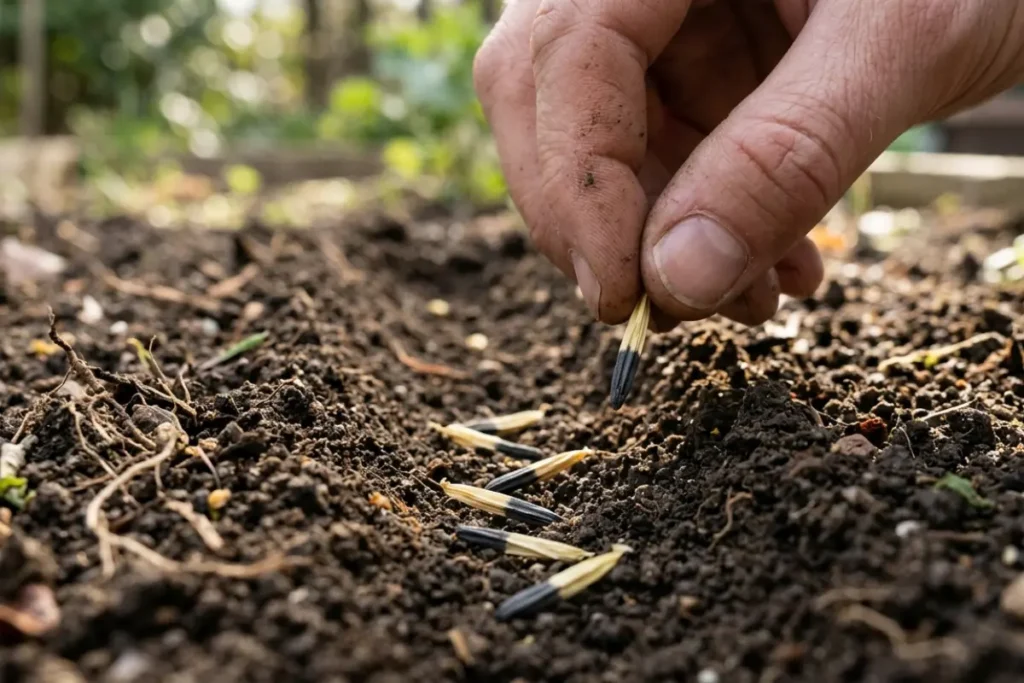
Choose a mild day for transplanting, preferably when the sun isn’t at its strongest. Water the seedlings before moving them to make it easier to remove them from their containers. Handle the roots gently, plant them at a similar depth to their original growing level, and firm the soil lightly around each plant.
After transplanting, water thoroughly to help the soil settle around the roots. Keep checking soil moisture while the plants establish themselves, but don’t let the ground remain soggy. Proper transplanting reduces stress and helps marigolds adjust to their new growing location.
Frequently Asked Questions About How to Grow Marigold
How Long Does It Take to Grow Marigolds From Seeds?
Marigold seeds usually germinate within 4 to 14 days when planted in warm, moist soil. After germination, the seedlings need several more weeks to grow strong enough to produce flowers.
Many marigold varieties begin blooming around 6 to 10 weeks after planting, although the exact timing depends on the variety, sunlight, temperature, and growing conditions.
Do Marigolds Need Full Sun to Grow Well?
Yes, marigolds grow best in full sun and generally need at least 6 hours of direct sunlight each day. Plenty of sunlight supports healthy growth and encourages more flowers.
In extremely hot climates, some afternoon shade can help protect plants from excessive heat, especially when growing marigolds in pots.
How Often Should You Water Marigold Plants?
Water marigold plants when the top layer of soil begins to dry. Newly planted seeds and seedlings need consistent moisture, while established plants can tolerate short periods of dry weather.
Avoid watering too frequently because soggy soil can damage the roots. During hot summer weather, check potted marigolds daily because their soil may dry out quickly.
Can You Grow Marigolds in Pots?
Yes, marigolds grow very well in pots and containers. Choose a container with drainage holes and fill it with a well-draining potting mix. Compact French and signet marigolds are excellent choices for smaller pots, while larger African marigolds need more room for their roots and mature growth. Place the container in a sunny location for the best flowering results.
What Is the Best Soil for Growing Marigolds?
The best soil for growing marigolds is loose, fertile, and well-draining. These flowers can grow in different soil types as long as excess water drains away easily.
You can improve garden soil by mixing in a little compost before planting. For containers, use a quality potting mix rather than heavy garden soil that may hold too much moisture.
Why Are My Marigold Plants Growing Leaves but No Flowers?
Marigold plants may produce plenty of leaves but few flowers when they receive insufficient sunlight or too much nitrogen fertilizer. Move the plants to a sunnier location if possible and avoid excessive feeding with high-nitrogen products.
Check that the soil drains properly and give the plants time to mature. Removing faded flowers can also encourage many varieties to produce additional blooms.
How Can I Make My Marigold Plants Produce More Flowers?
To encourage more blooms, provide at least 6 hours of direct sunlight, water consistently, and avoid overfertilizing. Remove faded flowers regularly so the plant can continue producing fresh blooms instead of directing energy toward seed development.
Some young marigold varieties also benefit from pinching the growing tips to encourage bushier growth and more flowering stems.
Are Marigolds Easy to Grow for Beginners?
Yes, marigolds are among the easiest flowers for beginners to grow. Their seeds usually germinate quickly in warm conditions, and established plants need relatively simple care.
With enough sunlight, well-draining soil, and appropriate watering, even a new gardener can grow healthy marigolds in garden beds, pots, or containers.
Can Marigolds Grow in Hot Weather?
Yes, many marigold varieties tolerate warm weather and summer conditions well. However, extreme heat can cause wilting, dry soil, and reduced flowering.
Water plants when needed, use containers that drain properly, and consider light afternoon shade during intense heat. In very hot climates, planting during a milder part of the growing season may produce better results.
Do Marigolds Come Back Every Year?
Most commonly grown marigolds are annuals, which means they complete their life cycle in one growing season. They usually do not survive cold winters as established plants.
However, you can collect mature seeds from dried flower heads and save them for the next planting season. In suitable conditions, some marigolds may also self-seed and produce new plants.
Should I Remove Dead Flowers From Marigolds?
Yes, removing faded or dead flowers, a process called deadheading, can help many marigold varieties continue flowering. Use clean fingers or garden scissors to remove spent blooms before they develop seeds. This simple task also keeps your plants looking neat and encourages fresh flowers throughout the growing season.
Can Marigolds Help Keep Pests Away From Vegetable Gardens?
Marigolds are often planted alongside vegetables because they add color and can attract beneficial insects. However, they do not reliably repel every garden pest.
Some varieties may help manage certain pests under specific conditions, but results vary. For healthier vegetables, combine marigolds with proper plant spacing, regular pest inspections, and other suitable garden management practices.
How Deep Should You Plant Marigold Seeds?
Marigold seeds are generally planted about ¼ inch (6 mm) deep, although you should follow the instructions on the seed packet for your particular variety.
Cover the seeds lightly with soil and keep the growing medium evenly moist until they germinate. Planting too deeply can make it harder for seedlings to reach the surface.
When Should I Transplant Marigold Seedlings Outdoors?
Transplant marigold seedlings outdoors after the danger of frost has passed and the weather is consistently warm. The seedlings should have several true leaves and strong stems before transplanting.
Gradually expose them to outdoor conditions over 7 to 10 days to help them adjust to direct sunlight, wind, and temperature changes.
Can I Save Marigold Seeds for Next Year?
Yes, saving marigold seeds is an easy way to grow new flowers next season. Allow some flower heads to dry naturally on the plant, then collect the mature seeds.
Remove any remaining plant material and let the seeds dry completely before storing them in a labeled paper envelope in a cool, dry place. Keep in mind that seeds saved from hybrid varieties may produce flowers that differ from the parent plant.
Conclusion:
Growing marigolds at home is a simple and rewarding way to bring bright colors to your garden. Whether you plant them in garden beds, containers, or small pots, these cheerful flowers can thrive with basic care.
Once you understand how to grow marigold, you can enjoy healthy plants and beautiful blooms without needing advanced gardening skills.
Start by choosing a suitable marigold variety and planting healthy seeds in well-draining soil. Give your plants at least six hours of sunlight each day, water them when the soil begins to dry, and avoid using too much fertilizer.
These simple habits help your marigolds grow strong and produce more flowers throughout the season.
If you want to keep your plants blooming, remove faded flowers regularly and check their leaves and stems for signs of pests or disease. Remember that growing conditions can vary depending on your climate, so adjust your watering and planting schedule to suit the weather.
In particularly hot areas, protecting plants from extreme afternoon heat can also make a difference.
The best part about growing marigolds is that you can collect seeds from mature flowers and use them to grow new plants in the next season. With a little patience and regular attention, even beginners can create a colorful garden filled with cheerful yellow, orange, and golden blooms.
Start with a few marigold seeds, follow these practical growing tips, and give your plants the care they need. Before long, you can enjoy a beautiful display of marigold flowers while gaining confidence in your gardening skills.

Plant Nest Blog’s author is passionate about plants, gardening, and sustainable living. Through research and practical experience, they share helpful plant care tips, gardening guides, and easy solutions to help readers grow healthier plants and create greener spaces.