
There is a common idea that how to grow bamboo indoors is difficult because bamboo only thrives outdoors, but that is not true. With the right indoor bamboo plant, a suitable container, and a few simple care habits, you can enjoy healthy green growth inside your home.
Whether you want a compact plant for a small apartment or a stylish addition to your living room, growing bamboo indoors is easier than most beginners expect.
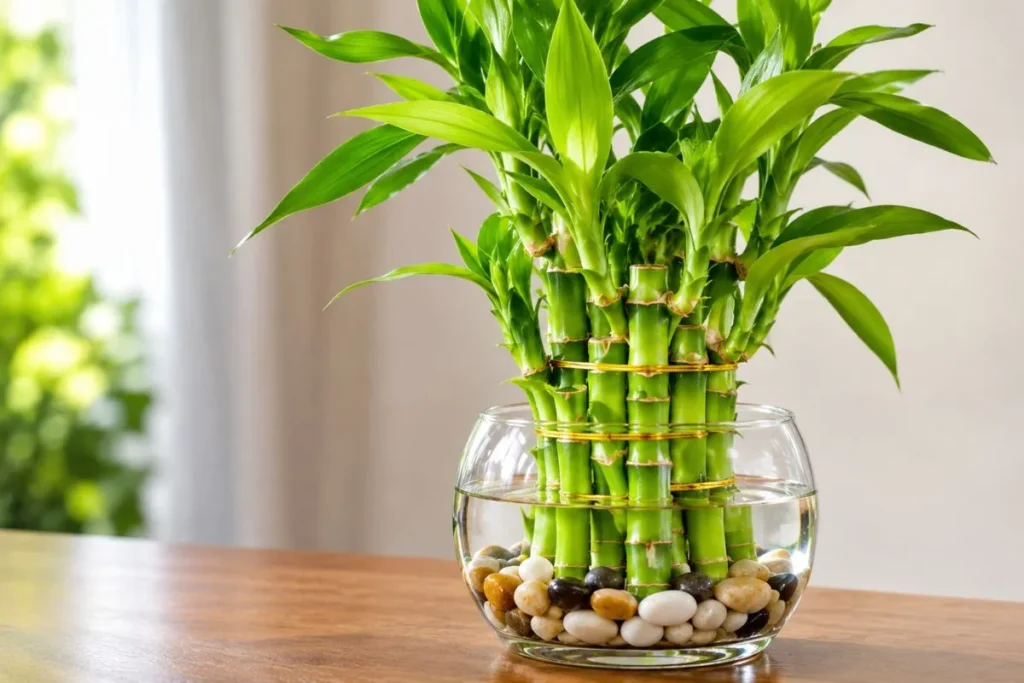
The secret is choosing the right variety instead of treating every bamboo plant the same. Some types grow well in containers and adapt to indoor conditions much better than others, making them perfect for home decor and small spaces.
Once you understand the basics of indoor bamboo plant care, including light, watering, and placement, it becomes much easier to keep your bamboo looking fresh, healthy, and vibrant throughout the year.
Can You Really Grow Bamboo Indoors?
Is Indoor Bamboo Easy to Grow?
Yes, you can grow bamboo indoors, but not every variety will thrive inside your home. Many people believe bamboo needs a large outdoor garden to grow well.
However, some compact and dwarf varieties can adapt to containers and indoor conditions when they receive suitable light, water, and space. Choosing the right variety is the first step toward growing a healthy indoor bamboo plant.
What Does Bamboo Need to Grow Indoors?
Indoor bamboo needs the right balance of light, moisture, temperature, and root space. Most true bamboo varieties prefer bright light, well-draining soil, and regular watering when the soil begins to dry.
A pot with drainage holes helps prevent water from collecting around the roots. When you provide these basic growing conditions, your plant has a better chance of developing healthy leaves and strong stems.
How to Grow an Indoor Bamboo Plant in the Right Location
The location of your bamboo plant can make a big difference in its growth. Place it near a bright window where it can receive suitable light without too much harsh afternoon sun.
Avoid dark corners, cold drafts, and spots directly beside heating or air-conditioning vents. If your home has limited natural light, choose a variety that tolerates lower light levels or consider using a suitable grow light.
Growing Bamboo Plants Inside the House in Containers
Growing bamboo plants inside the house is easier when you choose a container that gives the roots enough room to develop. Select a sturdy pot with good drainage and use a growing mix that retains some moisture without becoming waterlogged.
Check the plant regularly for overcrowded roots, yellowing leaves, or slow growth. Repotting when necessary can help maintain healthy roots and support continued growth.
Which Bamboo Varieties Are Suitable for Indoor Growing?
Compact and dwarf bamboo varieties are often more manageable in containers than large, fast-growing types. Some clumping varieties may also work, depending on their mature size and light requirements.
Lucky bamboo is another popular indoor option, but it is not true bamboo; it belongs to the Dracaena genus and needs a different care routine. Before buying a plant, check its mature size and growing requirements to make sure it suits your home.
Can Bamboo Grow Indoors With Little Sunlight?
Some bamboo varieties tolerate lower light, but most true bamboo plants will not thrive in very dark rooms. Insufficient light can lead to weak growth, sparse foliage, and a generally unhealthy appearance.
If you want to grow bamboo indoors with little sunlight, choose a suitable plant for your conditions and consider a grow light if natural light is inadequate. Remember that tolerating low light does not mean a plant can grow well without enough light.
What Temperature Is Best for Indoor Bamboo?
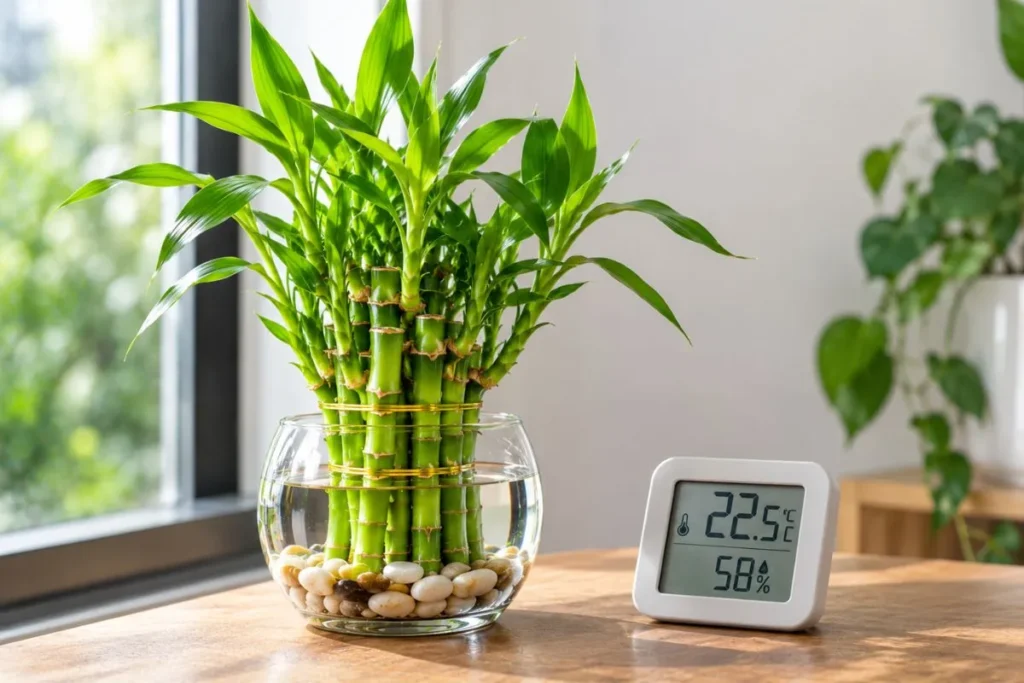
Most indoor bamboo plants prefer stable temperatures suited to their particular variety. Sudden temperature changes, cold drafts, and direct heat from radiators can stress the plant. Keep your bamboo in a comfortable indoor location and adjust watering according to the season, since soil usually dries more slowly during cooler periods.
Is Growing Bamboo Indoors Suitable for Beginners?
Yes, growing bamboo indoors can be a rewarding choice for beginners who select a suitable variety and provide consistent care. You do not need a large garden or complicated equipment.
Start with a plant that matches your available space and lighting, then monitor its leaves and soil to understand what it needs. With the right approach, learning how to cultivate bamboo indoors becomes a straightforward way to bring greenery into your home.
What Type of Bamboo Grows Best Indoors?
Many people believe that any bamboo plant can grow happily inside the house, but that is not true. Some bamboo varieties grow too tall, spread too quickly, or need more sunlight than a typical indoor space can provide.
If you want to learn how to grow bamboo indoors successfully, choosing a suitable variety is one of the most important steps. The right plant can fit your home, grow well in a container, and add a fresh touch of greenery without taking over your space.
Best Bamboo Plants for Indoors
The best bamboo plants for indoors depend on your available light, room size, and how much care you can provide. Compact varieties are often easier to manage because they take up less space and can adapt to container growing.
When choosing an indoor bamboo plant, look for a variety with a manageable mature height and root system. Some true bamboo varieties can grow well in large containers, while others are better suited to outdoor gardens. Always check the plant’s growing requirements before bringing it home.
Dwarf bamboo can be a practical option for smaller spaces because some varieties remain relatively compact. Certain clumping bamboo varieties may also grow in containers when they receive enough light and root space.
Compact bamboo varieties are worth considering for bright rooms, sunrooms, and enclosed patios. Lucky bamboo is another popular choice for indoor decoration, although it is not true bamboo. It belongs to the Dracaena genus and needs a different care routine.
The most suitable choice is one that matches your home’s conditions rather than one that simply looks attractive at the garden center.
Can You Grow Dwarf Bamboo Indoors?
Dwarf bamboo can be a good option if you want the appearance of bamboo without managing a large plant. Its compact growth habit may make it suitable for container gardening, especially in homes with enough natural light.
However, not every dwarf bamboo variety is suitable for a living room or bedroom. Many types of true bamboo need bright light and may struggle in dim indoor conditions. Some also spread through underground rhizomes, which can make them difficult to manage in a small pot.
Before choosing dwarf bamboo for indoor growing, check its mature size, light requirements, and growth habit. Make sure the plant will not outgrow your available space and that your room receives enough natural light. You should also find out whether the variety spreads aggressively or stays relatively compact.
If you have a bright sunroom, enclosed porch, or a room with plenty of natural light, a suitable dwarf variety may be worth considering. For a dark corner, however, you may need another plant or a grow light.
Is Clumping Bamboo Suitable for Indoor Containers?
Clumping bamboo grows in a more compact pattern than running bamboo. Its rhizomes tend to expand gradually around the existing clump instead of spreading rapidly over a wide area. This growth habit can make certain clumping varieties easier to manage in containers.
Still, clumping bamboo is not automatically an indoor plant. Some varieties grow quite large and need strong light, adequate root space, and plenty of room for their foliage. A container may limit their growth, but it will not remove their natural growing requirements.
If you want to try clumping bamboo in a container, choose a variety with a suitable mature size. Use a sturdy pot with drainage holes and enough room for the roots to develop. Check the root system periodically because a plant that becomes root-bound may need repotting.
For the best results, consider clumping bamboo if you have a spacious, bright area rather than a small room with limited sunlight.
Is Lucky Bamboo the Same as Real Bamboo?
Lucky bamboo is one of the most common plants sold for indoor decoration, but it is not a true bamboo species. Its botanical name is Dracaena sanderiana. It has slender green stalks that resemble bamboo, which is why it is often marketed under the name lucky bamboo.
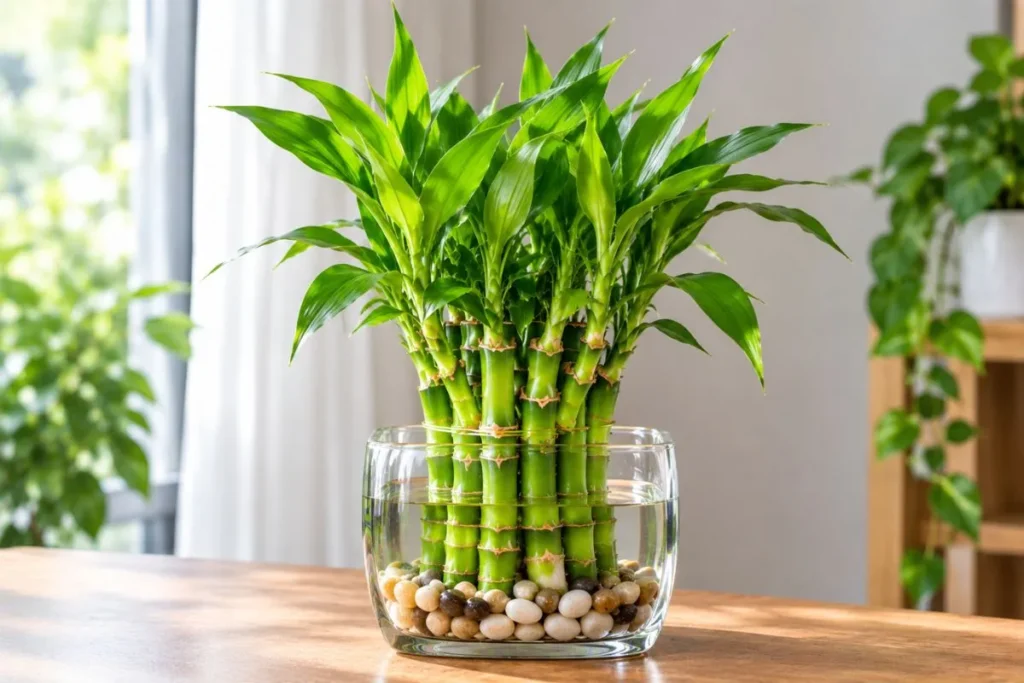
The good news is that lucky bamboo can be easier to grow indoors than many true bamboo varieties. It can grow in water or in a suitable potting mix, making it a popular choice for desks, shelves, and small apartments.
If you grow lucky bamboo in water, use a clean container and keep the roots covered without submerging the entire stalk. Change the water regularly to help prevent unpleasant odors and buildup. If you grow it in soil, use a well-draining mix and water carefully to avoid keeping the roots constantly soggy.
Lucky bamboo usually prefers bright, indirect light. Strong direct sunlight can scorch its leaves, while very low light may cause weak growth over time.
Remember, lucky bamboo care indoors is different from caring for true bamboo. If your goal is to grow a genuine bamboo plant in a pot, check the botanical name before buying one.
How to Choose Indoor Bamboo for Small Spaces
You do not need a large house to enjoy bamboo. The key is selecting a plant that suits your room instead of trying to fit a large variety into a small space.
For apartments, offices, and compact rooms, look for a smaller-growing variety that can remain healthy in a container. Consider how tall the plant may become, how widely its leaves spread, and whether its roots need frequent repotting.
Choose a compact variety instead of a fast-growing outdoor type, and check its mature height and width before buying it. Select a container that fits your available floor or shelf space, while making sure the chosen location provides enough light. Avoid varieties known for spreading aggressively unless you can manage their growth.
A small plant on a bright stand can add greenery without making a room feel crowded. If you prefer the look of bamboo but have very limited space, lucky bamboo may be a practical alternative, as long as you understand that it is not true bamboo.
What to Check Before Buying an Indoor Bamboo Plant
Before purchasing a bamboo plant, take a moment to review its care requirements. A healthy-looking plant may still be unsuitable for your home if it needs more light or space than you can provide.
First, confirm whether the plant is true bamboo or lucky bamboo. Then check its light requirements and expected mature size. Some varieties need direct sunlight, while others prefer bright, indirect light. Knowing these differences can help you select a plant that suits your indoor environment.
It is also important to understand the plant’s watering needs, root behavior, and container requirements. Find out whether it spreads through rhizomes or stays relatively compact, and check whether it can grow successfully in a pot under your indoor conditions.
Taking these steps makes it easier to choose the right plant from the beginning. It also helps you avoid common indoor bamboo growing problems caused by unsuitable varieties.
How to Choose the Right Pot for Indoor Bamboo
Many people believe that a small bamboo plant will stay small if they keep it in a tiny pot, but restricting its root space is not a reliable way to control its growth. The right pot helps support healthy roots, stable stems, and steady development.
When learning how to grow bamboo indoors in pots, focus on choosing a container that suits the plant’s current size and allows enough room for future growth.
What Is the Best Pot for Growing Bamboo Indoors?
The best pot for indoor bamboo is sturdy, appropriately sized, and equipped with drainage holes if you are growing true bamboo in soil. Bamboo roots need room to develop, while excess water must be able to escape to reduce the risk of root problems.
You can choose from several types of containers, depending on your plant and home decor. Ceramic pots are attractive and stable, making them suitable for decorative indoor displays, provided they have proper drainage.
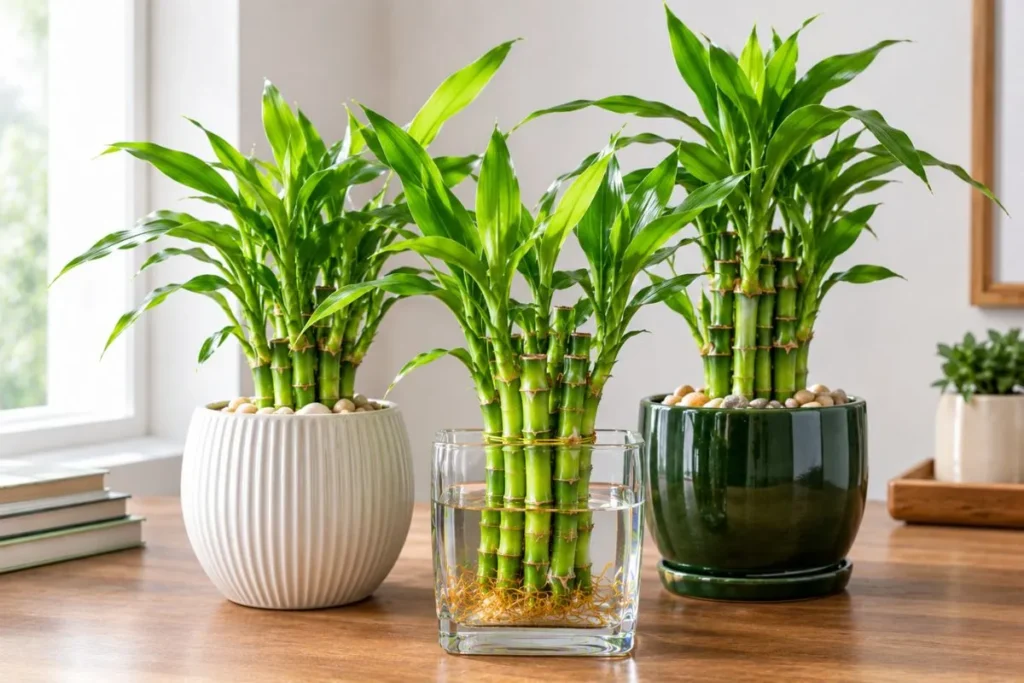
Plastic pots are lightweight and easy to move, while terracotta pots allow moisture to evaporate through their porous sides. This can help soil dry more quickly, although it may also mean you need to water more often.
Large planters may suit bigger container-grown bamboo varieties, provided they offer enough root space and are not excessively large for the plant.
What Size Pot Does Indoor Bamboo Need?
Choose a pot that combines practical growing conditions with a style that suits your home. A beautiful container is useful only if it also supports healthy plant growth.
The correct bamboo plant pot size depends on the variety, the size of its root ball, and how quickly it grows. A pot that is too small may restrict root development, while a container that is much too large can hold excess moisture for longer than necessary.
For a young bamboo plant, choose a pot that gives the roots some room to expand without leaving an unnecessarily large volume of wet soil around them. When repotting, moving up one pot size is often a sensible approach.
The container should comfortably fit the existing root ball and allow room for new roots to develop. If your bamboo grows tall, choose a heavier pot to help prevent it from tipping over. Also consider the plant’s expected mature size before buying a decorative planter.
There is no single pot size that works for every bamboo variety. A compact plant and a vigorous clumping bamboo may have very different container requirements, so check the needs of your specific plant.
Why Do Bamboo Pots Need Drainage Holes?
Good drainage is essential when growing true bamboo in soil. Although bamboo generally needs regular moisture, its roots should not sit in waterlogged soil for long periods. Poor drainage can reduce the amount of oxygen available to the roots and increase the risk of root rot.
Choose a pot with drainage holes at the bottom so extra water can flow out after watering. If you want to use a decorative container without holes, keep the bamboo in a separate nursery pot with drainage and place that pot inside the decorative one.
After watering, empty any water collected in the outer container or saucer. Do not allow the inner pot to sit in standing water.
Adding a layer of stones to the bottom of a pot does not replace drainage holes. The container still needs a way for excess water to escape.
If you are growing lucky bamboo in water rather than soil, the setup is different. You can use a suitable water-holding container, but keep the water clean and monitor the roots regularly.
Should You Use a Deep or Wide Pot for Indoor Bamboo?
The ideal container shape depends on the type of bamboo you are growing and the way its roots develop. A pot should provide enough space for the root system without becoming difficult to manage indoors.
A deeper container may suit a plant that needs additional vertical root space, while a wider, sturdy planter can be useful for a spreading clump. For taller bamboo, stability matters because a narrow or lightweight pot may tip over as the plant grows.
Before choosing between a deep and wide pot, consider the shape and size of the existing root ball, the mature size of the bamboo variety, and whether the plant grows as a compact clump or spreads outward. You should also think about the available floor space and the weight of the filled container.
Avoid choosing a pot based on appearance alone. The best container is one that supports the roots, holds the plant securely, and fits comfortably in your home.
What Potting Mix Is Best for Indoor Bamboo?
Indoor bamboo generally needs a growing medium that retains some moisture while allowing excess water to drain away. Heavy soil that stays wet for too long can create problems, especially in containers with poor drainage.
A suitable potting mix for many container-grown bamboo plants can include quality potting mix as a base, perlite or pumice to improve aeration, and a moderate amount of compost to add organic matter. These materials can help create a growing medium that holds enough moisture without becoming waterlogged.
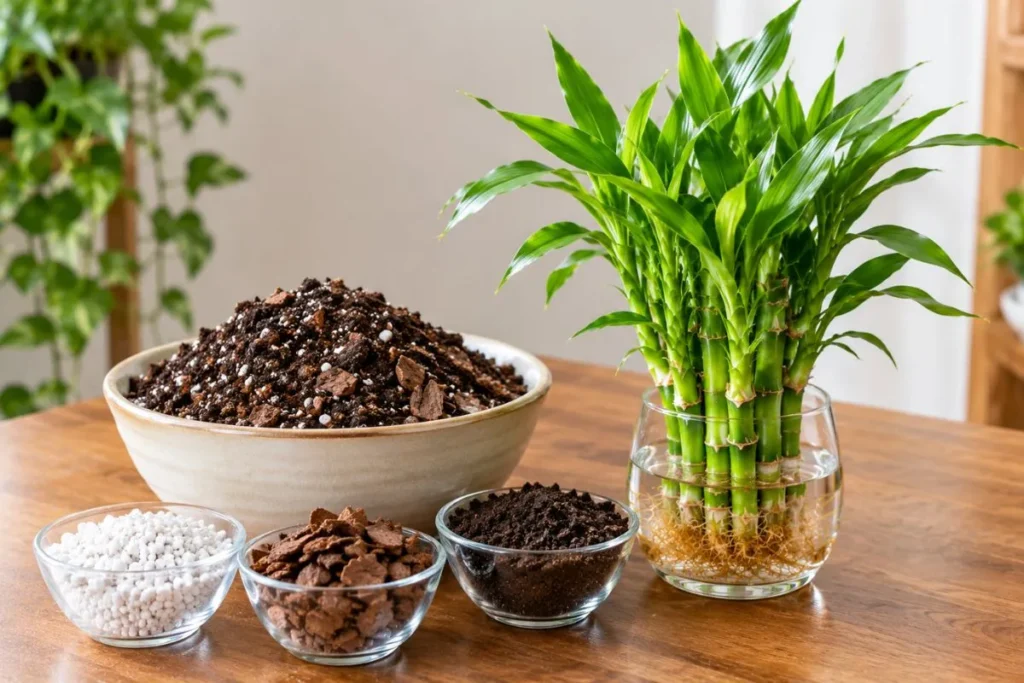
The exact mix depends on the bamboo variety and your indoor conditions. Avoid using dense garden soil by itself in a pot, as it may compact and drain poorly.
When filling the container, leave a little space below the rim so water can be added without spilling. Do not pack the soil too tightly around the roots. A loose, well-draining mix helps support healthy root development.
How to Prepare a Pot Before Planting Bamboo
Preparing the container properly gives your bamboo a better start. Before planting, check that the pot is clean, stable, and suitable for the plant’s size.
First, make sure water can flow freely through the drainage holes. If you are reusing a container, wash it to remove old soil and visible residue. Add enough growing mix to the bottom of the pot to support the root ball at the correct height.
Next, position the plant in the container without bending or forcing its roots into place. Fill the gaps around the root ball with more potting mix and gently firm the soil into position. Water the soil evenly and allow the excess water to drain away.
Keep the plant at approximately the same depth at which it was previously growing. Avoid burying the base of the stems too deeply, as this may contribute to moisture-related problems.
After planting, place the pot in a location that matches the variety’s light requirements. Monitor the soil moisture over the next few days and adjust your watering routine as needed.
When Should You Change the Pot for Indoor Bamboo?
Indoor bamboo may need repotting when its roots become crowded or its growth slows despite receiving suitable care. Roots emerging from drainage holes, water passing through the pot unusually quickly, or a tightly packed root ball can all suggest that the plant needs more space.
However, do not repot simply because a certain amount of time has passed. Some plants grow slowly, while others fill their containers more quickly.
When repotting, choose a slightly larger container with good drainage. Gently loosen any tightly circling roots, place the plant in fresh potting mix, and water thoroughly. Allow excess water to drain before returning the plant to its usual spot.
Regularly checking the roots and container helps you maintain a healthy indoor bamboo plant without disturbing it unnecessarily.
Frequently Asked Questions About How to Grow Bamboo Indoors
Can You Grow Bamboo Indoors Successfully?
Yes, you can grow bamboo indoors if you choose a suitable variety and provide the right growing conditions. True bamboo generally needs adequate light, a well-draining potting mix, and enough room for its roots. Lucky bamboo is another popular indoor option, but it is not true bamboo and requires a different care routine.
What Type of Bamboo Grows Best Indoors?
The best type depends on your available light, room size, and growing conditions. Some compact and dwarf bamboo varieties may grow in containers, while certain clumping varieties can work in larger, brighter spaces.
Lucky bamboo is a popular choice for indoor decoration because it can grow in water or soil, although it belongs to the Dracaena genus.
How Much Sunlight Does Indoor Bamboo Need?
Sunlight requirements vary by species. Some true bamboo varieties need several hours of direct sunlight, while others prefer bright, indirect light or tolerate partial shade. Check the requirements of your particular plant and provide additional lighting if your home does not receive enough natural light.
How Often Should You Water Indoor Bamboo?
Watering frequency depends on the plant variety, pot size, soil, temperature, and light exposure. For true bamboo growing in soil, check the upper layer of the potting mix and water when it begins to dry, adjusting as needed.
Avoid keeping the roots constantly waterlogged. Lucky bamboo growing in water needs a different routine, including regular water changes.
What Is the Best Soil for Growing Bamboo Indoors?
A loose, well-draining potting mix is a good starting point for many bamboo varieties grown in containers. Quality potting mix combined with perlite or pumice can help maintain airflow and drainage. Avoid heavy garden soil that becomes compacted or holds too much water.
Can Bamboo Grow Indoors With Little Sunlight?
Some varieties tolerate lower light better than others, but most true bamboo plants will struggle in very dark rooms. Poor lighting can cause weak growth and sparse foliage. If natural light is limited, choose a suitable variety and consider a grow light to provide additional illumination.
Why Are My Indoor Bamboo Leaves Turning Yellow?
Yellow leaves can result from overwatering, poor drainage, insufficient light, nutrient problems, or natural aging. Check the soil moisture and examine the plant’s overall growing conditions before making changes.
If the roots are damaged or rotting, you may need to remove affected roots and repot the plant in fresh, well-draining soil.
Does Indoor Bamboo Need Fertilizer?
Indoor bamboo may benefit from fertilizer during active growth, but the amount depends on the species and growing medium. Use a suitable fertilizer according to the product instructions and avoid overfeeding. Lucky bamboo can be particularly sensitive to excess fertilizer, especially when grown in water.
Can You Grow Bamboo Indoors in Pots?
Yes, many bamboo varieties can grow in containers when the pot provides enough room for their roots. Choose a sturdy pot with suitable drainage and a growing medium that retains some moisture without becoming waterlogged. Check the plant’s mature size to make sure the container and location will remain suitable as it grows.
How Do You Keep Bamboo Green and Healthy Indoors?
Provide suitable light, water according to soil moisture, maintain healthy roots, and avoid excessive fertilizer. Inspect the leaves regularly for discoloration or pests, and remove dead foliage when needed. Consistent care will help your bamboo maintain healthy growth throughout the year.
Conclusion:
Learning how to grow bamboo indoors does not have to be difficult. The secret is choosing the right variety for your home and providing the growing conditions it needs.
With suitable lighting, a well-draining potting mix, proper watering, and enough room for the roots, you can enjoy healthy bamboo without needing a large outdoor garden.
Remember that not every bamboo plant has the same needs. Some true bamboo varieties require plenty of sunlight and larger containers, while lucky bamboo can be a convenient option for smaller indoor spaces. Pay attention to your plant’s leaves, check the soil regularly, and adjust your care routine when necessary.
Whether you want to brighten up your living room, decorate your office, or add greenery to a small apartment, growing bamboo indoors can be a rewarding experience.
Start with a suitable plant, keep its growing conditions consistent, and give it time to adjust. With a little patience and regular care, your indoor bamboo can become a beautiful part of your home.

Plant Nest Blog’s author is passionate about plants, gardening, and sustainable living. Through research and practical experience, they share helpful plant care tips, gardening guides, and easy solutions to help readers grow healthier plants and create greener spaces.