
Many people believe that bamboo is a “plant it and forget it” type of plant. Others think the opposite that bamboo is difficult to grow and almost impossible to keep healthy for long.
The truth is, both ideas are wrong. Bamboo isn’t maintenance-free, but it also isn’t hard to care for. Once you understand what it needs, keeping it healthy becomes surprisingly simple.
If you’ve been wondering how to keep bamboo alive, you’re in the right place. Whether you have a lucky bamboo sitting on your desk, a potted bamboo on your patio, or bamboo growing in your garden, the basics are the same.
Give it the right amount of water, proper light, healthy soil, and a little regular care, and it can stay green and thrive for years.
The good news is that you don’t need to be an experienced gardener. Even if you’re completely new to bamboo plant care, you can grow a healthy plant by following a few practical tips.
Most bamboo problems happen because of small mistakes like watering too much, placing the plant in the wrong spot, or using soil that doesn’t drain well. The best part is that these issues are easy to fix once you know what to look for.
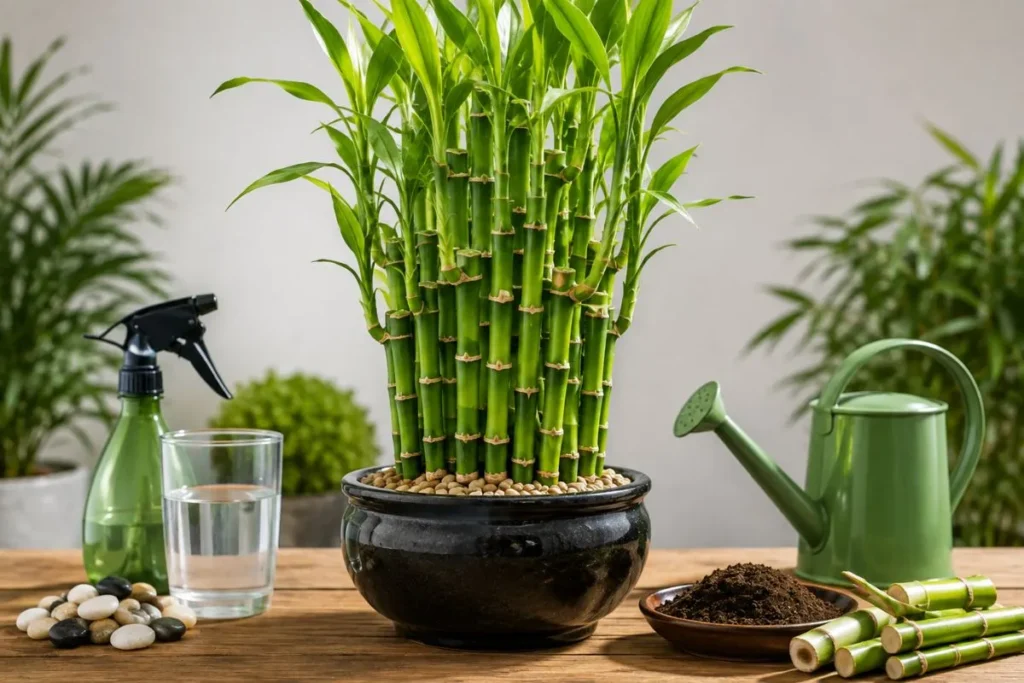
In this guide, you’ll learn everything you need to know about how to keep bamboo alive indoors, how to keep bamboo alive outside, and how to keep bamboo alive in a pot.
You’ll also discover the best watering routine, the right lighting conditions, ideal soil, and simple maintenance habits that encourage healthy bamboo growth.
We’ll also cover common issues like yellow leaves, brown tips, and slow growth so you know exactly how to deal with them before they become serious problems.
By the end of this guide, you’ll have a clear understanding of how to grow a thriving bamboo plant without relying on complicated gardening methods.
Whether you’re caring for your first bamboo plant or looking to improve your current routine, these practical tips will help you enjoy a healthy, green plant for years to come.
Understanding Bamboo Before You Care for It
Before you start watering, fertilizing, or moving your bamboo around, it’s helpful to understand what kind of bamboo you have. Not all bamboo plants are the same, and knowing the difference makes how to keep bamboo alive much easier.
Understanding your bamboo variety is the foundation of proper bamboo plant care and helps you choose the right routine to keep your bamboo healthy for years.
Many people assume every bamboo plant needs identical care. In reality, different varieties have slightly different needs. Some grow happily indoors, while others perform much better outside.
Some spread quickly, while others stay neatly in one place. Learning these differences is one of the most important bamboo care tips if you’re wondering how to keep bamboo alive successfully.
Let’s look at the main types you’ll come across.
Different Types of Bamboo
Lucky Bamboo vs. True Bamboo
One of the biggest surprises for beginners is learning that Lucky Bamboo isn’t actually bamboo.
Lucky Bamboo belongs to a completely different plant family. It’s more closely related to dracaena than true bamboo. Even though it has bamboo-like stems, its care requirements are different.
Lucky Bamboo is commonly grown indoors in water or small containers.
It prefers bright, indirect sunlight and stable indoor temperatures. Because of this, many people searching for how to keep bamboo alive or the best way to keep Lucky Bamboo alive accidentally follow care tips meant for outdoor bamboo.
That often leads to yellow leaves, weak growth, or other avoidable problems.
True bamboo, on the other hand, belongs to the grass family. It grows much larger and is commonly planted in gardens, landscapes, or large containers.
Most varieties thrive in nutrient-rich, well-draining soil and need enough space for their roots to spread naturally. Understanding these needs is essential if you want to grow healthy bamboo and practice proper bamboo maintenance.
Knowing which plant you own is the first step in following the right bamboo care guide and understanding how to keep bamboo alive in the long term.
Indoor Bamboo vs. Outdoor Bamboo
Another important difference is where your bamboo is growing.
Indoor bamboo plants usually receive less sunlight, experience more stable temperatures, and depend entirely on you for watering and nutrition. That’s why indoor bamboo plant care focuses on providing bright indirect light, consistent watering, proper humidity, and containers with good drainage. These simple habits are key to keeping bamboo healthy indoors.
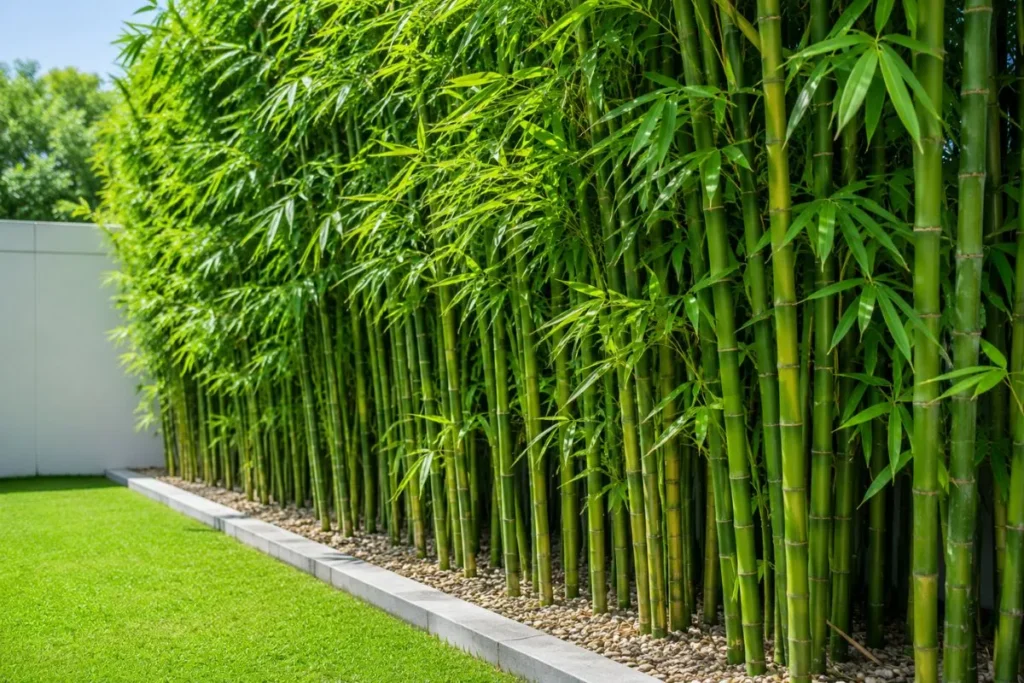
Outdoor bamboo grows under natural weather conditions. It benefits from rainfall and stronger sunlight, but it also has to deal with changing seasons, heavy winds, and temperature extremes.
If you’re learning how to keep bamboo alive outside, you’ll need to consider soil quality, seasonal maintenance, protection during winter in colder climates, and additional watering during hot summer months.
Neither indoor nor outdoor bamboo is more difficult to grow. They simply require different care routines based on their environment. Choosing the right approach makes how to keep bamboo alive much easier, regardless of where your plant grows.
Clumping Bamboo vs. Running Bamboo
If you’re growing true bamboo outdoors, you’ll probably come across two main growth habits: clumping bamboo and running bamboo.
Clumping bamboo grows in compact clusters. New shoots stay close to the parent plant, making it much easier to manage. This variety is popular for residential gardens because it remains tidy, requires less maintenance, and works well for creating natural privacy screens without spreading aggressively.
Running bamboo behaves differently. It spreads through underground rhizomes that can travel several feet from the original plant. Without proper management, it can grow into nearby lawns, flower beds, or neighboring properties.
This doesn’t make running bamboo a bad choice, but it does mean you’ll need to install root barriers or carry out regular bamboo maintenance to keep its growth under control.
Understanding this difference is an important part of bamboo plant maintenance and helps prevent future problems that many homeowners experience while learning how to keep bamboo alive outdoors.
Why Knowing Your Bamboo Type Matters
Choosing the right care routine starts with identifying your bamboo variety.
Lucky Bamboo thrives in filtered indoor light, while many true bamboo species enjoy several hours of natural sunlight. Indoor plants often need higher humidity, whereas outdoor plants rely more on seasonal weather conditions.
Running bamboo requires root management to prevent unwanted spreading, while clumping bamboo naturally stays contained. Likewise, bamboo growing in containers generally needs more frequent watering than bamboo planted directly in the ground.
These differences may seem small, but they play a major role in keeping bamboo healthy and supporting healthy bamboo growth.
Instead of following one-size-fits-all advice, matching your care routine to your specific bamboo variety is the best way to learn how to keep bamboo alive, maintain bamboo plants, and enjoy strong, green growth throughout the year.
In the next section, we’ll move beyond identifying bamboo varieties and focus on the practical care steps that matter most. You’ll learn how to keep bamboo alive with proven techniques for watering, choosing the best soil, providing the right sunlight, maintaining proper humidity, and using fertilizer correctly so your bamboo continues to thrive.
These practical bamboo care tips will help you confidently care for your plant in any growing environment.
How to Keep Bamboo Alive: The Essential Care Guide
People often think bamboo dies because it is a delicate plant. In reality, bamboo is usually very forgiving. Most problems happen because of incorrect care, not because the plant is difficult to grow.
If you understand its basic needs, you’ll quickly learn how to keep bamboo alive and enjoy healthy, green growth for years. Following the right bamboo plant care routine and a few proven bamboo care tips makes it much easier to keep bamboo healthy in any environment.
Give Bamboo the Right Amount of Water
Watering is one of the most important parts of bamboo plant care. It is also where most people make mistakes. Some gardeners water every day because they think bamboo loves soaking wet soil. Others forget to water it for days, believing bamboo can survive almost anything.
The best approach is to keep the soil evenly moist without making it soggy. Bamboo likes consistent moisture, but it doesn’t like sitting in water for long periods. Maintaining this balance is one of the easiest ways to learn how to keep bamboo alive.
If you’re wondering how often should you water bamboo plants, the answer depends on where it’s growing. A bamboo plant in the ground usually needs watering once or twice a week, depending on the weather. A potted bamboo dries out much faster and may need water several times a week during hot weather.
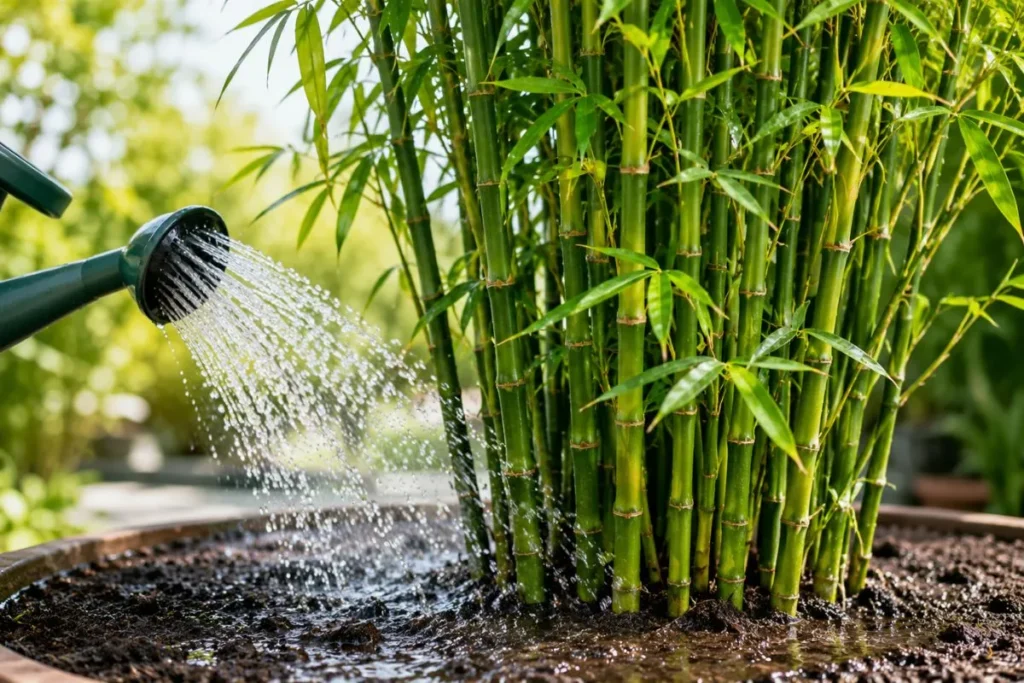
One of the easiest ways to check is by feeling the soil. If the top inch feels dry, it’s usually time to water.
Overwatering often causes yellow leaves, weak roots, and poor growth because the roots struggle to get oxygen. On the other hand, underwatering can leave the leaves dry, curled, or brown around the edges.
Following a regular bamboo watering schedule is much better than watering randomly. Consistency helps the roots grow stronger, supports healthy bamboo growth, and is an essential part of how to keep bamboo alive all year long.
Choose the Best Soil for Healthy Bamboo
Even perfect watering won’t help if your soil holds too much water.
The best soil for bamboo is loose, rich in organic matter, and drains well. Healthy soil allows the roots to absorb water while letting excess moisture escape. This balance keeps the roots healthy and reduces the risk of root rot, making it easier to keep bamboo healthy.
If your garden soil is heavy clay, consider mixing in compost or other organic material before planting. This improves drainage and creates better growing conditions.
For potted bamboo, use a quality potting mix instead of regular garden soil. A potting mix provides better airflow around the roots and makes bamboo root care much easier.
Good drainage is one of the simplest ways to maintain bamboo plants successfully. Without it, water collects around the roots, leading to disease and slow growth.
Make Sure Your Bamboo Gets the Right Sunlight
Light is another key factor in keeping bamboo healthy.
Different bamboo varieties have different light preferences, but most true bamboo grows best with several hours of sunlight each day. Some varieties enjoy full sun, while others perform better with partial shade, especially in areas with very hot summers.
If you’re growing bamboo indoors, place it near a bright window where it receives plenty of indirect light. Strong afternoon sun through glass can sometimes scorch the leaves, so filtered light is often the better choice.
If your bamboo looks pale or grows very slowly, it may not be receiving enough light. If the leaves become dry or scorched, excessive direct sunlight could be the cause.
Finding the best location for bamboo often requires observing your plant for a few weeks and making small adjustments if necessary. Providing the correct light is another important step in how to keep bamboo alive.
Maintain the Ideal Temperature and Humidity
Bamboo grows best in moderate temperatures.
Most varieties prefer warm conditions during the growing season and can tolerate cooler weather depending on the species. However, sudden temperature changes or prolonged frost can stress the plant.
If you’re growing bamboo indoors, maintaining average household temperatures is usually enough. Dry indoor air, especially during winter, can reduce humidity and affect leaf health.
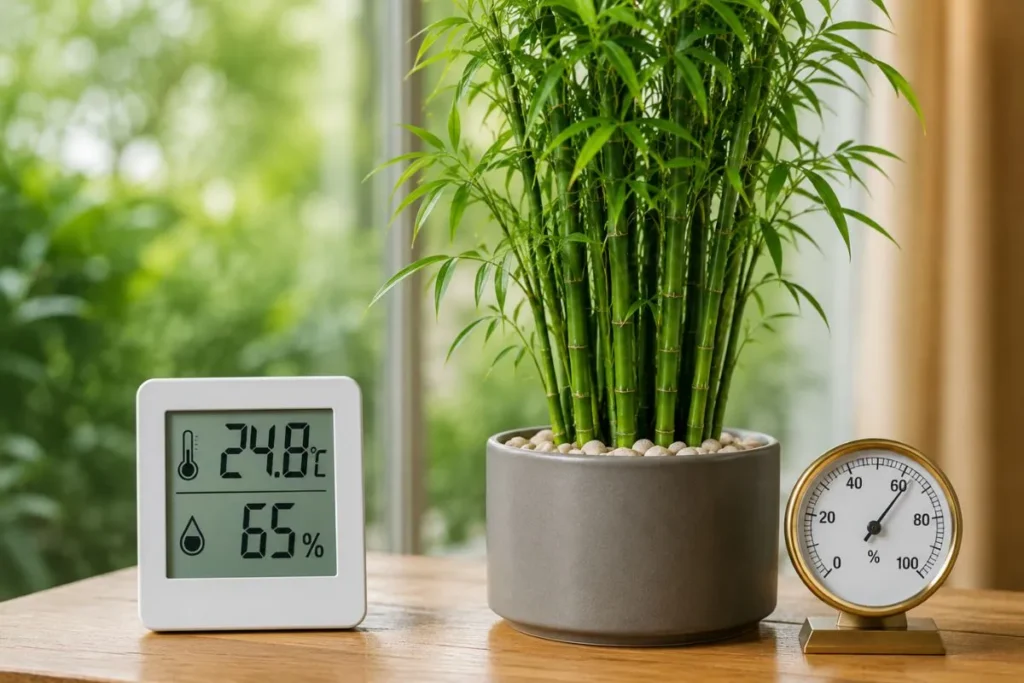
To improve bamboo humidity needs, place the pot away from heating vents and consider lightly misting the leaves occasionally if your home is very dry. Proper humidity encourages greener foliage and healthier growth.
Outdoor bamboo may need some protection during extremely cold winters. Applying mulch around the base helps insulate the roots and maintain stable soil temperatures.
Providing the right bamboo growing conditions throughout the year makes how to keep bamboo alive much easier while promoting long-term plant health.
Feed Bamboo with the Right Fertilizer
Like every fast-growing plant, bamboo benefits from regular feeding.
A balanced fertilizer provides the nutrients needed to produce lush green leaves and strong new shoots. During the active growing season in spring and summer, feeding every few weeks is usually enough for most varieties.
Organic compost is also an excellent option because it slowly releases nutrients while improving soil quality.
Avoid using excessive fertilizer. More fertilizer does not mean faster growth. In fact, overfeeding can damage the roots and lead to weak or burnt foliage.
Healthy nutrition, combined with proper watering and sunlight, creates the perfect environment for healthy bamboo growth, supports effective bamboo plant care, and helps keep bamboo alive for many years.
How to Keep Bamboo Alive Indoors
Many beginners believe that indoor bamboo survives with almost no care because it isn’t exposed to outdoor weather. Unfortunately, that’s one of the biggest reasons indoor bamboo struggles.
While indoor plants are protected from harsh conditions, they still rely completely on you for water, light, humidity, and nutrition.
If you want to learn how to keep bamboo alive indoors, creating the right environment is the key. Following a few simple bamboo care tips will help you keep bamboo healthy throughout the year.
Choose the Right Spot
Location makes a huge difference.
Place your bamboo where it receives bright, indirect sunlight for several hours each day. A room with plenty of natural light is usually ideal. Avoid placing the plant directly in front of a window where harsh afternoon sunlight can burn the leaves.
Likewise, don’t place bamboo in dark corners where it receives very little natural light. Poor lighting often results in slow growth and faded leaves. Choosing the right location is one of the easiest ways to master how to keep bamboo alive indoors.
Use the Right Pot
A healthy bamboo plant starts with the right container.
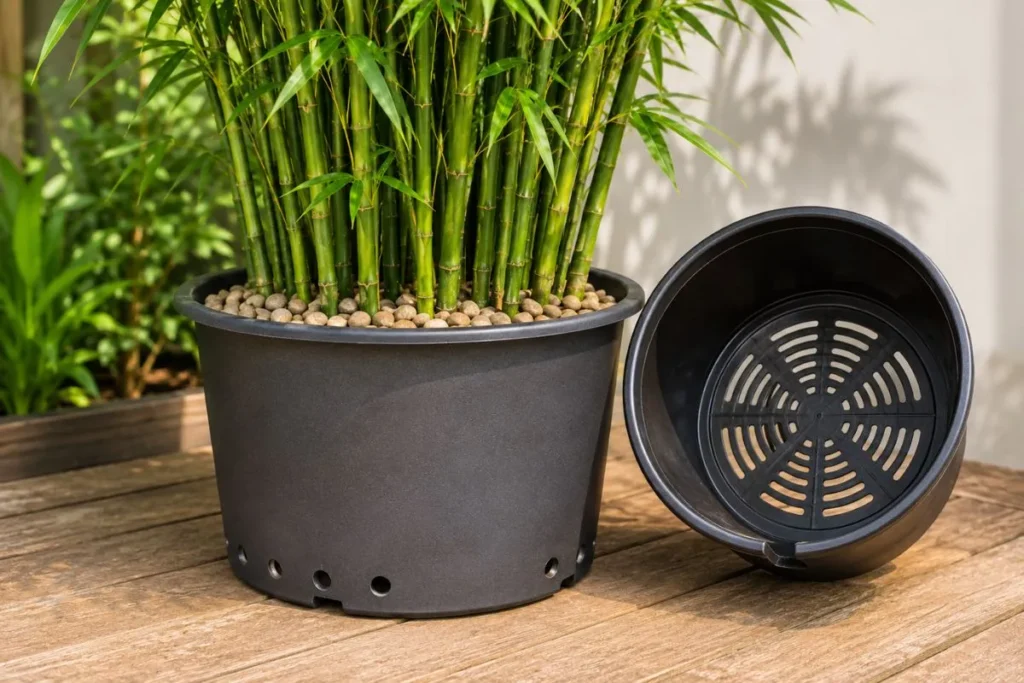
Choose a pot with drainage holes so excess water can escape easily. Containers without drainage trap moisture around the roots, increasing the risk of root rot.
As part of caring for potted bamboo, make sure the pot is large enough for the roots to expand comfortably. If the roots become crowded, repotting into a slightly larger container encourages continued growth. This simple step also helps maintain bamboo plants and supports long-term health.
Keep Watering Consistent
Indoor plants don’t receive rain, so creating a regular watering routine is important.
Check the soil every few days instead of watering on a fixed schedule. Water when the top layer begins to dry while avoiding overly wet soil.
Following this simple routine is one of the easiest ways to master how to keep bamboo alive in a pot, prevent common watering mistakes, and encourage healthy bamboo growth.
Maintain Comfortable Humidity
Indoor air can become dry because of heating or air conditioning.
If you notice brown leaf tips, dry air may be part of the problem. Keeping your bamboo away from direct heat sources and maintaining moderate humidity helps the leaves stay fresh and green.
Grouping houseplants together or occasionally misting the leaves can also improve humidity around your bamboo. Proper humidity is another essential part of bamboo plant care and helps keep bamboo healthy indoors.
Clean and Monitor Your Plant
Dust naturally collects on indoor leaves over time.
Gently wiping the leaves with a soft, damp cloth helps the plant absorb more light while giving you the chance to inspect for pests or signs of stress.
Regular observation is one of the simplest yet most effective indoor bamboo care habits. By spotting problems early and following these practical bamboo care tips, you’ll better understand how to keep bamboo alive and enjoy a thriving indoor plant for years.
With the right light, watering, humidity, and routine maintenance, keeping bamboo healthy becomes simple even for beginners.
How to Keep Bamboo Alive Outside
Many gardeners assume that once bamboo is planted outdoors, nature will take care of everything. While outdoor bamboo is generally hardy, it still needs proper care to stay healthy.
Weather changes, poor soil, and inconsistent watering can all affect its growth. If you’re wondering how to keep bamboo alive outside, the secret is to create the right growing environment and maintain a simple care routine throughout the year.
Outdoor bamboo is often easier to maintain than indoor bamboo because it benefits from natural sunlight, rainfall, and better air circulation. However, it still depends on proper planting, seasonal maintenance, and occasional attention to thrive.
Choose the Right Planting Location
The location you choose has a huge impact on your bamboo’s long-term health.
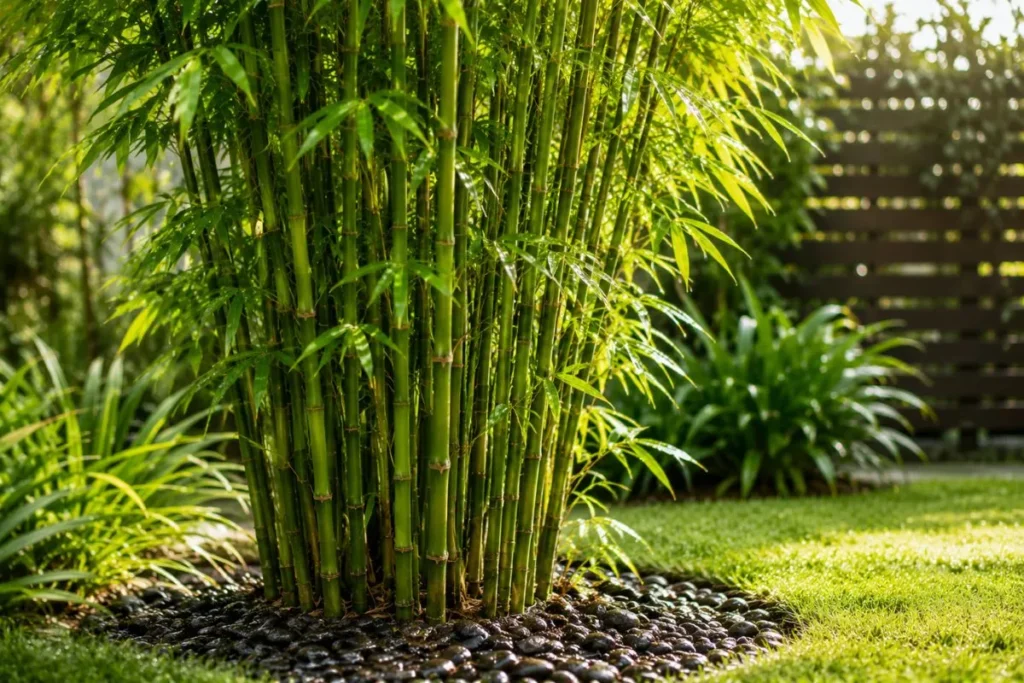
Most bamboo varieties grow best in an area that receives several hours of sunlight each day. Depending on the species, full sun or partial shade can both work well. If you live in a region with extremely hot summers, some afternoon shade can help protect the leaves from scorching.
It’s also important to choose a location with enough space for the bamboo to mature. Crowding bamboo between buildings or large trees can limit airflow and reduce healthy growth.
When selecting the best location for bamboo, look for an area with good drainage and enough room for the root system to expand naturally.
Plant Bamboo in Well-Draining Soil
Healthy roots begin with healthy soil.
One of the most overlooked aspects of outdoor bamboo care is soil quality. Bamboo grows best in fertile, well-draining soil rich in organic matter. Soil that stays waterlogged after rain can lead to root rot, while extremely dry soil may slow growth and cause leaf damage.
Before planting, improve poor soil by mixing in compost or other organic materials. This helps retain moisture while still allowing excess water to drain away.
Healthy soil gives bamboo the nutrients and oxygen it needs to produce strong roots and vigorous new shoots.
Water Deeply During Dry Periods
Although outdoor bamboo receives natural rainfall, it still needs additional watering during dry weather.
Newly planted bamboo requires more frequent watering because its roots are still becoming established. Mature bamboo is more drought-tolerant but still benefits from deep watering during long periods without rain.
Instead of watering lightly every day, water deeply so moisture reaches the root zone. Deep watering encourages stronger roots and makes the plant more resilient during hot weather.
If you’re trying to master how to grow bamboo successfully, consistent watering during the first year is one of the most important habits to develop.
Apply Mulch Around the Base
Mulching is one of the easiest ways to improve bamboo plant maintenance.
A layer of organic mulch helps keep the soil moist, reduces weed growth, and protects the roots from sudden temperature changes. As the mulch breaks down, it also adds valuable nutrients back into the soil.
Keep the mulch a few inches away from the bamboo stems to prevent excess moisture from collecting around the base.
Refreshing the mulch once or twice a year helps maintain healthy bamboo growing conditions.
Protect Bamboo from Extreme Weather
Outdoor bamboo is strong, but extreme weather can still cause stress.
During hot summers, increase watering if the soil dries out quickly. Prolonged heat without enough moisture can lead to curled or brown leaves.
In colder climates, protect bamboo during winter by applying a thick layer of mulch around the roots. This helps insulate the plant and reduces damage caused by freezing temperatures.
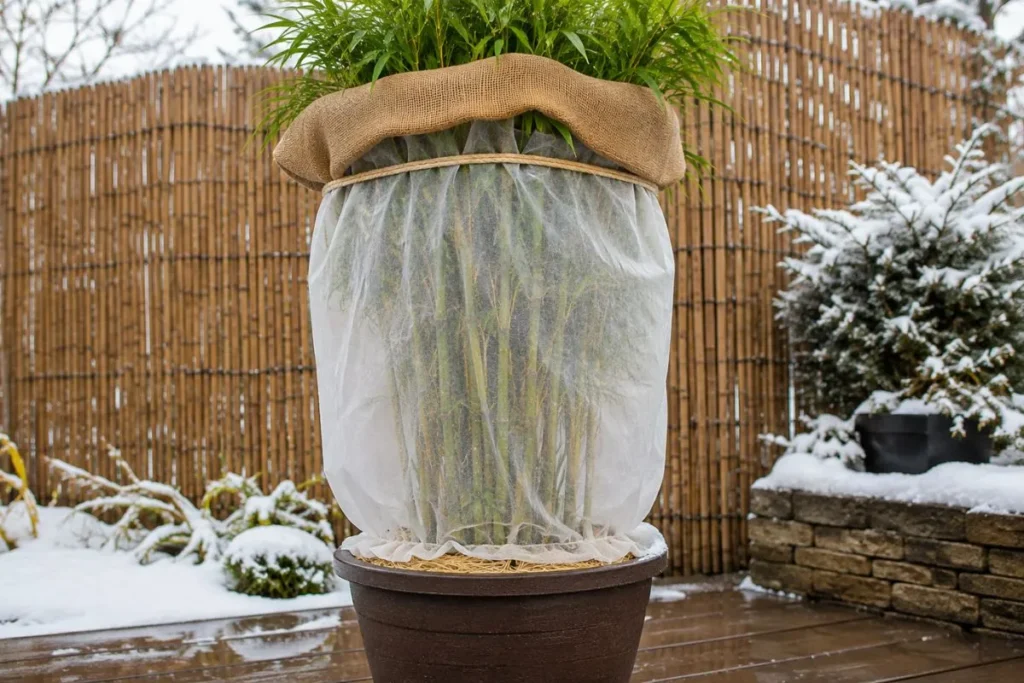
Strong winds can also dry out the leaves and bend young canes. If your garden is exposed to heavy winds, planting bamboo near a fence or natural windbreak can provide additional protection.
These simple steps make a big difference in keeping bamboo healthy throughout every season.
Prune Dead or Damaged Canes
Pruning is an important part of long-term bamboo care outdoors.
Remove dead, damaged, or weak canes whenever you notice them. This improves air circulation, allows more sunlight to reach healthy stems, and encourages new growth.
You can also trim lower branches if you want a cleaner appearance or better visibility through a bamboo screen.
Avoid removing too many healthy canes at once, as excessive pruning may temporarily slow growth.
Watch for Pests and Diseases
Outdoor bamboo is generally resistant to serious problems, but it’s still a good idea to inspect your plants regularly.
Check the leaves and stems for signs of insects, discoloration, or unusual spots. Catching problems early makes them much easier to treat before they spread.
Keeping the planting area clean, avoiding overwatering, and providing proper airflow all help reduce the risk of pests and diseases.
Healthy plants are naturally more resistant to common garden problems.
Feed Bamboo During the Growing Season
Outdoor bamboo grows quickly and benefits from regular feeding.
Apply a balanced fertilizer or organic compost during spring and summer when the plant is actively producing new shoots. This provides the nutrients needed for lush foliage and strong stem development.
Avoid excessive fertilizing late in the growing season, as new growth may become vulnerable to cold weather before it has time to harden.
A simple feeding schedule supports healthy bamboo growth and keeps your outdoor plants looking their best year after year.
12. Frequently Asked Questions (FAQs)
12.1 How often should you water bamboo plants?
There isn’t a one-size-fits-all watering schedule because it depends on the type of bamboo, the weather, and where it’s growing. In general, bamboo prefers evenly moist soil rather than soil that is constantly wet or completely dry.
Check the top inch of soil with your finger. If it feels dry, it’s time to water. Potted bamboo usually needs watering more often than bamboo planted in the ground because containers dry out faster.
Can bamboo survive without direct sunlight?
Yes, many bamboo varieties can survive without direct sunlight, but they still need plenty of bright light to stay healthy. Indoor bamboo often grows best in bright, indirect sunlight, while outdoor bamboo may prefer full sun or partial shade depending on the variety.
If your bamboo isn’t getting enough light, you may notice slow growth, pale leaves, or weak stems.
What is the best way to keep lucky bamboo alive?
The best way to keep lucky bamboo alive is to place it in bright, indirect light, use clean filtered or distilled water if it’s grown in water, and change the water regularly. If it’s planted in soil, keep the soil lightly moist and avoid overwatering.
Lucky Bamboo also prefers warm temperatures and should be kept away from direct sunlight and cold drafts.
How do you grow healthy bamboo year round?
If you want to grow healthy bamboo year round, focus on consistent care instead of occasional attention. Water the plant whenever the soil begins to dry, provide the right amount of sunlight, feed it during the growing season, and prune dead or damaged leaves.
During winter, reduce watering slightly and protect outdoor bamboo from severe frost if necessary.
How long does a bamboo plant live?
A healthy bamboo plant can live for many decades with proper care. Individual bamboo canes usually last between five and ten years, but the plant continues producing new shoots from its underground root system. With good bamboo plant care, many bamboo clumps can thrive for generations.
Can overwatering kill bamboo?
Yes. Overwatering is one of the most common reasons bamboo plants struggle. When the soil stays waterlogged for too long, the roots cannot get enough oxygen and may begin to rot. Signs of overwatering include yellow leaves, soft stems, and slow growth. Using well-draining soil and watering only when needed helps prevent this problem.
Why is my bamboo not growing?
Several factors can slow bamboo growth. The most common causes include insufficient sunlight, poor soil quality, lack of nutrients, overcrowded roots, or incorrect watering.
Before assuming your plant is unhealthy, check its growing conditions and make small adjustments. Improving light, watering, or soil quality often encourages healthy new growth.
Does bamboo need fertilizer every month?
Not always. Bamboo benefits from regular feeding during its active growing season, but monthly fertilizing isn’t necessary throughout the entire year. Most varieties grow well when fertilized every four to eight weeks in spring and summer.
During autumn and winter, bamboo naturally slows its growth, so reducing or stopping fertilizer is usually the better choice.
These frequently asked questions cover the concerns most gardeners have when learning how to keep bamboo alive. By following the simple care tips shared throughout this guide, you can avoid common mistakes, encourage healthy bamboo growth, and enjoy a thriving bamboo plant indoors or outdoors for many years.
Conclusion
Keeping bamboo healthy doesn’t have to be complicated. The biggest misconception is that bamboo either grows on its own without any care or is too difficult for beginners to maintain.
The truth is somewhere in the middle. Once you understand its basic needs, keeping bamboo healthy becomes part of a simple routine.
Throughout this guide, you’ve learned how to keep bamboo alive by providing the right amount of water, choosing well-draining soil, placing your plant in suitable sunlight, maintaining proper humidity, and feeding it with the right fertilizer during the growing season.
You also discovered how different bamboo varieties have different care requirements and why identifying your plant is the first step toward long-term success.
Whether you’re learning how to keep bamboo alive indoors, how to keep bamboo alive outside, or how to keep bamboo alive in a pot, the same principle always applies: consistency is more important than perfection. Regular watering, occasional pruning, and paying attention to changes in your plant will help prevent most common problems before they become serious.
Don’t be discouraged if your bamboo develops yellow leaves or grows more slowly than expected. Plants often give clear signs when something isn’t right. Small adjustments to watering, lighting, or soil conditions are usually enough to get your bamboo back on track.
With the right bamboo care tips and a little patience, your plant can reward you with lush green foliage and steady growth for many years. Healthy bamboo not only enhances your home or garden but also creates a calm, natural atmosphere that many plant lovers appreciate.
Now that you know how to keep bamboo alive, you’re ready to care for your plant with confidence. Follow the practical advice in this guide, stay consistent with your maintenance routine, and you’ll enjoy strong, vibrant, and healthy bamboo for years to come.

Plant Nest Blog’s author is passionate about plants, gardening, and sustainable living. Through research and practical experience, they share helpful plant care tips, gardening guides, and easy solutions to help readers grow healthier plants and create greener spaces.