
A common belief is that every tiny jumping bug found on a plant is a flea. That isn’t necessarily true. Several small insects on plants can look or behave like fleas, and some may not even feed on the plant itself.
Before reaching for a spray, it’s smart to identify what you’re dealing with. This makes how to get rid of small fleas from plants much easier and helps you avoid using a treatment your plant doesn’t need.
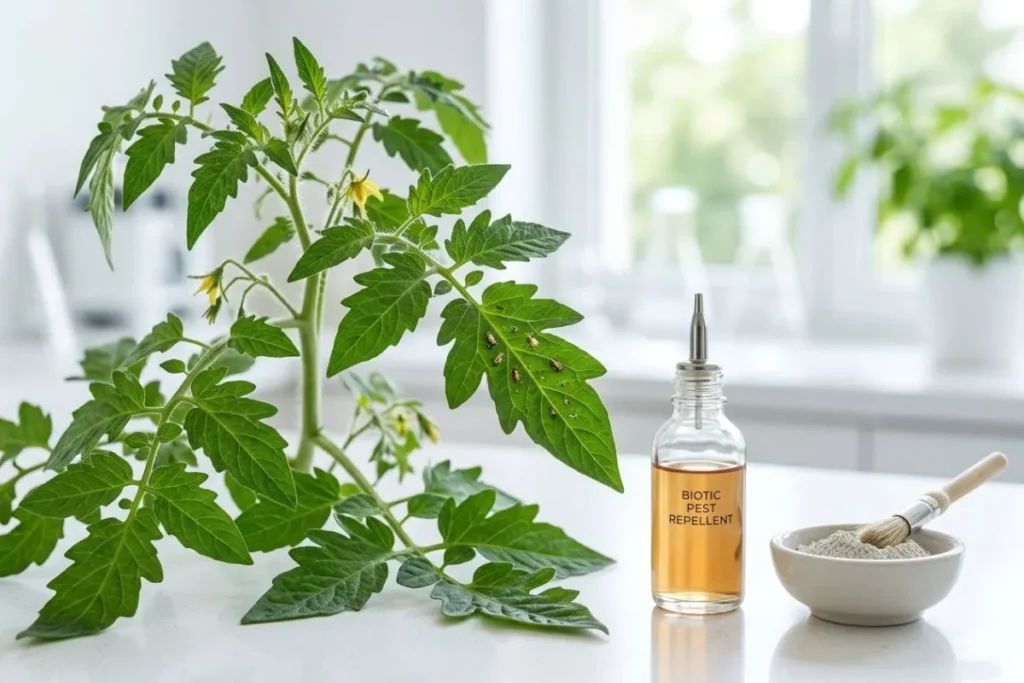
Tiny pests can show up on houseplants, garden plants, and potted plants for many reasons. Some stay on leaves, while others live in the soil or jump when disturbed.
In this guide, you’ll learn how to spot these small fleas on plants, understand what may be attracting them, and choose practical ways to get rid of them while keeping your plants healthy.
Are Those Really Fleas on Your Plants?
If you see tiny jumping bugs on plants, don’t assume they’re true fleas. Fleas are mainly associated with animals, while several plant pests can appear as tiny, dark, fast-moving insects.
Flea beetles, for example, are known for jumping when disturbed and can leave small holes in plant leaves. Springtails may also jump and are often found around damp soil. Other pests, such as fungus gnats, aphids, or thrips, can also be mistaken for tiny fleas.
How to Recognize Flea-Like Bugs
Take a close look before choosing a treatment. Check whether the insects jump, fly, or simply crawl. Notice where you find them too. Pests on plant leaves may behave differently from bugs in plant soil. Look underneath leaves, around stems, and across the surface of the potting soil.
Also check the damage. Tiny holes in leaves may point toward a chewing pest, while sticky residue, distorted leaves, or visible larvae can suggest a different problem.
These clues can help you determine whether you’re dealing with tiny black bugs on plants, flea beetles, springtails, or another type of plant pest. Once you know what you’re looking at, you can choose a more targeted way to remove it.
Why Do Small Flea-Like Bugs Appear on Plants?
A common mistake is assuming that small bugs appear on plants simply because the plant is dirty or unhealthy. That’s not always the case. Even well-cared-for plants can attract plant pests when the growing conditions are right for them.
Moist soil, plant debris, crowded foliage, and a newly introduced plant can all contribute to a pest problem.
Understanding why these insects appear is an important part of learning how to get rid of small fleas from plants. Once you identify the conditions attracting or supporting them, you can make simple changes that may reduce the problem and help prevent it from returning.
Excess Moisture
Constantly damp conditions can create a comfortable environment for certain pests, particularly insects associated with moist soil. This is especially relevant to indoor plants and container gardens.
If you’re dealing with bugs in plant soil, check how often you water and whether the container drains properly. Don’t keep adding water simply because the soil surface looks slightly dry.
Different plants have different moisture needs, so adjust your watering routine according to the plant rather than following a fixed schedule.
Damp Potting Soil
Some tiny insects spend part of their life cycle in or around the soil. Springtails, for example, are commonly associated with moist environments and may jump when disturbed.
If you notice insects in potting soil, examine the soil surface closely. Look for insects moving when you water the plant or disturb the top layer. Improving drainage and avoiding unnecessarily wet conditions can make the environment less attractive to moisture-loving pests.
Organic Material and Plant Debris
Dead leaves, fallen flowers, and other decaying material can accumulate around a plant. This organic matter can provide food or shelter for some small insects.
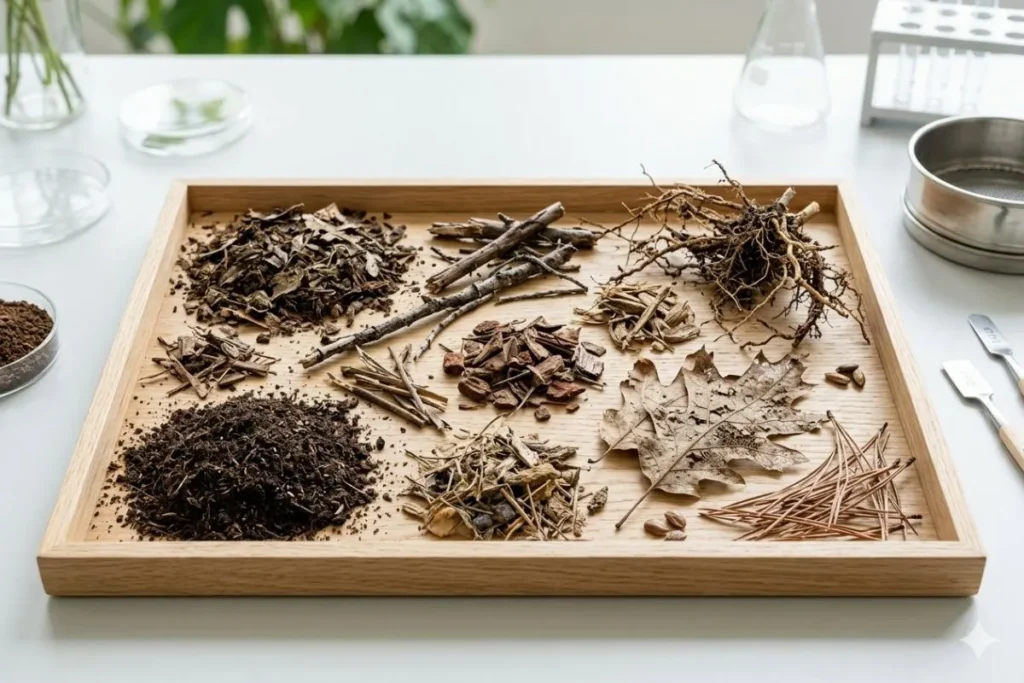
Regularly remove dead plant material from the pot and surrounding area. Keeping the growing space clean is a simple part of natural pest control and can make it easier to notice a developing plant pest infestation before it becomes widespread.
Overcrowded Plants
Plants placed too close together can have less airflow around their leaves. Crowded foliage also gives pests more opportunities to move from one plant to another.
Give your plants enough space for air to circulate. If one plant has an obvious infestation, move it away from healthy plants while you inspect and treat it. This is especially important for indoor plant pests, where several pots may be sitting close together.
Poor Air Circulation
Stagnant air and consistently damp conditions can contribute to an environment where certain pests thrive. Good airflow helps foliage dry more naturally after watering and makes the growing area less humid.
You don’t need to create a strong wind around your plants. Simply avoid packing containers tightly together, and make sure leaves aren’t constantly pressed against walls or other plants.
An Infected Plant Brought Indoors
One of the easiest ways to introduce small insects on plants is to bring an affected plant into your home without checking it first. A plant may look perfectly healthy at a quick glance while hiding insects beneath its leaves or around its soil.
Before adding a new plant to your collection, inspect the leaves, stems, and soil. Keeping a new plant separate for a short observation period can also help you spot potential problems before they spread to your other houseplants.
Outdoor Pests Moving Indoors
Plants that spend time outdoors can encounter many garden pests. When you bring them inside, some insects may come with them.
Check both sides of the leaves and examine the soil before moving outdoor plants indoors. Pay special attention to tiny jumping insects, eggs, larvae, or unusual leaf damage.
By identifying the source of the problem, you can move beyond simply trying to get rid of plant pests and start preventing them from returning. The next step is to inspect the affected plant closely and determine exactly where the insects are hiding.
Check Your Plant Before Treating It
A common mistake is thinking you should immediately spray a plant as soon as you spot a tiny bug. That’s not always the best move. Different plant pests can look surprisingly similar, but they don’t all respond to the same treatment.
A quick inspection can tell you whether you’re dealing with pests on plant leaves, bugs in plant soil, or something else entirely.
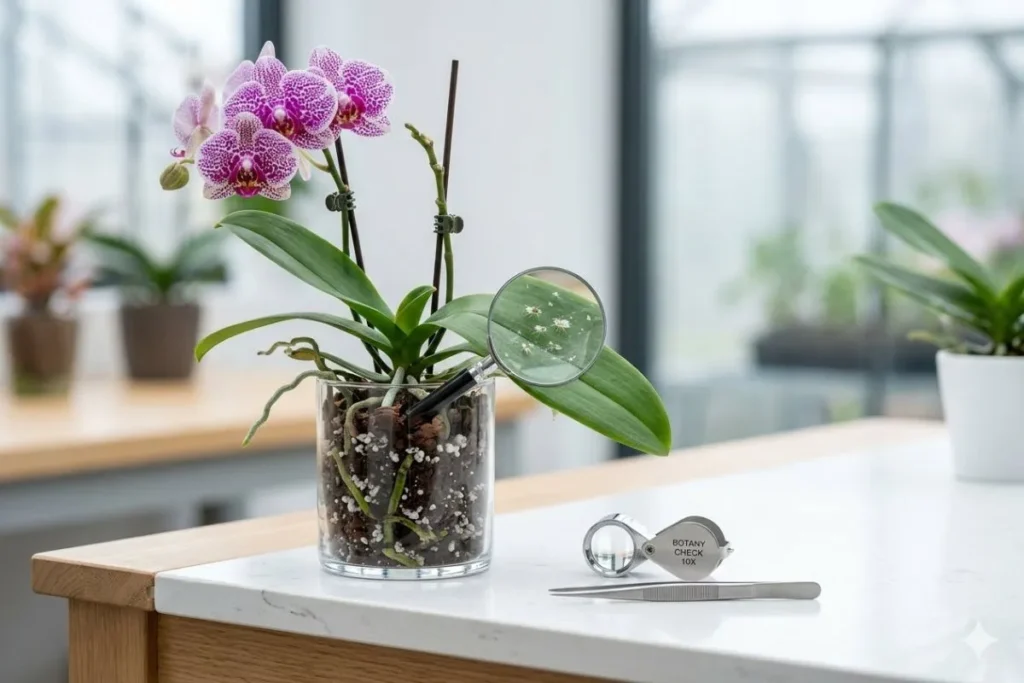
Before trying to get rid of small fleas from plants, take a few minutes to inspect the whole plant. Look closely at the leaves, stems, soil, and even the area around the pot. This simple step can save you from using the wrong treatment and potentially stressing the plant.
Check the Tops and Undersides of Leaves
Start with the leaves. Look at both the upper and lower surfaces, especially newer growth. Some insects hide underneath leaves where they’re harder to notice.
Check for tiny moving insects, eggs, unusual spots, holes, sticky residue, or damaged areas. Bugs under plant leaves can be easy to miss if you only inspect the top surface.
If you notice small holes appearing across the foliage, pay attention to where the damage is concentrated. This information can help you narrow down the type of pest causing the problem.
Examine the Stems
Next, inspect the stems from top to bottom. Some pests gather around stems, leaf joints, or fresh growth.
Look for clusters of tiny insects, unusual marks, or anything that looks different from the normal texture of the plant. Use a flashlight if you’re checking an indoor plant in a dim area.
Don’t rush this step. A few extra minutes of careful inspection can reveal where the plant pest infestation is actually concentrated.
Inspect the Soil Surface
If you don’t see much activity on the leaves, look at the soil. Some tiny insects spend time around the growing medium rather than on the foliage.
Watch the soil when you gently move the surface or water the plant. If tiny insects suddenly appear, jump, or move quickly, you’ve found an important clue.
This is especially useful when dealing with insects in potting soil, plant soil pests, or other bugs that prefer damp organic material.
Check Around the Drainage Area
Don’t forget the bottom of the pot. Check around the drainage holes and the surface underneath the container.
If the area stays constantly damp, it may provide suitable conditions for certain moisture-loving pests. Look for insects, larvae, or excessive moisture around the drainage area.
This check is particularly useful for potted plants because pest activity isn’t always visible above the soil.
Look at the Damage
The damage itself can provide useful clues. Ask yourself what has changed. Are there tiny holes in the leaves? Are the leaves curling or becoming distorted? Is there sticky residue? Are there pale or discolored patches? Are tiny insects jumping when the plant is disturbed? Are bugs concentrated around the soil?
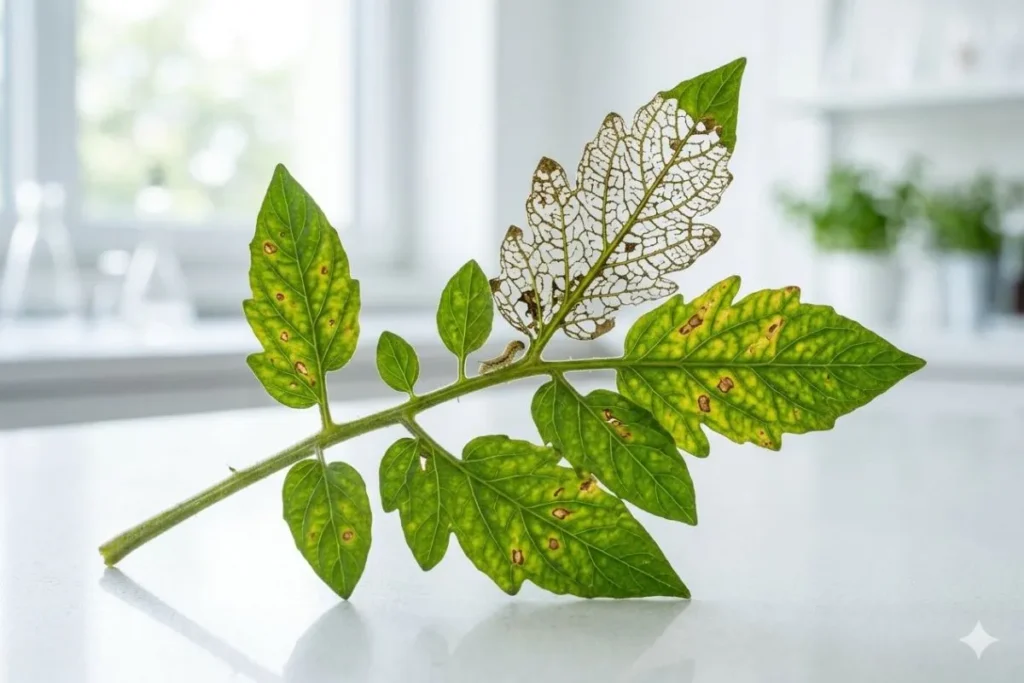
For example, tiny black bugs on plants that jump when disturbed may point you toward a different pest than insects that remain attached to the leaves. Don’t rely on color alone. A black, brown, or pale insect can belong to several different pest groups.
Isolate the Affected Plant
If you suspect a pest problem, move the affected plant away from healthy plants when practical. This is especially important for an indoor vegetable garden or a collection of houseplants sitting close together.
Isolation gives you time to inspect the plant and decide on a suitable treatment without immediately exposing nearby plants.
Also check the plants that were sitting next to it. Even if they look healthy, inspect their leaves and soil for early signs of small insects on plants.
Don’t Treat What You Haven’t Identified
You may be tempted to use the strongest spray you can find, but that approach can create more problems than it solves. Some products can damage sensitive foliage when used incorrectly, and a treatment that works for one pest may have little effect on another.
Instead, use your inspection to narrow down the problem first. Once you know whether the insects are on the leaves, jumping from the foliage, or living around the soil, you can choose a more targeted approach.
This is the smartest starting point for how to get rid of tiny fleas on indoor plants and for protecting your plants from unnecessary treatments.
Frequently Asked Questions About Small Fleas on Plants
Before treating tiny bugs, remember that not every jumping insect on a plant is actually a flea. The right solution depends on what you’re seeing and where the pest is living. These common questions can help you narrow down the problem and choose a sensible next step.
What Are the Tiny Fleas Jumping on My Plants?
They may not be true fleas. Flea beetles, springtails, and other tiny jumping insects can look flea-like when they quickly jump away after being disturbed.
Check where you find them. Bugs jumping from leaves and insects appearing mainly around damp soil may be completely different pests. Look at their color, size, movement, and the type of damage they leave behind before deciding how to treat them.
How Do I Get Rid of Small Fleas From Plants Naturally?
Start by identifying the pest and where it is concentrated. Remove visible insects, rinse suitable plants with water, clean away dead leaves, and improve conditions such as excessive moisture when appropriate.
For persistent problems, an appropriate plant-safe treatment may help. Natural pest control works best when it’s matched to the actual pest rather than applied randomly.
How Do I Get Rid of Tiny Fleas on Indoor Plants?
First, separate the affected plant from nearby plants. Then inspect the leaves, stems, and soil to find where the insects are active.
Remove visible pests and clean the surrounding area. If the problem continues, choose a treatment designed for the specific pest and follow its directions carefully. Regular inspection is also an important part of houseplant pest control.
What Kills Small Fleas on Plants Naturally?
There isn’t one natural treatment that kills every tiny insect found on plants. Water, physical removal, insecticidal soap, and neem-based products may be useful for certain pests, but their effectiveness depends on the insect and how the product is used.
If you’re looking for what kills small fleas on plants naturally, identify the pest first. This prevents you from repeatedly applying a treatment that isn’t suited to the problem.
How Do I Get Rid of Small Black Bugs on Plants?
Start by checking whether the tiny black bugs on plants jump, fly, crawl, or remain attached to the leaves. Also inspect the soil for additional activity.
Small black insects can belong to several different pest groups, so color alone isn’t enough for identification. Once you know where the insects are active and what damage they’re causing, you can choose a more appropriate treatment.
How Do I Get Rid of Tiny Insects From Houseplants?
Inspect the entire plant and isolate it if you suspect an infestation. Remove visible insects, clean away damaged or fallen plant material, and check both the foliage and potting soil.
If you need additional treatment, use a product suitable for the plant and pest you’re dealing with. Continue checking the plant after treatment rather than assuming the problem has disappeared immediately.
Can Dish Soap Kill Bugs on Plants?
A properly formulated insecticidal soap for plants is designed for pest control, but ordinary household dish soap isn’t necessarily the same thing. Strong or concentrated detergents can damage some plant leaves.
If you use any soap-based treatment, follow the product directions and test it on a small area first. This is safer than assuming every homemade dish soap spray for plants will work on every plant.
Does Neem Oil Get Rid of Plant Pests?
Neem-based products are commonly used as part of plant pest management, but results can vary depending on the pest and application. They should be used according to the product label.
If you’re considering neem oil for plant pests, test the product on a small portion of the plant first, particularly if the foliage is sensitive. Avoid assuming that neem oil will solve every type of pest infestation.
How Do I Prevent Small Bugs From Returning?
Prevention starts with regular inspection. Check new plants before bringing them indoors, remove fallen leaves and debris, avoid unnecessarily wet soil, and give plants enough space for good airflow.
Also inspect nearby plants when you find an infestation. These simple habits can help prevent pests on plants and make it easier to catch a problem while it is still small.
Conclusion:
Getting rid of tiny bugs doesn’t always mean reaching for the strongest pesticide. The common mistake is treating every small, jumping insect as a flea. Instead, start by identifying what you’re actually dealing with.
Check the leaves, stems, soil, and surrounding area, then choose a treatment that matches the pest.
If you’re wondering how to get rid of small fleas from plants, keep the process simple. Remove visible insects, clean away plant debris, manage excess moisture, isolate affected plants, and use an appropriate treatment when necessary.
Regular inspections can also help you catch plant pests before they become a larger problem.
Healthy plants are easier to protect when their basic needs are met. Keep an eye on your foliage, avoid unnecessary overwatering, and inspect new plants before adding them to your collection. These small habits can make preventing pests on plants much easier.
Have you found tiny jumping bugs on your plants? Check where they’re hiding and what damage they’re causing first. Once you know the pest, you’ll have a much better idea of how to deal with it.

Plant Nest Blog’s author is passionate about plants, gardening, and sustainable living. Through research and practical experience, they share helpful plant care tips, gardening guides, and easy solutions to help readers grow healthier plants and create greener spaces.