
Many people believe that simply placing one Best Plant to Repel Mosquitoes near the door or patio will make mosquitoes disappear. That is not quite true. Plants can be a useful part of natural mosquito control, but no single plant can guarantee a mosquito-free yard. The right choice depends on your space, sunlight, climate, and how you use the area.
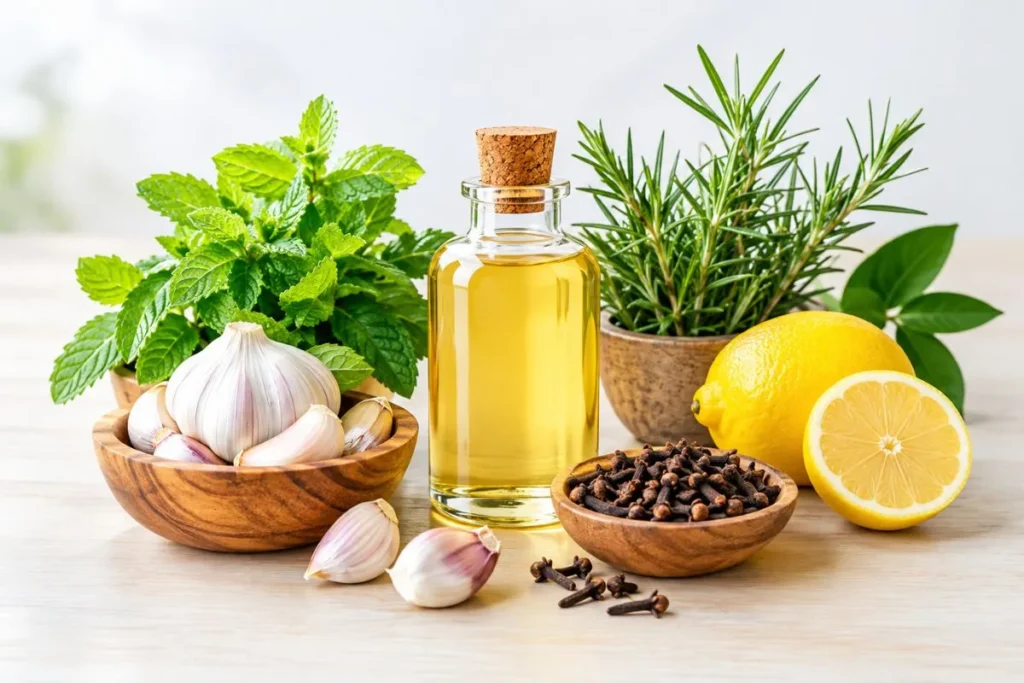
If you are looking for the best plant to repel mosquitoes, start with plants known for their strong natural aromas. Lavender, basil, rosemary, mint, lemongrass, citronella, and marigolds are popular choices for gardens, balconies, patios, and containers. Growing several plants that repel mosquitoes naturally can add fragrance and beauty to your outdoor space while supporting a broader mosquito-control routine.
What Makes a Plant Good at Repelling Mosquitoes?
Not every plant with a strong smell is automatically an effective mosquito repellent. A common mistake is to assume that simply placing any fragrant flower or herb in the garden will keep mosquitoes away.
In reality, mosquito deterrent plants are mainly valued for the natural aromatic compounds found in their leaves, flowers, or stems.
Natural Aromas and Plant Compounds
Many natural insect repellent plants contain aromatic compounds that produce strong scents. Plants such as lavender, rosemary, basil, mint, and lemongrass are popular because of their noticeable fragrances.
These scents can help make an outdoor space less appealing to mosquitoes, although the effect varies from plant to plant and depends on how the plant is used.
Growing the Plant vs. Using Plant Oils
There is an important difference between growing a mosquito-repelling plant and using a concentrated plant oil or extract. A living plant releases some fragrance naturally, but usually at a much lower concentration than an extracted oil.
So, growing plants that repel mosquitoes naturally should be viewed as one part of a larger approach rather than a guaranteed mosquito-control solution.
Why Plant Placement Matters
Where you grow your mosquito repelling plants also matters. Placing fragrant plants near patios, porches, balconies, or other areas where you spend time can make more sense than planting them in a distant corner of the yard. Container-friendly herbs are especially useful because you can move them around as needed.
Fragrance Alone Is Not Enough
Even the best plant to repel mosquitoes cannot solve every mosquito problem by itself. Mosquitoes can breed in standing water around pots, buckets, gutters, and other containers. Keeping these areas dry and combining plants with good outdoor maintenance can support more effective natural mosquito control.
Choose Plants That Fit Your Garden
The most practical mosquito deterrent plant is one that can actually thrive in your conditions. Consider sunlight, soil, watering needs, available space, and whether you want a garden plant or a mosquito repellent plant for pots. Healthy plants are easier to maintain and can add useful fragrance and greenery to your outdoor space.
Best Plants to Repel Mosquitoes
A common belief is that you need a special or expensive plant to keep mosquitoes away. You don’t. Some easy-to-grow herbs, flowers, and fragrant plants can be useful additions to your outdoor space. The key is choosing plants that suit your garden and growing conditions. Here are seven popular mosquito repellent plants to consider.
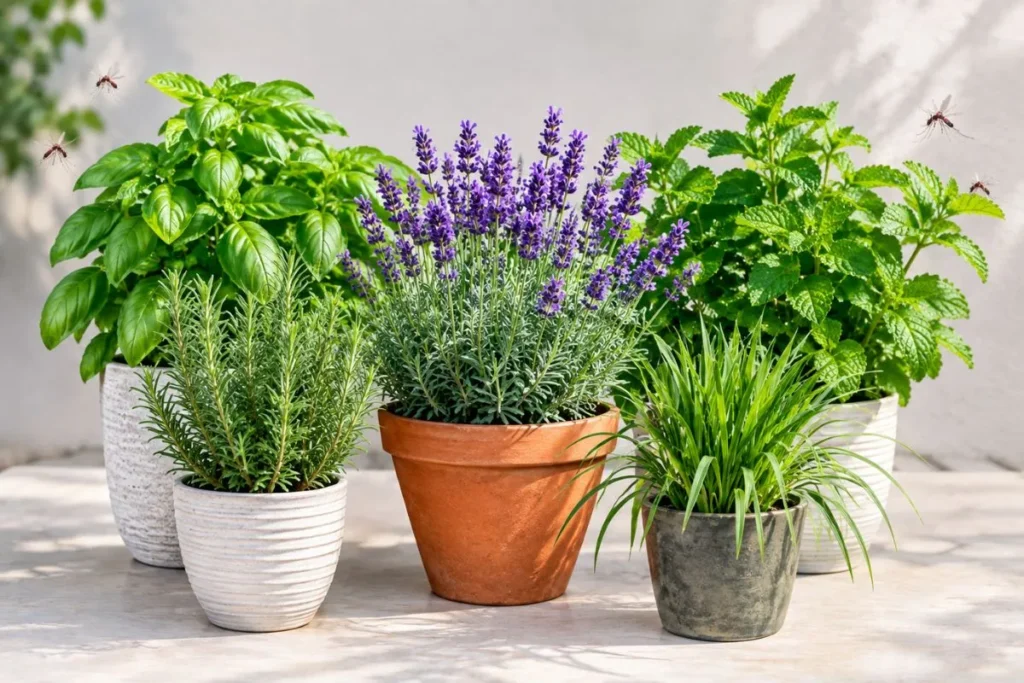
Citronella Plant
Citronella is one of the first plants people think of when looking for a best mosquito repellent plant. It has a strong citrus-like fragrance and is often grown in containers around patios, porches, and outdoor seating areas. Its attractive grassy foliage also makes it a practical choice for a decorative garden.
For small spaces, citronella can work well as one of the mosquito repellent plants for pots. Give it plenty of sunlight and use well-draining soil. Keep the container where you regularly spend time outdoors rather than placing it at the far end of the garden.
Lavender
Lavender is a favorite for gardeners who want a plant that looks beautiful while adding a pleasant fragrance to the yard. Its purple flowers and aromatic foliage make it a popular lavender mosquito repellent plant for gardens, patios, and containers.
Lavender generally prefers plenty of sunlight and well-drained soil. It can be a good choice if you want fragrant mosquito repellent plants that also add color to your outdoor space. Trim old growth when needed and avoid keeping the soil constantly wet.
Basil
Basil is more than a kitchen herb. Its aromatic leaves make it a popular choice among people searching for basil mosquito repellent plants. It grows well in sunny locations and can easily be kept in pots near a patio, balcony, kitchen door, or garden seating area.
One advantage of basil is that it is easy to grow and useful in the kitchen too. Regular harvesting encourages fresh growth, making it a practical option when you want mosquito repellent herbs that serve more than one purpose.
Rosemary
Rosemary has a strong, woody fragrance and is another useful option for gardeners looking for rosemary mosquito repellent plants. It enjoys sunny conditions and can perform well in both garden beds and containers.
Because rosemary prefers good drainage, avoid keeping its roots in soggy soil. A sunny pot near an outdoor seating area can be a simple way to include this mosquito-repelling herb in your garden. It also gives you a handy culinary herb to use while cooking.
Mint
Mint is known for its fresh, powerful aroma and is often included among plants that repel mosquitoes. It grows quickly and can tolerate a range of conditions, which makes it appealing to beginner gardeners.
There is one important catch: mint can spread aggressively when planted directly in the ground. Growing it in a container is usually easier to manage. Keep a pot of mint near a balcony, patio, or other outdoor area where you want an aromatic plant without allowing it to take over the garden.
Marigolds
Marigolds bring bright yellow, orange, and golden flowers to the garden and are commonly used in gardens where gardeners want attractive mosquito repellent flowers. They are relatively easy to grow and can fit nicely into flower beds, borders, or containers.
Marigolds prefer sunlight and reasonably well-drained soil. Their cheerful appearance makes them a useful choice if you want to combine ornamental gardening with your search for natural plants that repel mosquitoes.
Lemongrass
Lemongrass has tall, grass-like leaves and a fresh lemony scent. It is often discussed as a lemongrass mosquito repellent plant and can be especially useful in warm outdoor spaces where it has enough room to grow.
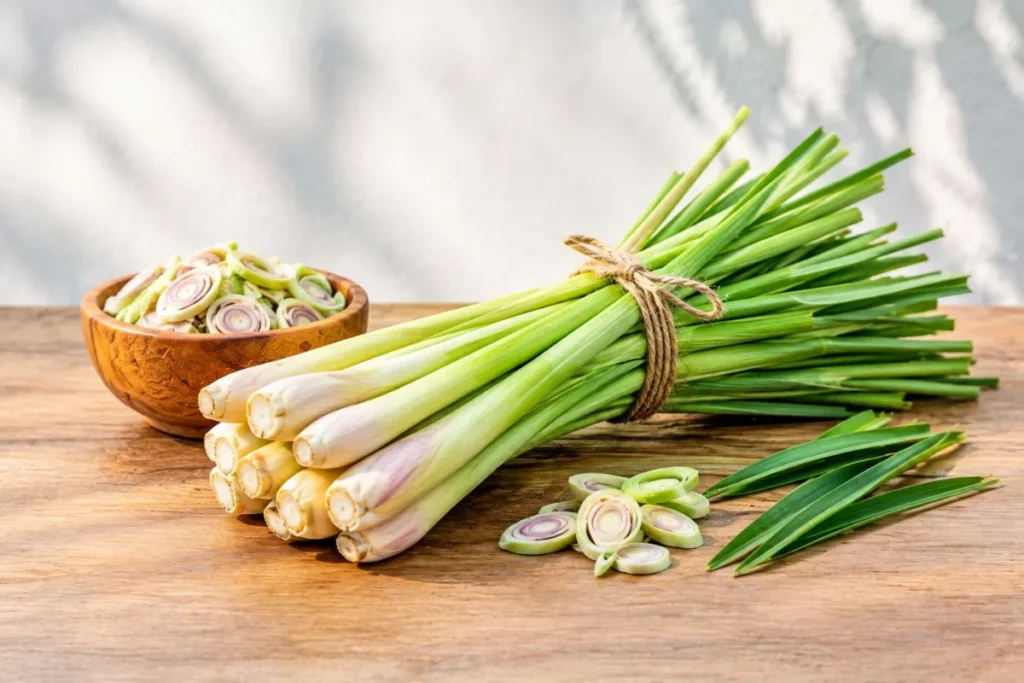
Give lemongrass plenty of sunlight and regular moisture without leaving it in waterlogged soil. It can also be grown in a large container, making it one of the useful mosquito repellent container plants for patios and other outdoor areas.
Which Is the Best Plant to Repel Mosquitoes?
There is no single plant that works perfectly for every garden, so calling one option the universal best plant to repel mosquitoes can be misleading. Your climate, available sunlight, garden size, and maintenance routine all matter. Instead of looking for one magic plant, choose an option that fits your space and combine it with sensible mosquito-control habits.
Compare Plants by Fragrance
Fragrance is one of the main features people consider when choosing plants that repel mosquitoes naturally. Lavender, rosemary, basil, mint, lemongrass, and citronella are all known for their noticeable aromas.
If you want a strong-smelling herb for a small garden, rosemary or mint may be practical choices. For a decorative space, lavender can add both fragrance and attractive flowers. The important point is that a plant’s fragrance does not automatically mean it will provide complete mosquito protection.
Consider How Easy the Plant Is to Grow
A plant is much more useful when you can keep it healthy. Beginner gardeners may prefer hardy options that do not require complicated care. Mint and rosemary can be convenient choices, while basil is useful if you want an herb that can also be harvested for cooking.
When comparing the best mosquito repellent plants, think about how much time you can give them. A low-maintenance plant that thrives in your conditions may be a better practical choice than a plant that struggles in your garden.
Check Container Suitability
If you live in an apartment or have limited outdoor space, you do not need a large garden. Several mosquito repellent plants for pots can grow successfully in containers.
Mint, basil, rosemary, lavender, and citronella can all be considered for container gardening, depending on your local growing conditions. Pots also make it easier to move plants closer to patios, balconies, or seating areas.
Match the Plant to Your Sunlight
Before choosing a best plant for repelling mosquitoes, check how much sunlight your space receives. Many aromatic herbs perform well in sunny locations, but individual plants have different requirements.
A sunny patio may be suitable for rosemary, basil, or lavender, while a plant placed in the wrong location may become weak and difficult to maintain. Good light, suitable soil, and proper watering are essential for keeping mosquito-repelling plants healthy.
Think About Maintenance
Maintenance is another important factor. Some plants need regular pruning, harvesting, or watering, while others can be relatively easy to manage.
For a busy gardener, choosing easy mosquito repellent plants can make the most sense. If you enjoy gardening and don’t mind regular care, you can grow several varieties and create a more diverse mosquito repellent garden.
Choose According to Your Outdoor Space
Your available space should guide your choice. A large backyard gives you room to combine several plants, while a balcony may work better with a few compact containers.
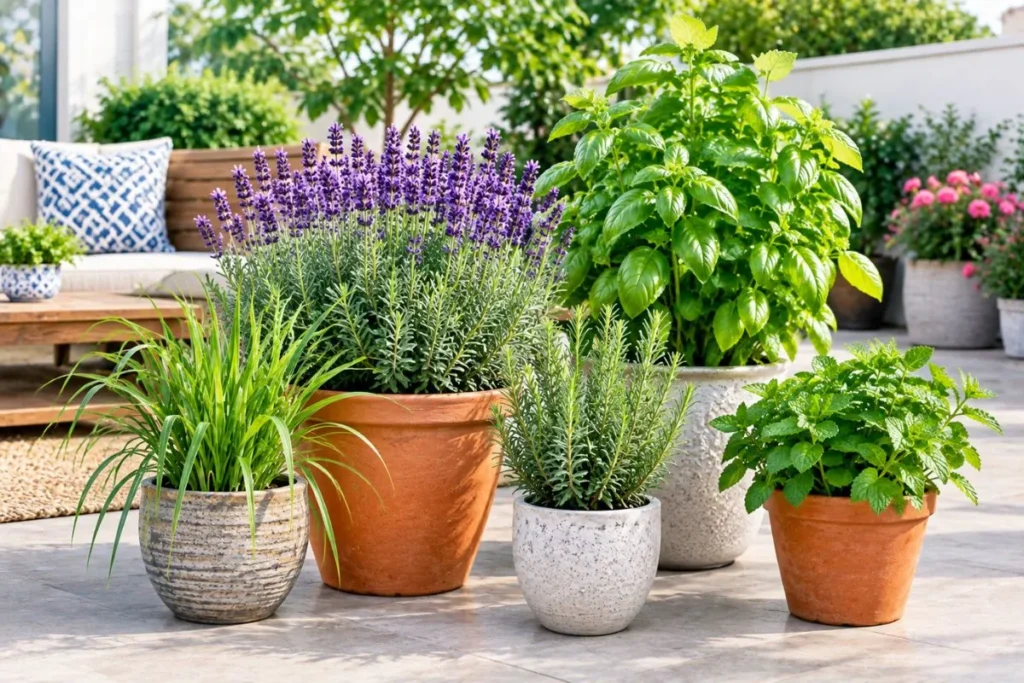
For example, someone searching for the best mosquito repellent plant for pots may want a manageable herb such as mint, basil, or rosemary. Someone with a larger garden can combine herbs and flowering plants to create a more attractive outdoor area.
So, Which Plant Should You Choose?
Rather than naming one universal winner, consider what you need most. If you want an aromatic herb, rosemary, basil, or mint may suit you. If appearance matters, lavender and marigolds can add color. If you have warm, sunny outdoor space, lemongrass can also be worth considering.
The top mosquito repellent plants are ultimately the ones that can thrive in your environment and fit naturally into the areas you use. For the best results, think beyond one plant and combine suitable mosquito repellent garden plants with other practical ways to reduce mosquito breeding areas.
Best Mosquito Repellent Plants for Different Spaces
You don’t need a huge backyard to grow plants that repel mosquitoes. A few well-placed containers can work for a patio, balcony, porch, or small garden. The best choice depends on how much space you have, how much sunlight the area receives, and how much plant care you want to handle.
Best Plants for a Backyard
A backyard gives you plenty of room to combine different mosquito repellent garden plants. Instead of putting everything in one spot, consider growing aromatic plants around areas where your family spends time.
Rosemary, lavender, basil, lemongrass, and marigolds can add fragrance, greenery, and color to an outdoor space. You can place taller plants toward the back of a garden bed and smaller herbs closer to seating areas.
For a larger space, combining several outdoor mosquito repellent plants can also create a more varied garden. Just remember that plants are one part of mosquito control. Removing standing water and keeping the yard maintained are still important.
Best Plants for a Patio
A patio is one of the easiest places to use mosquito repellent plants for pots. Containers are portable, so you can place them near chairs, tables, doors, or other frequently used areas.
Lavender can add attractive flowers, while basil and rosemary provide useful herbs. Mint is another option, but keeping it in its own container helps prevent it from spreading throughout the garden.
If you’re searching for the best plants to keep mosquitoes away from patio areas, focus on plants that can handle the amount of sunlight your patio receives and that are easy to maintain in containers.
Best Plants for a Balcony
Limited space doesn’t mean you have to skip gardening. A balcony can support several mosquito repellent balcony plants when you choose compact containers and place them where they receive suitable light.
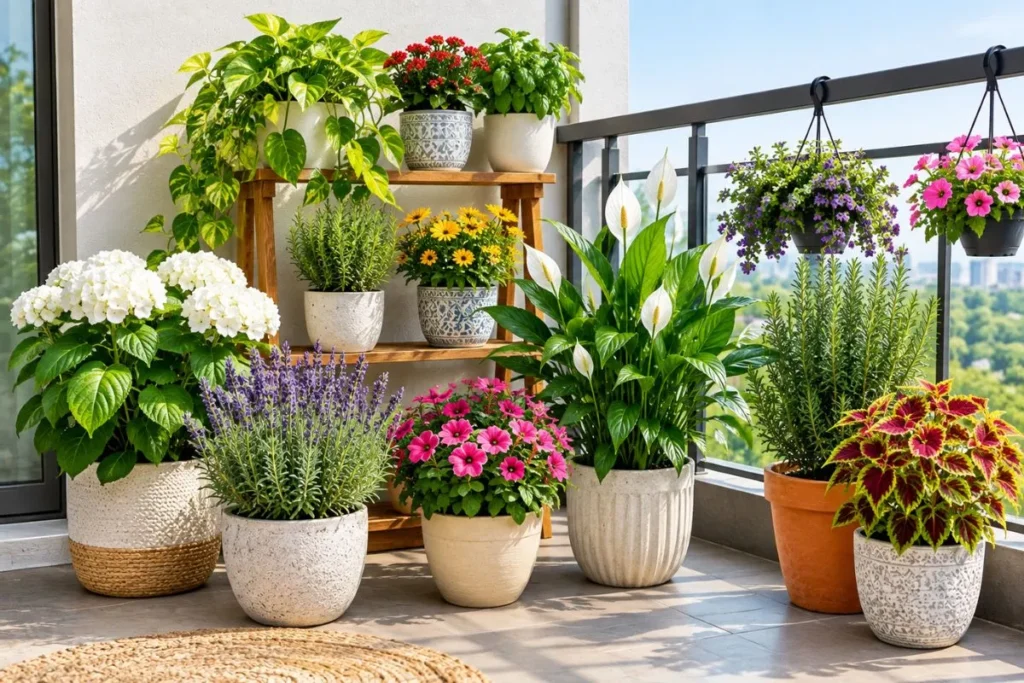
Basil, mint, rosemary, and lavender can be practical options for many container gardens. Use pots with drainage holes and avoid overcrowding them. Good airflow can help keep plants healthier and easier to care for.
For a small balcony, choose just a few plants rather than filling every available space. A simple combination of aromatic herbs can give you a useful little garden without creating extra maintenance.
5.4 Best Plants for Pots
Container gardening is especially useful when you want a best mosquito repellent plant for pots but don’t have access to a garden bed. Pots also allow you to move plants when the weather or sunlight changes.
Rosemary, basil, mint, lavender, and citronella are commonly considered for container growing. Choose a container that gives the plant enough room for healthy root growth, and make sure excess water can drain away.
If you are new to gardening, start with one or two easy mosquito repellent plants. Once you understand their watering and sunlight needs, you can add more varieties.
Best Plants Around the House
When choosing the best plant to repel mosquitoes around the house, think about where you actually spend time outdoors. A plant growing far from your patio may not be as useful for your immediate outdoor space as a container placed nearby.
Consider entrances, porches, patios, balconies, and outdoor seating areas. Fragrant plants such as lavender, rosemary, basil, and mint can be positioned in suitable containers around these areas.
Keep the plants healthy and avoid creating standing water in their saucers or nearby containers. Combining smart plant placement with good yard maintenance gives you a more practical approach to natural mosquito control.
Frequently Asked Questions About the Best Plant to Repel Mosquitoes
What is the best plant to repel mosquitoes?
There isn’t one universal best plant to repel mosquitoes for every garden. Lavender, basil, rosemary, mint, lemongrass, citronella, and marigolds are popular choices. The right option depends on your climate, sunlight, available space, and whether you plan to grow the plant in the ground or a container.
What plant keeps mosquitoes away naturally?
Aromatic plants such as lavender, rosemary, basil, mint, and lemongrass are commonly used as natural mosquito repellent plants. Their noticeable fragrances make them popular additions to patios, balconies, and gardens. For better mosquito control, combine plants with other practical steps such as removing standing water.
Do mosquito-repelling plants really work?
Mosquito repelling plants can be useful as part of an overall mosquito-control routine, but simply planting them does not guarantee a mosquito-free area. The fragrance produced by a living plant is generally less concentrated than an extracted plant oil or formulated repellent. Think of these plants as one helpful addition to your outdoor space rather than a complete solution.
What is the best mosquito repellent plant for pots?
Several aromatic plants can grow well in containers, including basil, rosemary, mint, lavender, and citronella. When choosing the best mosquito repellent plant for pots, consider the pot size, drainage, sunlight, and watering requirements of the plant.
What are the best plants to keep mosquitoes away from a patio?
For a patio, choose attractive plants that can thrive in containers and suit your available sunlight. Lavender, rosemary, basil, mint, and citronella are popular choices. Placing mosquito repellent plants for pots around areas where people sit can also make your outdoor space greener and more inviting.
What herbs repel mosquitoes naturally?
Basil, rosemary, mint, and lemongrass are among the commonly discussed mosquito repellent herbs. They are useful choices for gardeners because many can also be used in cooking. Grow them according to their individual sunlight, soil, and watering needs.
What is the best plant to repel mosquitoes around the house?
The best choice depends on where you have available growing space. For a sunny entrance or patio, rosemary, basil, lavender, or citronella may be suitable options. If space is limited, containers make it easier to position plants that repel mosquitoes naturally near outdoor living areas.
Can I grow mosquito-repelling plants on a balcony?
Yes. A balcony can be a good place for mosquito repellent balcony plants. Choose compact varieties that work well in containers, such as basil, mint, rosemary, or lavender. Check how much direct sunlight your balcony receives before choosing your plants.
How many mosquito-repelling plants do I need?
There is no fixed number that works for every outdoor space. The size of the area, plant variety, container size, and placement all matter. Rather than filling your yard with plants, focus on placing suitable mosquito deterrent plants near the areas you regularly use and combine them with basic mosquito-control practices.
What are the easiest mosquito-repelling plants to grow?
Mint, rosemary, basil, lavender, and marigolds can be good starting points for gardeners, depending on local growing conditions. If you’re new to gardening, begin with one or two easy mosquito repellent plants and learn their sunlight and watering needs before adding more.
Conclusion:
Finding the best plant to repel mosquitoes does not have to be complicated. Plants such as citronella, lavender, basil, rosemary, mint, marigolds, and lemongrass can add fragrance and beauty to your outdoor space while supporting a natural mosquito-control routine.
The right choice depends on your sunlight, climate, available space, and how much maintenance you want to do.
For the best results, do not rely on a single plant alone. Grow a few plants that repel mosquitoes naturally around patios, balconies, gardens, and outdoor seating areas. Also remove standing water, keep containers clean, and maintain your plants properly.
With the right combination, you can create a pleasant garden while making your outdoor space less inviting to mosquitoes.

Plant Nest Blog’s author is passionate about plants, gardening, and sustainable living. Through research and practical experience, they share helpful plant care tips, gardening guides, and easy solutions to help readers grow healthier plants and create greener spaces.