
Many people think how to prune a plant simply means cutting off a few leaves or branches whenever the plant looks messy. That approach can actually cause problems. Good pruning is about making the right cuts at the right time, not cutting as much as possible. With a few simple plant pruning tips, even beginners can learn how to shape plants and support healthy growth.
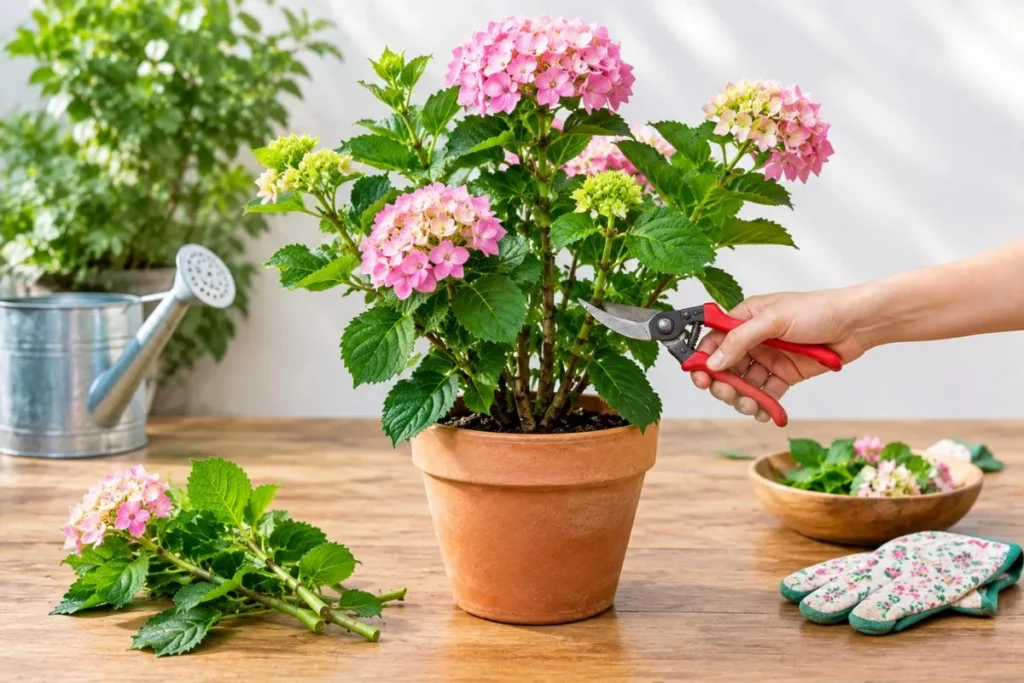
If your plant looks overgrown, leggy, damaged, or uneven, don’t worry. Learning the proper way to prune a plant is easier than it sounds. In this guide, you’ll learn when to prune, where to make cuts, how much growth to remove, and which simple pruning techniques can help your plant stay neat and healthy.
What Is Plant Pruning?
Plant pruning is simply the process of removing selected parts of a plant, such as unwanted stems, branches, leaves, or flowers. But proper plant pruning is not about cutting everything that looks out of place. The goal is to remove growth that is dead, damaged, weak, or no longer useful while keeping the healthy parts of the plant intact.
Think of pruning as giving your plant a careful cleanup rather than giving it a haircut with no plan. The right plant pruning techniques can help you manage the plant’s size, improve its shape, and support fresh growth. Once you understand what to remove and what to leave alone, pruning plants for beginners becomes much less intimidating.
Pruning vs. Simple Trimming
People often use the words pruning and trimming as if they mean exactly the same thing. They are closely related, but there is a small difference. Trimming usually focuses on keeping a plant neat and maintaining its shape. Pruning is more purposeful and often involves removing specific stems or branches to manage the plant’s health, structure, or growth.
For example, cutting back a few long stems to keep a plant compact can be part of how to trim a plant. Removing a broken branch or weak stem is a more targeted form of pruning. Both can be useful, but knowing your goal helps you make better cuts.
What Parts of a Plant Can You Prune?
Depending on the plant, you may prune several different parts. These can include:
- Dead or damaged branches
- Weak stems
- Overgrown shoots
- Crossing or crowded branches
- Spent flowers
- Unwanted leaves
- Long or leggy growth
The important thing is to identify the part that actually needs attention. Healthy growth should not be removed simply because you have pruning shears in your hand.
Why Is Pruning Important?
A plant can sometimes become crowded as it grows. Removing selected growth can help you maintain a more manageable shape and prevent unwanted branches from taking over. Pruning can also be useful when you need to control the size of a plant or remove growth that has been damaged.
Good pruning is also part of regular plant maintenance. It gives you a chance to inspect your plant closely and notice weak, broken, or unwanted growth before it becomes a bigger gardening problem.
Pruning for Shape and Growth
One useful reason to prune is to guide the plant’s shape. Instead of allowing every stem to grow in the same direction, you can make selective cuts to create a more balanced appearance.
With the right plant shaping techniques, pruning can also encourage new growth in suitable plants. However, every plant responds differently, so avoid assuming that one pruning method will work equally well for every species.
Pruning Is Not Just Cutting Back
A common mistake is to think that more cutting always means better pruning. It doesn’t. Removing too much growth can put unnecessary stress on some plants and may leave them with fewer healthy leaves to support normal growth.
The proper way to prune a plant is to have a clear reason for every cut. Start with obvious problems, such as dead or damaged growth, then decide whether additional pruning is actually needed. A little planning can make plant trimming techniques much safer and more effective.
Simple Rule for Beginners
If you’re new to pruning, keep it simple: inspect first, cut second. Look at the whole plant before making any cuts. Decide what you want to achieve, remove only what needs to go, and pause to check the plant as you work.
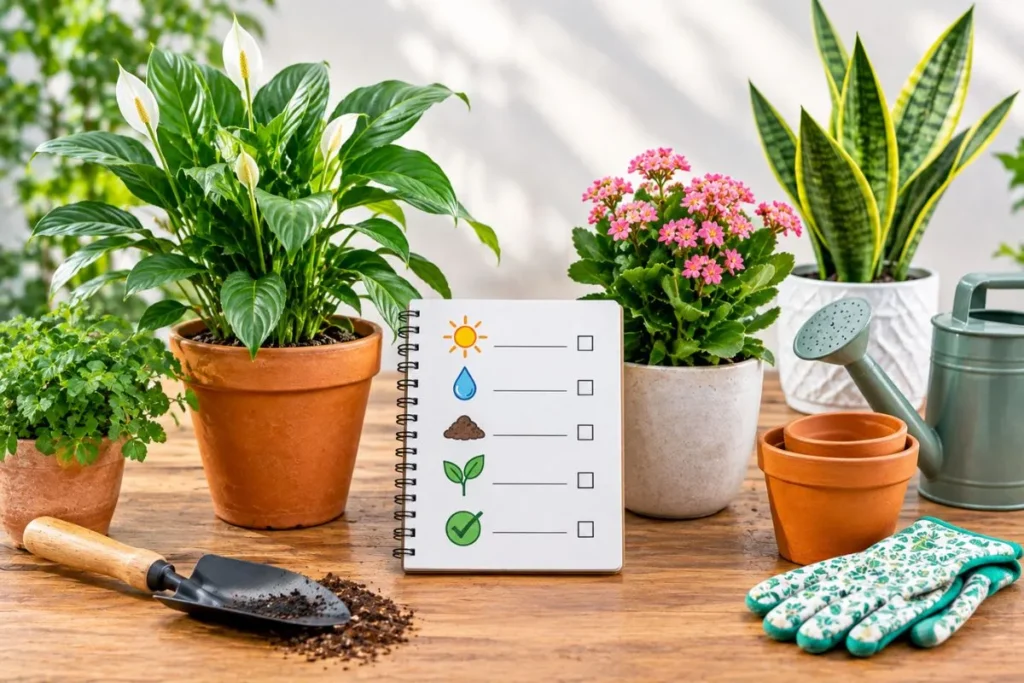
This simple approach makes pruning plants for beginners easier and helps you avoid unnecessary cuts. As you gain experience, you’ll become more comfortable recognizing where a plant needs pruning and where healthy growth should be left alone.
Why Should You Prune a Plant?
Many gardeners believe that pruning is only necessary when a plant becomes too large or messy. That’s not always the case. You don’t need to wait until a plant looks completely overgrown before giving it attention.
Thoughtful pruning can help you remove unwanted growth, manage the plant’s shape, and encourage better growth when done correctly.
The key is knowing why you are making each cut. Whether you’re removing a damaged branch, controlling the plant’s size, or trying to encourage bushier growth, every cut should have a purpose.
These simple plant pruning tips can help you understand when pruning is useful and how it can fit into your regular plant care routine.
Remove Dead and Damaged Growth
One of the simplest reasons to prune is to remove parts of the plant that are already dead or damaged. Broken branches, completely dead stems, and severely damaged growth can make a plant look untidy and may interfere with healthy growth.
Start by checking the plant carefully. Look for branches that are clearly dead, broken, or badly damaged. Removing dead branches is often a good starting point because you can focus on obvious problem areas instead of cutting healthy growth.
When using pruning shears, make a clean cut rather than crushing the stem. Take your time and avoid removing nearby healthy growth unnecessarily. This simple approach is especially helpful for anyone learning how to prune a plant for beginners.
Encourage New Growth
Another reason gardeners prune is to encourage fresh growth. When you remove certain old or unwanted stems, a plant may respond by producing new shoots from suitable growth points.
However, pruning is not a magic shortcut for instant growth. The plant still needs suitable light, water, nutrients, and growing conditions. Think of pruning as one part of good plant care rather than a replacement for everything else.
If your goal is how to prune a plant to encourage new growth, focus on selective cuts instead of removing large amounts at once. Choose healthy areas of the plant and avoid cutting randomly. This gives you more control over where the plant develops new growth.
Make the Plant Bushier
Some plants naturally grow tall and narrow, while others can become thin or leggy when they don’t receive suitable growing conditions. Strategic pruning can sometimes encourage more side branches and create a fuller appearance.
For plants that respond well to this type of pruning, cutting back selected growing tips can encourage branching below the cut. This is one reason gardeners use encouraging bushier growth as a pruning goal.
If you’re wondering how to prune a plant to make it bushier, don’t simply cut off the top of every stem. Look at the plant’s natural growth pattern first. Remove selected long or weak shoots and give the plant time to respond before making more cuts.
Control Plant Size and Shape
Plants don’t always grow exactly where you want them to. A branch may extend into a walkway, a stem may grow much longer than the others, or the plant may become wider than its growing space allows.
Pruning can help with controlling plant growth and maintaining a more manageable shape. Instead of cutting the plant heavily, remove selected growth that is causing the problem. This gradual approach can help you maintain the plant without changing its natural appearance too drastically.
If you’re learning how to prune a plant that is too tall, first consider why it has become tall. Limited light, natural growth habits, or other growing conditions may play a role. Correcting the growing conditions along with careful pruning can give you better long-term results.
Improve the Plant’s Overall Appearance
Pruning can also make a plant look cleaner and more balanced. Removing awkward, crossing, broken, or badly positioned growth can improve its overall shape.
This is where plant shaping techniques become useful. Step back occasionally while pruning instead of focusing only on the branch directly in front of you. Looking at the entire plant helps you avoid creating an uneven shape.
Remember, a healthy plant doesn’t need to look perfectly symmetrical. Natural growth is part of its character. The goal is to create a balanced appearance while keeping useful healthy growth intact.
Remove Crowded or Crossing Growth
When several stems grow into the same space, they can create a crowded appearance. Some branches may cross over one another or grow inward instead of outward.
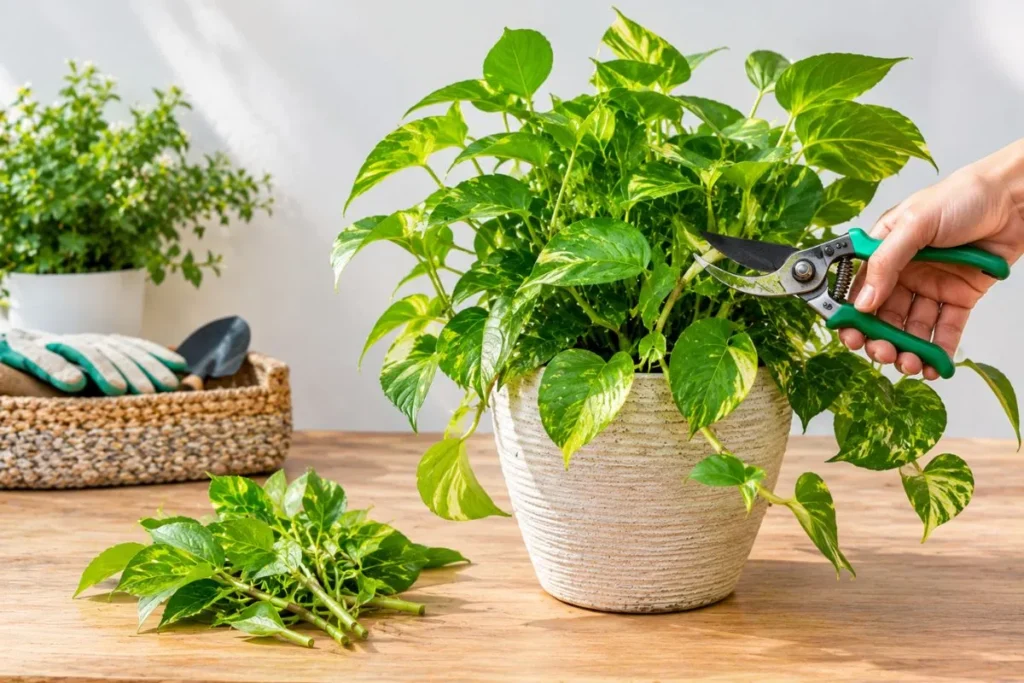
Selective pruning can help open up the plant’s structure. Remove the growth that is clearly weak, damaged, or poorly positioned rather than cutting several healthy branches at once.
This can also make routine plant care easier because you can see the plant’s structure more clearly. Just remember that the amount of pruning a plant can handle depends on its species and growing condition.
Support Better Plant Maintenance
Pruning isn’t something you should do only when a plant looks bad. Light, purposeful pruning can become part of regular plant maintenance tips for suitable plants.
As you check your plants, look for dead growth, broken stems, excessive shoots, and branches that are growing in unwanted directions. Catching these issues early can make the job easier than waiting until the plant becomes heavily overgrown.
A good rule is simple: prune with a reason, not just because you can. When every cut has a clear purpose, you’re more likely to maintain a healthy-looking plant without removing growth it still needs.
When Is the Best Time to Prune a Plant?
Many people think there is one perfect month when every plant should be pruned. That’s not really how gardening works. The best time to prune plants depends on the type of plant, its growth cycle, local weather, and the kind of pruning you want to do.
Pruning at the wrong time can sometimes remove flower buds or put unnecessary stress on the plant.
Instead of following a fixed calendar, pay attention to your plant. Understanding its growing pattern makes seasonal plant pruning much easier. Here’s how pruning can vary throughout the year.
How to Choose the Right Pruning Season
Before picking up your pruning shears, identify the plant you’re working with. Some plants benefit from pruning while they are actively growing, while others are better pruned during a dormant period.
Ask yourself whether the plant is actively growing, whether it flowers on old or new growth, and whether it is healthy enough for pruning. You should also consider if extreme heat, cold, or storms are expected and whether you’re removing damaged growth or simply doing routine shaping.
These questions can help you choose a suitable time instead of pruning simply because the calendar says you should.
Spring Plant Pruning
Spring can be an active growing period for many plants. As new shoots begin to appear, gardeners often notice dead, damaged, or weak growth that needs attention.
Spring plant pruning can be useful for suitable plants when the goal is to remove unwanted growth or guide new development. However, don’t assume every plant should receive heavy pruning in spring.
Some flowering plants may already have developing buds, so removing the wrong stems could reduce flowering.
If you’re unsure when to prune plants, check the specific needs of the plant before making major cuts.
Summer Plant Pruning
Summer is often a period of active growth, which means some plants may quickly produce long shoots or unwanted branches. Light summer plant pruning can help maintain the shape of suitable plants.
This is especially useful when you notice a few branches growing much faster than the rest. Rather than giving the entire plant a heavy cut, focus on the specific growth that needs attention.
Hot weather also matters. Avoid unnecessary heavy pruning when a plant is already struggling with intense heat or drought. Give stressed plants suitable care first and save major pruning for a more appropriate time.
Fall Plant Pruning
Fall can be a tricky time for pruning because different plants respond differently as temperatures begin to change. Some light maintenance may be appropriate, but heavy pruning isn’t automatically a good idea for every plant.
Before doing fall plant pruning, consider whether the plant is preparing for dormancy or whether it still has active growth. Cutting back too much at the wrong time can encourage new growth when the plant should be slowing down.
A little research about the specific plant can save you from making unnecessary cuts.
Winter Plant Pruning
For some deciduous plants, winter can provide a useful opportunity to inspect the structure when leaves have fallen and branches are easier to see. This can make it easier to identify certain weak, broken, or unwanted branches.
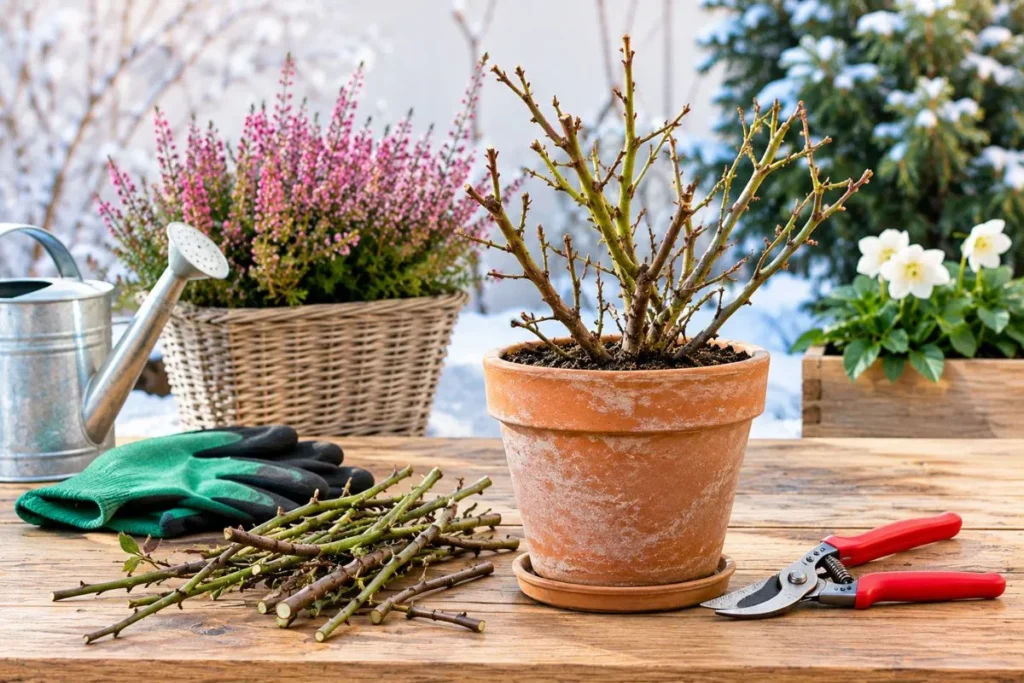
However, winter plant pruning isn’t suitable for every plant or every climate. Freezing temperatures and severe weather can affect how a plant responds to pruning.
If your area has mild winters, the timing may be different from a region with hard freezes. Always consider your local conditions along with the plant’s natural growth cycle.
When Not to Prune
Knowing when to leave your pruning shears alone is just as important as knowing when to use them.
Avoid major pruning when a plant is severely stressed from drought, damaged by extreme weather, suffering from another obvious problem, exposed to unusually harsh temperatures, or preparing for an important flowering period.
You may still need to remove an immediate safety problem, such as a completely broken branch, but routine shaping can usually wait for a more suitable time.
Does Every Plant Have the Same Pruning Schedule?
No. There is no universal best time to prune a plant because plants have different growth habits. A flowering shrub may need a different schedule from a houseplant, herb, fruit plant, or young tree.
That’s why seasonal plant pruning should always be connected to the plant you’re growing. Before following a generic pruning calendar, find out whether your particular plant flowers on old growth, produces flowers on new growth, or has another specific pruning requirement.
A Simple Rule for Pruning Timing
If you’re still wondering when is the best time to prune a plant, remember this: choose the timing based on the plant’s growth cycle and your pruning goal.
For emergency maintenance, remove clearly damaged growth when necessary. For shaping and routine pruning, choose a period when the plant can handle the work without unnecessary stress. And when you’re dealing with a plant you’re unfamiliar with, check its specific pruning requirements before making major cuts.
The right timing won’t make every pruning job perfect, but it can help you avoid one of the most common pruning mistakes—cutting at the wrong time.
How to Prune a Plant: Step-by-Step Guide
Many beginners believe you can simply grab a pair of scissors and start cutting until the plant looks neat. That’s not the proper way to prune a plant. Random cuts can remove healthy growth and leave the plant looking uneven. A better approach is to inspect the plant first, decide what needs to go, and then make a few careful cuts.
If you’re learning how to prune a plant, don’t overthink it. You don’t need complicated equipment or advanced gardening skills. Follow these simple steps, work slowly, and remember that the goal is controlled pruning rather than cutting as much as possible.
5.1 Check the Plant Before Cutting
Before making a single cut, take a good look at the whole plant. Check the stems, branches, leaves, and overall shape. Look for dead, broken, weak, crowded, or unwanted growth.
Also decide what you want to achieve. Are you removing damaged growth? Trying to control the size? Shaping the plant? Or encouraging fuller growth?
Having a clear goal makes plant pruning techniques much easier to follow. It also helps you avoid cutting healthy parts simply because they look slightly uneven.
Gather the Right Pruning Tools
The right tool makes pruning much easier. For small stems and branches, sharp pruning shears are usually enough. Larger branches may require a stronger tool such as loppers.
Choose a tool that matches the thickness of the growth you’re removing. Don’t force small shears through a branch that is too thick. This can damage both the tool and the plant.
Useful pruning tools for plants include pruning shears for small stems, loppers for thicker branches, gardening gloves, a clean cloth, and tool disinfectant.
You don’t need a huge collection of gardening tools. Start with the basics and use the right tool for the job.
Clean Your Pruning Tools
Clean tools are an important part of proper plant pruning. Before pruning, wipe or disinfect your tools, especially if you have recently used them on another plant.
Dirty tools can transfer unwanted material from one plant to another. Cleaning your equipment between plants is a simple habit that makes your pruning routine more responsible.
When you finish, clean the blades again and store the tools somewhere dry. Sharp, clean equipment is much easier to work with than rusty or dirty shears.
Remove Dead or Damaged Growth First
Start with the easiest cuts. Look for branches or stems that are clearly dead, broken, or badly damaged.
Removing this unwanted growth gives you a cleaner view of the plant and helps you decide what, if anything, should be pruned next. Don’t rush into cutting healthy branches.
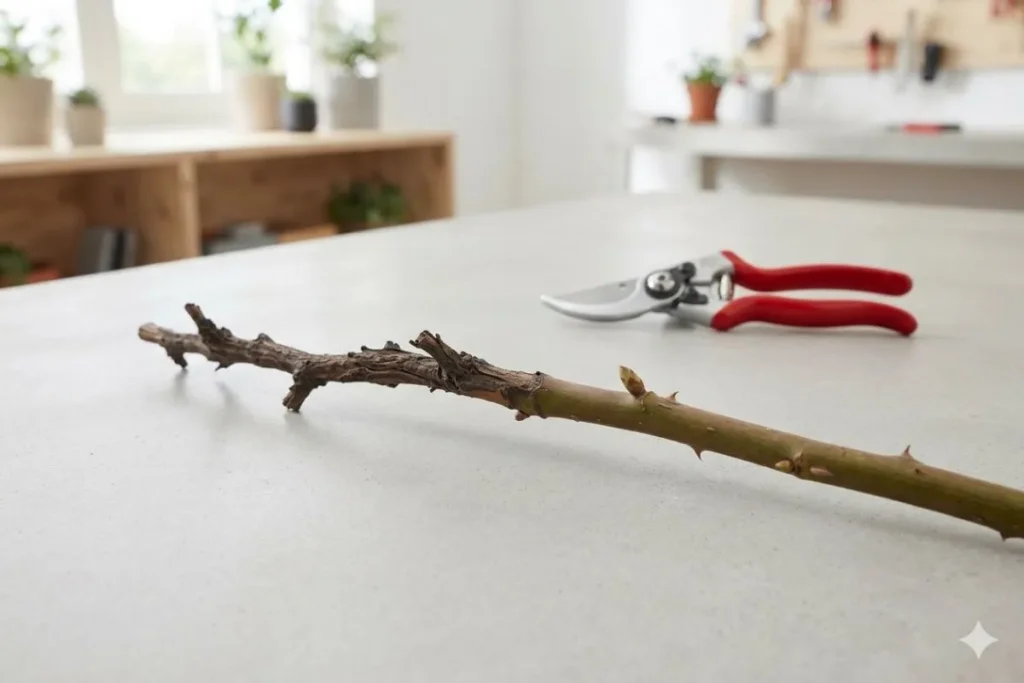
If you’re practicing how to cut plant branches, position your shears carefully and make a clean cut rather than crushing the stem. Avoid repeated sawing or twisting when a clean cut is possible.
Make Clean Cuts
Clean cuts are one of the most important pruning techniques for beginners. A sharp tool should cut through the stem smoothly instead of crushing it.
Avoid using blunt household scissors on thick plant stems. They may squeeze or tear the tissue rather than making a neat cut.
When removing a stem, choose the cutting point carefully. Your goal is to remove the unwanted section while leaving useful healthy growth behind.
Prune for Shape and New Growth
Once you’ve removed dead and damaged growth, look at the plant again. If it still needs shaping, make selective cuts instead of removing large amounts at once.
You may want to shorten an overly long stem, remove a crossing branch, or cut back selected growth to encourage branching in a suitable plant. This is where how to prune a plant to encourage new growth becomes useful.
Don’t make every stem the same length. Natural-looking plants usually have some variation in their growth. Make cuts based on the plant’s structure and your goal.
Step Back and Check the Plant
This small step can save you from over-pruning. After making a few cuts, put down the shears and look at the plant from a distance.
Does the shape look balanced? Did you remove enough? Are you about to cut a healthy branch that should stay?
If the answer is yes, stop. You don’t have to keep cutting just because you started.
How to Cut Back a Plant Without Overdoing It
If a plant is badly overgrown, it can be tempting to cut it back heavily in one go. That’s not always the safest approach. Some plants tolerate hard pruning, while others respond poorly to having too much growth removed.
When you’re unsure, take a gradual approach. Remove obvious problem areas first, then reassess the plant. This is especially useful when learning how to cut back a plant for the first time.
A Simple Pruning Rule to Remember
Think of pruning as inspect, plan, cut, and check.
First, inspect the plant. Next, decide what needs to be removed. Then make clean, deliberate cuts. Finally, step back and check the result.
That’s the basic proper way to prune a plant, and it works as a simple starting point for beginners who want to build confidence with plant care.
FAQs About How to Prune a Plant
How Do You Prune a Plant for Beginners?
Start by checking the plant carefully and identifying dead, damaged, weak, or unwanted growth. Use clean, sharp tools and make small, careful cuts. Beginners should avoid removing too much growth at once.
What Is the Best Time to Prune Plants?
The best time depends on the plant and its growth cycle. Many plants can be pruned during active growth, while others need pruning during a specific season. Always consider the plant type before making major cuts.
How Much of a Plant Should You Prune?
There is no single amount that works for every plant. Start with a small amount and remove only the growth that needs attention. Avoid heavy pruning unless the plant can handle it.
How Do You Prune a Plant to Encourage New Growth?
Make selective cuts near healthy growth points and remove weak or unwanted stems. This can encourage new shoots in plants that respond well to pruning. Proper light, water, and general care also support new growth.
How Do You Prune a Plant to Make It Bushier?
Trim suitable stems to encourage side growth instead of allowing the plant to grow only upward. Regular, light pruning can help some plants develop a fuller shape. Results vary depending on the plant type.
How Do You Prune a Plant That Is Too Tall?
First, identify why the plant has become too tall or leggy. Then remove excess height gradually rather than cutting off a large section at once. Make cuts that help maintain a balanced shape.
Can You Prune Indoor Plants?
Yes, many indoor plants can be pruned. Remove dead or damaged growth and trim long or unwanted stems when appropriate. Always consider the plant’s specific pruning needs before making major cuts.
What Tools Are Best for Pruning Plants?
Sharp pruning shears work well for small stems, while loppers are useful for thicker branches. Gardening gloves can protect your hands, and a suitable disinfectant can help keep tools clean.
Should Pruning Tools Be Cleaned?
Yes. Clean pruning tools help reduce the chance of spreading dirt and plant pathogens between cuts or plants. Wipe and disinfect your tools regularly, especially when moving from one plant to another.
What Are the Most Common Pruning Mistakes?
Common pruning mistakes include cutting too much, using dirty or dull tools, pruning at the wrong time, making rough cuts, and removing healthy growth without a clear reason. Taking your time can help you avoid these problems.
Conclusion:
Learning how to prune a plant doesn’t have to be complicated. The key is to understand what your plant needs before you start cutting. Check the plant carefully, use clean and sharp tools, and remove only the growth that has a clear reason to go.
Good pruning is about timing, control, and purpose. Whether you’re removing dead branches, shaping an overgrown plant, or encouraging new growth, small and careful cuts are usually better than cutting too much at once.
Remember that every plant can have different pruning needs, so take a moment to understand its natural growth pattern.
If you’re a beginner, don’t worry about getting everything perfect on your first try. Start with simple plant pruning techniques, make gradual cuts, and watch how your plant responds.
With practice, you’ll become more confident and learn the proper way to prune a plant for healthier, more balanced growth.

Plant Nest Blog’s author is passionate about plants, gardening, and sustainable living. Through research and practical experience, they share helpful plant care tips, gardening guides, and easy solutions to help readers grow healthier plants and create greener spaces.