
Many people think the strongest fertilizer is always the best choice for indoor plants, but that is not true. When choosing what is the best fertilizer for marijuana plants indoors, you should focus on the plant’s actual nutritional needs rather than simply choosing a product with the highest numbers.
A suitable indoor marijuana plant fertilizer should provide essential nutrients in an appropriate balance and work well with the growing medium. Since indoor plants have limited growing space and depend heavily on the nutrients available around their roots, choosing the right fertilizer can make a big difference in overall plant health.
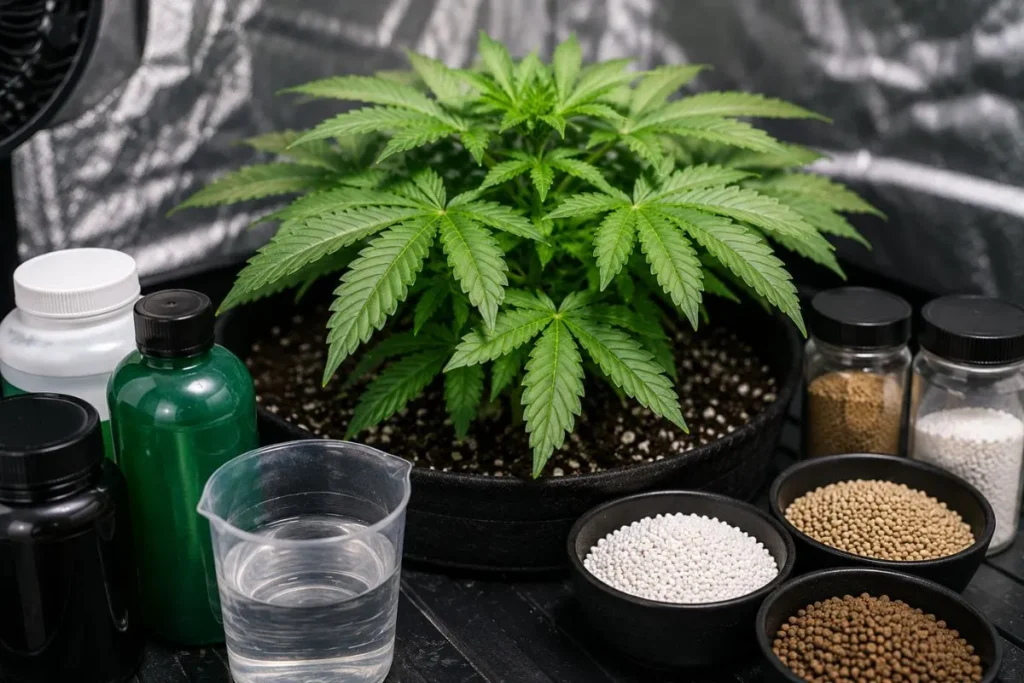
Before picking any product, it is worth checking the fertilizer label, understanding what nutrients it provides, and avoiding products that rely mainly on bold claims such as “maximum growth” or “extra strength.” This simple approach can help you make a more informed fertilizer choice without adding unnecessary nutrients to the growing medium.
Understanding Indoor Cannabis Plant Nutrients
Before choosing any fertilizer, it helps to understand what nutrients plants actually need. Indoor cannabis nutrients are not limited to one or two ingredients.
Plants rely on a combination of essential nutrients to support normal growth, healthy foliage, root function, and overall plant development. Understanding these nutrients also makes fertilizer labels much easier to read and compare.
Macronutrients: The Main Nutrients
Plants require certain nutrients in relatively larger amounts, known as macronutrients. The three nutrients most commonly discussed on fertilizer labels are nitrogen, phosphorus, and potassium.
Nitrogen is important for normal leafy growth and chlorophyll production. Phosphorus supports important plant processes related to energy transfer and development. Potassium plays a role in water regulation, enzyme activity, and overall plant function.
These nutrients are commonly shown as N-P-K on fertilizer packaging. Looking at all three together is more useful than focusing on one number alone.
Micronutrients Are Important Too
Plants also need smaller amounts of several micronutrients. These include elements such as iron, zinc, manganese, copper, boron, and molybdenum. Calcium, magnesium, and sulfur are also important nutrients for normal plant development.
Although plants need these nutrients in smaller quantities, they still play important roles. For example, magnesium is involved in chlorophyll, while calcium contributes to normal cell structure and development.
This is why cannabis plant nutrition should be viewed as a complete system rather than simply an N-P-K formula.
Why Nutrient Balance Matters
A plant does not necessarily become healthier when you increase one nutrient. Nutrients need to be available in appropriate amounts and proportions.
For example, adding more of one nutrient will not automatically correct a problem caused by another deficiency or by unsuitable growing conditions. A balanced approach is generally more sensible than constantly increasing fertilizer strength.
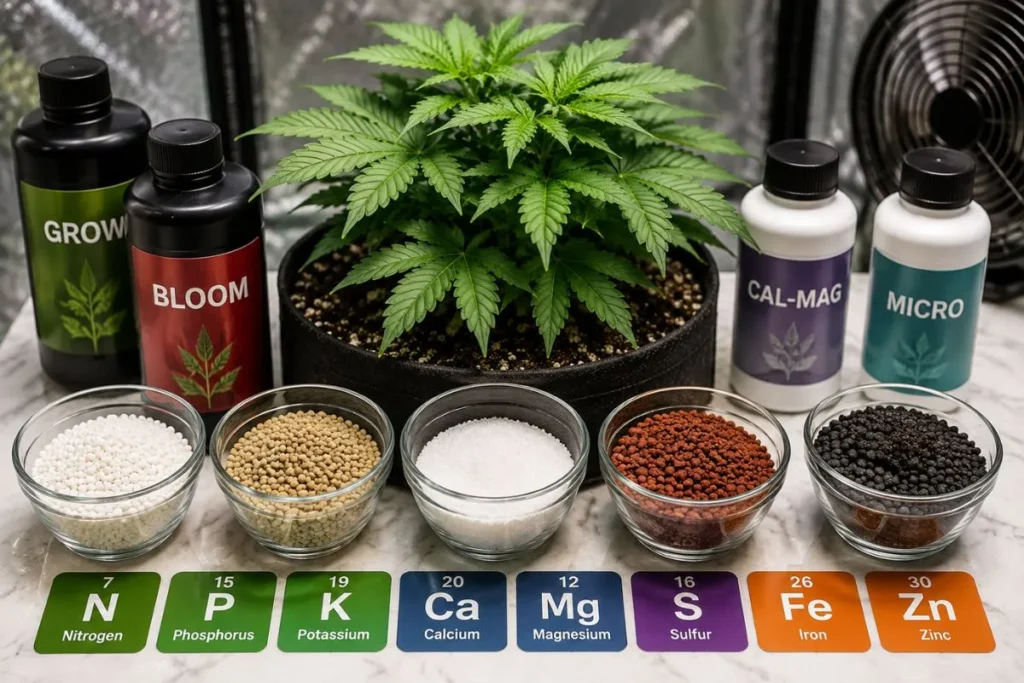
When comparing cannabis fertilizer, look at the complete nutrient information instead of choosing a product based only on the largest number printed on the package.
Nutrients and Overall Plant Health
Proper nutrition supports normal plant processes, but fertilizer is only one part of healthy plant growth. The growing medium, water, light, temperature, and root environment also matter.
This is particularly important indoors because plants are often grown in containers or controlled growing media. The nutrients available around the roots can therefore have a major influence on the plant’s overall nutrition.
Good indoor plant nutrients should complement suitable growing conditions rather than attempt to compensate for problems elsewhere.
Understanding Nutrient Deficiency
Sometimes plants show visible signs that may be associated with nutritional problems. Changes in leaf color, unusual growth, or poor plant development can have several possible causes.
A nutrient deficiency is only one possibility. Watering problems, poor growing conditions, root problems, pests, or other environmental stresses can sometimes create similar symptoms.
That is why it is better to look at the whole plant before assuming that more fertilizer is needed.
The Simple Takeaway
Understanding marijuana plant nutrients makes fertilizer selection less confusing. Instead of searching for the strongest product, focus on appropriate macronutrients, useful micronutrients, clear labeling, and a suitable nutrient balance.
Once you understand the basic role of plant nutrients, you can read fertilizer labels more confidently and make a more informed choice for your indoor growing environment.
What Do NPK Numbers Mean on Fertilizer?
A common mistake is to assume that the fertilizer with the biggest N-P-K numbers must be the best choice. That is not how plant nutrition works. The numbers on a fertilizer label describe its nutrient composition; they are not a simple rating of fertilizer quality.
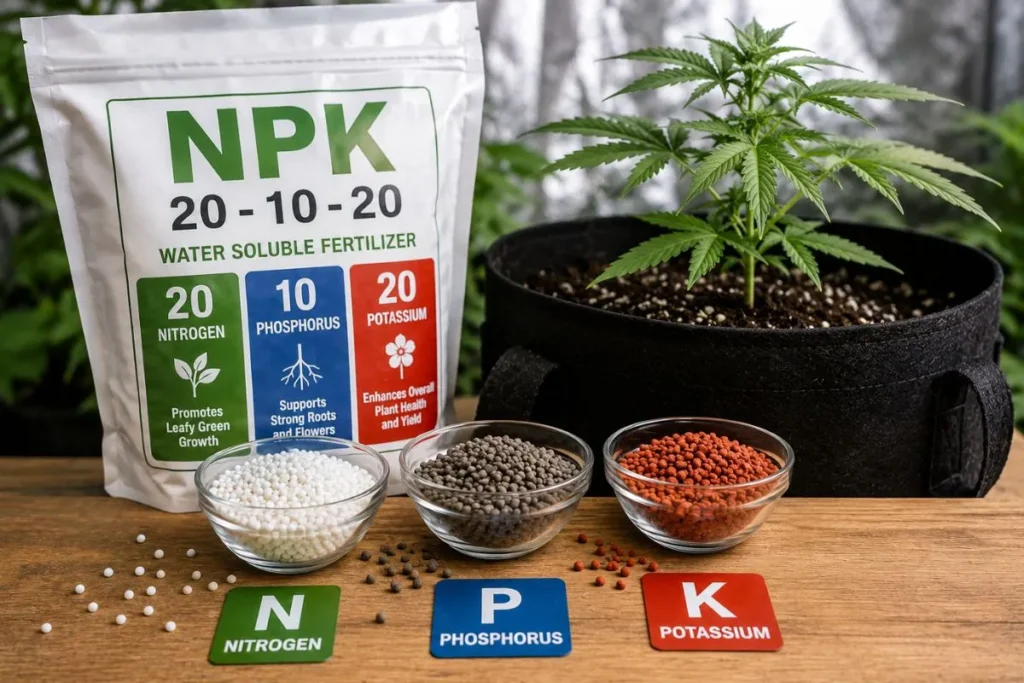
Understanding what NPK fertilizer for indoor plants actually means can help you compare products more intelligently and avoid choosing one based only on impressive numbers.
What Does N-P-K Stand For?
N-P-K stands for nitrogen, phosphorus, and potassium. These are three primary nutrients commonly listed on fertilizer packaging.
You will usually see three numbers separated by dashes, such as 10-10-10. Each number represents the fertilizer’s percentage by weight of the corresponding nutrient category.
The first number represents nitrogen, the second represents phosphorus in phosphate form, and the third represents potassium in potash form.
So, an N-P-K label is basically a quick way to understand the primary nutrient composition of a fertilizer.
What Does the First Number, Nitrogen, Mean?
The first number represents nitrogen. Nitrogen is an important nutrient for normal plant development and is strongly associated with healthy green foliage.
When comparing NPK fertilizer for indoor marijuana plants, it is important to understand that nitrogen is not simply a nutrient to maximize. Plants need an appropriate amount, and excessive nutrient availability can create imbalances.
This is why the first number should always be considered together with the other two numbers rather than viewed on its own.
What Does the Second Number, Phosphorus, Mean?
The second number represents phosphorus in the fertilizer analysis. Phosphorus plays important roles in plant energy processes, root development, and normal reproductive development.
Because phosphorus is associated with several important plant functions, it often receives a lot of attention in discussions about cannabis fertilizer.
However, a fertilizer with a larger phosphorus number is not automatically a better fertilizer. If a plant already has adequate phosphorus available, simply increasing the amount may not solve an unrelated plant problem.
What Does the Third Number, Potassium, Mean?
The third number represents potassium. Potassium contributes to several normal plant functions, including water regulation and enzyme activity.
It is an important part of complete plant nutrition and should not be overlooked when comparing fertilizer formulations.
When looking at fertilizer nutrient ratios, consider all three primary nutrients together instead of focusing on a single number.
Why Higher NPK Numbers Are Not Automatically Better
Imagine seeing two fertilizer labels with different numbers. It may be tempting to assume that the product with larger numbers is more powerful and therefore better.
But a higher concentration is not automatically more appropriate for a particular plant or growing medium.
Fertilizer should provide nutrients in amounts that make sense for the plant and its environment. Excessive nutrient availability can create problems rather than improve plant health.
This is one reason the phrase best fertilizer for indoor marijuana plants should not be interpreted as “fertilizer with the highest N-P-K numbers.”
What Does a Balanced NPK Ratio Mean?
A fertilizer such as 10-10-10 has equal numbers in all three positions. This is often described as a balanced fertilizer.
That does not mean it is universally the best option. It simply means the three listed primary nutrient percentages are equal.
Other formulations may have different proportions. The appropriate choice depends on the fertilizer’s intended use and the nutritional situation of the plant.
Understanding this difference can help you avoid the common mistake of treating one NPK ratio as a universal answer.
NPK Does Not Tell You Everything
The three N-P-K numbers are useful, but they do not provide the entire picture of a fertilizer.
A fertilizer label may also list secondary nutrients and micronutrients. These can include calcium, magnesium, sulfur, iron, zinc, manganese, copper, boron, and molybdenum.
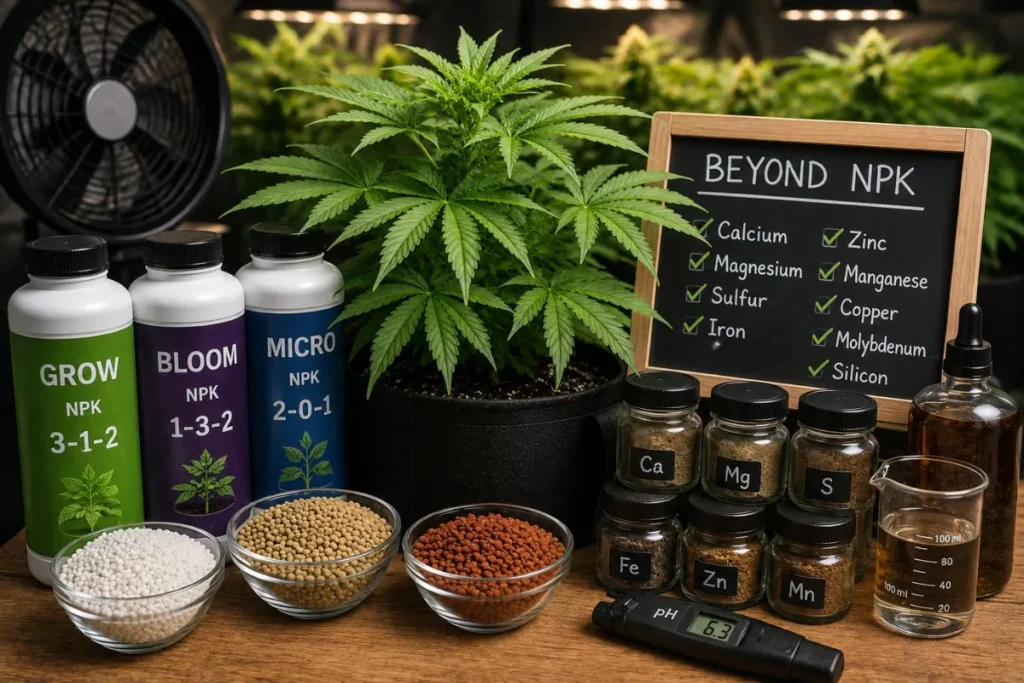
The ingredient information and guaranteed analysis can therefore provide useful details beyond the main N-P-K numbers.
If you are comparing products, read the entire label rather than making your decision from the front of the package alone.
How to Read an NPK Fertilizer Label
Reading the basic NPK information is simple once you know what the numbers represent.
For example, if a product shows 5-10-5, the first number refers to nitrogen, the second to phosphorus in phosphate form, and the third to potassium in potash form.
The numbers tell you about the fertilizer’s nutrient concentration, but they do not tell you that the product is automatically suitable for every plant or situation.
You should also consider the rest of the label, including the listed nutrients, ingredients, intended use, and manufacturer’s directions.
Why NPK Is Only One Part of Plant Nutrition
A plant’s nutritional health depends on more than three numbers. The growing medium, root environment, water, and other conditions can influence how nutrients are available to plants.
This is especially important when discussing indoor cannabis nutrient requirements, because indoor plants may be grown in different types of growing media and containers.
Rather than viewing fertilizer as a standalone solution, think of it as one part of the broader plant nutrition picture.
The Key Takeaway About NPK
NPK is best understood as a label-reading tool, not a ranking system.
The first number tells you about nitrogen, the second about phosphorus, and the third about potassium. Together, they give you a quick overview of a fertilizer’s primary nutrient composition.
Once you understand this, terms such as NPK fertilizer, fertilizer ratio, and cannabis nutrient guide become much easier to understand. Most importantly, you can stop assuming that the highest numbers automatically represent the best fertilizer and start evaluating products based on their actual nutrient information.
Essential Nutrients for Indoor Plants
Healthy indoor plants depend on several essential nutrients. Some are required in larger amounts, while others are needed only in small quantities. Even though these nutrients are used at different levels, each has an important role in normal plant development.
When looking at indoor plant nutrients, it helps to understand what each nutrient generally does rather than choosing a fertilizer based only on its marketing claims.
Nitrogen
Nitrogen is one of the primary nutrients plants need for normal growth. It is closely associated with chlorophyll production and healthy green foliage.
Plants use nitrogen in several important biological processes, including the development of leaves and other plant tissues. This makes nitrogen a major component of many general-purpose fertilizers.
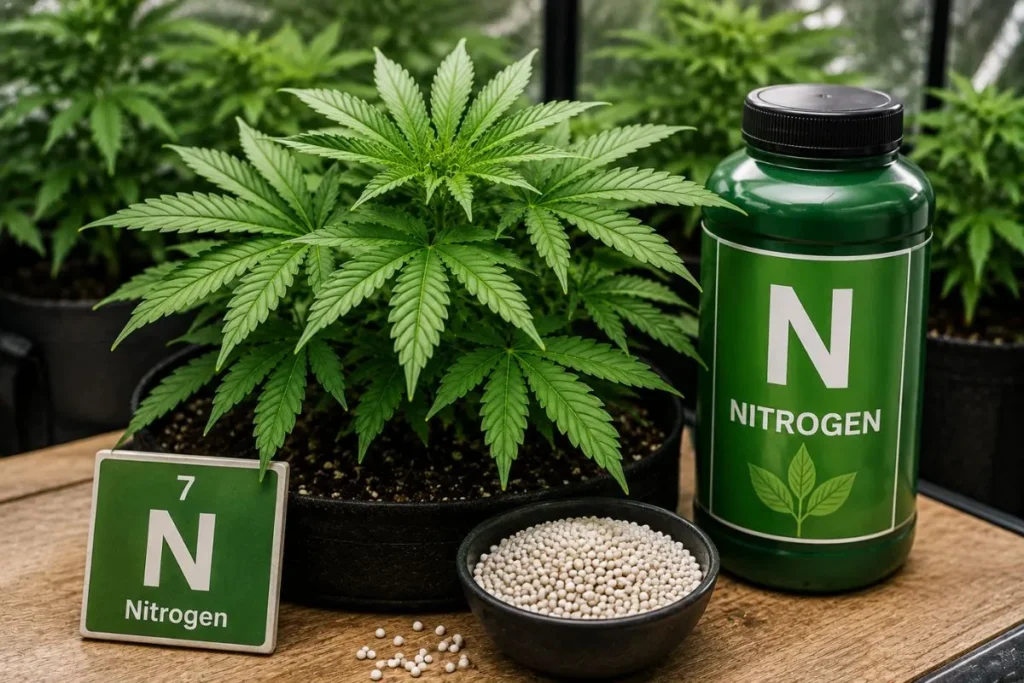
However, more nitrogen is not automatically better. Excessive nutrient availability can create an imbalance and may encourage excessive vegetative growth in some plants.
When comparing fertilizer products, consider nitrogen as one part of the complete nutrient profile rather than treating it as the most important nutrient.
Phosphorus
Phosphorus plays an important role in energy transfer and several processes involved in plant development. It also contributes to healthy root development and reproductive processes.
Because of these functions, phosphorus is frequently discussed when people talk about flowering plants and plant nutrient requirements.
Still, adding extra phosphorus simply because it is associated with flowering is not always appropriate. Plants need phosphorus in suitable amounts, and an existing nutritional problem may have another cause.
A complete approach to plant nutrition considers phosphorus alongside nitrogen, potassium, and other essential nutrients.
Potassium
Potassium is another major plant nutrient. It contributes to water regulation, enzyme activity, and several processes involved in normal plant function.
Healthy plants need potassium as part of their overall nutritional balance. It is therefore useful to look at the potassium content when comparing different fertilizer formulations.
Rather than asking which fertilizer contains the most potassium, focus on understanding the complete nutrient profile. A fertilizer should provide appropriate nutrition instead of concentrating unnecessarily on one element.
Micronutrients
Not every essential nutrient is required in large quantities. Plants also need a range of micronutrients in much smaller amounts.
Common micronutrients include iron, manganese, zinc, copper, boron, molybdenum, and chlorine. Calcium, magnesium, and sulfur are generally classified as secondary nutrients and also play important roles in plant development.
For example, magnesium contributes to chlorophyll and normal photosynthetic processes, while calcium has important structural and cellular functions. Iron is involved in several processes associated with plant metabolism.
This is why micronutrients for indoor plants should not be overlooked when evaluating a fertilizer.
Why All These Nutrients Work Together
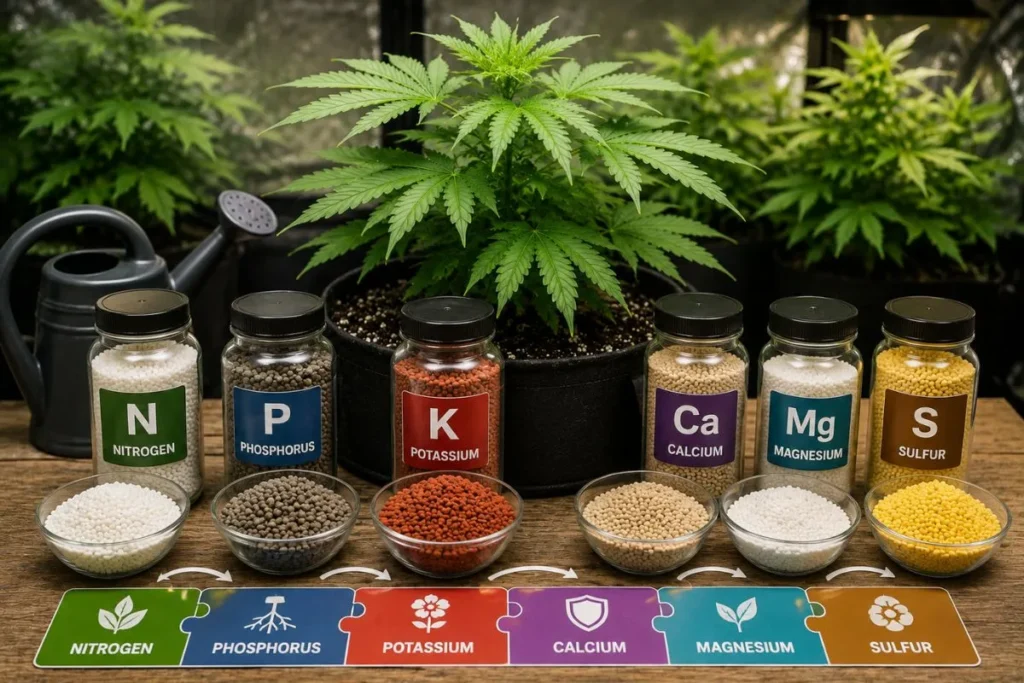
Plant nutrition is not a competition between individual nutrients. Nitrogen, phosphorus, potassium, secondary nutrients, and micronutrients all contribute to different biological processes.
A shortage of one nutrient cannot always be corrected simply by increasing another. Likewise, applying excessive amounts of one nutrient can interfere with overall nutrient balance.
This is why a good fertilizer nutrient ratio should be considered as a complete profile rather than judged by one impressive number.
Nutrient Deficiency Does Not Always Mean “Add Fertilizer”
Visible changes in a plant can sometimes suggest a nutritional problem, but appearance alone does not always identify the cause.
Yellow leaves, unusual growth, or damaged foliage can also result from watering problems, unsuitable environmental conditions, root issues, pests, or other forms of stress.
If a plant appears unhealthy, it is better to consider the entire growing environment before assuming it needs additional fertilizer.
This is particularly important when trying to understand plant nutrient deficiency because different problems can produce similar symptoms.
The Role of a Complete Nutrient Profile
A fertilizer containing several essential nutrients can provide broader nutritional support than a product focused heavily on one element.
When reading a fertilizer label, look beyond the N-P-K numbers. Check whether secondary nutrients and micronutrients are listed, and review the manufacturer’s information about the product.
This gives you a clearer picture of what the fertilizer actually contains.
The Simple Takeaway
The main lesson is simple: healthy plant nutrition depends on balance.
Nitrogen supports important aspects of leafy growth, phosphorus contributes to energy and development, potassium supports several essential plant functions, and micronutrients help plants carry out many biological processes.
Understanding these roles makes it easier to evaluate indoor plant fertilizer without assuming that a higher concentration or a single “special” nutrient automatically makes a product better.
Types of Fertilizer for Indoor Plants
A common mistake is to think that one type of fertilizer is automatically better than all the others. In reality, liquid, organic, slow-release, and granular fertilizers each have different characteristics. The best choice depends on the product formulation, the growing medium, and how easily you can follow the manufacturer’s directions.
Understanding these differences can make indoor gardening fertilizer much easier to evaluate. Instead of choosing a product because it sounds powerful, you can look at how it delivers nutrients and what the label actually contains.
Liquid Fertilizer
Liquid fertilizer is popular because it is easy to mix and apply. It usually comes as a concentrated solution that is diluted according to the manufacturer’s instructions.
One advantage of liquid plant fertilizer is that it allows gardeners to control the amount of product being added. It can also be convenient for people who prefer a fertilizer that mixes easily with water.
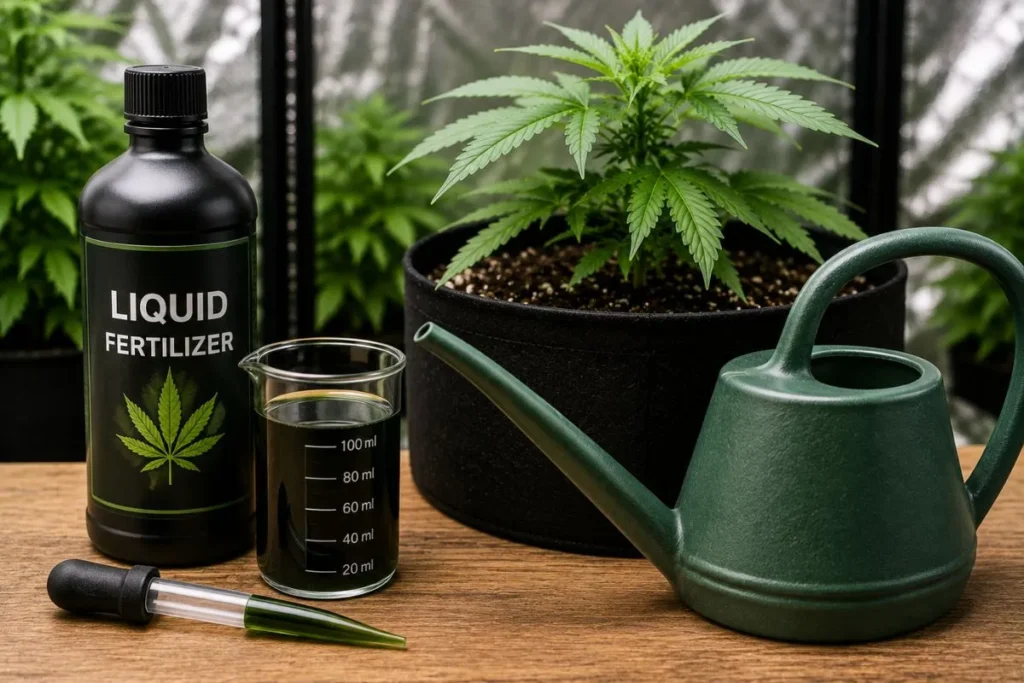
However, liquid fertilizer requires careful measuring. Using a more concentrated solution than recommended does not automatically improve plant growth and can increase the risk of nutrient-related problems.
When comparing liquid products, check the N-P-K numbers, additional nutrients, ingredients, and directions on the label.
Organic Fertilizer
Organic fertilizer is made from naturally derived materials and is often chosen by gardeners who prefer an organic approach to plant care.
Depending on the product, nutrients may become available more gradually than with some conventional fertilizers. Organic products can also vary significantly in their nutrient content, so the label remains important.
An organic fertilizer for indoor plants should not be considered automatically better simply because it is labeled organic. Organic products still need to be used appropriately, and their nutrient composition should match the needs of the plants being grown.
The useful question is not simply “Is it organic?” but “What nutrients does it provide, and how does the product deliver them?”
Slow-Release Fertilizer
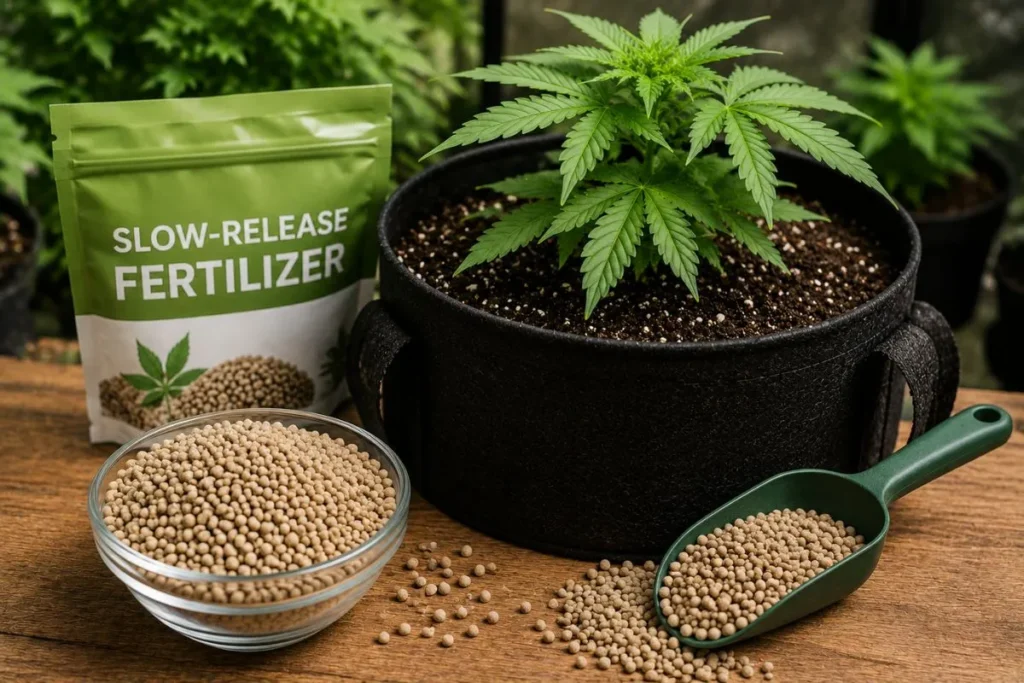
Slow-release fertilizer is designed to make nutrients available gradually over an extended period.
This can be convenient for indoor gardeners who prefer fewer fertilizer applications. Instead of nutrients becoming available all at once, the formulation is designed to release them progressively.
The release pattern can depend on the product, temperature, moisture, and other conditions. Because of this, it is important to read the manufacturer’s information rather than assuming every slow-release fertilizer behaves in exactly the same way.
A slow-release plant fertilizer can be particularly convenient when simplicity is a priority, but convenience does not mean the product can be used without following its instructions.
Granular Fertilizer
Granular fertilizer comes in solid particles that are added to the growing medium according to the product directions.
Some granular products are designed for relatively quick nutrient availability, while others use controlled-release technology. This means the word “granular” alone does not tell you exactly how the fertilizer behaves.
When evaluating fertilizer for potted plants, check whether the product is fast-release or slow-release and review its complete nutrient analysis.
Granular products can be convenient because they are easy to store and measure, but proper application remains important.
Liquid vs. Slow-Release Fertilizer
Liquid and slow-release fertilizers have different advantages.
Liquid fertilizer generally gives gardeners more direct control over when nutrients are supplied, while slow-release products are designed for gradual nutrient availability.
Neither category is automatically superior. The better option depends on the product formulation and the gardener’s preference for managing indoor plant nutrition.
Organic vs. Conventional Fertilizer
Organic and conventional fertilizers can both provide essential plant nutrients. The main difference is generally related to their nutrient sources and how those nutrients become available.
When comparing them, look at the actual nutrient analysis instead of relying only on the product category.
A well-labeled fertilizer gives you useful information about its nutrient composition, helping you make a more informed choice.
What Should You Look for on the Label?
Before choosing any indoor plant fertilizer, check several basic details.
Look at the N-P-K analysis first. Then check whether secondary nutrients and micronutrients are included. Read the ingredient information and review the manufacturer’s directions.
Also pay attention to whether the product is liquid, granular, or slow-release. Understanding the delivery method helps you know what kind of fertilizer you are buying.
The Bottom Line
There is no universal winner among liquid, organic, slow-release, and granular fertilizers. Each type has its own characteristics.
The smartest approach is to compare the nutrient profile, understand how the fertilizer releases nutrients, and follow the manufacturer’s instructions. Once you know what you are actually buying, choosing indoor plant nutrients becomes much less confusing.
Final Checklist for Choosing Indoor Plant Fertilizer
Choosing an indoor fertilizer does not have to be complicated. You do not need the product with the biggest numbers or the most impressive label. A better approach is to slow down, check the details, and make sure the fertilizer fits the plant’s general nutritional needs.
Check the N-P-K Ratio
Start by looking at the three numbers on the fertilizer label. They show the primary nutrient composition of the product.
Remember that a higher number does not automatically mean a better fertilizer. Consider the complete ratio rather than focusing on nitrogen, phosphorus, or potassium alone.
Read the Complete Nutrient Information
Don’t stop after checking N-P-K. Look for secondary nutrients and micronutrients listed on the label.
Information about calcium, magnesium, sulfur, iron, zinc, and other nutrients can give you a clearer picture of what the product actually provides.
Check the Ingredient Information
Take a moment to read the ingredient information, especially when comparing different types of indoor plant fertilizer.
This can help you understand whether you’re looking at an organic, conventional, liquid, granular, or slow-release product.
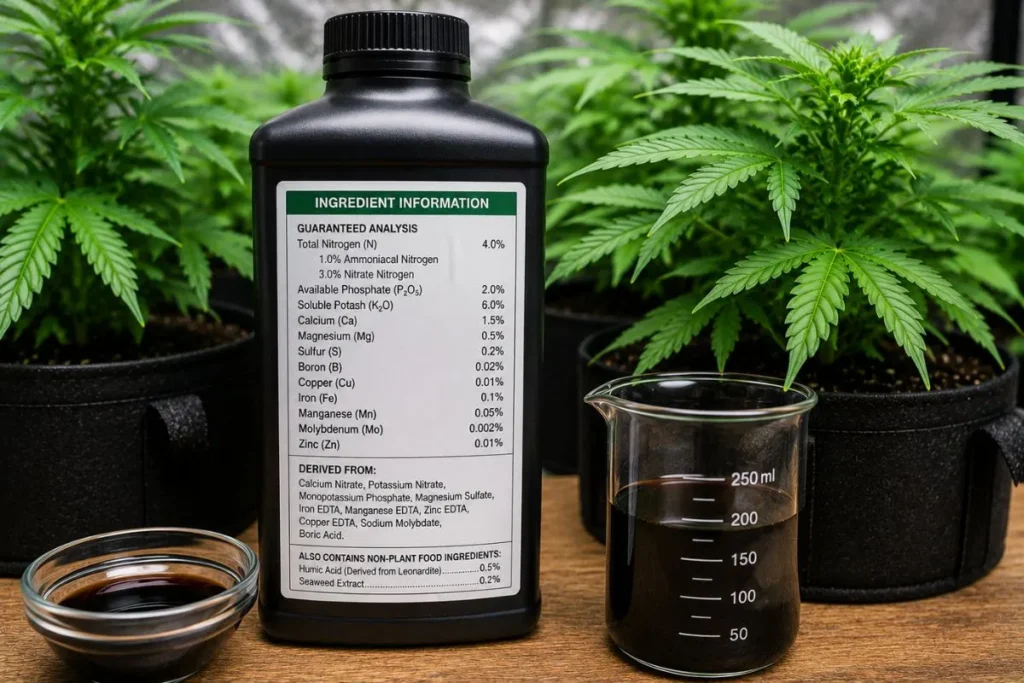
Consider the Growing Medium
The growing medium can affect how nutrients are stored and made available to plant roots.
A fertilizer should be considered alongside the growing medium rather than treated as a separate issue. This is particularly important for fertilizer for potted plants, where the root environment is limited.
Don’t Choose Fertilizer Based Only on Marketing
Words such as “powerful,” “maximum,” “premium,” or “fast growth” can make a product sound impressive, but they do not tell you everything about its nutritional quality.
Look at the actual nutrient analysis instead. The label provides much more useful information than promotional language.
Follow the Manufacturer’s Directions
Every fertilizer product is different. Even two products with similar N-P-K numbers may have different instructions because their formulations and nutrient sources can vary.
Following the manufacturer’s directions helps you avoid unnecessary nutrient application and makes the product easier to use responsibly.
Consider the Plant’s Overall Condition
Before deciding that a plant needs fertilizer, look at its overall condition.
Changes in leaf color, growth, or appearance do not automatically mean the plant has a nutrient deficiency. Water, light, temperature, pests, roots, and the growing medium can all affect plant health.
Taking a broader view can help prevent unnecessary fertilizer use.
Avoid Assuming More Is Better
One of the simplest fertilizer rules is also one of the most important: more nutrients do not automatically mean better growth.
Plants need appropriate nutrition, not unlimited nutrition. Excessive fertilizer can create nutrient imbalances and may cause problems instead of solving them.
FAQs About Indoor Plant Fertilizer
What Is the Best Fertilizer for Indoor Plants?
There is no single fertilizer that is best for every indoor plant. A suitable fertilizer should provide appropriate nutrients, have a clear label, and match the plant’s general nutritional needs. Instead of choosing the strongest formula, compare the N-P-K ratio, additional nutrients, and manufacturer’s directions.
What Nutrients Do Indoor Plants Need?
Indoor plants need several essential nutrients. The primary macronutrients are nitrogen, phosphorus, and potassium. Plants also require secondary nutrients such as calcium, magnesium, and sulfur, along with smaller amounts of micronutrients such as iron, zinc, manganese, copper, and boron.
What Does NPK Mean on Fertilizer?
NPK stands for nitrogen, phosphorus, and potassium. These are represented by three numbers on fertilizer packaging. The numbers describe the fertilizer’s primary nutrient composition. A higher NPK number does not automatically mean the fertilizer is better.
Is Organic Fertilizer Suitable for Indoor Plants?
Yes, organic fertilizer can be suitable for indoor plants when its nutrient composition fits the plant’s needs and it is used according to the product directions. The word “organic” does not automatically mean a fertilizer is stronger or safer, so always check the label.
What Is Liquid Plant Fertilizer?
Liquid plant fertilizer is a fertilizer supplied in liquid form, often as a concentrated product that is diluted according to the manufacturer’s instructions. It can be convenient because it mixes easily with water and allows gardeners to measure the product carefully.
What Are Micronutrients?
Micronutrients are essential plant nutrients required in relatively small quantities. They include nutrients such as iron, zinc, manganese, copper, boron, and molybdenum. Although plants need less of them than major nutrients, they still contribute to normal plant functions.
How Can You Recognize a Nutrient Deficiency?
Some nutrient deficiencies can cause symptoms such as unusual leaf color, poor growth, or changes in plant development. However, these signs can also result from watering problems, pests, root issues, or unsuitable environmental conditions. It is therefore important not to assume that every plant problem is caused by fertilizer.
Is a Higher Fertilizer Concentration Always Better?
No. A higher concentration does not automatically produce healthier plants. Excessive nutrients can create an imbalance and may damage plants. The nutrient profile and manufacturer’s recommended use are more important than simply choosing the product with the largest numbers.
What Should You Look for on a Fertilizer Label?
Start with the N-P-K numbers and then check the rest of the label. Look for secondary nutrients, micronutrients, ingredients, and information about how the fertilizer releases nutrients. Clear application instructions are also important when comparing different indoor plant fertilizer products.
What Is the Difference Between Organic and Synthetic Fertilizer?
Organic fertilizers generally obtain their nutrients from naturally derived sources, while synthetic fertilizers use manufactured or chemically processed nutrient sources. Both can provide essential plant nutrients. The best way to compare them is to look at their nutrient composition and intended use rather than relying only on the category name.
Can Fertilizer Fix Every Indoor Plant Problem?
No. Fertilizer is only one part of plant care. Problems can also come from unsuitable light, watering, temperature, root conditions, pests, or the growing medium. Adding more fertilizer without identifying the actual cause can sometimes make the problem worse.
Why Is Understanding Plant Nutrition Important?
Understanding plant nutrition helps you make better fertilizer choices and avoid unnecessary feeding. When you know what NPK means, understand the role of micronutrients, and read fertilizer labels carefully, you can evaluate products based on useful information instead of marketing claims.
Conclusion
Choosing the right fertilizer becomes much easier when you stop looking for the strongest product and start looking at the plant’s actual nutritional needs. A good indoor plant fertilizer should provide appropriate nutrients, have clear labeling, and suit the growing medium and overall plant environment.
Remember that N-P-K numbers are only one part of the picture. Nitrogen, phosphorus, potassium, secondary nutrients, and micronutrients all have different roles in healthy plant development. Reading the complete fertilizer label can help you understand what a product actually provides instead of relying on marketing claims.
Whether you are comparing liquid, organic, granular, or slow-release products, focus on the nutrient profile and follow the manufacturer’s directions. Also, don’t assume that yellow leaves or poor growth automatically mean you need more fertilizer. Other environmental factors can cause similar symptoms.
In the end, the best fertilizer is not necessarily the most concentrated one. It is the product that provides suitable nutrition and fits your indoor plant’s needs. A thoughtful approach to plant nutrition can help you make smarter fertilizer choices and avoid unnecessary feeding mistakes.

Plant Nest Blog’s author is passionate about plants, gardening, and sustainable living. Through research and practical experience, they share helpful plant care tips, gardening guides, and easy solutions to help readers grow healthier plants and create greener spaces.