
Freshly harvested beets have a wonderful earthy flavor, tender texture, and natural sweetness that store-bought vegetables sometimes lack. But if you’ve just pulled a bunch from your garden, you might wonder how to prepare beets from garden soil without wasting their leafy tops or losing their fresh taste.
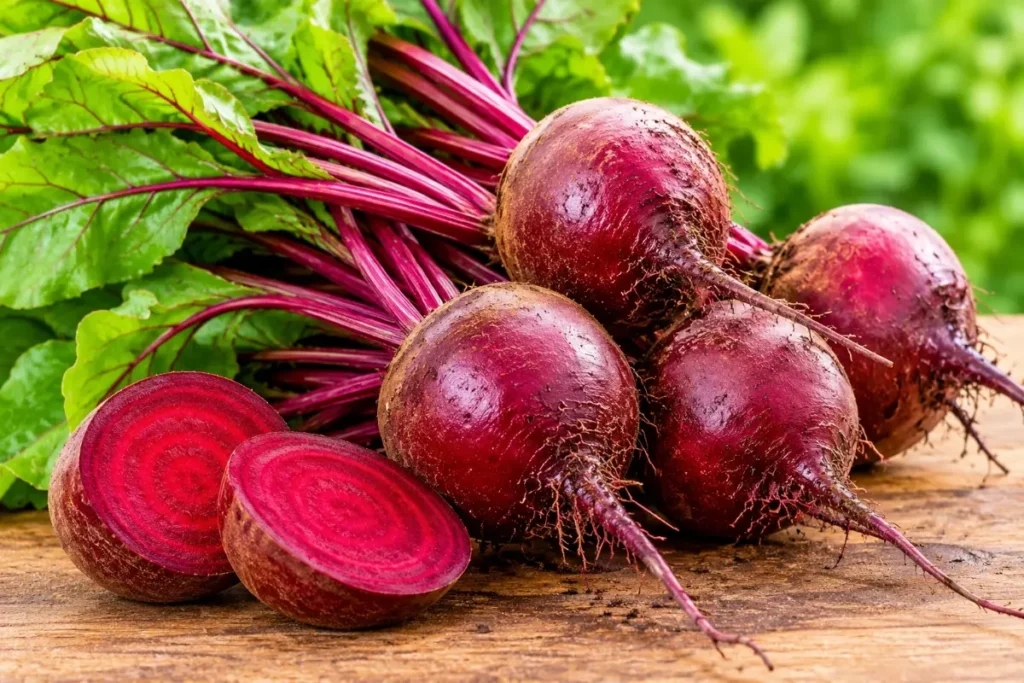
The good news is that preparing homegrown beets is easier than you might think. From trimming and washing to peeling, cooking, and storing, I’ll walk you through the process so you can turn your garden harvest into a delicious addition to everyday meals.
How to Prepare Beets From Garden: Start With Freshly Harvested Beets
Before cooking, take a few minutes to inspect your harvest. Fresh beets come in different sizes, shapes, and colors. Some have smooth roots, while others may have small side roots or a little garden soil attached.
Choose firm beets with smooth skin. Avoid roots that feel mushy, have deep cracks, or show signs of rotting. Small and medium-sized beets are often tender and cook more evenly than oversized ones.
If your beets still have their green tops attached, don’t throw them away. Beet greens are edible and can be cooked just like spinach or Swiss chard.
Separate the Beet Roots From the Greens
Use clean kitchen scissors or a sharp knife to cut the leafy stems about 1 to 2 inches above the beetroot.
Avoid cutting directly into the root because damaged areas can release color and moisture during cooking.
Set the greens aside if you plan to use them. Remove any yellow, wilted, or damaged leaves before storing or preparing them.
Check the Roots for Damage
Look over each beet carefully. Remove thin, dried roots and any damaged areas. You don’t need to remove every tiny root attached to the beet.
Keep the outer skin intact at this stage because it helps protect the flesh while cooking.
How to Wash Garden-Fresh Beets Without Damaging Them
Garden beets often carry more dirt than supermarket beets, especially if you’ve harvested them after watering or rain.
Start by rinsing each beet under cool running water. Use your hands to loosen the soil around the root and the stem end.
For stubborn dirt, gently scrub the surface with a vegetable brush. Pay attention to small creases and areas around the root tip where soil can collect.
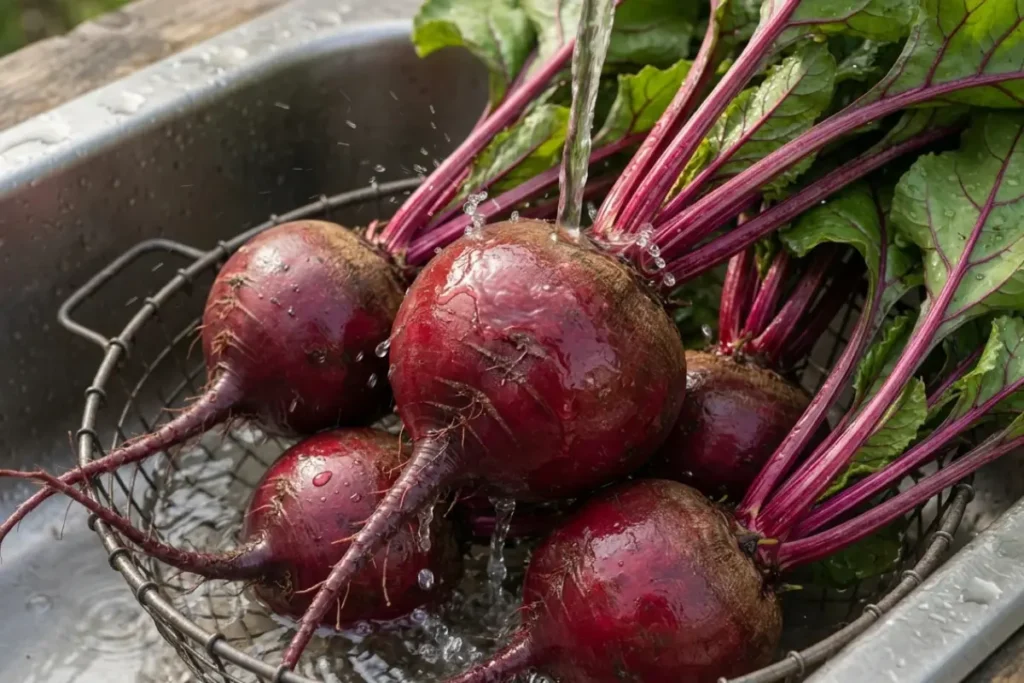
Use cool water rather than hot water, and scrub gently to avoid damaging the skin. Don’t use dish soap or household cleaning products. Wash the greens separately to remove dirt trapped between the leaves, then rinse everything thoroughly.
If the beets are extremely muddy, place them in a bowl of cool water for a few minutes to loosen the dirt. Then rinse and scrub them.
One useful tip: Clean only the beets you’re ready to cook if you plan to store the rest of your harvest. Excess moisture can encourage spoilage during storage.
Should You Peel Fresh Beets Before Cooking?
You don’t need to peel beets before cooking them. In fact, leaving the skin on is usually the easiest approach.
The skin helps protect the beet’s natural color and moisture. Once the beet is cooked and cool enough to handle, the outer skin often slips off easily when rubbed with your fingers or a paper towel.
However, peeling before cooking is also an option when you want to roast or prepare raw beets for a particular recipe.
When to Leave the Skin On
Leave the skin on when boiling, steaming, or roasting whole beets. This helps prevent excessive color loss and keeps preparation simple.
When to Peel Beets First
Peel beets before cooking if you’re planning to cut them into small cubes for a quick-cooking recipe, shred them for salads, slice them thinly for roasting, or blend them into certain soups and sauces.
Use a vegetable peeler and work carefully because raw beet juice can stain your hands, cutting board, and kitchen surfaces.
Wearing disposable kitchen gloves can make cleanup easier.
The Best Ways to Cook Fresh Beets From Your Garden
Once your beets are clean, you can choose a cooking method based on the texture and flavor you want.
Boiling, roasting, steaming, and pressure cooking all work well. The best method depends on the size of your beets and how you plan to serve them.
Boil Beets for Soft, Tender Results
Boiling is one of the easiest ways to prepare freshly harvested beetroot.
Place whole, unpeeled beets in a large pot and cover them with water. Bring the water to a boil, then reduce the heat to maintain a steady simmer.
Cook until a fork or thin knife slides easily into the center.
Small beets may take around 20 to 30 minutes, medium beets around 30 to 45 minutes, and larger beets 45 to 60 minutes or longer.
Cooking time varies depending on size and freshness, so check them as they cook.
Once tender, drain the water and allow the beets to cool. Rub the skin off with your fingers or a paper towel.
Roast Beets for a Rich, Sweet Flavor
Roasting brings out the natural sweetness of garden-fresh beets.
Preheat your oven to 400°F. Wash and dry the beets, then trim away the leafy stems while leaving about an inch attached.
Wrap each beet loosely in aluminum foil or place them in a covered oven-safe dish. Roast until tender.
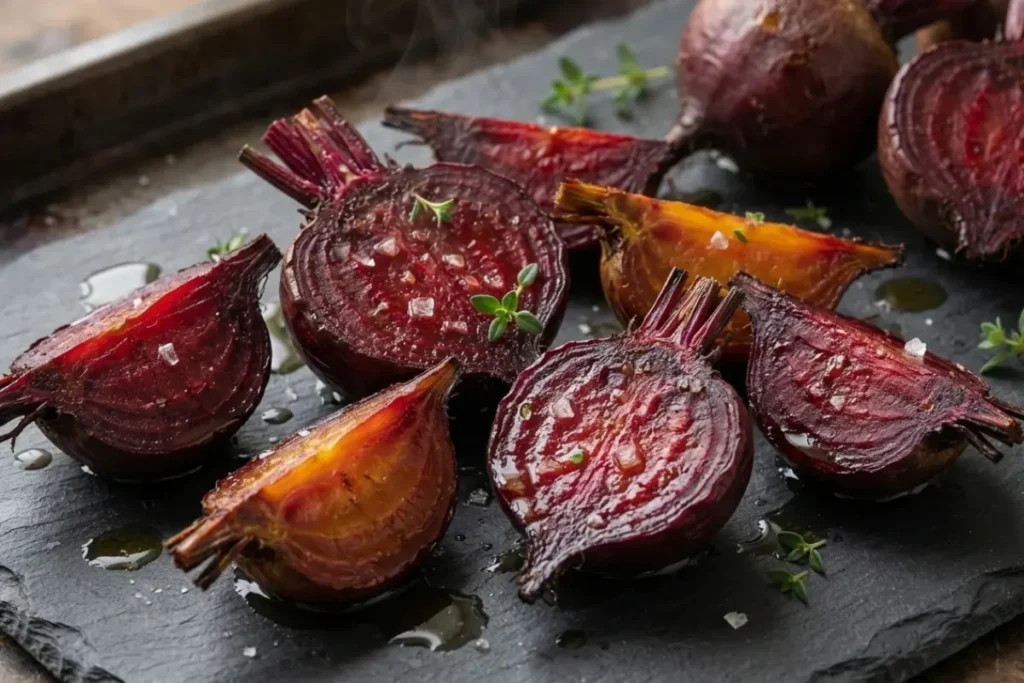
Small beets may take 30 to 40 minutes, while larger ones can take 60 minutes or more.
Let them cool slightly before removing the skin. Cut into wedges or cubes and season with olive oil, salt, black pepper, and your favorite herbs.
Roasted beets taste especially good with goat cheese, walnuts, fresh herbs, and a little balsamic vinegar.
Steam Beets to Preserve Their Natural Flavor
Steaming is another simple option when you want tender beets without submerging them in water.
Place whole, unpeeled beets in a steamer basket above simmering water. Cover the pot and cook until a knife easily enters the center.
Depending on their size, steaming may take approximately 25 to 45 minutes or longer.
This method keeps the beets moist and gives them a clean, earthy flavor.
Use a Pressure Cooker for Faster Cooking
If you’re preparing a large garden harvest, a pressure cooker can save time.
Add water to your pressure cooker’s inner pot according to the manufacturer’s instructions. Place a steamer basket inside and arrange the whole beets on top.
Cook under high pressure according to their size and your appliance’s instructions. Allow the pressure to release safely before opening the lid.
Check tenderness with a fork. If the beets are still firm, cook them for a little longer.
How to Cut and Serve Cooked Garden Beets
After cooking and peeling, your beets are ready for different meals.
The way you cut them depends on the recipe.
For salads, slice the beets into thin rounds or small cubes. For roasted vegetable dishes, cut them into wedges. If you’re preparing beet soup, dice them into evenly sized pieces so they cook consistently.

You can also mash cooked beets or blend them into a smooth puree.
A simple seasoning combination is olive oil, lemon juice, salt, and black pepper. Fresh parsley, thyme, and dill also complement their earthy flavor.
For a sweeter dish, combine roasted beets with orange segments, a little honey, and toasted nuts.
Don’t Throw Away the Beet Greens
One of the best things about growing beets is that you get two vegetables from one plant: the root and the leafy greens.
Beet greens have a slightly earthy taste and a texture similar to Swiss chard.
First, remove the tough stems if you prefer softer greens. Wash the leaves thoroughly, then chop them into manageable pieces.
Sauté Beet Greens
Heat a little olive oil in a skillet. Add minced garlic and cook briefly until fragrant.
Add the chopped beet greens and stir until they begin to wilt. Cook for a few more minutes until tender.
Finish with lemon juice, salt, and black pepper.
Add Beet Greens to Soups
Chop the leaves and stir them into vegetable soup, bean soup, or homemade broth near the end of cooking.
They add color, texture, and extra vegetables to your meal.
Use Young Beet Leaves in Salads
Small, tender beet leaves can be eaten raw after thorough washing. Mix them with lettuce, cucumber, tomatoes, and your favorite dressing.
Older leaves are usually better cooked because they can have a tougher texture.
Common Mistakes to Avoid When Preparing Homegrown Beets
Even though beets are easy to prepare, a few small mistakes can affect their flavor and texture.
Peeling Beets Before Boiling
Peeling whole beets before boiling can cause more color and flavor to escape into the cooking water. Keep the skin on until they’re tender.
Cutting Off Too Much of the Stem
Removing the entire stem close to the root can create an opening where beet juice escapes during cooking. Leave about an inch of stem attached.
Cooking All Sizes for the Same Amount of Time
Small beets become tender faster than large ones. Sort your harvest by size and remove smaller roots first if necessary.
Overcooking the Beets
Overcooked beets can become overly soft and lose their pleasant texture. Start checking them before the expected cooking time ends.
Throwing Away Healthy Beet Greens
The leafy tops are edible and useful in many recipes. Save them instead of treating them as garden waste.
How to Store Fresh Beets After Harvesting
Proper storage helps your garden harvest stay fresh longer.
If you’re not cooking your beets immediately, remove the greens first. Store the roots unwashed in a perforated plastic bag or suitable produce container in your refrigerator’s crisper drawer.
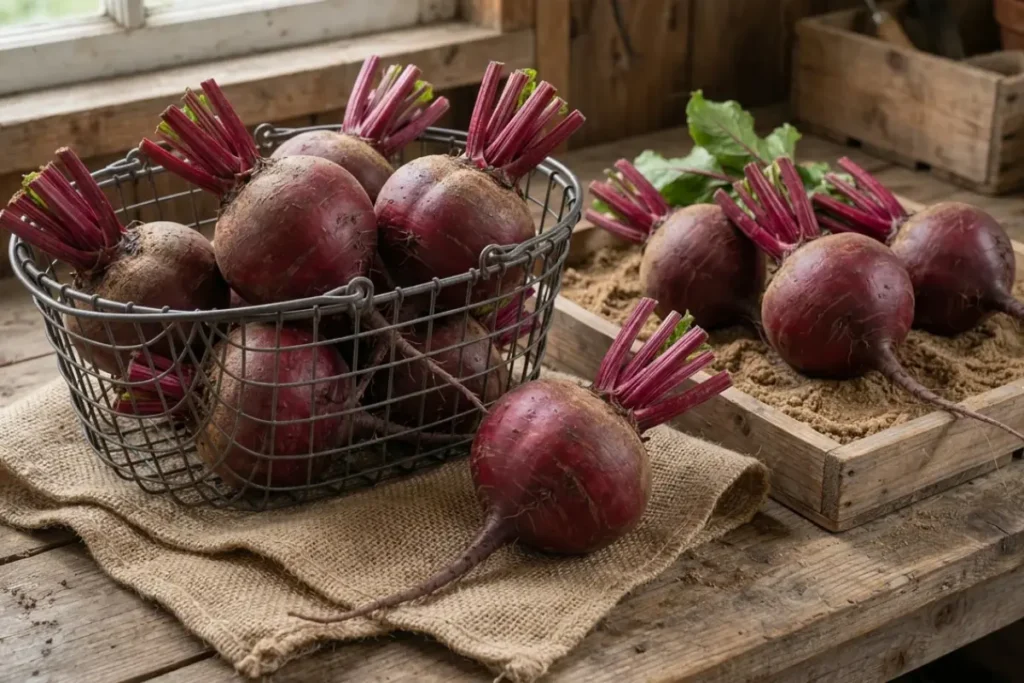
Keep them away from excess moisture and check occasionally for soft or spoiled roots.
Fresh beet greens are more delicate than the roots. Wash them when you’re ready to use them, or store them separately in the refrigerator in a breathable bag with a slightly damp paper towel.
How Long Do Fresh Beets Last?
Whole, unwashed beet roots can often last several weeks in the refrigerator when stored properly. Their actual storage life depends on freshness, temperature, and moisture.
Cooked beets should be refrigerated in an airtight container and used within 3 to 5 days.
If you’ve harvested more beets than you can eat, consider freezing them.
Can You Freeze Garden-Fresh Beets?
Yes. Cooking beets before freezing usually gives the best results.
Wash and cook the beets until tender. Cool them, remove the skins, and cut them into slices or cubes.
Arrange the pieces in a single layer on a tray and freeze until firm. Transfer them to freezer-safe bags or containers, remove excess air, and label them with the date.
For best quality, use frozen cooked beets within about 8 to 12 months.
Delicious Ways to Use Fresh Beets From Your Garden
Once you’ve prepared your beets, you have plenty of ways to enjoy them. You don’t need complicated recipes to make them taste good. A few simple ingredients can turn your harvest into a satisfying meal.
Fresh Beet Salad
Combine sliced cooked beets with goat cheese, walnuts, spinach, and balsamic dressing for a fresh, flavorful salad. It’s a simple way to enjoy your garden beets for lunch or dinner.
Roasted Beet Vegetables
Toss beet wedges with olive oil, garlic, rosemary, salt, and pepper before roasting. Roasting brings out their natural sweetness and gives them a tender, delicious texture.
Homemade Beet Soup
Blend cooked beets with vegetable broth, onion, garlic, and a little cream to make a smooth, comforting soup. Serve it warm for a satisfying meal.
Beet Hummus
Blend cooked beets with chickpeas, tahini, lemon juice, and garlic to create a colorful, creamy dip. Enjoy it with crackers, fresh vegetables, or toasted bread.
Pickled Beets
Prepare cooked beet slices with a vinegar-based pickling mixture using a tested recipe. Pickled beets add a tangy flavor to sandwiches, salads, and everyday meals.
Beet Smoothies
Blend cooked and chilled beets with berries, banana, and yogurt for a naturally colorful, refreshing drink. The fruit adds sweetness and balances the earthy flavor of beets.
These simple ideas make it easier to enjoy your garden harvest throughout the week without serving the same beet dish every day
Frequently Asked Questions About Preparing Fresh Garden Beets
Do you need to wash beets immediately after harvesting?
No. If you plan to store them, remove the leafy tops and brush off loose soil without washing. Wash them thoroughly when you’re ready to cook.
Can you eat freshly harvested beets raw?
Yes. Fresh beets can be eaten raw after washing and peeling. Slice or grate them thinly and add them to salads, slaws, or vegetable bowls.
Do you have to peel beets before boiling them?
No. Boiling beets with their skin on helps retain moisture and color. Once they’re cooked and cool enough to handle, the skin is usually easy to remove.
How do you know when garden beets are fully cooked?
Insert a fork or thin knife into the thickest part of the beet. If it slides in easily without much resistance, the beet is tender and ready.
Can you cook beet greens and roots together?
You can, but they need different cooking times. Beet roots take much longer to become tender, while the greens cook quickly. Prepare them separately for better results.
Why do fresh beets stain your hands?
Beets contain natural pigments called betalains. These give them their deep red and purple colors and can temporarily stain hands, cutting boards, and kitchen towels.
Should you remove the beet skin after roasting?
You can, but it’s not necessary. The skin is edible when properly cleaned. Many people prefer removing it because the texture can be slightly tough.
Can you eat the stems of fresh beets?
Yes. Beet stems are edible. Chop them into small pieces and cook them until tender. They work well in sautés, soups, and vegetable dishes.
Conclusion:
Preparing beets from your garden doesn’t require special equipment or complicated cooking techniques. Start by trimming the greens, cleaning the roots, and choosing a cooking method that suits your meal. Boiling and steaming give you tender results, while roasting brings out their natural sweetness.
Most importantly, make use of the entire harvest. Save the leafy greens, store extra roots properly, and experiment with different recipes. With a little preparation, those freshly harvested beets can become some of the most delicious vegetables on your table.

Plant Nest Blog’s author is passionate about plants, gardening, and sustainable living. Through research and practical experience, they share helpful plant care tips, gardening guides, and easy solutions to help readers grow healthier plants and create greener spaces.