
Basil may look healthy in its original pot, but crowded roots, drooping leaves, and slow growth can be signs that it needs more room. Learning how to replant basil the right way helps your plant settle into its new home without unnecessary stress or damage.
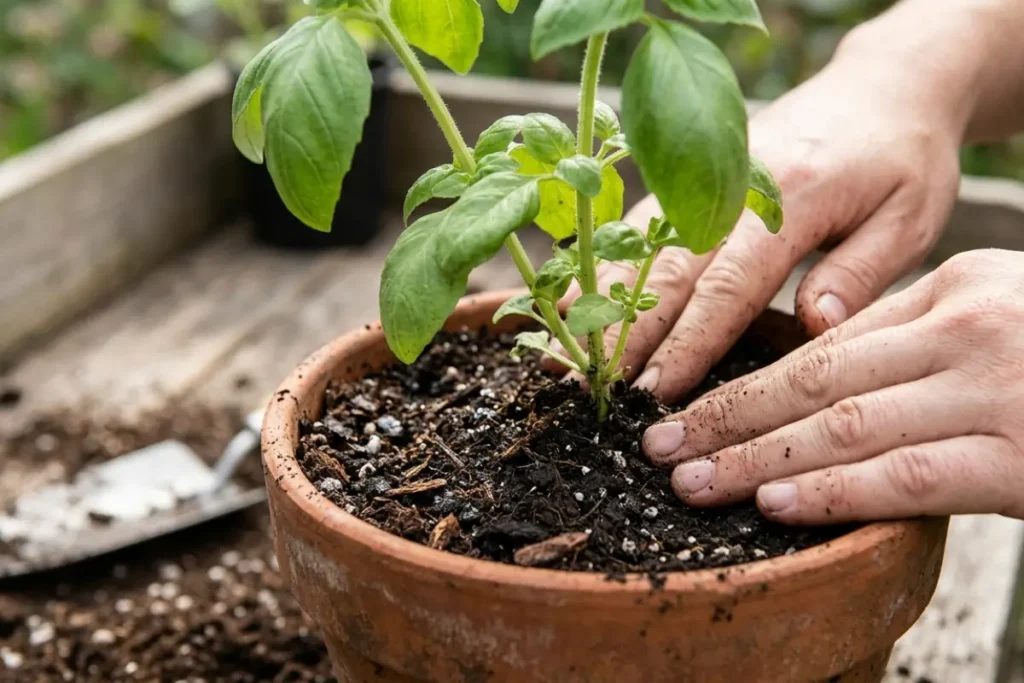
The good news is that transplanting basil is easier than you might think. With the right timing, a suitable pot, and a little care, you can move your basil into fresh soil and encourage healthy new growth. Here is how to do it properly, whether you are moving a small seedling, a grocery-store basil plant, or an established herb.
When Is the Best Time to Replant Basil?
Timing makes a real difference when moving basil to a new pot or garden bed. Basil prefers warm conditions, so avoid transplanting it outdoors while temperatures are still too cold.
The best time to repot indoor basil is when you notice signs that the plant has outgrown its current container. For outdoor basil, wait until the danger of frost has passed and nighttime temperatures stay consistently above 50°F. Basil grows best in warm weather, particularly when temperatures are around 70–85°F.
Watch for these signs that your basil needs a new home.
Roots growing through drainage holes: If roots are coming out of the bottom of the container, the plant may need more space.
Soil drying out quickly:
A small pot can dry out faster as the basil grows larger. If you need to water much more frequently than before, check whether the roots have filled the container.
Slow growth:
Basil that has stopped producing healthy new leaves may be struggling with limited root space, although poor light and watering problems can also cause slow growth.
Crowded stems:
Grocery-store basil often contains several seedlings packed into one small pot. These plants may compete for water, nutrients, and space.
Morning is generally a good time to transplant basil because the plant has the rest of the day to adjust before evening. Avoid moving it during intense afternoon heat.
What You Need Before Transplanting a Basil Plant
Gathering your supplies first makes the process easier and reduces the amount of time your basil spends outside its original container.
You do not need expensive gardening equipment. A few basic items are enough.
A suitable pot:
Choose a container with drainage holes. For one established basil plant, a pot around 8–10 inches wide is a useful starting size. Larger containers can work if they have good drainage.
Fresh potting mix:
Use a light, well-draining potting mix designed for containers. Avoid heavy garden soil because it can become compacted in pots.
A small garden trowel:
This helps you remove the plant and prepare the new planting hole.
Clean scissors:
Use sharp, clean scissors to remove damaged leaves or roots if necessary.
Watering can:
Water helps settle the soil around the roots after transplanting.
Optional compost:
A small amount of finished compost can improve the growing medium, but a good-quality potting mix usually provides a suitable starting point.
One important detail is to avoid choosing an oversized pot simply because you want your basil to grow bigger. Excess soil holds moisture longer, which can increase the risk of root problems if you overwater.
How to Replant Basil Successfully
The actual transplanting process is simple, but handling the roots carefully is essential. Basil has delicate roots, and rough handling can make the plant struggle after the move.
Follow these steps to give your basil a comfortable start in its new container.
Prepare the New Pot
Start by choosing a clean pot with drainage holes at the bottom. If you are reusing an old container, wash it to remove leftover soil and debris.
Fill the new pot partially with fresh, slightly moist potting mix. Leave enough space for the basil’s root ball and keep the soil level low enough to accommodate the plant without burying its stem.
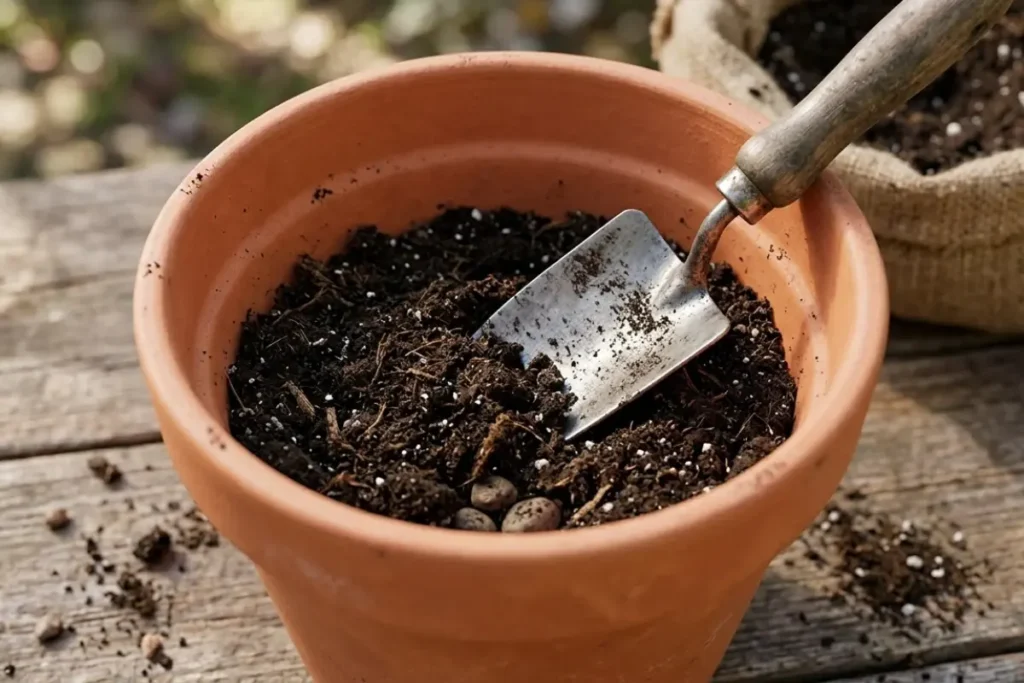
Do not add gravel or rocks to the bottom of the container. A proper drainage hole and suitable potting mix are more useful for managing excess water.
Water the Basil Before Removing It
Water your basil lightly a few hours before transplanting if its soil is dry. Slightly moist soil helps hold the root ball together and makes removal easier.
Avoid soaking the container until it becomes waterlogged. You want the soil to be moist enough to stay together, not dripping wet.
If your basil is already sitting in wet soil, wait until the excess moisture drains before moving it.
Remove the Basil Carefully
Hold the plant gently near its base and turn the original pot sideways. Tap the sides or squeeze a flexible nursery container to loosen the soil.
Slide the plant out without pulling hard on the stems. If the roots are stuck, gently loosen the soil around the container’s edges.
Try to keep most of the existing root ball intact. This protects the fine roots that help the basil absorb water and nutrients.
If you are transplanting grocery-store basil, you may notice several individual plants growing together. You can gently separate them by teasing apart their roots, but avoid forcing apart tightly tangled roots.
Inspect the Roots
Take a quick look at the root system before placing the basil in its new container.
Healthy roots are generally firm and pale, although their color can vary depending on the growing medium.
Remove any roots that are clearly mushy, damaged, or rotten using clean scissors. Do not cut healthy roots just to make the plant fit into a smaller container.
If the roots are tightly circling the root ball, gently loosen a few outer roots with your fingers. This can help them grow into the surrounding soil.
Place Basil in the New Pot
Make a small hole in the fresh potting mix and position the basil in the center.
Keep the plant at approximately the same depth it was growing before. Cover the roots with soil, but do not bury the main stem or cover the lower leaves.
Gently press the potting mix around the root ball to remove large air pockets. Avoid packing the soil too tightly because roots need access to air as well as moisture.
Water Thoroughly
After planting, water the basil slowly until excess water begins flowing through the drainage holes.
This helps the soil settle around the roots and removes dry pockets in the potting mix.
Allow the container to drain completely. Never leave the basil sitting in a saucer full of standing water.
Give the Plant Time to Adjust
Place your newly transplanted basil somewhere warm with bright, indirect light for a short adjustment period.
Avoid placing it immediately under intense afternoon sunlight, especially if it was previously growing indoors.
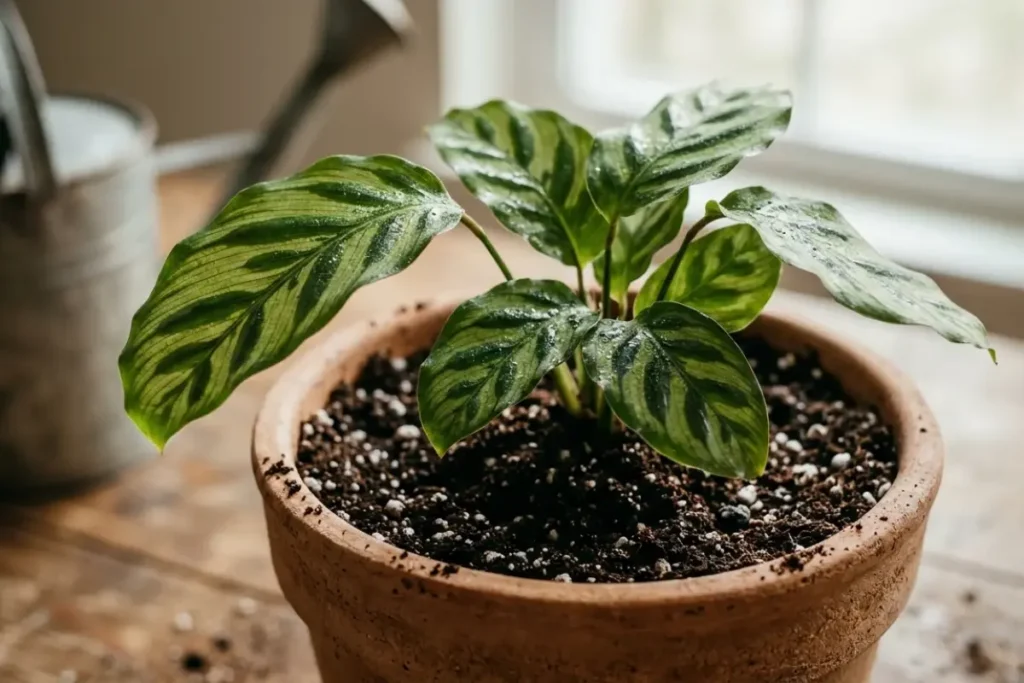
Once the plant begins looking stable, gradually return it to its normal growing conditions.
A little temporary drooping is not unusual after transplanting. However, persistent wilting, yellowing, or soft stems may indicate a watering or root problem.
How to Choose the Right Soil for Basil
Soil quality can determine how well your basil adjusts after transplanting. Basil needs enough moisture to support its leafy growth, but its roots should never remain in soggy soil.
A quality all-purpose potting mix is usually a good choice for container basil.
Look for a mix that feels light and loose rather than dense and muddy. It should hold some moisture while allowing excess water to drain freely.
You can improve a heavy potting mix by adding perlite to increase aeration. Finished compost can also be mixed in modest amounts to add organic matter.
Avoid using soil directly from your garden in containers. Garden soil may become too compacted, drain poorly, or contain pests and diseases.
For outdoor basil beds, choose a sunny area with fertile, well-draining soil. If the ground stays wet after rain, consider growing basil in a raised bed or container instead.
How to Repot a Basil Plant From the Grocery Store
Grocery-store basil often needs special attention because several young plants are commonly grown together in one small container.
Although the pot may look full and healthy, the roots can become crowded quickly. Giving these plants more room can help them grow better.
First, remove the entire root ball gently from its original container. Examine how many separate stems and root systems are growing together.
If the plants are clearly separate, gently divide them into smaller groups. Keep as much of each plant’s root system intact as possible.
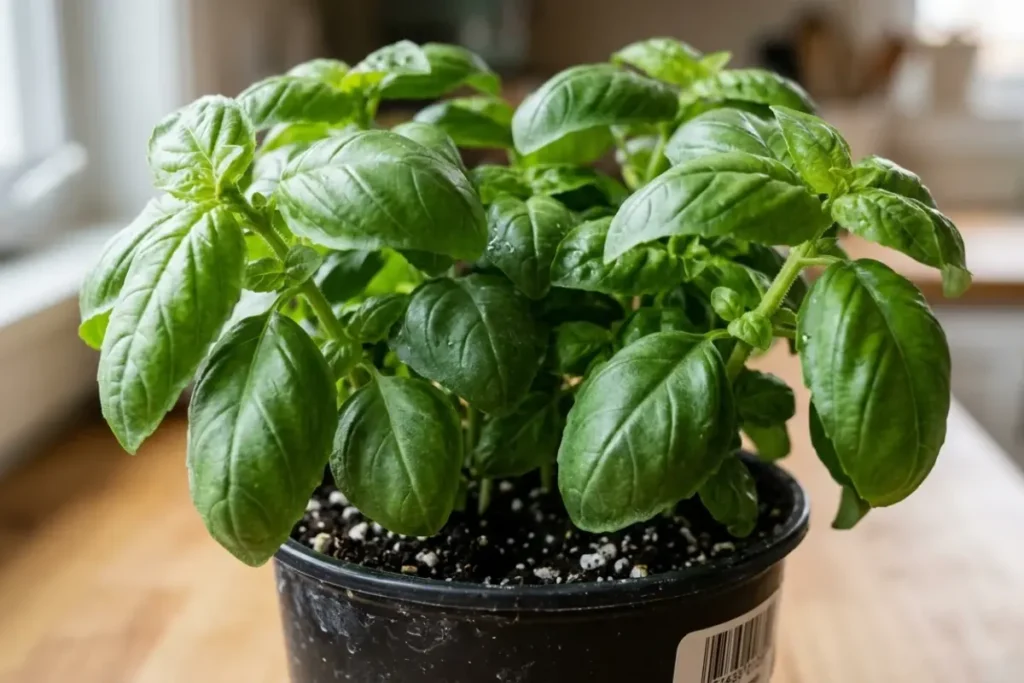
Prepare individual containers with fresh potting mix and plant each group at its original depth. Water them thoroughly and place them in a warm location with bright light.
Do not divide every tiny seedling just because you can. Some grocery-store basil has tightly intertwined roots, and aggressive separation can damage more roots than necessary.
If the roots are extremely tangled, consider keeping the plants together and moving them into a wider container instead.
How to Transfer Basil Plants From Water to Soil
If you have been growing basil cuttings in water, you can transfer them into potting soil once they develop visible roots.
However, water-grown roots need time to adjust to the different conditions in soil.
Choose a healthy cutting with several established roots rather than moving one that has only just started developing tiny root tips.
Fill a small pot with moist potting mix and create a hole deep enough to accommodate the roots without bending or crushing them.
Place the cutting inside and gently cover the roots with soil. Keep the leaves above the surface.
Water lightly to settle the soil around the roots.
For the first several days, maintain consistent moisture without making the pot soggy. Bright, indirect light is helpful while the cutting adjusts.
Once you notice new growth, gradually return the plant to stronger light.
One mistake to avoid is allowing the soil to dry out completely immediately after transferring water-grown cuttings. Their roots have been accustomed to constant access to moisture, so a sudden change can make adjustment more difficult.
How to Care for Basil After Transplanting
Your basil may need a little extra attention during its first week in the new container. Good aftercare helps the roots establish themselves and supports healthy leaf production.
Provide Enough Sunlight
Basil generally needs around 6–8 hours of sunlight daily for strong growth.
An outdoor basil plant usually performs well in a sunny location. Indoor basil can grow near a bright south- or west-facing window, depending on the climate and available light.
If the leaves look pale or the stems become stretched and weak, the plant may not be receiving enough light.
After moving basil outdoors, gradually increase its exposure to direct sunlight rather than placing it in harsh afternoon sun immediately.
Water When the Soil Needs It
Basil likes consistently moist soil, but it does not like waterlogged roots.
Check the top inch of soil with your finger. If it feels dry, water the plant thoroughly. If it still feels moist, wait before watering again.
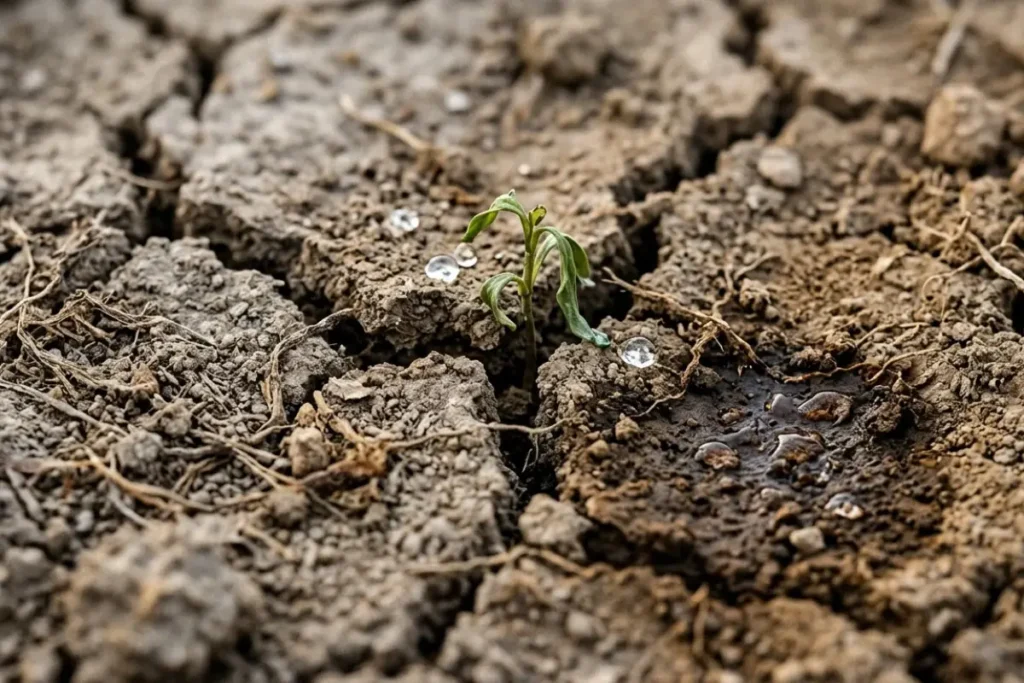
The frequency depends on pot size, temperature, sunlight, humidity, and airflow. A basil plant in a small outdoor container may need water more often than one growing in a larger pot indoors.
Always check the soil instead of following a strict daily watering schedule.
Maintain Warm Temperatures
Basil is a warm-season herb and does not tolerate frost well.
Keep indoor basil away from cold windows, air-conditioning vents, and chilly drafts. If you grow it outdoors, bring container plants inside before temperatures become too cold.
Consistently warm conditions help basil produce new leaves and maintain healthy growth.
Feed the Plant Carefully
Fresh potting mix may already contain enough nutrients for initial growth.
Once the basil becomes established, you can use a balanced liquid fertilizer at the label’s recommended dilution if the plant needs additional nutrients.
Avoid excessive feeding. Too much fertilizer can encourage soft, leafy growth and may affect the flavor and quality of the leaves.
Pinch the Growing Tips
Once your basil starts producing new growth, pinch the tips above a pair of leaves.
This encourages side branches and helps create a fuller plant instead of one tall, narrow stem.
Remove flower buds when your goal is continued leafy growth. Flowering is a natural part of the plant’s life cycle, but pinching the buds can encourage additional leaf production.
Common Mistakes to Avoid When Moving Basil to a New Pot
Even though basil is relatively easy to transplant, a few mistakes can slow its recovery.
Choosing a pot without drainage holes:
Excess water can collect around the roots and cause root rot. Always use a container that allows water to escape.
Burying the stem too deeply:
Covering too much of the stem can encourage rot. Keep the basil at its original planting depth.
Breaking too many roots:
Pulling apart tightly tangled plants can cause unnecessary damage. Separate them gently or keep them together when needed.
Using heavy garden soil:
Dense soil can restrict airflow and hold too much water in a container. Use a suitable potting mix instead.
Moving the plant into intense sunlight immediately:
A sudden change in light can stress basil leaves. Gradually introduce stronger sunlight.
Overwatering after transplanting:
Watering more frequently does not necessarily help a stressed plant. Check the soil before adding more water.
Applying fertilizer too early:
A freshly transplanted basil plant needs time to adjust. Avoid adding strong fertilizer immediately after moving it.
Paying attention to these details can make the difference between a basil plant that struggles and one that quickly resumes healthy growth.
How Long Does Basil Take to Recover After Transplanting?
Most healthy basil plants begin adjusting within several days, although full recovery can take longer depending on the condition of the roots and the growing environment.
A little drooping immediately after transplanting can happen because the roots have experienced some disturbance.
Look for signs of improvement, such as firmer leaves, stable stems, and new growth from the tips.
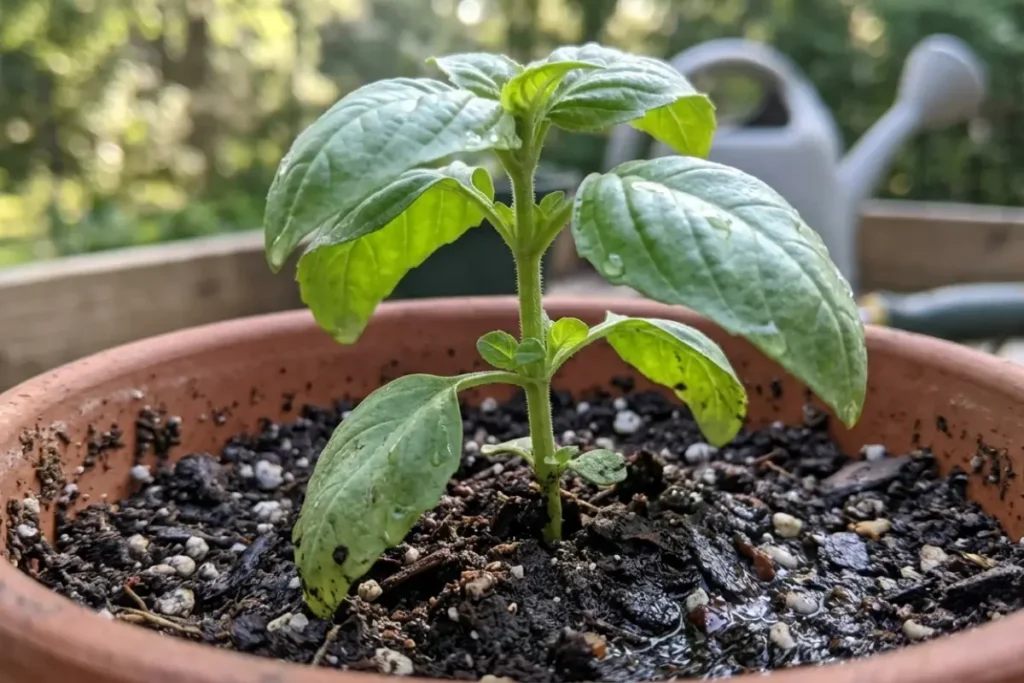
If your basil remains wilted after several days, check the soil moisture first. Both overly dry and waterlogged soil can cause similar symptoms.
Also inspect the plant for damaged roots, cold exposure, or excessive sunlight.
Avoid repeatedly moving the basil between locations while it is recovering. Keeping its growing conditions stable gives the roots a better opportunity to establish themselves.
Frequently Asked Questions About Replanting Basil
Can I replant basil from the supermarket?
Yes. Supermarket basil can be replanted successfully. Remove it gently from its original container, check whether several plants are growing together, and move it into fresh potting mix. Give it enough room, sunlight, and proper drainage.
Should I water basil before transplanting?
Yes, if the soil is dry. Lightly watering a few hours before transplanting helps keep the root ball together. Avoid soaking the soil or moving the plant while its roots are sitting in waterlogged conditions.
Can I replant basil directly into garden soil?
Yes, basil can grow directly in garden soil when the weather is warm and the soil drains well. Wait until the danger of frost has passed and choose a location that receives plenty of sunlight.
What size pot is best for basil?
An 8–10-inch-wide pot is a useful starting point for one established basil plant. If you are growing several plants together, choose a wider container with enough space between them.
Why is my basil wilting after repotting?
Wilting can happen because transplanting disturbs the roots. However, underwatering, overwatering, root damage, and sudden exposure to strong sunlight can also cause drooping. Check the soil before watering again and keep the plant in a stable environment.
Can I replant basil while it is flowering?
Yes, but flowering plants can experience additional stress during transplanting. If possible, wait until the plant finishes flowering or remove the flower spikes before moving it. Avoid unnecessary pruning of healthy leaves and stems.
Can basil grow indoors after transplanting?
Yes. Basil can grow indoors as long as it receives enough light, warmth, and proper watering. Place it near a bright window or use a suitable grow light if natural sunlight is limited.
How deep should I plant basil when repotting?
Plant basil at approximately the same depth it was growing in its previous container. Cover the roots completely but keep the main stem and lower leaves above the soil surface.
Can I replant basil cuttings directly into soil?
Yes, but it is best to wait until the cuttings develop healthy roots. You can root basil cuttings in water first or place suitable cuttings directly into moist potting mix. Keep the soil consistently moist while new roots develop.
Conclusion:
Replanting basil does not have to be difficult. The most important things are choosing a pot with drainage holes, using a light potting mix, protecting the roots, and giving the plant enough time to adjust.
Pay attention to sunlight and soil moisture during the first week, and avoid making too many changes while your basil recovers. With a little patience and proper care, your transplanted basil can develop into a fuller, healthier plant that keeps producing fresh leaves for your kitchen.

Plant Nest Blog’s author is passionate about plants, gardening, and sustainable living. Through research and practical experience, they share helpful plant care tips, gardening guides, and easy solutions to help readers grow healthier plants and create greener spaces.