Looking after indoor plants sounds simple until you realise how easy it is to get the watering wrong. Miss watering for a few days, and the soil becomes bone dry. Water too often, and the roots may begin to rot. Finding the right balance isn’t always easy, especially if you have a busy lifestyle or own several houseplants.
That’s why self watering plant pots indoor have become so popular. Instead of depending on a fixed watering schedule, these planters allow your plants to take up water only when they need it. A hidden reservoir beneath the soil stores water, while the potting mix gradually draws moisture to the roots. The result is healthier plants, less maintenance, and far fewer watering mistakes.
Many people assume that self-watering planters keep the soil permanently wet, but that’s a common misconception. When used with a quality potting mix, they actually help maintain balanced soil moisture. This reduces the chances of both overwatering and underwatering, which are among the most common reasons indoor plants struggle.
They’re also a practical choice for anyone who doesn’t always remember to water their plants. Whether you’re working long hours, travelling, or simply want a more convenient way to care for your indoor garden, a self-watering planter can make the job much easier. Instead of watering every few days, you’ll usually only need to top up the reservoir when it starts running low.
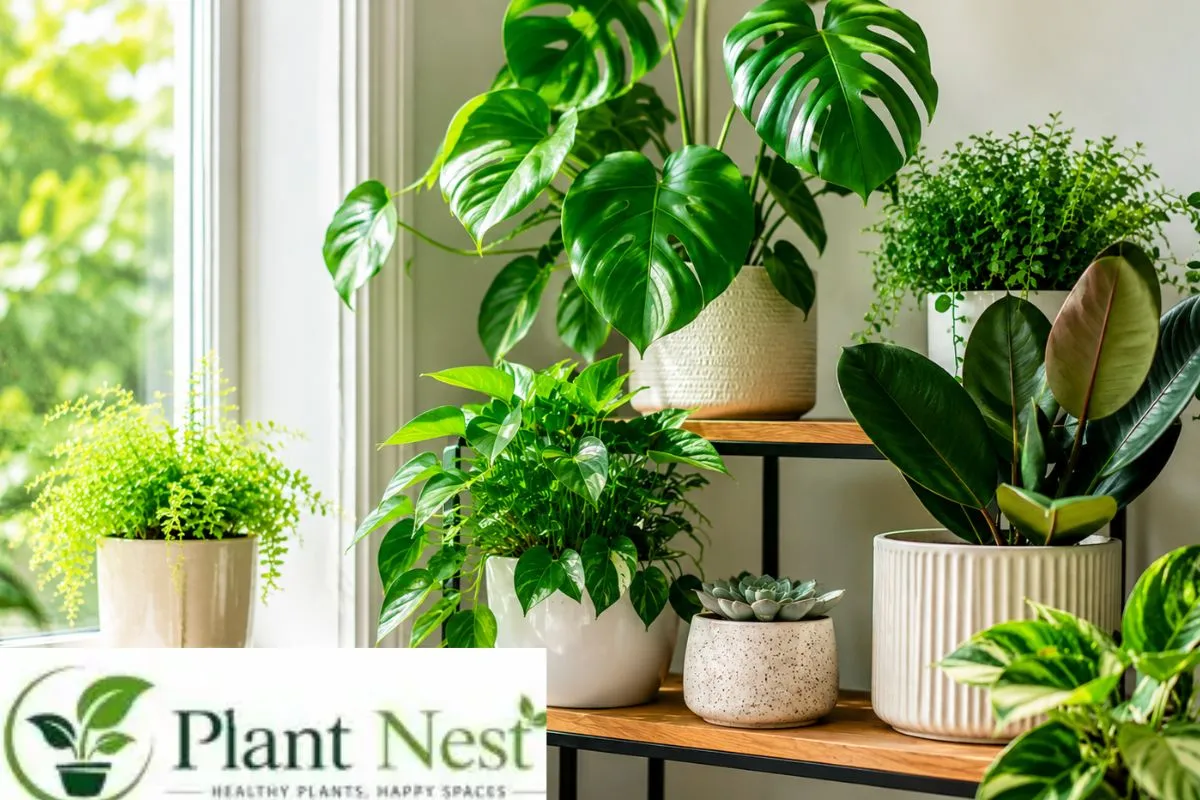
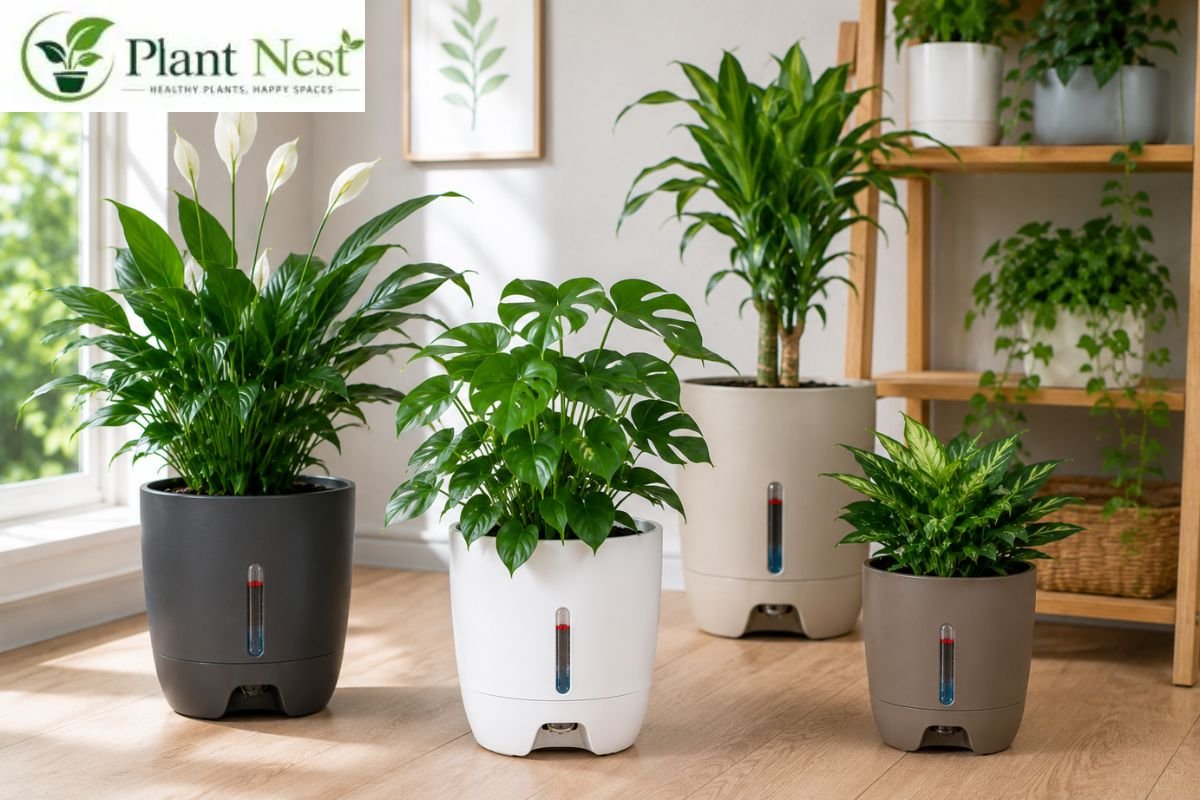
Many popular houseplants grow particularly well in these planters. Pothos, peace lilies, philodendrons, spider plants, monsteras, Chinese evergreens, and even indoor herbs all appreciate consistent moisture around their roots. With the right planter, they often produce healthier leaves, stronger growth, and a more vibrant appearance.
Modern self watering plant pots indoor are available in a wide range of styles, from sleek ceramic pots to lightweight plastic and decorative resin designs. They don’t just make plant care easier they also add a stylish touch to living rooms, bedrooms, kitchens, and home offices.
Another advantage is better water efficiency. Because unused water stays inside the reservoir instead of draining away, plants can absorb it gradually over time. This not only reduces water waste but also means you’ll spend less time reaching for the watering can.
In this guide, you’ll learn everything you need to know about self watering plant pots indoor. We’ll explain how they work, explore their benefits, review some of the best options available, and help you choose the right planter for your indoor plants. By the end, you’ll know exactly whether a self-watering planter is the right choice for your home.
What Are Self Watering Plant Pots Indoor?
At first glance, a self-watering planter looks much like any ordinary flower pot. The difference lies inside. Rather than relying on frequent manual watering, these planters include a built-in reservoir beneath the soil that stores water for later use.
As the potting mix begins to dry, moisture is gradually pulled upward to the roots. Instead of soaking the soil all at once, the planter provides a steady supply of water whenever the plant needs it. This helps create a healthier growing environment and makes caring for indoor plants much simpler.
For anyone who struggles to keep a regular watering routine, self watering plant pots indoor offer a practical, low-maintenance solution.
Understanding the Water Reservoir
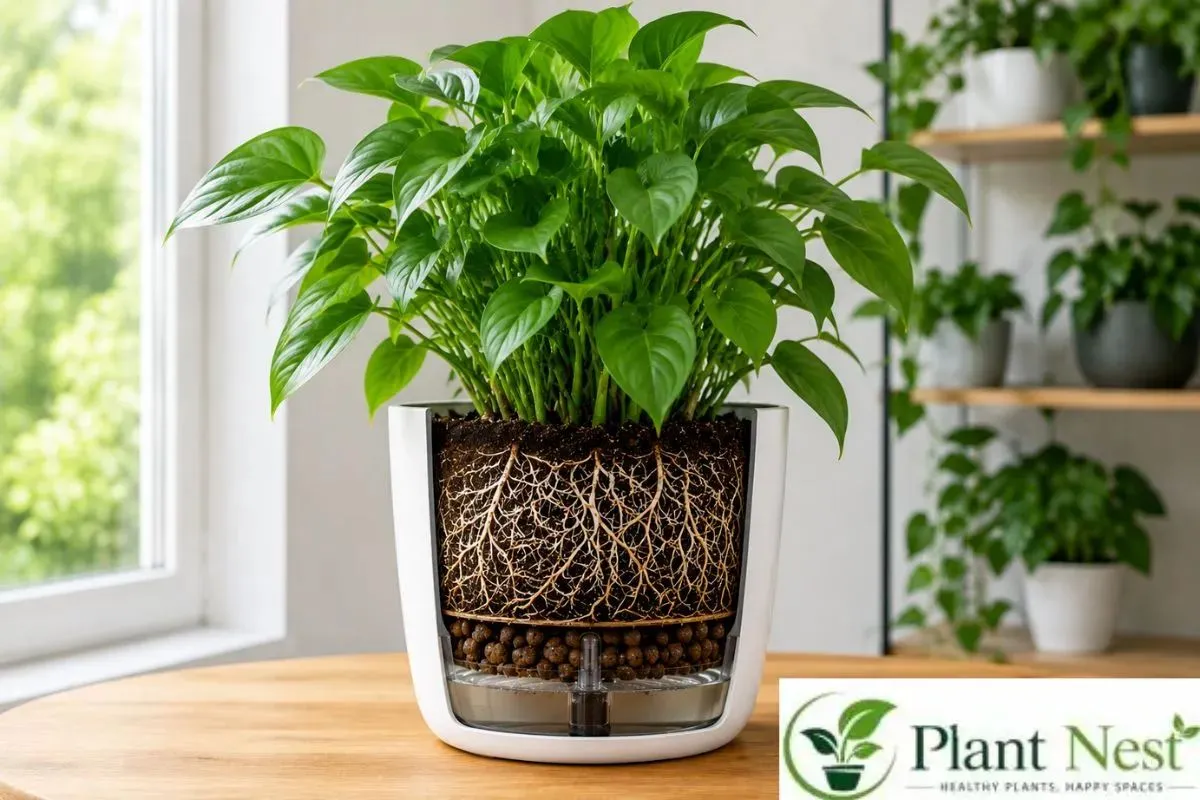
The water reservoir is what makes a self-watering planter different from a standard flower pot. Located beneath the soil, it stores water that the plant can access gradually instead of receiving large amounts all at once.
When the reservoir needs refilling, you simply pour water into the designated opening. Depending on the size of the planter, the type of plant, and the conditions inside your home, a single refill can often last for several days or even longer.
This simple system makes self-watering planters ideal for busy households, office desks, and anyone who travels regularly.
How Capillary Action Works
The watering system works through a natural process known as capillary action. As the potting mix begins to lose moisture, it automatically draws water upward from the reservoir through a wick or specially designed channels.
Instead of flooding the roots, the planter supplies only the amount of water the plant requires. This helps keep the soil evenly moist while allowing enough air to reach the roots, creating healthier growing conditions.
Over time, consistent moisture encourages stronger root development, healthier foliage, and steady plant growth.
Water-Level Indicators and Overflow Protection
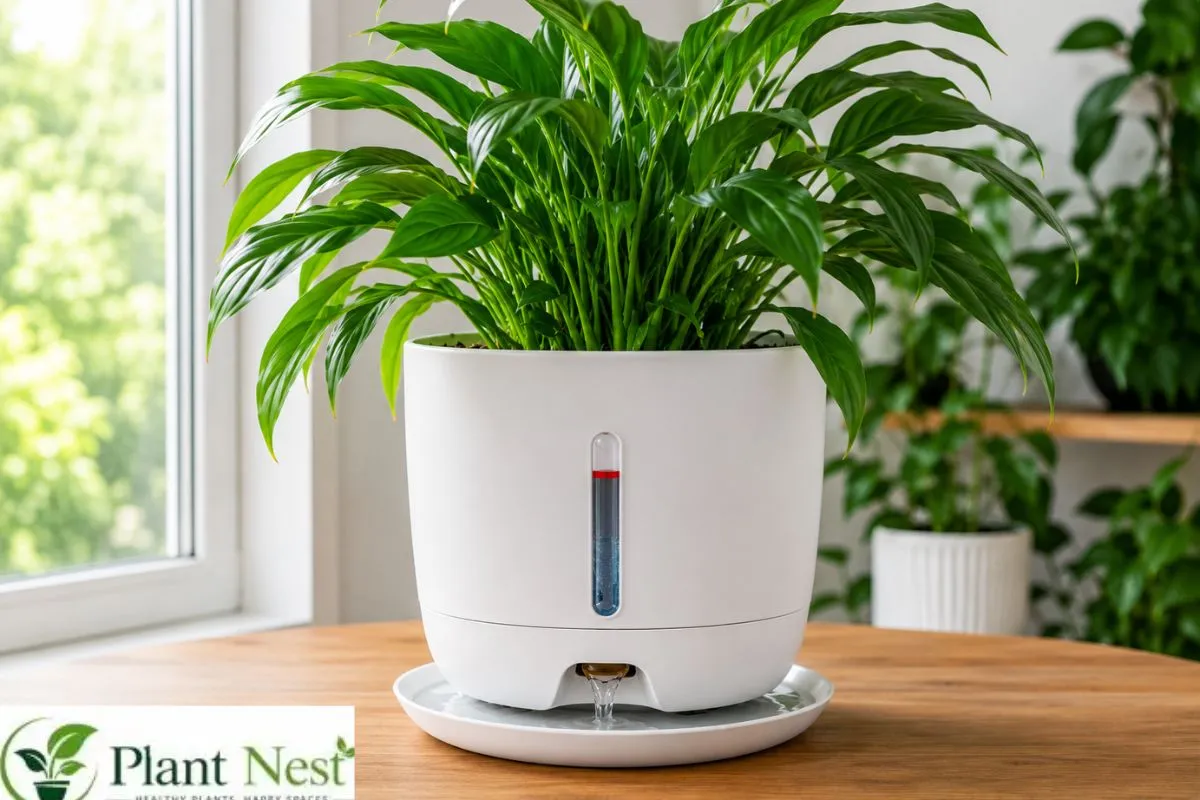
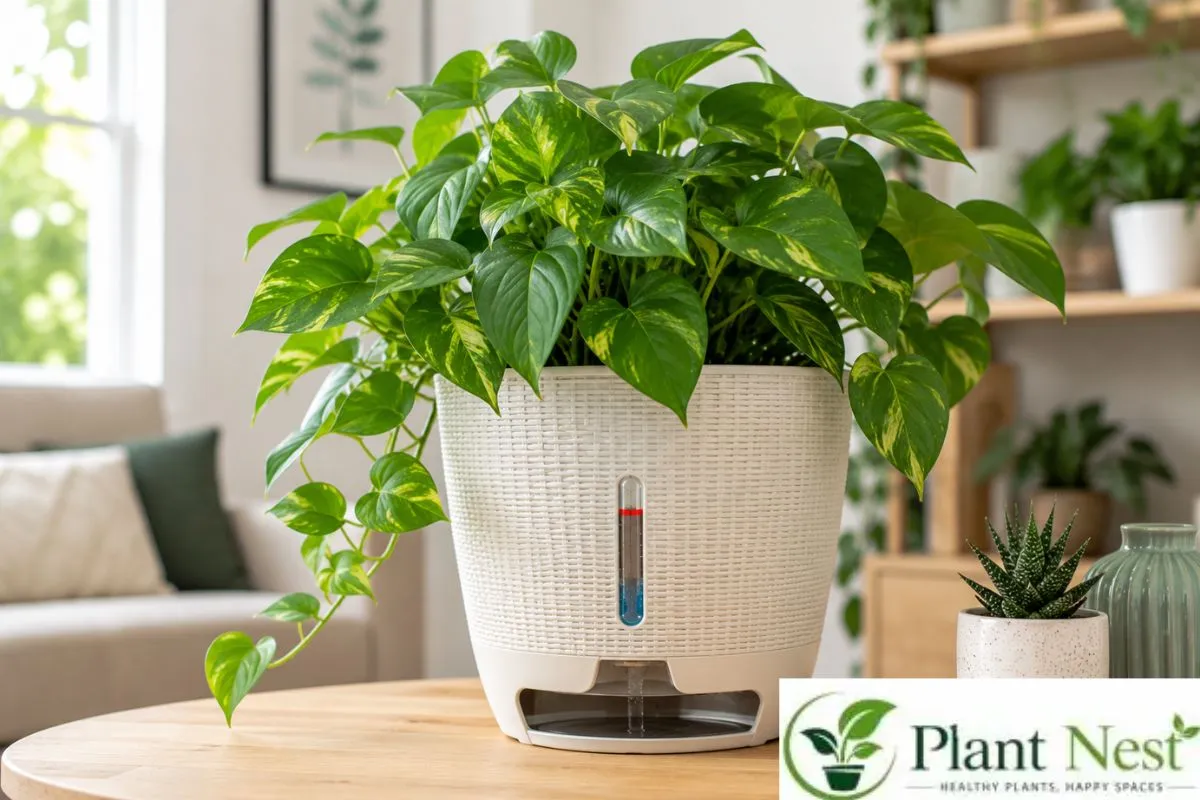
Many modern self-watering planters include features that make plant care even easier. A built-in water-level indicator shows exactly how much water is left in the reservoir, so you know when it’s time to refill it.
Some models also include overflow protection. If too much water is added, the excess drains away instead of collecting around the roots. This helps prevent waterlogging and keeps the watering system working properly.
These small features remove much of the guesswork, making self-watering planters an excellent choice for both beginners and experienced plant owners.
Why Self Watering Plant Pots Indoor Keep Plants Healthier
Most indoor plants perform best when the soil stays consistently moist rather than constantly switching between dry and soaked conditions. Traditional watering often creates this cycle, which can put unnecessary stress on the roots.
Self-watering planters solve that problem by supplying moisture gradually as the plant needs it. The steady water supply supports healthier roots, improves nutrient absorption, and encourages stronger, more consistent growth.
Houseplants such as pothos, peace lilies, philodendrons, monsteras, spider plants, calatheas, Boston ferns, and many indoor herbs respond particularly well because they prefer stable moisture levels. When combined with a light, well-draining potting mix, self watering plant pots indoor make caring for healthy indoor plants much easier.
Benefits of Self Watering Plant Pots Indoor
Many people buy self watering plant pots indoor because they want an easier way to care for their plants. While they certainly reduce the need for frequent watering, that’s only part of the story. A good self-watering planter also creates healthier growing conditions, supports stronger root development, and takes much of the guesswork out of plant care.
Whether you’re new to indoor gardening or have a home full of houseplants, these planters can help your plants stay healthier with far less effort.
Keeps Soil Moisture Consistent
One of the biggest challenges with traditional plant pots is keeping the soil at the right moisture level. It’s easy to let the soil become too dry and then overcompensate by watering too heavily. That constant cycle of dry and wet conditions can put unnecessary stress on your plants. That’s why many gardeners choose the Best Self Watering Plant Pots Indoor for Healthy Houseplants, as these innovative self-watering indoor planters help maintain consistent moisture with minimal effort.
Self-watering planters solve this problem by providing a steady supply of moisture from the built-in reservoir. As the potting mix begins to dry, it naturally draws up the water the plant needs. This keeps the soil evenly moist without becoming waterlogged, creating healthier growing conditions for a wide range of indoor plants.
Many popular houseplants, including pothos, peace lilies, monsteras, philodendrons, ferns, calatheas, and Chinese evergreens, thrive in self-watering plant pots for indoor use because they receive a more reliable water supply, making them easier to care for and helping them stay healthy throughout the year.
Supports Stronger Root Growth
Healthy plants start with healthy roots. When moisture is available consistently, roots grow evenly throughout the pot instead of constantly searching for water after long dry periods.
Over time, this creates a stronger root system that can absorb water and nutrients more efficiently. As a result, plants often develop greener leaves, sturdier stems, and healthier overall growth.
A well-established root system also helps houseplants cope better with changes in temperature and humidity inside the home.
Helps Prevent Overwatering and Underwatering
Ask any experienced plant owner what kills the most houseplants, and overwatering will almost certainly be near the top of the list. On the other hand, forgetting to water your plants can be just as damaging.
A self-watering planter helps reduce both problems. Instead of soaking the soil from above, it supplies moisture gradually from below, allowing the roots to absorb water as they need it. This creates a more balanced watering routine and makes it much easier to avoid common mistakes.
For beginners especially, this added consistency can make indoor gardening feel far less intimidating.
Saves Time and Simplifies Plant Care
One of the reasons these planters have become so popular is their convenience. Rather than checking every plant every few days, you simply refill the reservoir when the water level drops.
This is particularly useful if you have a busy schedule, travel regularly, or own several indoor plants. Depending on the planter, the size of the reservoir, and the type of plant you’re growing, a single refill can often keep the soil supplied with moisture for a week or even longer.
That means less time spent watering and more time enjoying your indoor garden.
Uses Water More Efficiently
Traditional watering often results in excess water draining away before the plant has a chance to use it. Some of that moisture is also lost through evaporation.
Self-watering planters store unused water inside the reservoir, where it remains available until the plant needs it. Because the roots take up moisture gradually, far less water goes to waste.
If you’re looking for a practical way to reduce water consumption while keeping your plants healthy, a self-watering planter is a smart choice.
Keeps Your Home Cleaner
Indoor gardening shouldn’t leave water marks on furniture or puddles on the floor. Since self-watering planters store water inside a sealed reservoir, there’s much less risk of spills and overflowing saucers.
This makes them ideal for placing on shelves, office desks, windowsills, bedside tables, and other indoor spaces where cleanliness matters.
Less mess also means less maintenance, making everyday plant care much more enjoyable.
Suitable for Beginners and Experienced Plant Owners
Whether you’re buying your first houseplant or already have a growing indoor collection, self watering plant pots indoor make everyday care much simpler.
Beginners appreciate having fewer watering mistakes to worry about, while experienced plant owners enjoy the consistent moisture that supports healthier growth.
They’re suitable for a wide range of indoor plants, including pothos, peace lilies, monsteras, philodendrons, spider plants, African violets, herbs, and many other species that thrive in evenly moist soil.
With the right planter and a well-draining potting mix, you’ll spend less time worrying about watering and more time enjoying healthy, vibrant plants throughout the year.
Are There Any Drawbacks of Self Watering Plant Pots Indoor?
Self-watering planters make indoor plant care much easier, but they’re not a one-size-fits-all solution. Like any gardening product, they work best when they’re used correctly and paired with the right plants.
Understanding a few common limitations will help you get the best results and avoid mistakes that could affect your plants’ health.
Not Every Plant Enjoys Constant Moisture
One of the biggest misconceptions is that every houseplant will thrive in a self-watering planter. In reality, it depends on the plant’s natural growing conditions.
Moisture-loving plants such as pothos, monsteras, philodendrons, peace lilies, calatheas, ferns, and many indoor herbs usually perform very well because they prefer evenly moist soil.
On the other hand, succulents, cacti, aloe vera, jade plants, snake plants, and other drought-tolerant varieties need the soil to dry out between waterings. Keeping these plants in consistently moist soil can increase the risk of root rot and other moisture-related problems.
Before choosing self watering plant pots indoor, make sure they’re suitable for the type of plant you plan to grow.
The Right Potting Mix Makes All the Difference
Even the best self-watering planter won’t perform well if it’s filled with the wrong soil.
Heavy garden soil tends to hold too much water, becomes compacted over time, and limits airflow around the roots. This can reduce the effectiveness of the watering system and lead to unhealthy plants.
Instead, use a lightweight, well-draining potting mix that contains ingredients such as coco coir, peat moss, pine bark, or perlite. These materials allow water to move freely while providing enough air for healthy root development.
A good potting mix is just as important as choosing a quality planter.
They Still Need Occasional Cleaning
Some people assume that self-watering planters require no maintenance at all. While they’re easier to manage than traditional pots, they still need a little care.
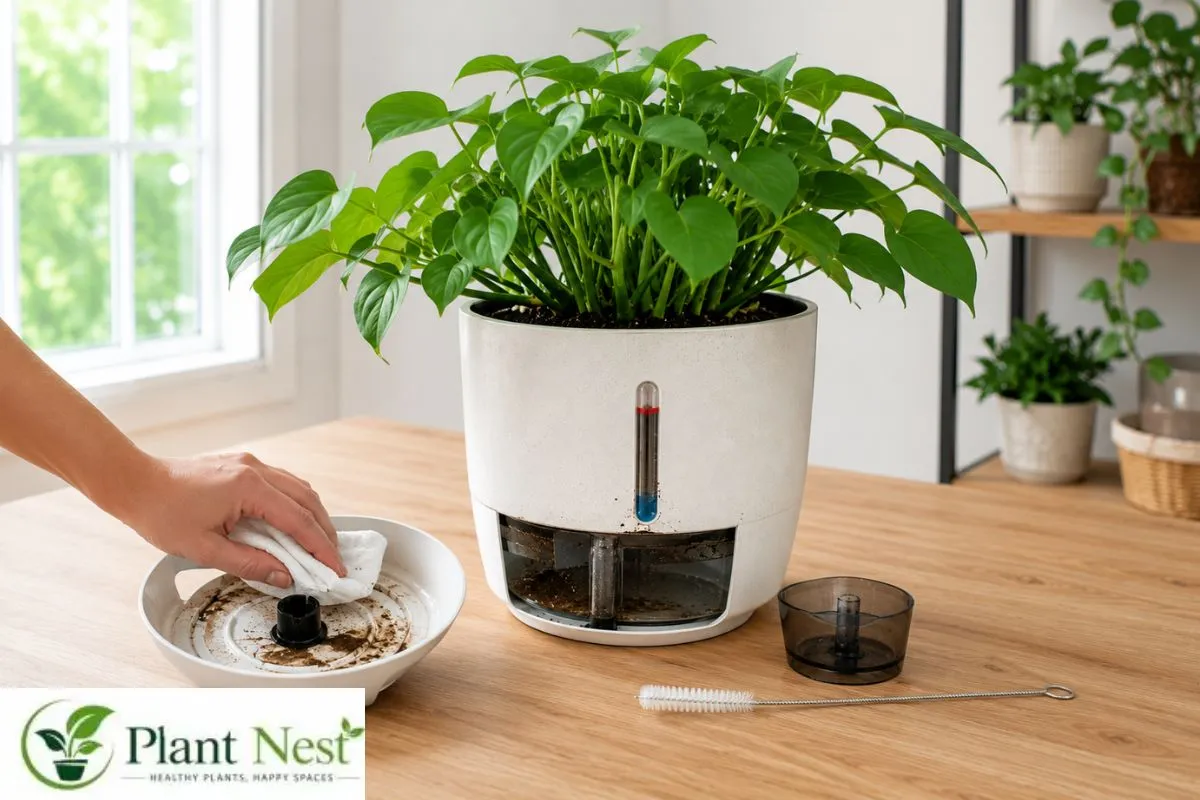
Over time, mineral deposits, fertiliser residue, algae, and dust can collect inside the water reservoir. Giving the planter a thorough clean every few months helps keep the watering system working properly and ensures your plants continue receiving clean water.
The good news is that most modern self-watering planters are designed to make cleaning quick and straightforward.
Fertiliser Salts Can Build Up Over Time
Because most watering happens from the bottom, fertiliser salts can gradually build up in the potting mix.
If left unchecked, these deposits may affect root health and reduce the plant’s ability to absorb nutrients efficiently.
A simple way to prevent this is to occasionally water the plant from the top until water drains from the bottom. This flushes out excess salts and helps keep the growing medium fresh and healthy.
They Cost More Than Standard Plant Pots
Self-watering planters are usually more expensive than ordinary flower pots because they include a built-in reservoir and watering system.
Although the initial cost is higher, many plant owners find they’re worth the investment. Healthier plants, fewer watering mistakes, and less day-to-day maintenance often save both time and money in the long run.
If you regularly replace plants because of watering issues, investing in a quality self-watering planter can actually be more cost-effective.
Choosing the Right Size Is Important
Size plays a bigger role than many people realise.
A planter that’s too large may hold more moisture than a small plant can use, while one that’s too small can restrict root growth and require frequent refilling.
Choose a pot that’s proportionate to your plant’s current root system and leaves enough room for healthy growth without holding unnecessary amounts of water.
Avoid These Common Beginner Mistakes
Even the best self watering plant pots indoor won’t perform well if they’re used incorrectly.
Some beginners overfill the reservoir, use heavy garden soil instead of a quality potting mix, forget to clean the planter, or grow plants that naturally prefer dry conditions. Others rely entirely on the self-watering system and never check the moisture level or the overall health of their plants.
The best approach is to think of a self-watering planter as a helpful tool rather than a completely hands-off solution. Check your plants regularly, refill the reservoir when needed, and choose the right potting mix and plant combination. With a little care, these planters can keep your indoor plants healthy, attractive, and much easier to maintain throughout the year.
Best Self Watering Plant Pots Indoor
Why These Are the Best Self Watering Plant Pots Indoor
Choosing a self-watering planter isn’t as simple as picking the first one you like. While many products look similar, they don’t all perform the same. The quality of the watering system, the size of the reservoir, the materials used, and the overall design all play an important role in how well your plants grow.
A well-designed self watering plant pots indoor does more than reduce the number of times you need to water your plants. It helps maintain consistent soil moisture, encourages healthier root growth, and makes everyday plant care much easier. The right planter can also reduce common watering mistakes, giving your houseplants a better chance to thrive.
For this guide, we’ve carefully compared a wide range of self-watering planters and selected the 17 best self watering plant pots indoor based on their overall performance, durability, ease of use, value for money, and customer feedback. Whether you’re looking for an affordable option, a premium designer planter, or something suitable for a beginner, you’ll find a recommendation that fits your needs.
Rather than giving you a few lines about each product, we’ve taken a closer look at how every planter performs in everyday use. Our goal is to help you choose a planter that suits both your plants and your lifestyle.
How We Reviewed Each Planter
Every planter featured in this guide has been reviewed using the same approach, making it easier to compare one product with another.
We looked at the overall design, build quality, reservoir capacity, ease of maintenance, and watering performance. We also considered how well each planter supports healthy indoor plant growth and whether it’s suitable for beginners, experienced plant owners, or both.
Customer reviews, long-term durability, and overall value were also taken into account. Instead of relying on marketing claims, we focused on the features that genuinely make a difference in day-to-day plant care.
What You’ll Find in Every Review
Each product review follows a consistent format so you can quickly compare the available options.
Product Overview
Every review starts with an introduction to the planter, including its design, materials, watering system, reservoir capacity, and the features that make it stand out from similar products.
Performance in Everyday Use
Next, we explain how the planter performs in real-life conditions. This includes how well the self-watering system works, how often the reservoir needs refilling, how easy it is to maintain, and which indoor plants are most suitable for it.
Advantages
Instead of simply listing features, we explain how each planter’s strengths make indoor gardening easier. From healthier root growth to lower maintenance, you’ll understand the practical benefits before making a purchase.
Things to Consider
No product is perfect, so every review also highlights any potential drawbacks. This might include a higher price, fewer size options, limited colours, or suitability for specific types of plants. Knowing these details beforehand helps you choose the right planter with confidence.
Final Verdict
Each review finishes with a clear recommendation, summarising who the planter is best suited for and whether it offers good value for money.
What You’ll Gain From This Guide
By the time you’ve finished this section, you’ll have a clear understanding of which self-watering planter is best for your home and your plants.
Whether you’re searching for a stylish planter for your living room, a budget-friendly option for your first houseplant, or a premium model with advanced watering features, this guide will help you compare the options with confidence.
Instead of relying on advertising claims, you’ll have practical information based on performance, usability, and long-term value—making it much easier to choose self watering plant pots indoor that will keep your houseplants healthy for years to come.
Frequently Asked Questions About Self Watering Plant Pots Indoor
Are Self-Watering Pots Good for Indoor Plants?
Yes, for most houseplants, they’re an excellent choice. Self watering plant pots indoor provide a steady supply of moisture through a built-in reservoir, allowing plants to absorb water as they need it rather than relying on a fixed watering schedule.
This helps create more stable growing conditions, encourages stronger root development, and reduces the risk of both overwatering and underwatering. Moisture-loving plants such as pothos, philodendrons, peace lilies, monsteras, spider plants, ferns, and many indoor herbs usually grow particularly well in self-watering planters.
Do Self-Watering Pots Cause Root Rot?
No. A properly designed self-watering planter doesn’t automatically cause root rot.
Root rot is usually the result of poor drainage, compacted soil, or keeping the roots permanently waterlogged. A quality self-watering planter delivers moisture gradually instead of soaking the roots.
Using a light, well-draining potting mix and choosing plants that enjoy evenly moist soil will greatly reduce the risk of root problems.
Can All Houseplants Grow in Self-Watering Pots?
Not all of them.
Tropical houseplants that prefer consistently moist soil are generally well suited to self-watering planters. However, plants that naturally thrive in dry conditions are usually better off in traditional pots.
Succulents, cacti, jade plants, aloe vera, and similar drought-tolerant species prefer the soil to dry out completely between waterings. Matching the planter to the needs of the plant will always give you the best results.
How Often Should I Refill a Self-Watering Pot?
There’s no single schedule that works for every plant.
How often you’ll need to refill the reservoir depends on the size of the planter, the type of plant, indoor temperature, humidity, and the amount of sunlight it receives.
Some small planters may need topping up every few days, while larger ones can often hold enough water for one to three weeks. Checking the water-level indicator or reservoir regularly is the easiest way to know when it’s time for a refill.
Are Self-Watering Planters Worth Buying?
For most indoor gardeners, yes.
Although they cost more than standard plant pots, they can save time, reduce watering mistakes, and help plants stay healthier over the long term.
If you have a busy lifestyle, travel frequently, or simply want a low-maintenance way to care for your houseplants, a self-watering planter is a worthwhile investment.
What’s the Best Potting Mix for Self-Watering Pots?
A light, airy potting mix works best.
Look for a mix that contains ingredients such as coco coir, peat moss, perlite, pine bark, or compost. These materials hold enough moisture for healthy growth while still allowing excess water and air to move freely around the roots.
Avoid using heavy garden soil, as it compacts easily and can interfere with the planter’s watering system.
Do Self-Watering Pots Save Water?
Yes, they’re generally more water-efficient than traditional pots.
Instead of allowing excess water to drain away immediately, the reservoir stores it until the plant needs it. This reduces water waste through drainage and evaporation, making self-watering planters a practical and environmentally friendly option for indoor gardening.
Are Self-Watering Pots Suitable for Beginners?
Absolutely.
One of the biggest challenges for new plant owners is knowing when and how much to water. Self-watering planters remove much of that guesswork by providing a more consistent moisture supply.
As long as you choose suitable plants and use a quality potting mix, they’re an excellent option for anyone just getting started with indoor gardening.
Are Self-Watering Planters Good for Office Plants?
Yes, they’re ideal for offices and other workplaces.
Office plants are often forgotten during busy weeks or left unattended over weekends and holidays. A self-watering planter helps maintain steady moisture levels, reducing the chances of plants drying out.
Popular office plants such as pothos, ZZ plants, peace lilies, philodendrons, and even snake plants can benefit from this more consistent watering routine, provided their individual watering needs are considered.
How Long Does Water Last in a Self-Watering Pot?
It depends on several factors, including the size of the reservoir, the type of plant, indoor temperature, humidity, and the time of year.
In most cases, a full reservoir can last anywhere from one to three weeks. Plants growing in warm, bright conditions usually use water more quickly than those kept in cooler rooms with lower light levels.
Checking the water-level indicator every few days is the simplest way to make sure your plants never run short of water.
Conclusion
If you’re looking for an easier way to keep your houseplants healthy, self watering plant pots indoor are well worth considering. They take much of the guesswork out of watering by providing a steady supply of moisture, helping plants stay hydrated without the constant risk of overwatering or letting the soil dry out completely.
For many popular indoor plants, this consistent moisture makes a noticeable difference. Tropical favourites such as pothos, monsteras, philodendrons, peace lilies, spider plants, and many indoor herbs often develop stronger roots, healthier foliage, and more vigorous growth when they’re grown in the right self-watering planter.
Another reason these planters have become so popular is the convenience they offer. Instead of watering every few days, you’ll simply refill the reservoir when needed. This makes them an excellent choice for busy households, frequent travellers, office spaces, and anyone who wants beautiful houseplants without spending lots of time on daily maintenance.
That said, self-watering planters aren’t suitable for every plant. Succulents, cacti, and other drought-tolerant species generally prefer the soil to dry out between waterings, so traditional pots are often a better option for those plants. Using a light, well-draining potting mix and cleaning the reservoir occasionally will also help your planter perform at its best.
Overall, the advantages far outweigh the drawbacks for most indoor gardeners. When matched with the right plants and used correctly, self watering plant pots indoor can make plant care simpler, reduce common watering mistakes, and create healthier growing conditions throughout the year.
Whether you’re just starting your indoor gardening journey or already have a collection of thriving houseplants, investing in a quality self-watering planter is a practical decision. Choose a planter that suits your space, your plants, and your style, and you’ll enjoy healthier, greener, and easier-to-maintain indoor plants for years to come.

Plant Nest Blog’s author is passionate about plants, gardening, and sustainable living. Through research and practical experience, they share helpful plant care tips, gardening guides, and easy solutions to help readers grow healthier plants and create greener spaces.