
It is widely thought that fresh sugar snap peas will stay crisp and sweet in the fridge without any special care. However, how to store sugar snap peas properly makes a real difference in how long they stay fresh.
With the right storage method, you can help preserve their crunchy texture, natural sweetness, and bright green color while reducing food waste.
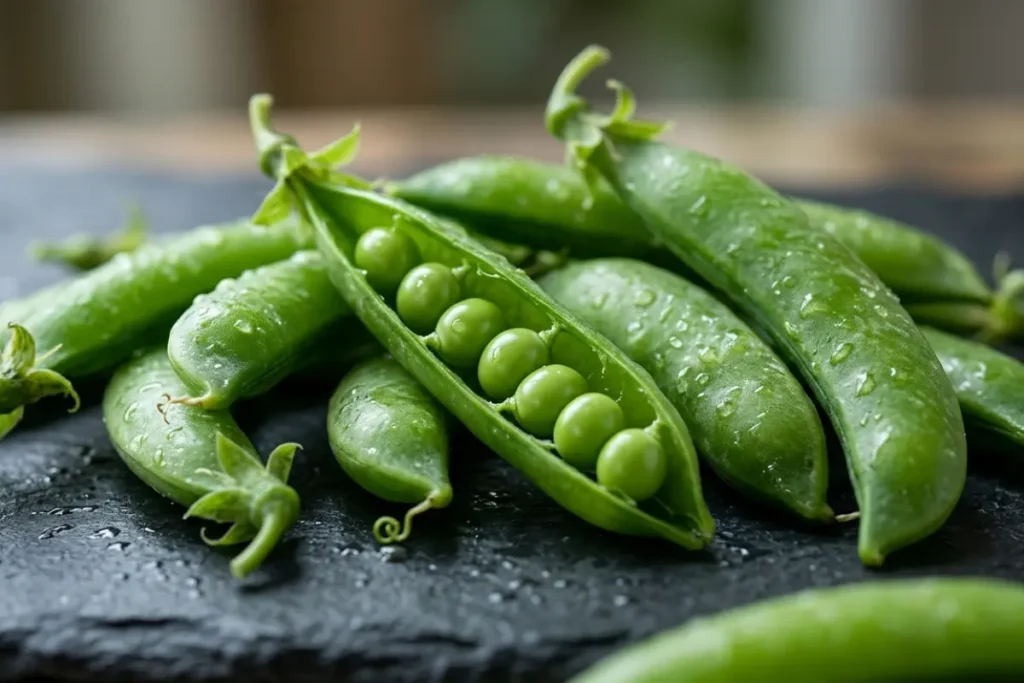
Whether you’ve picked peas from your garden or bought them from the grocery store, a few simple steps can help maintain their quality. In this guide, you’ll learn the best way to store sugar snap peas, control moisture, use suitable containers, and freeze extra pods for longer storage.
What Is the Best Way to Store Sugar Snap Peas?
The best way to store sugar snap peas is to keep them refrigerated in a clean, breathable bag or suitable container. These fresh pea pods can lose moisture, become limp, or develop spoilage if you leave them in poor storage conditions.
Proper refrigeration and moisture control help keep sugar snap peas fresh, crisp, and ready for your favorite meals.
Store Sugar Snap Peas in the Refrigerator
Refrigeration is the easiest way to preserve fresh sugar snap peas for everyday use. After bringing them home, check the pods and remove any that look damaged or spoiled. Place the good ones in the refrigerator promptly instead of leaving them on the kitchen counter for hours.
Keep the peas in the crisper drawer or another consistently cold area of your fridge. Avoid placing them near warm spots or leaving them at room temperature for extended periods. Chilling the pods helps slow quality loss and keeps them ready for salads, stir-fries, and quick snacks.
Use a Breathable Bag or Suitable Container
A breathable produce bag is a practical choice for storing sugar snap peas because it allows some airflow while helping limit moisture loss. You can also use a clean container that isn’t packed too tightly. Avoid crushing the pods, as damaged peas may lose their appealing texture more quickly.
If you use a plastic bag or reusable container, check for condensation during storage. Too much trapped moisture can make the pea pods wet and encourage spoilage. A clean paper towel placed inside the container can help absorb excess moisture; replace it if it becomes damp.
Keep the Pea Pods Dry and Control Moisture
Moisture control is an important part of keeping sugar snap peas fresh. If you wash the peas before storing them, dry them thoroughly with a clean towel. Storing wet pods in a sealed bag can leave excess water on their surfaces and shorten their useful storage time.

You can also store the peas unwashed and rinse them under clean running water just before eating or cooking. Whichever method you choose, keep the storage container clean and check the pods regularly. The goal is to prevent excess surface moisture without letting the peas dry out.
Use a Paper Towel to Absorb Excess Moisture
A paper towel can make refrigerator storage easier by absorbing small amounts of moisture that collect around the pea pods. Place a clean, dry paper towel in the produce bag or container before adding the sugar snap peas. Don’t wrap the pods so tightly that they become crushed.
Check the towel when you reach for the peas. If it feels wet, replace it with a fresh one. This simple step can help reduce sogginess, but it won’t prevent spoilage if the peas are already damaged or the refrigerator is too warm.
Avoid Leaving Fresh Sugar Snap Peas at Room Temperature
Fresh sugar snap peas generally keep their quality better when refrigerated than when left on the counter. Room temperature can speed up moisture loss and make the pods limp, especially in a warm kitchen. For that reason, refrigerate them promptly after shopping or harvesting.
If you’re preparing peas for a meal, take out only the amount you need and return the rest to the fridge. Avoid leaving them sitting out for long periods, particularly in hot conditions. Prompt refrigeration is one of the simplest ways to protect their freshness.
Choose the Best Storage Method for Your Needs
The right storage method depends on how soon you plan to use your sugar snap peas. If you’re eating them over the next few days, refrigerator storage in a breathable bag or suitable container is usually the most convenient option. Keep the pods clean, avoid excess moisture, and check their condition before use.
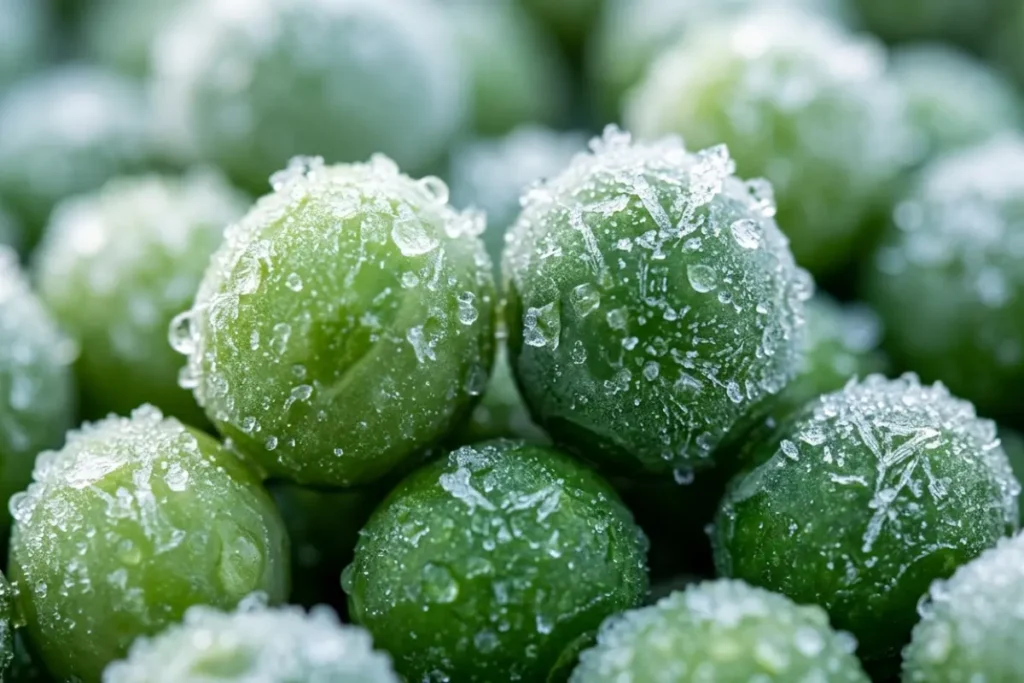
If you have more peas than you can use while they’re fresh, freezing is a useful option for longer-term storage. For the best quality, prepare the peas properly before freezing and pack them in freezer-safe bags or containers. This way, you can enjoy your harvest or grocery purchase later without relying on refrigerator storage alone.
How to Store Sugar Snap Peas in the Refrigerator
Many people think that putting sugar snap peas in the fridge is enough to keep them fresh for days. However, how to store sugar snap peas in the refrigerator involves more than simply placing them on a shelf.
The way you prepare, pack, and position the pea pods can affect how well they maintain their crisp texture and sweet flavor. A few simple storage habits can help you protect their quality and get more use out of every batch.
Check the Peas Before Storing Them
Before storing fresh sugar snap peas, take a moment to inspect the pods. Look for peas that feel firm, have a fresh green color, and show no signs of mold or decay. The pods should look plump rather than badly wrinkled or damaged.
Remove any peas with broken skins, mushy areas, or visible spoilage. One damaged pod can affect the quality of nearby vegetables if moisture or decay spreads. Sorting your peas before refrigeration helps you store the best ones and makes it easier to spot changes later.
If you’ve harvested sugar snap peas from your garden, check them carefully for dirt, insects, and damaged spots. Handle them gently because bruised or crushed pods may lose their quality faster than intact ones.
Remove Damaged or Spoiled Pods
Damaged sugar snap peas don’t usually last as well as firm, healthy pods. Before placing your peas in storage, separate any that have deep cuts, soft patches, mold, or an unpleasant smell. Don’t keep spoiled pods mixed with fresh ones.
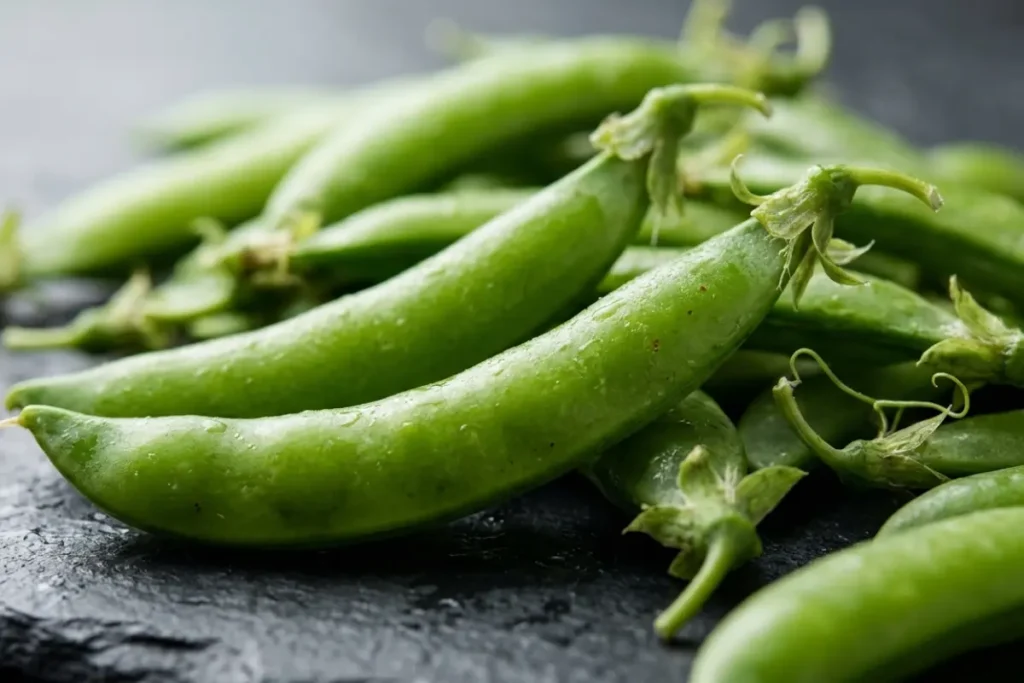
You may notice that some peas have minor surface marks without any other signs of spoilage. Inspect these individually instead of automatically discarding every pod with a small blemish. However, discard any pod that shows clear signs of mold or decay.
Never taste a pea to check whether it has spoiled. If a pod looks slimy, smells unusual, or has developed visible mold, throw it away. Starting with healthy peas is an important step in keeping sugar snap peas fresh for longer.
Should You Wash Sugar Snap Peas Before Storing?
You don’t always need to wash sugar snap peas before refrigerating them. In fact, storing them unwashed can be convenient because it reduces the amount of surface moisture inside the storage bag or container. You can rinse them under clean running water just before eating or cooking.
If the pods are visibly dirty and you prefer to wash them before storage, that’s fine too. The important thing is to dry them thoroughly afterward. Excess water trapped between the pods can encourage sogginess and make it harder to maintain their freshness.
For garden-fresh snap peas, remove loose dirt gently and avoid soaking them for long periods. Whether you wash them before storage or immediately before use, always use clean water and clean hands. Choose the method that best suits your routine while keeping the pods clean and dry on the outside.
Dry the Pods Thoroughly if You Wash Them
If you’ve washed your sugar snap peas, don’t put them straight into a sealed container while they’re still dripping wet. Extra moisture can collect at the bottom of the container or inside the bag, leaving the pods soggy.
Spread the peas in a single layer on a clean kitchen towel or use a fresh paper towel to pat them dry. Turn them gently so you remove water from different sides. Let them air-dry briefly if needed, but don’t leave them sitting out for an extended period.
Before packing the peas, check that there are no visible water droplets on the pods. They don’t need to feel dehydrated; the aim is simply to remove excess surface water. This small step can help prevent soggy sugar snap peas and support better refrigerator storage.
Place the Peas in a Breathable Bag or Container
Once the pods are ready, transfer them to a clean produce bag or a suitable food-storage container. Avoid squeezing too many peas into one package. Overpacking can crush the pods and reduce airflow, especially when the container is placed beneath heavier items.
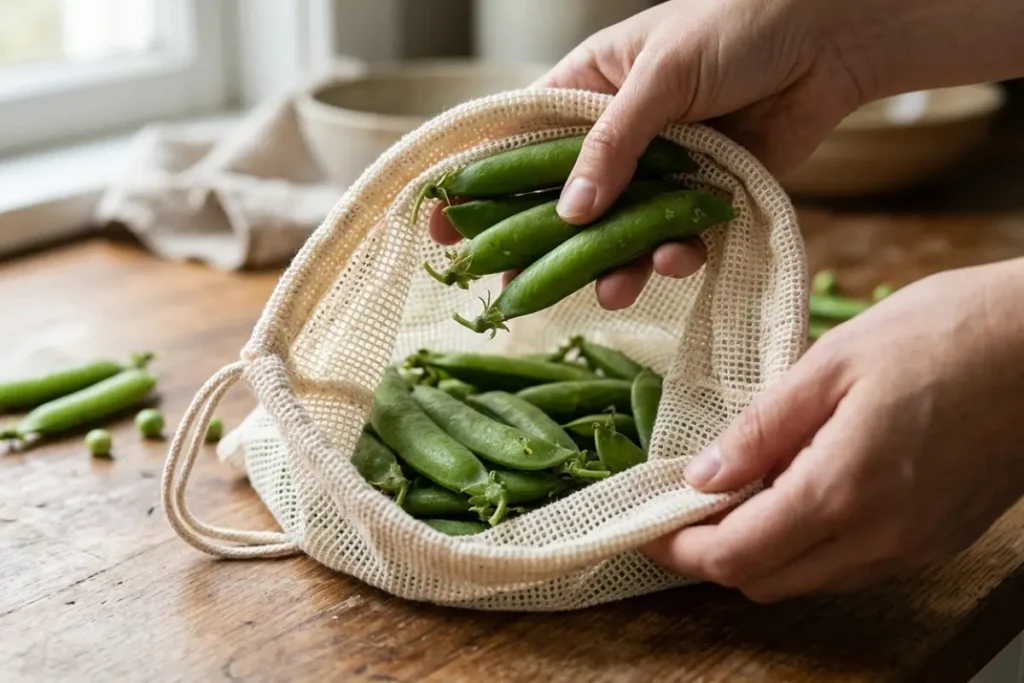
A breathable bag is useful because it allows some air circulation while helping protect the peas from drying out. If you prefer a reusable container, choose one that provides enough room for the pods without pressing them together tightly.
You can add a clean, dry paper towel to absorb moisture that builds up during storage. Check it regularly and replace it if it becomes damp. If using a plastic bag, avoid trapping visible water inside it. These steps can help preserve the texture of your fresh sugar snap peas.
How Long Do Fresh Sugar Snap Peas Last in the Fridge?
Many people believe fresh sugar snap peas will stay crisp for a week or longer just because they’re refrigerated. However, the shelf life of sugar snap peas depends on how fresh they were when purchased, how they’re handled, and how well they’re stored.
Proper refrigeration helps slow quality loss, but it doesn’t stop the pods from gradually losing their sweetness and crunch. If you want to know how long fresh sugar snap peas last in the fridge, pay attention to their condition and storage environment rather than relying on a fixed number of days.
How Long Do Fresh Sugar Snap Peas Usually Last?
Fresh sugar snap peas can often maintain good quality for around 3–5 days in the refrigerator, although very fresh, properly stored pods may last longer.
Their actual shelf life varies depending on how long they’ve been sitting at the store, whether they’ve been damaged, and how much moisture collects around them.

For the best results, store the peas in a clean produce bag or suitable container and refrigerate them promptly. Check the pods before cooking or eating them, even if you’ve stored them for only a short time.
Keep in mind that quality and safety are not exactly the same thing. Peas may become limp or lose their sweetness before they show obvious signs of spoilage.
On the other hand, visible mold, a slimy surface, or an unpleasant smell means you should discard the affected peas rather than trying to rescue them.
How Harvest Freshness Affects Storage Time
The freshness of your peas when you bring them home plays a major role in how long they last. Recently harvested sugar snap peas that are firm, plump, and free from damage generally have a better chance of staying crisp than pods that have already spent several days in transport or on a grocery store shelf.
If you grow sugar snap peas at home, pick them when the pods look full and feel firm. Handle them gently and move them into cool storage soon after harvesting. Leaving freshly picked peas in direct sunlight or a warm garden basket can speed up moisture loss and reduce their quality.
When buying peas, look for bright green pods with a firm texture. Avoid packages containing many wrinkled, yellowing, mushy, or damaged pods. Starting with good-quality peas is one of the easiest ways to extend their useful storage life.
How Washing Before Storage Can Affect Freshness
Washing sugar snap peas before refrigeration doesn’t automatically make them spoil faster. The main concern is excess surface moisture. When wet pods sit in a closed bag or container, water can collect around them and create conditions that encourage deterioration.
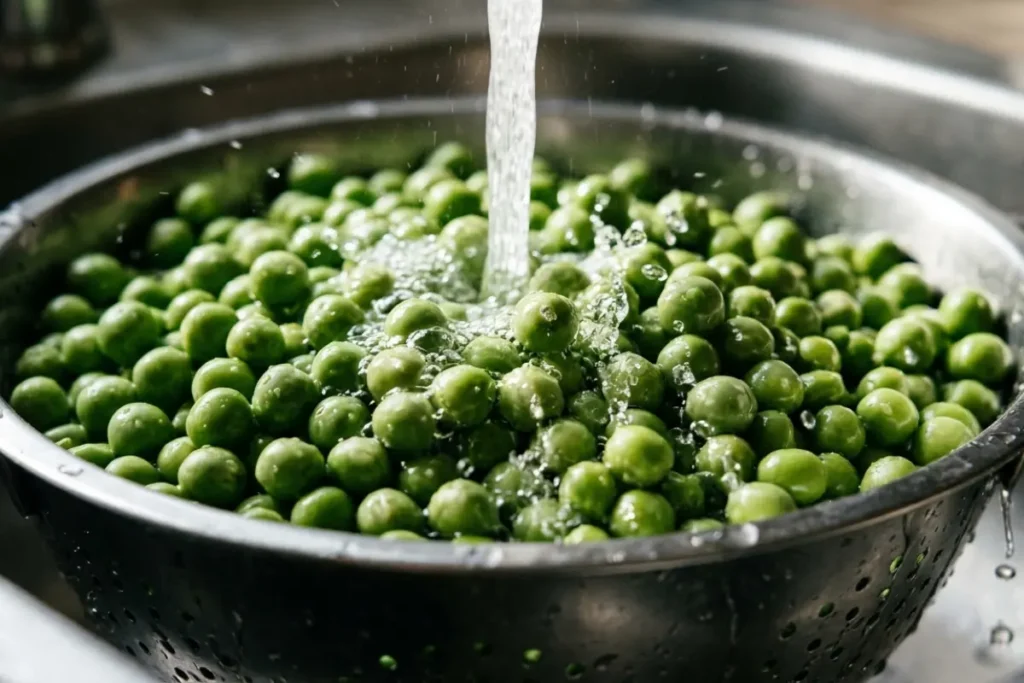
If you want to wash your peas as soon as you get home, rinse them under clean running water and dry them thoroughly before storing them. Use a clean kitchen towel or paper towel to remove visible water droplets.
Alternatively, you can refrigerate unwashed peas and rinse them just before preparing a meal. This approach can make storage simpler because you won’t need to dry the pods first. Either way, keep the storage container clean and avoid packing wet peas tightly together.
Frequently Asked Questions About How to Store Sugar Snap Peas
How Do You Store Sugar Snap Peas in the Refrigerator?
The best way to store sugar snap peas in the refrigerator is to place them in a clean, breathable produce bag or suitable container. Keep the pods free from excess surface moisture, and refrigerate them promptly at 4°C (40°F) or below.
You can add a clean, dry paper towel to absorb moisture that collects during storage. Check the peas regularly and remove any pods that show signs of spoilage.
How Long Do Fresh Sugar Snap Peas Last in the Fridge?
Fresh sugar snap peas often maintain good quality for around 3–5 days in the refrigerator, although very fresh pods may last longer under suitable conditions. Their shelf life depends on their freshness when purchased, handling, and storage environment.
Check their appearance, texture, and smell before eating them instead of relying on the number of days alone.
How Do You Keep Sugar Snap Peas Fresh for a Week?
To help keep sugar snap peas fresh for a week, start with firm, healthy pods and refrigerate them as soon as possible. Store them in a clean produce bag or container, avoid excess moisture, and replace any damp paper towels.
A full week isn’t guaranteed, so inspect the peas regularly and freeze any extras you won’t use soon.
18.4 Should You Wash Sugar Snap Peas Before Storing Them?
You can wash sugar snap peas before storing them, but make sure you dry them thoroughly first. Excess water trapped inside a bag or container can encourage sogginess and spoilage.
If you prefer an easier approach, store the peas unwashed and rinse them under clean running water just before eating or cooking.
Can You Store Sugar Snap Peas in a Plastic Bag?
Yes, you can store sugar snap peas in a plastic bag in the refrigerator. Choose a clean produce bag that allows some airflow, or avoid sealing the bag tightly if moisture is building up inside.
Keep the pods dry on the outside and check the bag regularly for condensation. A paper towel can help absorb excess moisture.
What Is the Best Container for Storing Sugar Snap Peas?
A breathable produce bag or a clean container with suitable ventilation works well for storing fresh sugar snap peas. Choose a container that gives the pods enough space without crushing them.
If you use a sealed container, make sure the peas are dry and check for condensation during storage. The goal is to balance airflow and moisture control.
How Do You Store Sugar Snap Peas Without Making Them Soggy?
To prevent sugar snap peas from becoming soggy, remove excess surface water before refrigerating them. Use a clean storage bag or container and add a dry paper towel if needed.
Replace the towel when it becomes damp, and avoid packing wet pods tightly together. Keeping your refrigerator at 4°C (40°F) or below also helps preserve their quality.
Can You Freeze Fresh Sugar Snap Peas?
Yes, you can freeze fresh sugar snap peas for longer-term storage. Wash the pods, remove any damaged pieces, and prepare them for freezing. Blanching them briefly in boiling water before cooling them quickly in ice water is generally recommended to help preserve their color, flavor, and quality. Dry the peas well, pack them in freezer-safe bags or containers, and freeze them at 0°F (-18°C) or below.
Should You Blanch Sugar Snap Peas Before Freezing?
Blanching sugar snap peas before freezing is recommended because it helps slow the enzyme activity that can affect their color, flavor, and texture during storage. After blanching, transfer the peas to ice water to stop the cooking process.
Drain and dry them thoroughly before packing. This extra step helps maintain better quality than simply putting unprepared pods in the freezer.
Can You Freeze Sugar Snap Peas Without Blanching Them?
Yes, you can freeze sugar snap peas without blanching, but their quality may decline more quickly during freezer storage. They may lose some color, flavor, or texture compared with properly blanched peas.
If you plan to freeze a large batch for future meals, blanching is usually the better choice. Whichever method you use, pack the peas in airtight, freezer-safe packaging to reduce exposure to air.
How Do You Store Freshly Picked Sugar Snap Peas?
After harvesting sugar snap peas, keep them out of direct sunlight and move them into cool storage promptly. Remove damaged pods and place the healthy ones in a clean produce bag or suitable container. Avoid washing them until you’re ready to use them, unless they need cleaning first. If you wash them, dry them thoroughly before refrigeration.
Why Do Sugar Snap Peas Become Limp in the Fridge?
Sugar snap peas can become limp when they lose moisture during storage or have been stored for too long. Older peas may also lose their crisp texture naturally.
To help prevent this, choose fresh pods, refrigerate them promptly, and store them in suitable packaging that limits excessive moisture loss without trapping water around the peas.
How Can You Tell If Sugar Snap Peas Have Gone Bad?
Look for visible mold, a slimy surface, an unpleasant smell, or severe softening. These signs suggest that the peas have spoiled and should be discarded.
Slight wilting may indicate reduced freshness rather than definite spoilage, but you should inspect the pods carefully. Never taste peas to determine whether they are safe to eat.
Can You Eat Sugar Snap Peas That Are Slightly Wilted?
Slightly wilted sugar snap peas may still be usable if they have no mold, slime, unusual odor, or other signs of spoilage. Their texture may be less crisp, but you can consider using them in cooked dishes such as stir-fries or soups.
If the pods look rotten or feel slimy, discard them rather than trying to cook away the problem.
How Do You Thaw Frozen Sugar Snap Peas?
For dishes that require thawed peas, place them in the refrigerator until they soften. However, you often don’t need to thaw frozen sugar snap peas before cooking.
You can add them directly to stir-fries, soups, and other hot dishes. Avoid thawing them for long periods at room temperature, and remember that freezing can soften their texture, making them better suited to cooked meals than fresh, crunchy snacks.
Conclusion:
Learning how to store sugar snap peas properly helps you keep them fresh, crisp, and sweet for longer. Store fresh pods in the refrigerator, use a clean produce bag or suitable container, and avoid excess moisture that can make them soggy. Check your peas regularly and remove any pods that show signs of spoilage.
If you plan to use your sugar snap peas within a few days, refrigeration is usually the easiest option. For longer-term storage, freezing can help you save extra peas for future meals. Blanching them before freezing is generally recommended to preserve their quality.
Remember, the best results start with fresh, firm pods and proper storage from the beginning. Follow these simple tips, and you’ll waste fewer peas while enjoying their delicious crunch in salads, stir-fries, and other favorite dishes.

Plant Nest Blog’s author is passionate about plants, gardening, and sustainable living. Through research and practical experience, they share helpful plant care tips, gardening guides, and easy solutions to help readers grow healthier plants and create greener spaces.