
You might think that the peperomia hope plant care needs constant watering to keep its leaves fresh and green, but too much water can actually harm it.
This attractive houseplant has small, round, fleshy leaves and gently trailing stems that look beautiful on shelves, desks, and plant stands. With the right care, the Peperomia Hope plant can grow into a lush, healthy indoor plant without demanding too much attention.
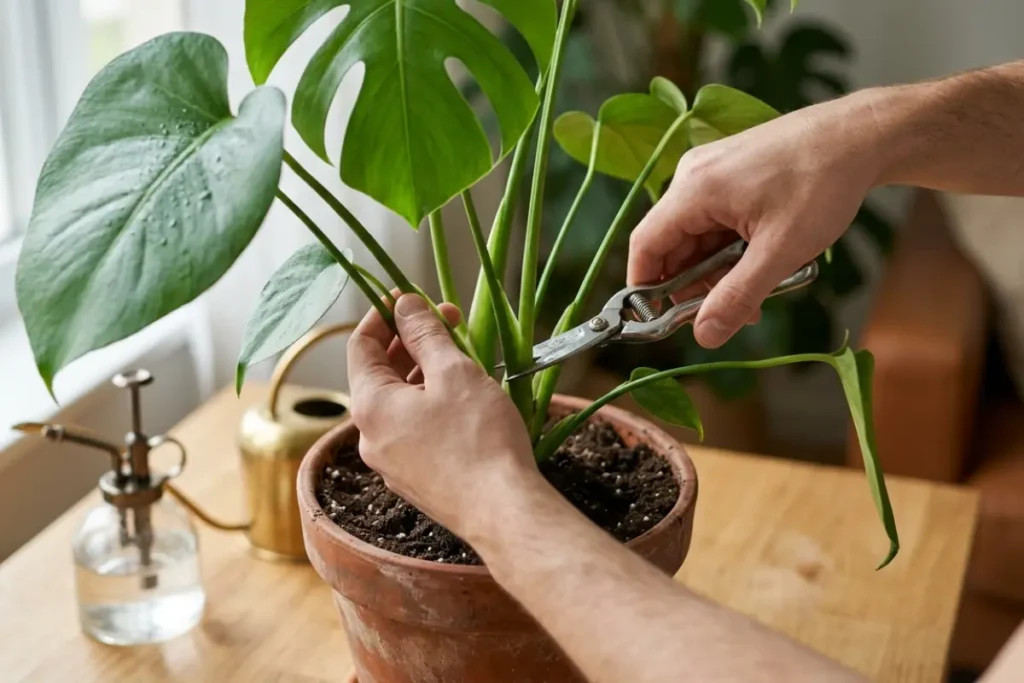
A good Peperomia Hope plant care guide starts with a few simple habits: provide bright, indirect light, use well-draining soil, and check the soil before watering.
Whether you’re new to indoor gardening or already love collecting houseplants, understanding these basic needs will help you enjoy this charming trailing plant and encourage healthy growth over time.
What Is a Peperomia Hope Plant?
Peperomia Hope is a beautiful indoor plant known for its round, fleshy green leaves and trailing growth. It adds a fresh, natural touch to shelves, desks, and hanging planters.
This plant is a popular choice for beginners because it is relatively easy to care for. With the right light, watering, and soil, your Peperomia Hope can stay healthy and grow beautifully.
Peperomia Hope Plant: Botanical Name and Origin
The Peperomia Hope plant is a compact tropical houseplant commonly known botanically as Peperomia tetraphylla ‘Hope’. It belongs to the Piperaceae family and is popular for its attractive foliage and easygoing nature.
This evergreen plant is a lovely option for indoor gardeners who want to add greenery without taking up too much space. Its natural growth habit makes it suitable for homes, offices, and small indoor gardens.
Peperomia Hope Plant Appearance and Leaf Shape
The Peperomia Hope has small, rounded, fleshy green leaves that grow along slender stems. Its leaves often appear in clusters, giving the plant a full, layered look as it develops.
The thick foliage stores some moisture, but that doesn’t mean the plant can tolerate constantly wet soil. Healthy leaves should feel firm rather than soft or mushy. With suitable light and watering, this attractive Peperomia Hope houseplant can maintain its fresh green appearance.
Peperomia Hope Growth Habit and Mature Plant Size
The Peperomia Hope is a compact plant with a naturally spreading and trailing growth habit. As its stems grow longer, they can spill over the sides of a pot, making it an appealing choice for shelves, plant stands, and hanging baskets.
Its mature size depends on growing conditions, available light, and regular care. Pruning longer stems can help maintain a neat shape and encourage fuller growth, making this Hope Peperomia plant a practical choice for smaller indoor spaces.
How Peperomia Hope Differs From Other Peperomia Varieties
Peperomia Hope is often confused with other small-leaved Peperomia plants, but its rounded, fleshy leaves and trailing stems help distinguish it. Unlike upright varieties grown mainly for their colorful or patterned foliage, Peperomia Hope is valued for its compact shape and cascading

appearance. It is also commonly sold under the name Peperomia tetraphylla ‘Hope’, so checking the plant label can help you identify the correct variety. Understanding these features makes it easier to choose and care for the right Peperomia Hope indoor plant.
Peperomia Hope Plant Care Requirements
Many people assume that the Peperomia Hope plant can thrive anywhere indoors because it is often described as an easy-care houseplant. However, even this low-maintenance plant needs the right balance of light, water, soil, and temperature to stay healthy.
The good news is that you don’t need special equipment or an advanced gardening routine to help it grow well.
Essential Conditions for Healthy Peperomia Hope Growth
A successful Peperomia Hope plant care routine starts with choosing a suitable spot and understanding what the plant needs throughout the year. Bright, indirect light supports healthy foliage, while a well-draining potting mix helps protect the roots from excess moisture.
Water the plant when the upper portion of the soil has dried rather than following a strict daily schedule.
Temperature and humidity also affect how well your Peperomia Hope grows. Normal indoor temperatures usually suit this tropical plant, but cold drafts and sudden temperature changes can cause stress.
Feed it lightly during active growth, and avoid using too much fertilizer. These simple habits help maintain healthy leaves and encourage steady development.
Peperomia Hope Plant Care at a Glance
| Care requirement | What your plant needs |
| Light | Bright, indirect sunlight |
| Watering | Water when the upper soil begins to dry |
| Soil | Loose, airy, well-draining potting mix |
| Temperature | Comfortable, stable indoor temperatures |
| Humidity | Average household humidity is usually suitable |
| Fertilizer | Balanced houseplant fertilizer diluted according to its label during active growth |
| Pruning | Remove damaged stems and trim overly long growth |
| Repotting | Repot when the roots outgrow the container or the potting mix deteriorates |
How Light, Water, and Soil Work Together
The main parts of Peperomia Hope indoor care work together, so changing one condition can affect the others. For example, a plant growing in lower light usually uses water more slowly.
If you continue watering it as frequently as a plant in brighter conditions, the soil may stay wet for too long and increase the risk of root rot.
The same applies to soil and pot selection. A pot with drainage holes and an airy growing mix allows excess water to escape, while suitable light helps the plant use moisture as it grows.
Check the soil regularly, observe the leaves, and adjust your routine as needed. This practical approach is more reliable than following a fixed watering schedule.
Simple Tips for Keeping Your Peperomia Hope Healthy
For the best results, place your plant somewhere with plenty of filtered natural light, keep it away from harsh midday sun, and use a container with drainage holes
. Check the soil before watering, remove damaged foliage when necessary, and watch for changes in leaf color or texture. If growth slows during winter, reduce watering as needed rather than keeping the soil constantly moist.

A consistent routine will help your Peperomia Hope growing guide become easier to follow over time. You don’t need to make frequent changes or give the plant excessive attention. Focus on its growing conditions, respond to what you observe, and give the roots time to dry appropriately between waterings.
How Much Sunlight Does a Peperomia Hope Plant Need?
Many people believe that the Peperomia Hope plant needs strong, direct sunlight to grow faster, but too much sun can scorch its delicate leaves. This plant does best in bright, indirect light, where it can receive enough energy for healthy growth without being exposed to harsh rays.
Choosing the right spot can help your Peperomia Hope maintain its rich green color, develop stronger stems, and produce fuller foliage.
Best Light Conditions for a Peperomia Hope Plant
The ideal light for a Peperomia Hope plant is bright but filtered. Place it near a window where natural light fills the room without hitting the leaves with intense direct sunlight for long periods. A sheer curtain can help soften strong rays, especially during the brighter parts of the day.
An east-facing window is often a good choice because it usually provides gentle morning sunlight. A west-facing window can also work if you keep the plant a little farther from the glass or filter the stronger afternoon light. These conditions support healthy foliage while reducing the risk of sun damage.
For reliable Peperomia Hope light requirements, pay attention to the plant rather than the window direction alone. Nearby buildings, trees, curtains, and seasonal changes can all affect how much light reaches its leaves.
Can a Peperomia Hope Plant Grow in Low Light?
The Peperomia Hope can tolerate lower-light conditions, but it usually grows better with bright, indirect light. In a dim room, its growth may slow, and the stems may become longer and thinner as they stretch toward the nearest light source. New leaves may also appear less frequently.
If your plant sits in a dark corner, move it gradually closer to a bright window. Avoid placing it directly in intense sunlight to compensate for poor lighting. A spot with good natural light throughout the day is generally a better choice.
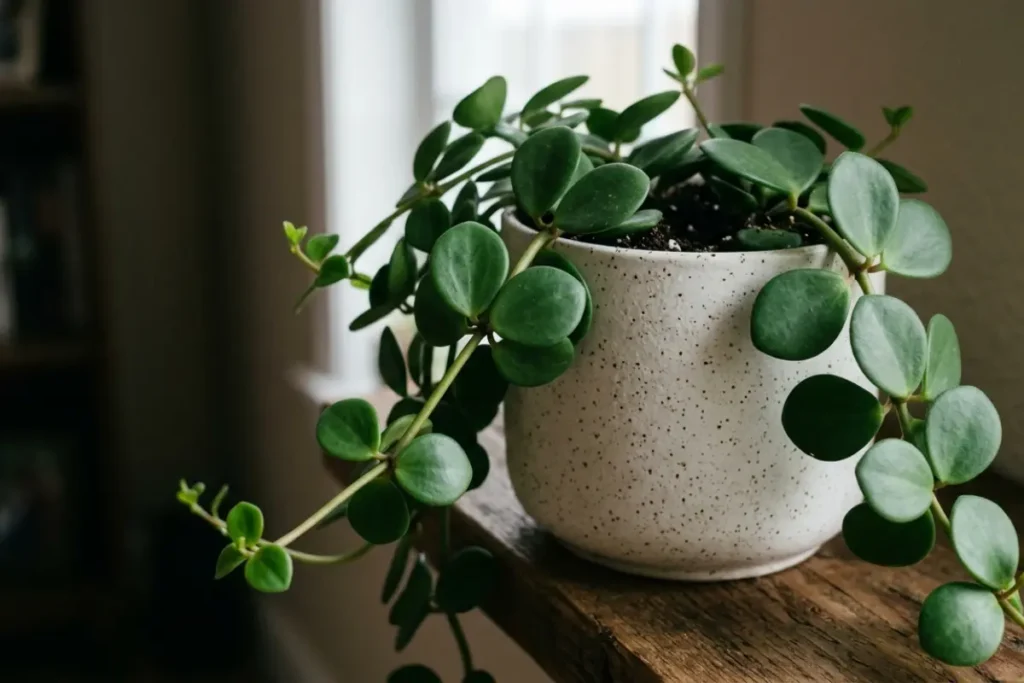
Although Peperomia Hope low-light tolerance makes it more flexible than some houseplants, low light should not be confused with no light. If natural light is limited, a suitable grow light can help support healthy growth.
How to Protect Peperomia Hope From Direct Sunlight
Direct sunlight can cause pale patches, faded leaves, or dry brown areas, particularly when the plant is exposed to strong afternoon rays. Leaves pressed against a hot window may also experience heat stress.
These problems are more likely when a plant that has been growing in shade suddenly receives intense sunlight.
To protect your plant, keep it slightly away from hot glass and use a sheer curtain when needed. If you want to move it to a brighter location, make the change gradually over several days. This gives the foliage time to adjust to the new conditions.
If you notice signs of sunburn, move the plant into bright, indirect light and check its watering needs. Damaged leaf areas may not turn green again, but healthy new growth can improve the plant’s overall appearance.
Signs Your Peperomia Hope Is Not Getting Enough Light
Insufficient light can affect the shape and growth of your Peperomia Hope. One common sign is leggy growth, where stems become longer and the leaves grow farther apart as the plant reaches toward a light source.
You may also notice slower growth, smaller new leaves, or uneven development on the side facing away from the window.
The foliage may lose some of its rich green appearance when growing conditions are unsuitable. However, these symptoms can have other causes, so check the soil moisture and roots before assuming that light is the problem. For example, yellow leaves may indicate overwatering rather than insufficient sunlight.
If your plant looks sparse or stretched, try moving it to a brighter location with indirect sunlight. Give it time to adjust, and monitor new growth to see whether the change helps.
Best Indoor Locations for a Peperomia Hope Plant
The right indoor location gives your plant enough light without exposing it to harsh rays. A position near an east-facing window is often a good starting point because it provides gentle morning sunlight.
You can also place your plant beside a bright west-facing window, provided you filter intense afternoon rays or keep the pot away from the glass.
A bright living room or a shelf near a window can also work well. These locations allow you to display the plant’s trailing stems while giving the foliage access to natural light. If your home has limited sunlight, consider using a suitable grow light to support healthy development.
Avoid placing your Peperomia Hope in a windowless room or a dark corner simply because it looks attractive there. A decorative location is only a good choice if it also meets the plant’s light needs.
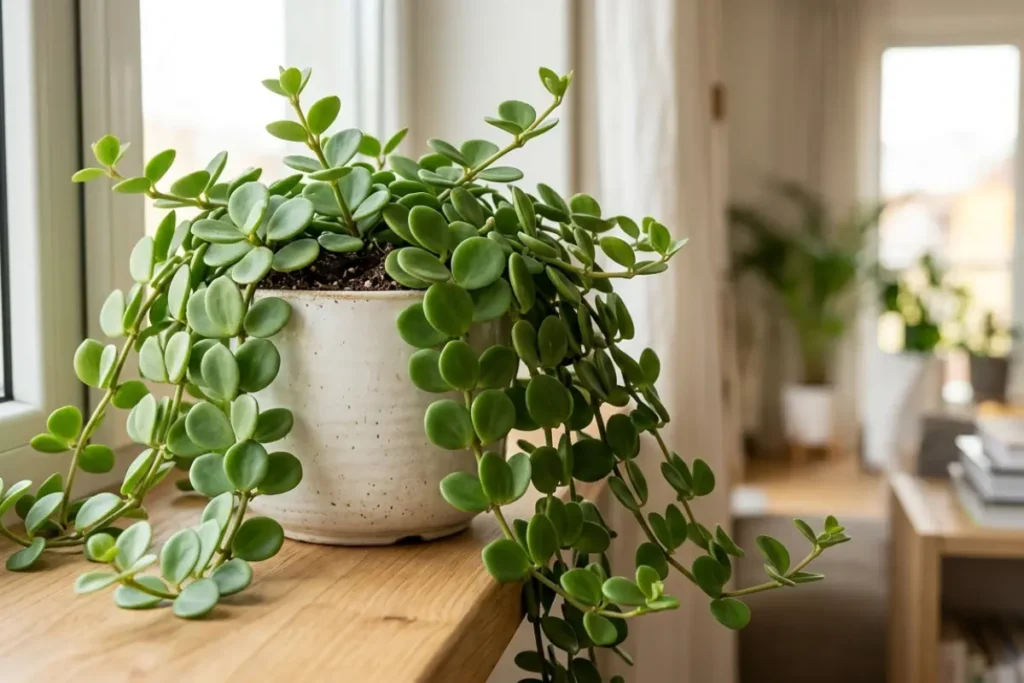
For the best Peperomia Hope indoor care, aim for bright, indirect light and watch how your plant responds. Healthy foliage and compact growth are useful signs that you’ve found a suitable spot. If the stems become stretched or growth slows, try moving the plant to a brighter location gradually.
Frequently Asked Questions About Peperomia Hope Plant Care
Is Peperomia Hope Easy to Care For?
Yes, the Peperomia Hope plant is generally easy to care for, making it a good choice for beginners. It doesn’t need constant attention, but it does require suitable light, well-draining soil, and careful watering.
The most important thing is to avoid keeping the roots in soggy soil. Once you understand its basic needs, maintaining this attractive houseplant becomes much easier.
How Often Should You Water a Peperomia Hope Plant?
Water your Peperomia Hope when the upper portion of the soil has dried. The exact frequency depends on the light, temperature, pot size, and growing season.
Check the soil with your finger before watering instead of following a strict weekly schedule. Always use a pot with drainage holes, and empty any excess water from the saucer to help prevent root rot.
How Much Sunlight Does a Peperomia Hope Plant Need?
A Peperomia Hope plant grows best in bright, indirect sunlight. Place it near a bright window where it receives plenty of filtered natural light without harsh midday or afternoon rays.
Too much direct sun can scorch the leaves, while very low light may cause slow or leggy growth. If your room doesn’t receive enough natural light, a suitable grow light can help.
How Fast Does Peperomia Hope Grow?
Peperomia Hope usually grows at a moderate pace under suitable indoor conditions. Its growth depends on light, watering, temperature, and the health of its roots. During the active growing season, you may notice new leaves and longer stems.
Growth often slows in winter when light levels drop. Providing consistent care can encourage fuller foliage, but don’t expect the plant to grow rapidly overnight.
Can Peperomia Hope Grow in Low Light?
Yes, Peperomia Hope can tolerate lower light, but it won’t necessarily thrive in a dim room. Limited light may lead to slower growth, smaller leaves, and stretched stems. For healthier development, place the plant in a bright room with indirect sunlight.
If you notice that the stems are becoming leggy, gradually move it closer to a suitable light source.
How Do You Propagate Peperomia Hope?
You can propagate Peperomia Hope using healthy stem cuttings. Choose a stem with several healthy leaves and make a clean cut with sterilized scissors.
Place the cutting in water or a suitable, lightly moist growing medium, ensuring that the appropriate part of the stem is in contact with the rooting medium. Keep it in warm conditions with bright, indirect light.
Once the roots develop sufficiently, transfer the cutting to a suitable potting mix if you started it in water.
Why Is My Peperomia Hope Dying?
A Peperomia Hope plant may struggle because of overwatering, root rot, insufficient light, or unsuitable temperatures. Yellow leaves and soft stems can indicate excess moisture, while wrinkled leaves may suggest that the plant isn’t getting enough water or has damaged roots.
Check the soil and inspect the roots if the plant continues to decline. Correct the underlying problem before adding more water or fertilizer.
Is Peperomia Hope Safe for Pets?
Peperomia Hope is generally considered non-toxic to cats and dogs. This makes it a popular choice for homes with pets. However, pets shouldn’t be encouraged to chew on houseplants, as eating plant material can still cause stomach upset.
Keep the plant out of reach if your pet likes nibbling on leaves, and contact a veterinarian if concerning symptoms develop after ingestion.
What Is the Best Soil for Peperomia Hope?
The best soil for Peperomia Hope is a loose, airy potting mix that drains well and allows the roots to receive oxygen. A suitable indoor potting mix combined with perlite can improve drainage and reduce compaction.
You can also add orchid bark to increase airflow through the mix. Choose a pot with drainage holes, and avoid heavy soil that stays wet for extended periods.
How Do You Make Peperomia Hope Bushier?
To encourage a bushier Peperomia Hope, provide bright, indirect light and trim overly long stems when needed. Pruning can help maintain a compact shape and encourage branching, although results vary with growing conditions.
Avoid excessive fertilizer because it won’t automatically produce fuller growth. With suitable light, healthy roots, and occasional pruning, your plant can develop a more balanced appearance over time.
Conclusion:
The Peperomia Hope plant may be easy to maintain, but healthy growth depends on giving it the right conditions. As this Peperomia Hope plant care guide explains, bright, indirect light, careful watering, well-draining soil, and suitable indoor temperatures help keep its foliage healthy.
Regular pruning, occasional feeding, and repotting when necessary can also support its growth and maintain its attractive trailing shape.
Whether you’re growing a Hope Peperomia plant for the first time or adding another houseplant to your collection, focus on understanding its needs rather than following a strict routine.
Check the soil before watering, watch for changes in the leaves, and adjust its position if growth becomes weak or leggy. With consistent care and a little patience, your Peperomia Hope can remain a beautiful addition to your indoor garden.

Plant Nest Blog’s author is passionate about plants, gardening, and sustainable living. Through research and practical experience, they share helpful plant care tips, gardening guides, and easy solutions to help readers grow healthier plants and create greener spaces.