
It is easy to believe that you need a large backyard to grow a good variety of vegetables. Best Climbing Vegetable Plants prove otherwise. Instead of letting plants spread across the ground, you can train them upward on a trellis, fence, or other support.
This makes vertical gardening vegetables a smart choice for small gardens, patios, balconies, and raised beds.
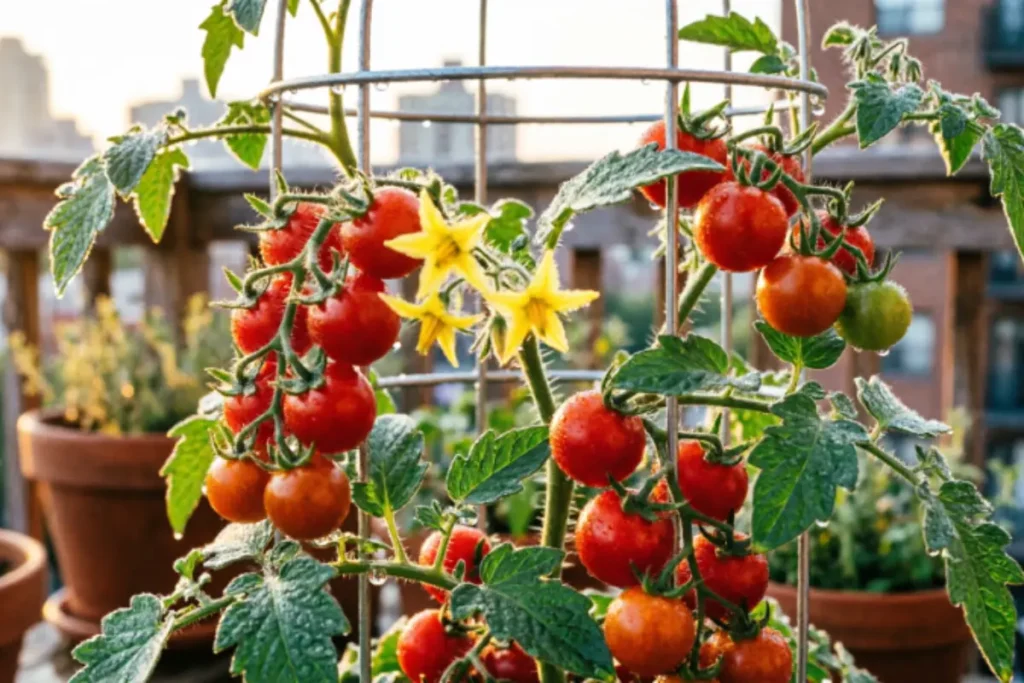
The best part is that growing upward can help you use space more efficiently without giving up a productive garden. Climbing vegetables such as beans, peas, cucumbers, and certain tomatoes can turn an unused vertical area into growing space.
If you are looking for climbing vegetable plants for small spaces, vertical growing is a simple way to make your garden feel bigger and more productive.
What Are Climbing Vegetable Plants?
A common belief is that every vegetable that grows upward is automatically a climbing plant. That is not quite true. Some vegetables naturally climb, while others produce long vines that need a little help to grow upward. Understanding this difference makes it much easier to choose the right plant and support for your garden.
Understanding Climbing Vegetable Plants
Climbing vegetable plants are vegetables that grow upward using natural climbing habits or by being guided onto a support. Depending on the plant, they may use tendrils, twining stems, or flexible vines to hold onto a trellis, pole, fence, or similar structure.
Plants such as pole beans and peas naturally climb as they grow. Cucumbers can also be trained upward, while some tomato varieties need tying to a sturdy support. These are useful vegetable climbing plants because they make better use of vertical space instead of spreading widely across the ground.
Climbing vs. Vining Vegetable Plants
The terms climbing vegetables and vining vegetable plants are often used together, but there is a small difference. A climbing plant usually has a way to attach itself to a support, while a vining plant simply produces long, flexible growth that can spread along the ground or be trained upward.
For example, pole beans naturally climb a support, while cucumber vines can be guided along a trellis. Some squash and melon varieties produce long vines but may need extra help and stronger support. So, when choosing vining vegetables, always check how the particular variety grows.
Why Grow Vegetables Vertically?
Growing vegetables vertically is mainly about making better use of the space you already have. Instead of allowing vines to take over valuable ground area, you can guide them upward and keep the garden more organized.
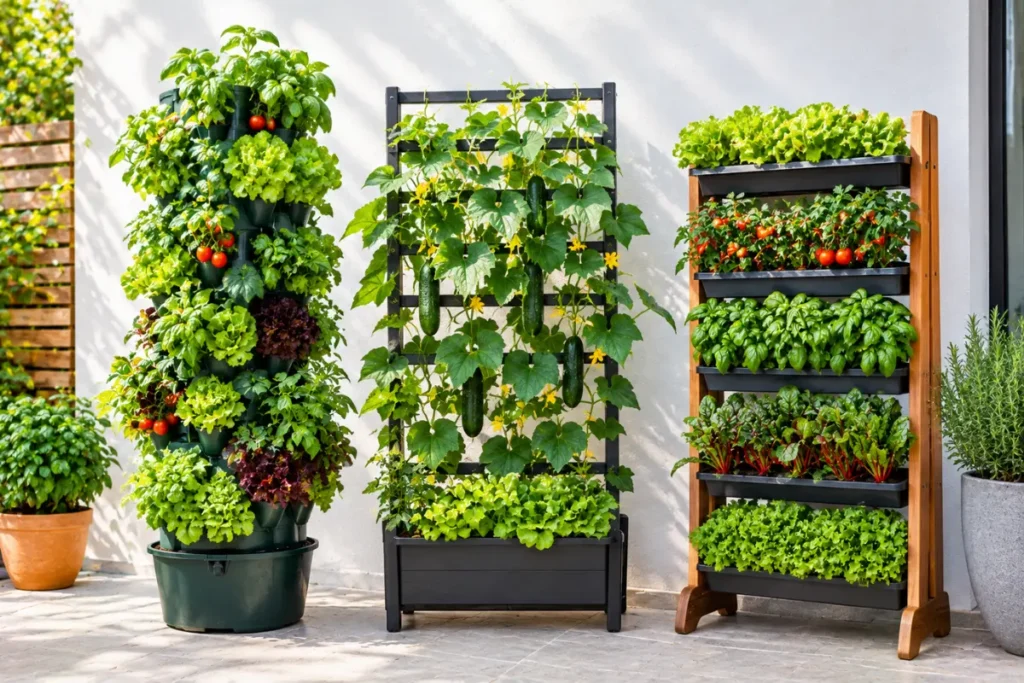
This approach works especially well for vegetables that grow vertically and for gardeners with limited space. A sturdy trellis can turn a narrow area into useful growing space for beans, peas, cucumbers, and other suitable crops.
Vertical growing can also make harvesting easier because fruits and leaves are often easier to see. With good spacing and airflow, the plants can also be easier to manage throughout the growing season.
If your garden is small, you do not necessarily need more ground. You may simply need to start growing up.
Best Climbing Vegetable Plants to Grow
A common belief is that only beans and cucumbers are worth growing as climbing vegetable plants. That is far too limiting. Many vegetables and edible plants can grow upward when you choose the right variety and give them suitable support. Some are naturally strong climbers, while others can be trained or tied to a trellis.
Pole Beans
Pole beans are one of the easiest climbing vegetables for beginners. They grow upward on poles, strings, or trellises and can produce a generous harvest without taking much ground space.
Unlike bush beans, pole beans keep producing new growth as they climb. Give them a tall, sturdy support and guide the young vines toward it. They are especially useful when you want fast growing climbing vegetable plants in a small garden.
Peas
Peas are another excellent choice for vertical growing. Their thin stems and tendrils naturally grab onto nearby support as they grow.
Climbing peas work well on netting, small trellises, and lightweight frames. Sugar snap peas are especially useful because you can eat both the pods and the peas inside. They are also a good option when you want easy vegetables to grow on a trellis.
Cucumbers
Cucumbers naturally produce long vines, making them a popular choice among vining vegetables. Instead of allowing the vines to spread across the ground, you can train them upward.
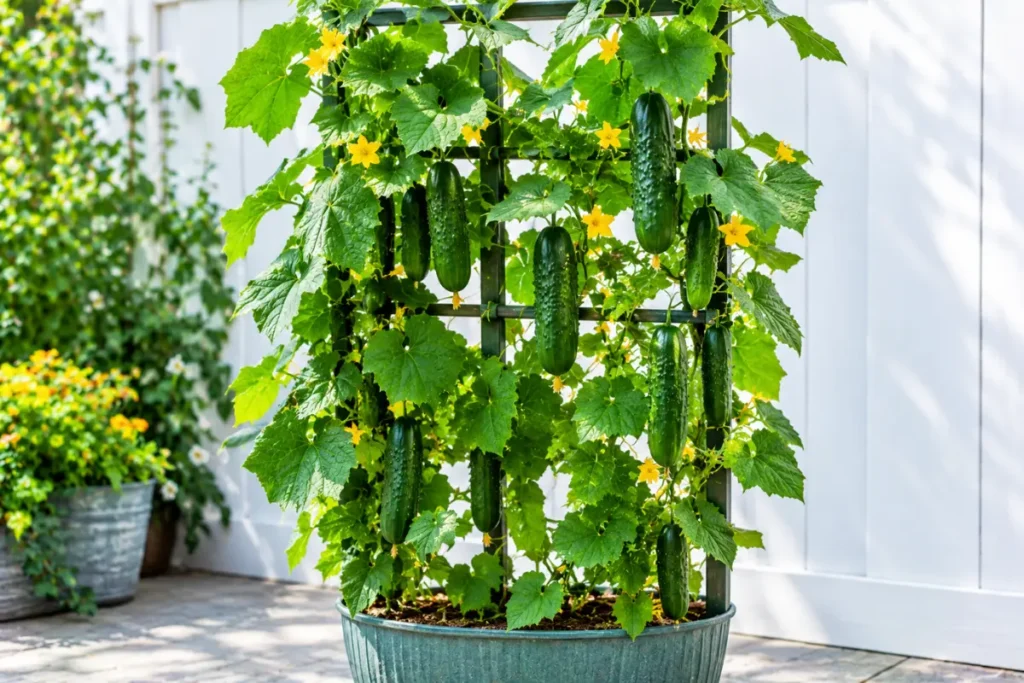
Climbing cucumbers can grow well on a sturdy trellis or vertical frame. Growing cucumber vines upward can also make the fruits easier to spot and harvest. Choose a suitable variety and provide enough support before the plant becomes heavy.
Climbing Squash
Not every squash variety is suitable for vertical growing, but some produce long vines that can be trained upward. These climbing squash varieties can save valuable garden space when given a strong structure.
Because squash vines and fruits can become heavy, support matters more here than with peas or beans. If a fruit becomes large, you may need additional support to prevent the vine from bending or breaking.
Climbing Tomatoes
Tomatoes are a little different from natural climbers. Many climbing tomatoes are actually indeterminate varieties that continue producing long stems throughout the growing season.
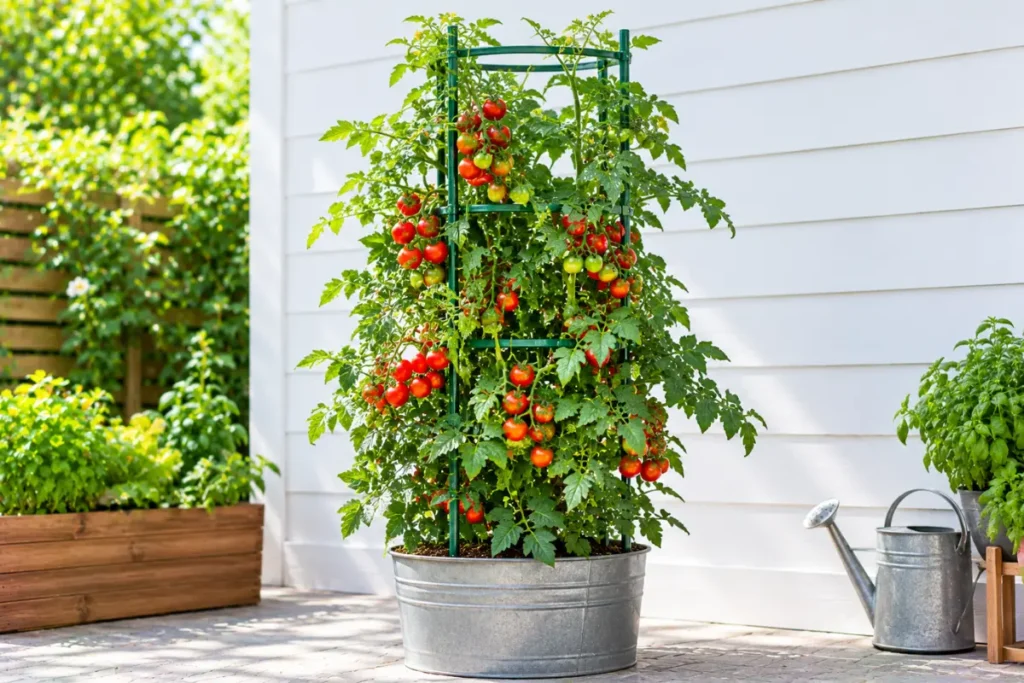
These indeterminate tomato plants need support rather than simply being left to climb on their own. A strong cage, trellis, stake system, or other support can keep the stems upright.
Regularly tying or guiding new growth helps keep the plant organized. This makes indeterminate tomatoes a useful option when you want productive vegetable plants that grow well on a trellis or similar support system.
Runner Beans
Runner beans are vigorous climbers that can quickly cover a tall support. Their long vines make them an excellent choice for gardeners who want to grow upward rather than outward.
They need a sturdy structure because mature plants can become quite substantial. With enough sunlight, moisture, and support, runner beans can become one of the most productive plants in a vertical vegetable garden.
Malabar Spinach
Malabar spinach is not the same plant as traditional spinach, but it is a useful edible vine for warm conditions. Its fleshy leaves grow on long climbing stems that can be trained onto a trellis.
It works particularly well when you want something different from the usual beans and cucumbers. Give it warmth, sunlight, moisture, and a reliable support structure, and it can create a lush vertical display while providing edible leaves.
Gourds
Certain gourds produce vigorous vines that naturally spread and climb when they have something to grab onto. They can be grown on strong trellises, arches, or other sturdy structures.
Keep in mind that some gourds become quite heavy. A lightweight frame may not be enough once the vines and fruits mature. Strong support is essential if you want to grow gourds vertically.
Melons
Some smaller melon varieties can be trained upward, making them an interesting option for vertical gardening. Their vines can use a trellis, but the support needs to be strong enough to carry the developing fruit.
Heavy melons may also need slings or other additional support. This is a good example of why choosing the right variety matters when growing climbing vegetables for small spaces.
Pumpkins
Pumpkins are usually associated with sprawling vines, but some smaller or vining varieties can be trained onto strong supports. This can save ground space, although it requires more planning than growing beans or peas.
The main challenge is fruit weight. Large pumpkins should not simply hang from a weak trellis. If you want to grow pumpkins vertically, choose a suitable variety and make sure the structure can safely support the mature plant and fruit.
Nasturtiums for Edible Garden Spaces
Nasturtiums are not traditional vegetables, but they can be useful around an edible garden. Their leaves and flowers are edible, and their trailing or climbing growth can add color around garden structures.

They can work well alongside vegetables without taking the place of your main food crops. Their bright flowers can also make a practical vertical garden look more attractive.
Best Climbing Vegetable Plants for Small Gardens
A common belief is that a small garden can only produce a small harvest. That is not necessarily true. With the right climbing vegetable plants, you can use empty vertical space instead of allowing every plant to spread across the ground.
The trick is to choose productive varieties that stay manageable and make good use of a trellis or other support.
Best Choices for Small Gardens
When space is limited, focus on plants that produce well without needing a large area of soil. Pole beans are one of the strongest choices because they grow upward and can produce a long harvest from a relatively small footprint.
Peas are another good option, especially when the weather is suitable. Their lightweight vines can be trained onto a compact trellis without taking over the garden.
Cucumbers are also useful for small spaces. Instead of allowing cucumber vines to crawl across the ground, train them upward. This leaves more room underneath and around the plant for other crops.
For warm growing conditions, suitable indeterminate tomato plants can also make good use of vertical space. They need a reliable support system, but their upright growth can be much easier to manage than letting long stems sprawl.
Runner beans are worth considering if you have enough height for a strong support. They can grow vigorously and make excellent use of narrow garden areas.
These choices make climbing vegetables for small gardens practical even when your growing area is limited.
How to Maximize a Small Garden
The easiest way to get more from a small garden is to think upward. A fence, wall-side trellis, arch, or narrow frame can provide growing space that would otherwise go unused.
Start by placing taller supports where they will not block sunlight from shorter plants. Then train your vines toward the structure as they grow. This creates a more organized layout and helps prevent plants from spreading into pathways.
Spacing still matters. Vertical growth does not mean you can pack plants tightly together. Each plant needs enough room for its roots, leaves, and mature vines. Good spacing also makes watering, harvesting, and general care much easier.
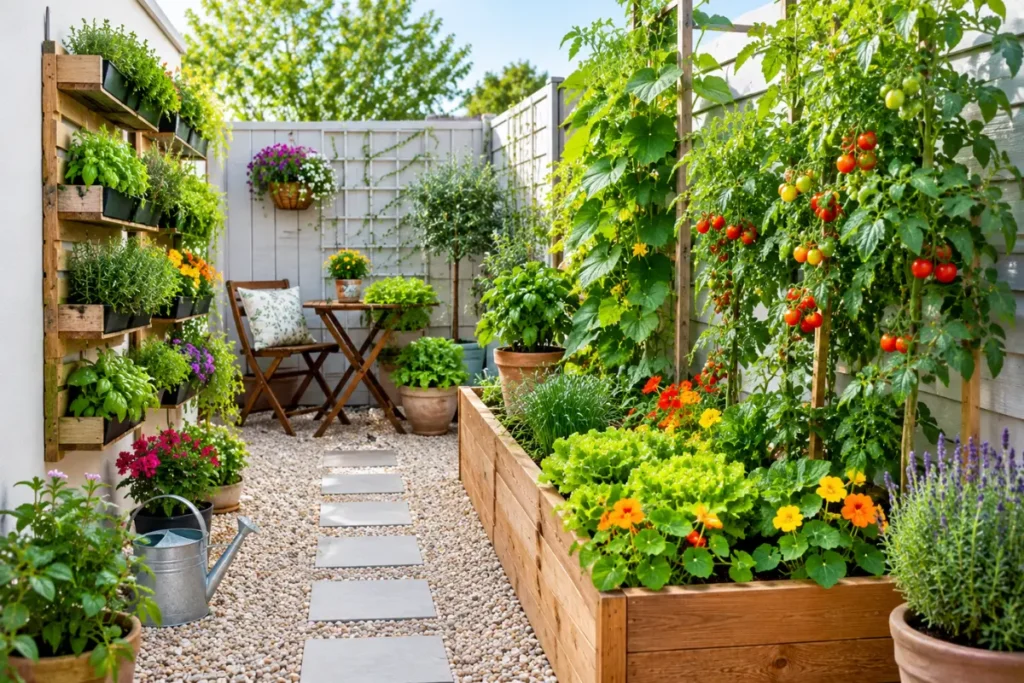
You can also combine different types of space saving vegetable plants. For example, a climbing crop can grow upward while a compact vegetable grows underneath or nearby. This lets you make better use of the same garden area without creating unnecessary competition.
If you are searching for the best climbing vegetable plants for small gardens, focus less on how many plants you can squeeze into the space and more on how efficiently each plant uses it. A few well-planned vines can often be more useful than a crowded garden full of struggling plants.
FAQs About Climbing Vegetable Plants
A common belief is that climbing vegetable plants are difficult to grow and require a lot of gardening experience. In reality, many climbing vegetables are beginner-friendly when they have enough sunlight, water, space, and proper support. Here are some common questions gardeners ask before growing them.
What Are the Best Climbing Vegetable Plants for Beginners?
Pole beans, peas, and cucumbers are some of the easiest options for beginners. They grow well with simple supports and can make good use of vertical space. Start with one or two varieties so you can learn how each plant grows.
What Vegetables Grow Well on a Trellis?
Many vegetables that grow on a trellis include pole beans, peas, cucumbers, runner beans, and certain tomatoes. Some vining squash, melons, and gourds can also be trained vertically, but they usually need stronger support because of their size and fruit weight.
Do All Climbing Vegetables Need a Trellis?
Not necessarily. Some plants can climb fences, poles, strings, arches, or other structures. However, a suitable trellis gives the plant a clear direction to grow and can make harvesting and maintenance easier.
Can Climbing Vegetable Plants Grow in Containers?
Yes. Many climbing vegetable plants for containers can grow successfully in pots if the container is large enough and has good drainage. The pot should also have a sturdy support because a tall plant can become top-heavy.
Which Climbing Vegetables Grow the Fastest?
Pole beans, cucumbers, and some climbing beans can grow quickly under warm conditions with enough sunlight and moisture. Growth speed depends on the variety, temperature, soil, and general growing conditions.
How Much Sun Do Climbing Vegetables Need?
Most productive climbing vegetables prefer several hours of direct sunlight each day. Around 6 to 8 hours of sunlight is suitable for many common vegetables, although individual plants can have different requirements.
How Do You Support Heavy Climbing Vegetables?
Heavy crops such as large cucumbers, squash, melons, and gourds need a strong structure. Use a sturdy trellis, frame, or arch that can handle both the plant and its mature fruit. Extra support such as slings can help protect heavy fruits.
Can Climbing Vegetables Grow in Small Gardens?
Absolutely. In fact, climbing vegetables for small gardens are useful because they make use of vertical space. A fence, wall-mounted trellis, or compact frame can provide growing room without taking up much ground area.
How Do You Train Climbing Vegetable Plants?
Start guiding young vines toward their support while they are still flexible. Depending on the plant, you can gently weave the stems through a trellis or use soft ties to secure them. Avoid pulling or bending stems too forcefully.
What Is the Best Support for Climbing Vegetables?
The best support depends on the plant. Lightweight crops such as peas can use netting or thin trellis material, while tomatoes, cucumbers, and heavy-fruiting vines need stronger structures. Always consider the plant’s mature size before choosing a support.
Can You Grow Climbing Vegetables on a Balcony?
Yes, provided the balcony receives enough sunlight and the structure is safe and stable. Climbing vegetables for balconies can be grown in suitable containers with compact trellises or other vertical supports.
Are Climbing Vegetables Low Maintenance?
Some are quite easy to manage, especially pole beans and peas. However, most climbing plants still need regular watering, feeding when appropriate, training, and occasional checking for pests or disease. Good support can make routine care much easier.
Can Climbing Vegetables Be Grown Without Soil?
Some vegetables can be grown using hydroponic systems instead of traditional soil. However, the plant still needs suitable nutrients, water, light, and physical support. The climbing habit does not remove these basic growing requirements.
When Should You Add a Trellis?
It is usually best to install the support before the plant becomes large. Adding a trellis early reduces the risk of disturbing roots or damaging established stems. It also gives young vines somewhere to grow as soon as they start reaching upward.
What Is the Main Advantage of Growing Vegetables Vertically?
The biggest advantage is efficient use of space. Vegetables that grow vertically can produce food while leaving more ground available for other crops. Vertical growing can also keep vines organized and make fruits easier to find during harvest.
Conclusion:
A common belief is that you need a large garden to grow plenty of fresh vegetables. You do not. Climbing vegetable plants let you use vertical space instead of allowing every plant to spread across the ground.
Pole beans, peas, cucumbers, and suitable tomatoes can all make good use of trellises, fences, arches, or other sturdy supports.
You do not need to grow many varieties at once. Start with a few easy climbing vegetables and learn how they perform in your space. Give them enough sunlight, water, room, and proper support.
Whether you have a backyard, raised bed, patio, or balcony, growing upward can help you make better use of limited space. Instead of growing only out, grow up and make every part of your garden count.

Plant Nest Blog’s author is passionate about plants, gardening, and sustainable living. Through research and practical experience, they share helpful plant care tips, gardening guides, and easy solutions to help readers grow healthier plants and create greener spaces.