
Introduction:
Many people believe that how to plant a rosemary is complicated and that rosemary only grows well for experienced gardeners. In reality, rosemary can be quite easy to grow when you give it the conditions it prefers.
You can start with a healthy plant, choose a suitable location, and create a simple routine that supports strong, fragrant growth.
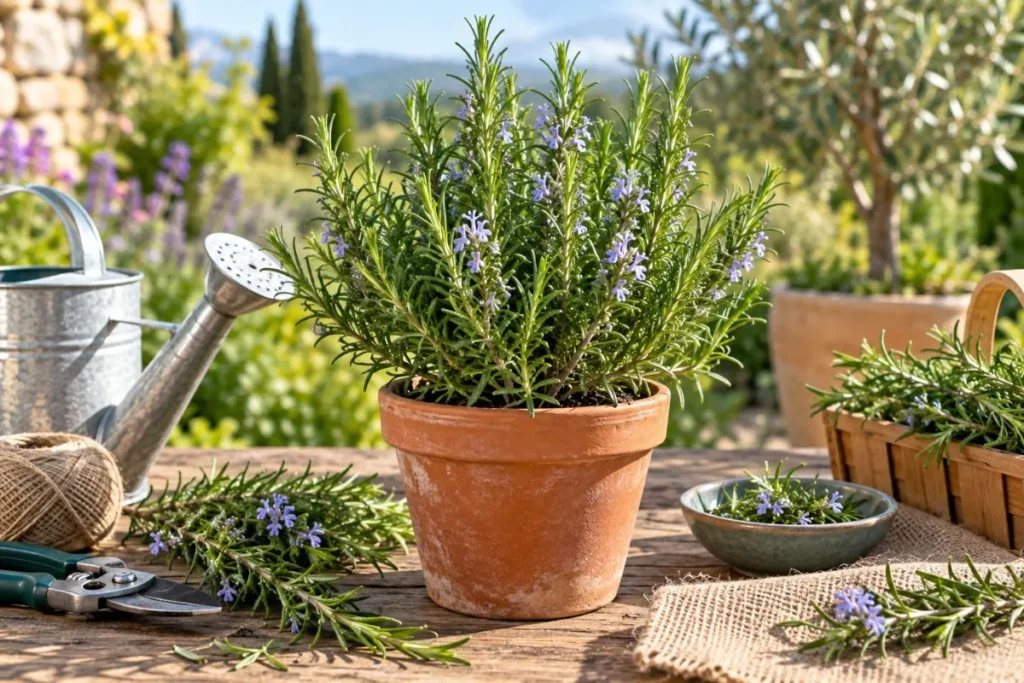
Whether you’re planning a culinary herb garden or simply want fresh rosemary at home, a little preparation goes a long way. In this rosemary planting guide, you’ll learn the basics of choosing the right plant, understanding its growing needs, and creating a good starting point for growing rosemary successfully.
Understand Rosemary Before You Plant It
What Is a Rosemary Plant?
Rosemary is an aromatic evergreen herb known for its fragrant needle-like leaves and woody stems. It is commonly grown for cooking, but it can also add texture and fragrance to a garden.
A healthy rosemary plant can develop into a bushy herb with plenty of useful new growth when its basic needs are met.
Because rosemary is a Mediterranean herb, it generally prefers conditions that are bright, warm, and well drained. Understanding these natural preferences makes planting rosemary much easier.
Instead of trying to keep the soil constantly wet, gardeners should focus on creating conditions where the roots can stay healthy.
Why Rosemary Needs the Right Growing Conditions
Rosemary may look tough, but its roots still need the right environment. Rosemary growing conditions should include plenty of sunlight, good drainage, and soil that does not remain saturated for long periods.
Drainage is especially important. Rosemary generally performs better when excess water can move away from the roots. Heavy, constantly wet soil can create stressful conditions and may contribute to root problems.
Choosing the right soil and planting location from the beginning can make rosemary plant care much simpler.
Is Rosemary Better Indoors or Outdoors?
Both options can work, but the best choice depends on your growing conditions. Rosemary outdoor growing gives the plant access to natural sunlight and fresh air, making it a practical choice when you have a suitable garden location.
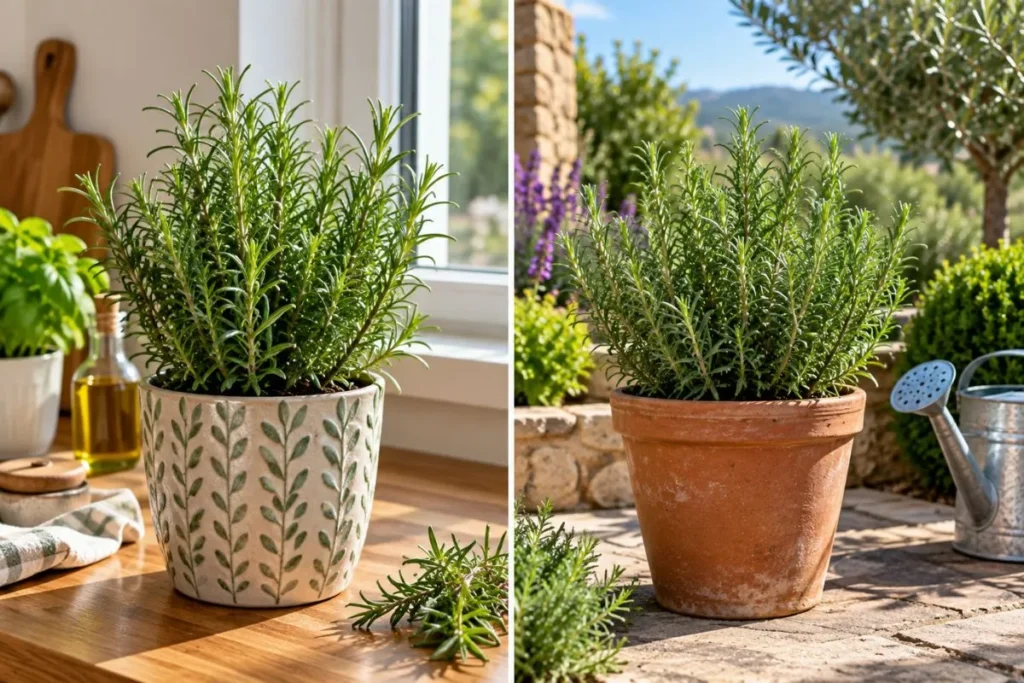
Rosemary indoor growing can also work when the plant receives enough bright light and has excellent drainage. A container with drainage holes is important, especially indoors, where excess water can remain around the roots. If your outdoor space is limited, growing rosemary in pots gives you another flexible option.
The key is not simply choosing indoors or outdoors. Focus on giving your rosemary the conditions it naturally prefers: strong light, suitable soil, good airflow, and careful watering. Once those basics are right, how to grow rosemary becomes much less intimidating.
Choose the Best Rosemary Plant or Starting Material
Many people think that how to plant a rosemary starts with digging a hole and putting any rosemary plant into the soil. That approach can cause problems later.
The quality and type of starting material you choose can affect how easily your rosemary settles in and begins producing fresh growth. Start with healthy material that matches your gardening setup.
Start With a Healthy Rosemary Plant
If you’re buying a young rosemary plant, look closely before bringing it home. Choose one with firm stems, fresh-looking foliage, and plenty of healthy growth. The leaves should look naturally green and aromatic rather than severely wilted, damaged, or discolored.
Also check the plant closely for obvious signs of rosemary pests or disease. Look underneath leaves and around stems, where insects can sometimes hide.
Avoid plants with extensive damage or signs of serious stress. Starting with a healthy plant makes planting rosemary easier because you’re not trying to correct problems before the plant even reaches its new home.
Start Rosemary From Seeds or Cuttings?
You have several ways to begin growing rosemary. You can purchase an established plant, grow rosemary from seeds, or use rosemary cuttings from a healthy plant.
Growing from seed can be rewarding, but it often requires more patience because germination and early growth can take time. Cuttings offer another option for gardeners who want to produce new plants from an existing healthy rosemary plant.
For beginners, an established rosemary plant is often the simplest starting point. If you enjoy experimenting, however, rosemary propagation from cuttings can be a useful skill to learn.
Can You Grow Rosemary From Cuttings?
Yes, you can. How to grow rosemary from cuttings is a popular question because healthy stems can be used to produce new plants under suitable conditions.
Choose a healthy, non-flowering stem and prepare it for rooting. The cutting needs an appropriate growing medium, moisture, warmth, and suitable light while it develops roots. Avoid keeping the medium excessively wet, as too much moisture can create problems for developing roots.
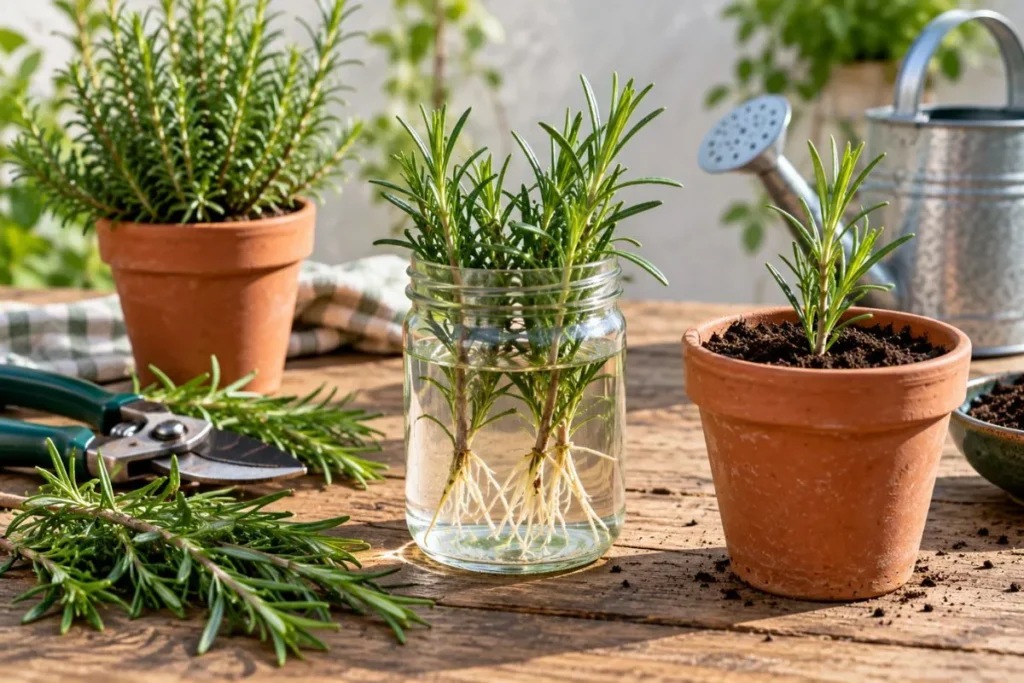
Once the cutting has formed a healthy root system, it can be moved into a suitable container or garden location. If you’re specifically learning how to plant rosemary from cuttings, give the young plant time to establish before treating it like a mature rosemary plant.
Whether you choose an established plant or try rosemary from cuttings, the goal is the same: begin with healthy material and provide conditions that support steady growth. A strong start can make the rest of your rosemary planting guide much easier to follow.
Pick the Right Location for Rosemary
Many people believe that how to plant a rosemary is mostly about finding an empty spot in the garden. But location matters more than simply having available space. Rosemary needs enough light, fresh air, and room to develop naturally. Choosing the right spot before planting can save you from many growth problems later.
How Much Sunlight Does Rosemary Need?
One of the first things to consider is sunlight. How much sunlight does a rosemary plant need? Rosemary generally grows best in a bright location with plenty of direct sunlight. A spot that receives several hours of strong light each day can support compact, vigorous growth and help the plant produce its characteristic fragrant foliage.
Before planting, watch your garden throughout the day. Notice which areas receive the most consistent sunlight and which become shaded by walls, trees, or buildings. If you’re growing rosemary plant outdoors, choose the brightest suitable location you have.
When growing rosemary in a container, you have more flexibility. You can move the pot to a brighter position when needed. This makes rosemary in containers a useful option when your garden has limited sunny areas.
Give Rosemary Enough Airflow
Good airflow is another important part of choosing a planting location. Avoid squeezing rosemary between several large plants or placing it in a cramped corner where air barely moves.
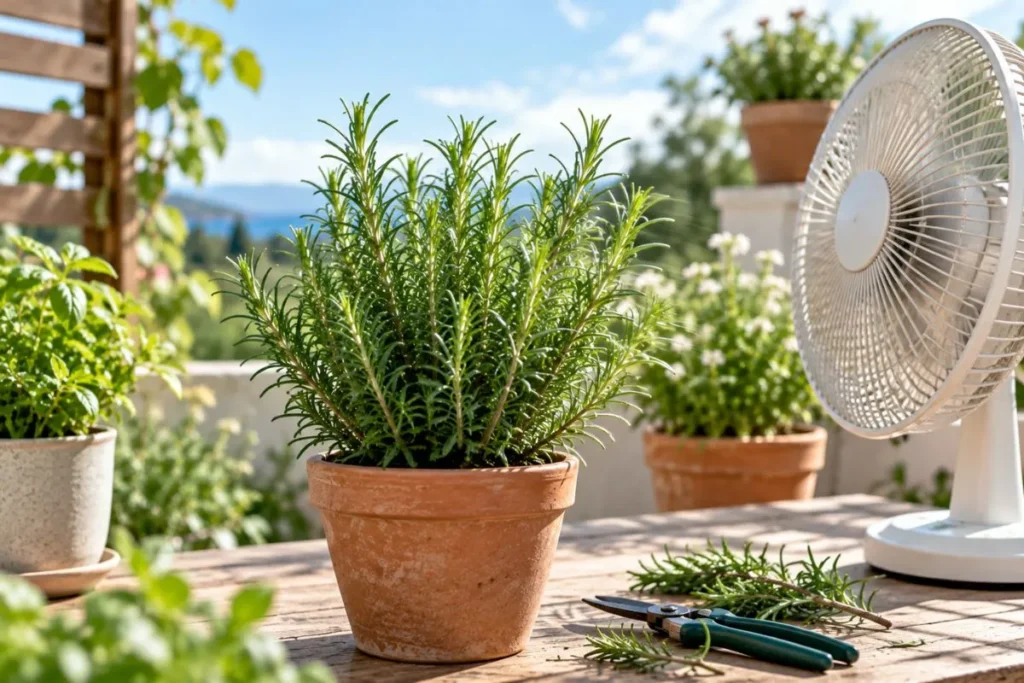
Open space allows air to circulate around the foliage. This helps the plant stay drier after watering or rainfall and creates a better environment for healthy growth. It also makes it easier to inspect the stems and leaves for early signs of rosemary pests or disease.
If you’re creating a fragrant herb garden, give each rosemary plant enough breathing room. A little extra space can make routine care, pruning, and harvesting much easier.
Consider Space for Mature Growth
A small rosemary plant can look harmless when you first bring it home, but remember that it will grow. Give it enough room to spread rather than planting it directly against another herb, wall, or garden structure.
Proper rosemary plant spacing depends on the variety and its expected mature size. Check the plant label or seed information for specific recommendations. Adequate spacing prevents plants from competing unnecessarily for light and gives branches room to develop.
Think about the plant’s future size, not just its size on planting day. This simple habit makes planting rosemary easier and helps create a healthier, more manageable herb garden.
Choose a Location That Matches Rosemary’s Needs
The ideal spot brings several factors together: strong sunlight, open airflow, and enough room for mature growth. Don’t choose a location simply because it is convenient. Look at how the area behaves throughout the day and across different weather conditions.
If you can provide these basic conditions, your rosemary will have a much better foundation for healthy growth. In short, the right location is one of the most important parts of how to grow rosemary successfully.
Frequently Asked Questions
How do you plant rosemary for the first time?
Start with a healthy rosemary plant and choose a sunny location with good drainage. Prepare the planting area, position the root ball correctly, and water it appropriately after planting. Give the plant time to settle before changing its care routine.
What is the best soil for rosemary?
Rosemary generally prefers loose, well-draining soil. Heavy soil that stays wet for long periods can create unfavorable conditions for the roots. If you’re growing rosemary in a pot, choose a quality potting mix that drains freely and use a container with drainage holes.
Can rosemary grow in a pot?
Yes. Growing rosemary in pots is a practical option for small gardens, balconies, patios, and indoor spaces with enough light. Choose a container with drainage holes and provide the plant with plenty of sunlight and appropriate watering.
How much sunlight does rosemary need?
Rosemary generally performs best with plenty of bright, direct sunlight. When growing it indoors, place the container in the brightest suitable location available. Insufficient light can lead to weaker, less compact growth.
How often should you water rosemary?
There is no single watering schedule that works for every rosemary plant. Check the growing medium and consider temperature, rainfall, humidity, and whether the plant is in the ground or a container. Let the soil dry appropriately between waterings rather than keeping it constantly wet.
Can you grow rosemary from cuttings?
Yes. Rosemary propagation from healthy cuttings is a common way to produce new plants. Select a healthy stem, prepare the cutting, and place it in a suitable rooting medium with appropriate moisture and light.
When is the best time to plant rosemary?
The best planting time depends on your local climate and growing conditions. When is the best time to plant rosemary? Generally, choose a period when conditions are mild and the plant can establish without facing extreme heat, cold, or excessive moisture.
Why are my rosemary leaves turning brown?
Brown leaves can have several possible causes, including watering problems, root stress, unsuitable growing conditions, or environmental stress. Check the soil moisture, drainage, light, and overall condition of the plant before deciding what needs to change.
Why are my rosemary leaves turning yellow?
Yellow foliage can sometimes be associated with excessive moisture, poor drainage, nutrient issues, or other growing stresses. Look at the whole plant rather than treating yellow leaves as proof of one specific problem.
Can rosemary grow indoors?
Yes, rosemary indoor growing is possible when the plant receives enough light and has excellent drainage. Indoor plants also need careful watering because containers can behave differently from outdoor garden soil.
How do you transplant rosemary?
Prepare the new location before removing the plant. Carefully lift the rosemary while keeping as much of the root system and surrounding soil intact as possible. Place it at an appropriate depth in its new location, then monitor it while it adjusts.
For how to transplant rosemary without damaging the roots, the key is to avoid unnecessary root disturbance and handle the plant gently.
Does rosemary need fertilizer?
Rosemary usually does not require heavy feeding. If the plant needs additional nutrition, use an appropriate fertilizer according to the product directions and the plant’s growing conditions. Avoid assuming that more fertilizer will automatically produce better growth.
How long does rosemary take to establish?
The time varies depending on the plant’s starting size, growing conditions, weather, and whether it was recently transplanted. Give newly planted rosemary consistent care and allow it time to develop a stronger root system before expecting vigorous new growth.
Conclusion:
Learning how to plant rosemary becomes much easier when you focus on the plant’s basic needs. Start with healthy planting material, choose a bright location, provide enough room for growth, and use soil that drains well.
Whether you’re planting rosemary in a garden bed, growing rosemary in pots, or trying rosemary propagation from cuttings, avoid making the process more complicated than it needs to be. Pay attention to your plant, adjust care when conditions change, and give it time to establish.
With the right start and consistent rosemary plant care, a small plant can become a beautiful, fragrant addition to your herb garden. Start with one healthy plant, follow its needs, and enjoy watching your rosemary grow.

Plant Nest Blog’s author is passionate about plants, gardening, and sustainable living. Through research and practical experience, they share helpful plant care tips, gardening guides, and easy solutions to help readers grow healthier plants and create greener spaces.