
Many new gardeners assume that planting a garden from seeds is difficult and requires years of gardening experience. That is not really true. With the right seeds, suitable growing conditions, and a little patience, even a beginner can enjoy growing plants from seeds.
You do not need a huge garden or complicated equipment to get started.
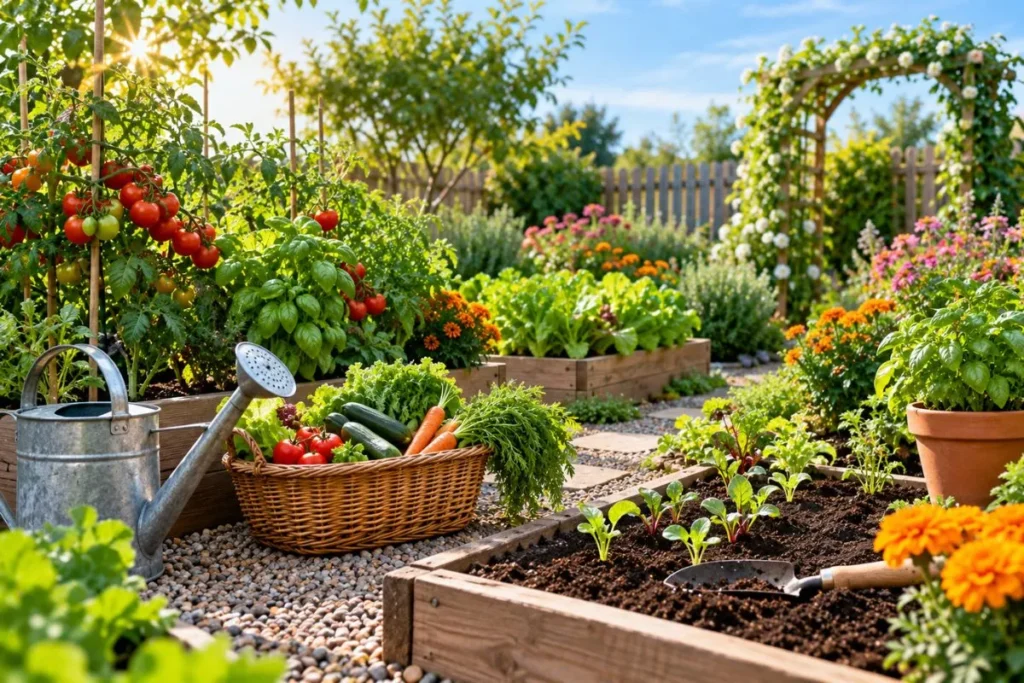
The process can be surprisingly simple. You choose suitable seeds, prepare a good place for them, plant them correctly, and give them the care they need as they germinate.
Whether you want a vegetable garden from seeds, a flower garden from seeds, or a few herbs at home, starting a garden from seed gives you a simple way to grow plants from the very beginning.
Choose the Right Seeds for Your Garden
Choosing the right seeds is one of the smartest steps in a successful seed-to-garden planting guide. Before buying a packet, think about your garden’s sunlight, available space, temperature, and growing season.
A plant that loves plenty of sunlight may struggle in a shady spot, while a cool-season crop may not perform well during very hot weather.
Pick Seeds That Match Your Growing Conditions
Start by looking at the conditions you already have. Check how many hours of sunlight your garden receives and consider whether the soil drains well. Also think about how much space each plant will need when it reaches maturity.
If you are growing a garden from seeds for the first time, choose varieties that fit your local conditions instead of simply picking seeds because they look interesting.
The seed packet usually provides useful information about sunlight, temperature, planting time, spacing, and expected growth. These details can make garden seed preparation much easier.
Choose Easy Seeds for Beginners
Not every seed is equally beginner-friendly. If you are new to gardening, start with easy seeds to grow and plants that generally have straightforward growing needs. Fast-growing garden seeds can also be rewarding because you may see signs of progress sooner.
Simple choices can help you learn how seed germination, watering, spacing, and seedling care work without making the process feel overwhelming. Once you become comfortable, you can experiment with more varieties and build a larger vegetable or flower garden.
Check the Seed Packet Before Planting
Do not skip the information printed on the seed packet. It can tell you when to plant seeds, how deep to sow them, how far apart to space them, and how long germination may take. It may also explain the preferred temperature and sunlight conditions.
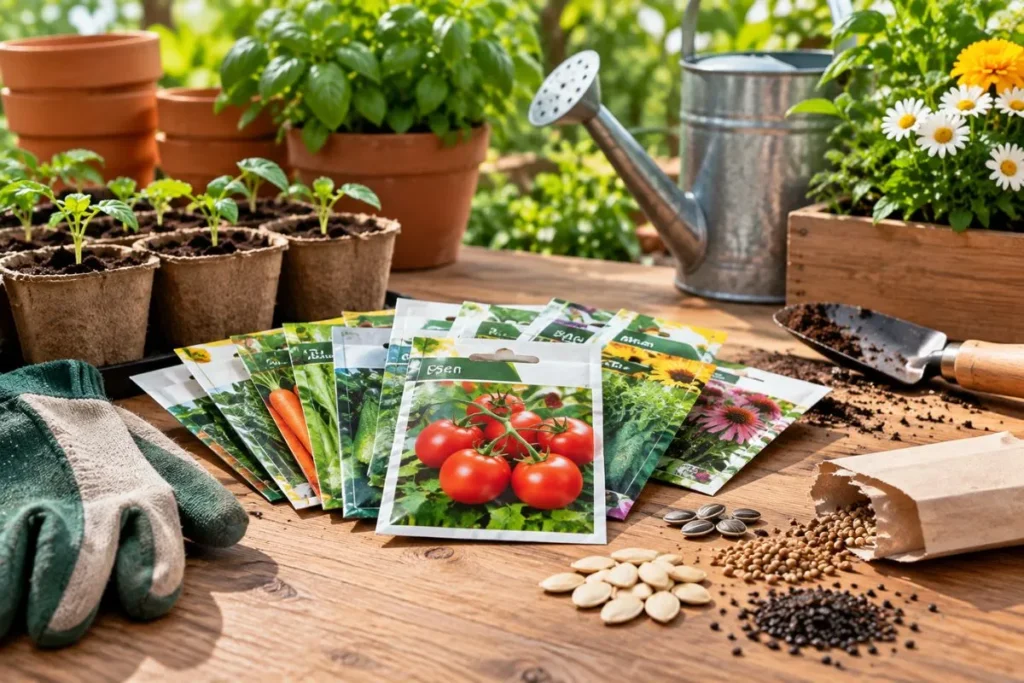
Pay particular attention to the recommended garden planting season. Planting at the wrong time can make even good-quality seeds struggle. A few minutes spent checking the packet can save you from common seed germination problems later.
When choosing seeds, think beyond the name of the plant. Look for varieties that suit your space, climate, and gardening goals. That small decision gives your seeds a much better starting point and makes starting plants from seeds more enjoyable.
Decide When to Plant Your Garden Seeds
Many gardeners assume that planting a garden from seeds can happen at any time as long as the seeds are healthy. That is a common mistake.
The right timing can make a big difference because seeds need suitable soil temperatures and weather conditions to germinate and grow properly.
Before you sow anything, take a moment to understand your local growing season.
Understand Your Local Growing Season
Your garden planting season depends on the type of plant and the climate where you live. Some vegetables prefer cooler conditions, while warm-season plants need warmer soil and weather.
Knowing this difference helps you decide when to sow your seeds instead of planting everything at once.
Cool-season crops generally handle lower temperatures better, while warm-season crops usually need more warmth to get started. Check the seed packet for its recommended planting window and compare it with your local weather.
This simple step can help you avoid poor germination and weak early growth.
Check Soil and Weather Conditions
Calendar dates are useful, but they should not be your only guide. Pay attention to the actual soil temperature, recent weather, rainfall, and nighttime temperatures before planting. Seeds may sit dormant or germinate slowly if the soil is too cold for that particular plant.
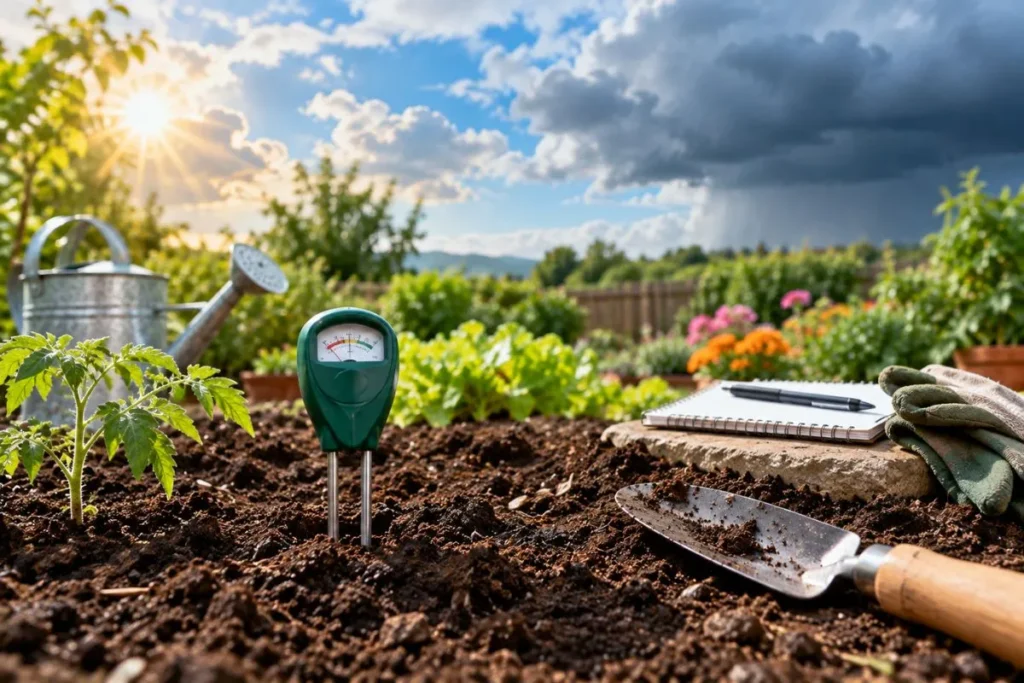
Too much moisture can also create problems. If the garden bed is extremely wet, wait until conditions improve rather than planting into soggy soil. On the other hand, very dry soil can prevent seeds from absorbing enough moisture to begin germination.
For successful seed germination, aim for conditions that match the needs of your specific crop. Good moisture, suitable temperature, and the right planting time work together to give seeds a strong start.
When Is the Best Time to Plant Garden Seeds?
So, when is the best time to plant garden seeds? There is no single date that works for every plant or every garden. The best time depends on the seed variety, local climate, soil conditions, and whether you are planting indoors or directly outdoors.
Read the seed packet first, then consider your local weather. If the packet recommends warm soil, wait until the soil has warmed enough. If the plant prefers cooler conditions, sowing too late may expose young plants to excessive heat.
A little planning before planting garden seeds can save you time and reduce unnecessary failures. Instead of asking only, “What month should I plant?”, ask, “Are the conditions right for this particular seed?” That small change in thinking can make growing a garden from seeds much more successful.
Prepare the Garden Soil Before Planting
Many people think planting a garden from seeds only means putting seeds into the ground and watering them. But even the best seeds can struggle when the soil is hard, compacted, or poorly prepared.
A little garden soil preparation creates a more comfortable environment for tiny roots and gives your seeds a better place to begin growing.
Clear and Loosen the Soil
Start by clearing the planting area of weeds, grass, stones, sticks, and other debris. Weeds can compete with young plants for water, nutrients, and space, so removing them before sowing makes early growth easier.
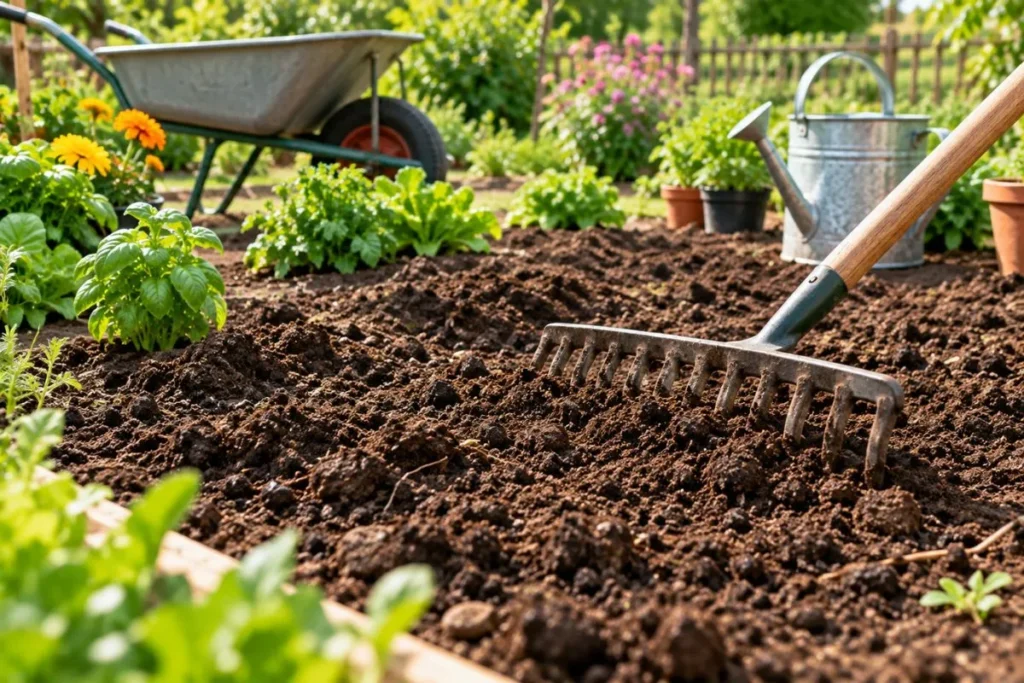
Next, loosen the soil gently. Compacted ground can make it difficult for new roots to spread. Use a garden fork or hand tool to break up hard areas without turning the soil into a fine powder. The goal is loose, workable soil with enough structure for roots to develop.
If you are working with a small container garden, check that the potting medium is loose and drains properly. Preparing soil for seeds does not need to be complicated. You simply want a clean, workable growing area where seeds can make good contact with the soil.
Improve the Soil With Organic Matter
Good soil provides more than a place to hold seeds. It supports roots, moisture management, and overall plant development. If your soil is poor or lacks organic matter, adding mature compost can help improve its structure.
Mix organic matter into the soil evenly rather than creating a thick layer in one spot. This is especially useful when growing vegetables, herbs, and flowers from seeds. Healthy soil can support better root development as seedlings become established.
For organic gardening from seeds, focus on building good soil rather than relying on excessive fertilizer. Young seedlings are small and have limited root systems, so gentle soil preparation is often more useful than adding too many products.
Create a Good Seed-Bed
After improving the soil, create a smooth seed-bed. Break up large clumps and gently level the surface. Small seeds need good contact with the surrounding soil, while large chunks can leave unwanted air pockets around them.
Avoid making the surface extremely hard or compact. A loose, even seed-bed makes seed planting techniques easier and helps you place seeds at a consistent depth.
Before you start planting garden seeds, give the prepared area a final check. Remove any remaining weeds, make sure water can drain away, and keep the surface ready for sowing. With these simple steps, your garden is prepared for the next stage of planting a garden from seeds.
Frequently Asked Questions
Is planting a garden from seeds difficult?
No. Planting a garden from seeds can be quite simple when you understand the basic needs of your plants. Start with suitable seeds, provide the right growing conditions, and give them consistent care. Beginners can start with a few easy varieties and expand as they gain confidence.
What is the easiest way to start a garden from seeds?
The easiest approach is to choose seeds that suit your growing conditions and follow the instructions on the seed packet. Prepare the soil, plant at the recommended depth, provide adequate moisture, and monitor the seedlings as they develop.
How deep should you plant seeds in a garden?
Planting depth depends on the seed. Small seeds are usually planted shallowly, while larger seeds can generally be placed deeper. Always check the seed packet for the recommended depth rather than using the same depth for every crop.
How often should you water newly planted garden seeds?
Watering needs vary with the seed, soil, temperature, and weather. Keep the soil appropriately moist while seeds are germinating, but avoid keeping it constantly waterlogged. Gentle watering is important because a strong stream can move or expose small seeds.
When is the best time to plant garden seeds?
The best time depends on the plant and your local growing conditions. Some seeds prefer cool weather, while others need warmer soil. Check the seed packet and consider your local growing season before planting garden seeds.
Can you plant seeds directly into the garden?
Yes. Many plants can be started through direct sowing seeds into their final outdoor location. This method can work well when the soil and weather conditions are suitable for the particular plant.
Is it better to start seeds indoors or outdoors?
Both methods can work. Seed starting indoors gives you more control over early growing conditions, while direct sowing avoids the need to move seedlings later. The better option depends on the plant, climate, available space, and timing.
How long does it take garden seeds to germinate?
Germination time varies greatly between plants. Some seeds sprout within a few days, while others may take several weeks. Temperature, moisture, seed quality, and planting depth can also affect seed germination.
How do you grow healthy plants from seeds at home?
For how to grow healthy plants from seeds at home, focus on the basics: use suitable seeds, provide an appropriate growing medium, maintain proper moisture, give seedlings enough light, and avoid overcrowding. Regular observation helps you catch problems early.
Why are my seeds not germinating?
Poor germination can have several causes. The seeds may have been planted too deeply, the soil may be too dry or wet, the temperature may be unsuitable, or the seeds may no longer be viable. Check the growing requirements for that specific variety before changing several things at once.
Should you soak seeds before planting?
Not every seed needs soaking. Some larger or harder-coated seeds may benefit from soaking, while others can be planted directly. Follow the recommendations for your specific plant rather than soaking every seed automatically.
How much sunlight do seedlings need?
Sunlight requirements vary by plant. Some seedlings need plenty of direct light, while others prefer less intense conditions. Check the plant’s requirements and watch for signs such as weak, stretched growth, which can indicate insufficient light.
When should seedlings be transplanted?
Seedlings should generally be moved when they are established enough to handle the transition and outdoor conditions are suitable. If they were started indoors, gradually introduce them to outdoor conditions through hardening off seedlings before transplanting.
How do you prevent seedlings from becoming leggy?
Give seedlings adequate light and enough room to grow. Crowding and insufficient light can contribute to leggy seedlings. Rotate containers when appropriate and make sure young plants are positioned where they receive the light they need.
Conclusion:
Planting a garden from seeds does not have to be complicated. The process becomes much easier when you choose suitable seeds, understand their growing requirements, prepare the planting area, and give young plants consistent care.
Whether you’re starting a garden from seed, growing vegetables, or experimenting with flowers and herbs, remember that every healthy plant starts small. Pay attention to your seeds, learn from each growing season, and give your garden time to develop.
Start with a few varieties, follow their individual needs, and enjoy watching your seed-to-garden planting guide become a real garden. One small seed today can become something you are proud to grow tomorrow.

Plant Nest Blog’s author is passionate about plants, gardening, and sustainable living. Through research and practical experience, they share helpful plant care tips, gardening guides, and easy solutions to help readers grow healthier plants and create greener spaces.