
Many people think how to prepare potatoes for planting simply means putting a potato straight into the soil. That can work sometimes, but it is not the smartest approach.
Good preparation starts with choosing healthy seed potatoes and getting them ready to produce strong growth. A little preparation now can help you avoid weak starts, rot, and poor results later.
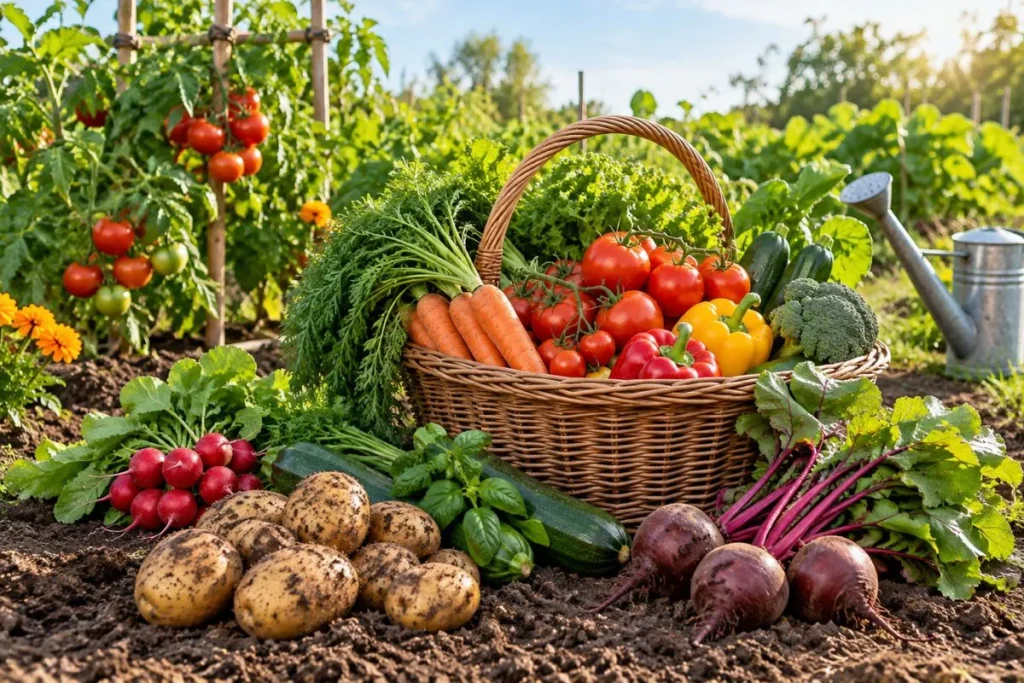
Before planting, inspect your potatoes carefully and choose firm tubers with healthy eyes. Depending on their size, you can plant them whole or prepare them as seed potato pieces.
If you are wondering how to prepare seed potatoes for planting, the basic goal is simple: start with healthy potatoes, encourage useful sprouts when desired, and make sure each piece is ready to grow before it goes into the soil.
What Are Seed Potatoes?
What Exactly Is a Seed Potato?
A seed potato is simply a potato tuber, or a piece of one, that is used to grow a new potato plant. Unlike botanical seeds, it already contains eyes—small buds that can develop into shoots. This makes seed potatoes a simple and reliable way to start a potato crop.
When preparing potatoes before planting, the quality of the seed potato matters. Firm, healthy tubers with good eyes are usually a much better starting point than damaged or rotting potatoes.
If you’re learning how to prepare seed potatoes before planting, choosing the right starting material should always come first.
Why Healthy Seed Potatoes Matter
Healthy seed potatoes give your plants a stronger start. Look for potatoes that feel firm and have no obvious signs of rot, mold, or serious damage. Avoid tubers that are very soft, badly shriveled, or diseased.
Good-quality seed potatoes also help reduce problems during the early stages of growth. For the best results, many gardeners choose certified seed potatoes because they are produced specifically for planting and are selected with disease management in mind.
Understanding Potato Eyes
The small dents or buds you see on a potato are called potato eyes. These are the points where new shoots can emerge. When a potato starts sprouting, you are seeing growth developing from these eyes.
For planting, you want viable eyes rather than a potato covered with weak or damaged growth. If you’re preparing potato eyes for planting, handle the tubers gently and avoid damaging the buds you want to grow.
Whole Potatoes vs. Potato Pieces
Not every seed potato needs to be cut. Smaller tubers can often be planted whole, while larger ones may be divided into potato seed pieces. The important thing is that each planted piece has enough stored energy and at least one healthy eye capable of producing a new plant.
This is why seed potato size matters when planning your potato crop. Large potatoes can potentially be divided into several useful pieces, while very small potatoes may be better planted whole. The right choice depends on the potato and your growing conditions.
Choosing the Best Potatoes for Planting
If you want a strong start, don’t just grab the first potato you find. Choose firm, healthy tubers with good eyes and no obvious signs of disease or decay. Purpose-grown certified seed potatoes are generally the safer choice for a home garden.
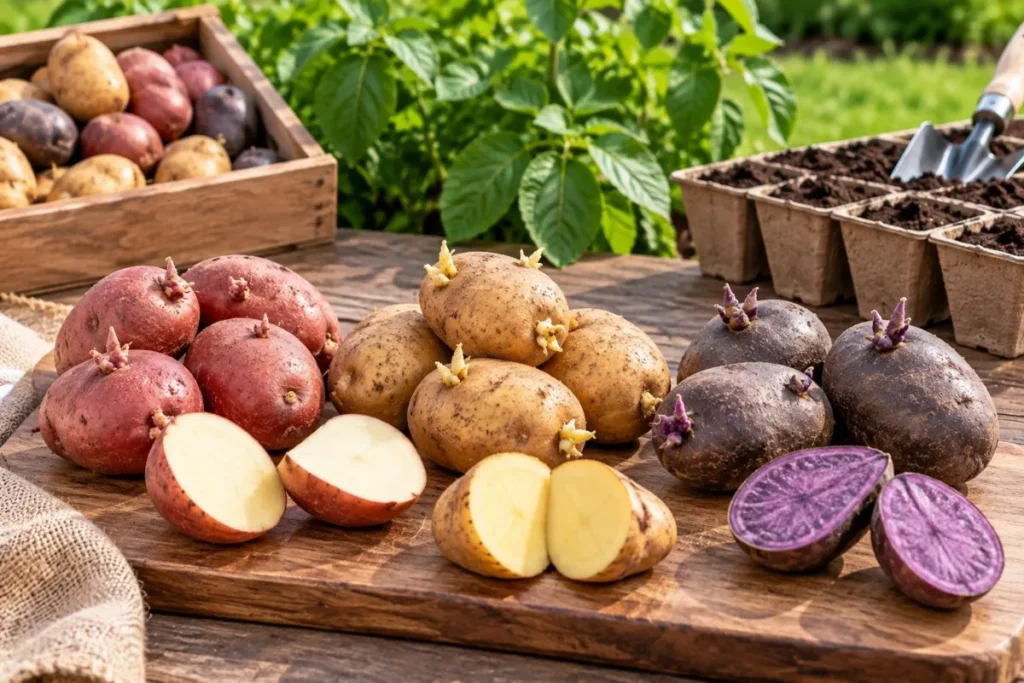
Once you’ve selected them, you’re ready for the next part of preparing seed potatoes for planting getting those tubers ready to produce healthy growth before they go into the soil.
Choose the Right Potatoes Before Planting
Many gardeners believe that how to prepare potatoes for planting starts with cutting the potato into pieces. Not quite. The smarter first step is choosing the right potatoes.
A healthy potato gives you a much better foundation for strong sprouts and healthy plants, while a damaged tuber can bring problems into the garden before your crop even gets started.
Choose Healthy Seed Potatoes
When selecting potatoes for planting, look for tubers that are firm, fresh, and free from obvious rot or disease. They should feel solid when you gently press them. Avoid potatoes that have large soft areas, wet rot, mold, deep wounds, or a strong unpleasant smell.
For preparing seed potatoes for planting, quality matters more than simply choosing the biggest potato. A medium-sized, healthy tuber with several good eyes can be more useful than a large potato that is damaged or unhealthy.
Starting with clean, healthy seed potatoes also gives your crop a better chance to establish evenly.
Pick Potatoes With Good Eyes
Those small dents or buds on the surface are the potato’s eyes. They are important because new shoots develop from these points. When choosing potatoes, look for firm eyes that appear healthy and capable of producing growth.
If you’re wondering how to prepare potato eyes for planting, don’t remove or damage them unnecessarily. A potato with several healthy eyes gives you more flexibility when deciding whether to plant it whole or divide it into potato seed pieces later.
Avoid Poor-Quality Potatoes
Not every potato is worth planting. Discard tubers that show clear signs of rot, severe damage, or disease. Planting questionable potatoes can introduce problems into your growing area and may lead to weak or uneven plants.
It’s also wise to avoid extremely shriveled potatoes or tubers that are badly damaged. A little natural sprouting isn’t automatically a problem, but weak, unhealthy growth or obvious disease is a different story.
For gardeners who want a dependable start, certified seed potatoes are often a good choice because they are specifically produced for planting. They can be a better option than randomly selecting potatoes from the kitchen.
Choose the Right Seed Potato Size
Seed potato size also matters when you’re getting potatoes ready for planting. Smaller healthy potatoes can often be planted whole, while larger ones may be divided into smaller pieces. The key is not simply size it is making sure the pieces you eventually plant have enough stored energy and healthy eyes.
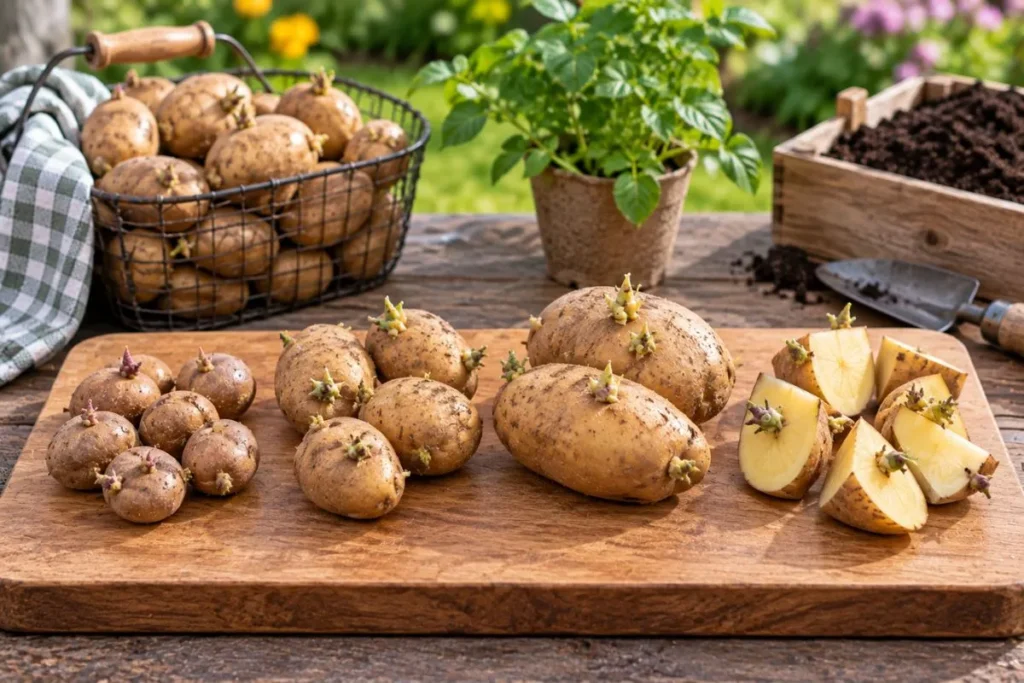
So, when learning how to prepare seed potatoes before planting, don’t rush to cut everything. First inspect the tubers, check their eyes, and decide which ones are strong enough to become part of your potato crop.
What Makes a Potato Ready for Planting?
A good planting potato should be firm, healthy, and free from obvious disease or serious damage. It should also have viable eyes that can produce new shoots. Once you’ve selected the best tubers, you can move on to the actual potato seed preparation process.
This simple selection step is easy to overlook, but it can make the rest of your potato planting much easier. Good preparation starts with good seed.
How to Prepare Potatoes for Planting: Step-by-Step
Many people think how to prepare potatoes for planting means cutting them up and putting them straight into the soil. That shortcut can cause trouble. Proper potato seed preparation is a simple process, but each step matters. You want your potatoes clean, healthy, and ready to grow before planting.
Inspect the Potatoes Carefully
Start by giving every potato a close look. Check for soft spots, wet areas, mold, deep cuts, or signs of rot. Remove any tuber that looks unhealthy instead of trying to save it for planting.
For how to prepare seed potatoes before planting, this inspection is one of the easiest steps to get right. A firm potato with healthy eyes is a much better choice for your potato crop than one that already shows signs of disease or decay.
Clean Off Loose Dirt
If your seed potatoes have soil stuck to them, gently brush away loose dirt. You don’t need to scrub them aggressively or soak them in water. Keeping the potatoes reasonably dry makes the preparation process easier and helps you spot damaged areas.
The goal here is simple: start with clean, dry, healthy tubers before moving on to the next part of preparing potatoes before planting.
Decide Whether to Plant Them Whole or Cut Them
Now look at the size of each potato. Smaller seed potatoes can often be planted whole, while larger potatoes may be divided into potato seed pieces.
If you decide to cut a potato, make sure every piece has at least one healthy eye. Don’t cut a large potato into tiny pieces just to create more planting material. Each piece needs enough stored energy to support early growth.
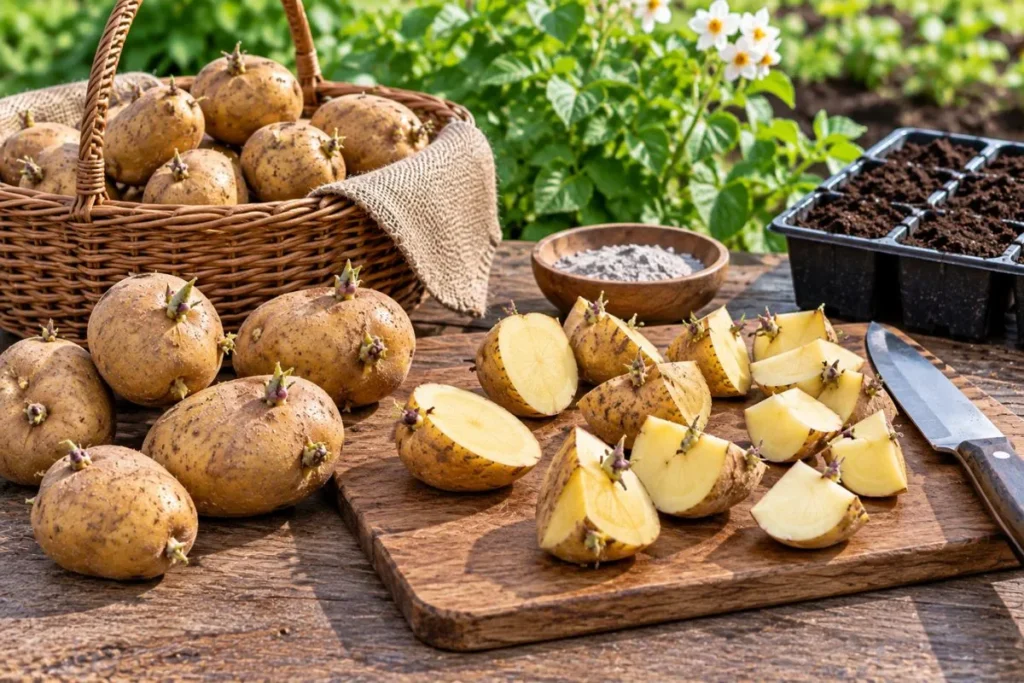
This is an important part of how to prepare potatoes for planting step by step, because the size and quality of each seed piece can affect how well it gets established.
Allow Cut Potatoes to Dry and Cure
Freshly cut potatoes have an exposed surface that needs time to dry and form a protective layer. Instead of planting freshly cut pieces immediately, allow the cut surfaces to dry and toughen under suitable conditions.
This simple step is especially useful when cutting seed potatoes. It helps reduce the risk associated with putting a freshly cut, moist surface directly into the soil.
Position and Protect the Potato Eyes
Before planting, take another quick look at the eyes. Handle the potatoes gently so you don’t knock off or damage the buds that will produce shoots.
If you’ve been preparing potato eyes for planting, the goal isn’t to make every eye sprout at exactly the same time. You simply want viable eyes that can produce healthy growth once planted.
Give Your Prepared Potatoes a Final Check
Before they go into the garden, check each potato or seed piece one more time. It should be firm, reasonably dry, and free from obvious signs of rot or disease. Cut pieces should have properly dried surfaces, while whole potatoes should be ready for planting without unnecessary damage.
That’s the basic process for how to get potatoes ready for planting. Once your seed potatoes are prepared, the next important step is deciding whether you should sprout or “chit” them before planting.
How to Sprout Potatoes Before Planting
Many people believe that you must always sprout potatoes before planting them. That isn’t true. Pre-sprouting, also called chitting, is an optional preparation method, but it can help you start with small, healthy shoots before the potatoes go into the soil. If you have enough time before planting, it can be a useful part of your potato seed preparation.
What Does Pre-Sprouting Potatoes Mean?
Pre-sprouting means allowing your seed potatoes to develop short shoots before planting. These shoots grow from the potato eyes and give the tuber a head start once it reaches suitable soil.
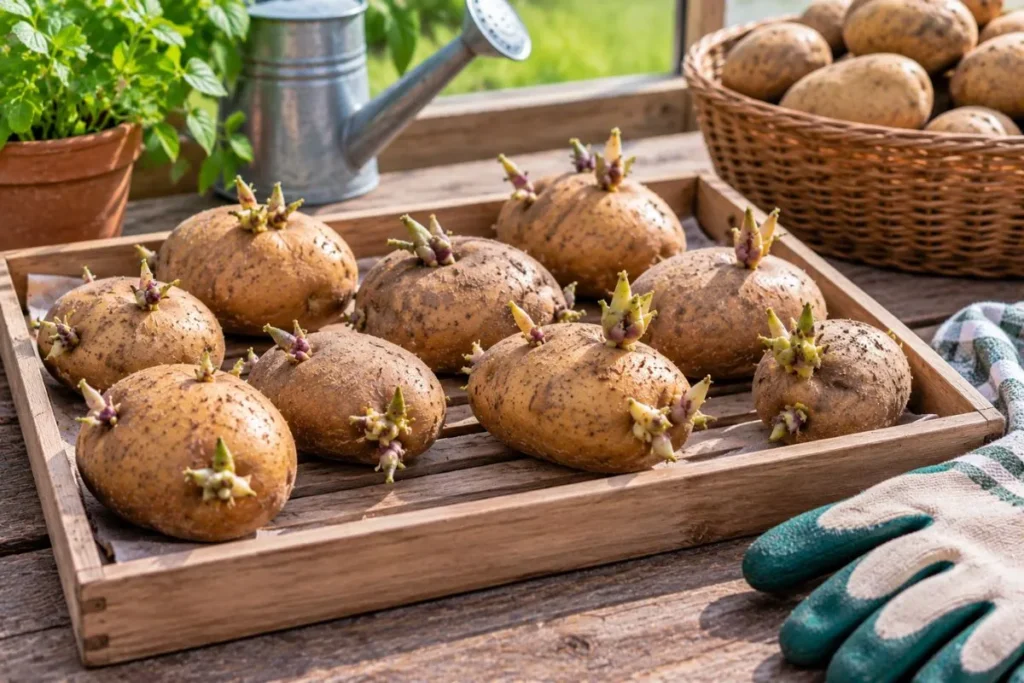
If you’re learning how to sprout potatoes before planting, the process is fairly simple. You place healthy seed potatoes somewhere suitable where they can receive light and develop sturdy sprouts.
The goal isn’t to create long, pale shoots. Instead, you want short, strong growth that can handle planting.
What Is Chitting?
Chitting potatoes is another name for pre-sprouting seed potatoes. Gardeners use this technique to encourage early sprout development before planting.
If you’re wondering how to chit potatoes before planting, begin with healthy seed potatoes. Arrange them in a single layer with the eyes positioned where they can receive light. Keep them in a cool, bright location away from harsh direct sunlight and extreme temperatures.
As the eyes develop, you’ll notice small shoots appearing. This is the sign that your potatoes are becoming ready for planting.
How Long to Sprout Potatoes Before Planting?
The exact timing can vary with potato variety and growing conditions, so there isn’t one perfect number of days for every situation. Generally, give the potatoes enough time to develop short, sturdy sprouts rather than waiting for long growth.
Check them regularly as they sprout. If the shoots become very long, thin, and pale, the conditions may not be ideal. Stronger, compact sprouts are usually more desirable for potato sprouting before planting.
Give Sprouting Potatoes the Right Conditions
Good conditions make a big difference when pre-sprouting potatoes. Keep the seed potatoes somewhere cool, bright, and well ventilated. Avoid a dark cupboard because it can encourage long, weak sprouts.
You also don’t want the potatoes sitting in a damp environment. Excess moisture can encourage decay, which defeats the purpose of preparing healthy seed potatoes.
When Are Sprouted Potatoes Ready to Plant?
Your potatoes are ready for the next step when they have healthy, compact sprouts and your outdoor growing conditions are suitable. Don’t rush them into cold, wet soil simply because sprouts have appeared.
Before planting, handle the tubers carefully. The new shoots can be fragile, and breaking them repeatedly can undo some of the benefit of how to prepare potatoes for planting.
Do You Have to Sprout Potatoes Before Planting?
No. You can plant suitable seed potatoes without pre-sprouting them. Chitting is simply one way to prepare potatoes and encourage early growth before planting.
If you have limited time, planting healthy seed potatoes directly can still be a practical approach. If you have extra preparation time, however, how to sprout potatoes before planting is worth understanding because it gives you another option for getting your crop started.
Frequently Asked Questions
Do You Have to Cut Potatoes Before Planting?
No, you don’t always have to cut potatoes before planting. Smaller seed potatoes can often be planted whole, while larger tubers may be divided into potato seed pieces. If you cut a potato, make sure each piece has at least one healthy eye and enough flesh to support early growth.
Can You Plant Potatoes Without Sprouting Them First?
Yes. Pre-sprouting potatoes is optional. You can plant healthy seed potatoes without chitting them first when the soil and weather are suitable. However, some gardeners prefer how to sprout potatoes before planting because it allows them to start with established shoots.
How Long Should Potatoes Sprout Before Planting?
There is no single perfect time for every variety and growing condition. The goal is to develop short, sturdy sprouts rather than long, thin ones. Check your potatoes regularly and plant them when the sprouts look healthy and your growing conditions are suitable.
Should You Soak Potatoes Before Planting?
Generally, soaking isn’t necessary as part of normal potato seed preparation. Start with healthy, reasonably dry seed potatoes and prepare them according to whether you’re planting them whole or cutting them into pieces.
How Many Eyes Should a Seed Potato Have?
A seed potato should have at least one healthy, viable eye if you’re cutting it into a planting piece. Having several healthy eyes gives you more flexibility when dividing larger potatoes. Avoid damaging the eyes because they are the points from which new shoots develop.
Can You Plant a Whole Potato?
Yes, you can plant a whole potato when it is an appropriate size and healthy. Smaller tubers are often convenient to plant whole. Larger potatoes may be divided into pieces to make better use of the available planting material.
How Do You Cut Potatoes for Planting?
Use a clean, sharp knife to divide larger potatoes into suitable seed potato pieces. Make sure each piece contains at least one healthy eye and isn’t excessively small. After cutting, allow the exposed surfaces to dry and form a protective layer before planting.
How Long Should Cut Potatoes Sit Before Planting?
Cut potatoes should be given enough time for their cut surfaces to dry and toughen before they are planted. The exact time depends on the conditions around them. Avoid putting freshly cut, wet surfaces directly into cold or overly wet soil.
What Is the Best Way to Prepare Seed Potatoes for Planting?
The best approach is straightforward: choose healthy seed potatoes, inspect them carefully, decide whether to plant them whole or cut them, and allow cut pieces to properly dry before planting. You can also use chitting potatoes if you want to pre-sprout them.
Can Grocery-Store Potatoes Be Used for Planting?
They can sometimes grow, but they aren’t always the best choice for a reliable potato crop. Grocery-store potatoes may be treated to slow sprouting, and their disease status may not be known. Purpose-grown seed potatoes are generally a better option for planting.
Conclusion:
Preparing potatoes for planting doesn’t have to be complicated. Start with healthy seed potatoes, check the eyes, and decide whether to plant them whole or cut them into suitable pieces.
If you choose to sprout them first, aim for short, strong sprouts rather than long, weak growth.
When you take a little extra time to prepare your potatoes properly, you give them a better start before they enter the soil.
Combine good potato preparation for planting with suitable soil, proper planting depth, enough space, and consistent care, and you’ll be well on your way to growing a healthy potato crop.

Plant Nest Blog’s author is passionate about plants, gardening, and sustainable living. Through research and practical experience, they share helpful plant care tips, gardening guides, and easy solutions to help readers grow healthier plants and create greener spaces.