
It’s easy to think that growing zucchini is as simple as putting seeds in the ground and waiting for them to grow. That’s one of the biggest gardening myths.
The best way to plant zucchini involves choosing the right location, preparing healthy soil, and giving your plants the proper care from the very beginning. A few simple steps can make the difference between weak plants and a garden full of fresh zucchini.
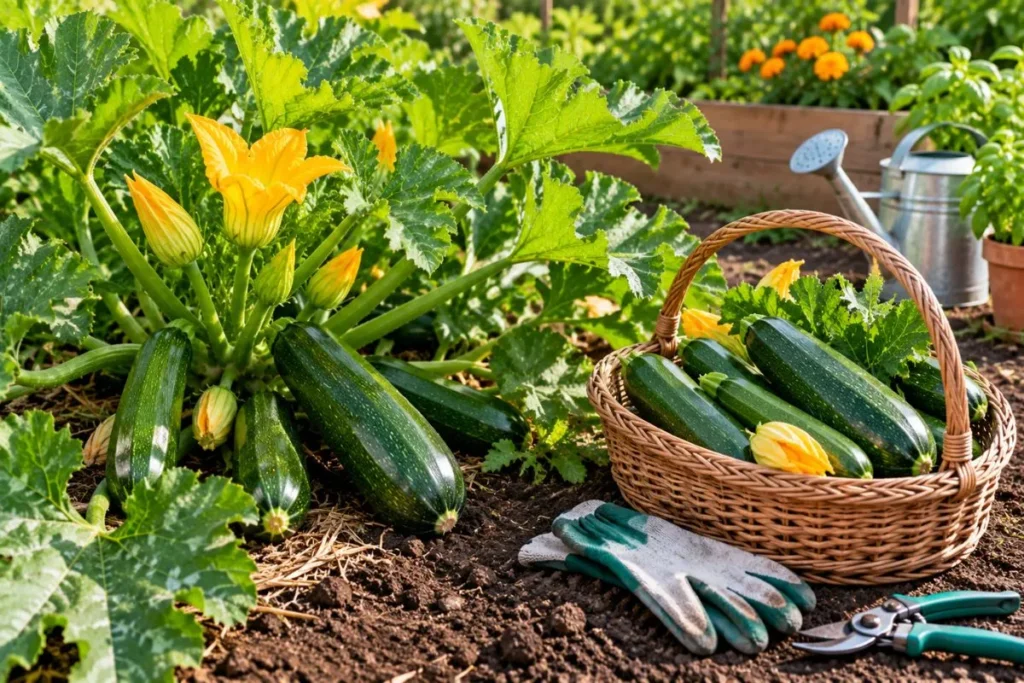
If you’re wondering how to plant zucchini successfully, you’re in the right place. Whether you’re new to planting zucchini or want to improve your harvest, this guide will walk you through everything you need to know.
From choosing the best planting time to caring for your plants, you’ll learn practical tips to grow zucchini that is healthy, productive, and easy to maintain.
Why Planting Zucchini the Right Way Matters
Healthy Planting Leads to Bigger Harvests
Using the best way to plant zucchini gives your plants the strongest possible start. Healthy roots absorb water and nutrients more efficiently, helping the plants grow faster and produce more vegetables throughout the season.
Following a proper zucchini planting guide also reduces the chances of common growing problems and helps you enjoy a longer harvest.
Whether you’re creating a small backyard garden or a large vegetable patch, good planting techniques are the foundation of healthy zucchini plants.
Strong Roots Mean Stronger Plants
Every successful zucchini plant starts below the soil. Strong roots allow the plant to absorb moisture and nutrients while staying stable during windy weather. When roots develop properly, the plant produces healthier leaves, stronger stems, and more flowers that eventually become zucchini.
This is why experienced gardeners always focus on proper soil preparation before planting zucchini, rather than rushing to sow the seeds.
Sunlight, Soil, and Spacing Make a Big Difference
Zucchini plants need the right growing conditions to thrive. They grow best in a sunny location that receives at least six to eight hours of direct sunlight each day. Good sunlight encourages healthy growth, improves flowering, and helps produce a larger harvest.
Soil quality is equally important. Rich, fertile, and well-drained soil gives zucchini plants the nutrients they need while preventing water from collecting around the roots.
Proper spacing also improves airflow between plants, reducing the risk of diseases and allowing each plant enough room to spread naturally.
These simple factors play a major role in every successful zucchini growing guide and are essential for anyone looking to achieve the best way to plant zucchini for beginners.
Common Mistakes Beginners Should Avoid
Many gardeners make small mistakes that can affect their zucchini harvest. One of the most common errors is planting too early when the soil is still cold. Another mistake is placing plants too close together, which limits airflow and increases the chance of fungal diseases.
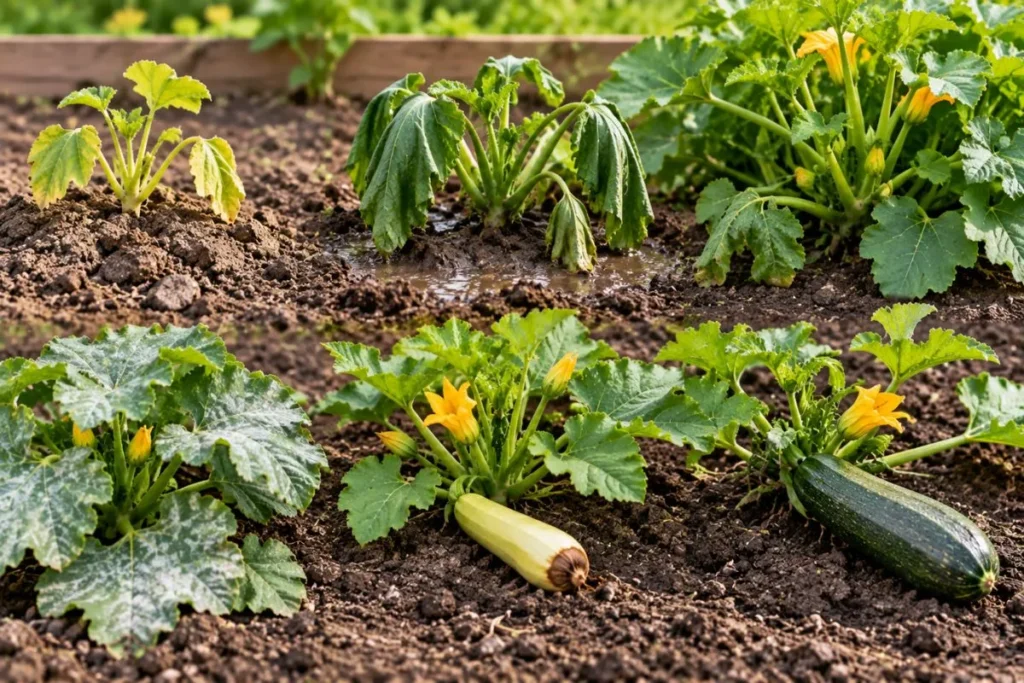
Overwatering is another issue that can weaken roots and slow growth. At the same time, planting zucchini in shaded areas often results in fewer flowers and smaller harvests because the plants don’t receive enough sunlight.
By avoiding these common mistakes and following proven zucchini growing tips, you’ll give your plants the best chance to grow strong, stay healthy, and produce plenty of delicious zucchini throughout the growing season.
Best Time to Plant Zucchini
Many people think they can plant zucchini at any time of the year and still get a great harvest. That’s not true. Even if you follow the best way to plant zucchini, planting at the wrong time can lead to poor germination, slow growth, or damaged plants.
Choosing the right planting season is one of the most important steps toward growing healthy and productive zucchini.
When Is the Best Time to Plant Zucchini?
The best time to plant zucchini is during spring after the last frost has passed. Zucchini is a warm-season vegetable that grows best when both the air and soil are warm.
Cold temperatures can damage young plants and slow down zucchini seed germination, so it’s important to wait until the weather becomes consistently mild.
If you live in a warmer climate, you may also be able to plant zucchini in early summer for another productive harvest. Starting at the right time gives your plants a better chance to grow quickly and produce plenty of fresh vegetables.
Check the Soil Temperature Before Planting
One of the biggest secrets to how to plant zucchini successfully is checking the soil temperature instead of relying only on the calendar. Zucchini seeds germinate best when the soil temperature is around 60°F to 70°F (16°C to 21°C) or higher.
Planting in cold soil often results in slow or uneven germination. Warm soil encourages stronger roots, faster growth, and healthier seedlings, making it an essential part of the best way to plant zucchini.
Spring vs. Summer Planting
Spring is usually the most popular season for planting zucchini because the warming weather creates ideal growing conditions. Plants started in spring often have a long growing season, allowing them to produce zucchini for several weeks.
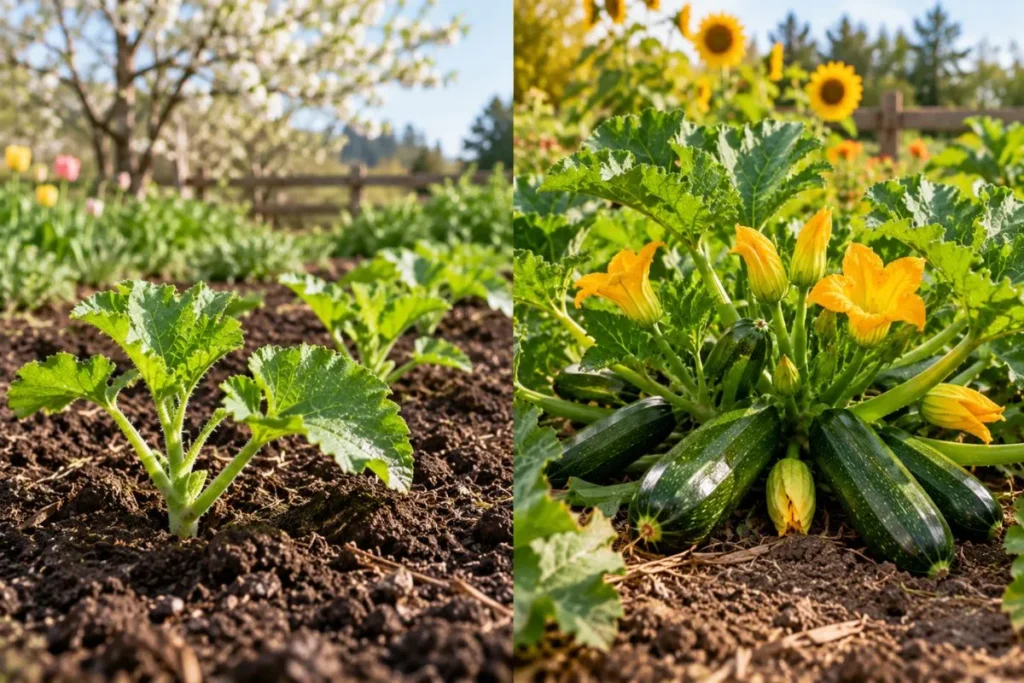
Summer planting can also be successful, especially in regions with a long warm season. However, it’s best to plant early in the summer so the plants have enough time to mature before cooler weather arrives. In very hot areas, providing regular watering and mulch can help protect plants from excessive heat.
Consider Your Local Climate
Your local climate has a big impact on when you should plant zucchini. Gardeners in cooler regions may need to wait until late spring because frost can damage young plants. In warmer regions, planting can often begin earlier, and some areas may even support multiple planting cycles in a single year.
Understanding your local weather patterns helps you choose the right planting time and increases your chances of growing zucchini successfully.
Why Frost Is a Serious Problem
Zucchini plants are very sensitive to frost. Even a light frost can damage leaves, stunt growth, or kill young seedlings. That’s why experienced gardeners recommend waiting until all danger of frost has passed before sowing seeds or transplanting seedlings.
If an unexpected cold night is forecast after planting, covering young plants with frost cloth or lightweight garden fabric can provide temporary protection until temperatures rise again.
How to Know You’re Planting at the Right Time
You’ll know it’s the right time to plant when the soil feels warm, nighttime temperatures remain consistently above 50°F (10°C), and there is no longer any risk of frost. These conditions encourage healthy growth and give your zucchini plants the best possible start.
Following the best way to plant zucchini begins with planting at the right time. When you combine the correct season with warm soil and suitable weather, you’ll enjoy stronger plants, healthier growth, and a more productive harvest throughout the growing season.
Choose the Best Location for Growing Zucchini
Many people believe that zucchini plants will grow well in any empty spot in the garden. Unfortunately, that’s not true. Even if you follow the best way to plant zucchini, choosing the wrong location can result in weak plants, fewer flowers, and a disappointing harvest.
The right location gives your zucchini the sunlight, space, and growing conditions it needs to thrive.
Give Your Zucchini Plenty of Sunlight
One of the most important zucchini sunlight requirements is full sun. Zucchini plants need at least 6 to 8 hours of direct sunlight every day to grow healthy leaves, produce flowers, and develop high-quality fruit.
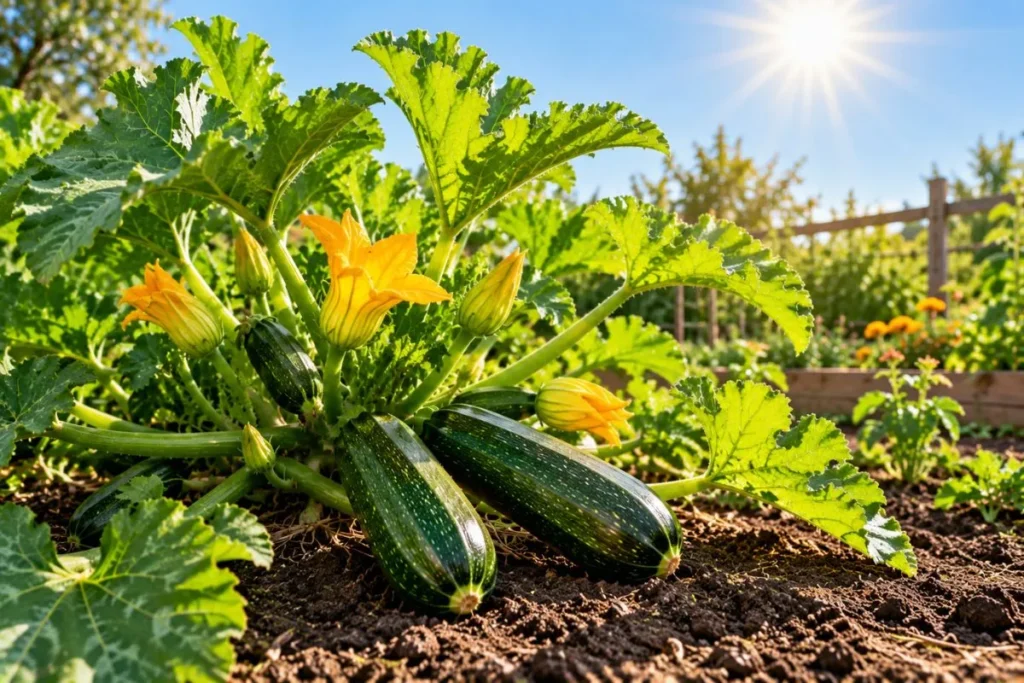
A sunny location helps the soil warm up faster, supports strong plant growth, and increases the chances of a larger harvest. If your garden receives more than eight hours of sunlight, that’s even better, as long as the plants receive enough water during hot weather.
Choose a Spot With Good Air Circulation
Good airflow is often overlooked, but it plays a major role in growing healthy zucchini. When air moves freely around the plants, leaves dry more quickly after rain or watering, reducing the risk of fungal diseases such as powdery mildew.
Avoid planting zucchini too close to fences, walls, or large shrubs that block airflow. Leaving enough open space around each plant helps maintain a healthier growing environment throughout the season.
Make Sure Your Plants Have Enough Space
Zucchini plants spread much more than many beginners expect. Their large leaves and wide growth habit mean they need plenty of room to grow without competing for sunlight, water, or nutrients.
Whether you’re creating a backyard zucchini garden or adding zucchini to your home vegetable garden, choose an area where each plant has enough space to expand comfortably. Proper spacing also makes watering, weeding, and harvesting much easier.
Avoid Low Areas That Hold Water
Zucchini grows best in soil that drains well. Areas where water collects after rain should be avoided because constantly wet soil can damage the roots and increase the risk of plant diseases.
Instead, choose a slightly elevated or level location where excess water drains away naturally. Healthy roots are essential if you want to grow zucchini successfully and enjoy a productive harvest.
Think About Convenience Before You Plant
It’s also a good idea to choose a location that’s easy to access. Since zucchini plants need regular watering, occasional feeding, and frequent harvesting, planting them near a water source or along a garden path makes maintenance much simpler.
If you’re growing zucchini in a family garden, placing the plants where they’ll receive daily attention also helps you spot pests or diseases before they become serious problems.
The Ideal Location for Healthy Zucchini Plants
The best way to plant zucchini starts with selecting the perfect location. Look for a sunny area with well-drained soil, good airflow, and enough room for the plants to spread naturally.
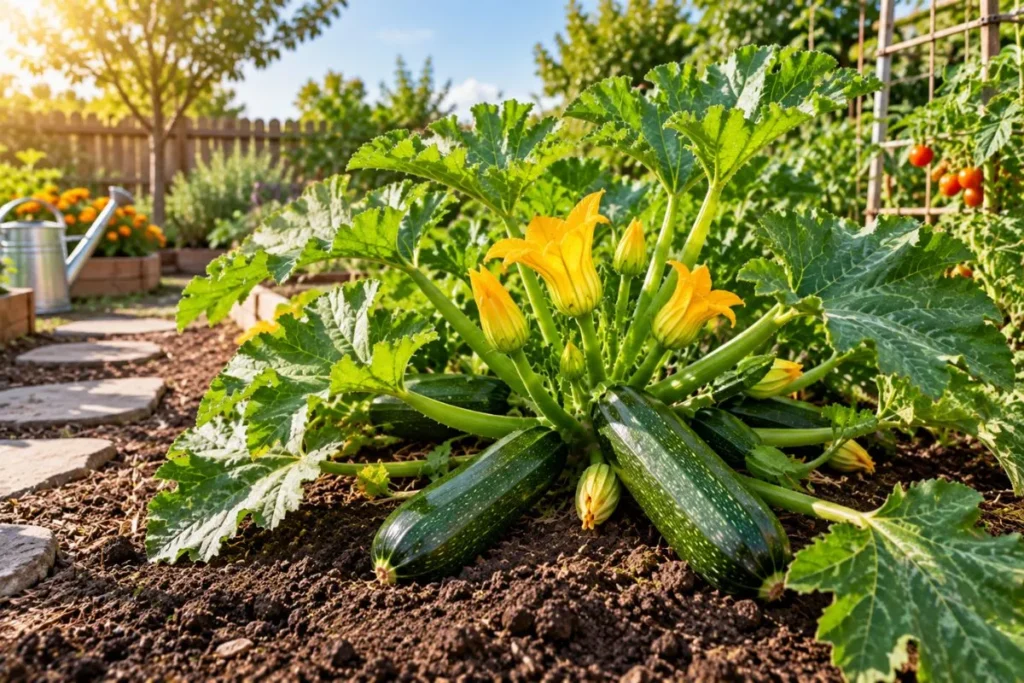
Whether you’re planting in a backyard, raised bed, or home vegetable garden, choosing the right spot gives your zucchini the best chance to grow strong, stay healthy, and produce an abundant harvest throughout the season.
Best Soil for Planting Zucchini
Many gardeners believe that zucchini can grow in any type of soil. While zucchini is a hardy vegetable, that’s not completely true. Even if you know the best way to plant zucchini, poor soil can lead to slow growth, weak plants, and a smaller harvest.
Preparing the right soil before planting gives your zucchini the nutrients and support it needs to thrive.
Choose Well-Drained, Fertile Soil
The best soil for planting zucchini plants is loose, fertile, and well-drained. Zucchini roots need enough oxygen to grow, so soil that stays waterlogged for long periods can cause root problems and reduce plant health.
Adding organic matter, such as compost or well-rotted manure, improves soil structure and provides essential nutrients. This creates the ideal environment for healthy root development and supports strong plant growth throughout the season.
Maintain the Right Soil pH
Zucchini grows best in slightly acidic to neutral soil with a pH between 6.0 and 7.0. Soil within this range allows the plant to absorb nutrients more efficiently, leading to healthier leaves, stronger stems, and better fruit production.
If you’re unsure about your garden’s soil pH, using a simple soil test kit can help you determine whether any adjustments are needed before planting.
Improve Poor Soil Before Planting
Not every garden starts with perfect soil, but that doesn’t mean you can’t grow healthy zucchini. If your soil is heavy clay, mixing in compost and coarse organic material will improve drainage and make it easier for roots to spread.
If your soil is too sandy, adding compost helps it hold moisture and nutrients for longer. Improving the soil before planting zucchini is one of the easiest ways to increase your chances of a successful harvest.
Good Drainage Is Essential
One of the most important parts of the best way to plant zucchini is ensuring proper drainage. Zucchini roots don’t like sitting in soggy soil because excess moisture can encourage fungal diseases and root rot.
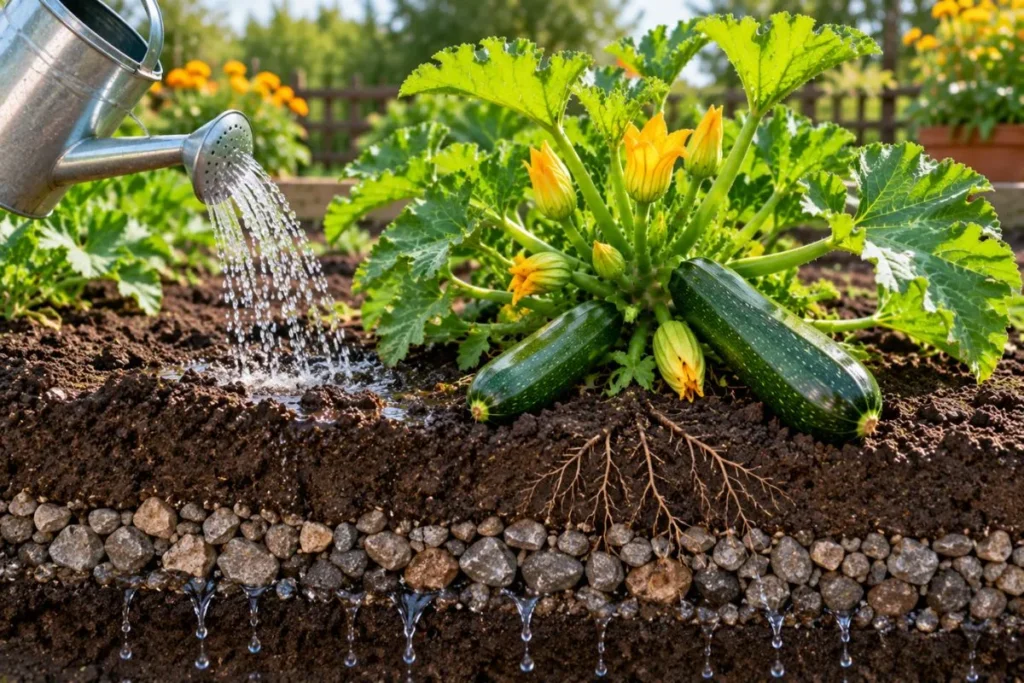
A well-drained garden bed or raised bed allows water to flow away naturally while keeping enough moisture available for healthy growth. If your garden has drainage problems, consider planting zucchini in raised beds or large containers filled with high-quality soil.
Add Organic Matter for Stronger Plants
Organic matter plays a key role in organic zucchini growing. Compost enriches the soil with nutrients, improves its texture, and encourages beneficial microorganisms that support plant health.
Working compost into the soil before planting creates a rich growing environment and reduces the need for excessive fertilizers later in the season. Healthy soil also helps produce healthy zucchini plants with stronger roots and better resistance to stress.
Prepare the Soil Before Sowing Seeds
Good garden soil preparation begins a few weeks before planting. Remove weeds, rocks, and old plant debris from the area. Loosen the soil to a depth of about 8 to 12 inches so roots can grow freely.
Then mix in compost or other organic matter to improve fertility and drainage.
Taking the time to prepare your soil properly gives zucchini seeds the best possible start and encourages faster establishment once they begin growing.
The Foundation of a Productive Zucchini Garden
Healthy soil is the foundation of every successful zucchini growing guide. When you provide fertile, well-drained soil with the right pH and plenty of organic matter, your plants will develop stronger roots, healthier foliage, and produce more zucchini throughout the season.
By focusing on the best soil for planting zucchini plants, you’re setting yourself up for a productive garden and making the best way to plant zucchini even more successful.
Frequently Asked Questions (FAQ)
What is the best way to plant zucchini?
The best way to plant zucchini is to choose a sunny location, prepare fertile and well-drained soil, plant seeds after the last frost, and provide regular watering.
Giving the plants enough space to grow and following a consistent care routine will help you produce healthy, high-yield zucchini throughout the season.
How deep should zucchini seeds be planted?
Zucchini seeds should be planted about 1 inch (2.5 cm) deep in warm, moist soil. Planting them too deep may slow germination, while planting them too shallow can expose the seeds to drying out or being eaten by birds.
When is the best time to plant zucchini?
The ideal time to plant zucchini is in spring after the danger of frost has passed and the soil has warmed to at least 60°F (16°C). Warm soil encourages faster germination and stronger plant growth, making it easier to grow zucchini successfully.
Can zucchini grow in containers?
Yes. Zucchini grows well in large containers as long as they have good drainage and receive plenty of sunlight. Choose a container that is at least 18 to 24 inches wide and deep to give the roots enough room to develop. Regular watering and feeding are especially important for container-grown plants.
How much sunlight does zucchini need?
Zucchini plants need 6 to 8 hours of direct sunlight every day. Plenty of sunlight helps the plants produce healthy leaves, strong stems, and a larger harvest. Growing zucchini in a sunny location is one of the most important parts of any zucchini growing guide.
How often should zucchini be watered?
Water zucchini deeply about one to two times per week, depending on rainfall and temperature. The goal is to keep the soil consistently moist but not soggy. Watering at the base of the plant instead of overhead also helps reduce the risk of fungal diseases.
What is the best fertilizer for zucchini?
A balanced fertilizer or well-rotted compost works well for zucchini plants. Feeding them during active growth supports healthy leaves, flowers, and fruit production. Organic fertilizers are also an excellent choice for gardeners who prefer organic zucchini growing.
How far apart should zucchini plants be?
Most zucchini plants should be spaced 2 to 3 feet apart, with rows about 3 to 4 feet apart. Proper spacing improves airflow, allows plants to spread naturally, and reduces competition for nutrients and sunlight.
Can zucchini be grown in raised beds?
Absolutely. Raised beds provide excellent drainage, improve soil quality, and make plant care easier. They are a great option for gardeners with heavy clay soil or limited garden space.
Why are my zucchini plants not producing fruit?
Poor fruit production can happen for several reasons, including inadequate pollination, too little sunlight, improper watering, nutrient deficiencies, or extreme temperatures. Regular plant care and proper growing conditions usually solve most of these problems and help produce healthier, more productive plants.
Conclusion
Growing zucchini doesn’t have to be difficult. By following the best way to plant zucchini, you can give your plants everything they need to thrive from the very beginning.
Choosing the right planting time, preparing fertile soil, providing enough sunlight, and maintaining proper watering are all simple steps that lead to healthier plants and a bigger harvest.
One of the biggest secrets to success is consistency. Healthy zucchini plants don’t require complicated care, but they do benefit from regular attention. Checking soil moisture, feeding your plants when needed, removing weeds, and harvesting zucchini at the right time will keep your plants productive throughout the growing season.
If you’re new to gardening, don’t feel overwhelmed. Start with just a few plants and apply the tips you’ve learned in this zucchini growing guide. As your confidence grows, you’ll find that zucchini is one of the easiest vegetables to grow and one of the most rewarding crops to harvest.
Whether you’re planting in a backyard garden, raised bed, or container, following the best way to plant zucchini will help you grow zucchini that is healthy, productive, and full of flavor.
With the right care and a little patience, you’ll soon enjoy a steady supply of fresh, homegrown zucchini for your favorite recipes all season long.

Plant Nest Blog’s author is passionate about plants, gardening, and sustainable living. Through research and practical experience, they share helpful plant care tips, gardening guides, and easy solutions to help readers grow healthier plants and create greener spaces.