
Many people think saving sunflower seeds is difficult or that you can simply collect any seed from a sunflower and expect it to grow next year. That’s not true.
To get healthy plants, you need to harvest mature seeds, dry them properly, and store them the right way. A little extra care now can make a big difference when it’s time to plant again.
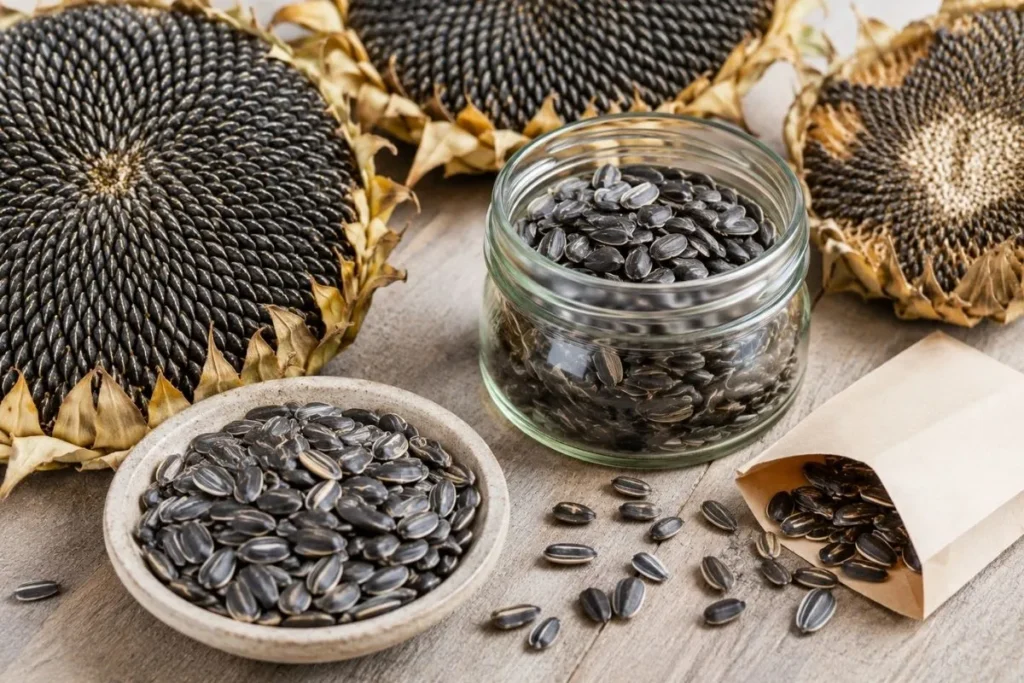
If you’re wondering how to save sunflower seeds to plant, the good news is that the process is simple and beginner-friendly.
By saving sunflower seeds for planting, you can save money, preserve your favorite sunflower varieties, and enjoy beautiful blooms year after year.
In this guide, you’ll learn how to collect sunflower seeds for planting, dry them correctly, store them safely, and prepare them for the next growing season.
How to Save Sunflower Seeds to Plant
The easiest way to save sunflower seeds to plant next year is to let the sunflower head fully mature before harvesting. Once the flower begins to dry naturally, remove the seeds, clean away any plant debris, and let them air dry completely.
After they’re fully dry, store the seeds in a cool, dark, and dry place until you’re ready to plant them.
Learning how to harvest sunflower seeds for planting is important because harvesting too early can result in immature seeds that may not germinate well.
Likewise, if you skip the drying process or store seeds in a damp area, mold can develop and ruin your entire seed collection.
Following the correct steps helps protect sunflower seed viability and gives you a much better chance of growing strong, healthy plants next season.
Whether you’re growing traditional yellow sunflowers or heirloom sunflower seeds, proper seed saving keeps your favorite varieties going year after year.
Quick Step-by-Step Guide
| Step | What to Do |
| Wait | Allow the sunflower head to fully mature on the plant. |
| Harvest | Cut the flower head when the back turns brown and the seeds are fully developed. |
| Remove | Gently collect the healthy seeds from the flower head. |
| Dry | Air dry the seeds for several days until all moisture is gone. |
| Store | Place the seeds in a paper envelope, glass jar, or airtight container and keep them in a cool, dry place. |
| Plant | Sow the saved seeds during the next growing season after the risk of frost has passed. |
Using this simple process is the best way to save sunflower seeds for next season. It keeps the seeds healthy, improves germination, and makes planting much easier when spring arrives.
Why Proper Seed Saving Matters
Saving seeds isn’t just about collecting them from the flower head. Each step from harvesting to storage plays an important role in keeping the seeds healthy.
Proper drying helps prevent mold, while good storage conditions protect the seeds from moisture, pests, and temperature changes.
When you know how to dry sunflower seeds before planting and how to store sunflower seeds for planting, you’ll enjoy higher germination rates and stronger plants.
With the right care, your homegrown sunflower seeds can remain viable for several years, giving you an easy and cost-effective way to grow beautiful sunflowers season after season.
Why Should You Save Sunflower Seeds?
Some gardeners believe it’s easier to buy new sunflower seeds every year than to save their own. While buying seeds is convenient, it’s not always the smartest choice.
Learning how to save sunflower seeds to plant gives you more control over the quality of your plants, helps you cut gardening costs, and allows you to grow the same beautiful sunflowers season after season.
Whether you’re a beginner or an experienced gardener, saving sunflower seeds for planting is a simple habit that offers long-term benefits. Here are the biggest reasons why it’s worth doing.
Save Money Every Season
One of the biggest advantages of sunflower seed saving is the money you’ll save. Instead of purchasing new seed packets every spring, you can collect healthy seeds from your own garden and use them the following year.
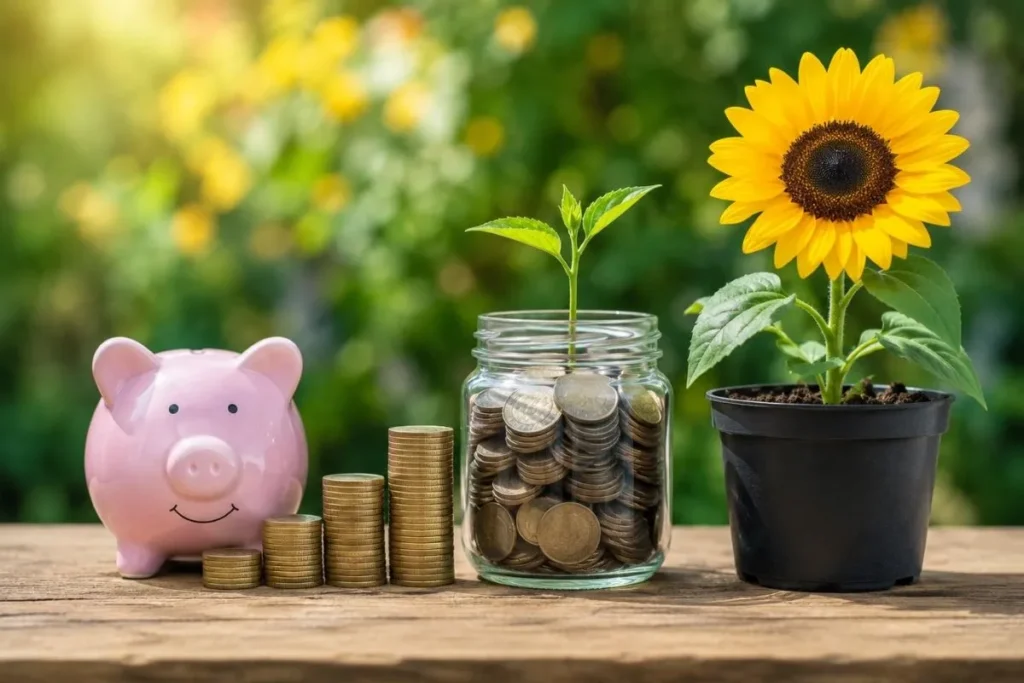
If you grow several sunflower plants, you’ll likely harvest hundreds of seeds from just a few flower heads. That means one successful growing season can provide enough seeds for next year’s garden and often even more to share with family and friends.
Saving your own seeds is especially helpful if you enjoy growing large sunflower patches or planting flowers around your yard every season. It’s an easy way to reduce gardening expenses without sacrificing quality.
Grow the Same Beautiful Flowers
Not all sunflower varieties look the same. Some produce giant blooms, while others have unique colors like red, orange, bronze, or creamy white. When you save sunflower seeds from healthy plants, you increase the chances of growing flowers with similar characteristics the following season.
This is especially useful if you’ve found a sunflower variety that performs well in your garden. By collecting seeds from your strongest plants, you can continue enjoying the same flower size, color, and overall appearance year after year.
Keep in mind that open-pollinated varieties usually produce plants that closely resemble their parent plants. Hybrid varieties, however, may not always grow with the same characteristics.
Preserve Heirloom Varieties
If you’re growing heirloom sunflower seeds, saving them is one of the best ways to preserve those unique varieties for future seasons.
Heirloom sunflowers are open-pollinated sunflower seeds, meaning they naturally produce offspring that stay true to the original plant when grown under suitable conditions.
These varieties have often been passed down through generations because of their beautiful blooms, strong growth, and reliable performance.
By learning how to save heirloom sunflower seeds, you’re helping protect plant diversity while ensuring your favorite varieties remain available in your own garden for years to come.
Many gardeners prefer heirloom sunflowers because they produce reliable seeds, attract pollinators, and often adapt well to local growing conditions.
Enjoy Sustainable Gardening
Saving your own sunflower seeds is also an environmentally friendly gardening practice. Instead of buying new packets every season, you reuse what your garden naturally produces.
This simple habit helps reduce packaging waste, lowers the demand for commercially packaged seeds, and supports a more sustainable way of gardening. It also encourages gardeners to rely more on natural growing cycles rather than constantly purchasing new supplies.
Growing flowers from your own homegrown sunflower seeds creates a rewarding gardening experience. Watching a sunflower bloom from a seed you saved the previous year adds a personal connection that store-bought seeds simply can’t match.
In addition, collecting your own seeds gives you greater confidence as a gardener. Over time, you’ll become better at selecting healthy plants, identifying mature seeds, and improving your overall seed saving techniques.
Whether your goal is to save money, preserve heirloom varieties, or make your garden more sustainable, learning how to save sunflower seeds to plant next year is a valuable skill that pays off every growing season.
When to Harvest Sunflower Seeds
Many gardeners believe they should harvest sunflower seeds as soon as the flower starts to fade. That’s a common mistake. Picking the flower head too early often means the seeds haven’t fully developed, which can lead to poor germination or seeds that won’t grow at all.
If you want healthy plants next season, timing is just as important as knowing how to save sunflower seeds to plant.
The best time to collect seeds is when the sunflower has finished most of its growing cycle and the seeds have fully matured. Learning when to harvest sunflower seeds ensures you collect strong, healthy seeds that are ready for storage and planting.
Signs Your Sunflower Is Ready
Before you harvest, it’s important to check whether the sunflower has reached full maturity. A few simple signs will tell you when it’s the right time.
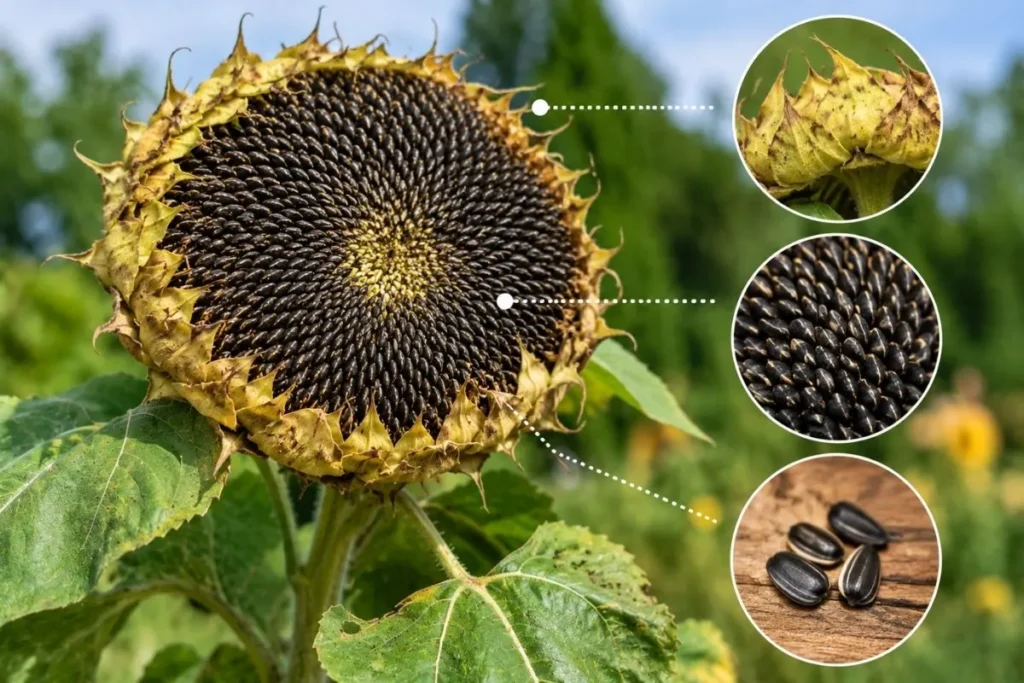
The Back of the Flower Head Turns Brown
One of the easiest signs is the color of the flower head. When the back changes from green to yellow and finally to brown, the seeds are usually close to being ready.
A brown flower head indicates the plant has finished sending nutrients to the seeds, allowing them to mature naturally.
The Petals Have Dried and Fallen Off
Fresh sunflowers have bright yellow petals surrounding the flower head. As the plant matures, these petals begin to dry, wilt, and eventually fall away.
Once most of the petals have disappeared, it’s a good indication that the seeds are nearing harvest time.
The Seeds Look Plump and Full
Take a close look at the seeds. Mature sunflower seeds are firm, well-developed, and usually display their natural black-and-white or solid-colored patterns, depending on the variety.
If the seeds still appear small, soft, or pale, give them more time to mature before harvesting.
The Seeds Loosen Easily
Another simple test is to gently rub the flower head with your hand. If a few seeds come out easily without much effort, the sunflower is likely ready for harvesting.
Avoid pulling seeds that are still tightly attached, as they may not have fully matured.
The Stem Starts Turning Yellow or Brown
As the sunflower reaches the end of its life cycle, the stem begins to lose its bright green color. A yellowing or browning stem is another reliable sign that it’s almost time to collect the seeds.
Checking all of these signs together is the best way to know when to collect sunflower seeds for planting.
Best Time of Year to Harvest Sunflower Seeds
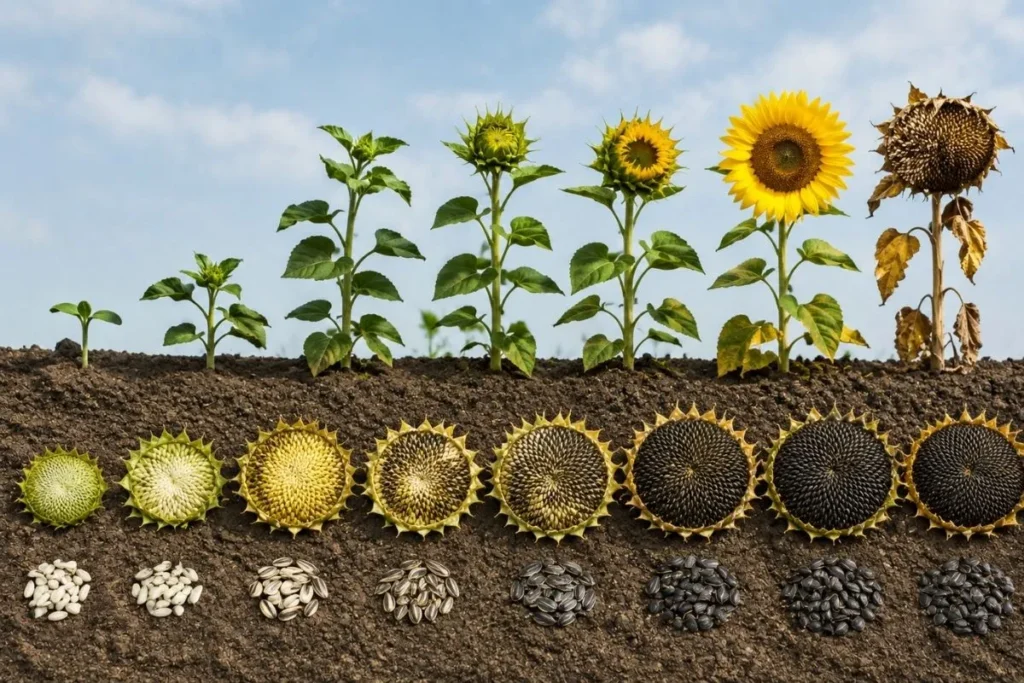
The exact harvesting time depends on your local climate and when your sunflowers were planted. In most regions, the best time to harvest sunflower seeds is from late summer to early fall.
Most sunflower varieties are ready about 80 to 120 days after planting, although this can vary depending on the variety and growing conditions.
Here are some general guidelines:
- Warm climates: Harvest usually begins in late summer.
- Cooler climates: Harvest often takes place during early to mid-fall.
- Late-planted sunflowers: They may need a few extra weeks before the seeds fully mature.
Instead of relying only on the calendar, always check the condition of the sunflower flower heads. Natural signs of maturity are much more reliable than harvesting based on dates alone.
If birds are frequently visiting your sunflowers, you may need to protect the flower heads with a paper bag or garden mesh while waiting for the seeds to mature. This allows the seeds to finish developing without becoming bird food.
Why Harvesting Too Early Is a Mistake
Harvesting sunflower seeds before they’re fully mature is one of the most common gardening mistakes.
Immature seeds often contain too much moisture and haven’t stored enough nutrients to support healthy germination. Even if they look almost ready, they may fail to sprout when planted the following season.
Harvesting too early can also cause several other problems, including:
- Lower germination rates.
- Smaller and weaker seedlings.
- Poor seed quality.
- Increased risk of mold during storage.
- Shorter seed lifespan.
Waiting just a little longer allows the seeds to naturally finish developing on the plant. This simple step greatly improves sunflower seed viability and increases your chances of growing strong, healthy plants next year.
If your goal is how to save sunflower seeds to plant next year, patience is one of the most valuable tools you have. Allowing the seeds to mature naturally before harvesting gives you the best possible results and makes the rest of the seed-saving process much easier.
How to Harvest Sunflower Seeds for Planting
Many people think harvesting sunflower seeds simply means cutting off the flower head and removing the seeds right away. While that might work for eating seeds, it’s not the best method if you plan to grow new sunflowers.
If you want healthy plants next season, you need to know how to harvest sunflower seeds for planting without damaging the seeds.
The good news is that the process is simple. With a few basic tools and the right technique, you can collect strong, healthy seeds that are ready for drying and storage.
Tools You’ll Need
Before you begin, gather a few simple gardening tools. Having everything ready makes the harvesting process quicker and helps protect the seeds from damage.
Garden Scissors or Pruning Shears
Use clean, sharp garden scissors or pruning shears to cut the mature sunflower head from the stem. A clean cut reduces damage to the flower head and makes it easier to handle.
Paper Bag
A paper bag is one of the best tools for collecting sunflower seeds. It allows air to circulate while preventing seeds from falling onto the ground. Unlike plastic bags, paper bags don’t trap moisture, which helps keep the seeds in good condition.
Gardening Gloves
Although not essential, gardening gloves protect your hands from rough stems and make it easier to grip large sunflower heads during harvesting.
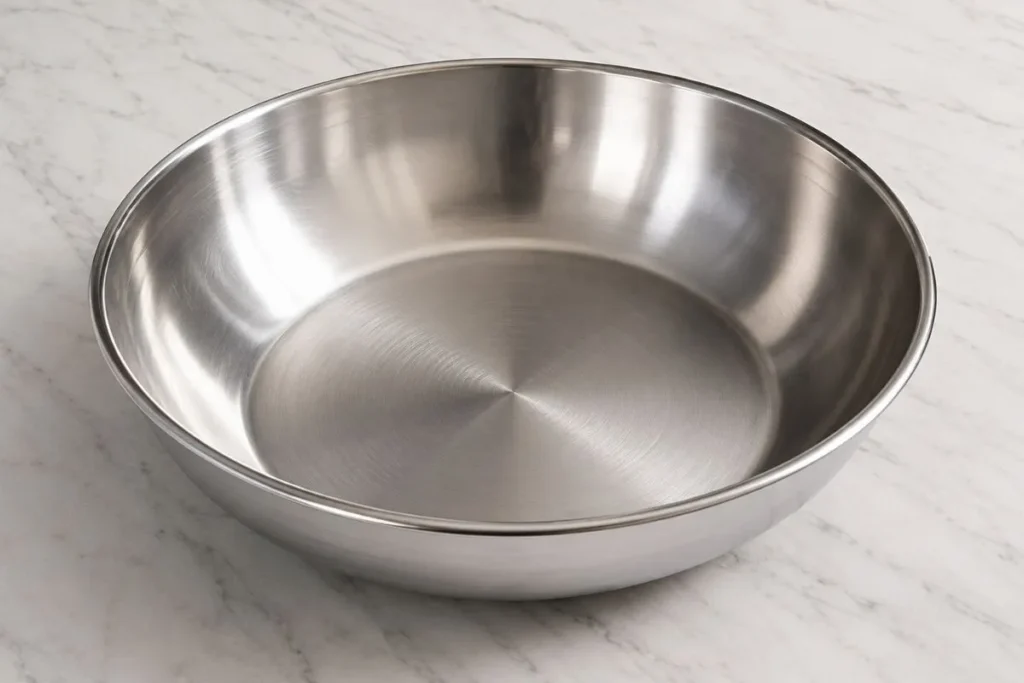
Tray or Large Bowl
A tray or bowl provides a clean surface for removing and sorting the seeds. It also prevents seeds from getting lost while you work.
Clean Cloth or Paper Towels
After collecting the seeds, use a clean cloth or paper towels to remove dust, loose flower pieces, and other debris before drying them.
Having these simple tools ready makes sunflower seed harvesting much easier and helps ensure you collect high-quality seeds for planting.
Step-by-Step Harvesting Process
Once your sunflower has fully matured, you’re ready to collect the seeds. Follow these easy steps to harvest them properly.
Cut the Flower Head
Using clean pruning shears, cut the sunflower head about 6 to 12 inches below the flower. Leaving a short section of stem makes the flower easier to hold while removing the seeds.
If rain is expected, harvest the flower heads before wet weather arrives to reduce the risk of mold.
Remove the Seeds
Place the flower head over a tray or large bowl. Rub the center of the flower gently with your hand or thumb. Mature seeds should loosen easily and fall into the container.
If some seeds remain attached, don’t force them. Instead, allow the flower head to dry for a few more days before trying again.
This is one of the easiest ways to collect sunflower seeds for planting without damaging them.
Clean the Seeds
After removing the seeds, you’ll notice small flower pieces, dried petals, and other debris mixed in.
Separate the healthy seeds from the plant material by hand. Discard any damaged, cracked, or empty seeds since they are less likely to germinate successfully.
Cleaning the seeds now helps improve storage quality and makes the next steps much easier.
Sort the Healthy Seeds
Take a few minutes to inspect the seeds carefully.
Healthy sunflower seeds usually have these characteristics:
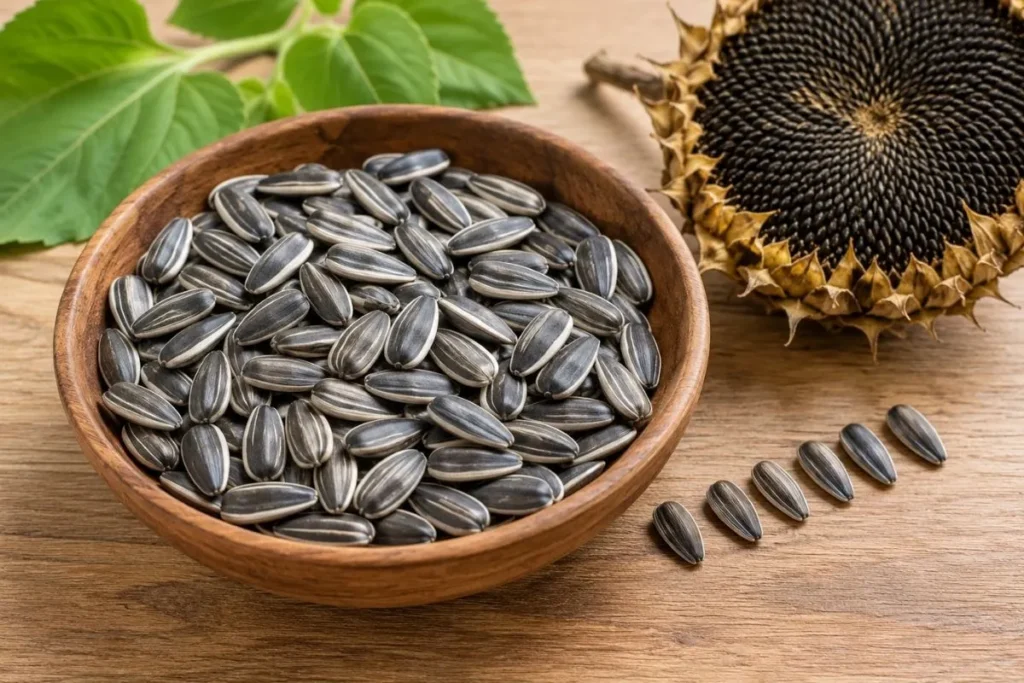
- They are full and plump.
- The outer shell is firm.
- The seeds are free from cracks.
- There are no signs of mold or insect damage.
- They have a natural color based on the sunflower variety.
Sorting your seeds ensures that only the strongest seeds are saved for future planting.
Which Seeds Should You Keep?
Not every seed you harvest is suitable for planting. Choosing the right seeds greatly improves germination and produces healthier plants.
Keep Large, Healthy Seeds
The best seeds are usually the largest and most fully developed. These seeds have stored more energy, giving young seedlings a stronger start.
When saving sunflower seeds for planting, always choose seeds from your healthiest plants.
Avoid Damaged or Empty Seeds
Throw away any seeds that are:
- Broken or cracked
- Soft or shriveled
- Discolored
- Hollow or empty
- Moldy
- Damaged by insects
Poor-quality seeds rarely grow into strong plants and may even spoil healthy seeds during storage.
Choose Seeds from Strong Plants
If possible, collect seeds from sunflowers that showed vigorous growth, large blooms, and no signs of disease during the growing season.
This simple habit helps maintain strong genetics and improves the quality of your future sunflower crop.
Separate Different Sunflower Varieties
If you’re growing multiple sunflower varieties, store each type separately and label the containers clearly.
Keeping varieties separate prevents confusion when planting next season and makes it easier to preserve your favorite flowers, especially if you’re learning how to save heirloom sunflower seeds or how to preserve sunflower seeds for planting.
Frequently Asked Questions (FAQs)
Many gardeners have similar questions when learning how to save sunflower seeds to plant. Below are the most common questions, along with simple and practical answers to help you save, store, and plant sunflower seeds successfully.
How do you save sunflower seeds to plant next year?
To save sunflower seeds to plant next year, let the flower head mature completely on the plant. Once the back of the flower turns brown and the seeds are fully developed, cut the flower head, remove the seeds, air dry them for several days, and store them in a cool, dry, and dark place until the next planting season.
Can you save sunflower seeds to plant again?
Yes, you can. Healthy sunflower seeds can be saved and replanted the following year if they are harvested at the right time and stored properly. This is one of the easiest ways to reduce gardening costs while growing beautiful sunflowers every season.
When should I harvest sunflower seeds?
The best time to harvest sunflower seeds is when the back of the flower head turns brown, the petals have dried and fallen off, and the seeds are plump and come out easily. In most areas, this happens during late summer or early fall.
How do I dry sunflower seeds before planting?
After removing the seeds from the flower head, spread them in a single layer on a clean tray, paper towel, or screen. Leave them in a cool, dry, and well-ventilated area for about 7 to 14 days. Avoid direct sunlight, as excessive heat can reduce seed quality.
How do I store sunflower seeds for planting?
The best way to store sunflower seeds for planting is in a paper envelope, glass jar, or airtight container. Keep the container in a cool, dark, and dry place away from heat, moisture, and direct sunlight. Proper storage helps maintain seed quality and improves germination.
How long do saved sunflower seeds last?
When stored correctly, saved sunflower seeds usually remain viable for 2 to 5 years. However, using them within the first one to two years generally produces the best germination rates and healthier plants.
Can I plant sunflower seeds straight from the flower?
Technically, yes, but it’s not recommended. Freshly harvested seeds often contain moisture that can reduce germination or encourage mold. Drying the seeds before storage or planting helps improve their chances of growing into healthy sunflower plants.
Which sunflower seeds should I save?
Always choose seeds that are:
- Large and plump
- Fully mature
- Free from cracks
- Free from mold
- Undamaged by insects
Saving seeds from your healthiest sunflower plants increases the chances of strong growth during the next season.
Do sunflower seeds need to be washed before storing?
No. In most cases, sunflower seeds do not need to be washed. Simply brush away any flower debris or dirt and allow the seeds to dry completely before storing them. Washing can add unnecessary moisture, increasing the risk of mold if the seeds aren’t dried thoroughly afterward.
What is the best way to save sunflower seeds for next season?
The best way to save sunflower seeds for next season is to harvest only fully mature seeds, clean them carefully, let them air dry completely, and store them in a labeled airtight container or paper envelope in a cool, dry location.
Following these steps helps preserve sunflower seed viability and ensures your seeds are ready for planting when the next growing season begins.
Conclusion
Saving sunflower seeds may seem complicated at first, but it’s actually a simple process when you follow the right steps.
Many people think they need special tools or expert gardening skills, but the truth is that anyone can learn how to save sunflower seeds to plant with a little patience and proper timing.
Throughout this guide, you’ve learned how to harvest sunflower seeds for planting, identify the right time to collect mature seeds, dry them correctly, and store sunflower seeds for planting so they stay healthy until the next growing season.
These simple practices help improve sunflower seed viability, increase germination rates, and give you a better chance of growing strong, vibrant sunflowers year after year.
Whether you’re growing traditional sunflowers, colorful varieties, or heirloom sunflower seeds, saving your own seeds is a smart and cost-effective way to keep your garden thriving.
It also supports sustainable gardening by reducing waste and allowing you to preserve your favorite sunflower varieties for future seasons.
The best way to save sunflower seeds for next season is to choose healthy, fully mature seeds, let them dry thoroughly, and store them in a cool, dry, and dark place.
With proper care, your homegrown sunflower seeds can remain viable for several years, making each growing season easier and more rewarding.
Now that you know how to save sunflower seeds to plant next year, you’re ready to build a self-sustaining garden filled with beautiful blooms.
Start with your healthiest sunflower plants this season, follow the steps in this guide, and enjoy growing strong, healthy sunflowers from your own saved seeds for years to come.

Plant Nest Blog’s author is passionate about plants, gardening, and sustainable living. Through research and practical experience, they share helpful plant care tips, gardening guides, and easy solutions to help readers grow healthier plants and create greener spaces.