
Many people believe that every yard of soil weighs exactly the same. That’s one of the biggest misconceptions. In reality, there isn’t a fixed weight because soil can vary in type, moisture content, and density. These factors can make one cubic yard much lighter or heavier than another.
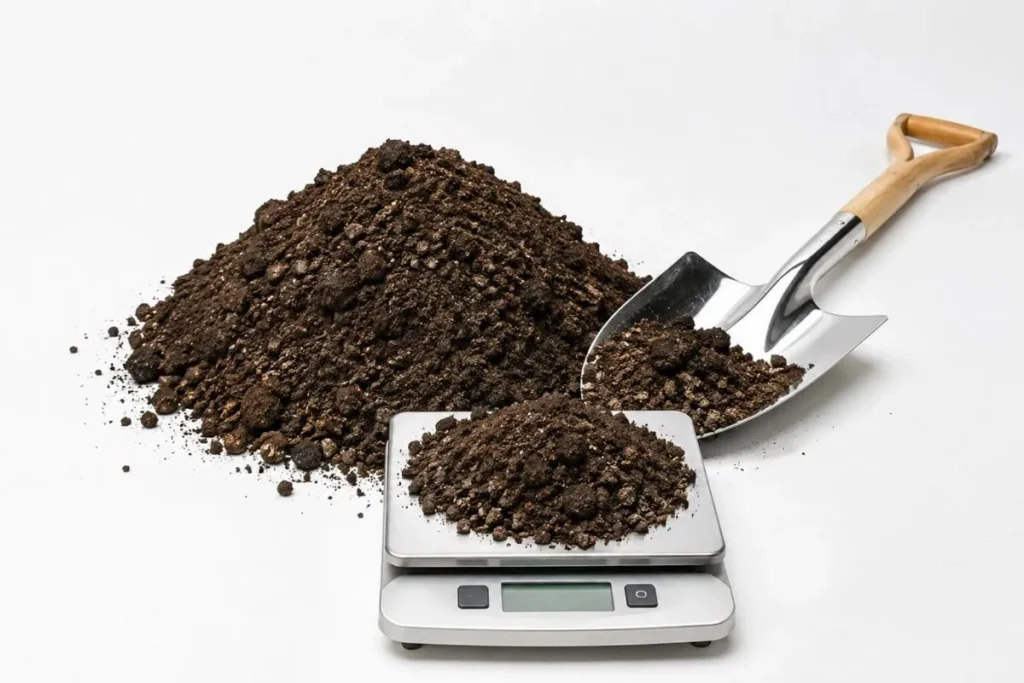
If you’re wondering how many pounds is a yard of soil, the average answer is 2,000 to 3,000 pounds. Knowing the weight of a yard of soil is important whether you’re buying topsoil, planning a landscaping project, or transporting soil in a truck.
In this guide, you’ll learn how much does a yard of soil weigh, what affects its weight, and how to estimate the right amount for your project.
How Much Does a Yard of Soil Weigh?
Average Weight of One Yard of Soil
The simple answer is that a cubic yard of soil usually weighs between 2,000 and 3,000 pounds. However, the exact cubic yard of soil weight depends on the soil type and how much moisture it contains.
Dry soil is much lighter, while wet soil can be several hundred pounds heavier because of the extra water. This is why there isn’t one exact answer to how many pounds are in one cubic yard of dirt.
In most cases, dry topsoil weighs around 2,000 to 2,300 pounds per cubic yard. If the soil has normal moisture, the weight increases to about 2,300 to 2,700 pounds.
When the soil becomes saturated after heavy rain, a yard of wet soil can weigh 2,700 to 3,000 pounds or even more. That’s also why contractors and landscapers always consider soil moisture before transporting large loads.
Average Soil Weight by Type
| Soil Type | Average Weight |
| Dry Topsoil | 2,000–2,300 lbs |
| Moist Topsoil | 2,300–2,700 lbs |
| Wet Soil | 2,700–3,000+ lbs |
| Fill Dirt | 2,000–2,600 lbs |
| Garden Soil | 2,200–2,800 lbs |
| Compost | 1,000–1,600 lbs |
Quick Reference Table
If you need a quick estimate, the table below shows the average soil weight per cubic yard for the most common types of soil. These figures are useful for gardening, landscaping, and construction projects where estimating the weight of one yard of soil is important before ordering or hauling materials.
| Soil Type | Average Weight per Cubic Yard | Common Uses |
| Dry Topsoil | 2,000–2,300 lbs | Lawns and garden beds |
| Moist Topsoil | 2,300–2,700 lbs | General landscaping |
| Fill Dirt | 2,000–2,600 lbs | Grading and leveling |
| Garden Soil | 2,200–2,800 lbs | Flower and vegetable gardens |
| Compost | 1,000–1,600 lbs | Soil improvement |
| Wet Soil | 2,700–3,000+ lbs | Moist or recently watered areas |
These numbers provide a reliable estimate, but remember that every supplier may have slightly different weights depending on the soil’s composition and moisture level.
If you’re planning a large project or arranging delivery, it’s always a good idea to confirm the cubic yard of soil weight with your supplier to ensure accurate calculations and safe transportation.
What Is a Cubic Yard of Soil?
Many people think that a cubic yard of soil refers to the weight of the soil. That’s not correct. A cubic yard is actually a unit of volume, not weight. It tells you how much space the soil occupies, while the weight depends on factors like the soil type, moisture, and density. Understanding this difference makes it much easier to estimate the cubic yard of soil weight and buy the right amount for your project.
Cubic Yard Explained in Simple Words
Before you can understand how many pounds is a yard of soil, you first need to know what a cubic yard actually is.
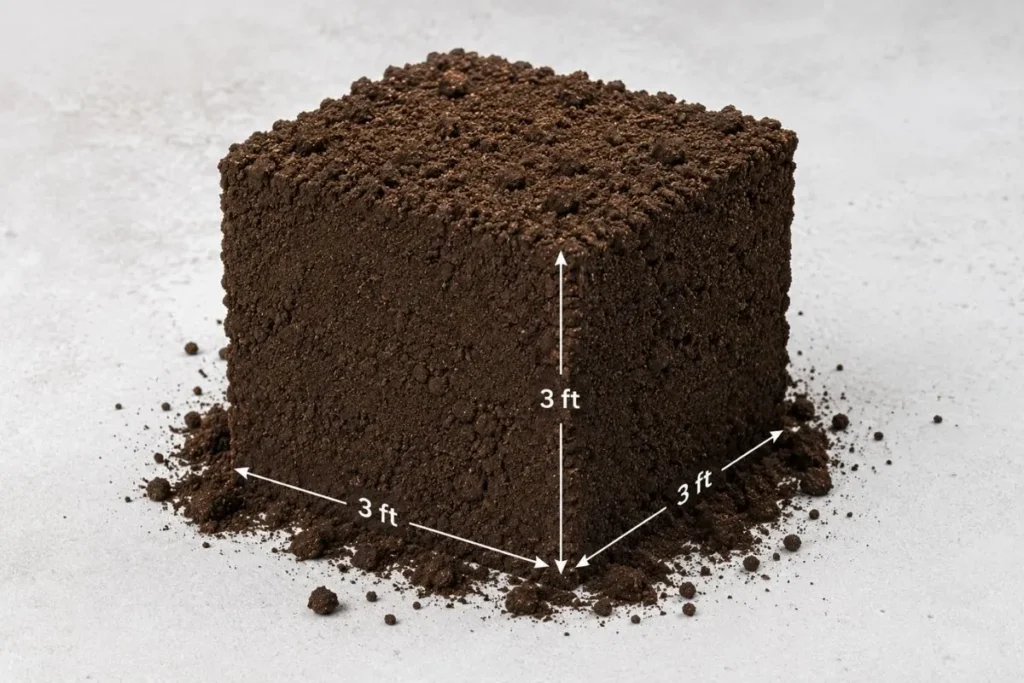
A cubic yard is a measurement of volume. It represents a space that is:
- 3 feet long
- 3 feet wide
- 3 feet deep
When you multiply these dimensions together (3 × 3 × 3), you get 27 cubic feet. This is why one cubic yard is always equal to 27 cubic feet, regardless of the type of material inside it.
Imagine stacking small boxes until they fill a space that measures 3 feet on each side. Whether that space is filled with topsoil, garden soil, fill dirt, or compost, it is still one cubic yard. The only thing that changes is the weight.
For example, a cubic yard filled with dry compost will weigh much less than a cubic yard filled with wet clay soil. Even though both occupy the same amount of space, their soil weight per cubic yard is completely different.
This is why landscaping companies usually sell soil by the cubic yard instead of by the pound. Volume is easier to measure, while the final weight depends on the material being delivered.
If you’re planning a landscaping or gardening project, knowing the cubic yard dimensions will help you estimate how much soil you need before calculating its weight.
Cubic Yard vs. Cubic Foot
People often confuse a cubic yard with a cubic foot, but they are not the same measurement.
A cubic foot is a cube that measures 1 foot long, 1 foot wide, and 1 foot deep. A cubic yard, on the other hand, is much larger because it contains 27 cubic feet.
Here’s a simple comparison:
| Measurement | Dimensions | Total Volume |
| 1 Cubic Foot | 1 ft × 1 ft × 1 ft | 1 cubic foot |
| 1 Cubic Yard | 3 ft × 3 ft × 3 ft | 27 cubic feet |
This difference is important because many homeowners calculate soil incorrectly by confusing these two measurements. For example, if your garden needs 27 cubic feet of soil, you’ll only need one cubic yard, not 27 cubic yards.
Understanding this conversion also makes it easier to use a soil volume calculator or cubic yard calculator when estimating materials for flower beds, lawns, raised garden beds, or landscaping projects.
Here are a few quick conversions to remember:
- 1 cubic yard = 27 cubic feet
- 3 cubic feet = 0.11 cubic yard
- 9 cubic feet = 0.33 cubic yard
- 18 cubic feet = 0.67 cubic yard
- 27 cubic feet = 1 cubic yard
Knowing the difference between cubic feet and cubic yards helps you avoid ordering too much or too little soil. It also makes it easier to estimate the weight of one yard of soil later, since you’ll already know the correct volume you’re working with.
Once you understand the relationship between soil measurement, volume, and cubic yard dimensions, calculating the amount of soil needed for any project becomes much simpler.
Why Does the Weight of Soil Change?
Many people assume that once they know how many pounds is a yard of soil, that number will always stay the same. That’s not true. Two cubic yards of soil can have completely different weights, even if they look almost identical.
The reason is simple soil weight changes based on several factors, including moisture, soil type, and density. Understanding these factors will help you estimate the weight of one yard of soil more accurately and avoid costly mistakes when buying or transporting soil.
Moisture Content
One of the biggest factors that affects the soil weight per cubic yard is moisture. Water adds significant weight to soil, which is why the same amount of soil can weigh much more after heavy rain than it does on a dry summer day.
Dry Soil vs. Wet Soil
Dry soil contains very little moisture, making it the lightest option. If you’ve ever searched for how many pounds is a yard of soil when dry, you’ll find that a dry cubic yard generally weighs much less than a wet one. This makes dry soil easier to transport and handle.
Wet soil is a different story. After rainfall or heavy watering, the empty spaces between soil particles fill with water. Since water has weight, the overall load becomes much heavier.
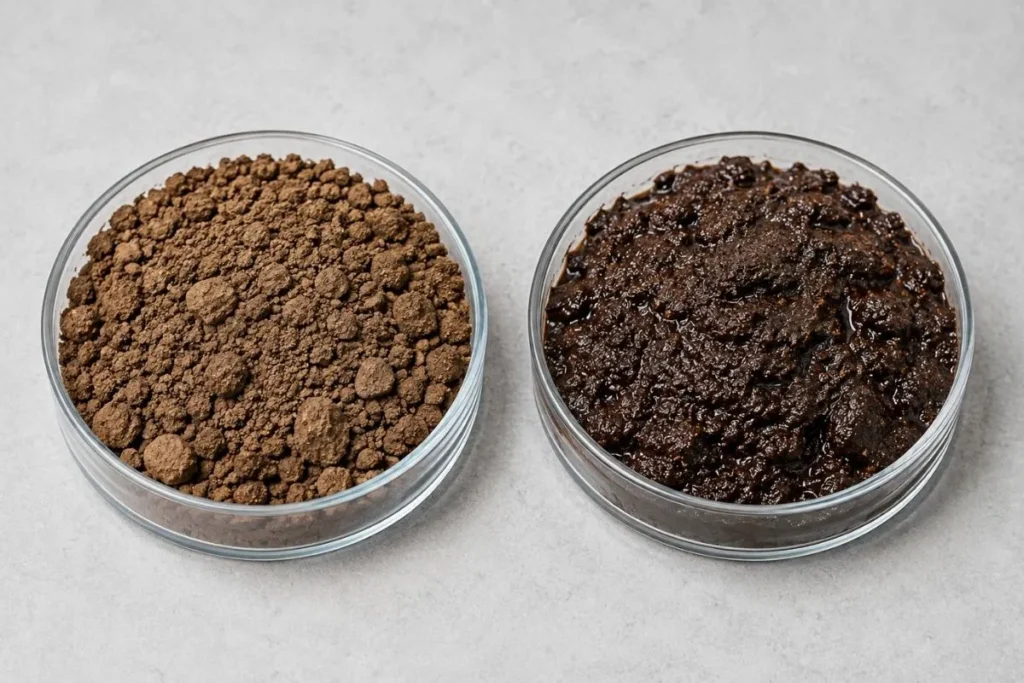
That’s why the answer to how many pounds is a yard of wet soil is often several hundred pounds higher than the weight of dry soil.
For example, if you’re planning a landscaping project and order soil after a rainy week, don’t be surprised if the delivery weighs much more than expected. Moisture can make a noticeable difference, especially in large quantities.
How Water Changes Soil Weight
Water doesn’t increase the size of a cubic yard it only increases its weight. A cubic yard always occupies the same amount of space, but the added moisture raises the total pounds. This is one of the main reasons suppliers often provide an estimated weight instead of an exact number.
If you’re hauling soil yourself, checking whether it’s dry or wet can help prevent overloading your trailer or pickup truck.
Soil Type
Not all soil is created equal. Different types of soil have different textures, particle sizes, and mineral content. These characteristics directly affect the cubic yard of soil weight.
Topsoil
Topsoil is the most common choice for lawns, flower beds, and gardens. It usually contains organic matter, making it fertile and suitable for plant growth. The topsoil weight varies depending on how much moisture it contains, but it generally falls within the average range for landscaping soil.
Garden Soil
Garden soil is often enriched with compost and other organic materials to improve plant health. Because of these added ingredients, garden soil weight may differ slightly from standard topsoil.
If you’re wondering how much does a yard of garden soil weigh, the answer depends on its specific mix and moisture level.
Fill Dirt
Unlike topsoil, fill dirt contains very little organic material. It is commonly used for leveling land, filling holes, and supporting construction projects. Since it’s made mostly of compact mineral soil, the fill dirt weight can vary depending on whether it contains more sand, clay, or gravel.
Compost
Compost is much lighter than most soils because it consists mainly of decomposed organic matter. If you’re comparing compost weight per yard with topsoil, you’ll notice compost usually weighs considerably less. This makes it easier to spread across gardens and flower beds.
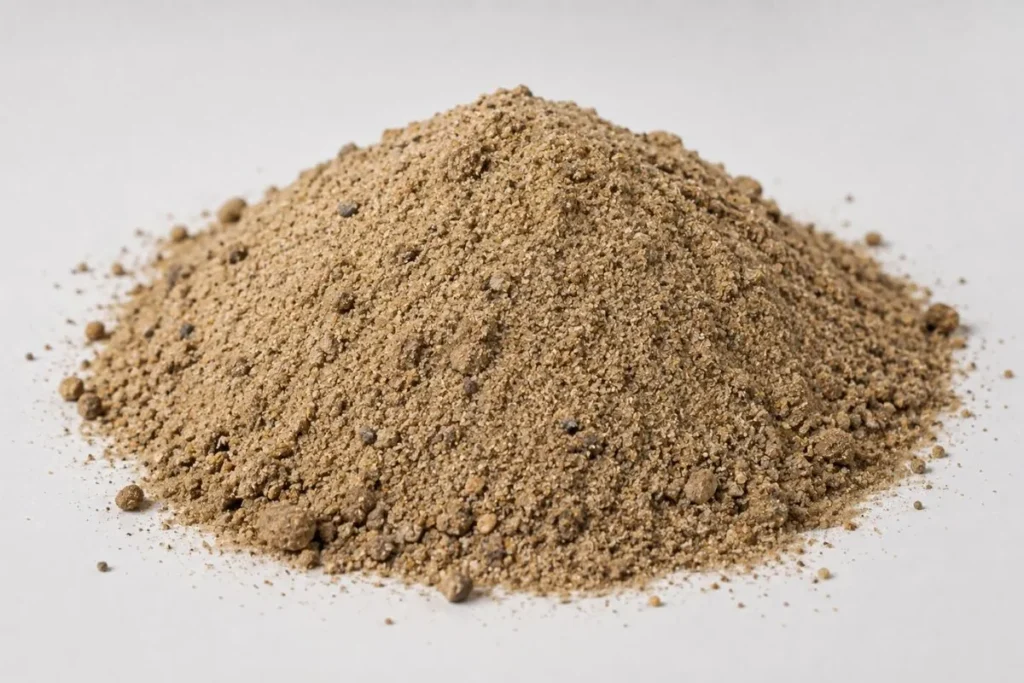
Sandy Soil
Sandy soil has larger particles and better drainage. Since water drains quickly through sand, it often weighs less than clay soil after rainfall. This makes sandy soil easier to work with, especially in wet conditions.
Clay Soil
Clay soil has very small particles that hold onto water for a long time. As a result, it can become one of the heaviest soil types when wet. If your landscaping project involves clay-rich soil, keep in mind that its weight may increase significantly after rain.
Each soil type has its own characteristics, which is why there isn’t a single answer to how much does a cubic yard of topsoil weigh or how many pounds is a cubic yard of fill dirt. The composition of the soil always plays an important role.
Soil Density
Another important factor that affects the weight of a yard of soil is density. Density simply refers to how tightly the soil particles are packed together.
Loose Soil
Loose soil contains more air pockets between particles. Because of these spaces, it weighs less than compacted soil, even if both occupy the same volume. Freshly delivered soil is often loose because it hasn’t been compressed.
Compacted Soil
Compacted soil has fewer air gaps because the particles are packed closely together. This increases the bulk soil weight, making the soil heavier per cubic yard. Construction sites often use compacted soil to create a stable foundation for roads, driveways, and buildings.
For this reason, compacted soil weight is usually higher than loose soil weight, even when both soils are dry. The tighter packing means more material fits into the same amount of space.
Understanding soil density is especially important when estimating delivery loads or calculating material requirements for large landscaping and construction projects. A denser soil may require stronger equipment and higher transportation capacity.
By considering moisture, soil type, and density together, you’ll have a much more accurate idea of the soil weight per cubic yard. This knowledge helps you order the right amount of material, estimate transportation needs, and avoid unexpected costs during your project.
Average Weight of Different Types of Soil
Many people think that all soil weighs about the same because it looks similar. That’s a common mistake. In reality, every type of soil has its own composition, which means its weight can vary quite a bit.
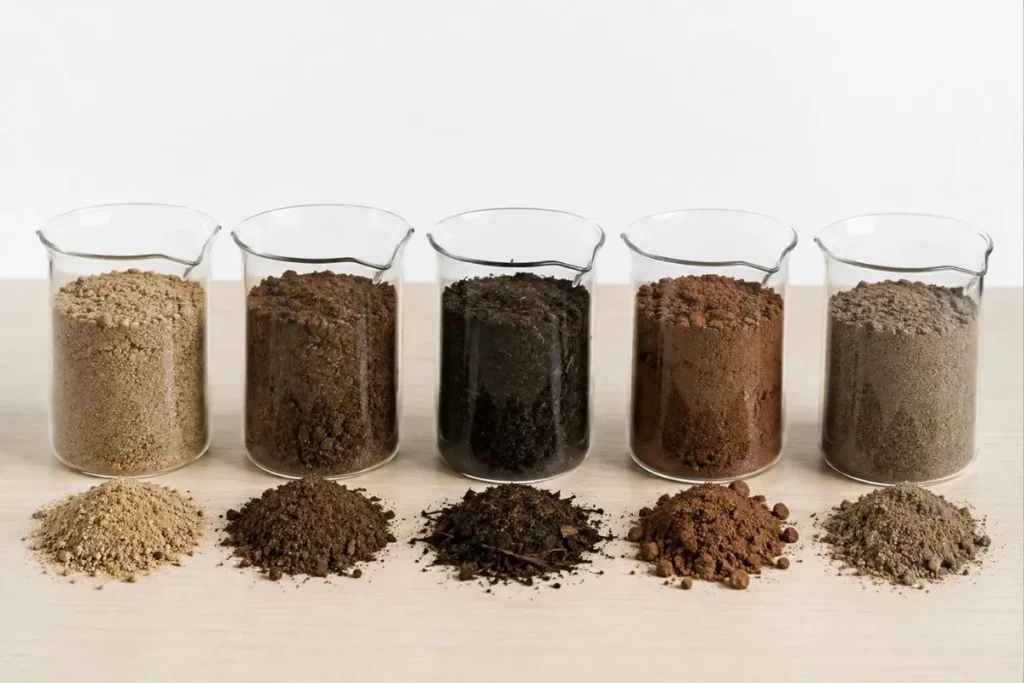
Organic matter, minerals, sand, clay, and moisture all influence the soil weight per cubic yard. That’s why knowing the type of soil you’re buying is just as important as knowing how many cubic yards you need.
Weight Comparison of Common Soil Types
If you’re planning a landscaping, gardening, or construction project, the table below gives a good estimate of the average weight of one yard of soil based on its type.
| Soil Type | Average Weight per Cubic Yard | Best Uses |
| Topsoil | 2,000–2,700 lbs | Lawns, gardens, flower beds |
| Fill Dirt | 2,000–2,600 lbs | Grading, leveling, foundations |
| Clay Soil | 2,500–3,000+ lbs | Retaining moisture, landscaping |
| Sandy Soil | 2,000–2,400 lbs | Drainage projects, lawns |
| Compost | 1,000–1,600 lbs | Soil enrichment, vegetable gardens |
| Garden Soil Mix | 2,200–2,800 lbs | Raised beds, flowers, vegetables |
| Screened Topsoil | 2,100–2,600 lbs | Seeding, turf installation, landscaping |
These figures are averages and may vary depending on moisture content and the supplier’s soil blend.
Topsoil Weight
Topsoil is one of the most popular choices for home landscaping and gardening. It contains nutrients and organic matter that help plants grow healthy roots.
If you’re asking how much does a cubic yard of topsoil weigh, the answer is usually between 2,000 and 2,700 pounds. Dry screened topsoil is on the lighter end of the range, while moist topsoil weighs considerably more.
Topsoil is commonly used for:
- Growing grass
- Building flower beds
- Planting shrubs
- Vegetable gardens
- Lawn repairs
Because topsoil contains natural organic material, its weight can vary from one supplier to another.
Fill Dirt Weight
Fill dirt is very different from topsoil. It contains very little organic matter and is made mostly of compact mineral soil.
If you’ve searched for how many pounds is a cubic yard of fill dirt, you’ll usually find a weight between 2,000 and 2,600 pounds.
Fill dirt is mainly used for:
- Filling holes
- Raising ground levels
- Creating building foundations
- Road construction
- Landscape grading
Since fill dirt is denser than many garden soil mixes, it creates a stable base for construction projects.
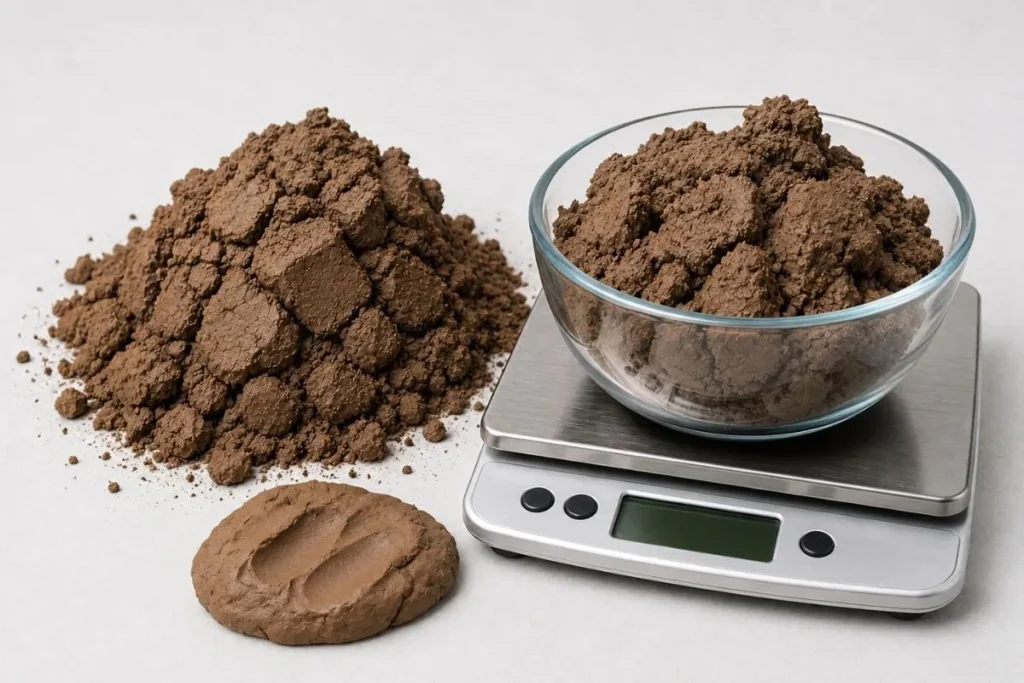
Clay Soil Weight
Clay soil is one of the heaviest soil types because its tiny particles hold large amounts of water.
A cubic yard of clay soil generally weighs 2,500 to over 3,000 pounds, especially after rainfall. This high weight makes clay ideal for projects that require stability, but it also makes transportation more challenging.
Clay soil is commonly used for:
- Building ponds
- Creating berms
- Landscaping projects
- Moisture-retaining gardens
If you’re working with clay, always remember that wet conditions can significantly increase its weight.
Sandy Soil Weight
Sandy soil contains larger particles that allow water to drain quickly. Because it doesn’t retain as much moisture as clay, it is generally lighter.
A cubic yard of sandy soil usually weighs around 2,000 to 2,400 pounds.
Homeowners often choose sandy soil for:
- Improving drainage
- Lawn installation
- Landscaping
- Mixing with heavier soils
Its lighter weight also makes it easier to move and spread around the yard.
Compost Weight
Compost is much lighter than traditional soil because it is made from decomposed organic materials such as leaves, food scraps, and plant waste.
The average compost weight per yard ranges from 1,000 to 1,600 pounds, making it the lightest material in this comparison.
Compost is best used for:
- Improving soil fertility
- Vegetable gardens
- Flower beds
- Organic gardening
- Mixing with topsoil
Since compost is lightweight, it’s easier to transport and spread across large garden areas.
Garden Soil Mix Weight
Garden soil is often a blend of topsoil, compost, peat moss, and other organic ingredients.
If you’re wondering how much does a yard of garden soil weigh, the average weight falls between 2,200 and 2,800 pounds.
Garden soil is ideal for:
- Raised garden beds
- Flower gardens
- Vegetable patches
- Container planting
- Landscape borders
Because every manufacturer uses a different blend, the exact weight may vary slightly.
Screened Topsoil Weight
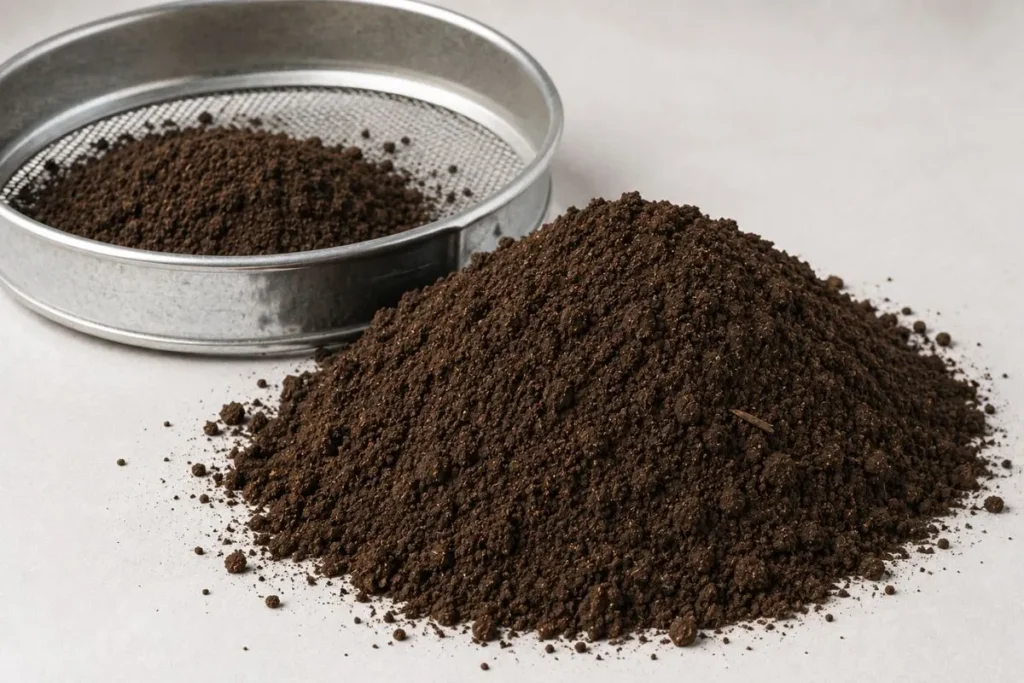
Screened topsoil has been filtered to remove rocks, roots, and other large debris. This creates a finer texture that’s easier to spread and work with.
A cubic yard of screened topsoil typically weighs 2,100 to 2,600 pounds.
It is commonly used for:
- Lawn preparation
- Sod installation
- Garden leveling
- Landscape finishing
- New planting areas
Many landscaping companies recommend screened topsoil because it provides a smooth finish and promotes healthy plant growth.
Which Soil Type Is Right for Your Project?
Topsoil
Topsoil is the best choice if you’re planting grass, flowers, shrubs, or trees. It contains nutrients and organic matter that support healthy plant growth, making it ideal for most residential landscaping projects.
Garden Soil
Garden soil works best for vegetable gardens, flower beds, and raised beds. Since it’s enriched with compost and other organic materials, it provides a nutrient-rich environment for plants to thrive.
Fill Dirt
Fill dirt is the right option for construction and grading projects. It creates a solid, stable base for foundations, driveways, retaining walls, and leveling uneven ground because it contains very little organic matter.
Clay Soil
Clay soil is a good choice when you need excellent water retention. It’s commonly used for ponds, berms, and landscaping projects where holding moisture is more important than quick drainage.
Sandy Soil
Sandy soil is ideal for areas that need better drainage. It allows water to pass through quickly, making it suitable for lawns, gardens, and landscaping projects in regions with heavy rainfall.
Compost
Compost isn’t usually used by itself. Instead, it’s mixed with existing soil to improve fertility, increase organic matter, and promote healthier plant growth in gardens and flower beds.
Screened Topsoil
Screened topsoil is perfect for projects that require a smooth, fine-textured surface. It’s widely used for lawn preparation, sod installation, seeding, and finishing landscaping work because rocks and large debris have already been removed.
By choosing the right soil for your specific project, you’ll get better results while also making more accurate estimates of the cubic yard of soil weight and the total amount of material you’ll need.
Frequently Asked Questions (FAQs)
Many people search for how many pounds is a yard of soil because they want a quick answer to a specific question. Below are the most common questions homeowners, gardeners, landscapers, and contractors ask before buying or transporting soil.
How much does a yard of soil weigh?
A cubic yard of soil typically weighs between 2,000 and 3,000 pounds. The exact weight depends on the type of soil, its moisture content, and how compact it is. Dry soil weighs less, while wet or compacted soil is considerably heavier.
How many pounds are in one cubic yard of dirt?
One cubic yard of dirt generally weighs 2,000 to 3,000 pounds. Fill dirt, topsoil, clay, and sandy soil all have different densities, so the weight can vary slightly depending on the material.
How many pounds is a yard of wet soil?
A yard of wet soil usually weighs between 2,700 and 3,000 pounds or more. Water fills the air spaces within the soil, increasing its total weight without changing its volume.
How many pounds is dry topsoil?
A cubic yard of dry topsoil typically weighs around 2,000 to 2,300 pounds. Since it contains very little moisture, it is lighter and easier to transport than wet topsoil.
How many cubic feet are in one yard of soil?
There are 27 cubic feet in one cubic yard of soil. A cubic yard measures 3 feet long × 3 feet wide × 3 feet deep, making it the standard unit used for soil, mulch, and other landscaping materials.
Is one yard of soil equal to one ton?
Not exactly. One yard of soil is usually about 1 to 1.5 tons, depending on the soil type and moisture level. Since one ton equals 2,000 pounds, many soil types weigh slightly more than one ton per cubic yard.
How do I calculate the weight of a yard of soil?
To estimate the weight of one yard of soil, first determine the number of cubic yards you need. Then multiply that volume by the average weight of the soil type you’re using. For example, if one cubic yard of topsoil weighs about 2,400 pounds, two cubic yards will weigh approximately 4,800 pounds.
What is the average weight of a yard of soil?
The average weight of a yard of soil is around 2,400 pounds. This is a good general estimate for most landscaping and gardening projects, although the actual weight may be higher or lower depending on the soil’s composition and moisture content.
How much does a truckload of soil weigh?
The weight of a truckload depends on the size of the truck and the amount of soil it carries. Since one cubic yard can weigh up to 3,000 pounds, even a small load may exceed the payload capacity of many standard pickup trucks. Always check your vehicle’s weight limit before transporting soil.
Does garden soil weigh the same as fill dirt?
No. Garden soil and fill dirt have different compositions, so they don’t weigh exactly the same. Garden soil often contains compost and organic matter, while fill dirt is mostly made of mineral soil. As a result, the weight of each material can vary even if the volume is the same.
Conclusion
Knowing how many pounds is a yard of soil is essential before starting any gardening, landscaping, or construction project.
While the average cubic yard of soil weight falls between 2,000 and 3,000 pounds, the exact weight depends on several factors, including the soil type, moisture content, and density.
That’s why there isn’t a single answer that applies to every situation.
Throughout this guide, you’ve learned how much does a yard of soil weigh, the difference between topsoil, fill dirt, garden soil, compost, clay, and sandy soil, as well as how moisture and compaction affect the weight of one yard of soil.
You also discovered why understanding soil volume and weight can help you estimate transportation needs, avoid overloading your vehicle, and purchase the correct amount of material for your project.
Whether you’re filling a raised garden bed, leveling your yard, installing a new lawn, or planning a large landscaping job, taking a few minutes to estimate the soil weight per cubic yard can save you time, money, and unnecessary hassle.
If you’re still unsure about the exact weight, ask your supplier for their specifications or use a reliable cubic yard of soil weight calculator to get a more accurate estimate.
With the right information and proper planning, you can confidently choose the right type of soil, order the correct quantity, and complete your project without unexpected surprises.

Plant Nest Blog’s author is passionate about plants, gardening, and sustainable living. Through research and practical experience, they share helpful plant care tips, gardening guides, and easy solutions to help readers grow healthier plants and create greener spaces.